









Introduction: Why Your First Eid Meal Matters More Than You Think
After 30 days of Ramadan, your body is not just “hungry.” It has adapted.
Your eating schedule changed. Your digestion slowed during the day and adjusted to evening meals. Your hydration patterns shifted. Even your gut bacteria—the ecosystem inside your stomach—adapted to a different rhythm.
So when Eid morning arrives, the question is not simply what to eat after Ramadan fasting on Eid in the UAE.
The better question is:
How do you reintroduce food in a way that feels good—not heavy, bloated, or exhausting?
Many people make the same mistake every year. They go from controlled fasting straight into heavy, rich meals—fried foods, sugary desserts, large portions. By midday, they feel uncomfortable, sluggish, or even slightly unwell.
This is not about restriction. Eid is a celebration.
But how you start the day determines how you feel for the rest of it.
In practice, suppliers working closely with Dubai-based distributors such as JMB Farm Fresh often observe seasonal spikes in demand for lighter, hydrating produce during Eid mornings—especially fruits that are easy on digestion.
This article breaks down, in practical terms, what your body needs, what to eat first, and how to build a simple, balanced Eid morning plate that supports both enjoyment and comfort.
What Actually Happens to Your Body After Ramadan?
To understand the best Eid food choices, it helps to understand what changed during Ramadan.
1. Your Digestive Rhythm Slows Down
During fasting, your stomach spends long hours inactive.
Digestion becomes more efficient—but also more sensitive.
When you suddenly introduce large, heavy meals:
- The stomach struggles to process quickly
- Acid levels can spike
- Bloating and discomfort become more likely
This is why many people feel “too full” very quickly on Eid morning.
2. Your Hydration Levels Are Lower Than You Think
Even with careful Iftar and Suhoor, most people experience mild dehydration by the end of Ramadan.
Common signs include:
- Low energy in the morning
- Dry mouth or slight headaches
- Slower digestion
Jumping straight into salty or fried foods without rehydrating first can make this worse.
3. Your Blood Sugar Sensitivity Changes
During Ramadan, your body becomes more efficient at managing energy.
So when you start Eid with:
- High-sugar desserts
- Refined carbs
- Sweet drinks
You may experience:
- Quick energy spikes
- Followed by sudden fatigue
This is often mistaken for “Eid tiredness,” but it is usually a food response.
The Biggest Eid Morning Mistake (And Why It Happens)
Across households, restaurants, and even hotel breakfast spreads in the UAE, one pattern repeats every year:
Starting Eid with heavy, celebratory food instead of transitional food.
Examples include:
- Fried items immediately after waking
- Large portions of meat-based dishes
- Sugary desserts before hydration
- Skipping fruit and going straight to rich meals
Why does this happen?
Because Eid food is emotional. It represents celebration, family, and reward after fasting.
But your body still needs a transition.
Think of it this way:
You would not sprint immediately after waking up.
But many people “sprint” with their first meal on Eid.
What Should You Eat First on Eid Morning?
Instead of thinking in terms of dishes, think in terms of functions:
Your first meal should:
- Rehydrate
- Gently activate digestion
- Provide light, steady energy
Step 1: Start with Water (Not Food)
Before anything else:
- Drink 1–2 glasses of water
- Avoid cold, sugary drinks immediately
This helps your digestive system wake up gradually.
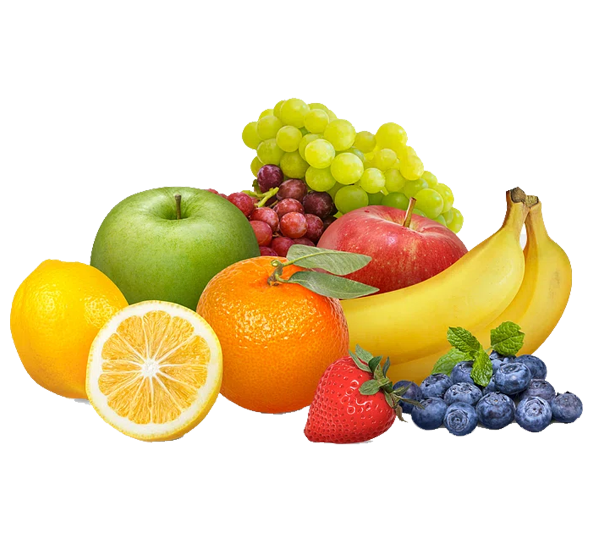
Step 2: Eat Hydrating Fruits First
This is one of the most overlooked steps in a post-Ramadan diet in the UAE.
Fruits are ideal because they are:
- High in water
- Easy to digest
- Naturally balanced in sugars
- Rich in fiber
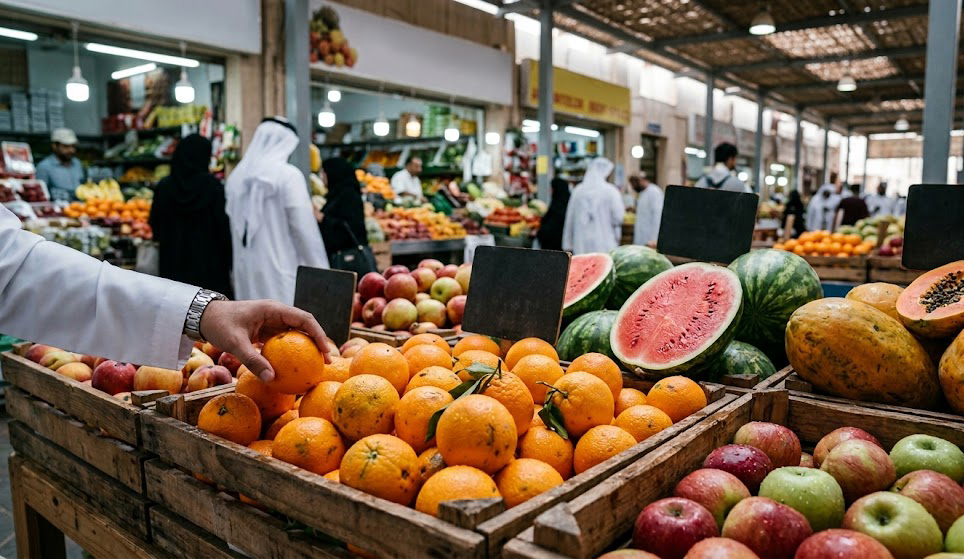
Practical examples (common in UAE markets during Eid season):
- Watermelon
- Papaya
- Oranges
- Apples
- Berries (when available)
These fruits help your body transition from fasting to eating without shock.
Why Fruits Work So Well After Ramadan
From a food supply and quality perspective, not all fruits behave the same.
Buyers in Dubai often notice:
- Imported fruits may look perfect but lack hydration
- Overripe fruits can feel heavy and overly sweet
- Poor storage reduces freshness and digestibility
This is why selecting fresh, properly handled produce matters more during Eid than usual.
In wholesale environments, experienced buyers prioritize:
- Firm but ripe texture
- Natural aroma (not overly sweet smell)
- Clean skin without soft spots
These indicators often matter more than visual perfection.
Step 3: Add Something Light and Familiar
After fruit, you can introduce something slightly more filling.
Options include:
- Yogurt (plain or lightly sweetened)
- Dates (in small quantities)
- Light flatbread with minimal toppings
This combination:
- Supports gut comfort
- Adds gentle energy
- Prevents overeating later
Should You Eat Traditional Eid Foods in the Morning?
Yes—but timing matters.
Traditional dishes are often:
- Rich
- Flavorful
- Meant for sharing
They are better suited for:
- Late morning
- Lunch
- Gatherings
Instead of your first intake of the day.
A Simple Eid Morning Plate (That Actually Works)
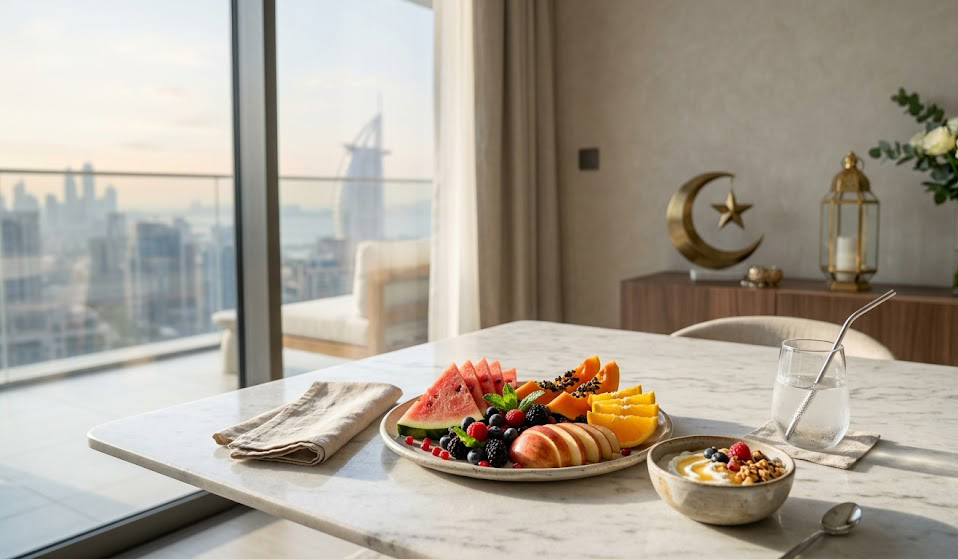
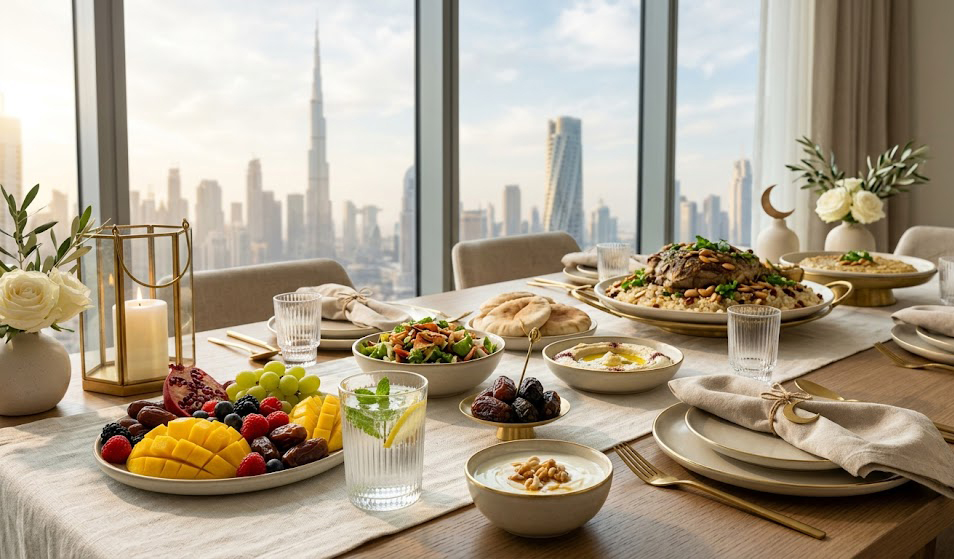
A balanced approach might look like this:
- Water
- A small fruit platter
- Yogurt or light dairy
- A few dates
Then, after 1–2 hours:
- Move into traditional Eid meals
This approach helps you enjoy both:
- The celebration
- Your physical comfort
The Role of Fresh Produce in Eid Health (Often Ignored)
In many households, fruits are treated as decoration on Eid tables rather than the foundation of the meal.
But from a supply-chain perspective, this is where quality matters most.
During Eid in the UAE:
- Demand for fresh produce rises sharply
- Supply chains become strained
- Quality inconsistency becomes more noticeable
This affects:
- Taste
- Shelf life
- Digestibility
Buyers—whether families or hospitality professionals—often face confusion around:
- Why some fruits spoil faster during Eid
- Why prices fluctuate
- Why “premium-looking” fruit doesn’t always taste better
These are not random issues. They are tied to:
- Import timing
- Storage conditions
- Handling across distribution layers
Understanding this helps you make better choices—not just healthier ones.
How to Choose Better Fruits for Eid Morning
If your goal is a healthy Eid breakfast with fruits in the UAE, focus on:
1. Hydration Over Appearance
Shiny fruit is not always the freshest.
Look for:
- Weight (heavier fruit = more water content)
- Firmness with slight softness
2. Seasonal Alignment
During Eid periods, some fruits are:
- In peak condition
- Others are imported out of season
Seasonal fruits usually:
- Taste better
- Digest easier
- Offer better value
3. Storage Reality
Even good fruit can degrade quickly in UAE heat.
Common mistake:
- Buying large quantities too early
Better approach:
- Buy closer to Eid
- Store properly (not all fruits belong in the fridge)
Why This Matters for Businesses Too
For restaurant owners, caterers, and hotel buyers, this is not just about health—it affects customer experience.
Common operational issues during Eid:
- Fruit platters losing freshness quickly
- Inconsistent taste across batches
- Increased waste due to spoilage
This often comes down to sourcing and handling—not just purchasing.
Some UAE buyers prefer working with established wholesale produce providers because consistency matters more during high-demand periods like Eid.
At this point, we’ve covered what to eat first, why it matters, and how to choose the right foods.
Next, we’ll go deeper into:
- How to structure the rest of your Eid meals
- Common post-Ramadan diet mistakes people don’t realize
- How to reset your gut properly after fasting
- Practical meal timing that actually works in UAE conditions
How to Structure the Rest of Your Eid Meals (Without Feeling Heavy All Day)
Once you’ve started your morning correctly—with hydration, fruits, and light foods—the next challenge is maintaining that balance as the day becomes more social.
Eid is rarely about one meal. It’s a sequence:
- Morning visits
- Midday gatherings
- Afternoon tea
- Evening dinners
Without structure, this easily turns into continuous eating.
A Practical Meal Flow That Works
Instead of treating Eid like a single large feast, think in phases:
Phase 1 — Early Morning (Reset Phase)
- Water
- Fresh fruits
- Yogurt or light dairy
This is where you gently wake up digestion.
Phase 2 — Late Morning (Transition Phase)
After 1–2 hours, your body is ready for more complex food.
This is the right time for:
- Light savory dishes
- Moderate portions of traditional food
- Balanced plates (not overly rich combinations)
Avoid stacking multiple heavy items together.
Phase 3 — Midday to Afternoon (Social Eating Phase)
This is where most people lose control—not because of hunger, but because of environment.
You are visiting homes, being offered food, and eating out of politeness.
A practical approach:
- Take smaller portions
- Prioritize variety over quantity
- Keep hydration consistent
Phase 4 — Evening (Main Meal Phase)
If you’ve paced your day well, you can enjoy a proper meal in the evening without discomfort.
At this point, your digestion is fully active again.
Common Post-Ramadan Diet Mistakes (That Most People Don’t Notice)
Even experienced hosts and food buyers repeat the same patterns every year.
1. Eating Too Much Too Early
The most common mistake.
Your stomach capacity hasn’t disappeared—but your tolerance has changed.
Result:
- Early fatigue
- Bloating
- Reduced appetite later in the day
2. Ignoring Hydration After Fasting
People often focus on food but forget water.
Signs of this mistake:
- Headaches by midday
- Low energy
- Sluggish digestion
Water intake should be consistent throughout the day—not just at meals.
3. Overloading on Sugar in the Morning
Traditional sweets are part of Eid, but timing matters.
Early sugar intake leads to:
- Energy spikes
- Followed by sudden dips
- Cravings later in the day
4. Skipping Fruits Entirely
In many households, fruit platters are decorative.
They are placed on the table—but not actually eaten first.
This removes the most important digestive support your body needs after fasting.
5. Mixing Too Many Rich Foods Together
Combining:
- Fried foods
- Heavy meats
- Sugary desserts
In one sitting increases digestive strain significantly.
Spacing these foods across the day makes a noticeable difference.
Gut Reset After Ramadan: What It Actually Means
You may hear the phrase “gut reset after Ramadan” often, especially in UAE wellness discussions.
In simple terms, it means:
Helping your digestive system return to a normal, balanced state without stress.
This is not about detoxes or extreme diets.
It is about how you reintroduce food.
What Supports a Healthy Transition?
1. Fiber (From Natural Sources)
Fruits and vegetables provide:
- Gentle digestion support
- Improved gut movement
- Balanced nutrient absorption
Examples:
- Papaya
- Apples
- Leafy greens
- Cucumbers
2. Natural Hydration
High-water-content foods are critical.
This includes:
- Watermelon
- Oranges
- Lettuce
- Tomatoes
These foods reduce digestive load while supporting recovery.
3. Fermented or Light Dairy
Simple options like yogurt help:
- Stabilize gut bacteria
- Improve digestion of heavier meals later
The UAE Context: Why Produce Quality Matters More During Eid
During Eid, the UAE fresh produce system experiences a unique shift.
1. Demand Increases Rapidly
- Households prepare for gatherings
- Restaurants and caterers scale up
- Retail and wholesale channels both become active
This creates pressure across the supply chain.
2. Supply Becomes Less Predictable
Because the UAE relies heavily on imported produce:
- Shipment timing affects availability
- Storage duration impacts freshness
- Handling quality varies across suppliers
3. Freshness Gaps Become More Noticeable
Buyers often report:
- Fruits that look fresh but taste flat
- Produce that spoils faster than expected
- Inconsistent quality across batches
These are not isolated issues—they are seasonal patterns.
Wholesale vs Retail Produce During Eid: What Buyers Should Know
This is a frequent point of confusion, especially among families and smaller businesses.
Retail (Supermarkets)
Advantages:
- Convenient
- Smaller quantities
- Standardized packaging
Limitations:
- Higher cost per unit
- Less control over sourcing
- Variable freshness during peak demand
Wholesale (Bulk Suppliers)
Advantages:
- Better control over selection
- Often fresher when sourced correctly
- More suitable for large gatherings
Trade-offs:
- Requires basic knowledge of quality assessment
- Larger quantities may increase waste if unmanaged
In practice, experienced buyers often combine both approaches:
- Wholesale for core items (fruits, vegetables)
- Retail for specialty or small-quantity items
This hybrid approach reduces cost while maintaining flexibility.
How to Avoid Waste During Eid (A Real Concern for Buyers)
Food waste increases significantly during Eid across households and businesses.
Common reasons include:
- Overbuying
- Poor storage
- Misjudging guest consumption
Practical Ways to Reduce Waste
1. Plan Around People, Not Emotion
It’s easy to overestimate how much guests will eat.
Instead:
- Estimate realistically
- Focus on variety, not volume
2. Buy in Stages
Instead of purchasing everything at once:
- Buy perishables closer to use
- Restock if needed
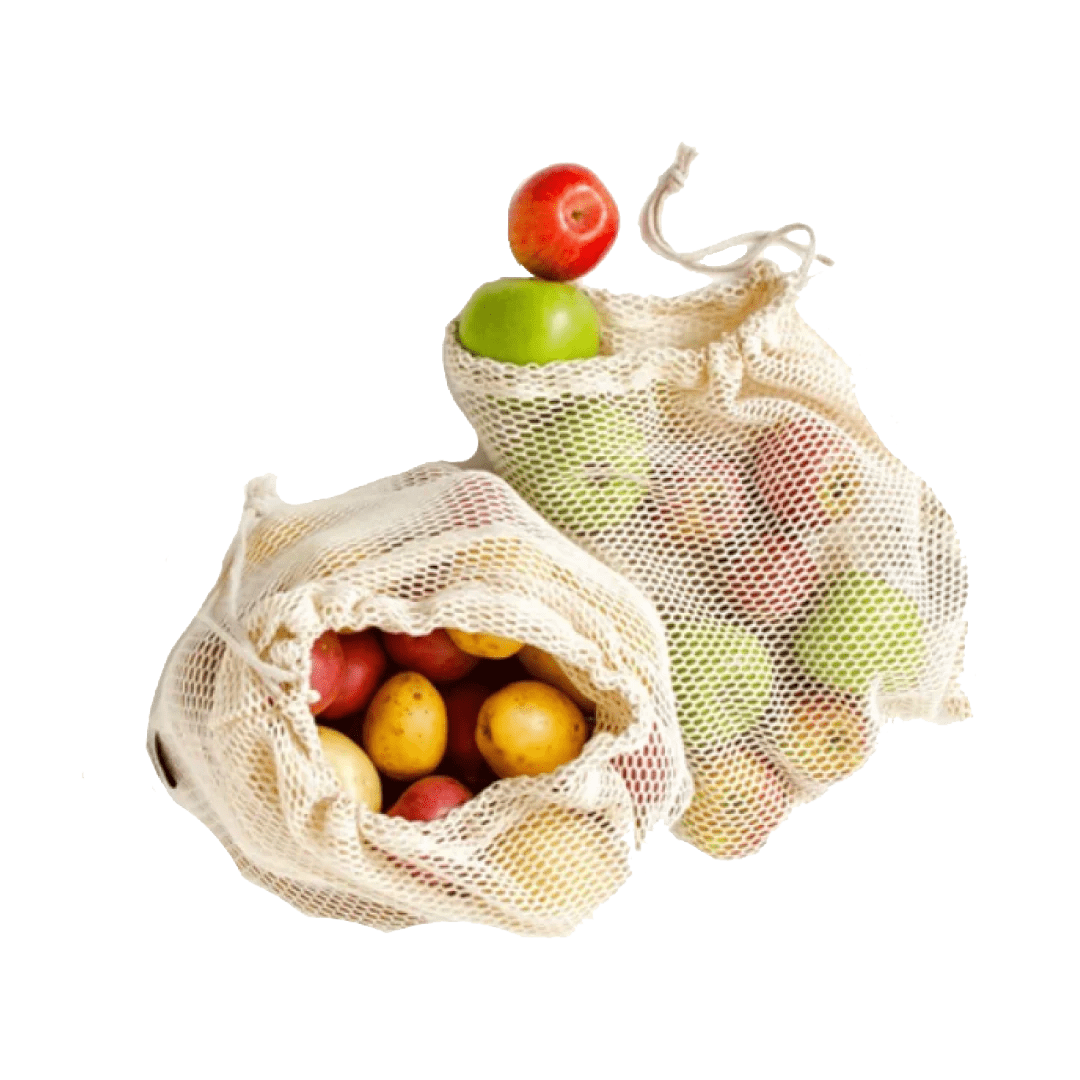
3. Store Based on Produce Type
Not all fruits should be refrigerated.
For example:
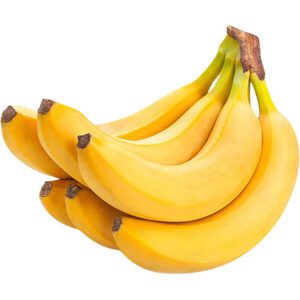
- Bananas: room temperature
- Apples: refrigeration helps longevity
- Tomatoes: better outside fridge for flavor
4. Use Leftovers Intentionally
Extra fruit can be used for:
- Smoothies
- Salads
- Light evening meals
This reduces waste while maintaining nutritional value.
A Quiet Shift in Eid Eating Habits in the UAE
Over the past few years, there has been a noticeable shift:
- More households are starting Eid with lighter foods
- Fruit platters are becoming functional, not decorative
- Buyers are paying more attention to freshness and sourcing
This is not a trend driven by marketing.
It is a response to experience—people simply feel better when they eat differently.
What Experienced Buyers and Suppliers Observe
From a supply-side perspective, one pattern stands out:
The highest satisfaction during Eid often comes from simpler, better-balanced meals—not the most elaborate ones.
Suppliers working closely with UAE buyers, including those aligned with operations like JMB Farm Fresh (jmbfarmfresh.com), often note that:
- Consistent quality matters more than visual perfection
- Hydrating produce performs better in high-demand periods
- Buyers who understand seasonality experience fewer issues
A Practical Eid Food Framework You Can Follow Every Year
By now, the pattern is clear:
Your body does not need restriction after Ramadan.
It needs a smooth transition.
Instead of remembering dozens of tips, you can simplify everything into one working framework.
The 4-Step Eid Eating Approach
1. Rehydrate First
Before food:
- 1–2 glasses of water
- Avoid sugary drinks immediately
This prepares your digestion for what follows.
2. Start with Fresh, Hydrating Produce
Your first food should be:
- Light
- Water-rich
- Easy to digest
Examples commonly available in the UAE:
- Watermelon
- Papaya
- Oranges
- Apples
This step supports your gut reset after Ramadan and reduces the chances of discomfort later.
3. Add Light Support Foods
After fruits:
- Yogurt or laban
- A few dates
- Light bread
This creates a stable energy base without overwhelming your system.
4. Delay Heavy Foods (Not Avoid Them)
Traditional Eid dishes still have their place.
Just shift them later:
- Late morning
- Lunch
- Evening gatherings
This allows you to enjoy them without the side effects.
A Simple Checklist (For Households and Businesses)
Whether you are preparing at home or managing food for guests, this checklist keeps things practical:
Before Eid
- Buy fruits closer to the day to preserve freshness
- Prioritize seasonal produce over imported out-of-season items
- Avoid overbuying highly perishable items
On Eid Morning
- Start with hydration
- Serve fruit first—not as decoration
- Keep portions small and balanced
Throughout the Day
- Maintain water intake
- Space meals instead of stacking them
- Rotate between light and heavy foods
After Eid Gatherings
- Store produce correctly
- Use leftover fruits in simple preparations
- Avoid letting excess food spoil unnecessarily
The Balance Most People Miss
There is a common assumption that healthy eating and celebration cannot coexist.
But in practice, the opposite is true.
When the first part of your day is:
- Light
- Hydrating
- Balanced
You actually enjoy the rest of Eid more.
Food tastes better.
Energy remains stable.
You stay present in gatherings instead of feeling sluggish.
For UAE Buyers: A Final Perspective on Produce Quality
Eid is one of the few times when:
- Food volume increases
- Expectations rise
- Margins for error become smaller
For both families and businesses, the quality of fresh produce becomes more noticeable.
A few consistent observations from the field:
- Freshness affects not just taste, but digestion
- Handling and storage matter as much as sourcing
- Simpler menus often reduce both waste and complaints
Some UAE buyers quietly shift toward more structured sourcing during Eid—not for scale, but for consistency.
That shift is less about where they buy, and more about how intentionally they choose.
Conclusion: Start Light, Enjoy Fully
Eid is a celebration of completion, reflection, and connection.
Food is central to that experience—but it does not need to overwhelm it.
After 30 days of fasting, your body responds best when you:
- Reintroduce food gradually
- Prioritize hydration and freshness
- Respect the transition instead of rushing it
The result is simple:
You feel better.
You eat better.
And you enjoy Eid the way it is meant to be experienced.
Featured Snippet (40–60 words)
After Ramadan, the best way to start Eid morning is with water and hydrating fruits like watermelon, oranges, or papaya. This helps gently restart digestion, stabilize energy, and prevent discomfort. Heavy or sugary foods are better consumed later in the day once the body has adjusted.
FAQ Section
1. What is the best food to eat first on Eid after Ramadan fasting?
Start with water followed by hydrating fruits such as watermelon, oranges, or papaya. These are easy to digest and help your body transition smoothly from fasting to eating.
2. Should I eat sweets first on Eid morning?
It is better to delay sweets. Eating sugary foods first can cause quick energy spikes followed by fatigue. Have them later in the day after a balanced meal.
3. What is a good healthy Eid breakfast in the UAE?
A simple combination works best: fresh fruits, yogurt, a few dates, and water. This supports digestion and provides steady energy without heaviness.
4. How can I avoid bloating on Eid?
Avoid heavy or fried foods early in the day, eat smaller portions, stay hydrated, and begin with light foods like fruits before moving to richer meals.
5. Why do I feel tired after eating on Eid?
This is often due to overeating, dehydration, or consuming too much sugar early in the day. Starting with light, hydrating foods can help prevent this.








 Home
Home  Whishlist
  Compare
  Checkout