













Introduction: Why This Keeps Happening (Especially in Dubai Kitchens)
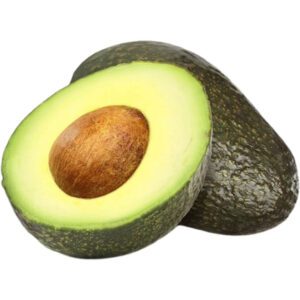
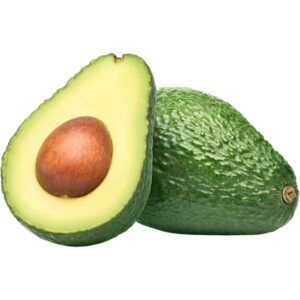
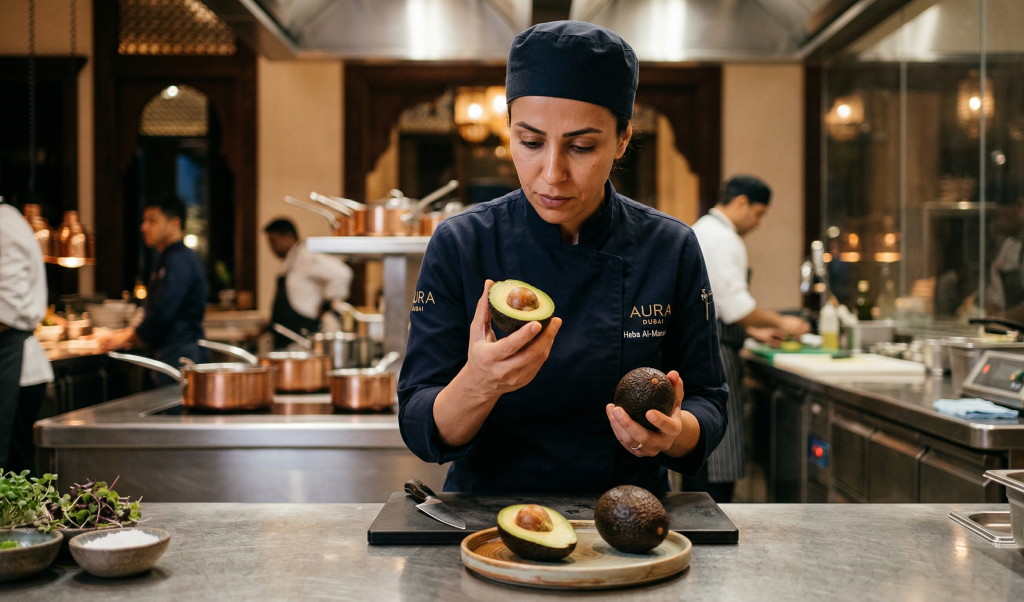
You cut an avocado. It looks perfect—bright green, smooth, ready to use.
Twenty minutes later, it turns brown.
For households, it feels like waste.
For restaurants and catering kitchens, it becomes a cost issue.
For procurement teams, it raises a deeper question: Are we handling produce correctly after purchase?
In Dubai and across the UAE, where most avocados are imported and often travel long distances, this issue shows up more frequently than many expect.
The problem is not just “air exposure.”
It is a combination of ripeness stage, handling temperature, and oxidation speed.
This article breaks down what actually works—based on real kitchen practices, not internet myths—and ranks the four most effective methods to stop avocado browning.
What Actually Causes Avocado Browning?
Before jumping into solutions, it helps to understand the mechanism in simple terms.
When you cut an avocado, you expose its flesh to oxygen. Inside the fruit are natural compounds and enzymes. Once exposed, they react with oxygen and begin to darken the surface.
This process is called oxidation.
But here’s what most guides fail to explain clearly:
Browning speed depends on three key factors:
- Ripeness level
Overripe avocados brown faster because their cell structure is already breaking down. - Temperature
Warm kitchen environments (common in UAE settings) accelerate oxidation. - Surface exposure
The more surface area exposed, the faster the browning.
This is why a sliced avocado in a brunch service line browns much faster than a halved avocado stored properly.
Why This Matters More in UAE Supply Chains
In regions like Dubai, avocados are typically sourced from countries like Kenya, Mexico, Peru, or South Africa.
By the time they reach kitchens:
- They may already be at advanced ripeness stages
- Cold chain consistency may vary slightly during transport
- Kitchen environments tend to be warmer than European climates
This creates a narrow window between:
“perfectly ripe” → “visibly oxidizing”
In practice, suppliers working closely with Dubai-based distributors such as JMB Farm Fresh often observe that kitchens struggle more with post-cut handling than with sourcing quality itself.
So the issue is not just buying better avocados.
It is managing them correctly after cutting.
The 4 Methods That Actually Work (Ranked by Effectiveness)
Let’s break down the four most commonly used methods—ranked not by popularity, but by real performance in kitchens.
#1 — Vacuum or Airtight Contact Storage (Most Effective)
How it works:
You remove or limit oxygen exposure by:
- Using airtight containers
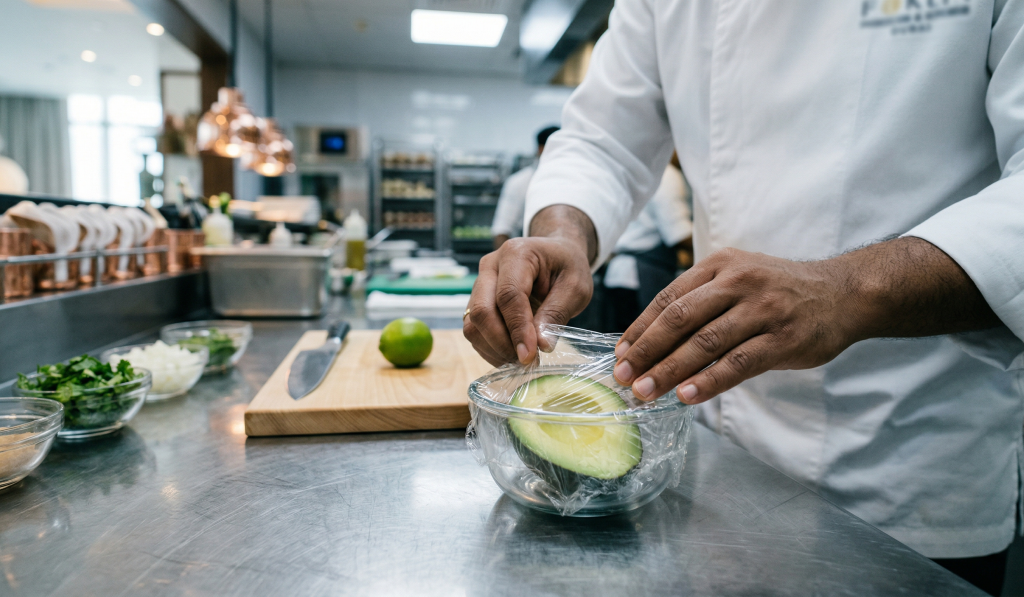
- Pressing cling film directly onto the avocado surface
- Using vacuum sealers (in professional kitchens)
Why it works best:
Oxidation needs oxygen. Remove oxygen, and the reaction slows dramatically.
What most people do wrong:
- They cover the container but leave air gaps inside
- They wrap loosely instead of pressing directly onto the surface
Correct method:
- Place cling film directly touching the avocado flesh
- Remove visible air pockets
- Store in the fridge immediately
Real-world use:
- Common in hotel prep kitchens
- Used in high-volume brunch services where pre-cut avocado is required
Result:
- Keeps avocado green for 12–24 hours (depending on ripeness)
#2 — Lemon or Acid Application (Highly Effective)
How it works:
Applying acid (like lemon or lime juice) slows oxidation by interfering with the enzyme activity.
Why it works:
Acidity reduces the chemical reaction responsible for browning.
Best practice:
- Lightly brush or spray lemon juice on the exposed surface
- Combine with airtight storage for better results
Common mistakes:
- Overusing lemon juice, which alters taste
- Applying unevenly
Where it works best:
- Home kitchens
- Salad prep
- Dishes where slight citrus flavor is acceptable
Limitations:
- Changes flavor profile slightly
- Not ideal for neutral dishes like guacamole bases (unless balanced)
Result:
- Keeps avocado green for 6–12 hours
#3 — Onion Storage Method (Moderately Effective)
How it works:
Place avocado halves in a container with sliced onions.
Theory:
Onions release sulfur compounds, which may slow oxidation.
Reality in professional settings:
- Works inconsistently
- Results vary depending on container sealing
Pros:
- No chemical additives
- Can extend freshness slightly
Cons:
- Transfers onion smell
- Not suitable for all dishes
Where it’s used:
- Occasionally in home kitchens
- Rare in professional kitchens due to flavor contamination
Result:
- Slows browning for 4–8 hours
#4 — Leaving the Pit In (Least Effective, but Common Myth)
How it works:
The pit covers part of the avocado, reducing exposure.
What it actually does:
- Protects only the area under the seed
- Does nothing for the exposed flesh
Why it’s popular:
- Simple
- Widely shared online
Why it fails:
Oxidation still occurs on all exposed surfaces.
Real-world takeaway:
- Useful only when combined with another method
- Not a standalone solution
Result:
- Minimal impact
Why Some Methods “Work” One Day and Fail the Next
This is where most confusion happens.
People try the same method twice and get different results.
The reason is not the method—it’s the avocado itself.
Key variables:
- Different origin (Kenya vs Mexico)
- Different maturity at harvest
- Different ripening stage at purchase
For example:
- A firm Kenyan avocado may resist browning longer
- A soft Mexican Hass may oxidize faster once cut
So the method must match the condition of the fruit, not just the technique.
Common Mistakes That Cause Faster Browning
Across kitchens and households, the same issues appear repeatedly:
1. Cutting Too Early
Prepping avocados hours before use without proper storage.
2. Storing at Room Temperature
Especially in warm UAE kitchens, this accelerates oxidation.
3. Using Low-Quality Plastic Wrap
Loose wrapping allows oxygen inside.
4. Buying Overripe Stock
Even perfect storage won’t fix an already breaking-down avocado.
A More Practical Way to Think About It
Instead of asking:
“How do I stop avocado turning brown?”
A better question is:
“How do I manage avocado from purchase to service?”
That includes:
- Choosing the right ripeness
- Timing the cut
- Using the correct storage method
- Matching method to usage (immediate vs delayed service)
This is how professional kitchens approach it.
Matching the Method to the Use Case (What Most Guides Ignore)
Not all avocado usage is the same.
A family preparing a single salad has very different needs compared to:
- A café serving 80 avocado toasts in a morning
- A hotel buffet preparing trays in advance
- A catering company staging food for delayed service
The method you choose should depend on time gap between cutting and serving.
Short Window (0–30 minutes)
You don’t need heavy intervention.
Best approach:
- Cut fresh, close to serving time
- Keep in a shaded, cool area
- Avoid unnecessary exposure (no slicing too thin)
This is the only scenario where you can safely skip treatment.
Medium Window (30 minutes to 4 hours)
This is where most browning complaints happen.
Best approach:
- Apply light lemon juice
- Store in an airtight container
- Keep refrigerated
This combination balances:
- Minimal taste change
- Strong browning prevention
Used widely in:
- Casual dining kitchens
- Meal prep environments
- Small catering operations
Long Window (4–24 hours)
This requires discipline in handling.
Best approach:
- Cling film pressed directly onto surface
- Airtight container
- Refrigeration at stable temperature
Optional:
- Combine with light acid application
This is standard in:
- Hotel prep kitchens
- High-volume brunch service
- Bulk food preparation
Very Long Window (24+ hours)
At this point, expectations must change.
Even with perfect storage:
- Texture begins to degrade
- Flavor shifts slightly
- Visual quality declines
Professional kitchens often:
- Use avocado in processed forms (puree, guacamole)
- Adjust presentation rather than forcing freshness
This is an important operational reality often ignored in consumer advice.
The Procurement Side: Why Some Avocados Brown Faster Than Others
From a supply perspective, not all avocados behave the same after cutting.
This is where buyers—especially in Dubai—often feel confused.
Two avocados can look identical externally but behave very differently once opened.
Key differences come from:
1. Origin
Different growing regions produce slightly different oil content and texture.
- Mexican Hass
Often richer, softer, higher oil
→ Browns faster once cut - Kenyan Hass
Slightly firmer, sometimes lower oil
→ Holds structure longer
This is why chefs sometimes prefer specific origins for certain dishes.
2. Harvest Maturity
Avocados are harvested before fully ripening.
If picked earlier:
- Longer shelf life
- Slower ripening
- More stable post-cut
If picked later:
- Better immediate taste
- Shorter usability window
3. Ripening Conditions
In UAE supply chains, ripening may happen:
- In controlled facilities
- During transit
- At retail level
Small variations here can significantly impact:
- Oxidation speed
- Texture stability
4. Cold Chain Consistency
Temperature fluctuations during transport can:
- Stress the fruit internally
- Accelerate breakdown after cutting
Even if the avocado looks fine outside, internal quality may be affected.
What Buyers Often Get Wrong About “Freshness”
A common misunderstanding in both households and businesses:
“If it looks green and soft, it’s fresh.”
This is not always true.
In reality:
- “Perfectly ripe” is a very narrow window
- Slightly past that window = faster oxidation
- Slightly before that window = better holding ability
For procurement teams, this creates a tradeoff:
- Buy ready-to-eat → better immediate experience, shorter working time
- Buy firm stock → more control, longer usability
Experienced buyers often balance both.
Practical Handling Workflow (Used in Professional Kitchens)
Instead of relying on a single trick, structured kitchens follow a simple system:
Step 1 — Sort by Ripeness
- Separate firm, semi-ripe, and ready-to-eat avocados
- Use ripe ones first
Step 2 — Plan Cutting Time
- Cut as close to service as possible
- Avoid early batch prep unless necessary
Step 3 — Choose Method Based on Timing
- Immediate use → no treatment
- Delayed use → acid + airtight
- Bulk prep → airtight + refrigeration
Step 4 — Control Environment
- Keep away from heat
- Avoid open-air exposure
- Maintain consistent refrigeration
Step 5 — Accept Natural Limits
Even with best practices:
- Avocado is a sensitive product
- Some browning is inevitable
The goal is delay, not perfection.
Where Wholesale vs Retail Makes a Difference
From a supply standpoint, how you source avocados affects how they behave after cutting.
Retail (Supermarkets)
- Often sold at “ready-to-eat” stage
- Designed for immediate consumption
- Less predictable shelf life
Wholesale Supply
- Often includes mixed ripeness batches
- Allows better control over timing
- Requires more handling knowledge
Some UAE buyers prefer working with structured distributors rather than fragmented retail sourcing because it allows them to manage ripeness more intentionally across multiple days.
The Cost of Getting This Wrong
This is not just a visual issue.
In real operations, browning leads to:
- Food waste
- Reduced presentation quality
- Customer dissatisfaction
- Inconsistent dish standards
For example:
- A brunch café may discard partially browned slices
- A catering event may lose visual appeal in plated dishes
- A household may waste half an avocado unnecessarily
Over time, these small losses add up.
A Quiet Industry Observation
Across UAE kitchens, a pattern is visible:
Teams often focus heavily on sourcing—origin, supplier, price—but underinvest in post-cut handling practices.
In practice, suppliers working closely with Dubai distributors such as JMB Farm Fresh note that improving handling discipline often delivers more consistent results than changing suppliers.
This is not about better fruit.
It is about better process.
The Reality: There Is No “Perfect Hack”
Many online guides promise a single solution.
In reality:
- No method completely stops browning
- Each method has tradeoffs
- Results vary based on fruit condition
The most reliable approach is combination + timing + handling discipline.
Bringing It Together: A Practical Standard for Consistently Green Avocados
If there is one takeaway from experienced kitchens, it is this:
Avocado browning is not a single problem with a single fix. It is a timing and handling problem.
The most consistent results come from combining three simple principles:
- Cut as late as possible
- Limit oxygen exposure immediately
- Control temperature from the moment it is opened
When these are followed together, even highly ripe avocados can hold their quality long enough for service.
A Simple Decision Guide (Used by Experienced Buyers and Kitchens)
Instead of relying on memory or guesswork, many kitchens operate with a quick mental checklist:
If you are serving immediately:
- Cut fresh
- No treatment needed
If you are serving within a few hours:
- Light lemon application
- Airtight container
- Refrigerate
If you are preparing ahead (same day):
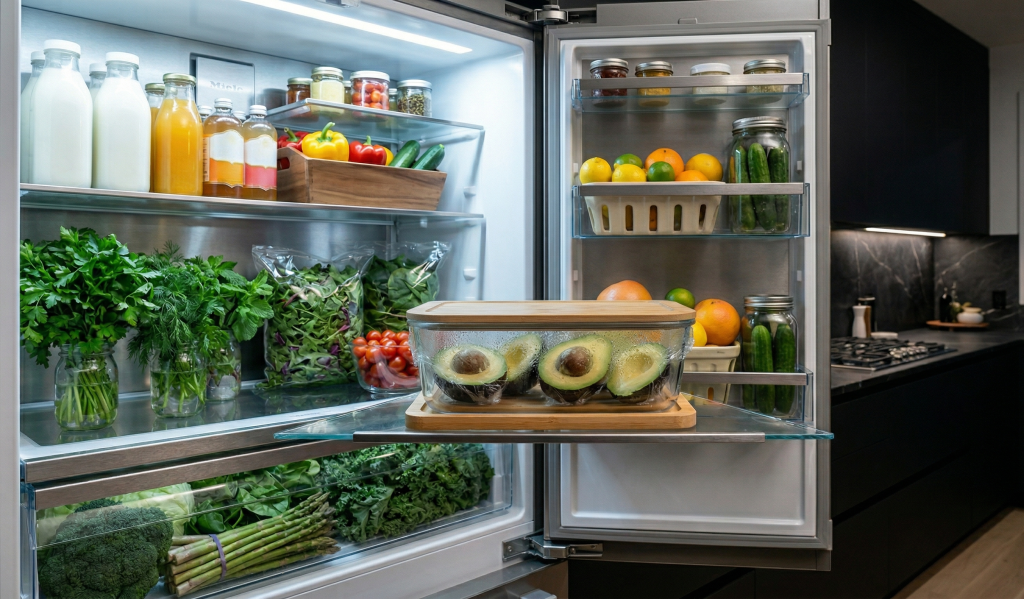
- Cling film pressed directly onto surface
- Airtight storage
- Refrigeration
If you are holding for next day:
- Consider using in mashed or blended form
- Accept slight color change as normal
This removes uncertainty and reduces waste.
Seasonal Context: Why This Matters More During UAE Winter
During UAE winter months, avocado demand increases due to:
- Outdoor dining and brunch culture
- Higher salad and fresh dish consumption
- Increased hospitality activity
At the same time:
- Imports shift between origins (Kenya, Mexico, Peru)
- Ripeness profiles vary more frequently
- Supply consistency can fluctuate slightly
This creates a situation where:
- Kitchens receive avocados at different stages week to week
- Browning behavior becomes less predictable
Understanding handling becomes more important than ever during this period.
A Balanced Perspective on Quality vs Handling
It is easy to assume that browning means poor quality.
In reality:
- Even high-quality avocados oxidize quickly
- Browning is a natural biological process
- Handling determines how visible and fast it becomes
This distinction matters for buyers.
Switching suppliers may not solve the issue if:
- Cutting happens too early
- Storage is not airtight
- Temperature control is inconsistent
On the other hand, disciplined handling can:
- Extend usability
- Improve presentation
- Reduce waste
Final Thought: Treat Avocado Like a “Live Product”
Avocado is not a static ingredient.
It continues to change after harvest, after ripening, and even after cutting.
The most effective kitchens treat it as a live product with a short working window, not as a stable item that can be prepped hours in advance without consequence.
Once this mindset shifts, the problem of browning becomes manageable rather than frustrating.
FAQ Section
1. Why does my avocado turn brown so fast in Dubai?
Warm temperatures and already ripe imported avocados speed up oxidation. Even a good avocado can brown quickly if exposed to air without protection.
2. Does lemon juice completely stop avocado browning?
No. It slows the process but does not stop it entirely. Best results come when combined with airtight storage.
3. Is it safe to eat brown avocado?
Yes, in most cases. Browning affects appearance more than safety, though taste and texture may slightly change.
4. Should I store cut avocado in water?
This method is sometimes used but not widely recommended in professional kitchens, as it can affect texture and introduce contamination risks.
5. Which avocado type lasts longer after cutting?
Firmer avocados, often from origins like Kenya, tend to hold structure slightly longer than very soft, high-oil varieties.








 Home
Home  Whishlist
  Compare
  Checkout