















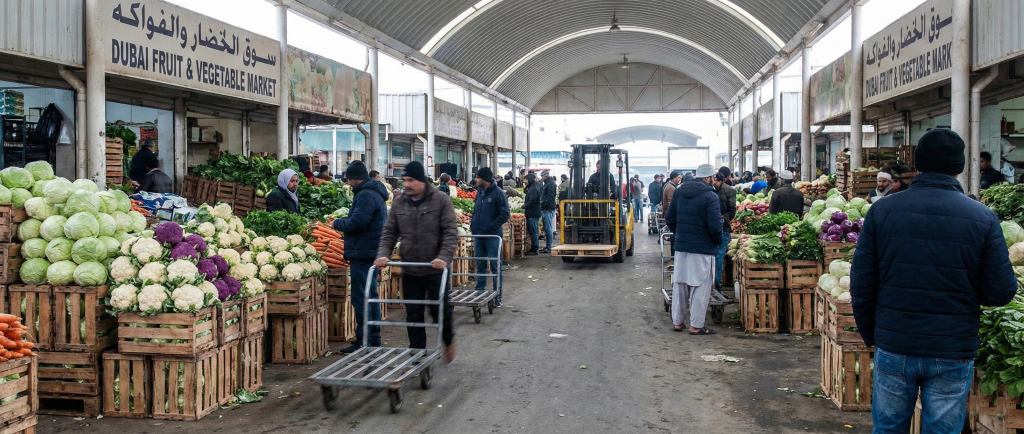
Introduction: Why “Winter Produce” Means Something Different in Dubai
In most parts of the world, winter is a slowdown for fresh produce.
In Dubai—and across the UAE—it’s the opposite.
From roughly November through March, the region enters its most stable and predictable produce window. Temperatures drop, logistics improve, and certain crops reach their best balance of quality, shelf life, and price. For buyers, this is when winter fruits and vegetables in the UAE start to make real sense—if you know what to look for.
The challenge is that “seasonal” in Dubai doesn’t always mean local, and “fresh” doesn’t always mean recently harvested. Many buyers—families, restaurants, and even experienced procurement teams—end up paying for produce that looks good but underperforms in storage, prep, or yield.
This guide is written to cut through that confusion.
Rather than listing everything available in winter, we’ll focus on what’s actually worth buying, why some items perform better than others, and where common buying mistakes happen during the winter season in Dubai.
Understanding Winter Seasonality in the UAE (Without the Jargon)
Seasonality in the UAE is shaped by three forces:
- Climate
- Import cycles
- Cold-chain logistics
Unlike temperate countries, the UAE grows only a limited range of crops locally. Winter is the narrow window when local farms can operate efficiently, while imports from cooler regions also arrive in peak condition.
What “In Season” Really Means Here
When people search for seasonal produce Dubai, they often assume it refers only to locally grown items. In reality, winter seasonality in the UAE includes:
- Locally grown vegetables that can only survive mild temperatures
- Imported produce from countries also in winter or early spring
- Transit-optimized crops that handle shipping better in cooler months
A vegetable can be “in season” in Dubai even if it’s grown thousands of kilometers away—because winter reduces stress during transport and storage.
That distinction matters when judging quality and value.
Why Winter Is the Most Reliable Buying Window in Dubai
Winter consistently delivers fewer surprises for produce buyers.
There are practical reasons for this.
Better Temperature Control End to End
Cooler ambient temperatures reduce pressure on cold storage and transport. This lowers the risk of:
- Heat damage during unloading
- Condensation-related spoilage
- Shortened shelf life after delivery
For businesses managing volume, this translates directly into lower waste.
More Predictable Supply
Winter aligns multiple growing regions at once:
- Middle East local farms
- South Asia (India, Pakistan)
- Mediterranean regions
- Parts of Europe and North Africa
With more overlapping harvests, buyers see less volatility in availability—a key reason many consider winter the best time for fresh winter fruits in Dubai.
Improved Value, Not Just Lower Prices
While some items do become cheaper, the bigger advantage is consistency. Uniform size, better texture, and predictable ripening matter more than headline prices—especially for kitchens and households that plan weekly.
Local vs Imported Produce: A Winter Reality Check
One of the most common misunderstandings among buyers is assuming local produce is always superior in winter. The truth is more nuanced.
When Local Produce Makes Sense
Local winter vegetables often offer:
- Shorter time from harvest to shelf
- Less handling
- Better firmness for leafy greens
However, volumes are limited, and quality can vary farm to farm.
When Imported Produce Performs Better
Certain fruits and vegetables simply grow better elsewhere, even in winter. Imported produce often wins on:
- Size uniformity
- Sugar development (especially citrus and grapes)
- Shelf stability for high-turnover items
The key is judging produce by performance, not origin.
In practice, experienced buyers mix both—using local supply where it excels and imports where they are more reliable.
The Quiet Difference Between Retail and Wholesale Winter Produce
Many buyers notice that winter produce from different sources behaves differently, even when it looks identical.
This usually comes down to supply chain handling, not the crop itself.
Wholesale channels often prioritize:
- Earlier harvest windows
- Faster turnover
- Larger, consistent batches
Retail-focused supply may involve:
- Longer storage
- More visual grading
- Mixed-age inventory
Neither approach is inherently better. The difference becomes visible after two or three days—when some produce holds up and some doesn’t.
This is why restaurants, caterers, and even larger households often source winter vegetables differently than casual shoppers.
What Buyers Commonly Get Wrong in Winter
Even in the best season, mistakes happen. The most frequent ones include:
- Overbuying leafy items because they look fresh on arrival
- Assuming firmness equals freshness (especially for imported fruit)
- Ignoring country-of-origin changes mid-season
- Not adjusting storage practices for cooler weather
Winter reduces risk, but it doesn’t remove it. Smart buying still matters.
Vegetables That Actually Perform Well in Winter (And Why)
Winter is when vegetable quality in the UAE becomes more forgiving—but not equal across the board. Some items thrive in cooler conditions, while others only appear good at delivery and decline fast.
Below are winter vegetables that consistently perform well across households, restaurants, and catering operations, along with the reasons buyers trust them.
Root Vegetables: The Quiet Winners of Winter
Root vegetables are often overlooked because they lack visual drama. In winter, they are some of the safest and most economical purchases.
Carrots
Winter carrots tend to be:
- Sweeter due to slower growth
- Firmer in texture
- More stable in storage
They tolerate handling well and show fewer signs of internal breakdown. For kitchens, this means less trimming and more usable yield.
Beets
Beets improve noticeably in winter. Buyers often report:
- Better color density
- Lower water loss
- Reduced bitterness
They also handle both retail refrigeration and wholesale cold rooms without issue.
Potatoes (Select Varieties)
Not all potatoes improve in winter, but many do. The key is consistency:
- More even sizing
- Reduced sprouting
- Better fry and roast performance
Winter is also when supply chains stabilize, reducing surprise variety substitutions.
Brassicas: Winter Is Their Natural Habitat
Vegetables from the cabbage family are biologically suited to cool weather. In the UAE, winter brings their strongest performance.
Cabbage
Winter cabbage typically offers:
- Tighter heads
- Better crunch
- Longer shelf life
This is one of the few vegetables where both local and imported options perform well.
Cauliflower
Cauliflower benefits from winter in two ways:
- Less heat stress during growth
- Reduced discoloration during transport
Yellowing and internal browning—common complaints in summer—drop significantly.
Broccoli
Broccoli quality improves in winter, but only if handled correctly. Look for:
- Tight florets
- Deep green color
- Minimal moisture inside packaging
Loose florets or strong odors usually indicate older stock, not seasonal issues.
Leafy Greens: Good, But Only With Discipline
Leafy vegetables are abundant in winter, but they are also where buyers make the most mistakes.
Lettuce
Winter lettuce often looks excellent on arrival. The risk comes later.
Common issues include:
- Internal wilting after 48 hours
- Edge browning from temperature swings
- Condensation damage during storage
Smaller, frequent purchases perform better than bulk buying—even in winter.
Spinach and Soft Greens
Spinach improves in winter, but only when:
- Harvested young
- Cooled quickly
- Stored consistently
Mixed batches are a common problem. Buyers may receive leaves harvested days apart in one crate, leading to uneven spoilage.
Alliums: Stable, Predictable, and Underrated
Onions, garlic, and leeks don’t change dramatically in winter—but that’s their strength.
Onions
Winter onions show:
- Better skin dryness
- Reduced mold risk
- More consistent sizing
They are among the least risky vegetables to buy in larger quantities.
Garlic
Garlic quality is less about season and more about curing. Winter supply tends to be:
- Better dried
- Less prone to internal sprouting
Still, buyers should watch for soft cloves, which indicate storage issues rather than seasonal problems.
Winter Fruits in Dubai: What Holds Up Beyond Appearance
Fruits are where expectations often clash with reality. Winter brings variety, but not all fruits perform equally after purchase.
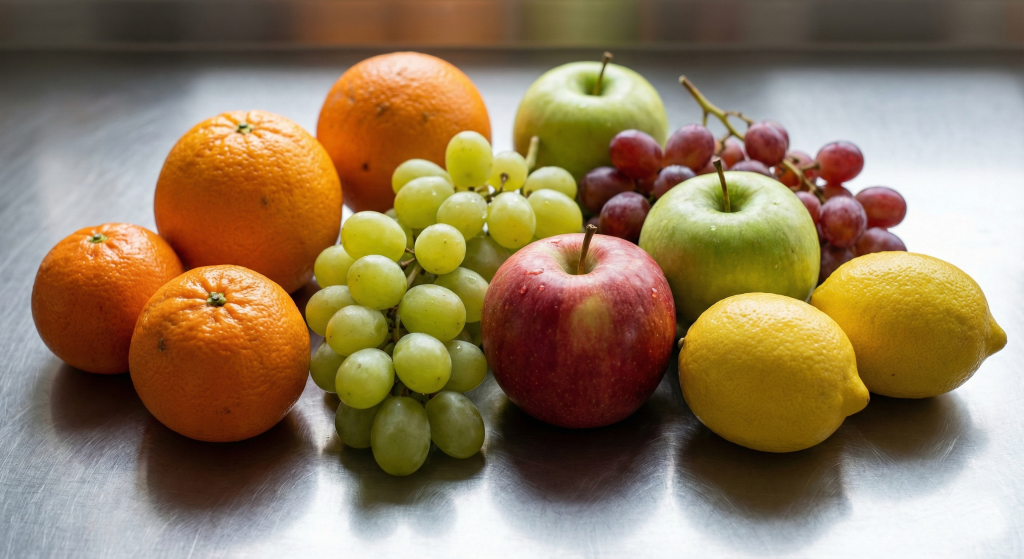
Citrus: Reliable for a Reason
Citrus fruits are the backbone of winter fruit supply in the UAE.
Oranges and Mandarins
In winter, these typically deliver:
- Higher juice content
- Better sweetness-acidity balance
- Longer shelf life
They are forgiving to handle and ideal for both fresh consumption and kitchen use.
Lemons
Winter lemons are firmer and less prone to dehydration. This makes them easier to store and reduces waste from shriveling.
Apples: Consistent, Not Exciting—and That’s the Point
Apples are available year-round, but winter is when quality stabilizes.
Buyers notice:
- Fewer internal bruises
- More consistent crunch
- Better storage tolerance
While not seasonal in the traditional sense, winter logistics improve their reliability.
Grapes: High Reward, High Attention
Grapes peak in winter imports, but they require scrutiny.
Strong indicators of good batches:
- Firm attachment to stems
- Dry, green stems
- Uniform berry size
Soft berries or sticky residue often indicate temperature stress, not age.
Fruits That Look Better Than They Perform
Some winter fruits create disappointment because appearance doesn’t match usability.
Common examples:
- Overripe stone fruit from early shipments
- Strawberries with short shelf life
- Exotic fruits pushed outside optimal harvest windows
These are not “bad” fruits—but they require fast turnover and careful handling.
Why Prices Still Fluctuate in Winter
A frequent question from buyers is why prices move even during peak season.
Winter reduces volatility, but it doesn’t eliminate it.
Key drivers include:
- Weather disruptions in source countries
- Freight capacity shifts
- Sudden demand spikes during events and holidays
Understanding this helps buyers plan rather than react.
Wholesale vs Retail Sourcing in Winter: A Balanced View
Winter is when wholesale sourcing shows its strengths—but also its limits.
Advantages
- Better batch consistency
- Faster stock rotation
- More predictable availability
Tradeoffs
- Larger minimum quantities
- Less visual selection per unit
- Greater reliance on supplier handling
Some buyers split sourcing—using wholesale for core items and retail for niche or low-volume needs.
In practice, suppliers working closely with Dubai-based distributors such as JMB Farm Fresh often observe that winter allows for clearer planning, fewer substitutions, and steadier quality—provided expectations are realistic.
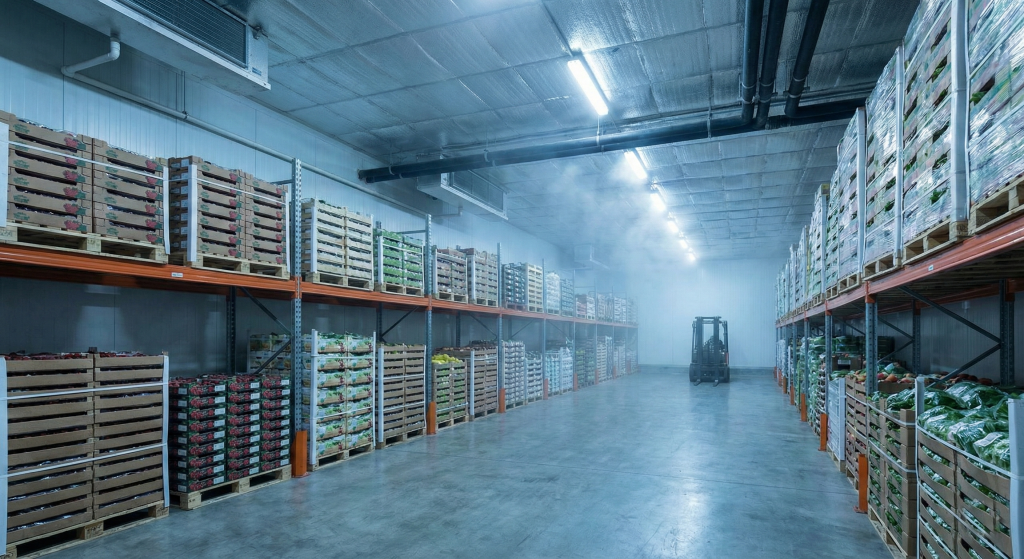
Practical Buying Scenarios: How Winter Decisions Play Out in Real Life
Understanding winter produce is easier when viewed through real buying situations. Below are common scenarios seen across Dubai households and food businesses during the winter season—and what usually separates good outcomes from frustrating ones.
Scenario 1: The Restaurant That Overbuys Because “It’s Winter”
A mid-sized restaurant increases vegetable orders in December, assuming cooler weather means longer shelf life across the board.
What goes wrong:
- Leafy greens deteriorate faster than expected
- Storage space fills up
- Prep waste increases by the third day
What works better:
- Buying durable vegetables (roots, brassicas) in volume
- Ordering leafy items in smaller, more frequent batches
- Adjusting par levels based on performance, not season alone
Winter forgives more mistakes—but not all of them.
Scenario 2: The Household That Shops by Appearance Alone
A family shops at a market and selects winter fruits based on size and color.
What goes wrong:
- Grapes soften quickly
- Strawberries mold within two days
- Citrus lasts fine, but expectations were inconsistent
What works better:
- Favoring fruits known to store well in winter (citrus, apples)
- Treating delicate fruits as short-term purchases
- Understanding that visual freshness is not the same as storage stability
Scenario 3: The Caterer Managing Volume and Timing
A catering business plans for multiple winter events.
What usually helps:
- Winter allows more predictable scheduling
- Core vegetables stay consistent week to week
- Fewer last-minute substitutions
What still needs attention:
- Country-of-origin shifts mid-season
- Changes in sizing standards
- Storage discipline between deliveries
Winter improves reliability—but it doesn’t eliminate the need for checks.
Common Winter Buying Mistakes (Even Experienced Buyers Make These)
Across interviews, forums, and industry discussions, the same winter mistakes appear repeatedly.
Mistake 1: Treating All Winter Produce as Equal
Not all vegetables benefit equally from winter conditions. Roots and brassicas gain the most. Soft greens remain sensitive.
Mistake 2: Ignoring Storage Adjustments
Cooler ambient weather often leads buyers to relax storage controls. This can cause:
- Condensation buildup
- Temperature swings
- Faster spoilage indoors than expected
Mistake 3: Assuming Price Stability Means Quality Stability
Lower or stable prices do not always signal better produce. Quality still depends on harvest timing and handling.
How to Judge Winter Produce Quality Without Technical Tools
You don’t need lab tests or supplier reports to make better decisions.
Simple checks still matter:
- Weight: Heavier items often indicate better moisture retention
- Smell: Strong odors usually signal breakdown
- Uniformity: Mixed sizing can point to mixed-age batches
- Dryness: Excess moisture is a warning sign, not freshness
These basics are often more reliable than labels or origin claims.
A Balanced View on Sourcing During Winter
Winter is when many buyers reconsider how they source produce.
Why Some Shift Toward Wholesale
- More consistent batches
- Less visual grading, more functional quality
- Easier planning for menus and households alike
Why Wholesale Isn’t Always Ideal
- Minimum quantities can increase waste
- Less flexibility for niche items
- Requires trust in handling practices
Some UAE buyers prefer working with established wholesale produce providers rather than fragmented retail sourcing, especially during winter when predictability matters more than variety.
Final Thoughts: What Winter Really Offers Produce Buyers in Dubai
Winter is not a guarantee of perfect produce.
It is a window of opportunity.
During these months, buyers benefit from:
- Better logistics
- More stable supply
- Crops that naturally thrive in cooler conditions
The real advantage comes to those who adjust expectations, buy with purpose, and judge produce by how it performs—not how it looks on day one.
For anyone navigating winter fruits and vegetables in the UAE, winter rewards calm, informed decisions more than impulse buying.
Frequently Asked Questions
1. What are the best vegetables in winter in the UAE?
Root vegetables, cabbage family vegetables, onions, and certain leafy greens perform best due to cooler temperatures and stable supply.
2. Are winter fruits in Dubai locally grown?
Some are, but many are imported from regions also in winter. “Seasonal” often refers to peak quality, not local origin.
3. Why do produce prices still change in winter?
Weather disruptions, freight shifts, and demand spikes can affect prices even during peak season.
4. Is wholesale produce better quality than retail in winter?
Not always better, but often more consistent. Wholesale prioritizes turnover and batch uniformity, which helps during winter planning.
5. How can households reduce waste when buying winter produce?
Buy durable items in volume and delicate items more frequently. Storage discipline matters even in cooler months.








 Home
Home  Whishlist
  Compare
  Checkout