







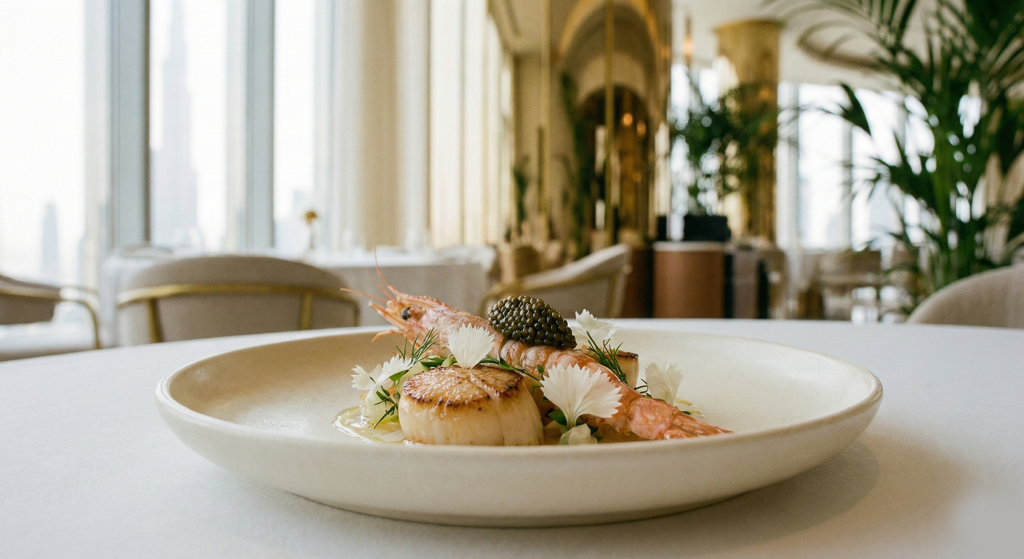
Introduction: A Quiet Shift on High-End Plates
In Dubai’s professional kitchens, small details carry weight.
A garnish is no longer just decorative; it must justify its place on the plate.
Over the last few seasons, white dianthus edible flowers have moved from occasional novelty to a regular feature in fine dining, boutique catering, and even premium home entertaining. Chefs are not chasing trends for novelty’s sake. They are responding to consistency, flavour balance, and sourcing reliability—factors that matter deeply in the UAE’s produce ecosystem.
This article looks at why white dianthus are gaining ground in Dubai, how they fit into the region’s food supply realities, and what buyers often misunderstand when sourcing edible flowers in the UAE. The focus is practical, not promotional, and grounded in how produce actually moves from farm to plate.
What Are White Dianthus Edible Flowers?
White dianthus belong to the Dianthus family, traditionally known for ornamental use.
Not all dianthus varieties are edible, and this distinction is often missed outside professional supply circles.
Edible white dianthus used in kitchens are cultivated specifically for food use. They are grown without harmful chemical treatments and harvested with freshness and flavour in mind rather than vase life.
From a culinary perspective, white dianthus offer:
- Soft, frilled petals that hold shape well
- A mild floral note with subtle clove-like warmth
- Minimal bitterness compared to some colourful edible flowers
Their neutral appearance makes them adaptable across savoury and sweet dishes, which is part of their appeal in a diverse food scene like Dubai’s.
Why Dubai’s Chefs Are Choosing White Over Colour
Visual Control in Plating
Dubai’s fine dining scene often leans toward clean, restrained presentation.
Bright petals can dominate a plate or clash with carefully planned colour palettes.
White dianthus allow chefs to:
- Add texture without visual noise
- Highlight sauces, proteins, or ceramics
- Maintain consistency across menus and seasons
This is especially relevant in hotel dining and private catering, where presentation must remain predictable across hundreds of covers.
Flavour That Supports, Not Distracts
Many edible flowers look impressive but come with sharp or unpredictable flavours.
White dianthus are valued because they rarely overpower a dish.
Their flavour profile works well with:
- Light proteins such as fish or shellfish
- Cream-based desserts and pastries
- Fresh cheeses and cold appetisers
This reliability reduces trial-and-error costs in professional kitchens.
The UAE Context: Why Edible Flowers Are a Supply Challenge
Edible flowers behave very differently from standard produce.
They are:
- Highly perishable
- Sensitive to temperature shifts
- Easily damaged during transport
In the UAE, these challenges are amplified by climate and import dependency. While some herbs and greens are grown locally during winter, many edible flowers still rely on controlled growing environments or imports.
Buyers in Dubai often underestimate how quickly quality can drop if:
- Cold chain breaks for even a few hours
- Flowers are harvested too early or too late
- Packaging prioritises appearance over airflow
This is why edible flowers that travel well—like white dianthus—tend to gain favour over more fragile alternatives.
Seasonality: Why Winter Matters in the UAE
Winter is the most stable season for fresh produce in the UAE.
Lower ambient temperatures reduce stress on delicate items during transport and storage.
For edible flowers, winter offers:
- Better shelf stability
- Lower spoilage rates
- More consistent quality across batches
This seasonal window is when many kitchens experiment with edible flowers beyond basic garnishes. White dianthus often become a preferred choice during this period because they remain usable for longer compared to thinner-petaled varieties.
However, even in winter, edible flowers are not immune to supply fluctuations. Availability can change week to week depending on import schedules and regional demand.
Common Misunderstandings Buyers Have About Edible Flowers
“Wholesale Means Lower Quality”
This is one of the most persistent myths in the UAE food market.
In practice, wholesale edible flowers are often fresher than retail packs because they:
- Move faster through the supply chain
- Spend less time under retail lighting
- Are handled by buyers who know how to store them
Retail-friendly packaging can sometimes hide dehydration or age, especially with flowers.
“All Dianthus Are Edible”
This assumption causes real problems.
Only specific cultivars grown for consumption are safe to eat. Ornamental dianthus from florists or garden centres are not suitable for food use. Professional kitchens source edible flowers through food-grade channels to avoid this risk.
Why White Dianthus Fit Dubai’s Procurement Reality
Dubai’s food businesses operate under tight margins and strict consistency requirements. Ingredients that behave predictably tend to stay on menus longer.
White dianthus fit this environment because they offer:
- Reasonable shelf life compared to other edible flowers
- Lower rejection rates during quality checks
- Flexibility across multiple dish types
In practice, suppliers working closely with Dubai-based distributors such as JMB Farm Fresh often observe that buyers return to white dianthus after experimenting with more delicate or colourful alternatives that prove harder to manage operationally.
This is not about fashion. It is about reducing waste and maintaining standards.
A Note on Home Use vs Professional Kitchens
Families in Dubai are also showing interest in edible flowers, especially for celebrations and home baking. The same rules apply, but the margin for error is smaller.
Common mistakes at home include:
- Washing petals under running water (which damages them)
- Storing them uncovered in domestic refrigerators
- Buying from non-food-grade sources
White dianthus are relatively forgiving, but they still require gentle handling.
Where This Trend Is Likely Headed
White dianthus are unlikely to replace all edible flowers.
Instead, they are becoming a baseline option—a dependable choice that chefs can build around.
As Dubai’s food scene matures, ingredients that support consistency, cost control, and creative freedom tend to outlast short-lived trends. White dianthus appear to be following that pattern.
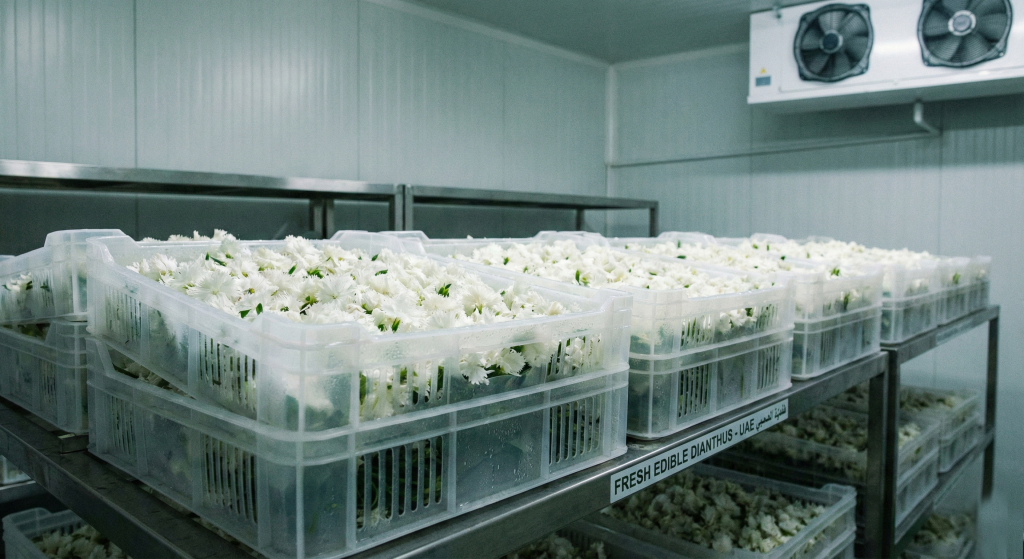
Understanding the White Dianthus Flavour Profile in Real Kitchens
When chefs talk about edible flowers, flavour is often discussed vaguely.
In practice, flavour predictability matters more than novelty.
The white dianthus flavour profile is best described as restrained. It carries a light floral note with a mild clove-like warmth, but without sharpness. This matters in Dubai’s multi-cuisine kitchens, where ingredients must work across menus that mix European, Middle Eastern, and Asian influences.
In real service conditions, white dianthus tend to:
- Stay neutral when paired with acids like citrus or vinegar
- Hold up in chilled dishes without turning bitter
- Complement dairy, seafood, and light meats
This reliability is one reason chefs trust them for tasting menus and banquet service, where a garnish must perform the same way across dozens or hundreds of plates.
How Chefs Are Actually Using White Dianthus in Dubai
Beyond Decorative Garnish
One misconception is that edible flowers are used only for visual effect.
In Dubai’s kitchens, white dianthus increasingly serve functional roles.
Common applications include:
- Finishing cold starters where herbs would wilt
- Adding aroma to desserts without increasing sweetness
- Providing texture contrast on soft or creamy dishes
Because white dianthus petals are thicker than many alternatives, they remain intact longer under service lights and air-conditioned dining rooms.
Adaptability Across Cuisines
Dubai’s food scene rarely follows a single culinary tradition. Ingredients that work across cuisines reduce procurement complexity.
White dianthus appear in:
- French-style plated desserts
- Modern Middle Eastern mezze
- Contemporary Asian fusion dishes
This cross-compatibility is one reason procurement teams favour them over highly distinctive flowers that limit menu flexibility.
Buying White Dianthus in the UAE: What Buyers Often Miss
Freshness Is Not Just About Appearance
White petals can look acceptable even when freshness has started to decline.
This makes edible flowers easy to misjudge.
Signs experienced buyers look for include:
- Firm petal edges rather than soft or translucent ones
- A clean, neutral aroma
- No condensation inside packaging
Condensation is especially problematic in the UAE climate. It accelerates spoilage and can cause petals to break down within hours.
Handling Matters More Than Distance
There is a common assumption that imported edible flowers are always inferior to local ones.
The reality is more nuanced.
Quality depends on:
- Harvest timing
- Cold-chain continuity
- Packaging designed for airflow
A well-handled imported batch can outperform locally grown flowers that experience storage or transport stress. This is particularly relevant during shoulder seasons when local availability fluctuates.
Wholesale vs Retail Sourcing: A Practical Comparison
For buyers exploring buy white dianthus UAE options, understanding the difference between wholesale and retail channels is critical.
Wholesale Sourcing: Strengths and Tradeoffs
Wholesale edible flowers are typically:
- Packed for professional handling, not shelf display
- Sold in quantities that assume proper storage knowledge
- Less forgiving of handling errors
The benefits include faster turnover and better consistency, but only when buyers have systems in place to manage perishables.
Retail Sourcing: Convenience with Limitations
Retail packs can work for small-scale use, but they often come with:
- Higher unit costs
- Shorter remaining shelf life
- Limited batch traceability
For restaurants and caterers, these factors increase waste risk over time.
Price Volatility and Why It Happens
Edible flower pricing in the UAE can shift quickly, even within the same season.
This often frustrates buyers, but the causes are usually structural rather than opportunistic.
Key factors include:
- Weather disruptions in source regions
- Air freight availability
- Sudden demand spikes from events or festivals
White dianthus tend to show less volatility than more delicate flowers because they are easier to handle and store. This stability makes them attractive to procurement teams managing tight food cost targets.
Storage and Handling: Where Most Waste Occurs
Waste rarely happens at harvest.
It happens after delivery.
Common mistakes seen in kitchens include:
- Storing edible flowers near ethylene-producing fruits
- Leaving packs uncovered during service prep
- Treating them like herbs rather than fragile blooms
Best practice is simple but often overlooked:
- Keep flowers dry and lightly covered
- Store at consistent, cool temperatures
- Handle with dry hands or utensils
White dianthus tolerate minor handling errors better than many edible flowers, which again contributes to their growing popularity.
The Role of Edible Flowers in Menu Planning
Edible flowers are most effective when planned into dishes from the start.
Using them as last-minute decoration increases waste and inconsistency.
Chefs who successfully integrate white dianthus tend to:
- Design dishes where the flower adds aroma or texture
- Use them consistently rather than sporadically
- Train staff on basic handling and storage
This approach aligns with how professional kitchens in Dubai operate—structured, repeatable, and cost-aware.
A Balanced View: Where White Dianthus May Not Fit
Despite their advantages, white dianthus are not universal.
They may be less suitable when:
- Strong floral flavour is required
- Bright colour contrast is essential to the dish
- Extremely high humidity cannot be controlled
Understanding these limits prevents overuse and keeps edible flowers purposeful rather than decorative.
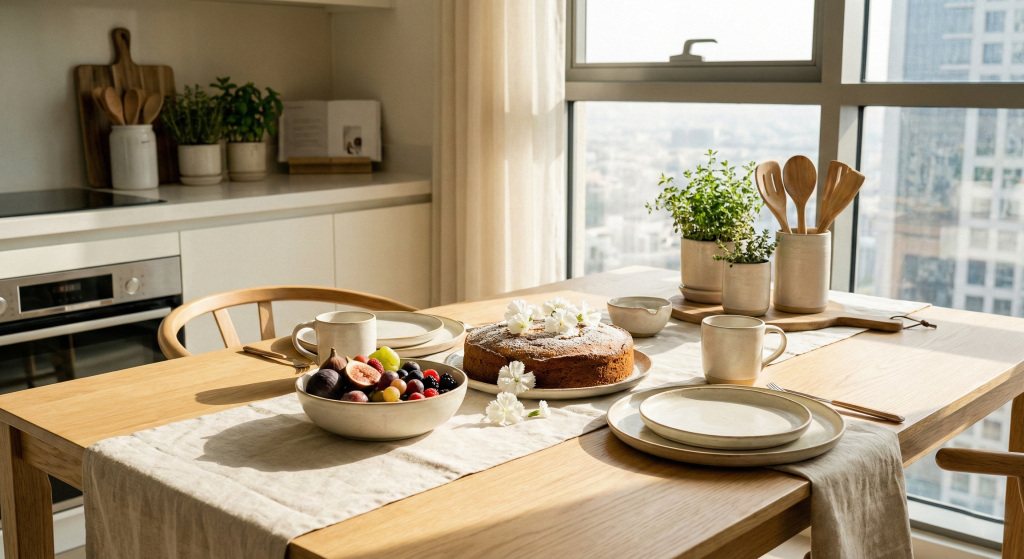
Edible Flowers Dubai Recipes: Practical, Low-Risk Uses
In Dubai, edible flowers work best when they are treated as ingredients, not ornaments.
White dianthus are increasingly used in ways that minimise waste and maximise consistency.
Examples seen across professional kitchens include:
- Light placement on cold appetisers where herbs lose structure
- Finishing touch on panna cotta, cheesecakes, and custards
- Garnish for rice-based dishes where moisture control matters
In home settings, white dianthus are often used for:
- Celebration cakes and desserts
- Fruit platters and cold beverages
- Simple mezze spreads
In both cases, restraint is key. One or two petals are usually enough.
Local vs Imported Edible Flowers: A Clearer Perspective
The debate around local versus imported produce is common in the UAE.
With edible flowers, the decision is rarely ideological. It is operational.
Local Supply: Advantages and Constraints
Local production during winter can offer:
- Shorter delivery times
- Reduced handling stages
- Better responsiveness to small orders
However, supply volumes can be limited, and availability may fluctuate week to week.
Imported Supply: Stability with Dependencies
Imported white dianthus often provide:
- More predictable volume
- Standardised sizing and packaging
- Wider availability outside peak local windows
The tradeoff is dependence on logistics. When flights are disrupted, supply tightens quickly.
Experienced buyers often work with a mix of both, adjusting based on season and menu needs.
Risk Awareness: Where Buyers Lose Value
Edible flowers rarely fail because of farming quality alone.
Losses usually occur due to small oversights.
Typical risk points include:
- Over-ordering “just in case”
- Ignoring storage guidance during busy service hours
- Assuming visual freshness equals usability
Because white dianthus are relatively resilient, they can mask early signs of decline. This makes discipline in handling even more important.
Why White Dianthus Are Likely to Stay on Menus
Dubai’s food industry rewards reliability.
Ingredients that reduce friction tend to remain in circulation.
White dianthus meet several long-term criteria:
- They align with clean, modern plating styles
- Their flavour suits a wide range of cuisines
- They are easier to manage than many edible flowers
Rather than being a passing trend, they are becoming a default option—particularly in environments where waste control and consistency matter more than novelty.
Some UAE buyers prefer working with established wholesale produce providers rather than fragmented retail sourcing, as it supports predictable quality across service periods. In practice, suppliers operating at this level focus less on trend promotion and more on handling discipline and seasonal awareness.
Practical Takeaways for Buyers and Kitchens
For those sourcing or using white dianthus in Dubai, a few grounded principles help avoid common pitfalls:
- Treat edible flowers as perishables, not décor
- Buy quantities aligned with actual menu use
- Prioritise handling and storage over appearance at delivery
- Accept that seasonality still applies, even in controlled supply chains
These habits matter more than chasing the newest ingredient.
Conclusion: A Measured Shift, Not a Trend Surge
White dianthus are becoming Dubai’s favourite edible flower not because they are flashy, but because they fit the realities of the local food system.
They are predictable, adaptable, and relatively forgiving—qualities that matter in professional kitchens and informed households alike. As long as Dubai’s culinary scene values precision over spectacle, white dianthus are likely to remain a quiet but reliable presence on gourmet plates.
Frequently Asked Questions
Are all white dianthus edible?
No. Only specific cultivars grown for food use are edible. Ornamental varieties are not safe to consume.
What does white dianthus taste like?
They have a mild floral flavour with subtle clove notes and very low bitterness.
How long do white dianthus last after purchase?
With proper storage, they typically last several days, though exact shelf life depends on handling and temperature control.
Are edible flowers grown locally in the UAE?
Some are grown locally during winter, but supply is limited. Imports remain an important part of availability.
Can white dianthus be used in savoury dishes?
Yes. They are commonly used in cold starters, mezze, and seafood dishes due to their neutral flavour.








 Home
Home  Whishlist
  Compare
  Checkout