











Introduction: Small Ingredients, Outsized Impact
In Dubai kitchens, herbs are often treated as supporting players. They are added at the end, bought quickly, or substituted without much thought. Yet for anyone who cooks regularly in the UAE—whether at home or at scale—the quality of fresh herbs can quietly shape the final dish more than many headline ingredients.
This matters more in Dubai than in many other cities. The UAE’s climate, import-heavy food system, and fast-moving hospitality sector create conditions where herbs behave differently than they do in temperate markets. Coriander can lose its aroma in a day. Mint may look fine but taste flat. Curry leaves might arrive glossy yet offer little fragrance when heated.
This article looks closely at why fresh herbs in Dubai have such an outsized influence on flavour, consistency, and cost—and why they deserve more attention from buyers and cooks alike. The goal here is not to sell, but to explain what experienced produce professionals and chefs observe every day.
Why Herbs Behave Differently in Dubai’s Food Environment
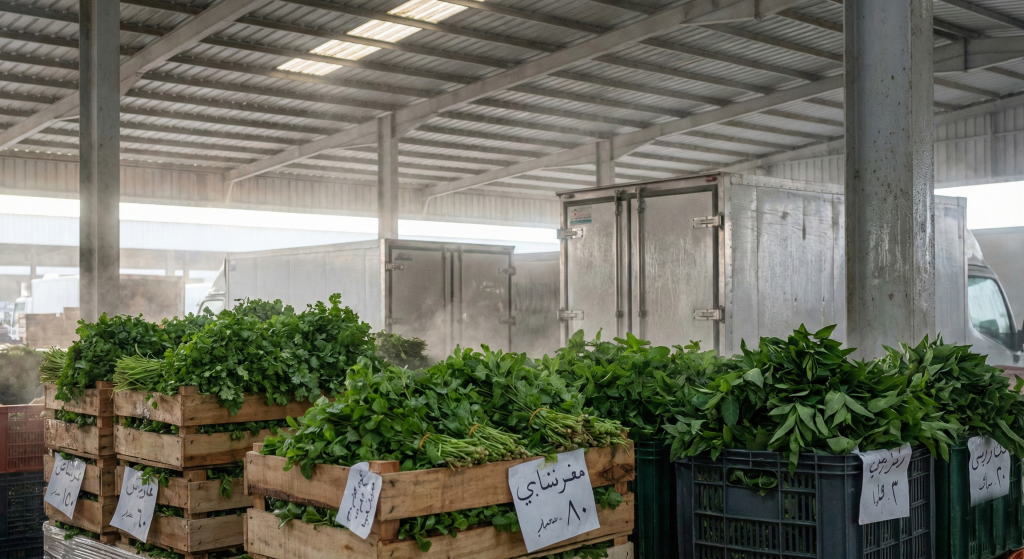
Dubai’s food supply chain is efficient, but it is also complex. Most fresh herbs are imported, often travelling long distances under controlled temperatures. Even small breaks in that chain—extra handling, short delays, or temperature swings—can change how herbs perform in the kitchen.
Unlike root vegetables or grains, herbs are biologically active after harvest. They continue to respire, lose moisture, and break down aromatic compounds. In a hot climate, this process accelerates.
Common realities in the UAE include:
- Longer transit times compared to local-growing regions
- Rapid temperature shifts between cold storage, transport, and open markets
- High turnover pressure, especially in wholesale markets
- Visual quality masking flavour loss (green does not always mean fresh)
This explains why two batches of coriander bought on the same day, from different sources, can behave completely differently once chopped or cooked.
Fresh Herbs Are About Aroma, Not Just Appearance
Many buyers judge herbs by colour and leaf firmness. These are useful signals, but they do not tell the full story. The real value of herbs lies in volatile oils—the compounds responsible for aroma and flavour.
In coriander, these oils degrade quickly once the herb is stressed. In mint, improper storage can flatten its cooling effect even if the leaves remain intact. Curry leaves are especially sensitive; once their aroma fades, they contribute very little to a dish.
In practice, this means:
- A visually acceptable herb may still deliver weak flavour
- More quantity is used to compensate, increasing cost and waste
- Recipes become inconsistent, especially in professional kitchens
This is one reason chefs often say, “the recipe hasn’t changed, but the dish tastes different.”
The Case of Coriander in Dubai Kitchens
Coriander Dubai buyers see in markets often comes from multiple origins depending on season. During cooler months, quality tends to be more stable. In hotter periods, shelf life narrows dramatically.
What buyers often notice—but don’t always connect—is how coriander:
- Loses aroma within hours after chopping
- Wilts quickly once removed from refrigeration
- Turns bitter when overheated due to stressed oils
In household kitchens, this leads to overuse or last-minute substitutions. In restaurants, it leads to inconsistency across services.
Experienced buyers look beyond bunch size and focus on:
- Stem freshness (not hollow or slimy)
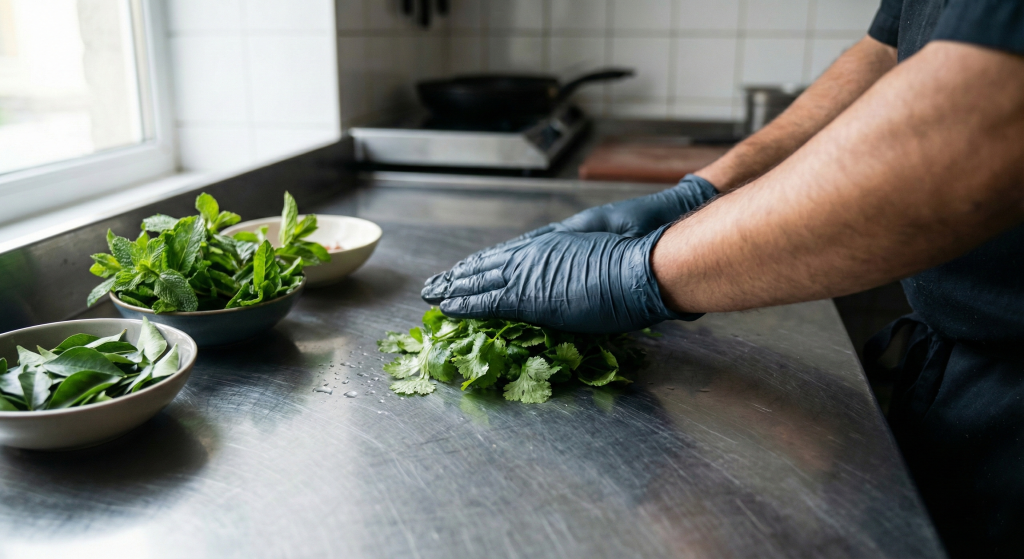
- Leaf aroma when gently crushed
- Moisture balance (not overly wet or dry)
These checks are simple but often skipped under time pressure.
Curry Leaves: Essential, Fragile, Often Misunderstood
Curry leaves UAE buyers rely on are among the most misunderstood herbs in the region. Many assume they are shelf-stable because they appear tough. In reality, curry leaves lose their defining aroma faster than most herbs once harvested.
A common mistake is storing them like bay leaves or dried spices. When this happens, they remain green but contribute little to flavour.
Properly handled curry leaves should:
- Release aroma immediately when warmed in oil
- Snap cleanly rather than bend
- Be used relatively soon after arrival
Suppliers working closely with Dubai-based distributors such as JMB Farm Fresh often observe that buyers who treat curry leaves as a “minor item” experience the most waste and inconsistency.
Mint Leaves Fresh: Cooling Effect Depends on Handling
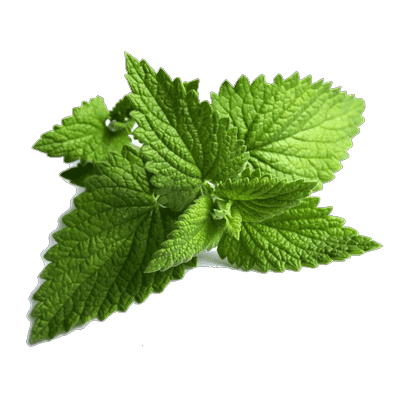
Mint leaves fresh from the right source can transform drinks, salads, and cooked dishes. Poorly handled mint does the opposite—it adds bitterness or a dull vegetal note.
Mint is particularly sensitive to:
- Excess moisture in packaging
- Crushing during transport
- Storage near ethylene-producing produce
In Dubai’s supply chain, mint often arrives cold, then sits at ambient temperature for extended periods. This temperature cycling weakens its essential oils.
The result is mint that looks usable but lacks the brightness people expect.
Aromatic Herbs UAE Kitchens Rely On More Than They Realise
Beyond coriander, curry leaves, and mint, many aromatic herbs UAE kitchens depend on—such as dill, parsley, and basil—share the same vulnerabilities. They are light, fragile, and highly responsive to handling quality.
What makes herbs especially important is that they:
- Sit at the top of flavour perception
- Are often added at the final stage of cooking
- Influence how “fresh” a dish tastes overall
When herbs underperform, the entire dish feels tired, even if everything else is done correctly.
How Herb Quality Quietly Affects Cost and Waste
One of the least discussed impacts of herb quality in Dubai is cost—not at the purchase point, but over time. Herbs that lack aroma or deteriorate quickly force kitchens to compensate in subtle ways.
This usually shows up as:
- Using larger quantities to achieve the same flavour
- Discarding half-used bunches within a day
- Reworking dishes that taste flat or unbalanced
For households, this feels like “herbs never last.”
For businesses, it shows up as creeping food cost and inconsistent plates.
In procurement reviews, herbs are rarely the focus. They are low-ticket items compared to proteins or imported specialty produce. Yet because they are used daily and wasted quietly, they often carry a disproportionate cost over a month or season.
Wholesale vs Retail Herbs: Where Confusion Often Starts
A common question among buyers is whether wholesale herbs are genuinely better than supermarket options. The answer is not simple, and this is where many misunderstandings arise.
Wholesale sourcing can offer:
- Faster movement from arrival to use
- More control over batch consistency
- Access to multiple origins depending on season
But it also comes with tradeoffs:
- Less consumer-facing packaging
- Shorter “display life” if mishandled
- Greater responsibility on the buyer to assess freshness
Retail herbs, by contrast, are often bred and packed for appearance and shelf life, not peak aroma. This suits casual cooking but can frustrate anyone seeking consistent flavour.
The key difference is not the channel itself, but how herbs are handled after they enter the UAE.
Why Prices Fluctuate Even When Quality Drops
Another frequent frustration is price volatility. Buyers often ask why herb prices rise even when quality seems weaker.
Several factors drive this pattern in the UAE:
- Seasonal changes in origin countries
- Weather disruptions affecting harvest yields
- Air freight availability and cost
- Increased spoilage risk during warmer months
When supply tightens, prices rise—even if the herbs arriving are more fragile. This creates a perception that buyers are “paying more for less,” which, in practical terms, is often true.
Understanding this dynamic helps buyers plan menus, adjust usage, or temporarily substitute where appropriate rather than absorbing silent losses.
Seasonal Reality: Winter Is Not Just “Better,” It’s More Predictable
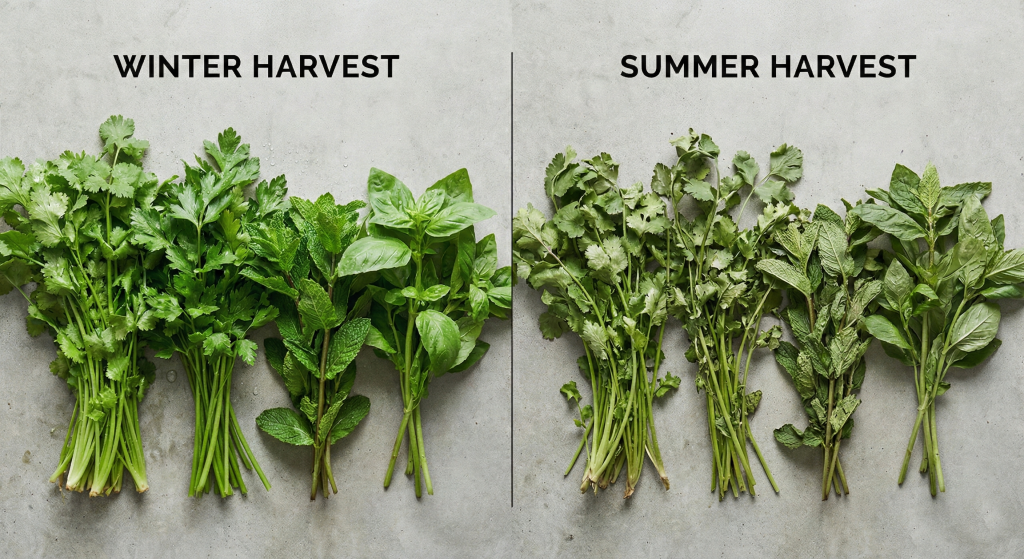
Winter produce in the UAE is often described as “better quality,” but predictability is the more important benefit.
During cooler months:
- Transit stress on herbs is reduced
- Shelf life becomes more reliable
- Aromatic intensity is more consistent
This is when many kitchens unknowingly reset their flavour expectations—only to be surprised when summer herbs fail to perform the same way.
Experienced buyers plan for this shift by:
- Adjusting quantities seasonally
- Being more selective with delicate herbs in warmer months
- Accepting that not every herb performs equally year-round
Seasonality matters even in a market that imports almost everything.
Local vs Imported: A Practical, Not Ideological Choice
There is growing interest in locally grown herbs in the UAE. While local production has improved, it remains limited in volume and variety.
Local herbs can offer:
- Shorter time from harvest to kitchen
- Better aroma when conditions are right
- Reduced transport stress
However, they may also face:
- Inconsistent availability
- Higher sensitivity to local climate extremes
- Limited scalability for large buyers
Imported herbs will continue to dominate supply. The practical question is not “local or imported,” but whether the sourcing model fits the buyer’s volume, usage speed, and quality expectations.
Common Mistakes Buyers and Cooks Make With Herbs
Across households and professional kitchens, the same patterns repeat.
Some of the most common mistakes include:
- Buying herbs too early “just in case”
- Storing all herbs the same way
- Judging freshness by colour alone
- Ignoring aroma until cooking stage
These habits are understandable in a fast-paced environment like Dubai. But small adjustments—buying closer to use, separating storage by herb type, or doing a quick aroma check—can noticeably improve results.
What Experienced Buyers Pay Attention To Instead
Seasoned buyers tend to focus less on perfection and more on usability.
They ask practical questions such as:
- How long will this realistically last once opened?
- Does this batch behave consistently day to day?
- Is the aroma strong enough to justify the quantity used?
Some UAE buyers prefer working with established wholesale produce providers rather than fragmented retail sourcing, simply because it reduces variability—even if the herbs themselves look less “pretty.”
The Role of Relationships in Herb Consistency
In produce supply, especially for fragile items like herbs, relationships matter more than specifications.
Suppliers who understand how a buyer uses herbs can:
- Flag seasonal shifts early
- Suggest temporary substitutions
- Adjust pack sizes to reduce waste
In practice, distributors such as JMB Farm Fresh often note that buyers who communicate usage patterns—not just price targets—experience fewer surprises during peak heat or supply disruptions.
This is not about loyalty or branding. It is about shared expectations in a volatile category.
Practical Takeaways for Better Herb Use in Dubai
Whether you are cooking for a family or managing a professional kitchen, herbs respond best to small, disciplined habits rather than big changes.
A few practices that consistently reduce waste and improve flavour include:
- Buy closer to use, especially for coriander and mint
- Store herbs by type, not all together (some prefer humidity, others airflow)
- Check aroma first, before appearance
- Adjust quantities seasonally, rather than assuming year-round consistency
None of these require specialist equipment. They require attention—something herbs quietly reward.
When Substitution Is the Smarter Choice
One overlooked skill in Dubai cooking is knowing when not to force a herb into a dish.
During periods of weak supply:
- Flat coriander can be partially replaced with parsley for freshness
- Poor mint can be reduced rather than overused
- Curry leaves with low aroma are better omitted than included
Substitution is not a compromise; it is a response to real supply conditions. Many experienced chefs quietly adapt recipes this way rather than blaming technique or staff.
Why Consistency Matters More Than Peak Quality
Buyers often chase the “best-looking” herbs. In reality, consistency delivers more value over time than occasional excellence.
A batch that is:
- Slightly less vibrant
- Predictable in shelf life
- Reliable in aroma
is often more useful than a visually perfect bunch that collapses within hours.
This is especially true for catering companies, restaurants, and cloud kitchens where planning and repeatability matter more than single-service performance.
Herbs as a Signal of Kitchen Discipline
In many operations, herbs reveal more about kitchen discipline than any other ingredient.
High waste, inconsistent flavour, or constant substitutions usually point to:
- Poor storage routines
- Over-ordering
- Misaligned expectations about seasonality
When herb handling improves, other areas often follow—ordering accuracy, prep timing, and even staff awareness.
This is why experienced food professionals pay attention to “small” ingredients. They are rarely small in effect.
Closing Thoughts: Why Herbs Deserve More Respect in Dubai Cooking
Fresh herbs are not garnish. In Dubai’s food environment, they are one of the clearest indicators of quality, care, and understanding of supply realities.
Because they are fragile, imported, and highly sensitive to climate and handling, they expose weaknesses quickly—but they also reward good practice immediately.
For anyone cooking regularly in the UAE, paying closer attention to herbs is one of the simplest ways to improve results without changing recipes, equipment, or budgets.
Frequently Asked Questions
Why do fresh herbs spoil faster in Dubai?
High temperatures, long import routes, and temperature changes during handling accelerate moisture loss and aroma degradation.
Are wholesale herbs always better than supermarket herbs?
Not always. Wholesale offers speed and consistency, but quality depends on handling after arrival, not just the source.
How can I tell if coriander is still good?
Check the aroma by lightly crushing a leaf. Strong scent matters more than bright colour.
Do curry leaves need refrigeration?
Yes. Despite their firm appearance, refrigeration helps preserve aroma and usability.
Is winter the best time to buy herbs in the UAE?
Winter offers more predictable quality and shelf life, though good handling still matters.








 Home
Home  Whishlist
  Compare
  Checkout