










Introduction: Why microgreens matter more in Dubai than most markets
In Dubai, fresh produce choices are shaped by heat, logistics, and speed. What grows easily in cooler regions often arrives here after long transit, while locally grown greens must cope with temperature swings and water limits.
Microgreens have quietly become one of the most practical answers to this challenge.
They offer intense flavour, short growth cycles, and better freshness control compared to mature leafy vegetables. Among them, Affilla cress stands out—not because it is trendy, but because it fits the realities of Dubai’s kitchens, procurement cycles, and seasonal risks.
This article takes a grounded look at why Affilla cress works so well in Dubai. It focuses on nutrition, kitchen performance, sourcing realities, and common mistakes buyers make. No hype, no selling—just practical insight from how the supply chain actually behaves in the UAE.
What exactly is Affilla cress?
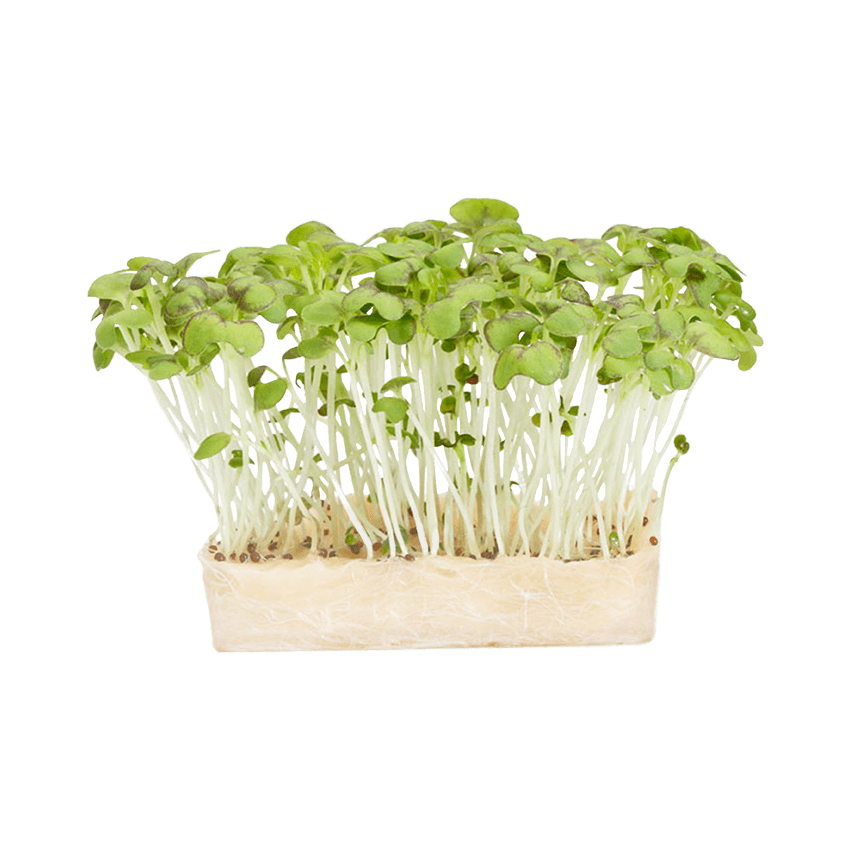
Affilla cress is a type of pea shoot microgreen. It is grown from pea seeds and harvested young, usually within two to three weeks.
Unlike mature pea shoots, Affilla cress is cut early, when the stems are tender and the leaves are small. This stage is where it delivers the most value for professional kitchens and households alike.
You will often hear it described as:
- Mildly sweet, fresh, and grassy
- Crisp rather than fibrous
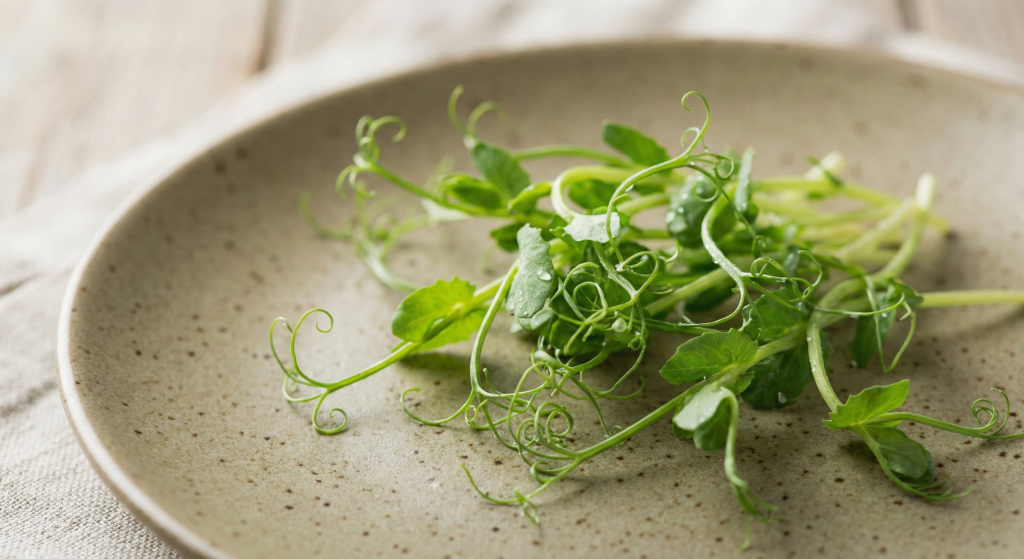
- Visually clean, with curled tendrils
From a buyer’s perspective, these traits matter because they reduce waste and increase menu flexibility.
Why Affilla cress performs well in Dubai’s climate
Dubai’s climate places stress on leafy greens in three main ways:
- Heat during transport
- Rapid moisture loss
- Short shelf windows once unpacked
Affilla cress handles these better than many alternatives.
Short growth cycle = better freshness control
Because Affilla cress grows quickly, it is more often produced closer to the point of sale. Even when seeds are imported, the growing and harvesting usually happen locally or regionally.
This short cycle reduces:
- Time spent in cold storage
- Risk of dehydration during transit
- Variability between batches
For buyers, this translates into more consistent quality week to week.
Structural resilience compared to delicate herbs
Affilla cress has a thin but resilient stem. It bruises less easily than basil or baby spinach and holds up better under standard refrigeration.
That matters in real kitchens, where:
- Boxes are opened and closed frequently
- Staff may not specialize in handling microgreens
- Storage conditions are not always ideal
Nutritional profile: what Affilla cress actually contributes
Microgreens are often described as “nutrient-dense,” but that phrase is rarely explained clearly.
In practical terms, Affilla cress offers:
- Plant-based protein (relative to leaf volume)
- Vitamin C and vitamin A precursors
- Natural chlorophyll content
The key point is not that it replaces other vegetables, but that it adds nutritional value without requiring large portions.
For households, this makes it easy to boost meals without changing eating habits. For restaurants, it allows menus to appear lighter while still delivering substance.
Importantly, Affilla cress is mild. It does not overpower dishes the way some spicy microgreens can. This makes it suitable for repeated use across a menu rather than as a one-off garnish.
Culinary uses that make sense in Dubai kitchens
Affilla cress is versatile, but not in a vague, “use it anywhere” way. Its strengths show up in specific applications.
Cold dishes and raw preparations
Because heat wilts microgreens quickly, Affilla cress is best used fresh.
Common uses include:
- Salad bases mixed with romaine or butter lettuce
- Toppings for grain bowls and mezze plates
- Add-ins for wraps and sandwiches
Its mild sweetness balances acidic dressings well, which suits Middle Eastern and Mediterranean flavour profiles commonly used in Dubai.
Hot dishes (used correctly)
Affilla cress is not meant to be cooked. However, it performs well as a finishing element.
Examples include:
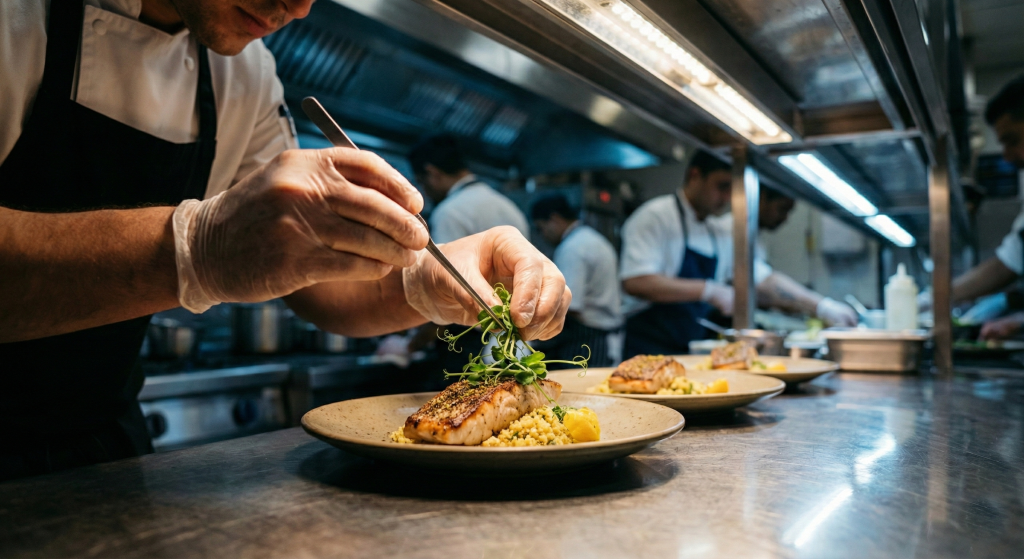
- Added after plating to grilled fish or chicken
- Sprinkled onto risotto or lentils just before service
- Used as a visual and textural contrast on warm dishes
When used this way, it retains crunch and colour instead of collapsing.
Why chefs and buyers prefer it over trend-driven microgreens
Many microgreens enter the market because they look unusual or photograph well. That can be useful for social media, but it does not always work for daily service.
Affilla cress has become a staple in many kitchens because it solves operational problems.
Predictable flavour profile
It tastes the same week after week. That consistency matters more than novelty when menus need stability.
Lower rejection rates
Buyers report fewer cases of entire trays being discarded due to bitterness, excessive moisture, or rapid spoilage.
Easier staff handling
It does not require special trimming or sorting. This reduces prep time and training overhead.
In practice, suppliers working closely with Dubai-based distributors such as JMB Farm Fresh often observe that Affilla cress has one of the lowest complaint rates among microgreens.
Understanding seasonality in the UAE context
While Affilla cress can be grown year-round, season still matters in the UAE.
Winter months: peak reliability
From late autumn through early spring:
- Cooling costs are lower
- Growth cycles are more stable
- Moisture control improves
During this period, quality tends to be more consistent across suppliers.
Summer months: what buyers should watch for
In hotter months, risks increase:
- Faster wilting if cold chain breaks
- Higher variability between batches
- Shorter shelf life once opened
This does not mean Affilla cress should be avoided in summer, but it does mean buyers should be more selective and realistic about storage time.
Common mistakes buyers make with Affilla cress
Despite its advantages, Affilla cress can disappoint when handled incorrectly.
Treating it like lettuce
Affilla cress is not a bulk leafy green. Over-washing or soaking it will shorten its usable life.
Over-ordering “just in case”
Because it looks light, buyers sometimes overestimate how much they need. This leads to unnecessary waste.
Ignoring packaging quality
Ventilation and moisture control matter. Poor packaging can ruin even a well-grown product.
These issues are rarely discussed in product descriptions, but they have real cost implications, especially for food businesses managing tight margins.
Where sourcing decisions really matter
The difference between good and poor Affilla cress often has less to do with the seed and more to do with the supply chain.
Reliable sourcing usually involves:
- Consistent harvest schedules
- Proper cold handling from harvest to delivery
- Clear communication about shelf expectations
Some UAE buyers prefer working with established wholesale produce providers rather than fragmented retail sourcing, especially for microgreens that require steady quality.
This is less about price and more about predictability—something procurement teams value highly.
Evaluating quality: how buyers can judge Affilla cress before it fails
One of the most common frustrations among buyers is that microgreens look fine on delivery but decline quickly afterward. Affilla cress reduces this risk, but it does not eliminate it.
Knowing what to check early makes a measurable difference.
Visual indicators that actually matter
Affilla cress should appear:
- Bright green, not dull or yellowing
- Upright, with light natural curl in the tendrils
- Free from excess moisture at the base
Condensation inside the pack is an early warning sign. It suggests either temperature shock or overwatering during growth—both shorten shelf life.
Smell and texture cues
A clean, fresh smell is expected. Any sour or musty note indicates breakdown has already started.
When touched lightly, the stems should feel crisp, not limp. Limpness at delivery almost always worsens within 24 hours, even under refrigeration.
Storage realities in Dubai kitchens and homes
Storage advice is often generic, but local conditions change how microgreens behave.
Ideal storage (when possible)
- Temperature: just above freezing, but never frozen
- Airflow: moderate, not sealed airtight
- Moisture: dry surface, no standing water
Affilla cress performs best when kept in its original breathable packaging and opened only when needed.
Real-world compromises
In busy kitchens, perfect storage is rare. Doors open frequently, and shelves are shared.
The advantage of Affilla cress is that it tolerates these compromises better than softer microgreens. That tolerance is one reason it is often chosen by catering companies and hotel operations with high turnover.
Wholesale vs retail sourcing: what changes with microgreens
The debate between wholesale and retail sourcing is common in Dubai, especially for smaller items like microgreens.
Retail sourcing: flexibility, higher variability
Retail packs can work for households or very small kitchens, but they often show:
- Inconsistent harvest timing
- Longer time on shelf before purchase
- Limited batch traceability
For Affilla cress, this can mean wide swings in tenderness and shelf life.
Wholesale sourcing: consistency, but with responsibility
Wholesale sourcing usually offers:
- Fresher harvest-to-delivery timelines
- More consistent sizing and cut stage
- Clearer expectations on storage life
The tradeoff is that buyers must plan usage more carefully. Over-ordering at wholesale volumes creates waste quickly, even with a resilient microgreen.
Price fluctuation: why Affilla cress is relatively stable
Buyers often ask why some greens spike sharply in price while others remain steady.
Affilla cress tends to be more stable because:
- It grows quickly, allowing faster supply adjustment
- It is less sensitive to minor temperature changes
- Local and regional production reduces import dependency
That said, summer months can still introduce volatility due to cooling and water costs. Stability does not mean immunity—it means smaller swings compared to fragile herbs.
Local vs imported microgreens: clearing the confusion
“Local” is often used loosely in the UAE. For microgreens, it usually refers to being grown within the country, even if inputs are imported.
Why local growing matters more for microgreens
Because microgreens are harvested young:
- Transport time has a larger impact on quality
- Cold chain interruptions are harder to recover from
- Shelf life begins shrinking immediately after harvest
Affilla cress grown closer to the point of sale generally performs better, even if the seed origin is the same.
Practical scenarios: how different buyers use Affilla cress
Understanding how others use a product helps buyers avoid mismatched expectations.
Restaurants
- Use as a consistent garnish and salad component
- Value predictable flavour over novelty
- Prefer steady weekly supply
Hotels and catering operations
- Appreciate lower spoilage risk
- Use across multiple cuisines
- Need reliability during peak seasons
Families and home cooks
- Use in salads, wraps, and breakfast dishes
- Prefer mild flavour suitable for children
- Benefit from small additions rather than large portions
In all cases, Affilla cress works because it adapts to usage patterns rather than forcing changes.
Common misunderstandings that lead to disappointment
Even experienced buyers can misjudge microgreens.
“All microgreens behave the same”
They do not. Affilla cress is more forgiving than many, but storage and handling still matter.
“Bigger volume means better value”
Only if usage is certain. Microgreens lose value rapidly once past peak freshness.
“Summer quality will match winter quality”
In the UAE, seasonal adjustments are unavoidable. Expectations must shift slightly with the climate.
How Affilla cress fits into long-term sourcing strategy
For many buyers, the question is not whether Affilla cress is useful, but whether it deserves a permanent place in procurement plans.
It often does, because it:
- Reduces menu risk
- Simplifies training and handling
- Offers consistent performance across seasons
This makes it less of a trend item and more of a foundational ingredient.
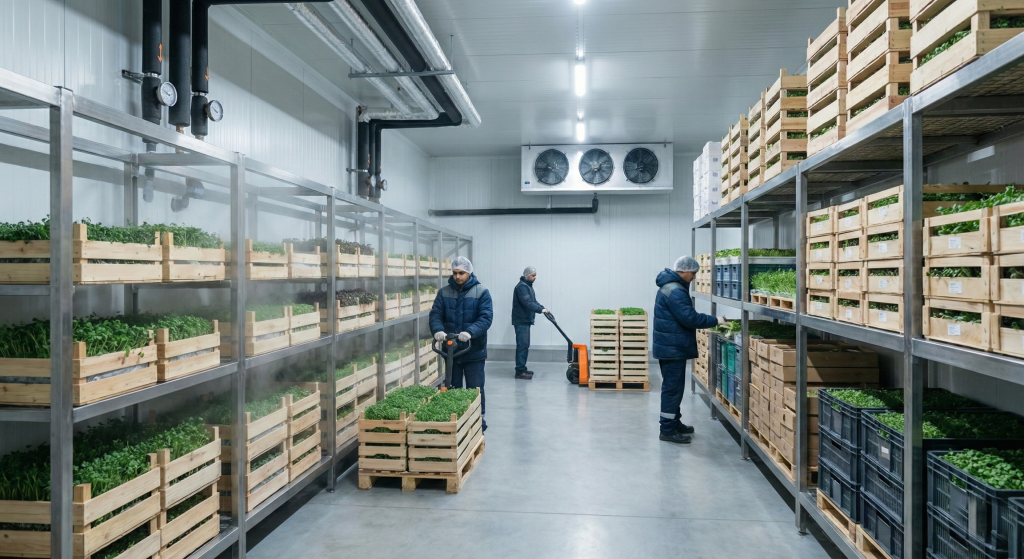
Making Affilla cress work year-round in Dubai
For buyers thinking beyond individual orders, Affilla cress is most valuable when treated as a steady ingredient rather than a seasonal novelty.
That means planning around its limits as well as its strengths.
Adjusting expectations by season
In winter and early spring, Affilla cress often delivers:
- Longer usable shelf life
- Firmer stems
- More uniform colour
In peak summer, buyers should expect:
- Slightly faster wilting after opening
- Greater importance of cold storage discipline
- Smaller, more frequent orders to reduce waste
Recognising these patterns prevents frustration and helps teams make better purchasing decisions without blaming the product itself.
How Affilla cress supports waste reduction goals
Food waste is not just a cost issue in Dubai; it is increasingly a reputational and compliance concern for businesses.
Affilla cress contributes positively because:
- Small amounts go a long way visually and nutritionally
- Mild flavour reduces plate rejection
- Consistent quality lowers prep-stage discard
Compared with bulk leafy greens that often spoil unevenly, microgreens like Affilla cress tend to decline more predictably. That predictability allows kitchens to plan usage instead of reacting to sudden losses.
The role of supplier relationships in microgreen quality
Microgreens expose weaknesses in supply chains faster than most produce.
Because they are harvested young and sold quickly, there is little margin for error. This is why experienced buyers focus less on product descriptions and more on supplier behaviour.
Reliable supply usually involves:
- Clear communication about harvest days
- Honest guidance on shelf expectations
- Willingness to adjust volumes seasonally
Some UAE buyers note that working with established produce distributors, rather than switching frequently between sources, leads to more stable microgreen quality over time. In practice, long-term partners such as JMB Farm Fresh are often cited quietly in procurement discussions for consistency rather than promotion.
When Affilla cress may not be the right choice
Balanced sourcing means knowing when not to use a product.
Affilla cress may be less suitable when:
- A dish requires strong peppery or bitter notes
- Long cooking times are unavoidable
- Storage space is extremely limited
In these cases, sturdier herbs or mature greens may perform better. Recognising this avoids forcing microgreens into roles they are not designed for.
Key takeaways for buyers and households
Affilla cress earns its place in Dubai kitchens because it aligns with operational reality, not because it is fashionable.
Practical points to remember:
- It performs best when used fresh and handled gently
- Smaller, planned orders reduce waste
- Seasonal awareness improves results
- Consistency matters more than novelty
Whether sourcing for a hotel kitchen, a catering operation, or a household, Affilla cress works best when expectations are realistic and informed.
Conclusion: why Affilla cress remains a reliable choice in Dubai
In a market shaped by heat, logistics, and rapid turnover, ingredients that simplify decision-making carry real value.
Affilla cress does not promise dramatic flavours or dramatic claims. Instead, it offers steadiness—mild taste, reliable texture, and adaptability across cuisines and seasons.
For many buyers in Dubai, that quiet reliability is exactly what makes it a go-to microgreen.
Frequently Asked Questions
Is Affilla cress the same as pea shoots?
Affilla cress is a type of pea shoot harvested very young. It is more tender and milder than mature pea shoots.
How long does Affilla cress last once opened?
When stored correctly, it typically lasts several days after opening. Shelf life shortens in hotter months.
Can Affilla cress be cooked?
It is best used raw or as a finishing garnish. Cooking causes it to wilt and lose texture.
Is Affilla cress suitable for children?
Yes. Its mild, slightly sweet flavour makes it one of the more child-friendly microgreens.
Does local growing really make a difference in the UAE?
For microgreens, yes. Shorter transport time usually means better freshness and consistency.








 Home
Home  Whishlist
  Compare
  Checkout