












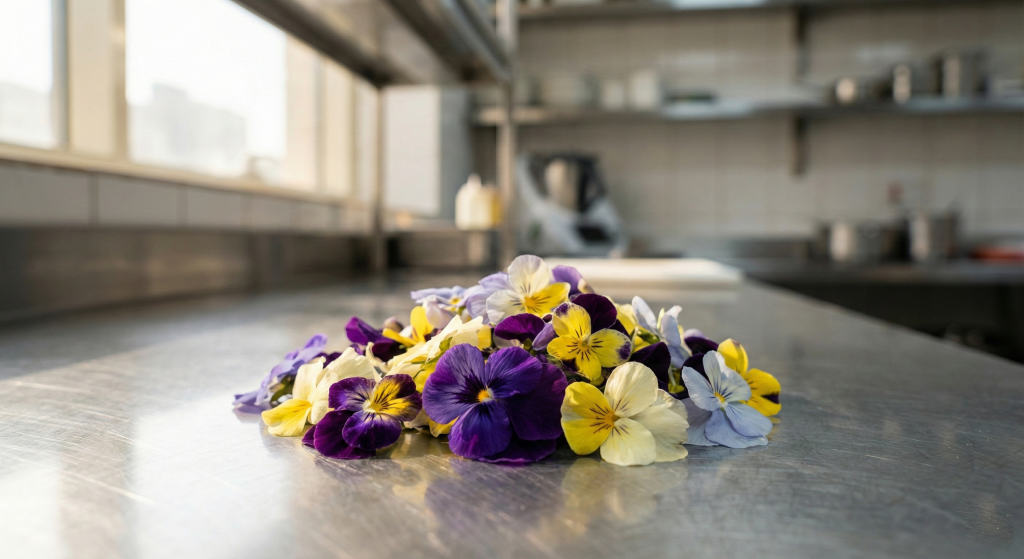
Introduction
Edible flowers are no longer a novelty in Dubai’s kitchens. Across restaurants, hotels, catering operations, and even home dining tables, they have become a practical ingredient with clear culinary value. Among them, mixed viola edible flowers stand out for one simple reason: they offer colour, mild flavour, and consistency without overwhelming a dish.
For buyers in Dubai, however, mixed viola can raise questions.
Are they decorative or functional?
How do you judge freshness?
Are they suitable for daily service or only special events?
This guide is written to answer those questions clearly. It draws on real supply-chain practices in the UAE, seasonal growing realities, and common concerns raised by chefs, procurement managers, and grocery buyers. The aim is education first—no sales language, no shortcuts, and no exaggerated claims.
What Is Mixed Viola, Exactly?
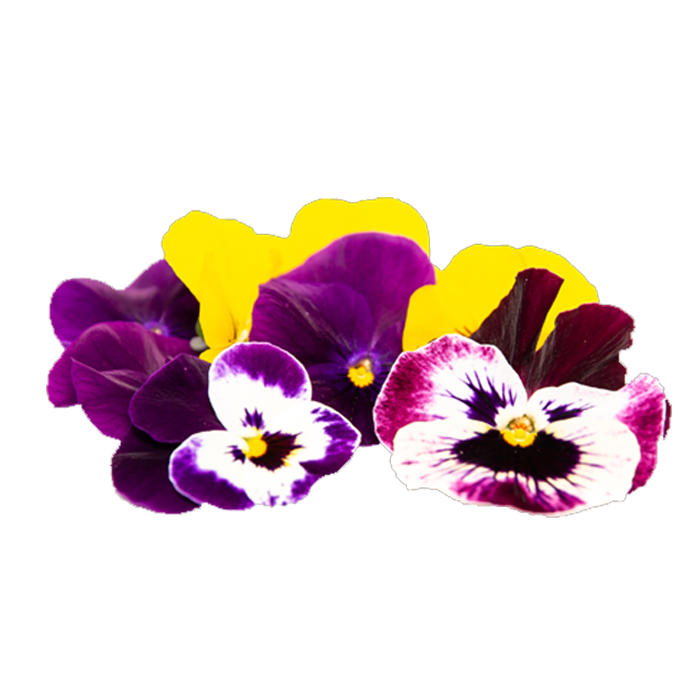
Mixed viola refers to a selection of edible flowers from the Viola family, commonly including pansies and violas in different colours. These flowers are grown specifically for consumption, not decoration.
Key characteristics buyers should understand:
- Fully edible: petals and centres are safe to eat when grown under food-grade conditions
- Mild flavour: slightly sweet, sometimes grassy or fresh
- Soft texture: suitable for raw use without preparation
- High visual impact: natural colour variation without artificial dyes
Unlike herbs or microgreens, viola flowers contribute more to balance and presentation than aroma or intensity. That is precisely why they are widely used in professional kitchens.
Why Mixed Viola Works Well in Dubai Kitchens
Dubai’s food scene places high value on visual quality. Plates are photographed, shared, and scrutinised. Ingredients that add colour without changing flavour too much are easier to work with at scale.
Mixed viola fits this environment well for several reasons.
1. Adaptability Across Menus
You will find violas used in:
- Fine-dining tasting menus
- Hotel breakfast buffets
- Event catering platters
- Casual cafés and bakery displays
Because the flavour is subtle, violas rarely clash with existing recipes. They complement rather than dominate.
2. Compatibility With Regional and International Cuisine
Mixed viola appears comfortably alongside:
- Middle Eastern mezze
- European pastries and desserts
- Asian fusion salads
- Contemporary Western plating
This flexibility matters for kitchens serving diverse guest profiles.
3. Portion Control and Waste Management
Unlike leafy greens, violas are used sparingly. A small quantity goes a long way. For buyers concerned about spoilage and waste—a frequent issue raised in wholesale vs retail discussions—this is a practical advantage.
Understanding the Flavour Profile (Without the Marketing Language)
Edible flowers are often described with vague terms like “delicate” or “floral.” That does not help buyers make decisions.
Here is a clearer breakdown of mixed viola flavour:
- Primary taste: very mild sweetness
- Secondary notes: fresh, green, sometimes cucumber-like
- Bitterness: minimal to none when fresh
- Aftertaste: clean, short
Because the flavour is light, mixed viola works best when:
- Paired with fresh cheeses, citrus, or light dressings
- Used raw rather than cooked
- Added at the final stage of plating
Heat destroys both texture and appearance, which is why violas are rarely used in hot cooking.
Decorative Ingredient or Functional Produce?
A common misunderstanding among buyers is that edible flowers are “just decoration.” In practice, this assumption often leads to poor handling and unnecessary waste.
Mixed viola is functional in three ways:
- Visual balance
It adds contrast to neutral-coloured foods like cheeses, grains, and pastries. - Perceived freshness
Guests associate edible flowers with freshness and care in preparation. - Menu signalling
Their presence often signals premium or seasonal intent without increasing portion cost.
That said, they are not a substitute for flavour-building ingredients. Treating them as such leads to disappointment.
Food Safety Basics Buyers Should Never Ignore
One of the most frequent questions in online forums and buyer groups is whether edible flowers are actually safe.
The answer depends entirely on sourcing and handling.
What Makes Viola Safe to Eat?
- Grown without harmful pesticides
- Harvested for food use, not landscaping
- Stored under proper cold-chain conditions
- Washed and packed in food-grade environments
Flowers grown for decoration often receive chemical treatments that make them unsafe for consumption. This distinction is critical and often misunderstood by first-time buyers.
Practical Tip for Buyers
If a supplier cannot clearly explain how their edible flowers are grown and handled, that is a risk—not an inconvenience. In Dubai’s climate, poor handling shows quickly.
Seasonality: How Mixed Viola Fits Into UAE Winter Produce Cycles
While many assume edible flowers are imported year-round, mixed viola aligns well with UAE winter growing conditions.
From late autumn through early spring:
- Temperatures support stable growth
- Quality is more consistent
- Shelf life improves compared to hotter months
During peak winter, buyers often notice:
- Better colour saturation
- Firmer petals
- Reduced transit stress
Outside this window, availability may rely more heavily on imports, which can affect consistency. This is one reason prices and quality fluctuate—a topic frequently discussed among restaurant buyers and distributors.
Common Buyer Mistakes (Seen Repeatedly)
Across wholesale discussions and procurement forums, the same issues come up.
Buying Based on Appearance Alone
Bright colour does not always mean freshness. Wilting, moisture buildup, or dull centres indicate age.
Overordering for “Visual Impact”
Because violas are used sparingly, overestimating volume leads to waste, especially in smaller kitchens.
Treating Them Like Herbs
Violas are more delicate than herbs. Rough handling, stacking, or excessive washing shortens shelf life dramatically.
Understanding these mistakes early helps both businesses and households reduce cost without compromising quality.
A Note on Sourcing in Dubai’s Wholesale Ecosystem
Some UAE buyers prefer sourcing edible flowers through wholesale produce channels rather than retail shelves. The reasons are practical:
- Better temperature control
- Clearer harvest timelines
- More consistent grading
In practice, suppliers working closely with Dubai-based distributors such as JMB Farm Fresh often observe that buyers prioritise reliability over novelty when it comes to edible flowers. Consistency matters more than rare colours.
This preference reflects broader trends in Dubai’s food supply market, where predictability supports menu planning and cost control.
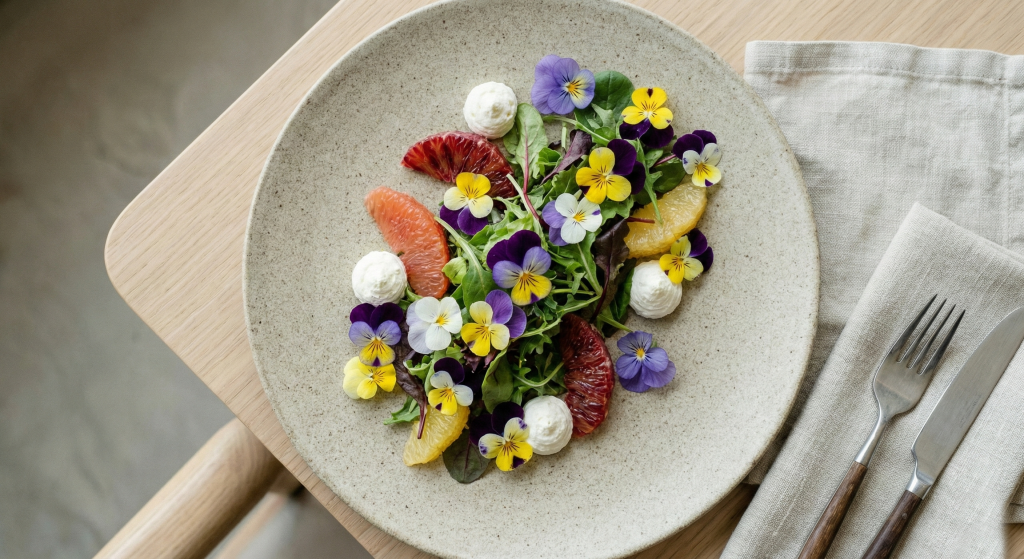
Practical Culinary Uses of Mixed Viola in Professional Kitchens
Mixed viola is most effective when it supports a dish rather than draws attention to itself. In Dubai’s hospitality sector, where menus change often and consistency is critical, this restraint is intentional.
Cold Applications Where Viola Performs Best
Because of its fragile structure, mixed viola should be treated as a finishing ingredient, not a core component.
Common professional uses include:
- Salads: especially those built on mild greens, citrus, or soft cheeses
- Desserts: plated pastries, cheesecakes, mousses, and fruit-based sweets
- Canapés: where colour contrast improves visual clarity at small scale
- Breakfast displays: yogurt bowls, fruit platters, and continental spreads
In these contexts, violas add freshness without introducing unfamiliar flavours that might alienate guests.
Uses That Often Cause Problems
Buyers frequently experiment beyond these applications and run into issues.
Mixed viola performs poorly when:
- Exposed to heat
- Mixed aggressively with acidic dressings too early
- Stored uncovered on prep stations
- Used in bulk rather than selectively
These missteps explain why some kitchens dismiss edible flowers as impractical. The issue is usually handling, not the ingredient itself.
Storage and Shelf Life: What Buyers Should Realistically Expect
Shelf life is one of the most discussed concerns in wholesale produce conversations, especially in the UAE climate.
Typical Shelf Life Under Proper Conditions
When stored correctly, mixed viola generally lasts:
- 3–5 days in professional refrigeration
- Slightly longer during cooler winter months
This assumes:
- Constant refrigeration
- Minimal handling
- Dry, ventilated packaging
Any break in the cold chain shortens this window significantly.
Why Moisture Is the Biggest Enemy
Condensation causes:
- Petal softening
- Colour bleeding
- Early spoilage
This is why experienced buyers avoid washing violas until the moment of use, if at all. Gentle inspection is usually sufficient.
Buying Mixed Viola: Wholesale vs Retail Reality
A recurring theme in buyer forums is confusion over whether wholesale sourcing actually delivers better quality than retail.
The answer depends on use case.
When Wholesale Makes Sense
Wholesale sourcing suits:
- Restaurants with daily service
- Hotels with regular buffet setups
- Caterers managing large events
- Grocery buyers seeking consistency
Advantages often include:
- Better temperature control
- Predictable pack sizes
- Clear harvest timelines
When Retail Is Sometimes Enough
Retail purchases may suit:
- Home cooks
- Small cafés with occasional use
- Trial menus or short-term needs
However, retail supply often lacks consistency in size, freshness, and handling—issues that become costly at scale.
Price Fluctuations: Why Buyers See Variation
Another frequent point of frustration is price volatility. Many buyers assume this reflects supplier markup. In reality, several factors are at play.
Key contributors include:
- Seasonality: winter availability is more stable than summer
- Import reliance: air freight costs affect pricing
- Yield variability: flowers are sensitive to climate shifts
- Handling losses: delicate produce has higher wastage risk
Understanding these factors helps buyers plan menus realistically instead of reacting to short-term price changes.
Local vs Imported: A Balanced View
There is ongoing debate in UAE procurement circles about whether local or imported edible flowers are “better.”
The more accurate question is: better for what purpose?
Local Supply Advantages
- Shorter transit time
- Better freshness during winter
- Reduced handling stress
Imported Supply Advantages
- Broader colour ranges
- Availability outside local growing windows
- Familiarity for international brands
Most experienced buyers use a mix, adjusting sourcing based on season and menu needs.
Common Misunderstandings That Lead to Waste
Across discussions with chefs and procurement teams, the same misunderstandings appear.
“More Colour Means Better Quality”
Overly vivid colours can indicate age or stress. Natural variation is expected.
“Edible Flowers Should Last Like Herbs”
They do not. Treating violas like parsley or mint results in disappointment.
“They’re Only for Fine Dining”
In reality, violas are used widely in mid-range hospitality because they scale visually without scaling cost.
Recognising these points early saves both money and frustration.
Dubai-Friendly Recipe Approaches (Concepts, Not Instructions)
Rather than providing rigid recipes, experienced kitchens think in frameworks.
Light Salad Framework
- Mild greens
- Neutral protein or cheese
- Citrus or yogurt-based dressing
- Mixed viola added at plating
Dessert Framework
- Cream-based or fruit-forward base
- Low sweetness
- Viola as a final garnish for contrast
Breakfast Framework
- Yogurt, granola, or fruit
- Minimal handling
- Immediate service
These approaches work well in Dubai’s climate because they minimise exposure time and handling.
Practical Takeaways for Buyers and Kitchens
From a supply and usage perspective, mixed viola rewards careful planning.
Key lessons include:
- Order conservatively
- Store with attention to moisture
- Use as a finishing element
- Align sourcing with season
Some UAE buyers prefer working with established wholesale produce providers rather than fragmented retail sourcing, particularly when consistency matters more than novelty. This preference reflects operational realities rather than branding considerations.
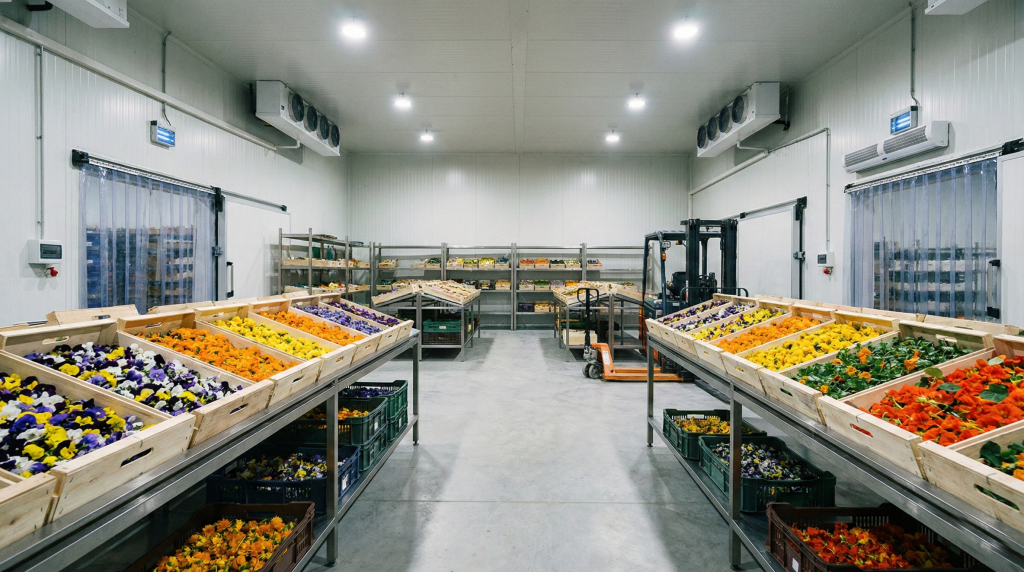
Managing Risk When Using Delicate Produce Like Mixed Viola
In Dubai’s food supply environment, risk management is rarely discussed openly, yet it shapes most buying decisions. Mixed viola is a good example of a product that rewards discipline and penalises shortcuts.
Where Risk Actually Comes From
The main risks are not flavour or safety when sourcing is correct. They are operational.
Common risk points include:
- Overordering for visual appeal
- Poor rotation in cold storage
- Leaving product exposed during service
- Inconsistent supplier handling standards
These risks show up as waste, not complaints. That is why they often go unnoticed until costs rise.
How Experienced Buyers Reduce Loss
Buyers who use edible flowers regularly tend to:
- Order smaller quantities more frequently
- Assign responsibility for handling to trained staff
- Add violas only at final plating
- Track spoilage as part of produce loss, not garnish loss
This mindset shift—treating edible flowers as produce, not decoration—makes a measurable difference.
Mixed Viola in the Context of Dubai’s Winter Produce Landscape
During the UAE winter season, kitchens gain access to a wider range of fresh produce with improved quality and stability. Mixed viola benefits directly from this window.
Why Winter Matters
From a supply perspective:
- Cooler temperatures improve flower structure
- Transport stress is reduced
- Colour consistency improves
- Shelf life becomes more predictable
This is why many buyers introduce or expand edible flower usage between November and March, then scale back during hotter months.
Planning Around the Season
Rather than treating violas as a year-round constant, experienced kitchens:
- Feature them more heavily in winter menus
- Reduce usage during peak heat
- Adjust expectations for colour and size outside the season
This approach aligns menu design with agricultural reality, not marketing imagery.
Long-Term Sourcing Habits That Improve Consistency
One of the clearest patterns across UAE hospitality and grocery discussions is that consistency matters more than variety.
Buyers who report fewer issues with mixed viola often share similar habits:
- Working with fewer, more reliable suppliers
- Prioritising handling standards over novelty colours
- Asking questions about harvest and storage, not just price
- Accepting natural variation rather than expecting uniformity
In practice, distributors with established produce systems—such as JMB Farm Fresh—tend to observe that long-term buyers place greater value on predictability than on occasional visual impact. This preference reflects operational maturity, not conservatism.
Is Mixed Viola Worth Using Regularly?
The answer depends on expectations.
Mixed viola is worth using when:
- Visual quality matters
- Portions are controlled
- Handling discipline exists
- Seasonality is respected
It becomes frustrating when treated as:
- A bulk garnish
- A heat-tolerant ingredient
- A substitute for flavour
Understanding this distinction is what separates successful use from unnecessary waste.
Final Thoughts: Treating Edible Flowers With Practical Respect
Mixed viola has earned its place in Dubai’s kitchens not because it is fashionable, but because it solves a specific problem: adding colour and freshness without disrupting flavour.
For buyers and cooks willing to respect its limits—storage, handling, and seasonality—it remains one of the more reliable edible flowers available in the UAE market.
For those expecting it to behave like a herb or leafy green, disappointment is almost guaranteed.
The difference is not quality.
It is understanding.
Frequently Asked Questions
1. Are mixed viola edible flowers safe to eat in Dubai?
Yes, when grown and handled specifically for food use. Safety depends entirely on sourcing and proper handling, not appearance alone.
2. How long do mixed viola flowers last in refrigeration?
Typically 3–5 days under consistent cold storage with minimal moisture. Shelf life improves slightly during cooler winter months.
3. Do mixed viola flowers have a strong taste?
No. The flavour is mild, slightly sweet, and fresh. They are used mainly for balance and presentation.
4. Are edible flowers better sourced wholesale or retail?
Wholesale sourcing usually offers better consistency and handling for regular use. Retail may suit occasional or home use.
5. Why does the price of edible flowers fluctuate?
Seasonality, import reliance, yield variability, and handling losses all influence pricing, especially in warmer months.








 Home
Home  Whishlist
  Compare
  Checkout