





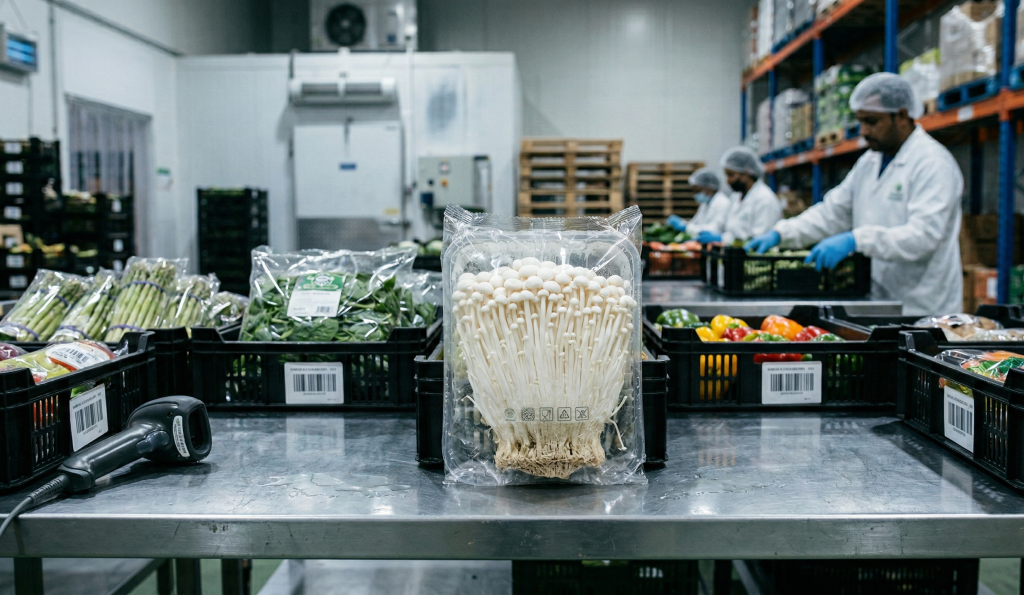
Walk into any Korean kitchen scene—whether it’s a quiet home dinner or a busy restaurant—and you’ll often notice a cluster of long, thin, white mushrooms sitting beside a pot of broth or sizzling on a grill. These are enoki mushrooms.
Over the past few years, they’ve quietly moved from niche Asian grocery shelves into mainstream demand across Dubai. Today, buyers searching for enoki mushroom Dubai buy fresh are not just Korean households. They include restaurants, catering companies, health-focused families, and even hotel procurement teams.
But unlike more familiar vegetables, enoki mushrooms are still widely misunderstood.
Many buyers don’t fully understand:
- What they are
- Why prices fluctuate
- How to judge freshness
- Whether imported batches differ in quality
- How to store them without spoilage
This article breaks down what actually matters—based on how enoki mushrooms move through the UAE food supply chain, how chefs use them in real kitchens, and where buyers often go wrong.
What Exactly Is an Enoki Mushroom?
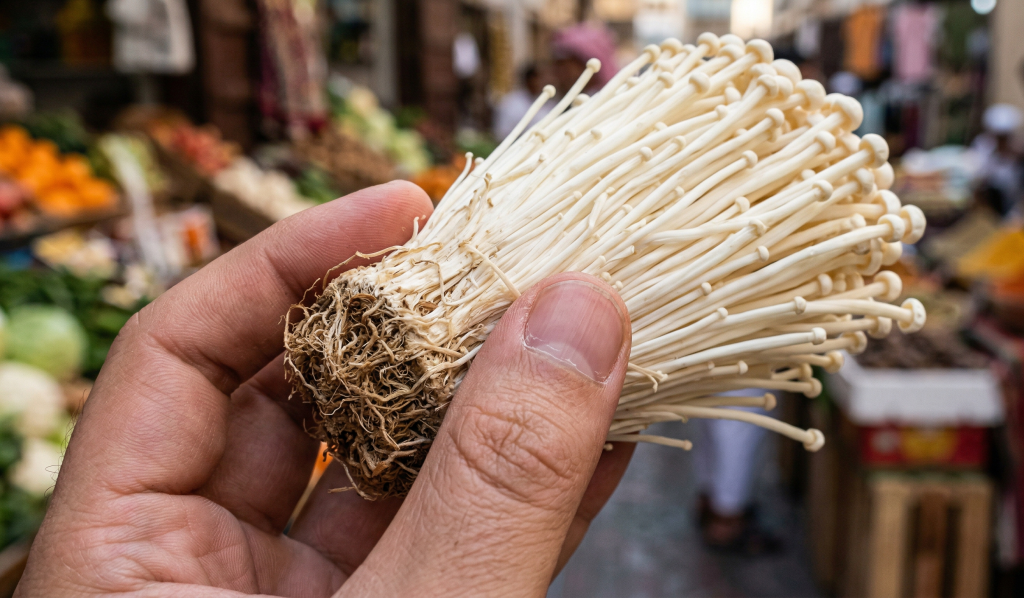
Enoki mushrooms are a variety of mushroom known for their:
- Long, thin stems
- Small, rounded caps
- Mild, slightly crisp texture
They look delicate, but they are surprisingly resilient when handled correctly.
Why Are They So Popular in Korean Cooking?
In Korean cuisine, enoki mushrooms are valued for texture rather than strong flavor.
They absorb broths easily, making them ideal for:
- Hot pots
- Soups
- Stir-fries
- Korean BBQ side dishes
In many Korean mushroom recipe Dubai searches, you’ll notice enoki appears repeatedly—not as the main ingredient, but as a supporting element that improves the overall dish.
This is an important distinction. Buyers expecting a strong “mushroom taste” are often disappointed. That’s not their role.
Why Dubai Has Suddenly Picked Up on Enoki Mushrooms
The rise in demand is not random. It follows a pattern seen across several imported produce categories.
1. Influence of Asian Cuisine Expansion
Dubai’s restaurant landscape has shifted significantly:
- More Korean BBQ concepts
- Increased Japanese hot pot restaurants
- Fusion dining menus
With that comes a need for authentic ingredients like enoki mushrooms.
For restaurant owners, consistency matters more than novelty. Once a menu includes enoki, it must be available year-round.
2. Social Media and Visual Appeal
Enoki mushrooms have a unique visual identity:
- Clean white color
- Uniform strands
- Aesthetic plating potential
This has made them popular on platforms where presentation matters. Even home cooks now search for buy enoki mushrooms online UAE after seeing them in short-form cooking videos.
3. Health Positioning (Often Misunderstood)
Many consumers associate enoki with:
- Low calories
- High fiber
- “Clean eating”
While these claims are broadly true, they are often overstated.
From a supply perspective, what matters more is:
- Freshness at delivery
- Cold chain handling
- Shelf life
Health value means little if the product deteriorates quickly.
Are Enoki Mushrooms Local or Imported in the UAE?
This is where many buyers get confused.
The Reality: Mostly Imported
Enoki mushrooms in Dubai are typically imported from:
- China
- South Korea
- Occasionally Southeast Asia
Unlike some vegetables grown locally in controlled environments, enoki production requires highly specific conditions.
What This Means for Buyers
Imported produce introduces several variables:
- Transit time
- Temperature control
- Packaging quality
- Supplier handling
Two boxes of enoki mushrooms can look identical on the outside but behave very differently in storage.
This is one of the biggest frustrations mentioned in procurement discussions across restaurant and catering groups.
Why Enoki Mushroom Prices Fluctuate in Dubai
Search trends like raspberry price Dubai 2026 or similar often apply the same logic to mushrooms—but the pricing factors are different.
For enoki mushrooms, key drivers include:
1. Air Freight vs Consolidated Shipping
Because enoki is delicate, faster transport methods increase cost.
2. Seasonal Demand from Restaurants
Demand spikes during:
- Cooler months (hot pot season)
- Tourist influx periods
3. Shelf Life Risk
Suppliers price in potential loss due to spoilage.
If a batch arrives slightly compromised, it may:
- Be discounted quickly
- Or rejected entirely
This creates visible price volatility at the buyer level.
How to Judge Freshness (What Most Buyers Get Wrong)
One of the most common mistakes is relying only on appearance.
Yes, enoki mushrooms should be:
- Bright white
- Firm
- Tightly clustered
But that’s not enough.
What Actually Matters:
1. Base Condition
Check the root end:
- Slimy or wet base = early spoilage
- Dry and compact = fresher batch
2. Smell
Fresh enoki has a very mild scent.
Any sour or strong odor indicates deterioration.
3. Moisture Inside Packaging
Condensation is a warning sign.
It suggests temperature fluctuations during transport.
A Practical Scenario
A restaurant orders enoki mushrooms for weekend service.
Two suppliers deliver:
- Supplier A: visually perfect but slightly damp inside
- Supplier B: slightly less white but dry and firm
By Sunday, Supplier A’s batch starts breaking down faster.
This is a common real-world issue—and often misunderstood as “supplier inconsistency” rather than handling conditions.
Storage Mistakes That Lead to Waste
Even high-quality enoki mushrooms can spoil quickly if stored incorrectly.
Common Errors:
- Keeping them in sealed plastic without airflow
- Storing near high-moisture vegetables
- Delayed refrigeration after delivery
Best Practice for Storage
- Keep at low, stable temperatures (not fluctuating fridge zones)
- Avoid washing before storage
- Use within a few days of purchase
For businesses, this becomes a cost issue. Poor storage leads directly to:
- Increased waste
- Reduced margins
- Menu inconsistency
Wholesale vs Retail: Does It Matter for Enoki Mushrooms?
This is a frequent question in buyer discussions.
Retail Advantages
- Smaller quantities
- Easier access
- Lower upfront commitment
Wholesale Advantages
- Better batch consistency
- More predictable supply
- Potentially fresher stock (if turnover is high)
However, wholesale is not automatically better.
If turnover is slow, even wholesale batches can sit longer than retail stock.
In practice, suppliers working closely with Dubai-based distributors such as JMB Farm Fresh often observe that buyers benefit more from consistency and handling reliability than from simply choosing wholesale over retail.
Why Enoki Mushrooms Are More Sensitive Than Other Vegetables
Compared to items like onions or potatoes, enoki mushrooms are far less forgiving.
They react quickly to:
- Temperature shifts
- Humidity changes
- Rough handling
This makes them a higher-risk product in the supply chain.
For buyers, this means:
- Source reliability matters more than price alone
- Delivery timing affects usability
- Storage discipline becomes critical
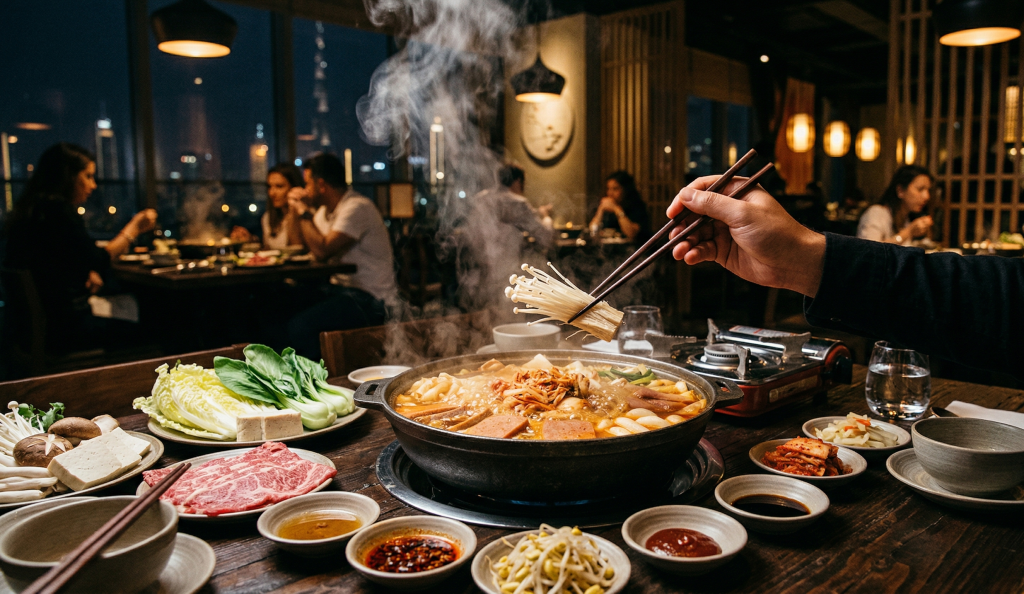
How Restaurants in Dubai Actually Use Enoki Mushrooms
In theory, enoki mushrooms are simple to work with. In practice, how they are used varies significantly depending on the kitchen type.
1. Hot Pot and Broth-Based Kitchens
This is where enoki performs best.
In hot pot settings:
- The mushrooms are added just before serving
- They cook quickly (often under 1–2 minutes)
- They absorb broth flavor without losing structure
This is why searches like enoki hot pot recipe UAE continue to rise. The ingredient fits perfectly into interactive dining formats.
For restaurant operators, the advantage is predictable behavior. When fresh, enoki mushrooms cook consistently and require minimal prep.
2. Korean BBQ and Side Dishes
In Korean BBQ kitchens, enoki is often:
- Wrapped in thin meat slices
- Lightly grilled
- Served as a textural contrast
It is not the main item, but it elevates the overall dish.
From a procurement standpoint, this creates a challenge:
- The mushroom must look clean and uniform
- Even slight discoloration becomes noticeable on the plate
3. Casual Dining and Home Kitchens
At the consumer level, enoki mushrooms are still underutilized.
Many households buy them once, try a single dish, and don’t repurchase.
Why?
Because they are often:
- Overcooked (losing texture)
- Used in the wrong recipes
- Stored incorrectly
This creates a perception that they are “not worth it,” when in reality, the issue is usage knowledge.
Common Mistakes Buyers Make When Purchasing Enoki Mushrooms
Across supplier conversations and buyer discussions, the same issues appear repeatedly.
Mistake 1: Treating All Batches as Identical
Enoki mushrooms may look uniform, but they are highly sensitive to:
- Transport time
- Storage before delivery
- Packaging conditions
Two shipments from the same origin can perform very differently.
Mistake 2: Prioritizing Price Over Shelf Life
A lower price often indicates:
- Older stock
- Slower-moving inventory
- Compromised cold chain
For businesses, this usually leads to:
- Faster spoilage
- Increased waste
- More frequent reordering
The cost difference often cancels itself out.
Mistake 3: Ignoring Delivery Timing
Timing is critical.
Receiving enoki mushrooms:
- Early in the day = better storage window
- Late in the day = reduced usable shelf life
For high-volume kitchens, this affects service consistency.
Mistake 4: Not Understanding Portion Yield
Enoki mushrooms shrink slightly when cooked but maintain structure.
Buyers who are unfamiliar with yield often:
- Over-order
- Or underestimate usage
This leads to either waste or shortages during service.
The Role of Cold Chain in Enoki Mushroom Quality
Cold chain simply refers to keeping produce at a stable, controlled temperature from origin to delivery.
For enoki mushrooms, this is not optional—it is critical.
What Happens When Cold Chain Breaks?
Even a short temperature fluctuation can cause:
- Internal moisture buildup
- Faster bacterial growth
- Reduced shelf life
The mushrooms may still look fine at delivery, but degrade quickly afterward.
How Buyers Can Identify Cold Chain Issues
Look for:
- Excess condensation inside packaging
- Slight stickiness at the base
- Uneven firmness within the bundle
These are early indicators—not always visible at first glance.
Seasonal Patterns: When Are Enoki Mushrooms More Stable in Dubai?
Unlike local vegetables, enoki mushrooms are not tied to UAE soil seasons. However, demand patterns still follow seasonal trends.
Cooler Months (November to March)
This is peak demand season due to:
- Hot pot popularity
- Outdoor dining trends
- Tourist influx
During this period:
- Supply is steady
- Prices can rise due to demand
- Turnover is faster (often fresher stock)
Warmer Months (April to September)
Demand softens slightly.
This creates two possible scenarios:
- Stable pricing due to lower demand
- Or inconsistent quality if turnover slows
For buyers, this is a critical period where supplier selection matters more than usual.
Imported vs Locally Distributed Stock: Is There a Difference?
While enoki mushrooms are imported, how they are handled locally makes a significant difference.
Key Differences Come Down To:
1. Storage After Arrival
Some distributors move stock quickly. Others hold inventory longer.
2. Handling Practices
Temperature discipline varies between suppliers.
3. Distribution Speed
Faster distribution usually means fresher product.
A Practical Insight
Some UAE buyers assume that importing directly guarantees better quality.
In reality:
- Direct imports require strict handling capability
- Without proper infrastructure, quality can degrade faster than through established distributors
This is why many businesses prefer working with experienced supply chains rather than managing imports independently.
Why Enoki Mushrooms Feel “Unpredictable” to Many Buyers
A common complaint is:
“Sometimes they last days, sometimes they spoil overnight.”
This inconsistency usually comes from three factors:
1. Variability in Transport Conditions
Not all shipments experience the same journey.
2. Storage Gaps Between Delivery and Use
Even a few hours outside optimal conditions can accelerate spoilage.
3. Misjudging Freshness at Purchase
Visual checks alone are not reliable.
Practical Buying Tips for Different Types of Buyers
For Restaurant Owners
- Order smaller quantities more frequently
- Align delivery timing with prep schedules
- Test suppliers over multiple batches before committing
For Catering Businesses
- Factor enoki into menus only when supply is consistent
- Avoid overstocking for large events
- Build backup ingredient options
For Families and Home Buyers
- Buy only what you will use within a few days
- Store correctly immediately after purchase
- Start with simple recipes before experimenting
A Note on Supply Relationships
In produce sourcing, reliability often outweighs cost advantages.
Some UAE buyers prefer working with established wholesale produce providers rather than fragmented retail sourcing, especially for sensitive items like enoki mushrooms. The consistency in handling, rather than the origin itself, is what determines usable quality.
How to Actually Use Enoki Mushrooms Properly (Without Ruining Them)
A large part of enoki’s reputation problem comes down to how it is used.
Unlike heavier vegetables, enoki mushrooms are not forgiving. Small mistakes in cooking can completely change their texture.
The Most Important Rule: Do Not Overcook
Enoki mushrooms cook very quickly.
- 30–90 seconds in hot broth is usually enough
- Overcooking makes them limp and slightly rubbery
- Undercooking keeps their signature light crunch
This is why they work best in dishes where heat is controlled and brief.
Simple Use Cases That Work Consistently
If you’re new to enoki mushrooms, start with these:
1. Hot Pot or Soup Finishing
- Add enoki at the very end
- Let it soften slightly in broth
- Serve immediately
2. Light Stir-Fry
- Cook separately for a short time
- Add after main ingredients are done
3. Korean BBQ Style
- Wrap in thin slices of beef
- Grill quickly
- Serve as a side
Searches like Korean BBQ ingredients Dubai often include enoki for this reason—it’s versatile without overpowering the dish.
Why Enoki Mushrooms Matter in a Broader Food Supply Context
At first glance, enoki mushrooms may seem like a niche ingredient.
But their rise highlights a larger shift in Dubai’s food ecosystem.
1. Demand for Specific, Global Ingredients
Buyers are no longer satisfied with generic produce.
They are looking for:
- Cuisine-specific ingredients
- Consistent availability
- Authentic cooking experiences
Enoki mushrooms are part of this trend.
2. Increased Sensitivity to Supply Chain Quality
Because enoki mushrooms are delicate, they expose weaknesses in the supply chain.
If a supplier struggles with:
- Temperature control
- Handling speed
- Storage discipline
It becomes visible quickly with products like enoki.
This is why many procurement professionals use sensitive items as a benchmark for supplier reliability.
3. The Shift Toward Knowledge-Based Buying
More buyers are asking:
- How was this stored?
- When did it arrive?
- How long will it last?
This is a positive shift.
It reduces:
- Waste
- Miscommunication
- Unrealistic expectations
And it leads to better long-term sourcing decisions.
The Tradeoffs Buyers Should Be Aware Of
Enoki mushrooms are not a perfect product.
Understanding their limitations is just as important as understanding their benefits.
Advantages
- Unique texture not easily replaced
- Works across multiple cuisines
- Quick cooking time
- Visually appealing
Limitations
- Short shelf life
- Highly sensitive to handling
- Quality varies between batches
- Not suitable for long storage
A Balanced Approach to Buying Enoki Mushrooms in Dubai
If you are considering adding enoki mushrooms to your regular purchase list, the goal should not be perfection.
It should be consistency.
A Practical Approach:
- Start with small quantities
- Observe how long the product lasts in your environment
- Adjust ordering frequency instead of increasing volume
- Focus on supplier reliability over minor price differences
Over time, this approach reduces waste and improves predictability.
Final Thoughts
Enoki mushrooms may look simple, but they are a good example of how modern produce sourcing has evolved.
They sit at the intersection of:
- Global cuisine trends
- Cold chain logistics
- Buyer education
Their growing popularity in Dubai is not just about Korean food or visual appeal. It reflects a deeper shift toward more informed, quality-focused purchasing behavior.
For buyers—whether restaurants, caterers, or households—the key takeaway is straightforward:
Understanding how a product behaves is just as important as knowing where to buy it.
FAQ Section
1. What is an enoki mushroom and how is it used in UAE kitchens?
Enoki mushrooms are thin, white mushrooms with a mild taste and slight crunch. In UAE kitchens, they are commonly used in hot pot, soups, Korean BBQ dishes, and light stir-fries.
2. Where can I buy fresh enoki mushroom in Dubai?
Fresh enoki mushrooms are available through Asian grocery stores, select supermarkets, and online produce suppliers offering buy enoki mushrooms online UAE delivery options.
3. How long do enoki mushrooms last after purchase?
When stored properly in a refrigerator, enoki mushrooms typically last a few days. Poor handling or temperature fluctuations can shorten this significantly.
4. Why do enoki mushrooms sometimes spoil quickly?
Rapid spoilage is usually caused by breaks in the cold chain, excess moisture in packaging, or improper storage after delivery.
5. Are enoki mushrooms healthy?
Enoki mushrooms are low in calories and contain fiber and micronutrients. However, their health value depends on freshness and how they are prepared.








 Home
Home  Whishlist
  Compare
  Checkout