











Dubai’s food industry runs on scale.
From hotel kitchens and restaurant chains to catering companies and neighborhood grocery stores, thousands of businesses rely on a constant flow of fresh fruits and vegetables every single day. For many buyers, purchasing bulk fruits and vegetables in Dubai is not just about saving money — it’s about maintaining consistency, controlling waste, and ensuring reliable supply.
Yet bulk buying is often misunderstood.
Some people assume wholesale produce means lower quality. Others worry about storage, spoilage, or unpredictable price swings. Families buying in bulk for the first time may wonder whether it actually reduces costs or simply increases waste.
In reality, bulk produce purchasing is simply a different part of the food supply chain. When understood properly, it can offer both economic and quality advantages — but only if buyers know how the system works.
This guide explains how bulk produce sourcing operates in Dubai, what experienced buyers look for, and how to purchase fresh produce in bulk without compromising freshness or quality.
Why Bulk Produce Buying Is Common in Dubai
Dubai is one of the most logistics-driven food markets in the world.
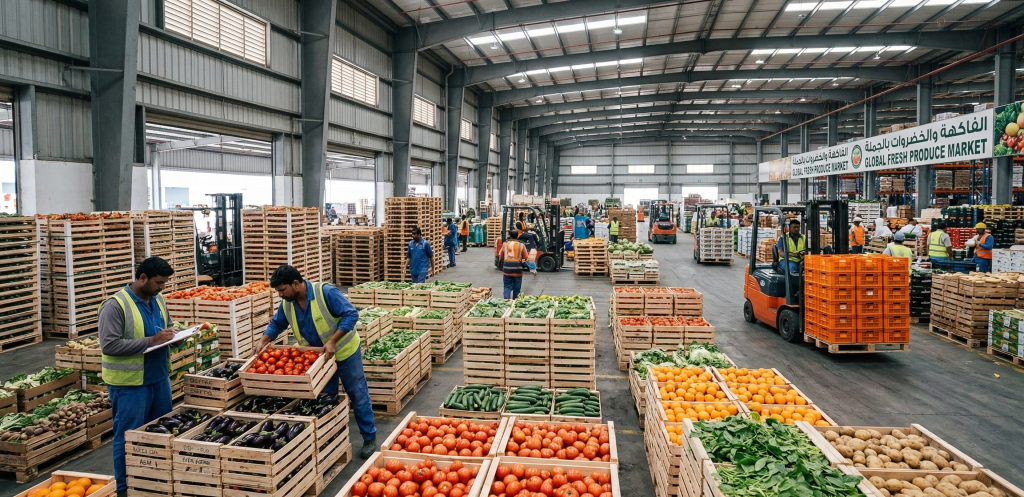
Because the UAE imports a large share of its fruits and vegetables, the supply chain is built around centralized wholesale distribution. Produce typically moves through a structured route:
Farm → Importer → Wholesale distributor → Business buyers → Consumers
Restaurants, hotels, and catering companies almost always buy from wholesale distributors rather than retail stores. The reason is simple: supermarkets operate at consumer scale, while wholesale markets operate at supply-chain scale.
Buying wholesale fruits and vegetables in Dubai allows businesses to manage three critical factors:
1. Cost Control
Wholesale pricing is structured around volume. When buyers purchase larger quantities, the logistics cost per unit decreases.
For restaurants serving hundreds of meals daily, even small savings per kilogram can have a meaningful impact on monthly procurement budgets.
2. Supply Stability
Restaurants cannot risk running out of ingredients during service hours.
Bulk suppliers maintain larger inventories and structured delivery schedules, which helps buyers avoid last-minute shortages that can disrupt operations.
3. Consistent Quality
Professional kitchens require uniform produce.
When tomatoes vary widely in size or onions arrive inconsistent in firmness, food preparation becomes slower and less predictable. Wholesale produce sourcing allows buyers to specify grading standards and maintain consistency across shipments.
Understanding the Difference Between Wholesale and Retail Produce
One of the most common misconceptions is that wholesale produce is somehow “lower quality” than supermarket produce.
In reality, both typically originate from the same farms or import channels.
The difference lies in handling, packaging, and distribution models.
Retail Supply Chains
Retail produce goes through several additional steps:
- Packaging for individual consumers
- Display handling in supermarkets
- Smaller batch distribution
- Longer shelf exposure
These steps can sometimes increase the time between harvest and consumption.
Wholesale Supply Chains
Wholesale distribution focuses on speed and volume.
Produce usually moves quickly through:
- Cold storage facilities
- Palletized transportation
- Bulk crates rather than small packaging
For businesses, this often means shorter handling cycles and fresher stock.
However, buyers still need to evaluate suppliers carefully. Bulk produce sourcing can reduce costs, but quality still depends on how produce is stored, transported, and inspected before delivery.
Why Prices for Fruits and Vegetables Fluctuate in Dubai
Another frequent concern among buyers is price volatility.
Many first-time bulk buyers notice that produce prices can change week to week. This happens for several structural reasons.
Seasonal Harvest Cycles
Different fruits and vegetables peak at different times of the year.
For example, during winter months in the UAE, regional farms and nearby exporting countries supply larger volumes of produce such as:
- Leafy greens
- Tomatoes
- Cucumbers
- Cauliflower
- Citrus fruits
During peak harvest periods, supply increases and prices typically stabilize.
Outside peak seasons, some produce must travel longer distances, which raises transport and storage costs.
Import Logistics
Dubai imports produce from many regions including:
- India
- Pakistan
- Turkey
- Egypt
- Europe
- Africa
Weather disruptions, shipping delays, or harvest changes in exporting countries can influence supply availability.
Demand Surges
Large events, tourism seasons, and Ramadan can dramatically increase demand for certain ingredients.
For example, catering companies and restaurants preparing for Iftar meals often increase orders for fresh vegetables, herbs, and fruits used in traditional dishes.
This temporary spike in demand can affect short-term wholesale pricing.
Understanding these cycles helps buyers make smarter purchasing decisions when sourcing bulk fruits and vegetables in Dubai.
How Professional Buyers Judge Produce Freshness
One of the most valuable skills in bulk produce purchasing is the ability to evaluate freshness quickly.
Experienced buyers rarely rely on appearance alone. Instead, they combine several practical checks.
Firmness
Fresh vegetables should feel firm without excessive softness.
For example:
- Tomatoes should have slight resistance when gently pressed
- Cucumbers should feel crisp rather than flexible
- Leafy greens should not collapse when lifted
Color and Surface Condition
Natural color is an important freshness indicator.
Buyers typically watch for:
- Dull or faded skin tones
- Dark spots or bruising
- Wrinkled surfaces on items like peppers or eggplants
These signs often indicate aging produce.
Smell
Produce should smell clean and natural.
A sour or fermented smell can signal improper storage or overripe produce.
Moisture Balance
Excess moisture inside crates can accelerate spoilage.
Well-managed wholesale suppliers maintain proper humidity and ventilation to prevent condensation inside storage containers.
Common Mistakes Buyers Make When Purchasing in Bulk
Bulk buying offers clear advantages, but many businesses and households make mistakes when transitioning from retail purchasing.
Understanding these common pitfalls can help buyers avoid unnecessary waste.
Buying Too Much Too Quickly
New buyers sometimes overestimate how much produce they can use before spoilage.
Bulk purchasing works best when buyers understand their actual consumption rate.
Restaurants typically calculate weekly ingredient usage before placing larger orders.
Ignoring Storage Conditions
Even high-quality produce can spoil quickly without proper storage.
Leafy greens require refrigeration and humidity control, while some fruits such as bananas and mangoes should be stored at moderate temperatures rather than very cold environments.
Focusing Only on Price
Price matters, but consistency matters more.
A slightly cheaper shipment that arrives with inconsistent quality can increase food waste and preparation time.
Experienced buyers prioritize reliability and grading standards rather than chasing the lowest possible price.
Winter Produce Availability in the UAE
Winter is often one of the most favorable seasons for fresh produce sourcing in the UAE.
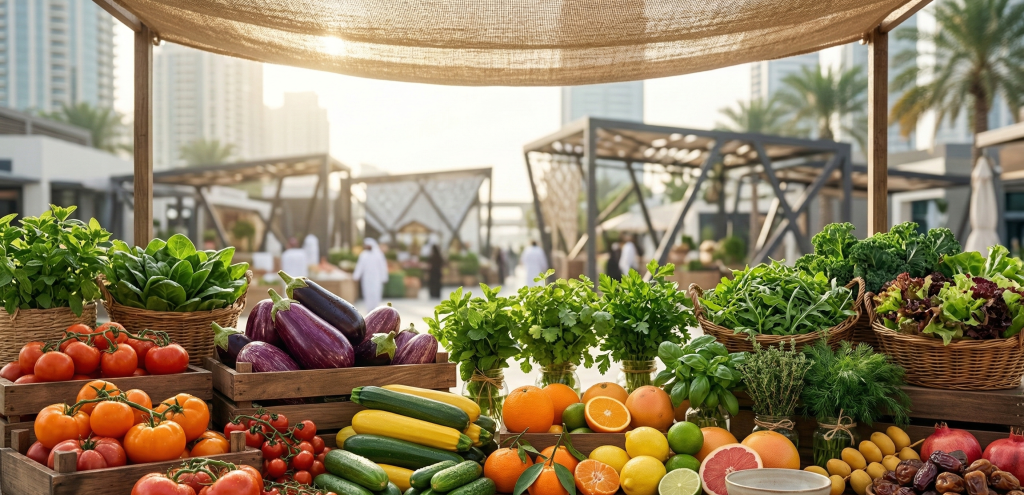
Regional farms and nearby exporting countries produce a wide variety of vegetables during cooler months, improving both availability and freshness.
Common winter produce includes:
- Tomatoes
- Zucchini
- Eggplant
- Bell peppers
- Cauliflower
- Spinach and leafy greens
- Citrus fruits such as oranges and mandarins
During these months, buyers can often access fresher produce with shorter supply chains compared to hotter seasons when imports must travel longer distances.
For buyers exploring fresh produce bulk buying in Dubai, winter is often an ideal time to evaluate suppliers and establish long-term purchasing relationships.
Storage and Handling: The Hidden Factor in Bulk Produce Quality
Buying bulk fruits and vegetables in Dubai is only half the equation. What happens after delivery often determines whether produce remains fresh or ends up as waste.
Professional kitchens pay close attention to storage discipline because even a small handling mistake can shorten shelf life by several days.
Temperature Matters More Than Most Buyers Think
Different produce categories require different storage temperatures.
For example:
Cold storage (2–5°C):
- Leafy greens
- Broccoli
- Cauliflower
- Herbs
Moderate cool storage (7–12°C):
- Tomatoes
- Cucumbers
- Eggplant
Room temperature or controlled ripening:
- Bananas
- Mangoes
- Avocados
Storing everything in the same refrigerator may seem convenient, but it often damages sensitive produce.
Tomatoes stored too cold, for instance, can lose flavor and develop a mealy texture.
Airflow and Humidity Control
Wholesale produce usually arrives in ventilated crates designed to allow airflow.
Buyers should avoid transferring produce into sealed plastic containers immediately. Without airflow, trapped moisture can encourage mold growth and spoilage.
Restaurants and catering kitchens often use open shelving in cold rooms to maintain consistent airflow between crates.
Rotation Systems Prevent Waste
Many experienced buyers follow a simple rule:
FIFO — First In, First Out
The oldest shipment gets used first, while newer deliveries are stored behind it. This prevents forgotten crates from spoiling in storage.
Even households buying bulk produce can benefit from this approach.
When Does Bulk Buying Actually Save Money?
The financial advantage of buying fruits and vegetables in bulk in the UAE depends on usage patterns.
For businesses with predictable ingredient consumption, bulk purchasing usually reduces procurement costs.
But the math only works when spoilage stays low.
Restaurants and Catering Businesses
Food service businesses typically see the most benefit because they use ingredients quickly.
Common advantages include:
- Lower per-kilogram pricing
- Reduced delivery frequency
- Consistent ingredient supply
- Less time spent sourcing produce from multiple locations
A restaurant preparing hundreds of meals daily can move through bulk produce quickly enough to maintain freshness.
Grocery Retailers and Small Shops
Retail grocery stores also rely heavily on wholesale produce markets.
However, they must balance display freshness with inventory turnover.
Buying too much can result in unsold produce, while buying too little can create empty shelves that discourage customers.
Families Buying Produce in Bulk
Households increasingly explore bulk buying as well, especially for commonly used items such as:
- Onions
- Potatoes
- Apples
- Citrus fruits
These items generally have longer shelf lives compared with delicate produce like berries or herbs.
For families, the key is choosing bulk-friendly produce categories that store well over time.
How Businesses Choose Reliable Produce Suppliers
Consistency is one of the most important factors in wholesale produce sourcing.
Restaurants and hotels often depend on stable supplier relationships rather than constantly switching vendors.
Reliable suppliers typically provide:
Predictable Delivery Schedules
Professional kitchens operate on tight preparation timelines.
Late deliveries can disrupt food preparation schedules and service hours.
Wholesale suppliers therefore maintain structured delivery routes and predictable schedules.
Standardized Produce Grading
Produce grading refers to the classification of fruits and vegetables based on size, shape, and visual quality.
Consistent grading allows chefs and kitchen teams to plan recipes more accurately.
For example:
Uniform tomatoes cook evenly.
Consistent onions reduce preparation time.
Transparent Sourcing
Many buyers also want clarity about where produce originates.
Import origin can influence shelf life, flavor, and seasonal availability.
Some buyers prefer regional sourcing during peak harvest periods to reduce transportation time.
In practice, suppliers working closely with Dubai-based distributors such as JMB Farm Fresh often observe that buyers value long-term reliability more than short-term price advantages.
Consistency tends to reduce operational stress for food businesses.
The Trade-Offs of Bulk Produce Purchasing
Bulk buying offers clear benefits, but it also comes with trade-offs that buyers should understand.
Storage Capacity Requirements
Larger orders require adequate storage space.
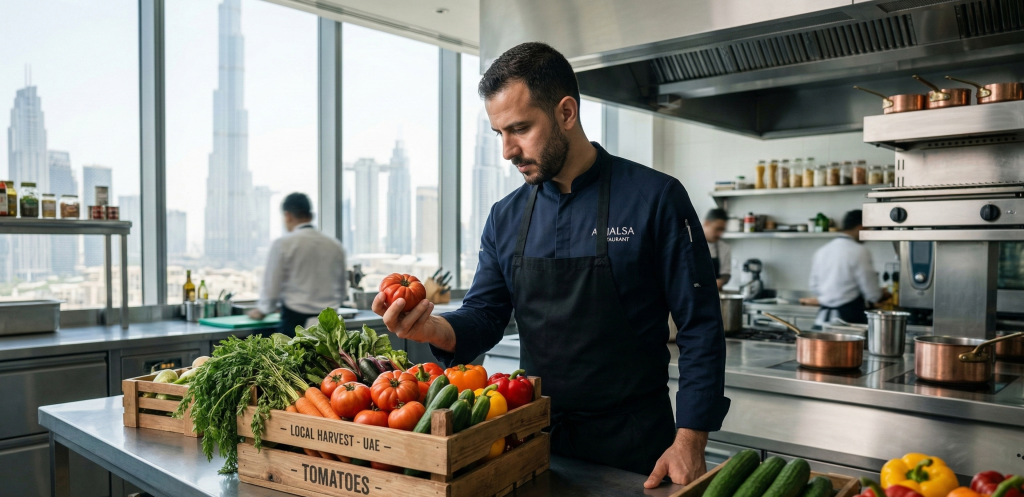
Restaurants typically rely on walk-in refrigerators or temperature-controlled storage rooms. Without this infrastructure, bulk purchasing can quickly become impractical.
Inventory Planning Becomes More Important
Retail buyers can adjust purchases daily.
Wholesale buyers usually order larger quantities less frequently, which requires better forecasting.
Misjudging demand can lead to overstock or shortages.
Some Produce Doesn’t Store Well
Not every fruit or vegetable is suitable for bulk buying.
Items that deteriorate quickly include:
- Berries
- Soft herbs
- Mushrooms
- Pre-cut vegetables
These items are often purchased in smaller quantities with frequent deliveries.
Bulk purchasing works best for stable, high-turnover ingredients.
A Simple Checklist for Smarter Bulk Produce Buying
For buyers new to fresh produce bulk buying in Dubai, a few simple practices can improve results significantly.
Before placing larger orders, consider the following checklist.
Understand your weekly consumption
Track how much produce you actually use over several days. This helps prevent over-ordering.
Inspect deliveries immediately
Check firmness, color, and smell when shipments arrive. Early inspection helps identify quality issues before produce enters storage.
Store produce according to category
Separate cold-sensitive fruits from refrigeration-heavy vegetables.
Rotate inventory regularly
Use older shipments first to prevent spoilage.
Build supplier relationships
Reliable suppliers often prioritize consistent buyers and maintain better communication during supply fluctuations.
These simple habits are widely used across restaurant kitchens and food distribution operations.
How Seasonality Shapes Bulk Produce Decisions in Dubai
Seasonality plays a larger role in the UAE produce market than many new buyers realize.
Although Dubai imports fruits and vegetables year-round, seasonal harvest cycles still influence availability, freshness, and price stability.
Understanding these patterns helps buyers make smarter decisions when purchasing bulk fruits and vegetables in Dubai.
Winter: The Most Balanced Produce Season
Winter is generally the most favorable period for produce sourcing across the UAE.
Cooler temperatures allow regional farms and nearby exporting countries to produce a wide range of vegetables with shorter transport times. During this season, buyers often see strong availability of:
- Tomatoes
- Zucchini
- Eggplants
- Bell peppers
- Cauliflower
- Leafy greens
- Citrus fruits
Because many of these crops grow well in cooler climates, winter shipments tend to arrive with better shelf life and reduced spoilage risk.
For restaurants and grocery stores, winter often becomes the most stable time for fresh produce bulk buying in Dubai.
Summer: Heavier Dependence on Imports
During the UAE’s hotter months, local agricultural output decreases and imports become more critical.
Produce may travel longer distances from Europe, Africa, or Asia. While quality can still remain high, the extended logistics chain can influence:
- Shipping costs
- Shelf life
- Supply stability
Bulk buyers often adjust purchasing volumes during this time to avoid overstocking items with shorter remaining shelf life.
Ramadan and High-Demand Periods
Seasonal events also affect supply patterns.
Ramadan, tourism peaks, and major hospitality events can temporarily increase demand for specific produce categories such as:
- Fresh herbs
- Salad vegetables
- Citrus fruits
- Dates and fruit platters
Restaurants and catering companies typically increase procurement volumes during these periods, which can tighten wholesale supply temporarily.
The Role of Distribution Hubs in Dubai’s Produce Market
Dubai’s produce supply chain relies heavily on centralized distribution hubs.
These hubs serve as coordination points where produce from different countries and farms is sorted, inspected, and redistributed to restaurants, grocery stores, and hospitality businesses.
This structure allows buyers to access diverse produce from multiple regions without directly sourcing from individual farms.
Wholesale markets and distribution facilities typically manage:
- Cold storage infrastructure
- Import inspections
- Quality grading
- Logistics coordination
Because of this system, buyers in Dubai can access fruits and vegetables harvested across several continents within relatively short delivery timelines.
In many cases, suppliers operating within these distribution networks maintain close relationships with importers and logistics partners, helping ensure stable product flow throughout the year.
Why Consistency Matters More Than Price
New buyers often focus heavily on finding the lowest price.
Experienced buyers, however, usually prioritize consistency and reliability.
A shipment that arrives with uneven quality can create hidden operational costs such as:
- Increased food waste
- Slower preparation time
- Inconsistent dish presentation
- Unexpected shortages during service hours
For restaurants and catering operations, these issues can quickly outweigh any small price difference between suppliers.
Many procurement managers therefore evaluate suppliers using a broader set of criteria:
- Delivery reliability
- Produce grading consistency
- Storage practices
- Communication transparency
Some UAE buyers prefer working with established wholesale produce providers rather than constantly switching between smaller suppliers. Stability in supply often proves more valuable than short-term savings.
Bulk Buying Isn’t Just for Businesses
Although wholesale sourcing is closely associated with restaurants and grocery stores, bulk produce buying is increasingly relevant for households as well.
Families in Dubai sometimes purchase produce in larger quantities for several reasons:
- Shared family kitchens with high ingredient usage
- Weekly cooking routines that rely on fresh vegetables
- Interest in reducing frequent supermarket visits
However, households typically benefit most from bulk purchasing when they focus on longer-lasting produce categories.
Examples include:
- Potatoes
- Onions
- Apples
- Citrus fruits
- Carrots
- Cabbage
These items tend to store well and maintain quality for extended periods when stored properly.
Delicate produce such as berries or herbs may still be better purchased in smaller quantities.
Final Thoughts: Smart Bulk Buying Is About Understanding the Supply Chain
Buying bulk fruits and vegetables in Dubai is not simply about purchasing larger quantities.
It is about understanding how produce moves through the supply chain — from farms and import hubs to wholesale distributors and professional kitchens.
When buyers understand:
- seasonal harvest cycles
- storage requirements
- supplier reliability
- and realistic consumption levels
bulk sourcing can become a practical way to maintain freshness while controlling food costs.
In reality, most experienced buyers treat produce procurement as a balance between volume, quality, and timing rather than simply chasing the lowest price.
With the right approach, bulk buying can support both operational efficiency and consistent ingredient quality across restaurants, grocery businesses, and even households.
FAQ: Bulk Fruits and Vegetables in Dubai
Is buying fruits and vegetables in bulk cheaper in Dubai?
Bulk purchasing often reduces the price per kilogram because logistics and packaging costs are distributed across larger quantities. However, the savings depend on proper storage and consumption. If produce spoils before use, the cost advantage disappears.
Where do wholesale fruits and vegetables in Dubai come from?
Dubai sources produce from many regions, including India, Pakistan, Egypt, Turkey, Africa, and parts of Europe. Imports are complemented by regional farming in the UAE during cooler months when local production increases.
How can buyers check produce freshness when buying in bulk?
Buyers usually inspect firmness, color, surface condition, and smell. Fresh vegetables should feel firm, display natural color, and show minimal bruising or wrinkling. Excess moisture inside crates can also signal poor storage conditions.
What fruits and vegetables are best for bulk buying?
Produce with longer shelf life works best for bulk purchases. Common examples include onions, potatoes, apples, citrus fruits, carrots, and cabbage. Highly perishable items like berries and soft herbs are usually purchased in smaller quantities.
Does wholesale produce mean lower quality?
Not necessarily. Wholesale produce often moves through faster distribution channels than retail produce, sometimes reaching buyers sooner after harvest. Quality depends more on storage, transportation, and supplier practices than on the wholesale model itself.








 Home
Home  Whishlist
  Compare
  Checkout