











Introduction: The Vegetable Everyone Buys, But Almost No One Thinks About
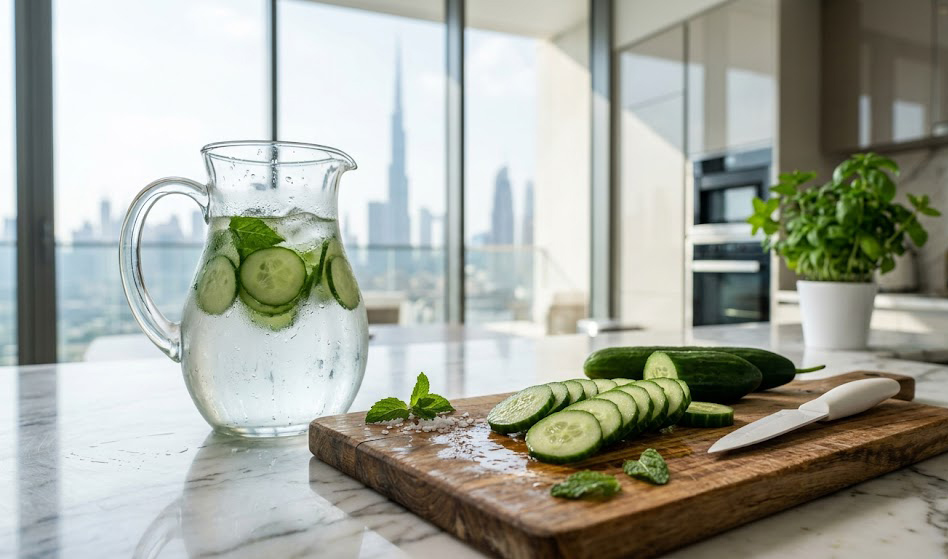
Walk into any kitchen in Dubai — whether it’s a home, a restaurant prep station, or a hotel cold room — and you’ll almost always find cucumbers.
They’re everywhere.
But they’re rarely taken seriously.
Most buyers treat cucumber as a filler ingredient. Something for salads, side plates, or garnish. Not something worth understanding.
That’s a mistake.
In a climate like the UAE — where summer temperatures regularly push past 40°C — cucumber is not just convenient. It is one of the most practical, functional vegetables you can consume daily.
Yet, across both retail buyers and wholesale procurement teams, the same issues keep repeating:
- Poor selection of cucumber varieties
- Incorrect storage leading to rapid spoilage
- Misunderstanding hydration value in extreme heat
- Overpaying for inconsistent quality
This article breaks down what most guides don’t explain clearly:
- Why cucumber performs differently in UAE conditions
- How to choose between varieties like Persian vs English cucumber in Dubai
- What affects quality, pricing, and shelf life
- And how both households and businesses can make better sourcing decisions
Why Cucumber Matters More in UAE Summer Than Most People Realize
In cooler climates, cucumber is just refreshing.
In the UAE, it becomes functional.
Hydration Is Not Just About Drinking Water
Most people assume hydration comes from water or sports drinks. But in high-heat environments, food plays a larger role than many expect.
Cucumber has one of the highest water contents among vegetables — often over 90%.
But that alone is not what makes it useful.
What matters more is how it’s consumed.
- It’s eaten raw → no nutrient loss from cooking
- It’s consumed frequently → daily meals, side dishes, juices
- It’s light → does not reduce appetite in heat
For workers, families, and even kitchen staff in busy restaurants, this makes cucumber one of the easiest ways to maintain consistent hydration intake.
Why It Shows Up Everywhere in Dubai Menus
If you observe restaurant trends — from casual cafeterias to high-end hotel buffets — cucumber appears in:
- Cold mezze spreads
- Salads
- Detox waters
- Sandwich layers
- Yogurt-based dishes
This is not just tradition.
It’s operational logic.
Cucumber:
- Stores reasonably well when handled correctly
- Has consistent demand
- Works across cuisines (Arabic, South Asian, Mediterranean, Western)
- Requires minimal prep time
For procurement teams, it’s one of the lowest-risk vegetables to keep in rotation.
The Real Problem: Most Buyers Don’t Know What They’re Buying
Despite being common, cucumber sourcing is often poorly understood.
“A Cucumber Is a Cucumber” — Not Quite
In Dubai’s supply chain, you’ll typically encounter:
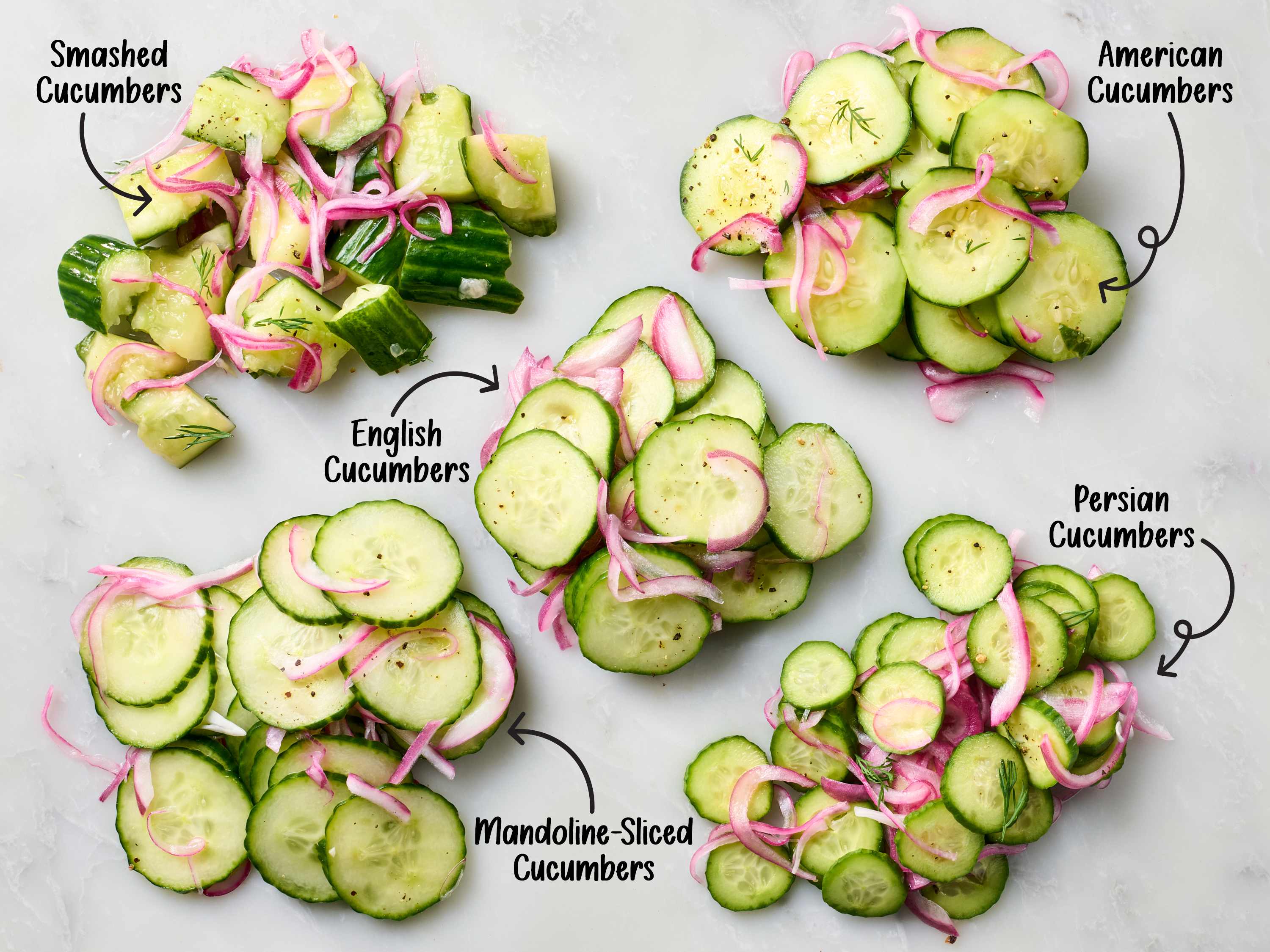
- Persian cucumbers
- English cucumbers
- Local greenhouse varieties
- Imported seasonal batches
Each behaves differently in:
- Taste
- Shelf life
- Water content
- Price stability
But most buyers — especially households — don’t differentiate.
That leads to common issues:
- Buying large cucumbers that turn bitter quickly
- Choosing cheaper stock that spoils within 48 hours
- Using the wrong type for salads vs cooking
Persian vs English Cucumber in Dubai: What Actually Matters
Persian Cucumber (Most Common in UAE)
4
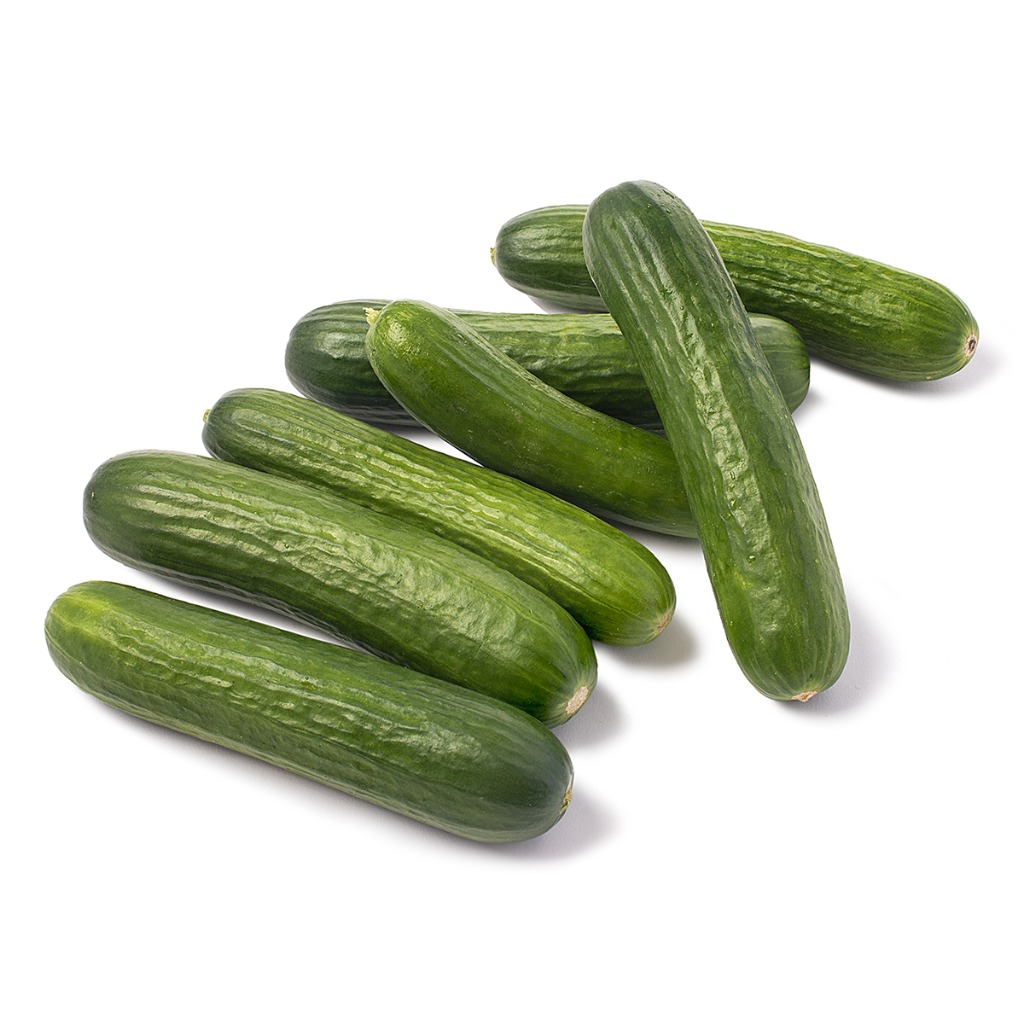
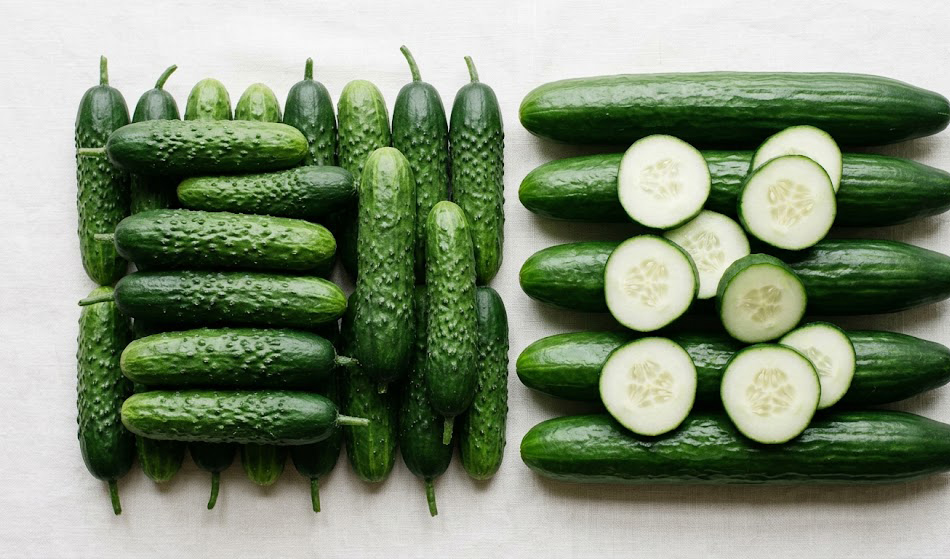
These are the small, firm cucumbers widely used across Dubai.
Key characteristics:
- Thin skin
- Crisp texture
- Minimal seeds
- Slightly sweet taste
Why buyers prefer them:
- No peeling required
- Better for salads and direct consumption
- More consistent quality in bulk supply
Operational advantage (for businesses):
- Lower waste
- Faster prep time
- Higher customer acceptance
English Cucumber (Long Variety)
4
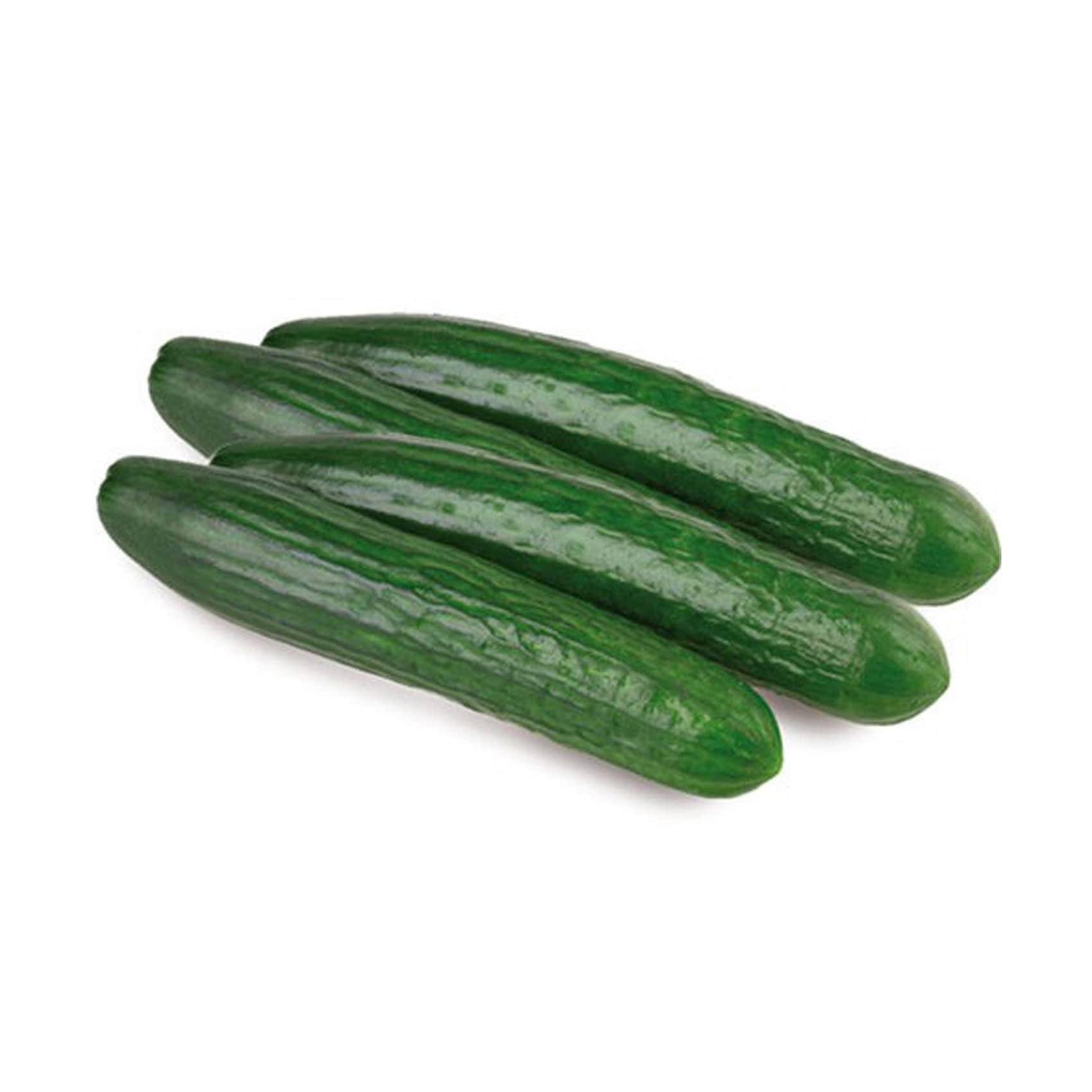
These are the longer cucumbers, often wrapped in plastic.
Key characteristics:
- Smooth skin
- Larger size
- Higher water content
- Softer texture
Where they work best:
- Sandwiches
- Juices
- Sliced presentations
Limitations:
- Spoil faster once opened
- Less crisp than Persian cucumbers
- More sensitive to handling and temperature
Which One Should You Choose?
It depends on use, not preference.
For households:
- Daily salads → Persian
- Juicing → English
For restaurants:
- High turnover kitchens → Persian
- Presentation-focused dishes → English
For bulk buyers:
- Persian cucumbers usually provide better cost-to-waste ratio
What Affects Cucumber Quality in Dubai Supply Chains
This is where most online guides fall short.
They talk about freshness — but not what controls it.
1. Temperature Handling (Critical Factor)
Cucumber is highly sensitive to temperature shifts.
In UAE logistics:
- Over-chilling can damage texture
- Under-cooling accelerates spoilage
Improper cold chain handling leads to:
- Soft spots
- Water loss
- Bitter taste
This is why two cucumbers bought on the same day can behave very differently.
2. Local vs Imported Supply
Dubai receives cucumbers from:
- Local UAE farms (greenhouse production)
- Regional imports (Jordan, Iran, etc.)
Each has tradeoffs.
Local supply:
- Fresher
- More consistent
- Slightly higher price during peak demand
Imported supply:
- More price fluctuations
- Quality varies by shipment
- Longer transit increases spoilage risk
In practice, suppliers working closely with Dubai-based distributors such as JMB Farm Fresh often observe that buyers who prioritize consistency over short-term price tend to experience lower overall waste.
3. Harvest Timing
Cucumber quality changes quickly depending on when it’s harvested.
- Early harvest → crisp, sweet
- Late harvest → larger, more bitter, more seeds
Bulk buyers rarely get visibility into this — but it directly affects customer experience.
Why Prices Fluctuate More Than People Expect
Many buyers assume cucumber prices should stay stable because it’s “always available.”
That’s not how the UAE supply system works.
Price shifts are influenced by:
- Greenhouse production cycles
- Import volumes
- Transport conditions
- Seasonal demand spikes (especially summer)
For example:
- In peak heat, demand for hydrating vegetables increases
- At the same time, production stress can reduce supply
This creates short-term volatility — even for something as common as cucumber.
Common Mistakes Buyers Make (And Pay For Later)
Across households and businesses, the same patterns show up repeatedly.
1. Buying Based Only on Price
Cheaper cucumbers often:
- Have shorter shelf life
- Lose texture quickly
- Increase waste
The real cost is not purchase price — it’s how much you throw away.
2. Overbuying Without Storage Planning
Cucumber looks durable — but it’s not.
Without proper storage:
- Moisture loss starts quickly
- Texture degrades within days
3. Storing It Incorrectly
Common mistakes:
- Keeping cucumbers too cold
- Sealing them in airtight plastic without airflow
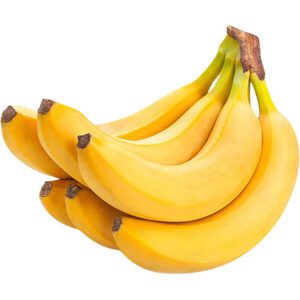
- Mixing them with ethylene-producing fruits (like bananas)
All of these reduce shelf life.
How to Store Cucumber Properly in UAE Conditions
For both households and commercial kitchens:
- Keep in refrigerator, but not in the coldest zone
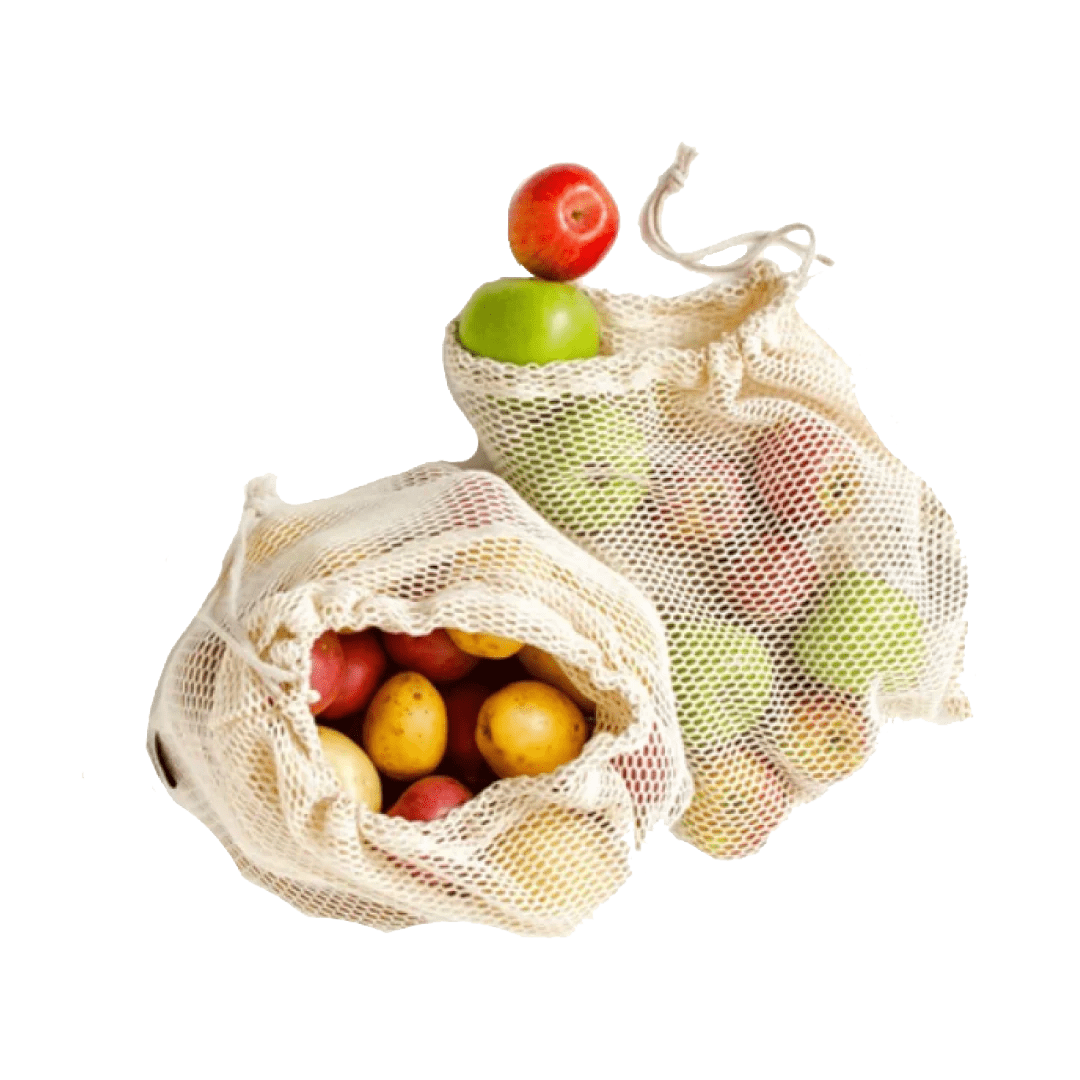
- Store in breathable bags (not airtight plastic)
- Avoid washing before storage (moisture speeds spoilage)
- Use within 3–5 days for best quality
For businesses:
- Rotate stock daily
- Avoid stacking that causes pressure damage
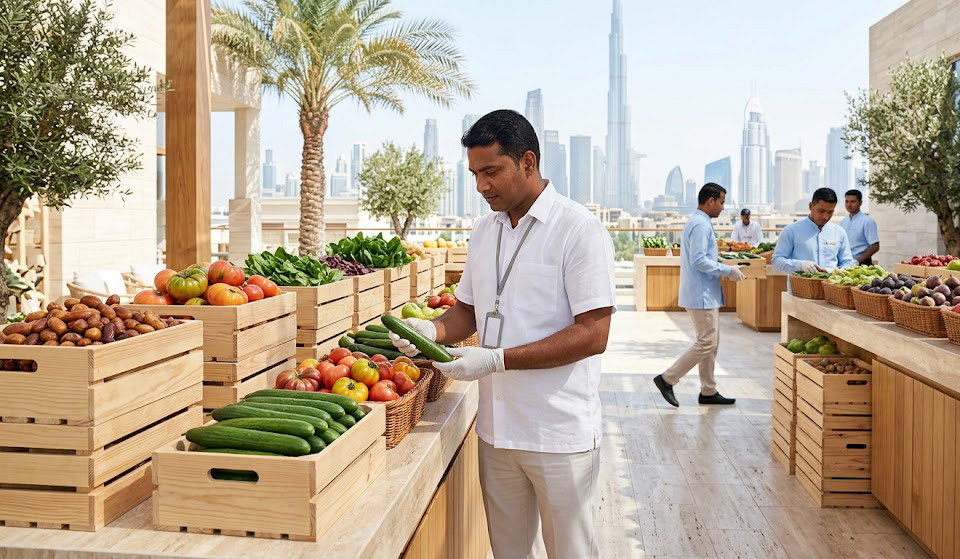
How to Actually Judge Freshness (What Buyers Often Miss)
Most advice stops at “look for firm cucumbers.” That’s too basic to be useful in real buying situations — especially in Dubai where turnover speed varies by supplier.
Here’s what experienced buyers check in seconds:
1. Skin Tension (Not Just Firmness)
A fresh cucumber should feel tight, not just hard.
- Good: Skin feels stretched and smooth
- Bad: Slight wrinkles or dull patches
Wrinkling is early dehydration. It means the cucumber has already started losing internal moisture — something that accelerates quickly in UAE conditions.
2. Weight-to-Size Ratio
Pick two cucumbers of the same size.
The heavier one is usually:
- Fresher
- Higher in water content
- Less likely to be internally degraded
Light cucumbers often indicate:
- Moisture loss
- Poor storage
- Older stock
3. Tip Softness (Early Warning Sign)
Gently press the ends.
- Firm tips: Good
- Soft or slightly spongy ends: Aging has started
This is one of the fastest ways to identify stock that won’t last more than a day or two.
4. Color Consistency
- Bright, uniform green → healthy
- Yellowing or patchy areas → overripe or stressed
Color inconsistency often shows exposure to heat or poor storage conditions during transport.
Why Some Cucumbers Taste Bitter (And Others Don’t)
This is one of the most common frustrations — especially for households.
You cut into a cucumber expecting freshness… and get bitterness.
The Cause Is Not Random
Bitterness comes from compounds called cucurbitacins.
These increase when the plant is under stress.
In UAE supply conditions, that stress usually comes from:
- High temperatures
- Irregular watering during growth
- Delayed harvesting
- Poor storage after harvest
What This Means for Buyers
- Larger cucumbers are more likely to be bitter
- Imported batches sometimes show inconsistency
- Poor storage after purchase can worsen taste
Practical takeaway:
If consistency matters (restaurants, catering), smaller cucumbers — especially Persian varieties — are generally more reliable.
Wholesale vs Retail: Where Most Buyers Get Confused
One of the biggest misconceptions in Dubai’s produce market is this:
“Supermarket produce is better than wholesale.”
That’s not always true.
The Reality Is More Nuanced
Retail (Supermarkets):
- Better presentation
- Pre-selected for visual appeal
- Higher pricing
- Lower volume flexibility
Wholesale supply:
- Wider quality range
- Better pricing at scale
- Requires buyer judgment
- More control over selection
For experienced buyers, wholesale is not “lower quality” — it’s less filtered.
That means:
- You can get excellent quality
- Or inconsistent batches
- Depending on how you select
This is why procurement skill matters more than source.
When Wholesale Makes Sense (And When It Doesn’t)
Wholesale Works Best When:
- You understand grading and selection
- You have predictable consumption volume
- You can manage storage properly
- You want better cost control over time
This applies to:
- Restaurants
- Catering companies
- High-consumption households
Retail Makes More Sense When:
- You buy in small quantities
- You prioritize convenience
- You don’t want to sort or inspect produce
- You lack proper storage
For many families, retail is still the more practical option — even if the cost per kg is higher.
The Hidden Cost Most Buyers Ignore: Waste
In UAE kitchens, waste is often a bigger issue than price.
With cucumbers, waste usually comes from:
- Overbuying
- Poor storage
- Low-quality sourcing
- Misjudging shelf life
Example Scenario (Common in Restaurants)
A restaurant buys cheaper cucumbers in bulk:
- 20% spoil within 2–3 days
- Prep staff trims more due to softness
- Texture inconsistency affects dishes
Result:
- Actual usable yield drops
- Cost per usable kg increases
This is why experienced buyers think in terms of:
“usable produce,” not purchase price
How Cucumber Fits Into Seasonal Buying Strategy in UAE
Unlike winter vegetables (like leafy greens or strawberries), cucumber is available year-round.
But that doesn’t mean it behaves the same year-round.
Summer (High Heat Period)
- Demand increases significantly
- Hydration-focused consumption rises
- Quality can fluctuate due to production stress
Winter (Peak Stability Window)
- More stable supply
- Better texture consistency
- Slightly longer shelf life
For procurement teams, this means:
- Summer → prioritize reliable suppliers
- Winter → more flexibility in sourcing
The Role of Consistent Suppliers in Reducing Risk
Many buyers switch suppliers frequently to chase price.
In practice, that often increases risk.
Consistent suppliers:
- Understand your quality expectations
- Provide more predictable batches
- Help reduce sorting time and waste
Some UAE buyers prefer working with established distributors rather than fragmented sourcing, especially when consistency matters more than marginal price differences.
Where “Buy Fresh Cucumber Dubai Online” Fits Into Today’s Market
Online sourcing has grown significantly across Dubai — for both households and businesses.
But it introduces a different challenge:
You can’t physically inspect the produce.
What Matters When Ordering Online
- Supplier consistency (not just price)
- Product description accuracy (size, type, origin)
- Delivery speed
- Packaging quality
For example, buyers ordering baby cucumber Dubai delivery often prioritize:
- Uniform size
- Clean packaging
- Reliable freshness upon arrival
Without that, the convenience of online ordering quickly disappears.
A Practical Framework for Better Cucumber Buying
Instead of relying on guesswork, experienced buyers follow a simple framework:
1. Define Usage First
- Salad → crisp, small cucumbers
- Juice → larger, high-water varieties
2. Match Variety to Purpose
- Persian → daily use, consistency
- English → specific applications
3. Buy Based on Turnover Speed
- Fast usage → bulk possible
- Slow usage → smaller quantities
4. Prioritize Consistency Over Price
- Lower waste matters more than lower cost
5. Improve Storage Discipline
- Small changes here reduce the most loss
What Most Online Articles Get Wrong About Cucumber
After reviewing common advice across blogs and forums, a few patterns stand out.
Repeated But Shallow Advice:
- “Cucumber is hydrating”
- “Store in fridge”
- “Buy fresh-looking ones”
These are true — but incomplete.
What’s Missing:
- Differences between varieties
- Supply chain impact on quality
- Real-world spoilage patterns
- Cost vs waste tradeoffs
- Seasonal behavior in UAE conditions
That gap is where most buyers struggle.
What This Means for Different Types of Buyers in Dubai
Cucumber may be simple — but how you buy it should change depending on who you are and how you use it.
For Households
Most families in Dubai buy cucumbers frequently but in small quantities.
The main risks are:
- Buying the wrong variety
- Overbuying for the week
- Storing incorrectly
Practical approach:
- Choose smaller cucumbers for daily meals
- Buy every 2–3 days instead of weekly bulk
- Store with airflow, not sealed plastic
This reduces waste without increasing effort.
For Restaurants and Cafés
In commercial kitchens, cucumber is a high-frequency item.
It appears in:
- Prep stations
- Cold dishes
- Garnish lines
- Beverage service
The challenge is not availability — it’s consistency.
Operational priorities:
- Consistent size for plating
- Reliable texture for slicing
- Predictable shelf life
This is where variety selection and supplier consistency matter more than price.
For Catering and Bulk Buyers
Catering operations deal with volume and timing.
Mistakes scale quickly:
- A slightly lower-quality batch can affect hundreds of servings
- Storage mismanagement leads to large losses
Best practices:
- Standardize the cucumber type used
- Align purchase timing with event schedules
- Avoid mixing batches with different quality levels
Even small inconsistencies become visible at scale.
A Note on Supplier Relationships and Market Behavior
Dubai’s produce ecosystem is fast-moving.
Prices change. Supply shifts. Quality varies.
In this environment, relationships often matter more than one-time deals.
Some buyers work with rotating suppliers to chase lower prices.
Others prioritize stability.
In practice, suppliers working consistently with the same buyers tend to:
- Align better on expectations
- Reduce sorting and rejection time
- Deliver more predictable quality
For example, distributors such as JMB Farm Fresh operate within this ecosystem where consistency is often valued over short-term pricing differences, particularly by buyers who track waste and yield closely.
The Bigger Picture: Why Cucumber Is Not “Just a Side Ingredient”
It’s easy to overlook cucumber because it’s common.
But in UAE conditions, it sits at the intersection of:
- Hydration
- Daily consumption
- Operational efficiency
- Low-prep food
That combination is rare.
For households, it supports simple, repeatable meals.
For businesses, it reduces prep time and stabilizes menu components.
For procurement teams, it offers predictable demand.
Few vegetables check all those boxes.
Final Thoughts: A Simple Ingredient, Handled Better
Cucumber does not need to be complicated.
But it does need to be understood.
The difference between:
- Crisp vs soft
- Sweet vs bitter
- Low waste vs high waste
…comes down to a few practical decisions:
- Choosing the right variety
- Buying based on usage, not habit
- Paying attention to storage
- Working with consistent supply
In a place like Dubai — where heat, logistics, and demand all interact — these small decisions add up quickly.
For something that appears in nearly every kitchen, cucumber remains one of the most underestimated vegetables in the entire supply chain.
Handled properly, it’s not just refreshing.
It’s reliable.
Frequently Asked Questions (FAQ)
1. Which cucumber is best to buy in Dubai for daily use?
Persian cucumbers are generally preferred for daily meals. They are smaller, crisper, and more consistent in taste compared to larger varieties.
2. Why do cucumbers spoil quickly in UAE weather?
High temperatures and improper storage accelerate moisture loss and texture breakdown. Without proper cooling and airflow, cucumbers can degrade within a few days.
3. Is it better to buy cucumbers wholesale or from supermarkets?
It depends on usage. Wholesale works well for high-volume buyers who can manage storage and selection. Supermarkets are more convenient for small, frequent purchases.
4. How can I tell if a cucumber is fresh?
Look for firm texture, smooth skin, consistent green color, and weight relative to size. Avoid cucumbers with wrinkles, soft ends, or yellowing.
5. Can cucumber really help with hydration in summer?
Yes. Cucumber has high water content and is commonly consumed raw, making it an easy way to support hydration alongside regular water intake.








 Home
Home  Whishlist
  Compare
  Checkout