













Introduction: When “Good Enough” Quietly Becomes Expensive
For many food businesses, produce quality feels like a daily variable rather than a controllable factor. One delivery looks fine. The next feels rushed, underripe, or past its best. Over time, this inconsistency gets absorbed into normal operations.
That acceptance is where the real cost begins.
In Dubai’s food market—where restaurants, hotels, caterers, and grocery buyers rely heavily on both imported and regional produce—small quality shifts create ripple effects. Waste rises. Prep time increases. Menu consistency suffers. Customer trust erodes quietly.
These costs rarely show up as a single line item. They appear in trimming losses, last-minute substitutions, staff frustration, and tighter margins that are hard to explain.
This article looks at what inconsistent produce quality actually costs food businesses, why it happens so often in the UAE supply chain, and how procurement teams can think more clearly about sourcing—especially during the winter season, when availability and quality gaps widen.
What “Inconsistent Produce Quality” Really Means in Practice
Produce quality is often discussed in broad terms, but inconsistency is specific. It shows up in ways buyers notice only after operations are affected.
Common examples include:
- Vegetables arriving with uneven sizing that complicates portion control
- Fruit that looks acceptable on delivery but breaks down faster than expected
- Mixed ripeness levels within the same carton
- Short shelf life despite cold storage
- Cosmetic damage that increases trimming loss
None of these issues mean the produce is unsafe. But they do mean it is unpredictable.
For food businesses built on repeatable processes—recipes, portions, prep timelines—unpredictability is costly.
Why This Issue Is Amplified in Dubai’s Food Supply Chain
Dubai’s produce ecosystem is efficient but complex. Most fresh fruits and vegetables are imported, often passing through multiple handling stages before reaching kitchens.
Several factors amplify inconsistency in the UAE:
- Long transit routes from origin to market
- Variable cold chain discipline across handlers
- Seasonal sourcing shifts between regions
- High demand volatility from hospitality and events
During peak winter months, demand increases just as sourcing becomes more fragmented. Certain vegetables improve in quality, while others rely more heavily on imports from multiple origins.
The result is variation—not just between suppliers, but between deliveries from the same supplier.
The Hidden Operational Costs Buyers Rarely Calculate
Most procurement teams focus on price per kilogram. Quality inconsistency creates costs that sit outside that metric.
Increased Food Waste
Uneven quality leads to more trimming, spoilage, and discarded produce. Even a small increase in waste compounds quickly across volume operations.
For a catering business or hotel kitchen, this waste is rarely tracked precisely. It shows up as “normal loss,” even when it isn’t.
Extra Labor Time
Inconsistent sizing and freshness slow prep.
Staff spend more time sorting, trimming, and adjusting recipes. That time has a real cost, especially in high-volume kitchens where labor efficiency matters as much as ingredient pricing.
Menu and Portion Instability
When produce quality shifts, portion sizes subtly change. Flavor and texture follow.
Customers may not complain immediately, but they notice when a dish tastes different week to week. Consistency is part of perceived quality, even if guests cannot explain why.
Quality Control: Why It’s More Than Visual Inspection
Many buyers assume produce quality control begins and ends with visual checks at delivery. In reality, appearance is only one layer.
Effective produce quality control in the UAE depends on:
- Harvest timing relative to transit duration
- Temperature control from farm to distribution
- Sorting standards at packing facilities
- Handling discipline during consolidation and delivery
Two identical-looking cartons can perform very differently once stored or prepped.
This is why buyers often feel confused or misled. The produce passed inspection, yet it failed in use.
Wholesale vs Retail Sourcing: A Common Misunderstanding
A frequent concern among smaller food businesses is whether wholesale produce is lower quality than supermarket produce.
The difference is not quality—it is selection intent.
Retail produce is often selected for appearance and shelf display. Wholesale produce is selected for performance in kitchens: yield, durability, and consistency.
Problems arise when wholesale sourcing is fragmented or purely price-driven. Without alignment on quality expectations, even bulk fruit suppliers in Dubai can deliver inconsistent results.
Reliable sourcing depends less on channel and more on process discipline.
Seasonal Context: Winter Produce in the UAE
Winter is often seen as the “safe season” for produce in the UAE. Availability improves, and prices stabilize for certain vegetables.
However, winter also brings specific risks:
- Mixed-origin sourcing to meet volume demand
- Faster turnover masking short shelf-life issues
- Overreliance on visual freshness during peak supply
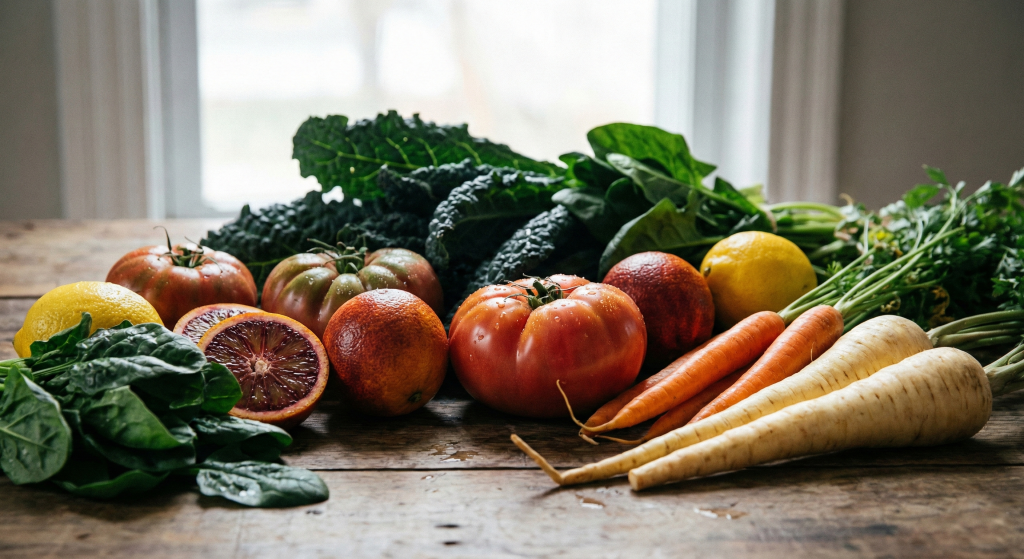
Leafy greens, tomatoes, citrus, and root vegetables can perform well—but only when post-harvest handling matches transit realities.
Buyers who assume winter quality is automatic often experience disappointment later in storage or prep.
Where Buyers Feel Most Misled
Across hospitality and food service discussions, a few frustrations repeat:
- “The sample was good, but the regular supply wasn’t.”
- “Quality changed without warning.”
- “Price stayed the same, but yield dropped.”
These are not necessarily signs of bad intent. They usually reflect weak communication around seasonality, sourcing shifts, and quality tolerances.
In practice, suppliers working closely with Dubai-based distributors such as JMB Farm Fresh often observe that clearer expectations on grading, shelf life, and use-case reduce these issues significantly.
At this point, it becomes clear that inconsistent produce quality is not just a sourcing inconvenience. It is an operational risk that affects cost control, staff efficiency, and brand perception—often without being fully recognized.
In the next section, we’ll look at how procurement decisions unintentionally create these risks, and the common mistakes food businesses make when evaluating suppliers.
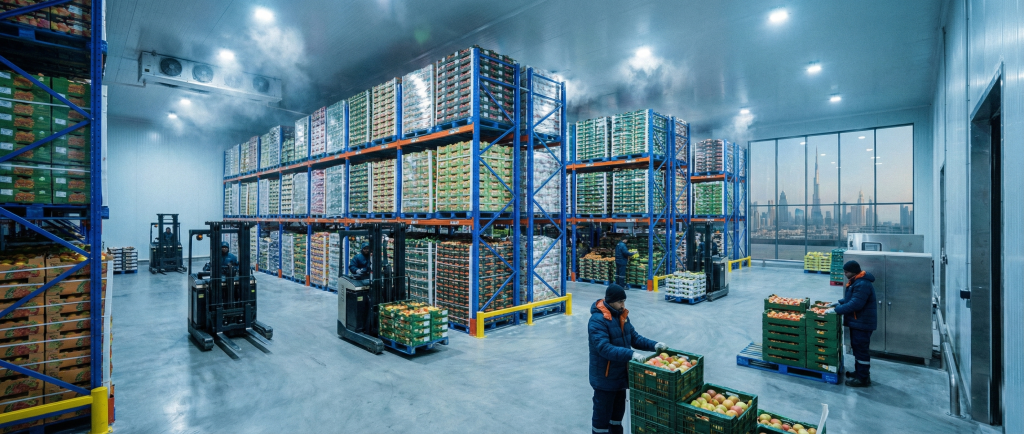
How Procurement Decisions Quietly Create Quality Problems
Most produce quality issues are not caused by a single bad delivery. They are the result of small procurement choices that seem reasonable on their own.
Over time, these decisions compound.
Over-prioritising Unit Price
Price matters. No food business can ignore it.
But when procurement decisions focus almost entirely on lowest cost per kilogram, quality variation increases. Cheaper produce often comes with:
- Wider grading tolerances
- Mixed harvest dates
- Less stringent post-harvest handling
The cost difference may look small on paper. The operational impact rarely is.
Treating Produce as a Commodity, Not a Perishable
Unlike dry goods, fresh produce changes daily. Yet many buyers treat it as interchangeable.
Switching suppliers frequently, or rotating sources without adjusting expectations, increases inconsistency. Each supply chain has its own handling practices, even when products look identical.
Consistency comes from continuity, not constant comparison.
Ignoring Use-Case Fit
A tomato suitable for retail display is not always ideal for bulk kitchen use. The same applies to leafy greens, herbs, and soft fruit.
When buyers do not specify how produce will be used—raw, cooked, stored, prepped in advance—suppliers default to general standards. That gap often leads to performance issues later.
The Real Trade-Offs of Wholesale Produce Sourcing
Wholesale sourcing offers clear advantages, but it also requires understanding its limitations.
Benefits Buyers Value
- Better pricing stability over volume
- Access to broader seasonal availability
- Custom grading and pack sizes
- More predictable supply during peak demand
For many food business procurement teams, wholesale is the only viable option at scale.
Limitations That Matter
Wholesale supply also means:
- Less cosmetic perfection than retail displays
- Dependence on upstream handling discipline
- Greater exposure to seasonal shifts
Problems arise when buyers expect retail-style consistency without wholesale-style communication.
A reliable vegetable supplier in Dubai does not eliminate variability—but helps buyers plan around it.
Quality Control in Practice: What Actually Helps
Quality control is often discussed abstractly. In practice, a few habits make the biggest difference.
Clear, Simple Specifications
Buyers who define:
- Acceptable size range
- Ripeness level at delivery
- Expected shelf life under refrigeration
experience fewer surprises.
These specifications do not need to be technical. They need to be consistent.
Feedback Loops, Not Complaints
Many buyers only speak up when quality fails badly.
Regular, neutral feedback—what worked, what didn’t—allows suppliers to adjust sourcing and handling before issues repeat.
This is especially important during seasonal transitions.
Aligning Delivery Frequency With Shelf Life
Ordering larger volumes less frequently often increases waste, even when pricing looks favorable.
Smaller, more frequent deliveries aligned with actual usage reduce spoilage and labor pressure.
Local vs Imported Produce: A Balanced View
There is a common assumption that local produce is always fresher and imported produce is always more consistent.
In the UAE, the reality is more nuanced.
Local and Regional Produce
Advantages:
- Shorter transit times
- Faster response to demand changes
Limitations:
- Seasonal availability
- Smaller production volumes
Imported Produce
Advantages:
- Stable volume supply
- Established post-harvest systems
Limitations:
- Longer cold chain dependency
- Greater risk from handling gaps
The best sourcing strategies often blend both, depending on season and menu needs.
How Inconsistency Affects Different Food Businesses
The impact of produce quality varies by operation type.
Restaurants
- Menu consistency suffers first
- Chefs spend time adjusting dishes
- Guest perception shifts quietly
Hotels and Catering Companies
- Waste multiplies at scale
- Labor inefficiencies increase
- Forecasting becomes harder
Grocery Buyers
- Shelf life variance affects turnover
- Customer trust erodes over time
Across all segments, inconsistent produce quality becomes a hidden operational tax.
Common Mistakes Even Experienced Buyers Make
Even seasoned procurement managers fall into patterns that increase risk.
- Assuming past quality guarantees future consistency
- Not revisiting specifications seasonally
- Accepting vague explanations for repeated issues
- Over-rotating suppliers to chase marginal price differences
These habits are understandable. They are also expensive.
Practical Ways to Reduce Quality Risk Without Overcomplicating Procurement
Improving consistency does not require complex systems.
Small shifts help:
- Review quality expectations at the start of each season
- Track waste and trimming informally, not just cost
- Choose fewer suppliers, but work with them more closely
- Separate price negotiation from quality alignment conversations
Some UAE buyers prefer working with established wholesale produce providers rather than fragmented retail sourcing, not because they expect perfection, but because accountability is clearer.
At this stage, the question becomes less about eliminating variability—and more about managing it intelligently.
In the final section, we’ll look at how buyers can think long-term about produce sourcing, trust, and sustainability, and what consistent quality really supports beyond the kitchen.
Thinking Long-Term: Why Consistent Produce Quality Is a Strategic Asset
For many food businesses, produce sourcing is treated as an operational task. Orders are placed, deliveries checked, invoices approved. Quality issues are handled as they arise.
But businesses that perform well over time tend to treat produce quality as a strategic input, not a background function.
Consistent quality supports:
- Predictable food costs
- Stable menus and recipes
- More accurate forecasting
- Better staff morale in prep kitchens
- Stronger customer trust
None of these benefits appear overnight. They compound quietly, just like the costs of inconsistency.
What “Reliability” Actually Means in Produce Supply
Reliability is often misunderstood as “never having a problem.”
In fresh produce, that standard is unrealistic.
A reliable vegetable supplier in Dubai is one that:
- Communicates seasonal changes before they cause issues
- Explains sourcing shifts instead of masking them
- Adjusts grading and packing based on buyer feedback
- Helps buyers plan around variability, not react to it
Reliability shows up in fewer surprises, not perfect produce.
Sustainability and Quality Are More Connected Than They Appear
Food waste is one of the least discussed sustainability issues in commercial kitchens.
Inconsistent quality increases waste. Waste increases procurement volume. Volume increases pressure on supply chains.
By contrast, consistent quality—even if not cosmetically perfect—supports:
- Better yield per kilogram
- Fewer rejected deliveries
- Lower disposal costs
- More responsible sourcing decisions
Sustainability, in this context, is less about labels and more about discipline.
A Realistic Perspective on Improvement
It is important to be clear: no supplier, system, or process can eliminate variability in fresh produce.
What improves outcomes is alignment.
When buyers and suppliers share the same understanding of:
- What “acceptable” looks like
- How seasonality affects supply
- Which compromises matter and which do not
Quality becomes manageable instead of frustrating.
In practice, suppliers working closely with Dubai-based distributors such as JMB Farm Fresh often note that long-term buyers experience fewer disruptions simply because expectations are clearer on both sides.
Key Takeaways for Food Business Buyers
Inconsistent produce quality is rarely just a supplier problem. It is a system problem.
A few grounded principles help reduce risk:
- Price should be evaluated alongside yield and waste
- Seasonal context matters more than static specifications
- Consistency is built through continuity, not constant switching
- Clear communication reduces more issues than strict inspection
These are not advanced strategies. They are practical habits.
Conclusion: Seeing the Full Cost Changes Better Decisions
The true cost of inconsistent produce quality is not dramatic or obvious. It does not arrive as a single failure.
It shows up quietly—in extra prep time, higher waste, menu drift, and procurement frustration.
Food businesses that step back and look at produce sourcing as an operational system, rather than a transactional task, tend to regain control. Not by demanding perfection, but by understanding variability and planning for it.
In a market as dynamic as Dubai’s, that understanding is often the difference between reacting to problems and preventing them.
Frequently Asked Questions
1. Is wholesale produce lower quality than supermarket produce?
No. Wholesale and retail produce are selected for different purposes. Wholesale focuses on kitchen performance and volume, while retail focuses on appearance and shelf display.
2. Why does produce quality change even with the same supplier?
Seasonality, sourcing regions, harvest timing, and handling conditions all affect quality. Consistent suppliers communicate these changes in advance.
3. How can food businesses reduce waste from produce inconsistency?
By aligning order size with usage, clarifying quality expectations, and tracking trimming and spoilage patterns informally.
4. Is local produce always better in the UAE?
Not always. Local produce can be fresher but is seasonal and limited in volume. Imported produce offers stability but depends on cold chain reliability.
5. What matters more: price or consistency?
Both matter. However, inconsistent quality often increases total cost even when unit prices are lower.








 Home
Home  Whishlist
  Compare
  Checkout