












Introduction: Why One Fruit Can Matter More Than a Meal
Walk through any fresh produce market in the UAE, and you will notice something unusual.
Next to everyday staples like apples and bananas, there are fruits that feel out of place at first glance—spiky jackfruit, small green calamansi, deep red Iranian pomegranates, and bundles of Indian amla. These are not impulse buys. They are intentional.
For many expats, these fruits are not just ingredients. They are memory triggers.
A Filipino household might search for jackfruit not because it is trendy, but because it reminds them of family desserts back home. A South Asian buyer might look for amla during winter because it connects to seasonal routines they grew up with. Someone from Iran may judge a pomegranate not by size, but by how closely it matches what they remember.
This is where the UAE’s produce ecosystem becomes more complex than it appears.
Buying “home country fruits” in the UAE is not simply about availability. It involves:
- Import cycles and seasonal windows
- Storage conditions across long supply chains
- Differences in taste between regions
- And often, a trade-off between authenticity and consistency
Most online articles stop at listing “where to buy exotic fruits in Dubai.” What they do not explain is how these fruits actually move through the supply chain—and why quality can vary so much from one purchase to the next.
This guide focuses on that gap.
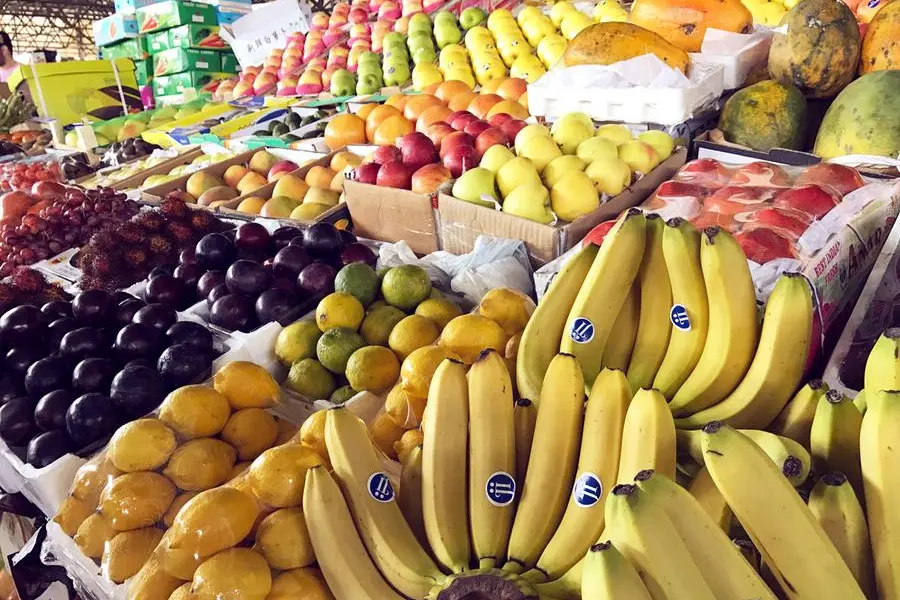
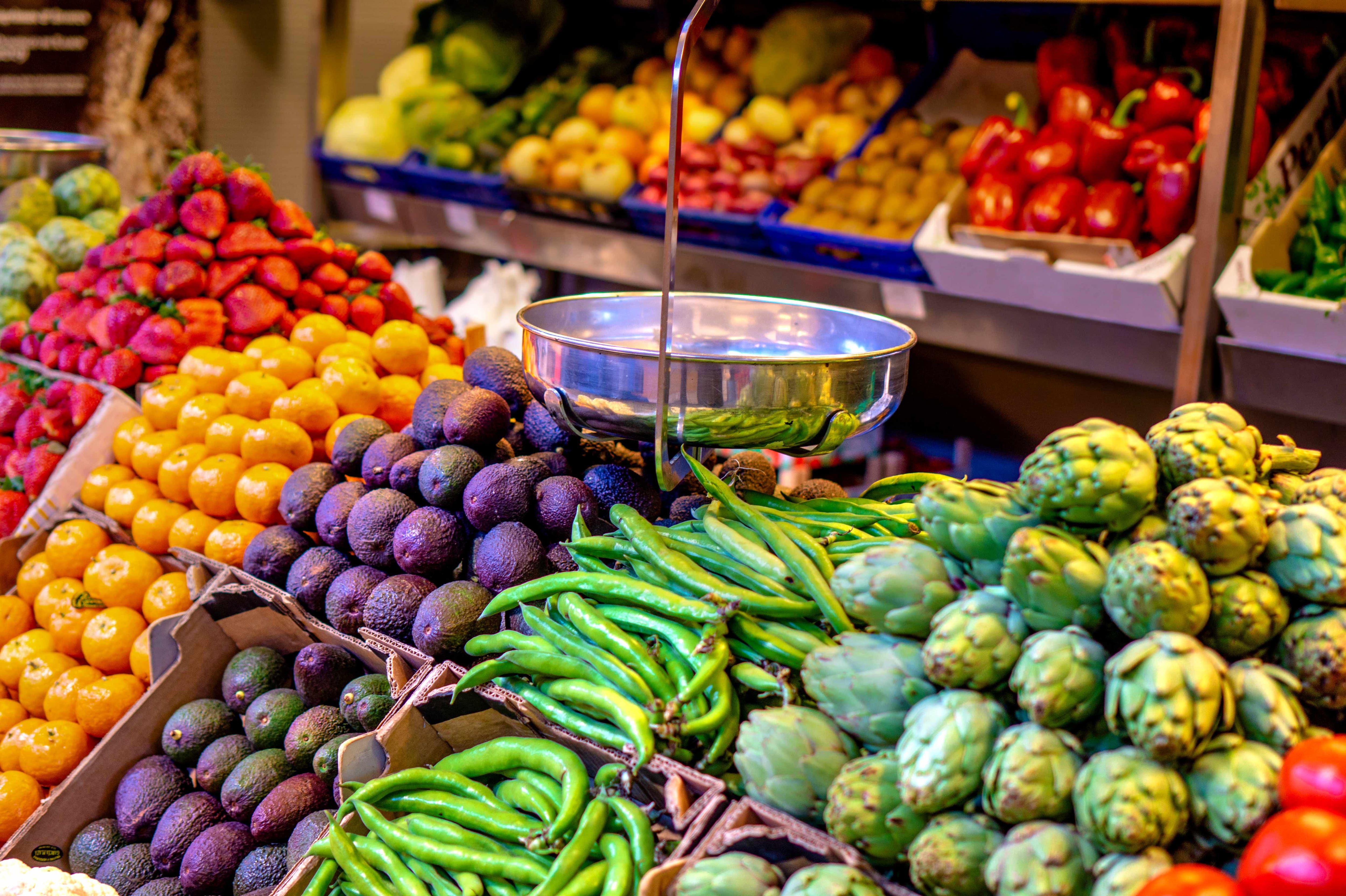
The UAE’s Unique Role in Global Fruit Supply

4
The UAE is not a farming-heavy country. Most fruits are imported.
Yet paradoxically, it is one of the most diverse fruit markets in the world.
This happens because the UAE acts as a logistics hub. Fruits arrive from:
- South Asia (India, Pakistan, Sri Lanka)
- Southeast Asia (Philippines, Thailand, Vietnam)
- Middle East (Iran, Turkey, Egypt)
- Africa (Kenya, South Africa)
From there, they are distributed across retail stores, wholesale markets, and online platforms.
Why This Matters for Buyers
The same fruit—say, jackfruit or calamansi—can vary significantly depending on:
- Harvest timing (early vs mature picking)
- Transit duration (air freight vs sea freight)
- Storage temperature stability
- Handling at distribution level
This explains a common frustration among expat buyers:
“It looks right, but it doesn’t taste like home.”
The issue is rarely the fruit itself. It is the journey it took.
The Fruits That Trigger Homesickness (and Why They’re Hard to Replace)
1. Jackfruit — For Filipino and Southeast Asian Households


4
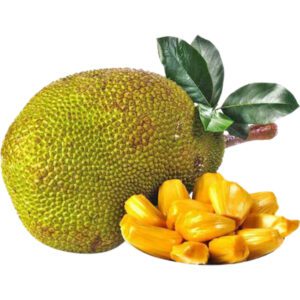
Jackfruit is one of the most requested fruits among Filipino expats in the UAE.
It is used in both sweet and savory dishes, and the stage of ripeness matters:
- Ripe (yellow, sweet) → desserts like halo-halo
- Unripe (green, firm) → savory cooking
The Challenge in the UAE
- Fully tree-ripened jackfruit is rare in imports
- Many arrive slightly underdeveloped to survive transport
- Texture can feel right, but sweetness may be muted
Practical Buying Insight
If you are buying jackfruit in Dubai:
- Look for strong aroma—this is often a better indicator than color
- Avoid pieces that look dry or fibrous
- If buying pre-cut, check moisture levels (too dry = old stock)
Buyers sourcing for restaurants often prefer working with wholesale distributors to maintain consistency, especially for volume-based dishes.
2. Calamansi — The Citrus That Doesn’t Have a Substitute


4
Calamansi looks like a small lime. But in taste, it sits somewhere between lime, orange, and tangerine.
For many Southeast Asian expats, there is no substitute.
Why It’s Difficult to Replace
- Lime is too sharp
- Lemon is too acidic
- Orange is too sweet
Calamansi carries a distinct balance that defines certain dishes.
Supply Reality in the UAE
- Often imported in small batches
- Shelf life is shorter than standard citrus
- Can deteriorate quickly if stored improperly
What Buyers Often Get Wrong
- Assuming visual freshness equals flavor
- Buying in bulk without understanding storage limits
In practice, experienced buyers source smaller, fresher batches more frequently rather than storing large quantities.
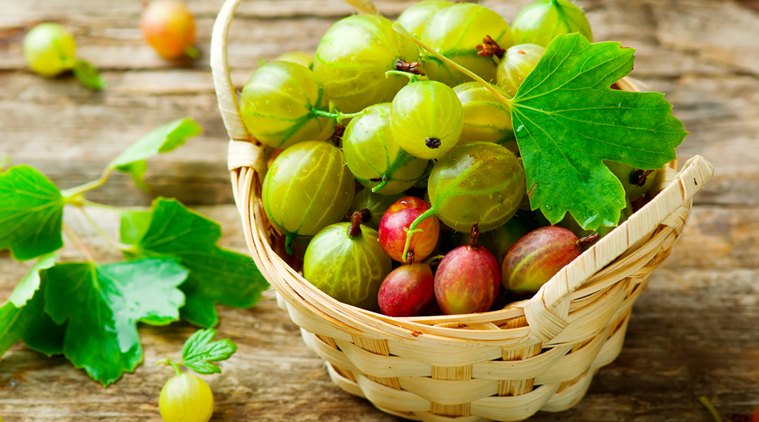
3. Amla (Indian Gooseberry) — Seasonal and Often Misunderstood


4
Amla is deeply tied to winter in South Asia.
It is not typically eaten casually. It is used for:
- Juices
- Pickles
- Health-based preparations
The UAE Context
Amla is available, but its peak quality window is narrow.
Out-of-season supply tends to be:
- Less flavorful
- More fibrous
- Sometimes overhandled during storage
Key Insight for Buyers
Understanding seasonality matters more than source.
Even the best supplier cannot replicate peak harvest quality outside its natural window.
This is where many households and even small food businesses struggle—they treat all months as equal.
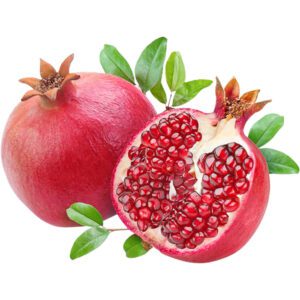
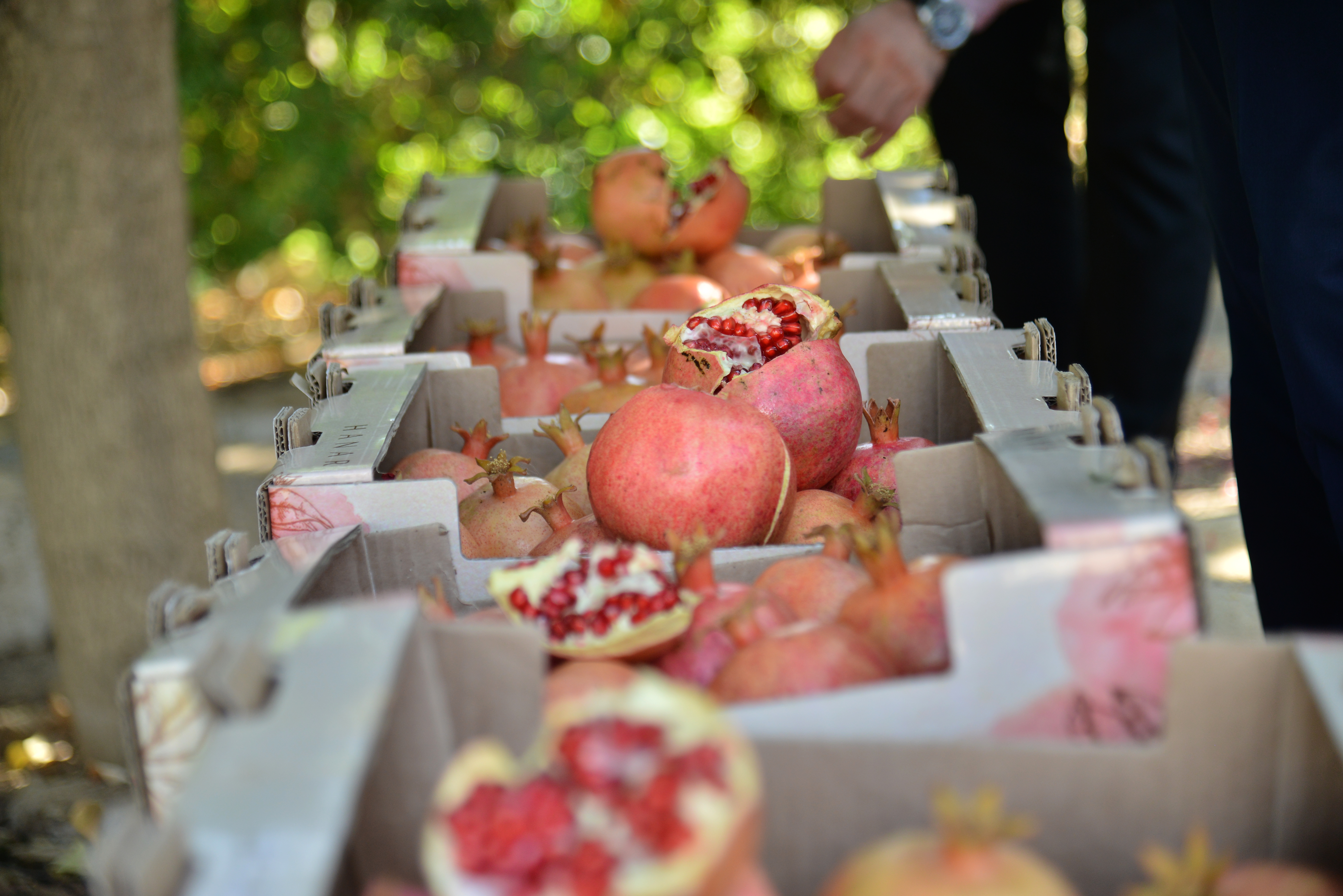
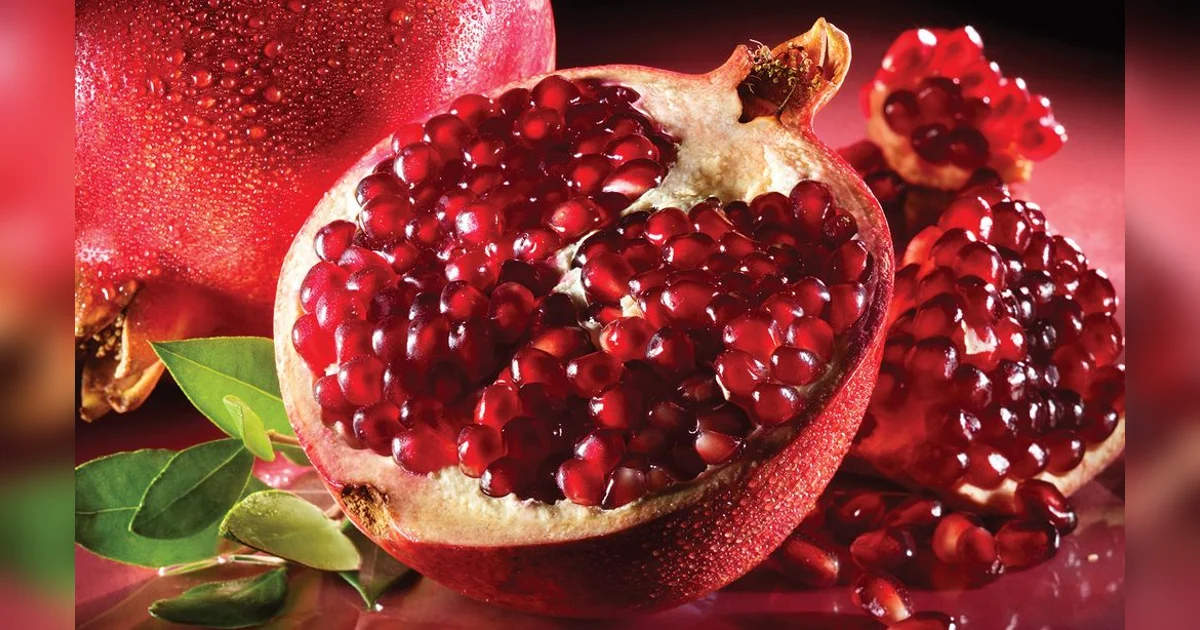
4. Iranian Pomegranate — When Origin Actually Matters


4
Pomegranates are widely available in the UAE.
But not all pomegranates are equal.
Iranian varieties are often preferred for:
- Higher juice content
- Balanced sweetness and acidity
- Deep red arils
The Common Buyer Confusion
Many buyers assume:
“All pomegranates are similar.”
In reality, origin affects:
- Flavor intensity
- Seed hardness
- Juice yield
Practical Tip
- Heavier fruit usually indicates higher juice content
- Skin should feel firm, not soft or wrinkled
- Color alone is not a reliable quality indicator
Why “Exotic Fruits UAE Online” Is Not Always Straightforward
Online grocery platforms have made it easier to access these fruits.
But they have also introduced new problems.
Common Issues Buyers Report
From industry discussions and buyer feedback, a few patterns stand out:
- Inconsistent quality between orders
- Lack of clarity on origin
- Overripe or underripe deliveries
- Poor packaging for delicate fruits
Why This Happens
Online platforms often rely on aggregated supply.
This means:
- Multiple suppliers feed into the same platform
- Quality control varies by batch
- Storage conditions may differ
In contrast, buyers working directly with specialized distributors tend to experience more consistency—though this comes with its own trade-offs, such as minimum order volumes.
In practice, suppliers working closely with Dubai-based distributors such as JMB Farm Fresh often observe that consistency improves when sourcing is streamlined rather than fragmented across multiple small vendors.
A Question Buyers Rarely Ask: What Stage Was the Fruit Harvested?
This is one of the most overlooked factors in fruit quality.
Fruits imported into the UAE are often harvested:
- Before full ripeness (to survive transit)
This affects:
- Sugar development
- Aroma
- Texture
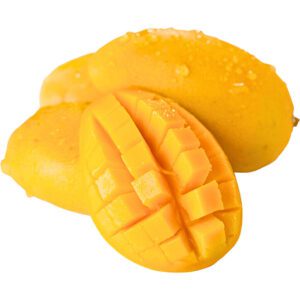
For fruits like jackfruit or mango, this difference is noticeable.
For others, like pomegranate, it is more subtle but still important.
Understanding this helps explain why:
- A fruit may look perfect but taste average
- The same fruit can vary across different weeks
Wholesale vs Retail: Does It Make a Difference for These Fruits?
This is a common debate among buyers.
Retail (Supermarkets, Apps)
Pros:
- Convenience
- Smaller quantities
- Immediate availability
Limitations:
- Less control over sourcing
- Variable turnover (affects freshness)
- Limited transparency on origin
Wholesale (Distributors, Markets)
Pros:
- Better consistency for bulk buyers
- More control over sourcing
- Often fresher due to faster turnover
Limitations:
- Minimum order requirements
- Not always accessible for households
- Requires basic knowledge of produce handling
For restaurant owners and catering businesses, wholesale sourcing is often more practical. For households, a hybrid approach tends to work better.
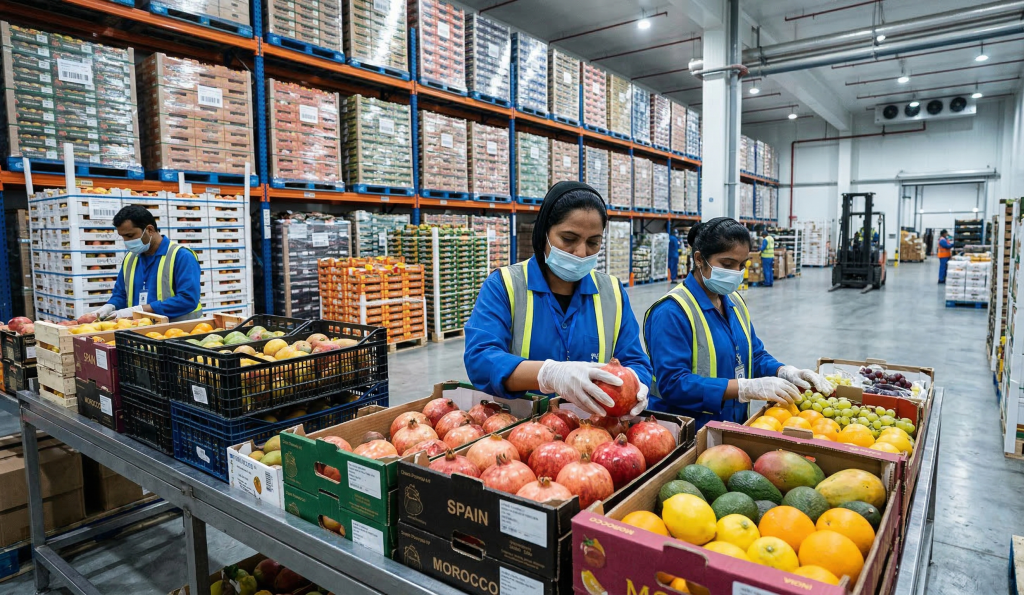
What “Fresh” Actually Means in Imported Fruits
Freshness in the UAE context is not always about “just picked.”
It is about:
- Time since harvest
- Storage conditions during transit
- Handling at the distribution stage
A fruit can be:
- Recently stocked → but harvested weeks ago
- Visually perfect → but internally losing quality
This is especially relevant for expats trying to recreate familiar flavors.
How Seasonality Shapes What You Can (and Should) Buy


4
One of the biggest misunderstandings in the UAE produce market is the idea that everything is available all year at the same quality.
Technically, many fruits are always available. But quality is not constant.
Winter: The Strongest Season for Imported Fruits
Winter in the UAE is when the fruit market performs at its best.
This is because multiple supply regions overlap:
- Citrus from Egypt and Turkey
- Pomegranates from Iran
- Amla from South Asia
- Berries from Europe and North Africa
During this period:
- Transit conditions are more stable
- Spoilage risk is lower
- Flavor profiles are closer to origin
For expats looking for fruits that “taste like home,” winter is often the most reliable time.
Summer: Availability Without Consistency
In summer, supply chains are under more pressure.
- Higher temperatures increase spoilage risk
- Storage becomes more critical
- Some fruits are imported from farther regions
This leads to:
- Greater variation in taste
- Faster deterioration after purchase
- More reliance on controlled storage environments
Practical Takeaway
Instead of asking:
“Where can I buy this fruit?”
A more useful question is:
“When is this fruit at its best in the UAE?”
That shift alone can significantly improve buying outcomes.
Why the Same Fruit Tastes Different Each Time
This is one of the most common frustrations among expats.
You find the right fruit once. It tastes perfect. You buy it again—and it is not the same.
The Real Reasons Behind Inconsistency
1. Mixed Origin Supply
A single product label like “pomegranate” may come from:
- Iran one week
- Turkey the next
- India in another batch
Each origin has different taste characteristics.
2. Variable Ripeness at Arrival
Fruits are often harvested early.
Some batches may:
- Ripen properly during transit
- Remain underdeveloped
- Overripen due to delays
3. Storage Conditions After Arrival
Even within the UAE, handling varies:
- Some suppliers maintain strict cold-chain control (temperature-managed storage)
- Others rely on basic storage setups
Small differences in temperature can significantly affect fruit quality.
4. Turnover Speed
High-turnover suppliers tend to have fresher stock.
Low-turnover environments may result in:
- Older inventory
- Reduced flavor
- Increased spoilage risk
How Experienced Buyers Judge Fruit Quality (Beyond Appearance)


4
Visual appearance is only one part of the equation.
Experienced buyers rely on a combination of signals.
1. Weight
Heavier fruit often indicates:
- Higher juice content
- Better internal development
This is especially useful for:
- Pomegranates
- Citrus fruits
2. Aroma
For fruits like jackfruit and some tropical varieties:
- Aroma is a stronger indicator than color
- Lack of smell can signal early harvesting
3. Texture
- Too soft → overripe or damaged
- Too hard → underdeveloped
Balanced firmness is key.
4. Skin Condition
- Minor surface marks are often acceptable
- Wrinkling or dullness may indicate aging
5. Cut Quality (When Applicable)
For pre-cut fruits:
- Moisture level matters
- Dry edges suggest old stock
- Uneven color may indicate inconsistent ripeness
Common Mistakes Expats and Buyers Make
Across households and small businesses, the same patterns appear repeatedly.
Mistake 1: Chasing Familiar Names Instead of Origin
Buying “jackfruit” is not enough.
The question should be:
- Where did it come from?
- How recently was it imported?
Mistake 2: Buying in Bulk Without Storage Planning
Some fruits deteriorate quickly in UAE conditions.
Examples:
- Calamansi
- Berries
- Cut jackfruit
Without proper storage:
- Flavor drops within days
- Waste increases
Mistake 3: Ignoring Seasonal Windows
Trying to buy off-season amla or pomegranate often leads to disappointment.
Even if available:
- Flavor may be weaker
- Texture may be compromised
Mistake 4: Assuming Supermarket Consistency
Large supermarkets offer convenience, but:
- They handle large volumes from multiple sources
- Consistency is not guaranteed
Mistake 5: Overlooking Handling After Purchase
What happens after you bring fruit home matters.
Common issues include:
- Refrigerating fruits that need room temperature ripening
- Leaving tropical fruits exposed to dry air
- Storing different fruits together (affects ripening behavior)
Storage Matters More Than Most People Think


4
Even high-quality fruit can deteriorate quickly if stored incorrectly.
Basic Guidelines
Keep at Room Temperature (Initially)
For fruits like:
- Jackfruit (whole)
- Mango
- Some citrus
Allow them to ripen before refrigeration.
Refrigerate Once Ripe
- Slows down further ripening
- Extends usability
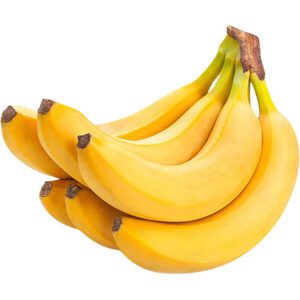
Separate Ethylene Producers
Some fruits release gases that speed up ripening:
- Bananas
- Apples
Keep them away from sensitive fruits.
Use Airtight Storage for Cut Fruits
Especially important for:
- Jackfruit
- Pomegranate seeds
This helps retain moisture and flavor.
The Trade-Off: Authentic Taste vs Supply Chain Reality
This is the part most buyers eventually come to terms with.
Recreating the exact taste of home is not always possible.
Why?
Because:
- Fruits are harvested earlier
- They travel longer distances
- Storage conditions vary
Even with the best sourcing, there are limits.
What Experienced Buyers Do Instead
They adjust expectations and strategies:
- Buy during peak seasons
- Test small batches before committing
- Build relationships with consistent suppliers
- Accept slight variation in taste
Over time, this approach leads to better consistency.
Where to Find These Fruits in the UAE (Without Overcomplicating It)
There is no single “best” place.
Instead, buyers typically use a mix of sources.
1. Specialized Grocery Stores
Often cater to specific communities:
- Filipino
- Indian
- Iranian
These stores may have:
- More relevant product selection
- Better understanding of usage
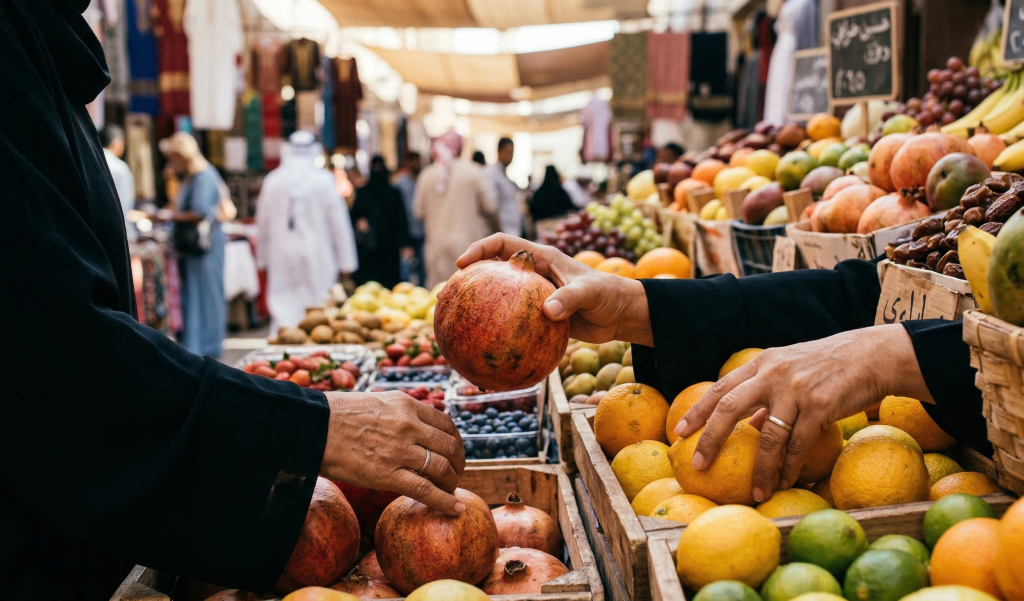
2. Wholesale Markets
- Wider variety
- Better for bulk buying
- Requires basic knowledge of selection
3. Online Platforms
- Convenient
- Variable quality
Best used when:
- You know the supplier behind the platform
- You are ordering familiar products
4. Direct Distributor Sourcing
More common for:
- Restaurants
- Catering companies
Provides:
- Better consistency
- More control over supply
But requires:
- Volume commitment
- Basic planning
A Practical Buying Framework for Expats and Food Businesses
After understanding how supply, seasonality, and handling affect fruit quality, the next step is applying that knowledge in a simple, repeatable way.
Most experienced buyers—whether households or restaurant procurement teams—follow a basic framework, even if they do not formalize it.
Step 1: Identify the Purpose of the Fruit
Not all purchases are equal.
Ask:
- Is this for taste nostalgia (e.g., desserts, juices)?
- Is it for functional use (e.g., garnish, bulk cooking)?
- Is it for presentation (e.g., plating, retail display)?
For example:
- Calamansi for a sauce requires strong flavor → prioritize freshness over price
- Pomegranate for garnish → visual quality matters as much as taste
Step 2: Check Seasonal Alignment
Before buying, consider:
- Is this fruit in its natural harvest window?
- Is it currently being imported from a reliable origin?
If not, adjust expectations or consider alternatives.
Step 3: Start Small, Then Scale
This is especially important for:
- New suppliers
- Online platforms
- Less familiar fruits
A small test batch helps you evaluate:
- Taste consistency
- Shelf life
- Handling quality
Step 4: Observe Over Time, Not One Purchase
Consistency cannot be judged from a single order.
Track:
- Week-to-week variation
- Changes in origin
- Shelf life performance
Over time, patterns become clear.
Step 5: Build a Shortlist of Reliable Sources
Rather than switching constantly, experienced buyers:
- Work with a few trusted suppliers
- Adjust quantities based on season
- Maintain flexibility
This reduces risk and improves predictability.
The Role of Trust in a Fragmented Supply Chain
4
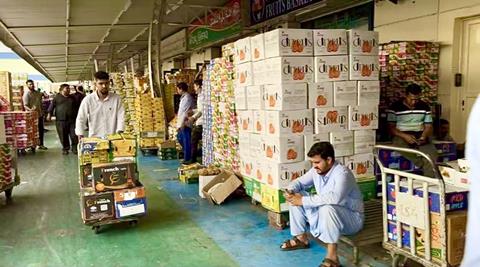
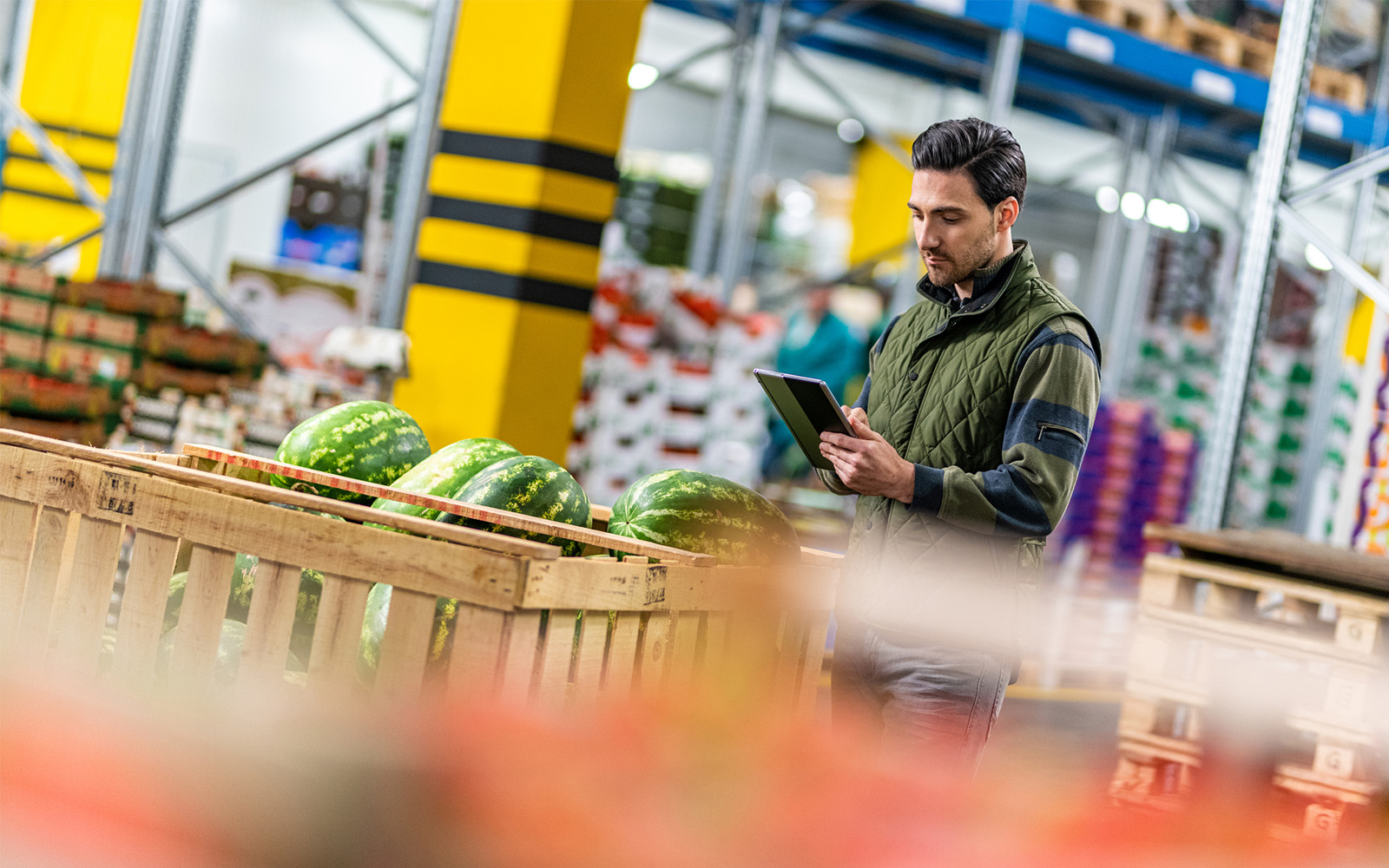
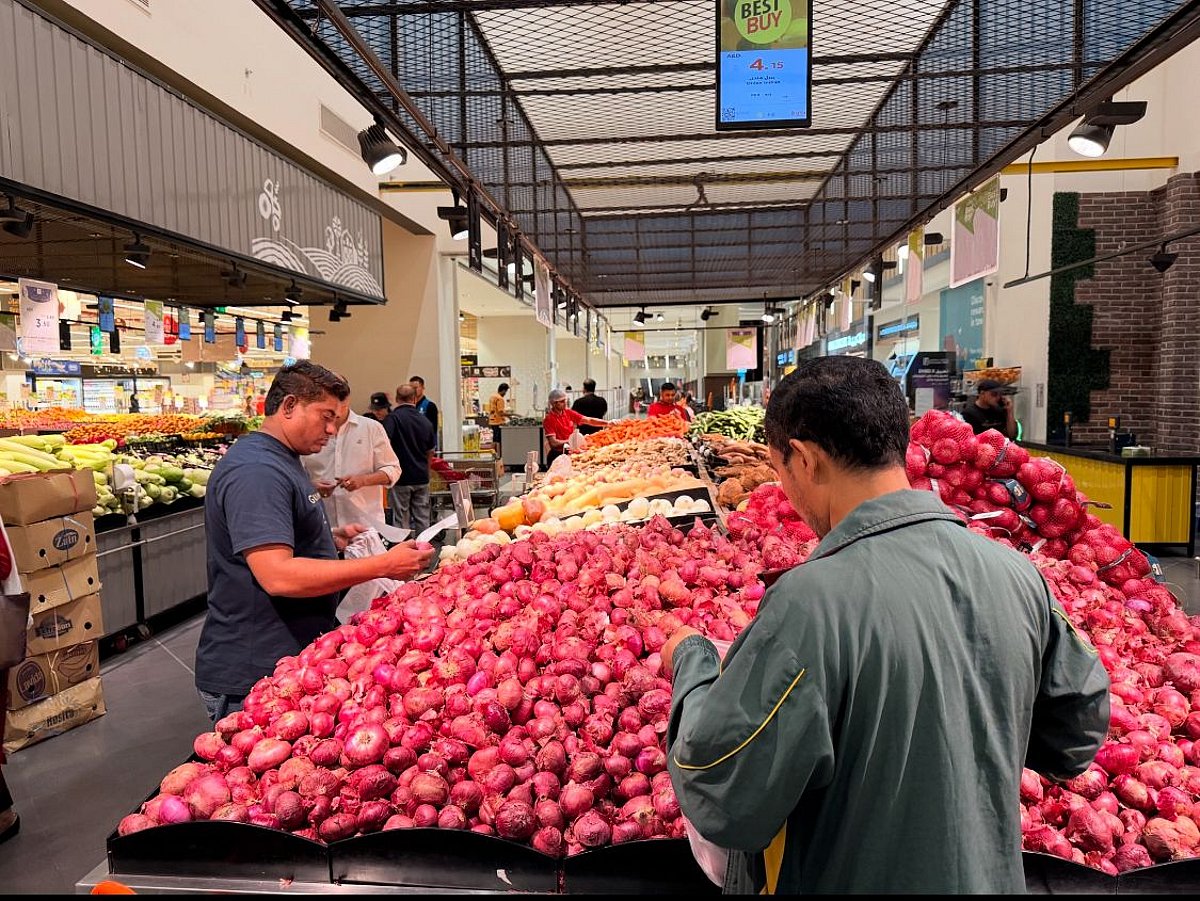
The UAE fruit market is highly fragmented.
Multiple suppliers, importers, and distributors operate simultaneously. This creates variety—but also inconsistency.
Why Trust Becomes Important
When buyers repeatedly work with the same supplier, several things improve:
- Better understanding of preferred quality
- More accurate communication about availability
- Reduced variability in supply
In practice, suppliers working closely with Dubai-based distributors such as JMB Farm Fresh often observe that long-term buyers experience fewer quality fluctuations compared to those sourcing from multiple unverified channels.
This is not about brand preference. It is about reducing uncertainty.
Balancing Wholesale and Retail for Different Needs
There is no single sourcing strategy that works for everyone.
For Households
A hybrid approach works best:
- Use retail for convenience
- Use specialized stores for cultural ingredients
- Buy seasonal fruits more intentionally
For Small Food Businesses
Consistency becomes more important than convenience.
- Wholesale sourcing helps maintain uniform quality
- Planning reduces last-minute substitutions
- Understanding seasonality improves menu stability
For Larger Operations
- Direct relationships with distributors
- Advance planning based on import cycles
- Quality checks integrated into procurement processes
The Emotional Side of Food—And Why It Still Matters
It is easy to reduce fruit buying to logistics and supply chains.
But for many expats, it is not just about availability.
It is about connection.
A specific taste, texture, or aroma can:
- Bring back memories
- Recreate familiar routines
- Provide comfort in a different environment
This is why people continue searching for:
- The “right” jackfruit
- The “correct” calamansi
- The pomegranate that tastes like home
Even when the process is imperfect.
Final Thoughts: Better Buying Comes From Better Understanding
The UAE offers access to one of the most diverse fruit selections in the world.
But access alone is not enough.
To consistently find fruits that feel familiar, buyers need to understand:
- How supply chains affect taste
- Why seasonality matters
- What freshness actually means in an imported context
- And how to evaluate quality beyond appearance
There is no perfect system.
Even experienced buyers encounter variation.
But with the right approach, it becomes easier to reduce disappointment and improve consistency over time.
FAQs
1. Where can I buy home country fruits in the UAE?
You can find them in specialized grocery stores, wholesale markets, and online platforms. Availability depends on season and import cycles rather than a single reliable source.
2. Why do fruits in Dubai sometimes taste different from back home?
Most fruits are harvested early and transported long distances. This affects sugar development, aroma, and texture, even if the fruit looks fresh.
3. Is wholesale better than supermarket fruit in the UAE?
Wholesale can offer better consistency and freshness for bulk buyers, but it requires knowledge and larger quantities. Retail is more convenient but less predictable.
4. What is the best time to buy fruits like amla or pomegranate in the UAE?
Winter is generally the best season, as multiple supply regions overlap and quality tends to be closer to origin.
5. How can I tell if imported fruit is good quality?
Check weight, aroma, firmness, and skin condition. For cut fruits, look at moisture and color consistency rather than just appearance.








 Home
Home  Whishlist
  Compare
  Checkout