









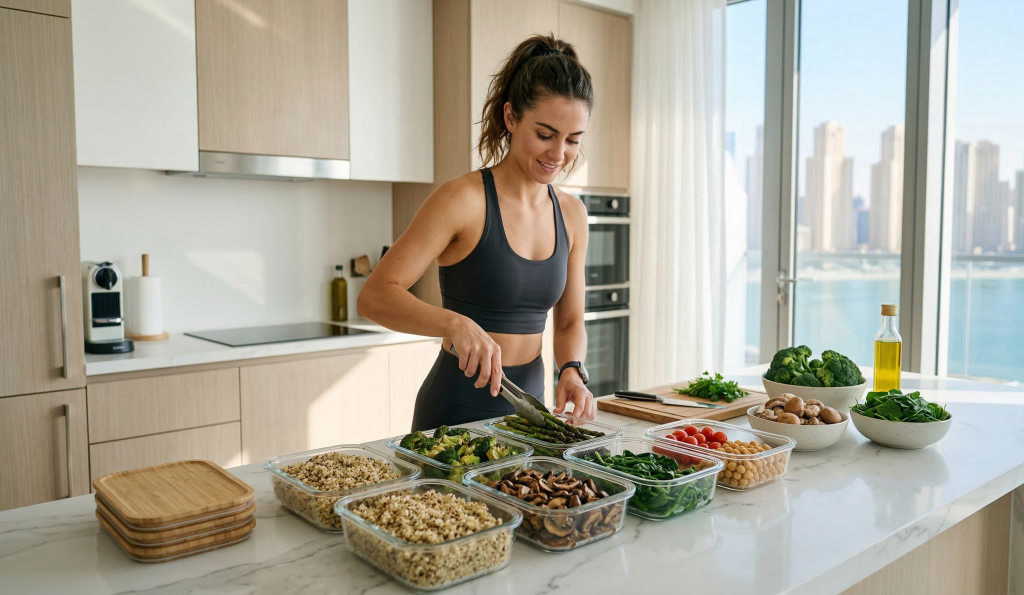
Dubai’s fitness culture has grown quickly in recent years. From early-morning gym sessions in Marina to evening training classes in Business Bay, more residents are structuring their week around nutrition and performance.
But while protein powders and chicken meal boxes dominate many conversations, there is another category quietly gaining attention among trainers, nutritionists, and experienced meal-prep enthusiasts: high-protein vegetables.
Vegetables rarely replace traditional protein sources entirely. However, when used correctly, they significantly improve meal balance, digestion, and micronutrient intake. They also reduce reliance on processed foods that often appear in rushed meal prep routines.
In Dubai’s climate and supply environment, vegetables also offer another advantage: consistent weekly availability through wholesale produce channels and fresh vegetable delivery services across the UAE.
For gym-goers managing busy work schedules, quick vegetable-based recipes can transform meal prep from a chore into a practical routine.
This guide explores six high-protein vegetable recipes that can be prepared in under 30 minutes, while also explaining how to choose vegetables that stay fresh throughout the week in Dubai’s unique food supply landscape.
Why High-Protein Vegetables Matter in a Gym Meal Prep Routine
Many gym meal plans in Dubai focus heavily on:
- Chicken breast
- Eggs
- Protein shakes
- Greek yogurt
These foods are valuable, but relying on them alone creates two common problems.
1. Digestive fatigue
High-protein diets without enough fiber often lead to digestive discomfort. This is something many gym communities discuss in online forums and nutrition groups.
Vegetables such as broccoli, asparagus, spinach, and mushrooms add:
- Fiber
- Magnesium
- Potassium
- Antioxidants
These nutrients support recovery and digestion during intense training weeks.
2. Nutritional imbalance
Muscle recovery depends on more than protein alone. Micronutrients play a role in:
- energy metabolism
- hydration balance
- inflammation control
Vegetables provide these nutrients in a form that works well with lean proteins and complex carbohydrates.
In short, vegetables do not replace protein sources — they make them work better.
The Practical Challenge: Meal Prep in Dubai’s Climate
Meal prep advice often comes from Western fitness blogs. But Dubai presents different conditions.
Heat and storage considerations
High temperatures affect how vegetables are transported and stored before reaching supermarkets or homes.
For example:
- Leafy greens can wilt quickly if cold-chain handling is inconsistent
- Mushrooms can lose firmness within days if stored improperly
- Asparagus freshness varies depending on import timing
This explains why many experienced meal-prep planners prefer weekly vegetable sourcing rather than large monthly grocery runs.
In practice, suppliers working closely with Dubai-based distributors such as JMB Farm Fresh often observe that customers who order vegetables weekly experience significantly less spoilage compared with irregular bulk buying.
The goal is not simply buying vegetables.
It is buying the right vegetables that hold quality for several days of meal prep.
Vegetables With the Highest Protein Density for Meal Prep
While vegetables are not typically labeled as protein-rich foods, several options contain meaningful amounts of protein when combined into meals.
Some of the most practical high-protein vegetables commonly available in the UAE include:
Broccoli
Approximately 2.5–3g protein per 100g.
Broccoli works well in stir-fries and sheet-pan meals. It also stores well in refrigerators for several days.
Mushrooms
Roughly 3g protein per 100g depending on variety.
Mushrooms are particularly useful in meal prep because they add a satisfying texture similar to meat-based dishes.
Asparagus
Around 2–2.5g protein per 100g.
Asparagus cooks quickly and pairs well with eggs, quinoa, or chicken in gym meals.
Spinach
Roughly 3g protein per cooked cup.
Spinach is frequently used in high-protein breakfast recipes.
Green peas
One of the most protein-dense vegetables, providing around 5g protein per 100g.
They are especially useful in vegetarian meal prep plans.
Brussels sprouts
Around 3–4g protein per 100g.
They also contain compounds linked to recovery and inflammation reduction.
These vegetables also share another benefit: they cook quickly, which is essential when preparing multiple meals for the week.
The Importance of 30-Minute Recipes for Consistent Meal Prep
Consistency matters more than complexity.
Many people begin meal prepping with ambitious cooking plans that take several hours. Within a few weeks, the routine becomes difficult to maintain.
The most sustainable meal prep routines usually follow three simple rules:
- Recipes take under 30 minutes
- Ingredients are easy to source locally
- Meals store well for several days
For gym-goers in Dubai, this approach also fits well with evening schedules after work or training sessions.
The following recipes follow those principles.
They are simple, balanced, and designed to work within typical UAE produce availability.
Recipe 1: Garlic Asparagus & Mushroom Protein Skillet
This recipe combines two vegetables often used in gym food recipes in Dubai: asparagus and mushrooms.
Both cook quickly and pair well with eggs, tofu, or grilled chicken.
Why this works for meal prep
- High in fiber and plant protein
- Very fast cooking time
- Maintains texture after reheating
Ingredients
- 1 bunch fresh asparagus
- 200g mushrooms (button or cremini)
- 2 cloves garlic
- 1 tablespoon olive oil
- Pinch of sea salt
- Black pepper
- Optional: chili flakes
Instructions
- Trim the asparagus ends and cut into 3–4 cm pieces.
- Slice mushrooms evenly.
- Heat olive oil in a large pan over medium heat.
- Add garlic and cook briefly until fragrant.
- Add mushrooms and cook for 4–5 minutes.
- Add asparagus and sauté for another 5 minutes.
- Season with salt, pepper, and chili flakes.
Total cooking time: 10–12 minutes
Meal prep tip
This dish pairs well with:
- boiled eggs
- grilled chicken
- quinoa or brown rice
When stored in airtight containers, it usually keeps quality for 3–4 days in the refrigerator.
Recipe 2: High-Protein Spinach & Chickpea Stir-Fry
Spinach and chickpeas create a powerful combination of plant-based protein and fiber.
This recipe is particularly popular among vegetarian gym communities in the UAE.
Ingredients
- 3 cups fresh spinach
- 1 cup cooked chickpeas
- 1 small onion
- 2 cloves garlic
- 1 tablespoon olive oil
- ½ teaspoon cumin
- ½ teaspoon paprika
- Salt to taste
Instructions
- Heat olive oil in a pan over medium heat.
- Add chopped onion and cook for 3–4 minutes.
- Add garlic and spices.
- Stir in chickpeas and cook for 4 minutes.
- Add spinach and cook until wilted.
Cooking time: 12–15 minutes
Why it works for meal prep
- High fiber keeps meals filling
- Chickpeas provide steady energy for workouts
- Easy to portion into containers for the week
Choosing Vegetables for Weekly Meal Prep in Dubai
A common mistake among new meal-prep enthusiasts is choosing vegetables purely based on recipes rather than shelf stability.
Some vegetables deteriorate quickly in the UAE’s climate once removed from cold storage.
For weekly prep routines, the most reliable vegetables include:
- broccoli
- carrots
- mushrooms
- zucchini
- bell peppers
- cabbage
These vegetables typically maintain quality for 4–6 days when refrigerated properly.
Leafy greens like spinach should ideally be used earlier in the week.
Many experienced buyers in the UAE food supply sector recommend buying vegetables once per week rather than daily supermarket trips, particularly when using fresh vegetable delivery services in Dubai.
This approach reduces:
- impulse purchases
- food waste
- inconsistent meal prep routines
It also aligns well with how wholesale produce systems operate in the region.
Common Mistakes People Make With Gym Meal Prep Vegetables
Several issues appear repeatedly in discussions among meal prep communities and fitness forums.
Buying vegetables already close to spoilage
Supermarket produce sometimes sits on shelves for days before purchase. Signs include:
- soft mushrooms
- yellowing broccoli
- limp asparagus tips
These vegetables may only last one or two days after purchase.
Washing vegetables too early
Moisture accelerates spoilage. Many vegetables should be washed just before cooking, not immediately after buying.
Overcooking vegetables during prep
Vegetables that are cooked too long lose texture when reheated later.
Quick cooking methods such as:
- sautéing
- roasting
- stir-frying
work best for meal prep.
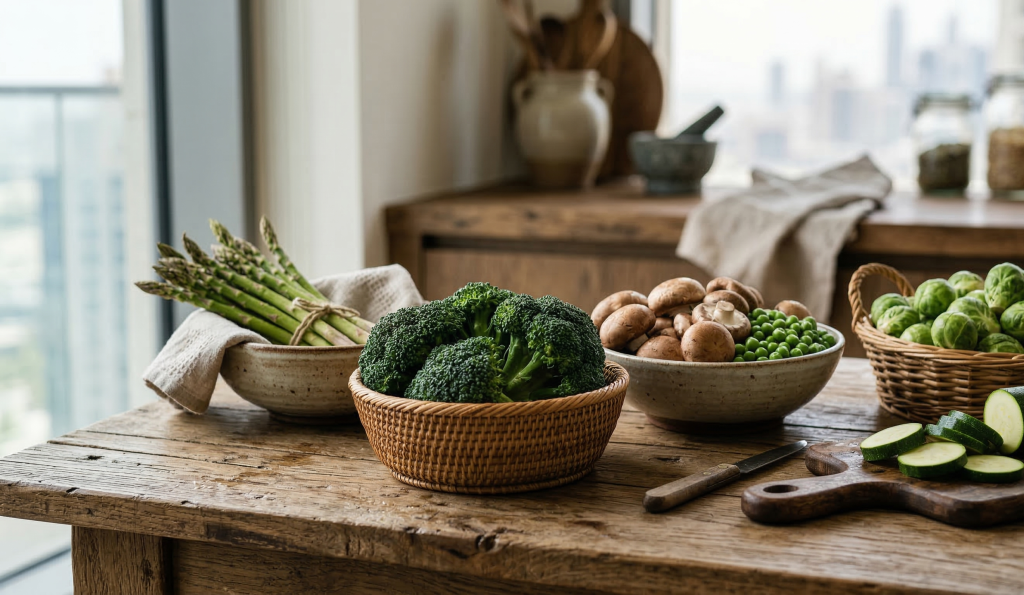
Recipe 3: Roasted Broccoli & Quinoa Power Bowl
Among high-protein vegetable recipes commonly recommended by sports nutritionists, broccoli paired with quinoa is one of the most practical combinations.
Broccoli provides plant protein, fiber, and vitamin C, while quinoa adds complete protein and slow-release carbohydrates — useful for recovery after training sessions.
This type of bowl meal is also ideal for gym meal prep in Dubai, where many people prepare lunches for the entire work week.
Why this works for meal prep
- Roasted broccoli keeps its texture for several days
- Quinoa stores well in the refrigerator
- Easy to portion into containers
Ingredients
- 2 cups broccoli florets
- 1 cup cooked quinoa
- 1 tablespoon olive oil
- 1 teaspoon garlic powder
- Salt and black pepper
- Optional: lemon zest
Instructions
- Preheat oven to 200°C.
- Toss broccoli with olive oil, salt, pepper, and garlic powder.
- Roast for 12–15 minutes until edges are slightly crisp.
- Combine roasted broccoli with cooked quinoa in meal prep containers.
- Finish with a small squeeze of lemon.
Meal prep tip
Adding a protein such as grilled tofu, eggs, or chicken can increase total protein intake while keeping the vegetable base of the meal intact.
The bowl remains fresh for up to four days when refrigerated properly.
Recipe 4: Green Pea & Herb Protein Mash
Green peas are often overlooked in gym meal prep discussions, yet they contain one of the highest protein contents among commonly available vegetables.
They also freeze well, making them reliable for quick cooking.
This mash works well as a side dish with grilled proteins or roasted vegetables.
Ingredients
- 2 cups green peas (fresh or frozen)
- 1 tablespoon olive oil
- 1 small clove garlic
- Fresh parsley or mint
- Salt and pepper
Instructions
- Boil peas for 4–5 minutes until tender.
- Drain and transfer to a bowl.
- Add olive oil, garlic, herbs, salt, and pepper.
- Mash lightly using a fork or potato masher.
Cooking time: 10 minutes
Why this recipe works
- Very fast preparation
- High fiber and plant protein
- Easy to store in meal containers
For many gym-goers, this mash replaces heavier carbohydrate sides during cutting phases.
Recipe 5: Zucchini & Mushroom Protein Stir-Fry
Zucchini cooks quickly and absorbs flavor easily, making it useful for fast weeknight meals.
When combined with mushrooms, the dish provides texture and modest plant protein while remaining low in calories.
This recipe is widely used in 30-minute healthy recipes across Dubai’s meal prep communities.
Ingredients
- 2 medium zucchinis
- 200g mushrooms
- 2 cloves garlic
- 1 tablespoon olive oil
- 1 teaspoon soy sauce
- Black pepper
Instructions
- Slice zucchini into thin half-moons.
- Slice mushrooms evenly.
- Heat olive oil in a large pan.
- Add garlic and cook briefly.
- Add mushrooms and sauté for 5 minutes.
- Add zucchini and cook another 4–5 minutes.
- Finish with soy sauce and pepper.
Total cooking time: 12–15 minutes
Storage tip
Allow the dish to cool before sealing containers. Trapped heat can create condensation that softens vegetables.
Properly stored, the stir-fry usually keeps its texture for three days.
Recipe 6: Brussels Sprout & Egg Protein Hash
For many gym-goers, breakfast is the most challenging meal to prepare consistently.
This Brussels sprout hash solves that problem by combining vegetables with eggs for a high-protein start to the day.
Ingredients
- 2 cups Brussels sprouts (thinly sliced)
- 2 eggs
- 1 tablespoon olive oil
- 1 small onion
- Salt and black pepper
- Optional: smoked paprika
Instructions
- Heat olive oil in a skillet over medium heat.
- Add chopped onion and cook for 3 minutes.
- Add sliced Brussels sprouts and cook for 6–7 minutes.
- Season with salt, pepper, and paprika.
- Crack eggs directly into the pan and cook until set.
Total cooking time: 15 minutes
Why it works for meal prep
Brussels sprouts retain their texture well even after reheating.
This dish can be prepared in batches and stored for 2–3 days in the refrigerator.
Understanding Produce Freshness in Dubai’s Supply Chain
While recipes are important, ingredient quality often determines whether meal prep routines succeed or fail.
Dubai’s produce supply chain is unique because most fruits and vegetables are imported from multiple regions, including:
- India
- Pakistan
- Europe
- East Africa
Transit time and storage conditions influence freshness more than many consumers realize.
What affects vegetable freshness?
Several factors play a role:
1. Harvest timing
Vegetables harvested too early may travel better but lose flavor.
2. Cold chain handling
Temperature control from farm to distributor is essential. Even small breaks in refrigeration can reduce shelf life.
3. Retail shelf time
Vegetables displayed in supermarkets may remain on shelves for days before purchase.
These factors explain why some buyers prefer sourcing vegetables through weekly fresh vegetable delivery services in Dubai, where produce often moves more quickly from distributor to customer.
Local vs Imported Vegetables in the UAE
Another topic frequently discussed in food industry circles is the difference between locally grown and imported vegetables.
Both have advantages.
Local UAE produce
Advantages:
- Shorter transport times
- Fresher harvest windows
- Often better shelf life
Limitations:
- Limited variety due to climate
- Production varies seasonally
Imported vegetables
Advantages:
- Wider variety
- Year-round availability
Limitations:
- Longer transit times
- Shelf life may depend heavily on storage conditions
Many experienced buyers combine both sources depending on the season.
Seasonal Produce That Works Well for Gym Meal Prep
Winter months in the UAE — roughly November through March — provide some of the best vegetable availability for meal prep.
Common winter vegetables include:
- broccoli
- cauliflower
- carrots
- cabbage
- spinach
- peas
These vegetables are widely used in meal prep vegetables across the UAE because they store well and cook quickly.
In contrast, delicate vegetables during hotter months may require more careful handling to prevent spoilage.
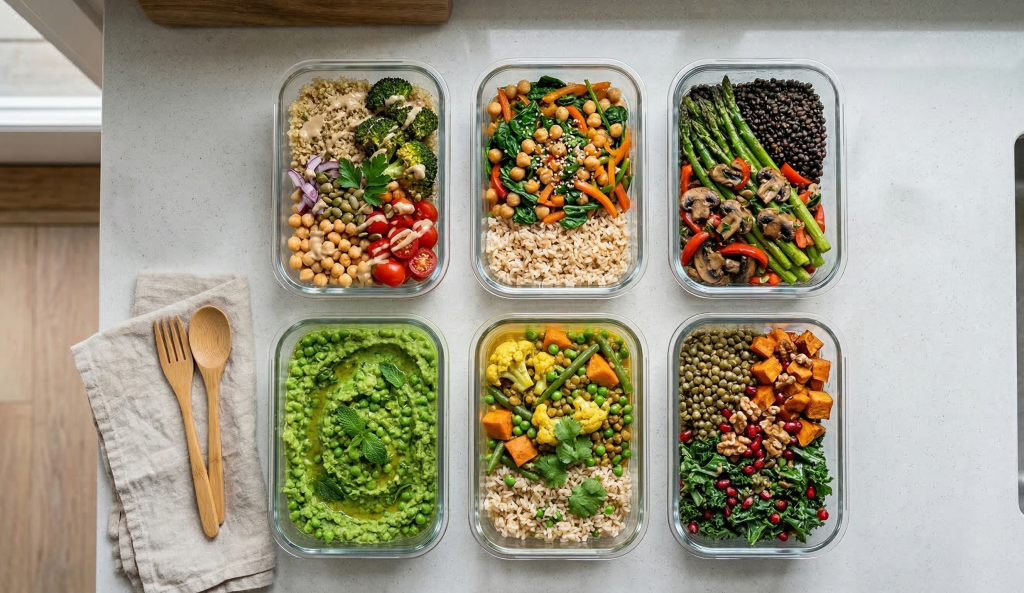
How to Store Meal Prep Vegetables Properly in Dubai
Preparing vegetables is only part of the process. Storage plays a major role in maintaining quality throughout the week.
In the UAE’s warm climate, improper refrigeration can shorten vegetable shelf life dramatically. Gym meal prep containers that look fresh on Monday may lose texture or flavor by Wednesday if not stored carefully.
A few practical habits make a noticeable difference.
Use airtight containers
Glass or BPA-free plastic containers help limit moisture loss and prevent vegetables from absorbing odors from other foods in the refrigerator.
Let food cool before sealing
Hot food releases steam. When sealed immediately, that steam becomes condensation, which softens vegetables and accelerates spoilage.
Allow cooked vegetables to cool for 15–20 minutes before storing them.
Store vegetables in separate compartments
Combining sauces, grains, and vegetables in one container often reduces shelf life.
For example:
- roasted vegetables stay firmer when stored separately from grains
- leafy greens last longer when not compressed beneath heavier foods
Many experienced meal-prep enthusiasts use two-compartment containers to maintain texture throughout the week.
Refrigeration temperature matters
Refrigerators should ideally remain around 3–5°C.
Temperatures above that range reduce the storage life of vegetables.
This detail is often overlooked but becomes important when storing several days of prepared meals.
Buying Vegetables for Meal Prep: Retail vs Wholesale
Another topic frequently raised in food discussions across Dubai is whether vegetables purchased through wholesale channels are different from supermarket produce.
The answer is nuanced.
Supermarket produce
Advantages:
- convenient
- available in small quantities
- easy access across the city
Limitations:
- vegetables may remain on display shelves for extended periods
- prices fluctuate based on retail markups
- limited visibility into sourcing conditions
Wholesale produce distribution
Wholesale systems operate differently.
Vegetables typically move through:
- Importer or local farm
- Central produce market or distributor
- Restaurants, hotels, and bulk buyers
Because turnover is faster, produce sometimes reaches buyers sooner after arrival.
This is why restaurant kitchens and catering businesses rarely rely solely on retail supermarkets.
Some households that follow strict weekly meal prep routines are gradually adopting similar purchasing patterns through fresh vegetable delivery services that source from wholesale channels.
In practice, suppliers working closely with UAE distributors — including companies like JMB Farm Fresh — often observe that buyers who shift toward structured weekly sourcing experience less food waste and more consistent ingredient quality.
The key advantage is not necessarily price.
It is predictability.
When ingredients remain consistent week after week, meal prep routines become easier to maintain.
Practical Tips for Consistent Weekly Meal Prep
Many people begin meal prep with enthusiasm but struggle to maintain the habit.
Consistency usually improves when routines become simple and repeatable.
Here are a few strategies commonly used by experienced meal planners.
Cook vegetables in batches
Instead of preparing individual meals every day, cook vegetables in larger quantities once or twice per week.
This reduces time spent in the kitchen.
Choose versatile vegetables
Vegetables that can appear in multiple meals simplify planning.
Examples include:
- broccoli
- mushrooms
- zucchini
- spinach
- bell peppers
These vegetables work well in stir-fries, bowls, omelets, and salads.
Rotate two or three recipes weekly
Trying too many recipes often increases preparation time.
Rotating a small set of reliable recipes usually improves long-term consistency.
Pair vegetables with simple proteins
Vegetables provide micronutrients and fiber, but pairing them with a protein source ensures balanced meals.
Common combinations include:
- vegetables with eggs
- vegetables with tofu
- vegetables with grilled chicken or fish
- vegetables with quinoa or legumes
This approach supports energy levels during training weeks.
Why Simple Recipes Often Work Better for Gym Diets
Fitness-focused cooking sometimes becomes unnecessarily complicated.
Elaborate sauces, specialty ingredients, and complex cooking methods can discourage people from continuing their meal prep routine.
In contrast, many experienced trainers recommend meals built around a simple structure:
Vegetable + protein + whole grain or legume
This pattern supports balanced nutrition while keeping cooking time manageable.
For people training regularly, the goal is not culinary complexity.
It is reliable nutrition that fits into a busy weekly schedule.
The Role of Vegetables in Long-Term Fitness Nutrition
Vegetables rarely receive the same attention as protein sources in gym discussions.
Yet over the long term, they play a crucial role in:
- digestive health
- micronutrient intake
- inflammation management
- overall diet sustainability
A meal plan built solely around animal proteins and processed supplements may meet short-term macronutrient goals but often lacks nutritional diversity.
Vegetables help close that gap.
For gym-goers in Dubai who manage demanding work schedules and intense training routines, quick vegetable-based recipes provide a practical way to maintain balanced nutrition without spending hours in the kitchen.
The recipes in this guide are intentionally simple.
They are designed to work within realistic weekly routines, using vegetables that are widely available across UAE produce markets and grocery delivery networks.
Frequently Asked Questions
Are vegetables really a good source of protein for gym diets?
Vegetables usually contain less protein than meat or legumes, but many provide meaningful amounts when combined in meals. Broccoli, peas, spinach, and mushrooms are commonly used in high-protein vegetable recipes.
How long do meal prep vegetables stay fresh in Dubai?
Most cooked vegetables remain fresh for 3–4 days in refrigerated containers when stored properly. Firmer vegetables such as broccoli or carrots may last slightly longer.
What vegetables are best for weekly meal prep in the UAE?
Vegetables that hold texture well during refrigeration include broccoli, zucchini, mushrooms, carrots, bell peppers, cabbage, and Brussels sprouts.
Is frozen produce acceptable for meal prep?
Yes. Frozen vegetables such as peas or spinach often retain nutritional value and can be convenient for quick cooking.
How often should vegetables be purchased for meal prep?
Many people find that weekly purchasing works best. This allows ingredients to remain fresh while supporting consistent meal preparation routines.








 Home
Home  Whishlist
  Compare
  Checkout