












Introduction
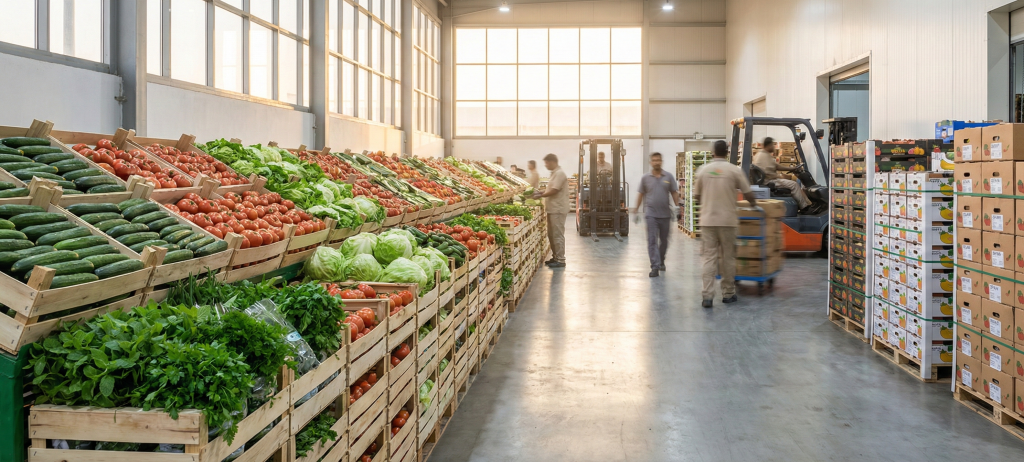
In the UAE, most people buy vegetables without thinking much about where they came from. Tomatoes are tomatoes. Cucumbers are cucumbers. The label might say “local” or list a country of origin, but the real difference is not always obvious.
For restaurant owners, hotel buyers, caterers, and families in Dubai, the question is practical rather than philosophical: does local vs imported vegetables actually affect freshness, taste, cost, and reliability?
The short answer is yes — but not always in the way people expect.
In the UAE, vegetables reach consumers through two main paths:
- Local production, mostly from farms in the Northern Emirates and controlled-environment greenhouses
- Imported supply, coming by air, sea, and land from countries such as Jordan, Egypt, Iran, India, Spain, and the Netherlands
Each system has strengths and weaknesses. Understanding them helps buyers make better choices, reduce waste, and avoid common misconceptions about quality and freshness.
This article looks at how vegetables reach the UAE, what “local” really means in this context, and how imported produce compares in real-world conditions.
What “Local Vegetables” Means in the UAE
In many countries, “local vegetables” means produce grown nearby and sold shortly after harvest. In the UAE, the definition is slightly different because of climate and geography.
Local vegetables typically come from:
- Farms in Al Ain, Ras Al Khaimah, Fujairah, and Sharjah
- Greenhouse and hydroponic operations near urban centers
- Seasonal open-field farms during the cooler months
These farms grow common crops such as:
- Cucumbers
- Tomatoes
- Lettuce
- Eggplant
- Zucchini
- Herbs and leafy greens
Seasonality Matters More Than Location
Local production in the UAE is highly seasonal. The main growing window runs roughly from October to April, when temperatures are mild enough for field crops.
During these months:
- Yields are higher
- Quality is more consistent
- Prices tend to stabilize
- Transport time is short
Outside this window, most local farms rely on greenhouses or reduce output significantly. That means local supply can drop just as demand rises in peak hospitality seasons.
This is why “local” does not automatically mean “always available” or “always cheaper.”
What “Imported Vegetables” Really Involves
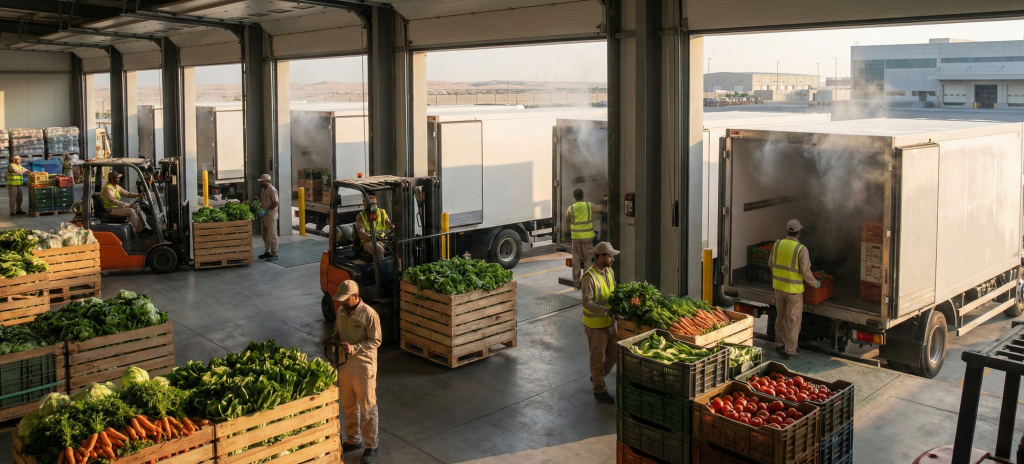
Imported vegetables supply the majority of the UAE market year-round. These vegetables arrive through different routes:
- Air freight for delicate items like berries, herbs, and premium greens
- Sea freight for bulk vegetables such as onions, potatoes, and carrots
- Land transport from nearby countries for fast-moving produce
Imported vegetables often come from regions with cooler or more stable climates. This allows consistent production when UAE farms slow down or stop.
How Vegetables Are Transported
Vegetables are usually harvested before full ripeness, then:
- Pre-cooled
- Packed at source
- Shipped in refrigerated containers
- Cleared through customs
- Distributed to markets and wholesalers
The process is efficient but not instant. Even under good conditions, imported vegetables may be several days old by the time they reach shelves.
That does not mean they are poor quality. Many are grown specifically for export and bred for shelf life and durability.
However, transport time introduces variables:
- Temperature changes
- Handling risks
- Delays at ports or borders
- Moisture loss
These factors influence texture and storage life more than most consumers realize.
Freshness: A Common Point of Confusion
Freshness is often assumed to mean “grown nearby.” In practice, freshness depends on:
- Harvest timing
- Cooling speed
- Storage conditions
- Transport stability
A tomato grown locally but stored poorly can spoil faster than an imported tomato handled under strict cold-chain control.
Likewise, a lettuce head harvested locally in peak winter season may reach the buyer within hours. That same lettuce imported by air could take two or three days.
So freshness is not just about distance. It is about supply chain discipline.
Many buyers confuse:
- “Local” with “just harvested”
- “Imported” with “old”
Both assumptions can be wrong.
Quality: Appearance vs Performance
Imported vegetables are often bred for:
- Uniform size
- Long shelf life
- Thick skins
- Resistance to bruising
Local vegetables are often:
- Softer
- More variable in size
- Less treated for transport
- More sensitive to temperature
In kitchens and households, this creates practical differences:
- Imported onions and potatoes may store longer
- Local leafy greens may wilt faster but taste fresher
- Imported tomatoes may look perfect but feel firm
- Local tomatoes may have softer skins and stronger aroma
Neither is “better” by default. The right choice depends on how quickly the vegetables will be used and how they will be stored.
Why Prices Fluctuate Between Local and Imported Produce
Many buyers expect local vegetables to be cheaper. This is not always true in the UAE.
Local farms face:
- High water costs
- Energy expenses for cooling and greenhouses
- Labor costs
- Seasonal risk from heat and pests
Imported vegetables benefit from:
- Large-scale farming
- Lower land and water costs in origin countries
- Year-round production
- Established export logistics
As a result:
- Local vegetables can be cheaper during peak winter harvest
- Imported vegetables can be cheaper during off-season months
- Prices for both can change weekly depending on weather, shipping, and demand
This explains why tomatoes might be affordable in January and expensive in May — regardless of origin.
Where Consumers and Businesses Often Get Misled
Discussions on food forums and among hospitality buyers show recurring misunderstandings:
- “Imported means low quality.”
- “Local means pesticide-free.”
- “Wholesale is worse than supermarket.”
- “Shorter distance always means fresher.”
In reality:
- Both local and imported vegetables use regulated farming methods
- Both can be high or low quality depending on handling
- Supermarkets and wholesalers often source from the same importers
- Time and temperature matter more than distance alone
These myths lead to poor buying decisions and unnecessary waste.
Seasonal Context: Winter in the UAE
Winter is the most important season for local vegetable supply in the UAE.
During this period:
- Local cucumbers, tomatoes, lettuce, and herbs peak
- Quality improves
- Transport time shortens
- Dependence on imports temporarily decreases
This is also when buyers can best compare:
- Locally grown vs imported vegetables side by side
- Differences in shelf life
- Taste and texture variations
- Cost stability
For many kitchens, winter is when local sourcing becomes most practical.
A Practical Question: Does It Really Matter?
For households, the difference affects:
- How long vegetables last in the fridge
- Whether they soften or dry out
- How often shopping is needed
For businesses, the difference affects:
- Consistency of supply
- Kitchen waste
- Menu planning
- Cost control
The question is not “local or imported?”
It is “which works better for this use, at this time of year?”
Understanding that distinction is what separates casual buying from professional sourcing.
How Supply Chains Shape Reliability
For most buyers, reliability matters as much as quality. A tomato that tastes good is less useful if it is unavailable the next week.
Local supply chains in the UAE are short:
- Farm to market can take less than a day
- Fewer border controls
- Fewer handling points
This reduces transport damage and speeds delivery. However, local farms are exposed to:
- Sudden temperature changes
- Water shortages
- Pest outbreaks
- Limited crop diversity
Imported supply chains are longer but often more predictable:
- Production is planned months in advance
- Volumes are contract-based
- Multiple countries supply the same crop
- Storage systems are standardized
This is why many professional buyers use both sources.
They rely on:
- Local vegetables when in season
- Imports for consistency when local output drops
This mix helps reduce risk from weather, shortages, and price spikes.
Why Restaurants Rarely Choose Only One Source
In hospitality kitchens, produce is not just food. It is inventory.
Chefs and procurement managers look for:
- Stable size and shape
- Predictable shelf life
- Consistent weekly volumes
A restaurant may use:
- Local lettuce in winter
- Imported lettuce in summer
- Imported onions year-round
- Local herbs when available
This is not about loyalty to origin. It is about operational control.
In practice, suppliers working closely with Dubai-based distributors such as JMB Farm Fresh often observe that kitchens prefer flexibility over strict sourcing rules. They want the option to switch based on season and quality, not marketing labels.
How Vegetables Are Transported (And Why It Matters)
Transport affects vegetables in ways most consumers never see.
Local Transport
Local vegetables usually travel by:
- Refrigerated trucks
- Overnight or same-day delivery
- Simple packing
The risks are:
- Heat exposure during loading
- Traffic delays
- Limited cooling time
Imported Transport
Imported vegetables are transported by:
- Air freight (fast, expensive)
- Sea freight (slow, stable)
- Refrigerated containers
They are:
- Harvested earlier
- Treated to reduce moisture loss
- Packed in export-grade materials
The tradeoff is:
- Longer time between harvest and sale
- Greater need for cold storage
- Higher handling complexity
Neither system is perfect. Both depend heavily on how well temperature and humidity are controlled.
Taste and Texture: What Buyers Actually Notice
Most people notice three things:
- Firmness
- Smell
- Shelf life
Local vegetables often:
- Smell stronger
- Feel softer
- Wilt faster
Imported vegetables often:
- Feel firmer
- Look more uniform
- Store longer
For salads and raw dishes, local produce can feel fresher when in season.
For cooking and storage, imported produce can be more forgiving.
This explains why:
- Local cucumbers are popular in winter
- Imported onions dominate year-round
- Imported carrots are preferred for storage
- Local herbs are chosen for aroma
These patterns are practical, not ideological.
Common Buying Mistakes
Across households and businesses, similar mistakes appear again and again.
Mistake 1: Judging by Origin Alone
Buyers assume:
- Local equals better
- Imported equals worse
They ignore:
- Harvest date
- Storage method
- Transport conditions
A fresh import can outperform a poorly handled local crop.
Mistake 2: Overbuying in Peak Season
When local vegetables flood the market in winter, prices fall. Buyers often stock up.
This leads to:
- Overstocking
- Higher spoilage
- Hidden waste costs
Lower price does not help if half the produce is discarded.
Mistake 3: Ignoring Storage Needs
Some vegetables need:
- High humidity (leafy greens)
- Low humidity (onions)
- Cool temperatures (broccoli)
- Dry conditions (potatoes)
Mixing storage conditions shortens shelf life for both local and imported produce.
How to Judge Freshness Without Labels
Rather than focusing only on “local vs imported,” experienced buyers check:
- Firmness: soft spots signal breakdown
- Smell: sour or fermented smell means decay
- Cut ends: dry and dark ends show age
- Leaf condition: limp leaves indicate moisture loss
- Skin texture: wrinkles show dehydration
These signs matter more than country of origin.
Wholesale vs Retail: A Related Misunderstanding
Many people believe supermarket vegetables are better than wholesale market vegetables.
In reality:
- Both often come from the same importers
- Both depend on cold storage
- Both are affected by turnover speed
The difference is:
- Supermarkets sort and display
- Wholesale moves larger volumes faster
Fast turnover can mean fresher produce, not worse.
This is why some catering businesses prefer wholesale channels even when quality looks similar.
The Role of Seasonality in Buying Decisions
In the UAE, seasonality is not just agricultural. It affects demand.
Winter brings:
- Tourism
- Outdoor dining
- Event catering
- Higher vegetable consumption
This raises demand at the same time local supply increases.
The result is:
- Better quality
- More choice
- Shorter supply chains
Summer brings:
- Lower local output
- Greater reliance on imports
- Higher cooling costs
- More fragile logistics
This is when supply planning becomes more important than origin.
Real-World Scenario: Two Buyers, Two Outcomes
Buyer A insists on local vegetables year-round.
In summer, they face:
- Limited supply
- Higher prices
- Inconsistent sizes
- Short shelf life
Waste increases.
Buyer B adjusts by season.
In winter, they buy local cucumbers and herbs.
In summer, they switch to imported equivalents.
They see:
- More stable stock
- Less spoilage
- Fewer menu changes
Neither approach is wrong, but one is more flexible.
Practical Takeaways So Far
- Local vegetables shine in winter
- Imported vegetables support consistency
- Freshness depends on handling, not just distance
- Mixing sources reduces risk
- Storage matters as much as sourcing
The next section looks deeper at how households and businesses can balance quality and cost, and how to decide which vegetables benefit most from being local or imported.
Which Vegetables Benefit Most From Local Sourcing?
Not every vegetable gains the same advantage from being grown nearby.
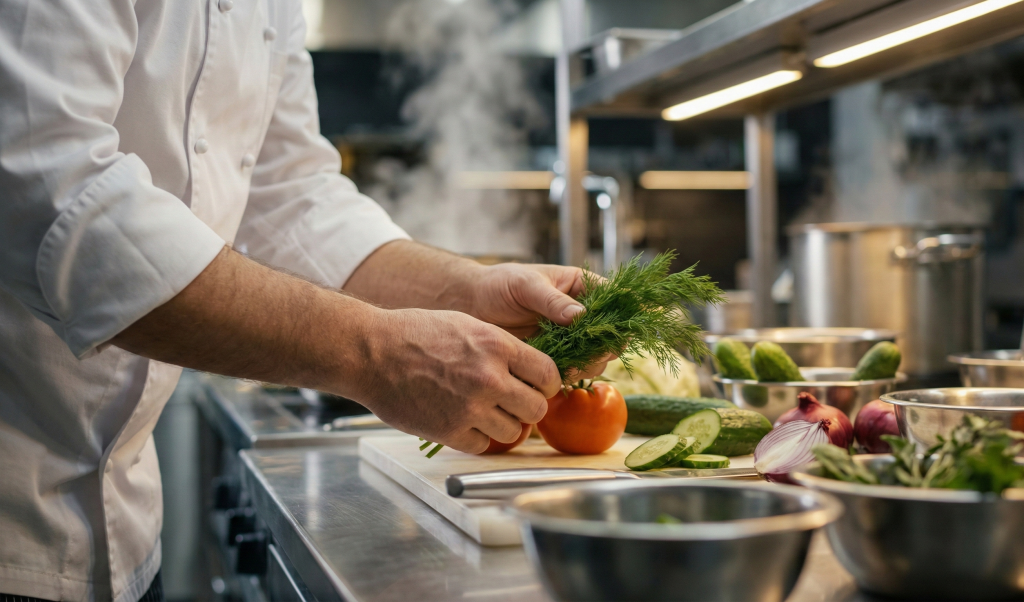
Local sourcing works best for vegetables that:
- Lose moisture quickly
- Bruise easily
- Are usually eaten raw
- Have short natural shelf life
These include:
- Lettuce and leafy greens
- Fresh herbs
- Cucumbers
- Zucchini
- Soft tomatoes
When these crops are grown locally in winter, they often arrive with better texture and aroma.
Local sourcing is less critical for vegetables that:
- Have thick skins
- Store naturally for weeks
- Are usually cooked
- Are harvested mature
These include:
- Potatoes
- Onions
- Carrots
- Cabbage
- Pumpkins
For these, imported supply can be just as effective, especially when storage is well managed.
Cost vs Waste: The Hidden Calculation
Many buyers focus only on price per kilo. This ignores spoilage.
A cheaper vegetable that spoils faster can cost more in the long run.
For example:
- Local lettuce at a low price but lasting two days
- Imported lettuce at a higher price but lasting five days
The second option may reduce waste and labor, even if it costs more upfront.
Professional buyers tend to calculate:
- Purchase cost
- Shelf life
- Storage space
- Labor handling
- Disposal losses
This is why some kitchens pay more for stable imported produce during hot months.
How Households Can Use This Knowledge
Families in Dubai can apply the same logic as restaurants.
In winter:
- Buy local cucumbers, tomatoes, and herbs
- Expect better flavor
- Shop more frequently
In summer:
- Choose firmer imported vegetables
- Buy smaller amounts
- Store leafy greens separately
Simple habits help:
- Do not wash vegetables before storage
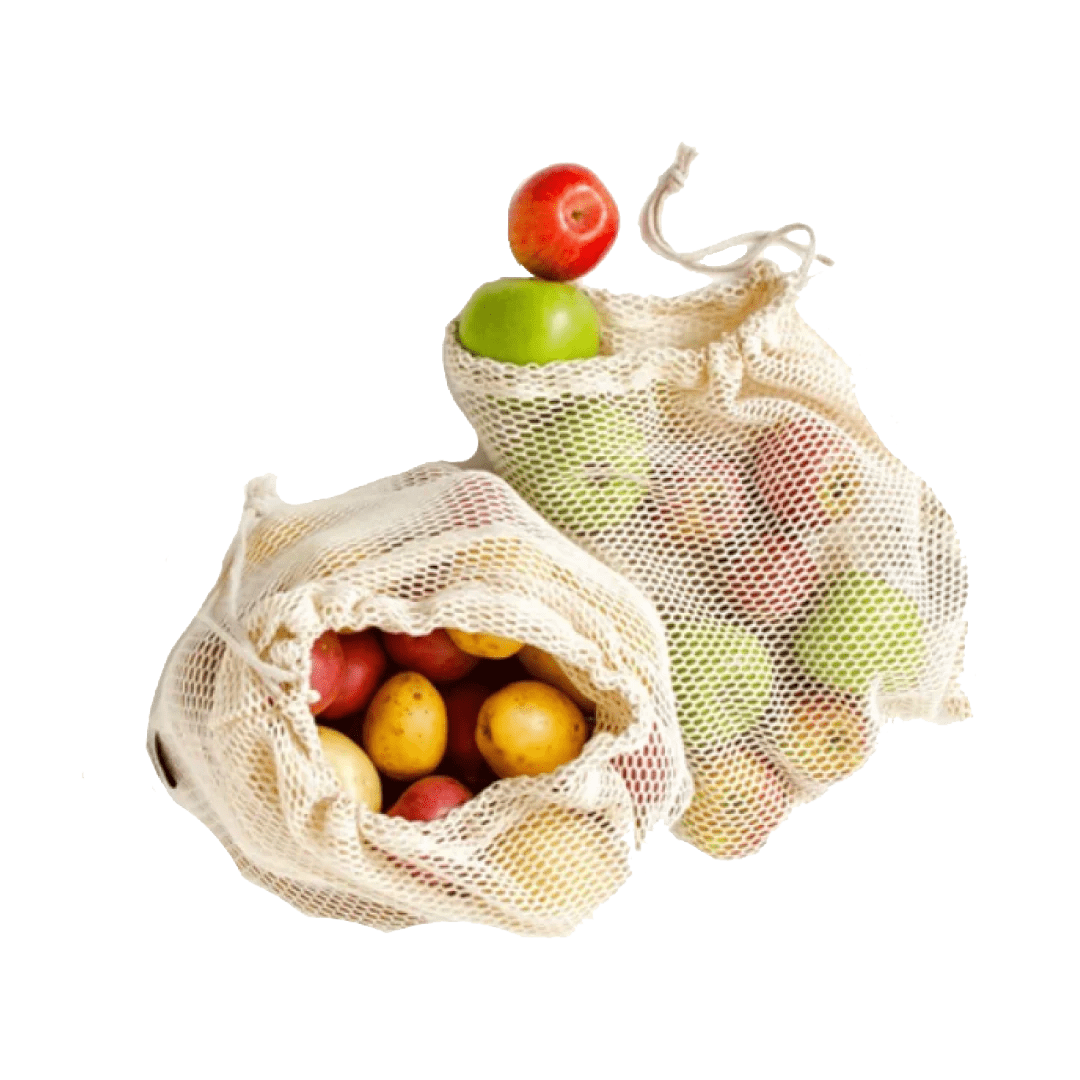
- Use breathable bags for greens
- Keep onions and potatoes dry
- Avoid mixing ethylene-producing items (like tomatoes) with leafy vegetables
These steps extend shelf life regardless of origin.
How Businesses Can Reduce Risk
For catering companies, hotels, and grocery buyers, the challenge is consistency.
Effective sourcing strategies usually involve:
- Seasonal switching between local and imported
- Multiple supplier relationships
- Monitoring waste weekly
- Adjusting menu items based on supply stability
Rather than building menus around origin labels, many operations build menus around:
- Available volume
- Storage capacity
- Preparation speed
- Price stability
This approach reduces last-minute substitutions and delivery failures.
The Environmental Question
Local vegetables travel fewer kilometers. Imported vegetables travel farther but may come from regions with lower water and energy costs.
This creates a complex picture:
- Local farms may use more water per kilo
- Imports may use more fuel per shipment
- Greenhouses use electricity
- Open-field farms use land and climate
There is no simple answer.
From a practical standpoint, reducing food waste often has a bigger environmental impact than choosing origin alone.
A vegetable that spoils unused has already consumed water, fuel, and labor with no benefit.
A Balanced View of the Supply System
The UAE’s vegetable supply depends on both:
- Domestic farming
- International trade
Neither replaces the other.
Local farms provide:
- Seasonal freshness
- Shorter supply chains
- Food security during peak season
Imported supply provides:
- Stability
- Year-round availability
- Crop diversity
Some UAE buyers prefer working with established wholesale produce providers rather than fragmented retail sourcing, as this allows better planning across both local and imported categories.
This balanced system is what keeps vegetables on shelves during heatwaves, shipping delays, and seasonal transitions.
Conclusion: Does It Really Matter?
Yes — but not in the way most people think.
Local vs imported vegetables is not a moral choice or a quality guarantee.
It is a logistics question.
The real factors are:
- Season
- Handling
- Storage
- Speed to market
- Intended use
Local vegetables can be excellent during winter.
Imported vegetables can be reliable during summer.
Smart buyers focus on:
- Reducing waste
- Matching vegetables to use
- Adjusting to season
- Judging freshness directly
In the UAE, where climate shapes agriculture more than distance, flexibility matters more than labels.
FAQ
1. Are local vegetables always fresher in the UAE?
Not always. Freshness depends on harvest timing and storage, not just distance. A well-handled import can be fresher than a poorly stored local crop.
2. Why do imported vegetables sometimes last longer?
They are often bred and packed for transport, with thicker skins and controlled cooling, which extends shelf life.
3. Are imported vegetables lower quality?
No. Quality depends on farming and handling. Many imported vegetables meet strict export standards and arrive in good condition.
4. When is the best time to buy local vegetables in Dubai?
Winter months, roughly from October to April, when temperatures allow higher local production.
5. Should restaurants avoid mixing local and imported produce?
No. Most professional kitchens use both to balance cost, availability, and consistency.








 Home
Home  Whishlist
  Compare
  Checkout