












Introduction: Why Soursop Is Suddenly Everywhere in Dubai
Walk into a high-end grocery store in Dubai or scroll through exotic fruit listings online, and one name keeps appearing: soursop.
Also known as graviola or guanabana, this spiky green fruit has built a strong reputation globally—especially around claims tied to health benefits. In the UAE, demand has quietly grown over the past few years, driven by:
- Health-conscious consumers
- Restaurants experimenting with tropical menus
- Juice bars and wellness cafés
- Families exploring alternative fruits
But there’s a gap between what people hear about soursop and what actually matters when buying it in Dubai.
Is it truly worth the price and effort?
Or is it another imported fruit that sounds better than it performs?
This article breaks it down from a supply and buyer perspective—without hype.
What Is Soursop (Graviola / Guanabana)?
4
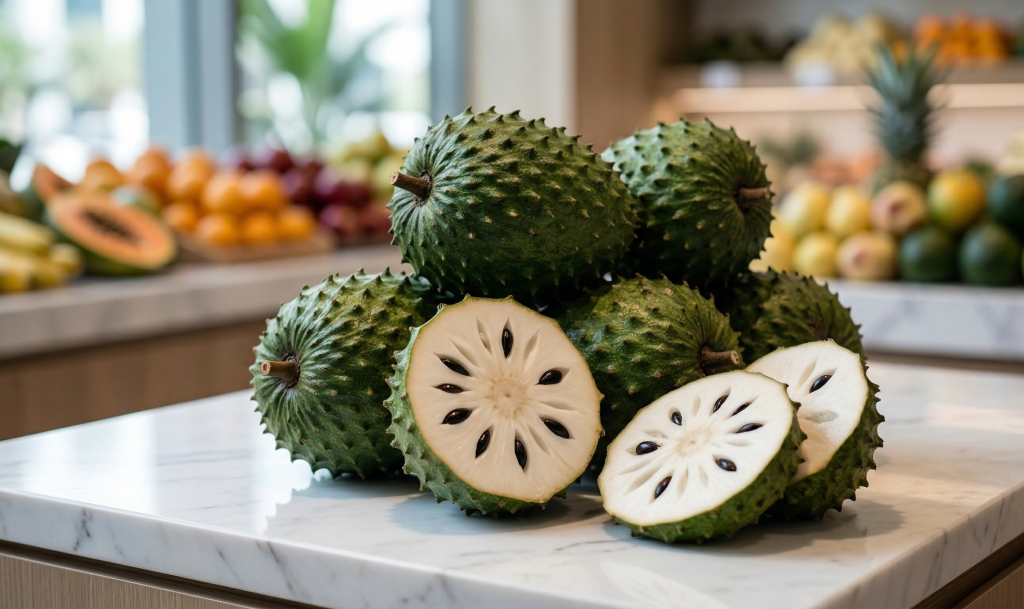
Soursop is a tropical fruit native to Central and South America, now also cultivated in parts of Southeast Asia.
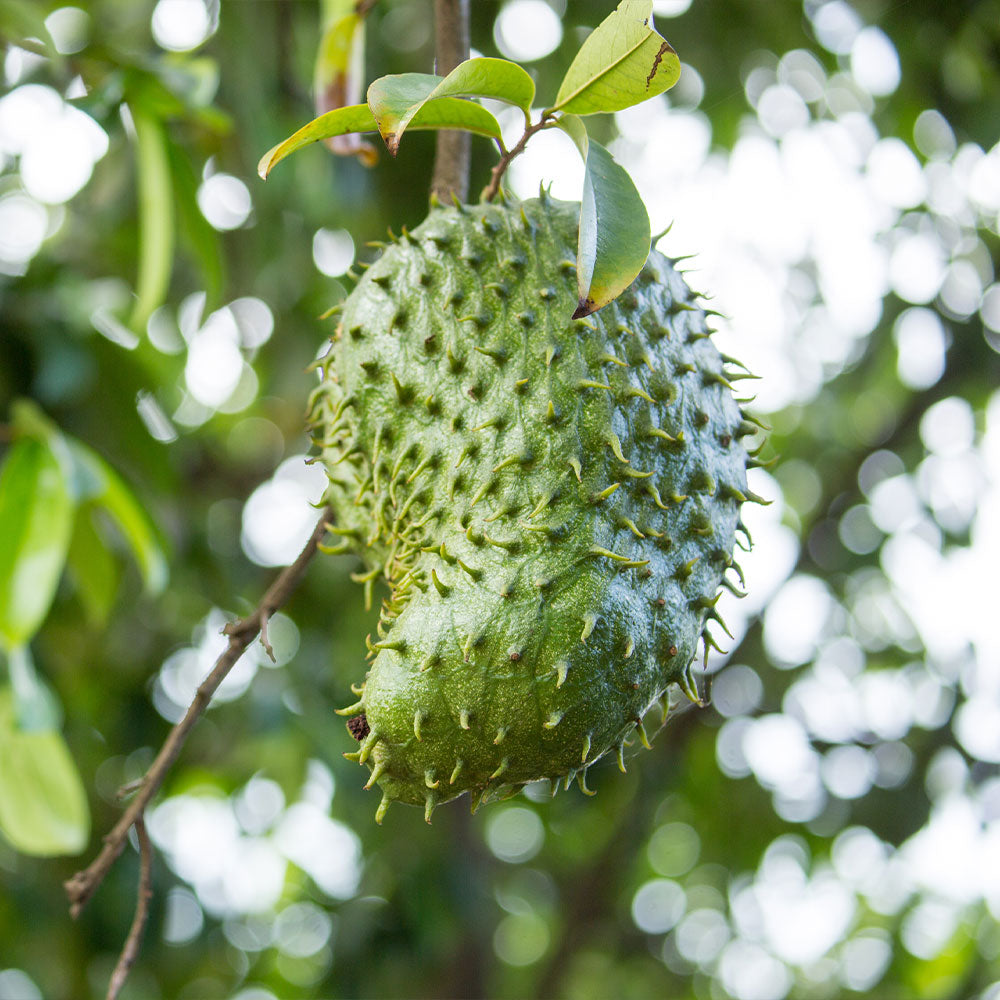
It’s easy to recognize:
- Green skin with soft spikes
- Soft, white fibrous flesh inside
- Large black seeds
- A strong, mixed flavor—often described as a blend of pineapple, strawberry, and citrus
Why It’s Gaining Attention in the UAE
The interest in soursop Dubai markets isn’t random.
It sits at the intersection of three growing trends:
- Exotic fruit curiosity
- Functional foods (foods linked to health benefits)
- Social media-driven discovery
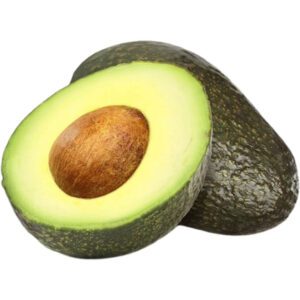
Unlike dragon fruit or avocado, soursop is still unfamiliar to many buyers—which creates both opportunity and confusion.
The “Cancer-Fighting” Claim — What Buyers Should Understand
This is where most conversations around soursop begin—and where most misunderstandings happen.
You’ll often see it described as a “cancer-fighting fruit.” That claim comes from early laboratory studies on compounds found in soursop (called acetogenins).
But here’s the practical reality:
- These studies are mostly lab-based, not real-world clinical outcomes
- Eating the fruit is not the same as controlled medical use
- No major health authority recommends soursop as a treatment
For buyers in Dubai—especially families or F&B operators—this matters.
Why This Confusion Affects Purchasing Decisions
In real supply conversations, this leads to:
- Overpaying based on perceived “medical value”
- Stocking it for menus without understanding actual demand
- Expecting repeat purchases that don’t happen
Experienced buyers treat soursop as:
A nutritionally interesting tropical fruit, not a medical solution.
This shift in mindset leads to better decisions.
How Soursop Actually Performs as a Fruit
Let’s step away from health claims and focus on what matters in kitchens, homes, and businesses.
Taste and Use Cases
Soursop has a strong, slightly sour-sweet flavor that works best in:
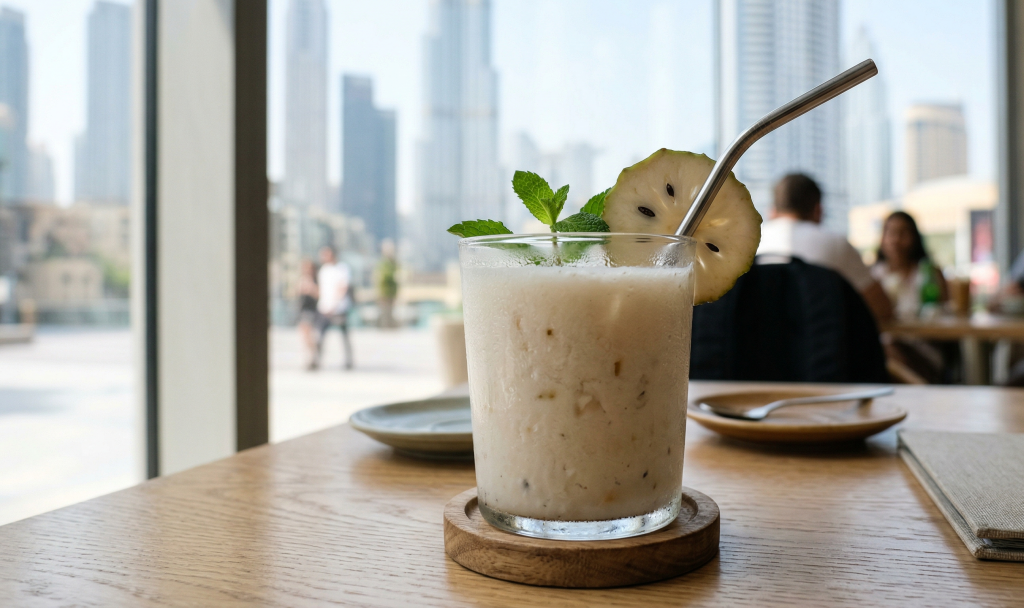
- Fresh juices and smoothies
- Desserts (ice cream, sorbet, custards)
- Light sauces or tropical pairings
It is rarely eaten like an apple or banana. The texture is soft and fibrous, which limits direct consumption.
Shelf Life Reality
This is one of the biggest surprises for first-time buyers.
- Very short shelf life once ripe
- Bruises easily during transport
- Quality drops quickly after cutting
In Dubai’s climate, this becomes even more critical.
Without proper storage:
- The fruit can go from perfect to overripe within 1–2 days
- Internal browning may appear even if the outside looks fine
Yield vs Waste
Compared to more stable fruits:
- A significant portion is seeds and fiber
- Edible yield is lower than expected
- Improper handling increases waste
For restaurant buyers and caterers, this directly affects cost efficiency.
Where Does Soursop in Dubai Come From?
4
Unlike some fruits that have local or regional supply, soursop is almost entirely imported into the UAE.
Common sourcing regions include:
- Thailand
- Vietnam
- Malaysia
- Parts of South America
What This Means for Buyers
Imported fruits behave differently from locally sourced produce.
Key factors include:
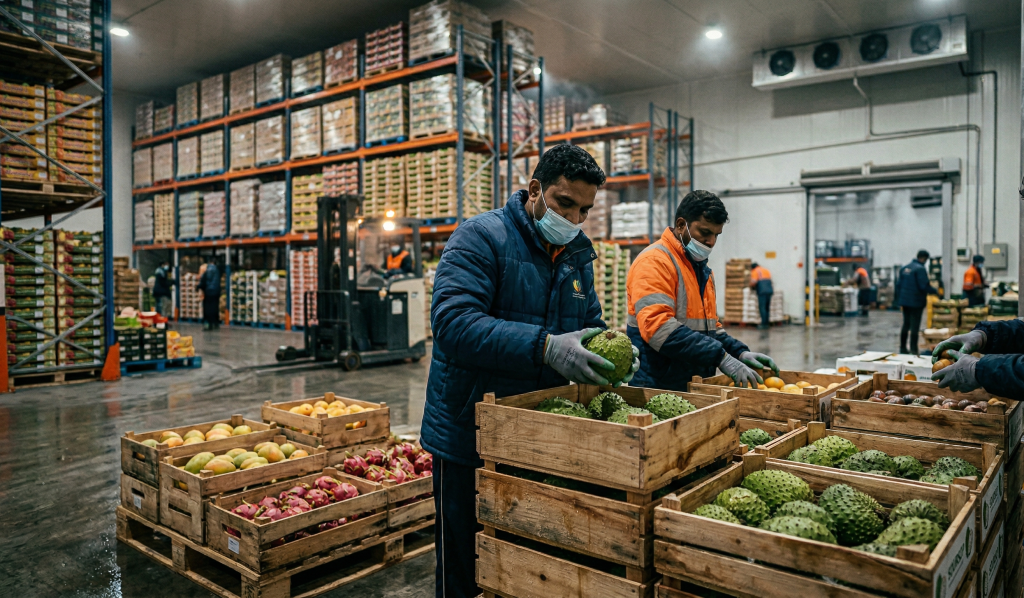
1. Transit Time
- Several days from harvest to shelf
- Ripeness is managed artificially
2. Cold Chain Sensitivity
- Temperature fluctuations affect texture and flavor
- Breaks in cold storage reduce shelf life
3. Batch Inconsistency
- Quality varies shipment to shipment
- Same supplier, different results
In practice, suppliers working closely with Dubai-based distributors such as JMB Farm Fresh often observe that exotic fruits like soursop require tighter handling than standard imports.
Why Prices Fluctuate More Than Expected
One of the most common questions from buyers searching for buy soursop UAE is:
“Why is the price so inconsistent?”
The answer is not simple—but it is predictable.
Main Drivers of Price Changes
1. Supply Volume
- Limited farms compared to mainstream fruits
- Seasonal peaks in producing countries
2. Freight Costs
- Air freight vs sea freight decisions
- Fuel prices and logistics availability
3. Damage Rates
- Higher spoilage during transport
- Loss factored into pricing
4. Demand Spikes
- Sudden popularity due to trends or health discussions
Real-World Impact
For a restaurant or grocery buyer:
- Prices can shift weekly
- Availability may disappear suddenly
- Consistency is harder to maintain
This is why many experienced buyers treat soursop as:
A rotational or occasional fruit, not a core inventory item.
Retail vs Wholesale: A Common Misunderstanding
Many first-time buyers assume:
“If I buy wholesale, I’ll always get better quality.”
That’s not always true—especially for fragile fruits like soursop.
Retail Advantages
- Pre-selected, visually appealing fruits
- Lower risk for small quantities
- Easier for household buyers
Wholesale Advantages
- Better for bulk usage (if managed properly)
- Access to fresher batches (sometimes closer to arrival)
- More control over ripeness selection
Where Buyers Go Wrong
- Buying in bulk without understanding shelf life
- Not having proper storage systems
- Treating soursop like durable fruits (e.g., apples, oranges)
This leads to:
- Waste
- Inconsistent quality in dishes
- Higher effective cost
When Does It Make Sense to Buy Soursop in Dubai?
Not every buyer needs soursop.
But in certain cases, it makes strong sense.
Good Fit Scenarios
- Juice bars offering tropical blends
- Restaurants testing seasonal or limited menus
- Health-focused cafés with informed customers
- Households experimenting occasionally
Poor Fit Scenarios
- High-volume kitchens needing consistency
- Long storage requirements
- Buyers expecting daily repeat demand
Understanding this difference is what separates efficient sourcing from costly experimentation.
How to Judge Soursop Quality Before You Buy
For a fruit that travels long distances and ripens quickly, visual inspection alone is not enough.
Experienced buyers in soursop Dubai supply chains rely on a mix of touch, timing, and context.
1. Look Beyond Color
Many assume greener means fresher. With soursop, that’s misleading.
- Bright green → often unripe
- Slight yellowing → approaching ripeness
- Dull or patchy skin → possible overripeness or damage
Color helps—but it’s not the deciding factor.
2. Use Gentle Pressure
A good soursop should feel:
- Slightly soft when pressed
- Not mushy
- Not rock hard
Too firm → not ready
Too soft → already declining
This “window” is narrow, which is why timing matters more than appearance.
3. Check the Spikes
The small spikes on the skin tell a quiet story.
- Fresh fruit → spikes are firm and slightly flexible
- Aging fruit → spikes soften and flatten
This is one of the simplest indicators buyers often overlook.
4. Smell (If Possible)
Ripe soursop has a mild, sweet aroma.
- No smell → likely unripe
- Sour or fermented smell → too late
In wholesale environments, this step is often skipped due to packaging—but it remains useful in retail settings.
The Biggest Mistakes Buyers Make With Soursop
Across restaurants, grocery buyers, and households, the same patterns repeat.
Mistake 1: Buying Too Much at Once
Because of short shelf life, bulk buying without planning leads to:
- Rapid spoilage
- Unused inventory
- Financial loss
Mistake 2: Storing It Like Regular Fruit
Soursop is not apples or citrus.
Incorrect storage:
- Fridge too early → affects ripening
- Room temperature too long → overripening
Proper approach:
- Let it ripen outside
- Refrigerate only when ready to consume
Mistake 3: Expecting Consistent Flavor
Unlike standardized fruits, soursop varies widely:
- Sweetness differs batch to batch
- Texture changes depending on handling
- Imported origins influence taste
This inconsistency surprises many first-time buyers.
Mistake 4: Buying Based on Hype
The “cancer-fighting” narrative often leads to:
- Emotional purchasing
- Ignoring practical factors (taste, usage, shelf life)
Over time, this results in reduced repeat demand.
Seasonal Patterns: When Is Soursop Available in the UAE?
Unlike fruits with clear local seasons, soursop availability in the UAE depends on import cycles.
General Availability Pattern
- Intermittent throughout the year
- Peaks when Southeast Asian supply is strong
- Gaps during low harvest or logistics disruptions
Winter vs Summer Context in the UAE
Winter (Nov–Feb):
- Better conditions for handling and storage
- Higher demand for exotic fruits
- Slightly more stable quality
Summer (May–Aug):
- Heat increases spoilage risk
- Cold chain becomes critical
- Quality inconsistencies more noticeable
For buyers, this means:
The same fruit behaves differently depending on the season—even if sourced from the same region.
How Restaurants and Cafés Actually Use Soursop
In real F&B environments, soursop is rarely a “mainstream” ingredient.
Instead, it’s used strategically.
Common Applications
- Limited-time drinks
- Signature tropical juices
- Dessert flavoring
- Niche menu items
Why It’s Not a Core Ingredient
- Hard to maintain consistent supply
- Flavor variation affects standardization
- Short shelf life complicates operations
Most experienced chefs treat it as:
A feature ingredient, not a staple.
Household Buyers vs Business Buyers: Different Realities
Understanding this difference helps avoid poor decisions.
Household Buyers
Typically:
- Buy 1–2 pieces
- Consume within a day or two
- Experiment with taste
Main concern:
- “Is it fresh and worth trying?”
Business Buyers
Typically:
- Buy in bulk (if at all)
- Need consistency
- Care about yield and cost
Main concerns:
- Waste percentage
- Customer acceptance
- Menu reliability
Imported Exotic Fruits vs Local Produce: A Practical Comparison
Soursop sits in a broader category: imported exotic fruits.
Advantages
- Unique flavor profile
- Premium perception
- Differentiation for menus
Tradeoffs
- Higher cost variability
- Shorter shelf life
- Supply inconsistency
- Greater dependency on logistics
Why Many Buyers Balance Both
Instead of choosing one over the other, experienced buyers:
- Use local produce for stability
- Use exotic fruits like soursop for variety
This balance reduces risk while keeping offerings interesting.
A Quiet Shift in Buyer Behavior in Dubai
Over the past few years, there has been a noticeable shift.
Buyers are becoming:
- More informed
- Less influenced by trends
- More focused on practical value
This applies strongly to products like graviola Dubai or guanabana fruit Dubai searches.
Rather than asking:
“Is this fruit powerful or special?”
Buyers are now asking:
“Does this make sense for how I actually use it?”
That shift leads to better outcomes.
Is Soursop Actually Worth Buying in Dubai?
The answer depends less on the fruit itself—and more on how you plan to use it.
Soursop is not a “must-have” fruit in the UAE. It is not essential for kitchens, nor is it a reliable daily staple. But it does have a place when approached correctly.
When It Is Worth Buying
Soursop makes sense when:
- You understand its short shelf life
- You plan to consume or use it quickly
- You are comfortable with some variation in taste and texture
- You are buying for a specific purpose (juice, dessert, testing menu ideas)
For these use cases, it offers something different—both in flavor and presentation.
When It Is Not Worth Buying
It becomes impractical when:
- You expect consistency across batches
- You need long storage
- You are buying based on perceived health claims alone
- You plan to use it in large volumes without controlled handling
In these cases, the risks outweigh the benefits.
A Practical Buying Framework for Soursop in the UAE
For buyers searching terms like buy soursop UAE or exotic fruits delivery UAE, a simple framework helps avoid mistakes.
Step 1: Define the Purpose
Ask:
- Is this for tasting, menu testing, or regular use?
If the purpose is unclear, the purchase often becomes wasteful.
Step 2: Start Small
Especially for first-time buyers:
- Buy 1–2 fruits
- Test ripening and usage
- Observe how quickly quality changes
This gives real insight before scaling.
Step 3: Time the Purchase
Because of short shelf life:
- Buy when you can use it within 24–48 hours
- Avoid stocking it in advance
Timing matters more than price.
Step 4: Choose the Right Source
Not all suppliers handle exotic fruits equally.
In practice, some UAE buyers prefer working with established distributors rather than fragmented retail sourcing, as handling and storage standards tend to be more consistent. Suppliers connected to structured distribution networks—including those working alongside companies like JMB Farm Fresh—often manage fragile imports with tighter processes.
This does not guarantee perfection, but it reduces risk.
The Reality of Exotic Fruit Demand in Dubai
There is a pattern seen repeatedly across imported fruits.
Initial Phase
- High curiosity
- Strong first-time purchases
- Social media-driven demand
Adjustment Phase
- Buyers understand limitations
- Repeat purchases become selective
- Demand stabilizes
Long-Term Pattern
- Becomes a niche but steady product
- Used intentionally, not impulsively
Soursop is currently somewhere between the second and third phase in Dubai.
Final Perspective: Beyond the Hype
Soursop is neither a miracle fruit nor a poor choice.
It sits in a middle ground:
- Interesting, but not essential
- Valuable, but situational
- Attractive, but operationally demanding
For informed buyers, this is enough.
For uninformed buyers, this often leads to disappointment.
Key Takeaways
- Soursop in Dubai is entirely import-dependent, which affects quality and price
- Shelf life is short—timing is critical
- Health claims are often overstated and misunderstood
- Best used as a niche or occasional fruit, not a staple
- Buying decisions should be based on usage, not hype
Frequently Asked Questions (FAQ)
1. What does soursop taste like?
It has a sweet-sour flavor, often compared to a mix of pineapple and strawberry with a creamy texture.
2. Is soursop available year-round in Dubai?
It is available intermittently through imports, but supply and quality vary depending on season and logistics.
3. How long does soursop last after buying?
Once ripe, it typically lasts 1–2 days before quality declines.
4. Can soursop be stored in the fridge?
Yes, but only after it ripens. Refrigerating too early can affect texture and flavor.
5. Is soursop actually “cancer-fighting”?
There is no reliable clinical evidence supporting this claim in real-world human use. It should be treated as a fruit, not a treatment.








 Home
Home  Whishlist
  Compare
  Checkout