













Introduction: What Really Happens to Fresh Produce in UAE Summers
Every year, as temperatures in the UAE move past 40°C, the same pattern repeats.
Buyers—whether households, restaurant kitchens, or small grocery operators—notice the same issues:
- Vegetables wilt within a day
- Fruits overripen faster than expected
- Refrigerators seem “full” but still fail to preserve quality
- Waste quietly increases
What is often misunderstood is this:
The problem is not just heat. It is the combination of heat, humidity, handling, and storage habits.
From a supply perspective, produce entering Dubai during summer has already experienced:
- Long transit under fluctuating temperatures
- Multiple handling points (farm → packhouse → logistics → distribution → retail)
- Exposure to ambient heat during last-mile delivery
By the time it reaches your kitchen, its shelf life is already partially consumed.
This is why learning how to store fresh vegetables in UAE summer heat is not just a home concern—it is a cost, consistency, and planning issue across the entire food chain.
Why Some Fruits and Vegetables Fail Faster in UAE Heat
The Hidden Factor: “Respiration Rate”
Fresh produce is still alive after harvest. It continues to “breathe” (respire), consuming oxygen and releasing carbon dioxide.
In high temperatures:
- Respiration speeds up
- Ripening accelerates
- Water loss increases
This leads to:
- Soft texture
- Loss of flavor
- Visible spoilage
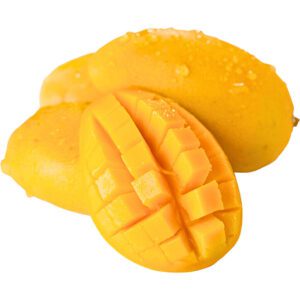
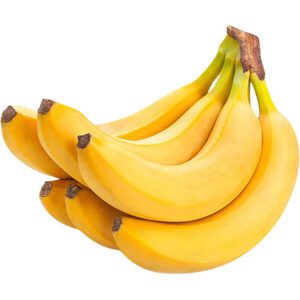
Fruits like bananas, mangoes, and papayas have high respiration rates, which is why they deteriorate quickly in UAE conditions.
Vegetables like spinach and coriander are even more sensitive—they lose moisture rapidly and collapse within hours if not cooled properly.
The Cold Chain Reality in Dubai
Many buyers assume refrigeration at home is enough.
But what matters more is whether the produce was consistently cooled before it reached you.
Breaks in the cold chain (temperature-controlled storage and transport) can happen:
- During unloading at markets
- In delivery vans without proper insulation
- In retail displays
Once this chain is broken—even briefly—the shelf life drops significantly.
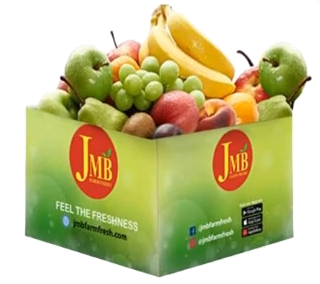
In practice, suppliers working closely with Dubai-based distributors such as JMB Farm Fresh often observe that produce handled consistently under controlled temperatures lasts noticeably longer—even under identical home storage conditions.
What Buyers Often Get Wrong (Across Homes and Businesses)
1. “Fresh-looking” does not mean “long-lasting”
A common mistake is judging produce only by appearance.
- Bright green leaves may already be dehydrating internally
- Firm fruits may be close to peak ripeness
In UAE summers, visual freshness can be misleading.
2. Overbuying in a Weekly Cycle
Many households and even small cafés still follow a weekly buying pattern.
In cooler climates, this works.
In UAE summer:
- Day 1–2: Optimal quality
- Day 3–4: Noticeable decline
- Day 5–7: Waste
This is one of the biggest contributors to hidden food cost.
3. Mixing Ethylene Producers and Sensitive Produce
Some fruits release a natural gas called ethylene, which speeds up ripening.
Common high ethylene producers:
- Bananas
- Apples
- Mangoes
Sensitive items:
- Leafy greens
- Cucumbers
- Herbs
Storing them together accelerates spoilage—something many kitchens overlook.
The Fruits That Actually Survive UAE Summer Kitchens
Not all produce behaves the same in heat. Some fruits are naturally more resilient due to thicker skin, lower respiration rates, or internal structure.
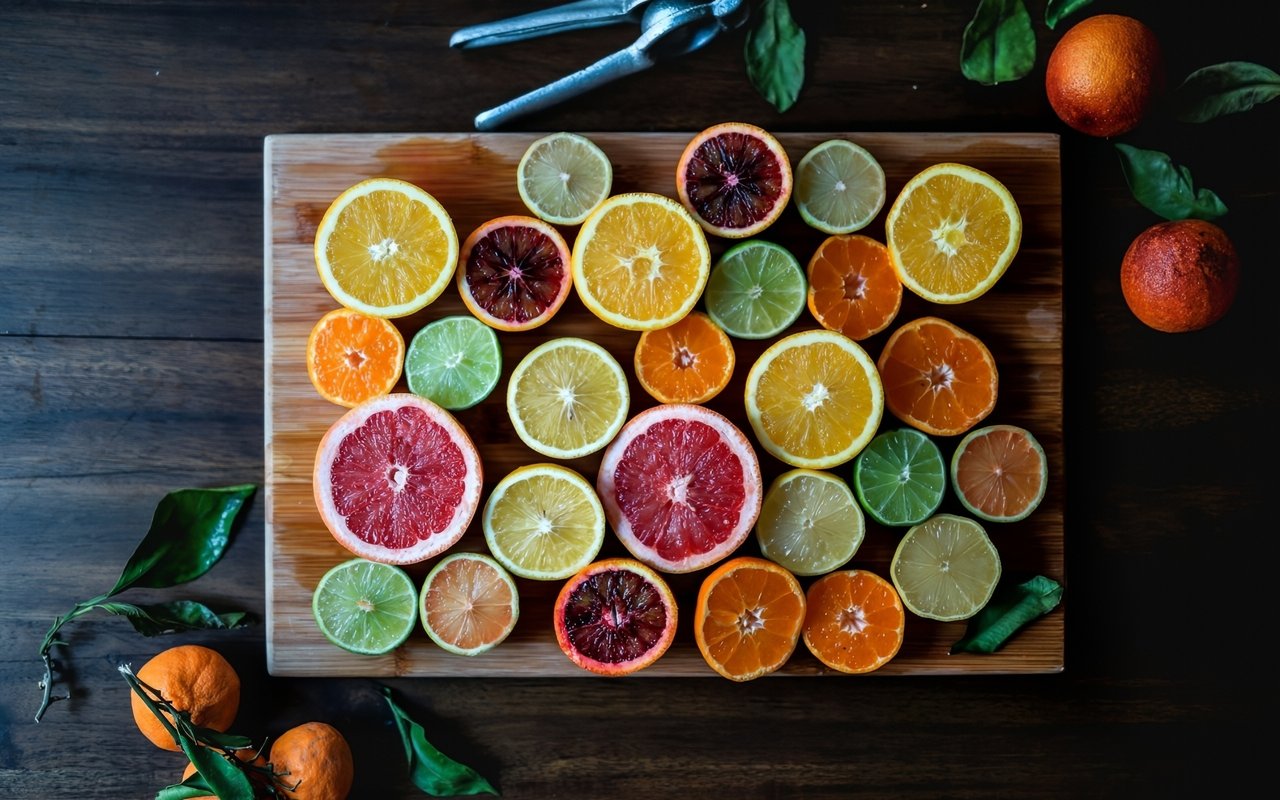
1. Citrus Fruits (Oranges, Lemons, Grapefruit)
4
Citrus fruits are among the most stable options during summer.
Why they last longer:
- Thick protective skin
- Lower moisture loss
- Slower ripening cycle
In practice:
- Can last 2–3 weeks in refrigeration
- Even longer if stored dry and unwashed
They are also widely used in UAE kitchens, making them both practical and low-risk.
2. Apples (Especially Imported Varieties)

4
Apples are a staple for a reason.
Why they perform well:
- Naturally low respiration rate
- Designed (through storage methods) for long shelf life
- Tolerate transport stress better than most fruits
However, they must be:
- Kept refrigerated
- Stored away from sensitive vegetables
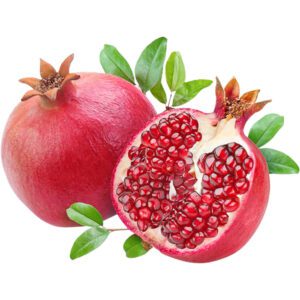
3. Pomegranates

4
Pomegranates are highly underrated in summer storage discussions.
Advantages:
- Thick outer skin protects internal seeds
- Low susceptibility to rapid spoilage
- Can last weeks when kept cool
They are especially useful for:
- Hotels
- Catering operations
- Households aiming to reduce frequent shopping trips
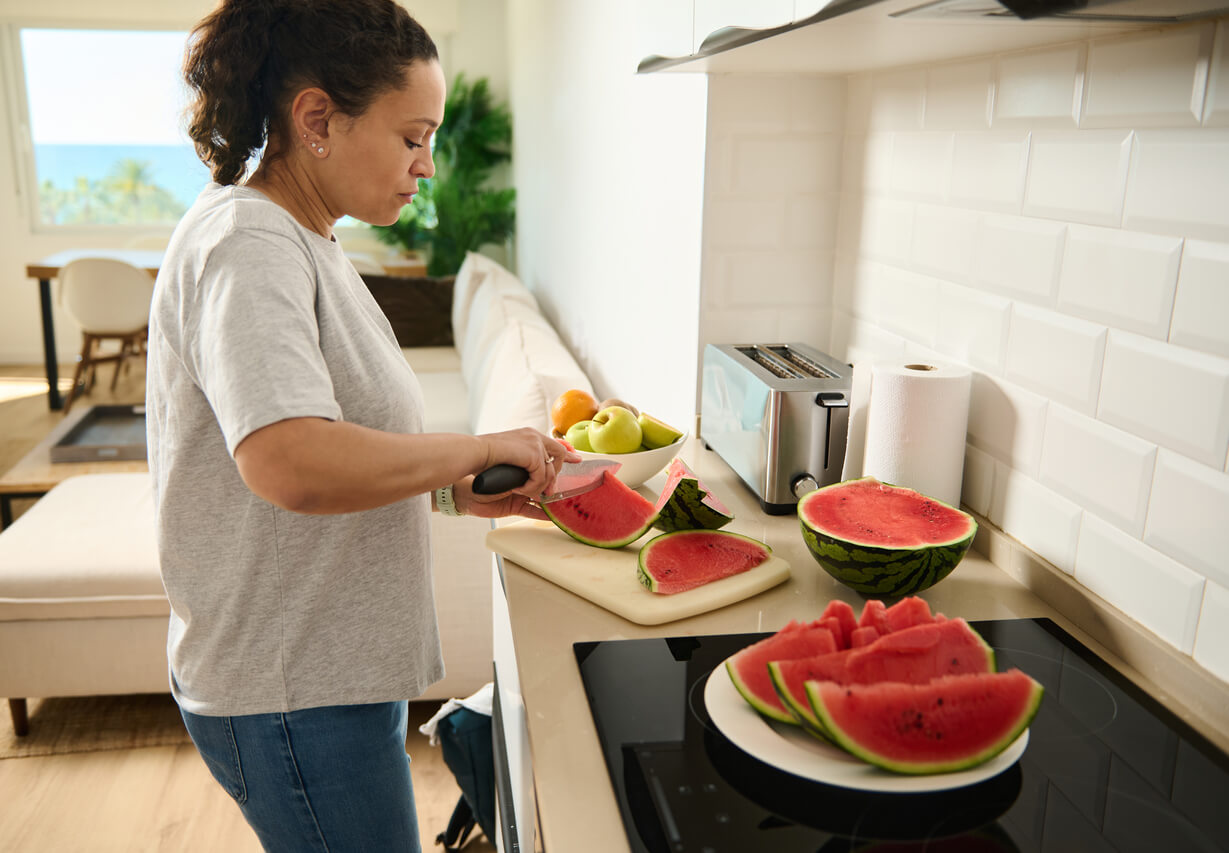
4. Watermelon (Whole, Not Cut)

4
Watermelon behaves very differently depending on how it is stored.
Whole:
- Relatively stable
- Can last several days even outside refrigeration
Cut:
- Highly perishable
- Must be sealed and refrigerated immediately
This is a key distinction many buyers overlook.
Key Takeaway on Fruits
If your goal is to keep fruit fresh in Dubai heat, prioritize:
- Thick-skinned varieties
- Lower respiration fruits
- Whole (uncut) storage
Avoid relying heavily on:
- Soft tropical fruits
- Pre-cut packaged options
The Vegetables That Actually Last Longer in UAE Summer
Vegetables are generally more fragile than fruits, but some categories perform significantly better under heat stress.
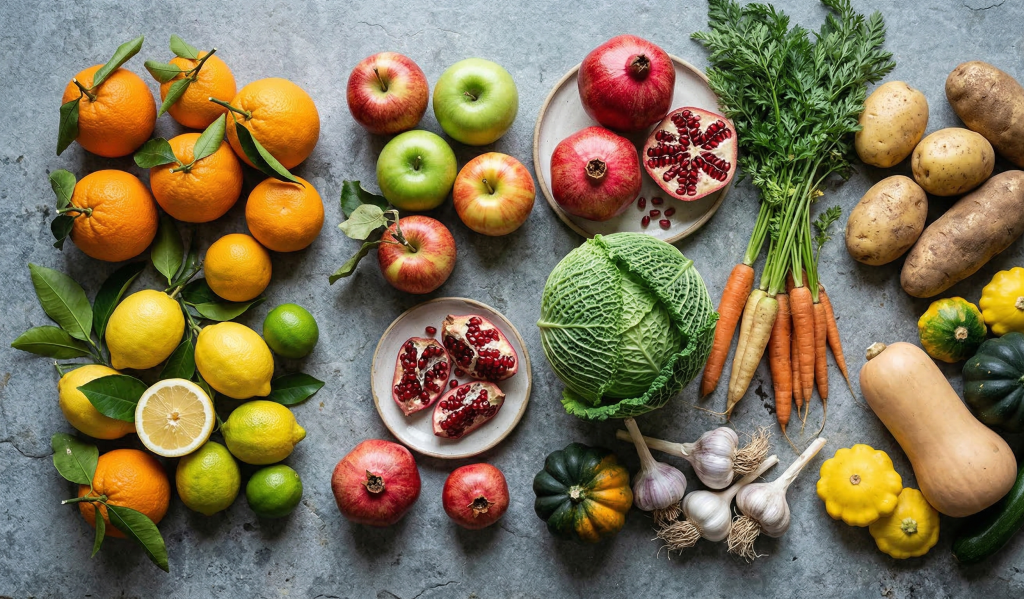
1. Root Vegetables (Potatoes, Carrots, Beetroot)

4
Root vegetables are among the most reliable options.
Why they survive:
- Grow underground → naturally adapted to stable environments
- Lower water loss compared to leafy greens
- Less sensitive to handling
Storage tips:
- Keep in a cool, dry, dark place
- Avoid washing before storage
2. Cabbage (Green and Red)


4
Cabbage is one of the most durable leafy vegetables.
Advantages:
- Dense structure
- Outer leaves act as protection
- Slow moisture loss
It is widely used in:
- Restaurant prep kitchens
- Bulk cooking environments
3. Onions and Garlic

4
Technically not “fresh vegetables” in the same sense, but essential in every kitchen.
Why they last:
- Very low moisture content
- Naturally resistant to spoilage
They are among the safest items to stock in larger quantities—even in summer.
4. Pumpkin and Squash


4
These are often overlooked in UAE kitchens.
Benefits:
- Thick outer skin
- Long shelf life
- Versatile for multiple cuisines
They are particularly useful for:
- Meal prep
- Catering operations
- Reducing procurement frequency
What Doesn’t Survive (And Why It Matters More Than You Think)
Understanding what fails in UAE summer is just as important as knowing what lasts.
This is where most waste happens—not because buyers choose the wrong products, but because they treat all produce the same.
High-Risk Fruits in UAE Summer
These fruits are widely consumed, but highly sensitive to heat and handling:
- Mangoes
- Bananas
- Berries (strawberries, blueberries, raspberries)
- Papaya
- Peaches and nectarines

4
What goes wrong:
- Rapid ripening within 24–48 hours
- Internal softening before visible spoilage
- High sensitivity to transport and stacking pressure
For businesses, this leads to:
- Inconsistent plating quality
- Menu variability
- Increased rejection rates in kitchens
For households:
- Fruit bowls that turn into waste within days
High-Risk Vegetables
Leafy greens and water-rich vegetables struggle the most:
- Spinach
- Coriander (cilantro)
- Lettuce
- Rocket (arugula)
- Cucumbers

4
Why they fail:
- High water content
- Thin cell structure
- Rapid moisture loss
Even with refrigeration, they often:
- Wilt within 1–2 days
- Lose texture and flavor
- Become unusable for presentation
The Real Cost of Spoilage (Beyond Just Money)
Most discussions around produce storage in Dubai summer focus on price.
But experienced buyers look at a broader impact.
1. Operational Disruption
In restaurant kitchens:
- Menu items become unavailable
- Prep time increases (sorting usable from unusable)
- Staff improvises, affecting consistency
2. Hidden Cost of “Small Waste”
Throwing away a handful of herbs or a few fruits daily may seem minor.
But over a month:
- It adds up significantly
- It affects ordering accuracy
- It reduces trust in suppliers or sourcing methods
3. Quality Perception
For hospitality businesses:
- Slightly wilted greens can affect presentation
- Overripe fruits impact taste balance
Customers may not identify the issue—but they notice inconsistency.
Practical Storage Strategies That Actually Work in UAE Heat
Most advice online is generic. UAE conditions require more precise handling.
1. Adjust Buying Frequency (This Matters More Than Storage)
Instead of:
- Weekly bulk buying
Shift toward:
- Smaller, more frequent purchases (every 2–3 days)
This is one of the simplest ways to:
- Reduce waste
- Maintain consistent quality
Even large kitchens increasingly adopt this model during peak summer.
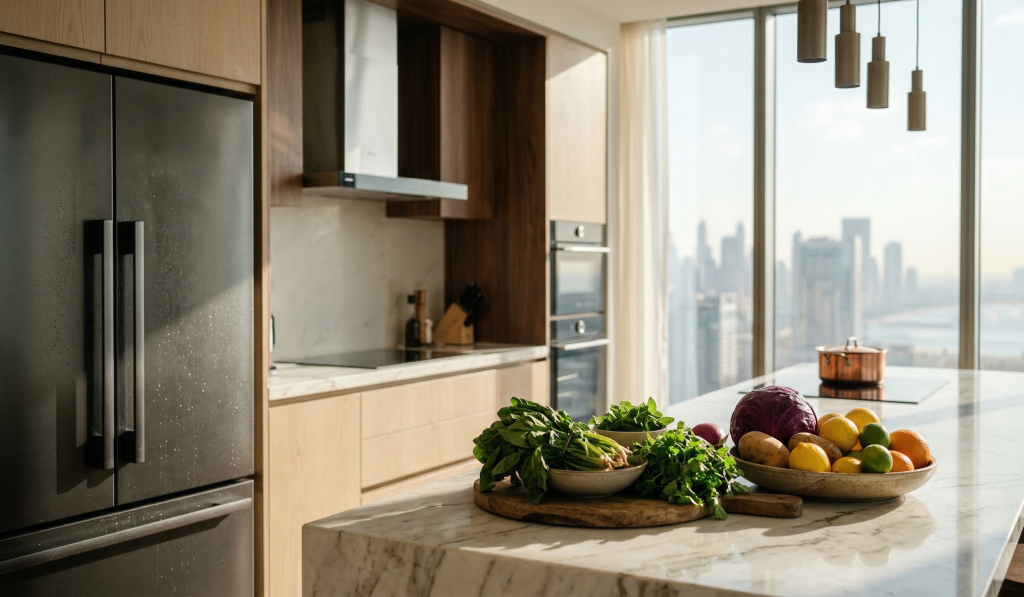
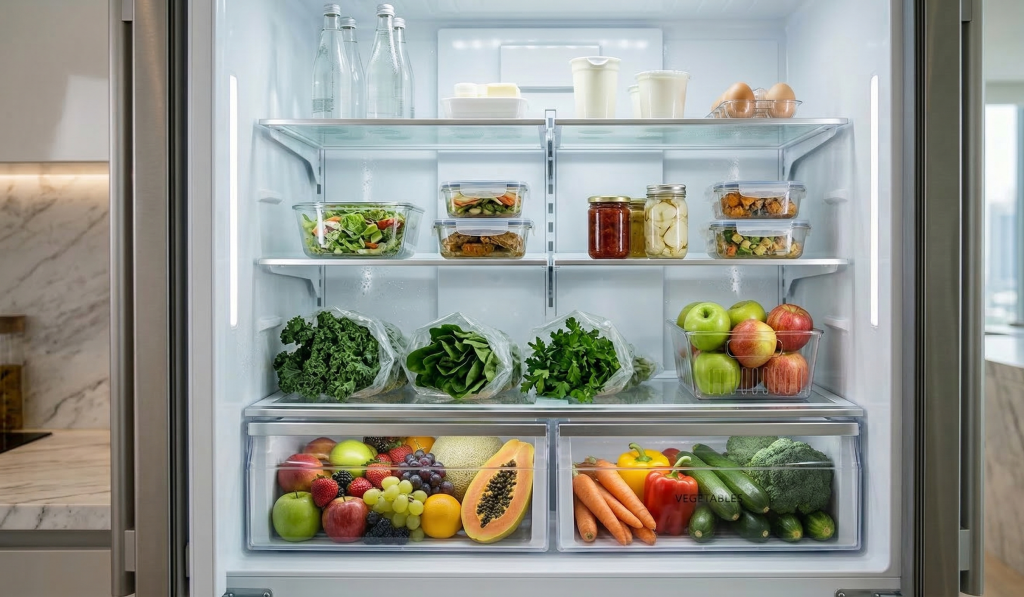
2. Use the Fridge Properly (Not Just Fully)
Refrigeration helps—but only if used correctly.
Key adjustments:
- Avoid overcrowding (air circulation is critical)
- Use crisper drawers for vegetables
- Keep fruits and vegetables separated
Many UAE households overload refrigerators, which:
- Reduces cooling efficiency
- Speeds up spoilage
3. Never Wash Before Storage (Unless Necessary)
Washing adds moisture, which accelerates decay.
Instead:
- Store produce dry
- Wash only before use
This is especially important for:
- Leafy greens
- Berries
4. Understand “Dry Storage vs Refrigeration”
Not everything belongs in the fridge.
Keep outside (cool, dry place):
- Onions
- Garlic
- Potatoes
Refrigerate:
- Leafy greens
- Apples
- Citrus
Misplacing items reduces their shelf life significantly.
5. Manage Ethylene Exposure
As mentioned earlier, ethylene gas speeds up ripening.
Simple rule:
- Keep bananas, apples, and mangoes away from vegetables
This small change alone can extend shelf life by days.
Wholesale vs Retail Buying in Summer — A Balanced View
This is a common point of confusion, especially among small businesses and growing households.
Why Some Buyers Prefer Wholesale in Summer
- Better control over batch consistency
- Often fresher if sourced directly from distributors
- Ability to select storage-stable items in bulk
The Tradeoffs (Often Overlooked)
Wholesale is not automatically better.
Challenges:
- Larger quantities increase risk if storage is not optimized
- Not all wholesale supply maintains strict cold chain standards
- Requires better planning and rotation
Retail Isn’t Always Worse
Retail sourcing can sometimes be:
- More flexible
- Better for small quantities
- Easier to manage for households
The key difference is not wholesale vs retail.
It is:
How well the produce is handled before and after purchase.
Seasonal Reality: Summer Produce vs Winter Expectations
One major mistake in UAE buying behavior is expecting:
- Winter quality
- Year-round consistency
This is not realistic.
During summer:
- Many items are imported from longer distances
- Transit times increase
- Storage stress increases
This affects:
- Taste
- Texture
- Shelf life
Understanding this helps buyers:
- Adjust expectations
- Choose more suitable produce
- Reduce frustration
A Smarter Approach to Summer Produce Planning
Instead of asking:
“What should I buy?”
A better question is:
“What can realistically last in my kitchen conditions?”
This shift changes everything.
It leads to:
- Better planning
- Less waste
- More consistent quality
And over time, it builds a more reliable approach to sourcing—whether at home or in a professional kitchen.
How Experienced Buyers Think About Summer Produce (And Why It Works)
Across UAE kitchens—from households to hotel operations—the most consistent performers follow a slightly different mindset.
They do not try to “fight” the summer.
They adapt to it.
1. They Build Menus Around Stable Ingredients
Instead of forcing delicate produce into every meal, they rely more on:
- Root vegetables
- Cabbage and hardy greens
- Citrus-based flavoring
- Stored staples like onions and garlic
This reduces pressure on:
- Daily sourcing
- Emergency replacements
- Last-minute compromises
2. They Accept That Some Items Are “Short-Cycle Only”
Items like:
- Fresh herbs
- Berries
- Leafy greens
Are treated as:
- Same-day or next-day ingredients
Not long-term storage items.
This simple shift prevents unrealistic expectations.
3. They Separate “Display Freshness” from “Functional Freshness”
A key industry insight:
Produce doesn’t need to look perfect to perform well in cooking.
For example:
- Slightly softened tomatoes may still be ideal for sauces
- Outer cabbage leaves may be removed while the core remains perfect
This reduces unnecessary waste.
4. They Plan Around Delivery Timing, Not Just Product Type
In UAE summers, timing matters as much as the item itself.
Produce delivered:
- Early morning
- From temperature-controlled transport
Will often last longer than the same item delivered later in the day under heat exposure.
Some UAE buyers prefer working with established wholesale produce providers rather than fragmented retail sourcing for this reason—not just for price, but for consistency in handling.
Common Summer Mistakes That Quietly Increase Waste
Even experienced buyers fall into these patterns.
Mistake 1: Treating Refrigeration as a “Fix-All”
Refrigeration slows spoilage—but it cannot reverse:
- Heat damage
- Dehydration
- Poor handling
Once quality drops, it cannot be restored.
Mistake 2: Ignoring Packaging
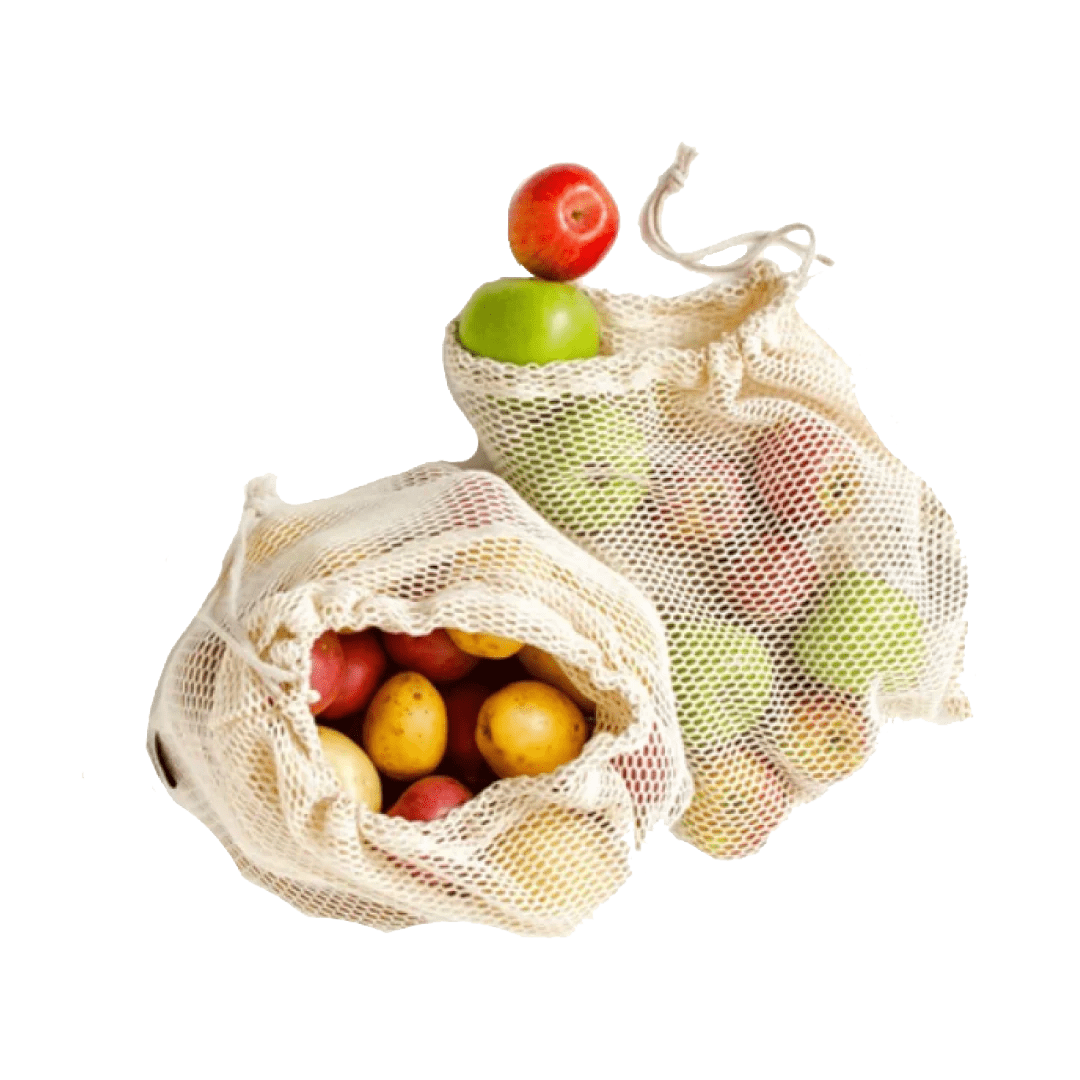
How produce is stored inside the fridge matters.
- Loose herbs dry out faster
- Sealed containers can trap excess moisture
- Plastic bags without airflow can accelerate decay
A balanced approach (light wrapping, airflow) works best.
Mistake 3: Buying Based on Habit, Not Season
Many UAE buyers continue purchasing:
- The same fruits
- The same vegetables
- In the same quantities
Year-round.
But summer requires adjustment.
Not all produce is equally suitable in every season.
Mistake 4: Over-Relying on Pre-Cut Produce
Pre-cut fruits and vegetables:
- Have significantly shorter shelf life
- Are more vulnerable to bacterial growth
- Lose moisture faster
They may seem convenient—but in summer, they often increase waste.
What This Means for Different Types of Buyers
For Households
A practical approach includes:
- Buying smaller quantities more frequently
- Choosing durable produce as a base
- Using delicate items quickly
This reduces:
- Fridge overload
- Daily waste
- Frustration
For Small Food Businesses
Key adjustments:
- Align purchasing with menu cycles
- Reduce dependency on fragile ingredients
- Monitor supplier handling quality
Even small changes here can:
- Improve consistency
- Reduce daily losses
- Stabilize operations
For Larger Operations (Hotels, Catering)
At scale, the focus shifts to:
- Supply chain reliability
- Cold chain consistency
- Storage infrastructure
In practice, teams that work closely with reliable distributors tend to experience:
- Less variability
- Better shelf life
- More predictable planning
Final Thoughts: You Can’t Control the Heat, But You Can Control the Outcome
UAE summers will always be demanding on fresh produce.
But spoilage is not just a weather problem.
It is a:
- Selection issue
- Handling issue
- Storage issue
- Planning issue
By focusing on:
- More durable fruits and vegetables
- Smarter storage practices
- Realistic buying patterns
It becomes possible to:
- Reduce waste
- Maintain quality
- Build consistency—even in extreme heat
The goal is not perfection.
It is control and predictability.
Frequently Asked Questions (FAQs)
1. Which fruits and vegetables survive UAE heat the longest?
Citrus fruits, apples, pomegranates, root vegetables, cabbage, onions, and squash tend to last longer due to their structure and lower moisture loss.
2. How often should I buy fresh produce in UAE summer?
Ideally every 2–3 days. Smaller, more frequent purchases help maintain freshness and reduce waste.
3. Is refrigeration enough to keep produce fresh in Dubai heat?
No. Refrigeration helps, but prior handling, temperature exposure, and storage practices all affect shelf life.
4. Why do my vegetables spoil quickly even in the fridge?
Possible reasons include overcrowding, moisture buildup, mixing with ethylene-producing fruits, or prior heat exposure before purchase.
5. Is wholesale produce better than supermarket produce in summer?
Not always. Wholesale can offer better consistency, but only if cold chain handling and storage practices are well maintained.








 Home
Home  Whishlist
  Compare
  Checkout