

















Introduction
For many Dubai households, the weekly produce shop feels strangely unpredictable.
One week, the tomatoes are firm, the herbs last several days, and the fruit tastes fresh. The next week, the same items spoil quickly, bruise easily, or cost noticeably more than expected.
This experience is common across many supermarkets. Large retail chains are designed for convenience, but they are not always optimized for produce freshness or pricing efficiency.
Behind the scenes, the fresh produce supply chain in the UAE operates very differently from what most shoppers see on store shelves. Fruits and vegetables typically pass through several layers before reaching supermarkets — importers, distributors, warehouse handlers, retail logistics, and finally the store itself.
Each step adds cost.
In recent years, many Dubai residents have started looking for alternatives. Instead of buying produce through traditional retail channels, they are exploring ways to order fresh fruits vegetables online Dubai directly from suppliers or wholesale-oriented delivery services.
This shift is not only about saving money. It also reflects a growing awareness of how produce moves from farms to the city, how pricing works, and how buyers can make smarter sourcing decisions.
Understanding this system can help households reduce waste, improve freshness, and avoid overpaying for everyday groceries.
How the Fresh Produce Supply Chain Works in Dubai
To understand why supermarket produce can be expensive, it helps to look at the typical journey fruits and vegetables take before reaching a retail shelf.
Dubai relies heavily on imported produce. While the UAE grows certain crops locally — especially during winter months — much of the produce sold in supermarkets comes from countries such as:
- India
- Pakistan
- Iran
- Egypt
- South Africa
- Spain
- Turkey
These shipments arrive through ports and are then distributed through wholesale markets and food distribution networks.
One of the most important hubs in the region is the Al Aweer Fruit & Vegetable Market, where large volumes of produce are traded daily between importers, distributors, restaurants, and grocery suppliers.
From there, produce typically moves through several stages:
- Importer or farm supplier
- Wholesale distributor
- Logistics warehouse
- Retail purchasing department
- Supermarket shelf
Each stage introduces additional costs such as:
- cold storage
- packaging
- retail markup
- inventory loss
- transportation
- staff and operational overhead
These layers explain why a box of vegetables purchased wholesale can cost significantly less than the same quantity bought individually at retail.
Why Supermarket Produce Often Costs More
Supermarkets offer convenience and wide selection, but the economics of retail produce are complex.
Fresh fruits and vegetables are among the most difficult grocery items to manage because they spoil quickly. Retailers must account for waste, damaged items, and fluctuating supply conditions.
To compensate, retail pricing often includes built-in margins that cover these risks.
Several factors influence the final price consumers pay.
1. Retail Markups
Supermarkets operate on retail margins that cover:
- rent in high-traffic locations
- refrigeration infrastructure
- staff salaries
- inventory loss
- packaging and labeling
These costs are not directly related to the farm value of the produce itself.
2. Smaller Packaging
Wholesale produce is usually sold in bulk cartons or crates.
Retail stores break these into smaller consumer portions. While this improves convenience, it increases per-unit cost.
3. Inventory Risk
If produce sits too long on shelves, retailers must discard it.
To offset this risk, pricing often includes a buffer that covers potential spoilage.
4. Long Supply Chains
The longer produce remains in storage or transit, the more handling it requires.
Handling increases costs and can also reduce freshness.
The Rise of Online Produce Delivery in the UAE
Over the past few years, Dubai has seen rapid growth in online grocery platforms focused specifically on fresh produce.
Instead of functioning like traditional supermarkets, many of these services source directly from wholesale distributors or farms.
This approach allows them to offer:
- shorter supply chains
- faster turnover
- fewer handling steps
- more predictable sourcing
For consumers, the result is often access to farm fresh delivery Dubai options that resemble wholesale distribution more closely than traditional retail.
In practical terms, this means:
- produce may arrive in slightly larger quantities
- items may vary slightly based on seasonal supply
- pricing can fluctuate with wholesale market conditions
While this model may feel unfamiliar to shoppers used to supermarket shelves, it reflects how the produce industry normally operates behind the scenes.
Common Misconceptions About Wholesale Produce
Many households assume that wholesale produce is meant only for restaurants or catering businesses.
In reality, the difference between wholesale and retail produce is usually about volume and logistics, not quality.
Several common misunderstandings prevent people from exploring wholesale-style sourcing.
“Wholesale produce is lower quality”
In most cases, the opposite is true.
Restaurants, hotels, and catering companies depend heavily on consistent produce quality. Distributors serving these buyers must maintain strong grading standards.
The difference is that wholesale buyers are comfortable handling produce in larger cartons rather than individually packaged retail units.
“Wholesale means buying huge quantities”
Some suppliers do sell full cartons only, but many online platforms now offer flexible household portions sourced from wholesale inventory.
This hybrid model allows families to access wholesale pricing structures without committing to restaurant-scale purchases.
“Supermarkets always have the freshest produce”
Supermarkets prioritize visual presentation and consistent display.
However, produce freshness often depends more on time since harvest and handling conditions than on retail appearance.
In many cases, produce delivered directly from distributors may have spent less time in storage than items sitting on retail shelves.
Why Produce Freshness Is Often a Logistics Issue
One of the biggest factors affecting fruit and vegetable quality is not where you buy it — but how long it spends moving through the supply chain.
Fresh produce begins losing moisture and flavor soon after harvest.
Every additional step can influence:
- shelf life
- texture
- flavor
- nutritional quality
For example:
- leafy greens lose crispness quickly
- berries are sensitive to handling
- tomatoes soften when stored too cold
When produce moves through multiple warehouses before reaching a supermarket shelf, the clock keeps running.
Direct distribution models can reduce these delays.
This is one reason many households searching for buy fresh vegetables online UAE services prioritize suppliers with fast delivery cycles and strong cold-chain management.
Winter Produce Season in the UAE
Seasonality also plays an important role in produce pricing and quality.
While the UAE imports much of its produce year-round, the winter months bring a surge of regional agricultural supply.
Between November and March, farms in the UAE and nearby countries produce larger quantities of certain crops, including:
- cucumbers
- tomatoes
- eggplants
- leafy greens
- herbs
- peppers
These crops often arrive fresher and at lower cost because transportation distances are shorter.
Buyers who understand seasonal patterns can make smarter purchasing decisions and reduce reliance on long-distance imports.
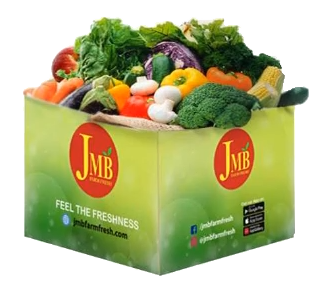
In practice, suppliers working closely with Dubai-based distributors such as JMB Farm Fresh often observe that winter produce moves through the supply chain faster, reducing storage time and improving consistency for buyers.
The Real Cost of Cheap Produce
Not all low-priced produce represents good value.
One common mistake buyers make is focusing only on sticker price without considering spoilage and waste.
For example, a cheaper box of vegetables may:
- bruise easily
- ripen too quickly
- spoil within days
If half of the produce ends up discarded, the true cost becomes much higher.
Experienced buyers often evaluate produce based on:
- firmness
- color consistency
- smell
- moisture content
- expected shelf life
These indicators matter far more than small differences in retail pricing.
Understanding these factors helps households avoid the hidden costs of low-quality produce.
What Buyers Should Look for When Ordering Produce Online
Online produce ordering can be convenient, but buyers should still pay attention to several important indicators.
Reliable suppliers typically provide:
Clear product sourcing information
Good distributors often disclose where produce is coming from — whether it is locally grown, regionally sourced, or imported.
Consistent delivery schedules
Fresh produce benefits from predictable delivery cycles.
Services offering same day vegetable delivery Dubai or next-day distribution typically operate with faster inventory turnover.
Cold-chain logistics
Cold storage and refrigerated transport are essential for maintaining freshness.
Without proper temperature control, delicate produce can degrade quickly.
Transparent grading
Professional produce suppliers grade fruits and vegetables based on size, ripeness, and appearance.
This helps buyers understand what quality level to expect.
A Quiet Shift in How Dubai Households Buy Produce
Ten years ago, most residents relied almost entirely on supermarkets for fresh groceries.
Today the ecosystem looks very different.
Between online produce platforms, direct distributor deliveries, and specialized grocery apps, households now have access to supply networks that were previously limited to restaurants and hospitality businesses.
This shift reflects a broader change in how people think about food sourcing.
Instead of viewing produce as a simple supermarket purchase, more buyers are starting to see it as part of a larger agricultural supply chain.
Understanding that system can lead to smarter buying decisions — and often better value.
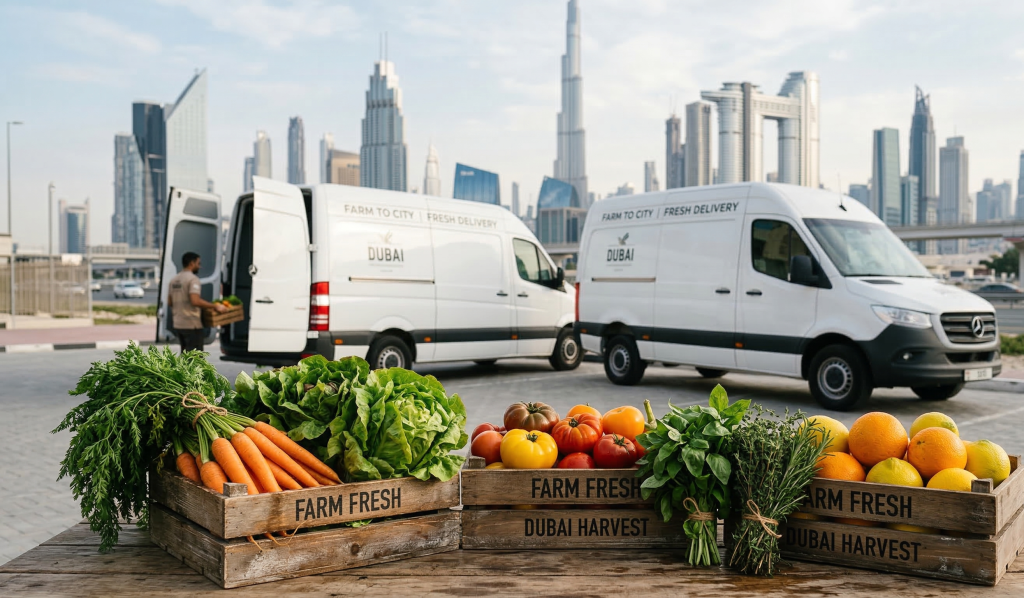
Practical Ways Dubai Residents Can Reduce Produce Costs Without Sacrificing Quality
Understanding how the produce supply chain works is only useful if it leads to better buying decisions.
Whether you are a household shopper or someone responsible for grocery planning in a shared apartment or family home, a few practical habits can make a noticeable difference.
These habits are commonly used by restaurant buyers and hospitality procurement teams, but they apply just as well to everyday shopping.
Buy Based on Season, Not Habit
Many people buy the same fruits and vegetables every week without thinking about where they come from.
But produce availability changes throughout the year.
When crops are in season — either locally or in nearby exporting countries — they tend to be:
- fresher
- more abundant
- more affordable
For example, during the UAE winter season, leafy greens, cucumbers, herbs, and tomatoes often move through the market quickly because regional farms are producing larger volumes.
Out-of-season items, by contrast, may travel thousands of kilometers and spend longer in storage before reaching Dubai.
Choosing seasonal items often leads to better taste and longer shelf life.
Avoid Overbuying Delicate Produce
Certain fruits and vegetables deteriorate quickly no matter where you buy them.
Examples include:
- berries
- leafy herbs
- mushrooms
- ripe avocados
Buying these items in smaller quantities can reduce waste.
Bulk buying works best for produce with naturally longer shelf life, such as:
- potatoes
- onions
- carrots
- apples
- citrus fruits
Understanding which items store well helps households take advantage of wholesale price fruits Dubai markets without ending up with unnecessary spoilage.
Pay Attention to Storage Conditions
Fresh produce quality is strongly influenced by how it is stored after delivery.
Even high-quality vegetables can deteriorate quickly if they are placed in overly cold refrigerators or sealed containers that trap moisture.
Some basic guidelines used in professional kitchens include:
- storing herbs in breathable containers
- keeping tomatoes at room temperature until ripe
- separating ethylene-producing fruits like bananas from sensitive vegetables
- allowing airflow around leafy greens
These small adjustments can extend shelf life significantly.
Understand That Price Fluctuation Is Normal
Produce prices are not fixed.
They move with supply conditions, weather events, import cycles, and transportation costs.
For instance:
- heavy rains in exporting regions can damage crops
- shipping delays can tighten supply
- seasonal harvest peaks can temporarily lower prices
This means that the cost of items such as tomatoes, lemons, or cucumbers may vary from week to week.
Wholesale-style online platforms often reflect these real market changes more directly than supermarkets, where pricing sometimes remains stable for longer periods but may already include built-in buffers.
Recognizing this pattern helps buyers avoid the assumption that fluctuating prices signal poor quality or unreliable suppliers.
Tradeoffs of Buying Produce Online
Online produce ordering is growing quickly in the UAE, but it is not without limitations.
Understanding both the benefits and tradeoffs helps buyers set realistic expectations.
Benefits
Shorter supply chains often lead to:
- faster delivery cycles
- less shelf storage time
- access to wholesale-grade produce
- broader seasonal selection
This can make fresh fruits vegetables online Dubai services attractive to families who want better value without visiting wholesale markets in person.
Tradeoffs
However, buyers should also consider a few practical realities.
Online orders may involve:
- fixed delivery windows
- occasional substitutions during supply shortages
- produce arriving in larger quantities than expected
- natural variation in size or appearance
These factors are normal in agricultural supply chains.
Unlike retail supermarkets, which standardize presentation heavily, wholesale distribution focuses more on freshness and throughput.
Why Some Households Are Moving Away From Traditional Supermarket Produce
The shift toward online produce sourcing in Dubai is not driven only by pricing.
Many households report that they simply want more transparency about where their food comes from and how it moves through the supply chain.
Supermarkets are designed for convenience and brand consistency, but they often hide the complexity of the produce market behind polished displays.
Direct ordering models expose more of the underlying system.
Buyers may see:
- country-of-origin differences
- seasonal availability shifts
- natural variation in produce grading
While this may feel unfamiliar at first, it also provides insight into the agricultural realities behind everyday food.
Some UAE buyers prefer working with established wholesale produce providers rather than relying entirely on fragmented retail sourcing.
Over time, this approach can lead to a more informed relationship with food supply and sourcing decisions.
How to Tell If Produce Is Truly Fresh
Freshness is one of the most misunderstood aspects of buying fruits and vegetables.
Retail displays often emphasize visual perfection, but appearance alone is not a reliable indicator.
Experienced buyers tend to evaluate produce using simple physical cues.
For vegetables, look for:
- firm texture
- vibrant color without dull patches
- minimal moisture accumulation in packaging
For fruits, consider:
- natural aroma
- balanced ripeness (not overly soft)
- intact skin without bruising
Leafy greens should appear crisp rather than limp.
Citrus fruits should feel heavy for their size, which indicates higher juice content.
These basic observations can often reveal more about quality than brand labels or packaging.
A More Informed Way to Buy Produce in Dubai
The way fresh fruits and vegetables reach Dubai is shaped by logistics, climate, and global agriculture.
Supermarkets remain convenient for quick purchases, but they are only one part of the city’s produce ecosystem.
Wholesale distributors, online delivery platforms, and seasonal supply networks all play a role in how food reaches households.
For buyers who understand these systems, sourcing produce becomes less about chasing discounts and more about making informed choices.
When households pay attention to seasonality, storage practices, and supply chain dynamics, they often discover that better produce is not necessarily more expensive — it is simply sourced differently.
Frequently Asked Questions
1. Is it cheaper to buy fresh fruits and vegetables online in Dubai?
Sometimes, yes. Online produce suppliers often source directly from wholesale distributors, which can reduce retail markup. However, prices still fluctuate depending on seasonality, import costs, and supply conditions.
2. Are wholesale fruits and vegetables lower quality than supermarket produce?
Not usually. Many wholesale suppliers serve restaurants and hotels that require consistent quality. The main difference is packaging and distribution format rather than freshness or grading.
3. Why do fruit and vegetable prices change frequently in Dubai?
Most produce in the UAE is imported. Weather conditions, shipping logistics, and harvest cycles can affect supply, which naturally influences pricing.
4. What vegetables are typically freshest during UAE winter?
During winter months, regional farms produce larger quantities of tomatoes, cucumbers, herbs, peppers, and leafy greens. These items often reach markets faster and in better condition.
5. How can I reduce food waste when buying produce in bulk?
Focus on items with longer shelf life such as onions, potatoes, apples, and citrus fruits. Store produce properly and buy delicate items like herbs or berries in smaller quantities.








 Home
Home  Whishlist
  Compare
  Checkout