















Introduction: Why Fresh Produce Matters More During Ramadan 2026 in Dubai
Ramadan 2026 in Dubai will once again bring a unique rhythm to the city.
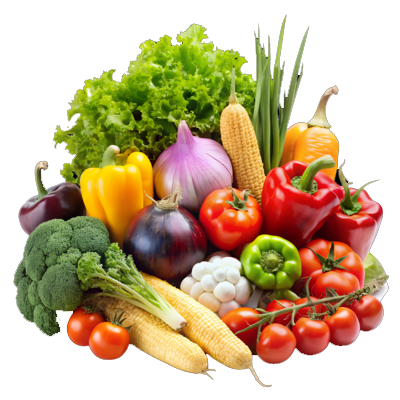
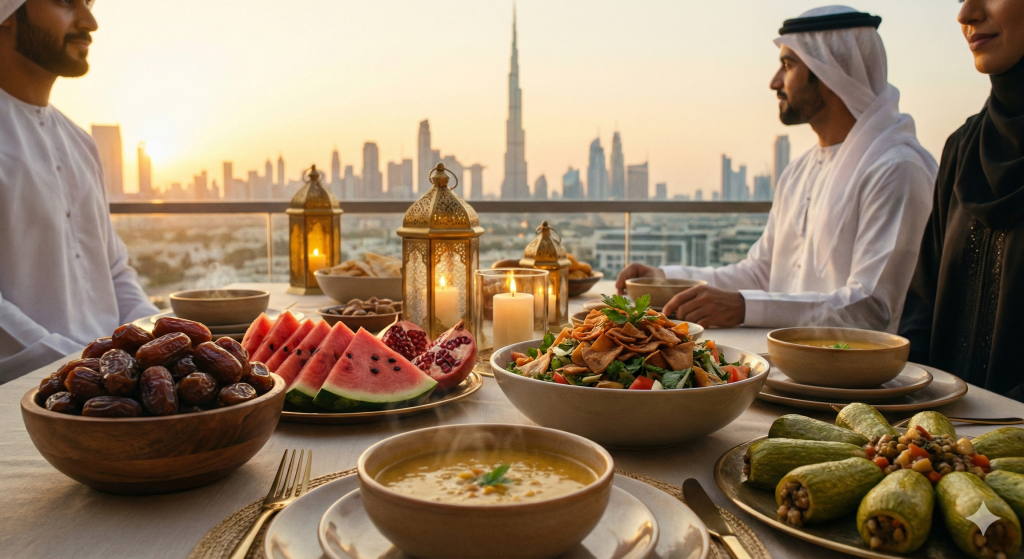
From sunset Iftar gatherings in family homes to large-scale buffets across hotels and catering venues, food demand will shift quickly. Fresh fruits and vegetables become central to daily meal planning — not just for tradition, but for health, hydration, and balance after long fasting hours.
For restaurant owners, hotel procurement managers, grocery buyers, and families alike, the challenge is the same:
- How do you secure consistent fresh ingredients for Ramadan?
- Which fruits and vegetables are truly at peak quality in the UAE winter-to-spring window?
- Why do prices fluctuate so much before Ramadan?
- And how can you reduce waste while maintaining quality?
This guide approaches Dubai Iftar meal ideas from a supply-side and sourcing perspective — grounded in real-world buying behavior, seasonal availability, and practical produce knowledge.
Understanding the Seasonal Context: Winter Produce in the UAE
Ramadan 2026 is expected to fall in late winter, moving toward early spring in the UAE calendar. This is a favorable window for fresh produce — but only if buyers understand what is genuinely seasonal.
What Grows Well Locally in Winter?
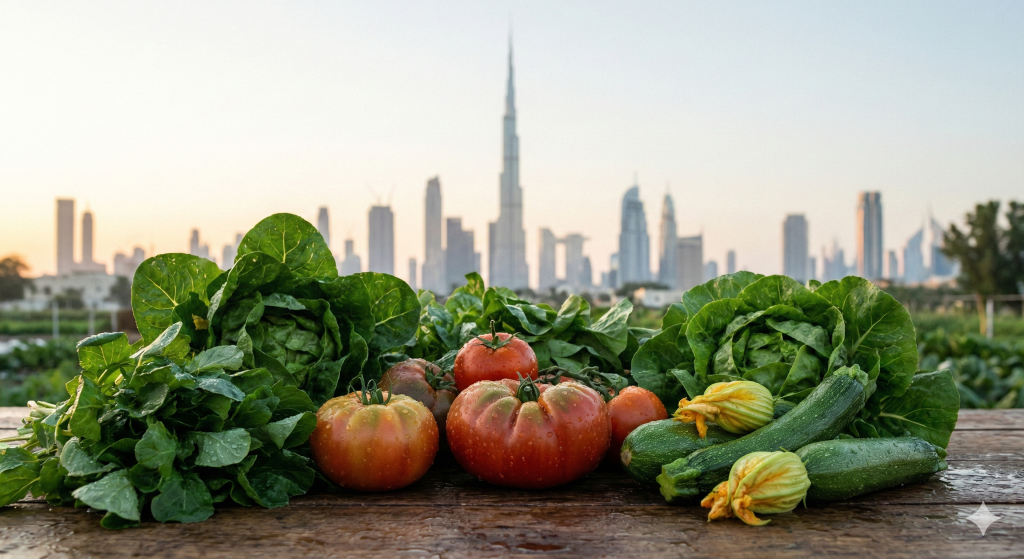
The UAE winter season supports regional production of:
- Tomatoes
- Cucumbers
- Capsicum (bell peppers)
- Eggplant
- Zucchini
- Leafy greens
- Fresh herbs
- Strawberries
During this period, supply chains are shorter for locally grown vegetables. This typically means:
- Better texture and firmness
- Reduced transit damage
- More stable pricing compared to summer
However, not all produce on the market is local. Dubai remains heavily dependent on imports from:
- Jordan
- Egypt
- India
- Pakistan
- Iran
- Turkey
- European countries
Understanding the difference between locally harvested and imported stock helps buyers anticipate shelf life and storage needs.
Why Produce Prices Fluctuate Before Ramadan
One common concern across wholesale markets and retail discussions is price volatility.
Buyers often assume suppliers increase prices “because it’s Ramadan.” In reality, several structural factors are at play:
1. Demand Spikes in a Short Window
Hotels expand buffet menus. Families host larger gatherings. Catering companies increase output. This compresses demand into a tight period.
2. Import Logistics
Shipping schedules from key agricultural exporters can shift due to global demand, weather, or port congestion.
3. Quality Grading Variations
Not all produce boxes are equal. Grade A tomatoes differ significantly from lower grades in size consistency and appearance. During peak demand, higher grades tighten first.
4. Pre-Ramadan Stockpiling
Some buyers secure bulk inventory early, creating temporary market gaps.
In practice, suppliers working closely with Dubai-based distributors such as JMB Farm Fresh often observe that buyers who plan 3–4 weeks in advance experience less pricing shock than those sourcing last minute.
The takeaway: volatility is usually a function of timing and logistics — not arbitrary pricing.
The Role of Fresh Ingredients for Ramadan
After long fasting hours, hydration and digestive comfort are priorities.
This is why the best fruits for Iftar are typically:
- High in water content
- Easy to digest
- Naturally sweet
- Nutrient-dense
Fresh vegetables also balance heavier traditional dishes like rice, meat stews, and fried snacks.
Healthy Ramadan dishes are not about eliminating tradition. They are about proportion and freshness.
Best Fruits for Iftar in Dubai (Seasonally Practical Choices)
1. Watermelon
High water content makes watermelon ideal for rehydration. During late winter in Dubai, supply is often imported but stable.
Buying tip:
Look for firm rind, uniform color, and avoid soft patches near the base.
2. Dates
Dates remain the symbolic and nutritional anchor of Iftar.
Dubai markets typically offer varieties from Saudi Arabia, UAE, Iran, and North Africa. Texture varies from soft and moist to dry and firm.
Common mistake:
Overbuying early without temperature-controlled storage. Dates absorb moisture quickly and can deteriorate if not stored correctly.
3. Strawberries (Winter Peak)
Winter is peak season for regional strawberries.
They are popular in:
- Fresh fruit platters
- Yogurt bowls
- Light Ramadan desserts
Procurement note:
Strawberries have a short shelf life. Wholesale buyers should align deliveries with 2–3 day usage cycles.
4. Citrus (Oranges, Mandarins)
Citrus fruits are widely available in winter.
They support hydration and are easy to serve in sliced platters or fresh juice.
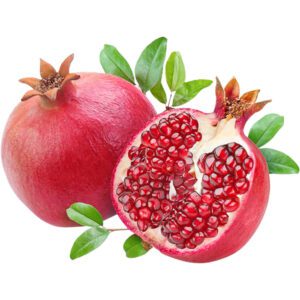
5. Pomegranate
Though seasonal windows vary, pomegranate remains popular in salads and juices.
It also pairs well with vegetable-based Iftar recipes such as fattoush or grain salads.
Restaurants and catering companies often focus on protein costs. However, vegetables quietly determine overall food cost efficiency.
Fattoush and Fresh Salads
Tomatoes, cucumbers, herbs, lettuce — these are core items in Dubai Iftar meal ideas.
When sourced well:
- They reduce reliance on expensive meat dishes
- Increase perceived freshness of buffet spreads
- Improve menu balance
Lentil and Vegetable Soups
Lentil soup with carrots, onions, and herbs is a Ramadan staple.
From a supply perspective:
- Dry lentils are stable and affordable
- Fresh vegetables define flavor quality
Poor-quality onions or carrots directly impact taste consistency.
Grilled and Roasted Vegetable Platters
Eggplant, zucchini, peppers — winter supply supports strong quality.
These dishes:
- Scale well for buffet settings
- Reduce spoilage risk if portioned carefully
- Offer vegetarian options for diverse guests
How to Judge Freshness Like a Procurement Professional
Many online articles mention “look for bright color” or “avoid bruising.” That advice is too generic.
Professional buyers examine:
Texture
Firmness indicates cell integrity. Softness often means internal breakdown.
Weight
Heavier produce relative to size usually retains more moisture.
Stem Condition
Fresh green stems on capsicum and eggplant signal recent harvest.
Odor
Strong sour smell near crates often indicates beginning spoilage in bulk stock.
Box Temperature
Warm boxes in a wholesale environment suggest poor cold chain handling.
Wholesale quality versus supermarket quality is not about “better” or “worse.” It is about grading and handling.
Supermarkets often display visually uniform items. Wholesale markets may offer broader grading tiers — allowing businesses to choose based on usage purpose.
For example:
- Premium Grade A tomatoes for visible salad use
- Grade B for sauces or cooking applications
Understanding this distinction helps buyers control cost without sacrificing quality.
Wholesale vs Retail Sourcing Before Ramadan 2026 in Dubai
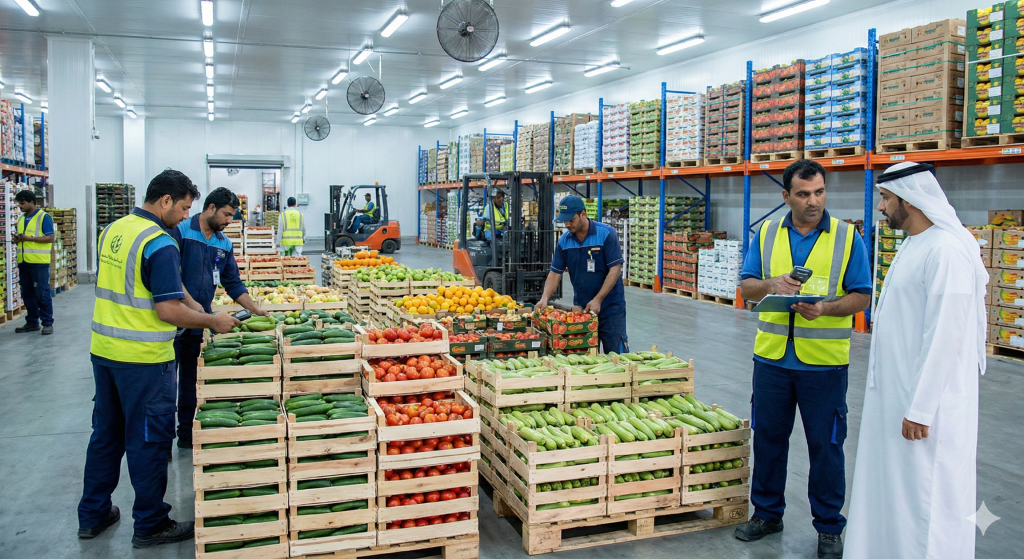
As Ramadan 2026 in Dubai approaches, one operational decision becomes critical: where to source produce.
For families, retail supermarkets may be sufficient.
For restaurants, hotels, and catering companies, the decision is more complex.
Wholesale Produce: Operational Advantages
Wholesale sourcing typically offers:
- Volume consistency
- Flexible grading options
- Direct access to seasonal batches
- Negotiated supply schedules
This is particularly important during Ramadan when daily menu output increases and delivery timing becomes tighter.
In wholesale environments, buyers can often inspect:
- Full crates before acceptance
- Mixed grades within a shipment
- Harvest origin labeling
This level of visibility helps prevent mid-service shortages.
Retail Purchasing: Where It Makes Sense
Retail works well for:
- Small households
- Limited-quantity specialty items
- Emergency top-ups
However, retail pricing often includes packaging, shelf display costs, and overheads that do not scale efficiently for high-volume kitchens.
The key is not to assume one channel is superior. It depends on operational scale.
Buying Vegetables Online in Dubai: Practical Considerations
The rise of digital procurement platforms has changed how some buyers source produce.
When searching to buy vegetables online in Dubai, users often focus only on price. That can be risky.
Questions Serious Buyers Ask
- What is the sourcing origin?
- Is there a minimum order quantity?
- How is temperature controlled during delivery?
- What is the rejection or return policy?
- Are grades clearly specified?
Without clarity on these points, online convenience can lead to inconsistent quality.
Cold Chain Integrity
Cold chain refers to temperature-controlled storage and transport.
Breaks in cold chain handling reduce shelf life significantly. For example:
- Leafy greens wilt faster
- Strawberries soften
- Cucumbers lose firmness
During Ramadan, daily turnover is high. But even then, a two-day reduction in shelf life can increase waste.
Some experienced UAE buyers prefer working with established wholesale networks rather than fragmented online marketplaces for this reason.
Local vs Imported Produce: What Buyers Should Know
Dubai’s fresh produce market is global.
Both local and imported items have roles in Ramadan menus.
Benefits of Local Produce (Winter Season)
- Shorter transit time
- Reduced handling damage
- Often fresher texture
- Lower freight-related price fluctuations
Winter crops such as tomatoes, cucumbers, zucchini, and strawberries often perform well locally.
Benefits of Imported Produce
- Wider variety
- Availability of specialty fruits
- Larger size calibration in some categories
However, imported produce may face:
- Shipping delays
- Temperature variation in transit
- Exchange rate impact on pricing
The correct approach is not choosing one over the other. It is understanding use case.
For visible salad displays, texture and firmness matter most.
For soups or stews, slight cosmetic imperfections may not affect final dish quality.
Real-World Supply Scenario: Hotel Iftar Buffet Planning
Consider a mid-sized hotel planning daily Iftar buffets for 300 guests.
Produce requirements may include:
- 50–80 kg tomatoes per day
- 40 kg cucumbers
- 25 kg onions
- Mixed fruit platters refreshed every 45 minutes
If procurement is inconsistent, the operational impact is immediate:
- Menu substitutions
- Inconsistent plate appearance
- Increased trimming waste
- Staff overtime due to re-sorting
Experienced suppliers often encourage phased delivery schedules during Ramadan instead of single bulk drops.
For example:
- Smaller deliveries every 2–3 days
- Adjusted volume based on booking forecasts
This reduces spoilage and maintains quality.
Common Mistakes Buyers Make During Ramadan
Based on recurring industry discussions among restaurant and grocery operators, several patterns appear each year.
1. Overestimating Demand
Fear of shortages leads to over-ordering.
The result:
- Excess spoilage
- Cold storage congestion
- Discounted clearance sales
Better approach: align orders with confirmed reservations and realistic consumption data.
2. Ignoring Yield Percentage
Yield refers to usable portion after trimming.
For example:
- Large eggplants with internal seeds may lose significant usable volume
- Leafy greens with outer damage require heavy trimming
Buyers who focus only on per-kilogram price miss this factor.
3. Storing Mixed Ethylene Producers
Some fruits release ethylene gas (a natural ripening hormone).
Examples:
- Apples
- Bananas
When stored next to:
- Leafy greens
- Cucumbers
Premature spoilage can occur.
Understanding basic produce science reduces waste significantly.
4. Delaying Quality Inspection
Inspecting crates only after delivery staff leave limits recourse for replacements.
Professional kitchens inspect on arrival.
Healthy Ramadan Dishes: Balancing Tradition and Freshness
Healthy Ramadan dishes do not require radical menu changes.
Small adjustments make meaningful differences:
- Increasing raw salad portions
- Adding grilled vegetable platters
- Incorporating fruit-based desserts instead of heavy syrups
- Using citrus and herbs to enhance flavor instead of excess oil
These adjustments improve digestion and guest comfort.
From a sourcing standpoint, they also distribute ingredient costs more evenly across menu categories.
Waste Reduction Strategies for Ramadan 2026
Waste is a silent cost driver.
Even small reductions improve margins.
Implement FIFO Strictly
FIFO means First In, First Out.
Older stock is used first.
This simple system is often overlooked during high-pressure service periods.
Separate Prep Zones for Grade Sorting
Using premium-grade produce for visible platters and secondary grades for cooking maximizes value.
Monitor Daily Shrinkage
Shrinkage refers to loss from spoilage, trimming, or damage.
Tracking daily loss during Ramadan reveals patterns that can be corrected mid-season.
Practical Buying Guidance for Families in Dubai During Ramadan 2026
While large kitchens focus on volume and logistics, families face a different challenge: buying enough fresh ingredients for Ramadan without overstocking or overspending.
The same principles apply — just at a smaller scale.
Plan in 3–4 Day Cycles
Instead of buying all fruits and vegetables at once before Ramadan begins, purchase in shorter cycles.
This ensures:
- Better texture and taste
- Reduced refrigerator overcrowding
- Less spoilage
Strawberries, leafy greens, and herbs are especially sensitive to long storage.
Separate Storage Zones at Home
Even in household refrigerators:
- Store ethylene-producing fruits (apples, bananas) separately
- Keep leafy greens in breathable containers
- Avoid washing produce until ready to use
Moisture accelerates spoilage.
Balance Tradition with Freshness
Common Dubai Iftar meal ideas include fried items and rich rice dishes.
Adding:
- Fresh cucumber and tomato salads
- Citrus fruit platters
- Light vegetable soups
Improves digestion and hydration after fasting.
These small adjustments make meals feel lighter without changing cultural traditions.
Building Stable Supply Relationships in Dubai
Across restaurant and grocery circles, one recurring insight stands out: stability matters more than chasing the lowest daily price.
Long-term supplier relationships often provide:
- More consistent grading
- Transparent communication during shortages
- Advance notice of price fluctuations
- Better substitution guidance
In practice, suppliers working within established Dubai wholesale networks — including names such as JMB Farm Fresh — often emphasize communication over short-term pricing tactics.
This approach reduces surprises during high-demand periods like Ramadan.
The fresh produce industry operates on trust and timing.
Seasonal Outlook: What to Expect for Ramadan 2026 in Dubai
Late winter to early spring conditions generally support:
- Strong tomato and cucumber supply
- Stable citrus availability
- Active strawberry production
- Reliable root vegetables (carrots, onions, potatoes)
However, buyers should monitor:
- Weather disruptions in export countries
- Shipping lane congestion
- Currency shifts affecting imported fruit
Proactive planning reduces risk.
Final Takeaways for Ramadan 2026 in Dubai
Whether you are a hotel procurement manager, catering operator, grocery buyer, or family planning Iftar at home, the core principles remain consistent:
- Understand seasonality before ordering.
- Inspect for texture, weight, and stem condition.
- Plan deliveries in shorter cycles.
- Separate grades based on end use.
- Prioritize freshness over appearance alone.
- Build stable supplier communication channels.
Ramadan menus are remembered for warmth, generosity, and hospitality.
Behind every successful Iftar meal is careful produce planning — often unnoticed, but essential.
Fresh fruits and vegetables are not side elements.
They define balance, cost control, and guest experience.
Frequently Asked Questions (FAQ)
1. What are the best fruits for Iftar in Dubai during Ramadan 2026?
Watermelon, dates, citrus fruits, strawberries, and pomegranate are practical seasonal choices. They support hydration and digestion after fasting.
2. Why do vegetable prices increase before Ramadan in Dubai?
Price shifts usually reflect demand spikes, logistics timing, grading differences, and import conditions — not arbitrary increases.
3. Is wholesale produce better than supermarket produce?
Not necessarily better — but wholesale offers grading flexibility and volume advantages for businesses. Supermarkets provide convenience for households.
4. How can I reduce fruit and vegetable waste during Ramadan?
Buy in smaller cycles, store produce correctly, separate ethylene-releasing fruits, and follow FIFO (First In, First Out) principles.
5. Are local UAE vegetables fresher than imported ones?
During winter, local vegetables often have shorter transit times and better firmness. Imported produce expands variety but may face longer handling chains.








 Home
Home  Whishlist
  Compare
  Checkout