














Introduction: Why “Protein Maxxing” Has Reached the Produce Aisle
Walk into any gym in Dubai today, and you will hear a familiar phrase: protein maxxing.
It usually brings to mind chicken breast, protein shakes, and eggs. But something quieter is happening alongside it. More people are looking at vegetables—not as side dishes, but as consistent protein contributors across every meal.
This shift is not about replacing animal protein. It is about stacking small, reliable sources of plant protein throughout the day. Over time, this reduces dependency on processed supplements and adds nutritional balance that many diets lack.
In the UAE, this trend is shaped by a few practical realities:
- Rising awareness of gut health and digestion
- The need for lighter meals in a warm climate
- Increasing availability of fresh, high-quality vegetables through wholesale channels
- A growing fitness culture that values sustainability, not just short-term gains
For restaurant buyers, home cooks, and meal prep businesses, this has created a new question:
Which vegetables actually contribute meaningful protein—and how should they be sourced in Dubai?
What Most People Get Wrong About “High Protein Vegetables”
Before looking at specific vegetables, it helps to clear up a common misunderstanding.
Many online lists exaggerate protein content in vegetables. In reality, vegetables are not protein-dense in the same way as meat or legumes. But that does not make them irrelevant.
The value comes from frequency and combination.
Instead of expecting one vegetable to deliver a full protein serving, the Dubai gym community is:
- Adding protein-containing vegetables to every meal
- Combining multiple vegetables in one dish
- Using them to complement primary protein sources
Over a full day, this approach can meaningfully increase total intake.
A Simple Example
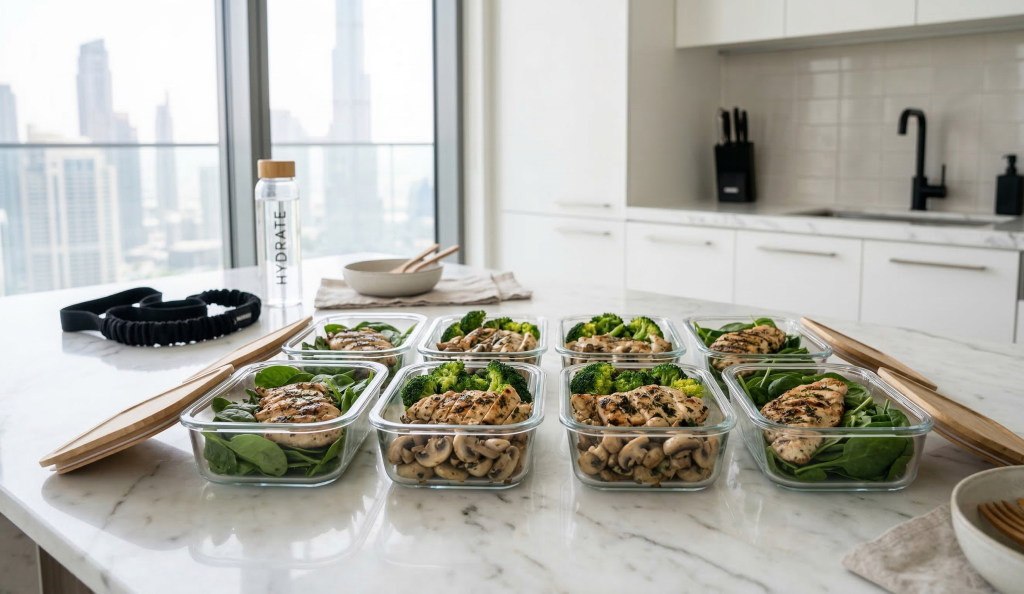
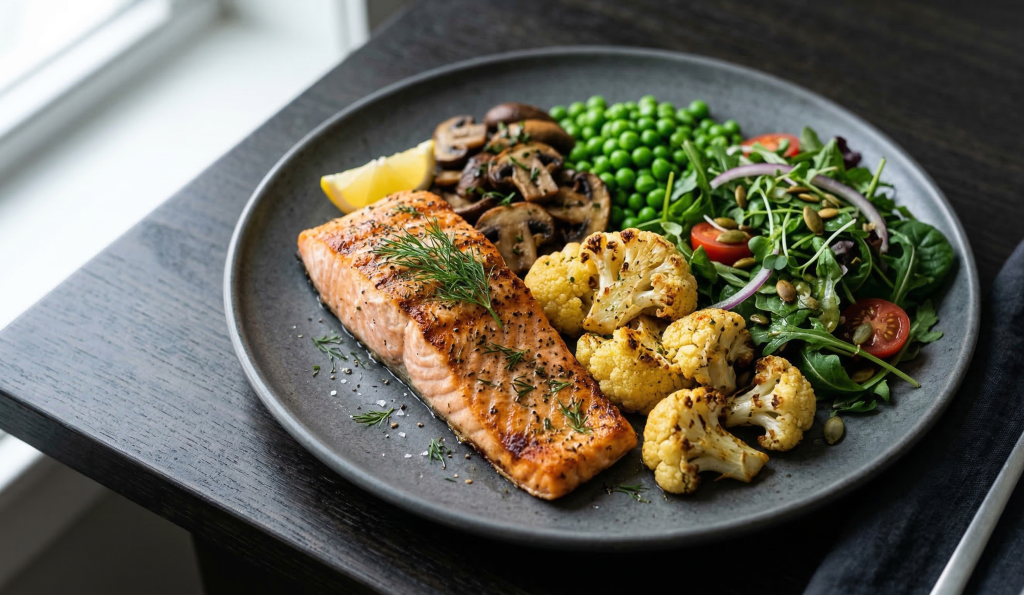
A typical meal prep plate today might include:
- Grilled chicken or tofu
- Sautéed mushrooms
- Steamed broccoli
- Spinach or mixed greens
Each vegetable contributes a small amount. Together, they create a more balanced plate without relying on processed additions.
Why Vegetables Are Becoming Core to Gym Diets in the UAE
1. Heat and Digestibility Matter
Dubai’s climate plays a bigger role than most people realize.
Heavy, protein-dense meals can feel difficult to digest in high temperatures. Vegetables offer:
- Lighter digestion
- Higher water content
- Better meal tolerance during long days
This is one reason gym-goers increasingly prefer meals built around vegetables rather than centered entirely on meat.
2. Consistency Beats Extremes
One of the biggest issues discussed in fitness communities is inconsistency.
Strict diets often fail because they are hard to maintain. Vegetables help solve this by:
- Being easy to cook in bulk
- Pairing with almost any cuisine
- Allowing flexible meal planning
For meal prep businesses in the UAE, this consistency is critical. It reduces waste and makes weekly planning easier.
3. Wholesale Availability Has Improved Quality
A few years ago, one concern was inconsistent quality when buying vegetables in bulk.
Today, sourcing has improved significantly. Buyers working through structured supply chains—rather than random retail purchases—often report:
- Better shelf life
- More uniform sizing
- More predictable weekly availability
In practice, suppliers working closely with Dubai-based distributors such as JMB Farm Fresh often observe that gym-focused buyers prioritize consistency over variety.
The Core High Protein Vegetables Showing Up in Dubai Meal Prep
Now to the practical side: which vegetables are actually being used?
These are not trend-based picks. They are the vegetables that repeatedly show up in meal prep kitchens, gym diets, and catering menus across the UAE.
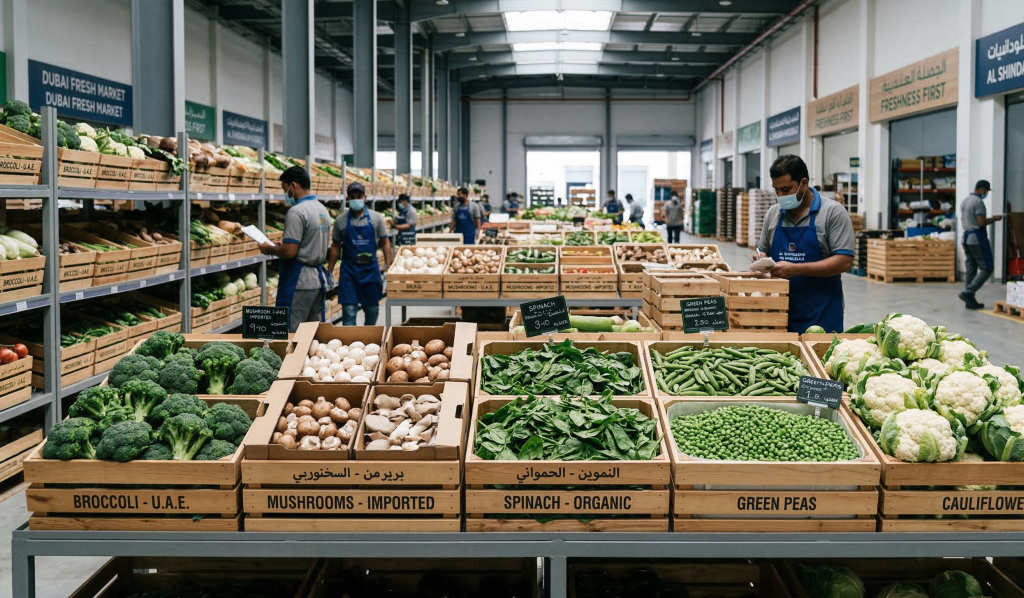
Mushrooms: The Quiet Workhorse of Plant Protein
Mushrooms are one of the most commonly used vegetables in protein-focused diets.
Why They Work
- Higher protein content than most vegetables
- Dense texture that mimics meat in some dishes
- Absorbs flavor easily, making it versatile
Common Uses in Dubai Kitchens
- Stir-fries with lean protein
- Grilled mushroom sides
- Mixed into rice or quinoa bowls
For buyers, mushrooms also offer a practical advantage: when sourced fresh, they maintain structure well during cooking, reducing plate waste.
Broccoli: Still the Standard for a Reason
Broccoli remains one of the most reliable vegetables in gym diets.
What Makes It Valuable
- Consistent protein contribution
- High fiber, supporting digestion
- Widely available year-round
Where Buyers Go Wrong
Many people overcook broccoli, which affects both texture and nutrient retention.
In professional kitchens, it is often:
- Lightly steamed
- Blanched and sautéed
- Added at the final stage of cooking
This keeps both structure and nutritional value intact.
Spinach and Leafy Greens: Small Portions, Frequent Impact
Leafy greens are not high in protein per serving—but they are used often.
Why They Matter
- Easy to add to multiple meals per day
- Minimal preparation required
- Combine well with eggs, meats, and grains
Common Use Patterns
- Mixed into omelettes
- Added to smoothies
- Used as a base for meal prep bowls
Over time, these small additions contribute more than people expect.
Green Peas: Often Overlooked, Surprisingly Useful
Green peas are one of the few vegetables with a more noticeable protein contribution.
Advantages
- Higher protein compared to most vegetables
- Naturally sweet, easy to include in meals
- Work in both hot and cold dishes
Use in UAE Meal Prep
- Mixed vegetable rice
- Side dishes with grilled proteins
- Added to salads for texture
They are especially useful in large-scale meal prep where both nutrition and cost efficiency matter.
Asparagus: Premium, But Functional
Asparagus is less common due to price and seasonality, but still widely used in higher-end meal prep and restaurant settings.
Why It Appears in Gym Diets
- Contains a modest amount of protein
- Low in calories
- Fits well into clean eating plans
Supply Reality in Dubai
Asparagus is often imported, which means:
- Prices fluctuate
- Availability can vary by season
For procurement teams, this makes it a less stable option compared to broccoli or mushrooms.
Cauliflower: The Flexible Base Ingredient
Cauliflower has gained attention because of how adaptable it is.
Why It’s Popular
- Can replace rice, mash, or even pizza base
- Adds bulk to meals without heaviness
- Contains a small but useful amount of protein
Common Uses
- Cauliflower rice
- Roasted cauliflower trays
- Mixed vegetable bowls
Its real value is not just protein—it is how easily it fits into structured meal plans.
A Quick Reality Check: Vegetables Alone Are Not Enough
It is important to stay realistic.
Even the best high protein vegetables in the UAE will not meet daily protein needs on their own. Their role is to:
- Support total intake
- Improve meal balance
- Reduce reliance on ultra-processed foods
This is where many online guides fall short. They present vegetables as replacements, when in practice they are complements.
How Buyers in Dubai Are Sourcing These Vegetables Today
A key shift behind this trend is not just what people are eating—but how they are buying it.
Retail vs Wholesale: What’s Changing?
Many buyers—especially meal prep businesses and families—are moving away from daily retail purchases.
Instead, they are:
- Ordering vegetables weekly
- Buying in semi-bulk quantities
- Prioritizing consistent supply over impulse buying
Why This Matters
From a supply perspective, this approach helps:
- Reduce cost per kilogram
- Improve planning accuracy
- Minimize last-minute shortages
But it also introduces new challenges, especially around storage and freshness.
The Most Common Mistakes When Buying High Protein Vegetables
Based on discussions across buyer communities and industry conversations, a few patterns appear repeatedly.
1. Buying Without Understanding Shelf Life
Not all vegetables last the same amount of time.
- Mushrooms: short shelf life
- Broccoli: moderate
- Root vegetables: longer
Buying everything in bulk without planning leads to waste.
2. Confusing Appearance With Freshness
Shiny or large vegetables are not always fresher.
Experienced buyers look for:
- Firm texture
- Natural color (not overly bright or dull)
- Minimal moisture buildup in packaging
3. Ignoring Seasonal Supply Patterns
Even in a global import market like the UAE, seasonality still matters.
- Some vegetables are locally grown in cooler months
- Others rely heavily on imports
This affects both price and consistency.
Understanding Seasonality in the UAE: Why Winter Changes Everything
One of the most overlooked factors in vegetable sourcing in the UAE is seasonality.
Because Dubai imports a large portion of its produce, many buyers assume availability is stable year-round. In reality, supply chains still follow agricultural cycles—both locally and internationally.
What Happens During Winter in the UAE?
From roughly November to March, local farming activity increases. This has a direct effect on:
- Availability of leafy greens
- Quality of herbs and salad vegetables
- Pricing stability for commonly used items
Vegetables like spinach, lettuce, herbs, and some cruciferous options (like broccoli) often become:
- Fresher
- More consistent in size and texture
- Easier to source in bulk
For gym-focused diets, this is an ideal period. Meals built around greens and lighter vegetables are easier to maintain when supply is stable.
Import Dependency Still Matters
Not all high protein vegetables are locally grown.
For example:
- Mushrooms are often imported or grown in controlled environments
- Asparagus is largely imported
- Specialty greens may come from Europe or Asia
This means:
- Prices can fluctuate week to week
- Quality may vary depending on transit time
- Availability may shift without much notice
Buyers who rely heavily on these items need backup options in their meal plans.
Building a Weekly Vegetable System (Instead of Daily Buying)
One clear pattern across Dubai’s fitness and food prep community is the shift toward structured weekly sourcing.
Instead of buying vegetables daily, buyers are planning ahead.
What a Typical Weekly System Looks Like
A simple, practical structure:
Base vegetables (high usage, stable supply):
- Broccoli
- Spinach or mixed greens
- Cauliflower
Mid-shelf vegetables (moderate shelf life):
- Green peas
- Beans
- Zucchini
Short shelf-life items (use early in the week):
- Mushrooms
- Herbs
- Soft leafy greens
This approach helps reduce waste while maintaining variety.
Why This System Works
It aligns with how vegetables actually behave in storage.
Instead of treating all produce the same, it accounts for:
- Moisture sensitivity
- Storage temperature needs
- Natural degradation rates
For both households and businesses, this leads to more predictable outcomes.
Storage: The Hidden Factor That Affects Protein Intake
It may sound unrelated, but storage directly affects how much usable food you actually consume.
If vegetables spoil early, your intended diet plan breaks down.
Common Storage Mistakes in Dubai
1. Overcrowding the fridge
Vegetables need airflow. When packed tightly:
- Moisture builds up
- Spoilage accelerates
2. Washing everything immediately
While it seems efficient, pre-washing can reduce shelf life for:
- Mushrooms
- Leafy greens
It’s better to wash just before use.
3. Using standard fridge settings for everything
Different vegetables need different conditions:
- Leafy greens: high humidity
- Mushrooms: low moisture, breathable packaging
- Cruciferous vegetables: moderate humidity
Ignoring this leads to uneven spoilage.
Cost vs Quality: A Realistic Perspective
One of the most debated topics in UAE produce sourcing is whether wholesale vegetables are actually better than retail.
The answer is not simple.
Where Wholesale Has an Advantage
- Lower cost per unit
- Better consistency in bulk orders
- Fewer supply interruptions
This is why meal prep businesses and catering services often rely on it.
Where Retail Still Works
- Smaller quantities
- Immediate consumption
- Greater flexibility for changing preferences
For individuals who cook daily without planning, retail still makes sense.
The Real Tradeoff
Wholesale requires:
- Planning
- Storage discipline
- Understanding of shelf life
Without these, the cost advantage disappears due to waste.
How Gym Diet Trends Are Influencing the Supply Chain
An interesting shift is happening behind the scenes.
Gym-driven demand is not just changing diets—it is shaping procurement patterns.
What Suppliers Are Noticing
Across UAE distribution networks:
- Increased demand for mushrooms and broccoli
- Higher turnover of leafy greens
- More consistent weekly ordering patterns
Instead of irregular buying, customers are becoming more predictable.
Why This Matters for Buyers
More predictable demand leads to:
- Better stock planning
- Improved freshness cycles
- More stable pricing over time
In practice, suppliers working with structured buyers—such as those sourcing through established networks like JMB Farm Fresh—often see fewer last-minute shortages compared to fragmented retail sourcing.
Combining Vegetables for Maximum Practical Protein Intake
Rather than focusing on a single “high protein vegetable,” experienced buyers and meal planners think in combinations.
A Practical Plate Strategy
Instead of:
- One vegetable + one protein
The approach becomes:
- One primary protein
- Two to three supporting vegetables
For example:
- Chicken + broccoli + mushrooms + spinach
- Tofu + green peas + cauliflower + greens
This layering approach:
- Improves total protein contribution
- Adds variety without complexity
- Keeps meals sustainable over time
Why This Works Better Than Supplements Alone
Supplements are convenient, but they do not replace whole food structure.
Vegetables contribute:
- Fiber
- Micronutrients
- Volume (helping satiety)
This supports long-term adherence to a diet—not just short-term results.
Common Buyer Questions (And Practical Answers)
“Are high protein vegetables worth the cost?”
Yes—but only when used consistently. Buying them occasionally without a plan reduces their value.
“Is imported produce always worse than local?”
Not necessarily. Imported vegetables can be high quality, but they are more sensitive to:
- Transit time
- Handling conditions
Local produce often has an advantage in freshness during peak season.
“Why do prices change so often?”
Because supply chains are dynamic.
Prices shift due to:
- Import costs
- Seasonal availability
- Demand spikes (especially during Ramadan or winter)
“How can I tell if vegetables will last the week?”
Look for:
- Firm texture
- Minimal moisture
- No strong odor
These are more reliable indicators than appearance alone.
A Balanced View: What This Trend Gets Right—and Where It Can Go Wrong
What It Gets Right
- Encourages whole food consumption
- Improves diet sustainability
- Reduces reliance on processed protein
Where It Can Go Wrong
- Overestimating protein contribution
- Ignoring storage and waste
- Buying in bulk without planning
The trend works best when approached practically, not ideologically.
Practical Takeaways: How to Apply This Without Overcomplicating It
The idea of “protein maxxing with plants” works best when it stays simple.
It is not about changing your entire diet overnight. It is about building small, repeatable habits that fit into your routine.
1. Start With Two Core Vegetables
Instead of buying everything at once, begin with:
- One stable vegetable (like broccoli or cauliflower)
- One flexible vegetable (like mushrooms or spinach)
Use them across multiple meals in the week. This reduces waste and builds consistency.
2. Think in Combinations, Not Ingredients
Avoid planning meals around a single “high protein vegetable.”
Instead, build plates like this:
- Primary protein (chicken, fish, tofu, etc.)
- 2–3 vegetables layered together
This approach is easier to maintain and delivers better results over time.
3. Match Buying Quantity to Your Routine
If you cook:
- Daily: Retail buying may still suit you
- 2–3 times a week: Small bulk orders work well
- Weekly meal prep: Structured wholesale sourcing becomes more efficient
There is no single right method. The key is alignment with your actual habits.
4. Respect Shelf Life
Plan your week around how vegetables behave:
- Use mushrooms and leafy greens early
- Keep broccoli and cauliflower for mid-week
- Use frozen or longer-lasting items as backup
This simple adjustment prevents most waste issues.
5. Adjust for Seasonality
In winter months in the UAE:
- Increase use of fresh greens and herbs
- Expect better quality and pricing for local produce
In hotter months:
- Focus more on stable, imported vegetables
- Be more selective with bulk buying
This keeps your sourcing realistic and cost-aware.
A Quiet Shift in How Dubai Eats
What stands out about this trend is not just the focus on protein.
It is the shift toward structured, repeatable eating habits.
People are moving away from:
- Random grocery runs
- Over-reliance on supplements
- Inconsistent meal planning
And moving toward:
- Weekly sourcing
- Balanced plates
- Better understanding of ingredients
Vegetables are not replacing protein sources. They are reinforcing them.
Final Thoughts: Protein Is Not Just a Number
In many online discussions, protein is treated as a target to hit.
But in practice, especially in a place like Dubai, it is more about how that protein fits into daily life.
Vegetables play a role that goes beyond numbers:
- They improve how meals feel and digest
- They make diets easier to sustain
- They reduce friction in meal preparation
For buyers—whether households or businesses—the real advantage comes from understanding both nutrition and supply.
Knowing what to buy is only part of the equation. Knowing how it behaves after purchase is what creates consistency.
Frequently Asked Questions (FAQ)
1. Which are the best high protein vegetables in the UAE?
Common options include mushrooms, broccoli, green peas, spinach, and cauliflower. While none are extremely high in protein alone, they contribute meaningfully when combined across meals.
2. Can vegetables replace meat for protein?
Not fully in most cases. Vegetables support protein intake but usually need to be paired with other protein sources like legumes, dairy, or meat.
3. Is buying vegetables in bulk cheaper in Dubai?
Often yes, especially for frequent use. However, savings depend on proper storage and planning to avoid spoilage.
4. How long do common vegetables last in the fridge?
- Mushrooms: 3–5 days
- Leafy greens: 3–7 days
- Broccoli/cauliflower: up to 7 days
Storage conditions can significantly affect these timelines.
5. Are locally grown vegetables better than imported ones?
During the UAE winter season, local vegetables are often fresher. Imported produce can still be high quality but may vary depending on handling and transit time.








 Home
Home  Whishlist
  Compare
  Checkout