









Introduction: A Familiar Ingredient With an Unfamiliar Reputation
4
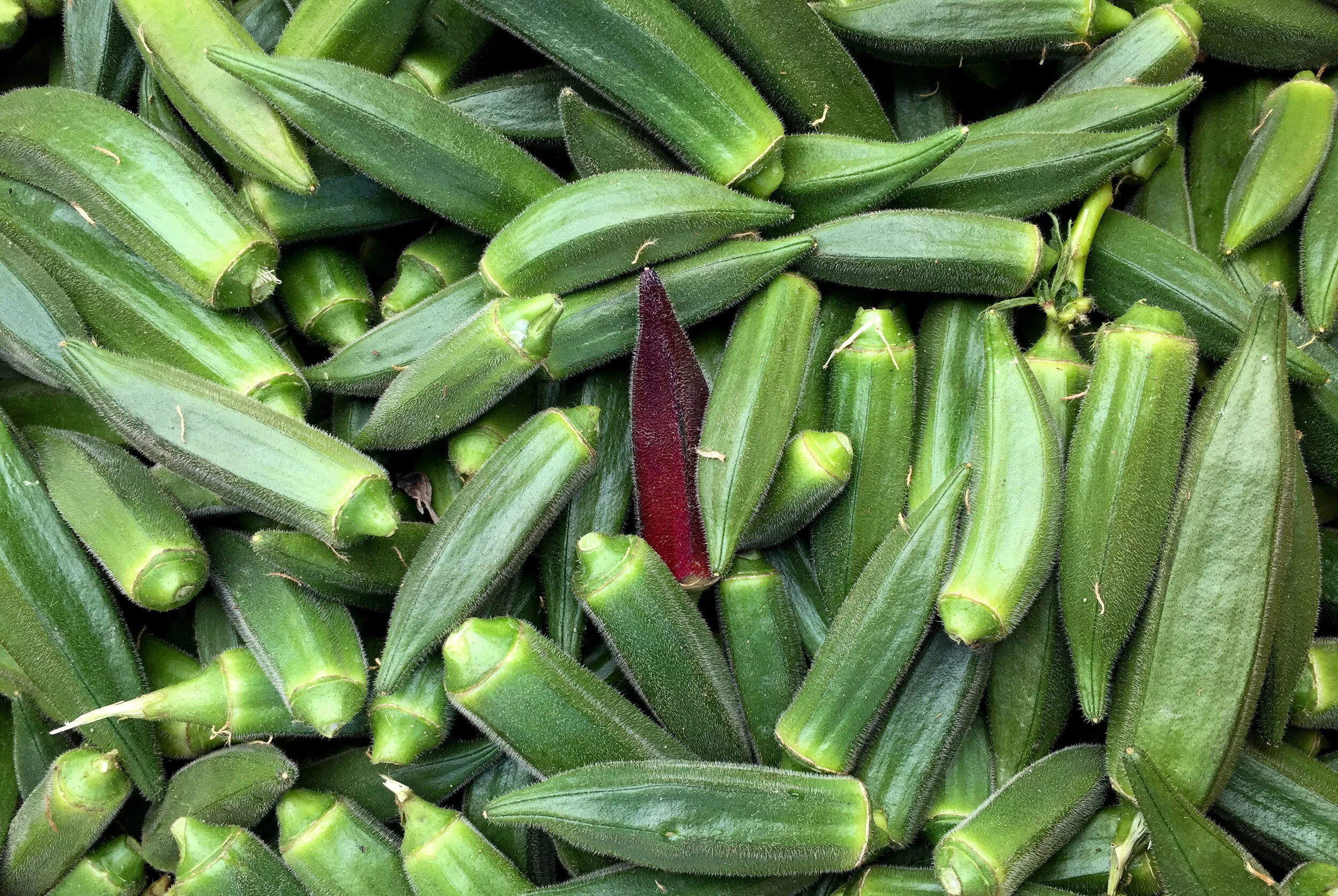
In much of the Arab world, okra—often called bamia—is not a specialty item. It is a daily vegetable. It appears in home kitchens, restaurant menus, and large-scale catering operations.
Yet in Dubai, despite its wide availability, okra carries a strange reputation. Many buyers—especially newer residents or younger consumers—describe it as “slimy,” difficult to cook, or inconsistent in quality.
This gap between perception and reality is not about the vegetable itself. It is about handling, sourcing, and cooking methods.
Across wholesale markets, restaurant kitchens, and procurement discussions, one thing becomes clear: when okra is selected and handled correctly, the “slime” problem is largely avoidable.
Understanding why this misunderstanding exists requires looking beyond recipes—and into supply chains, freshness indicators, and regional cooking practices.
Why Okra Matters in UAE Food Supply
Okra is not just culturally important. It is commercially relevant.
In Dubai’s produce ecosystem, okra plays a steady role due to its:
- Year-round availability (primarily imported, with seasonal regional supply)
- Strong demand in Arab, South Asian, and African cuisines
- Versatility across home cooking and professional kitchens
For restaurant owners and procurement managers, okra is considered a stable vegetable—one that appears frequently in rotating menus without requiring heavy marketing or education.
However, stability in demand does not always mean consistency in quality.
That is where many issues begin.
The Real Reason People Think Okra Is Slimy
It’s Not the Okra. It’s the Chemistry.

4
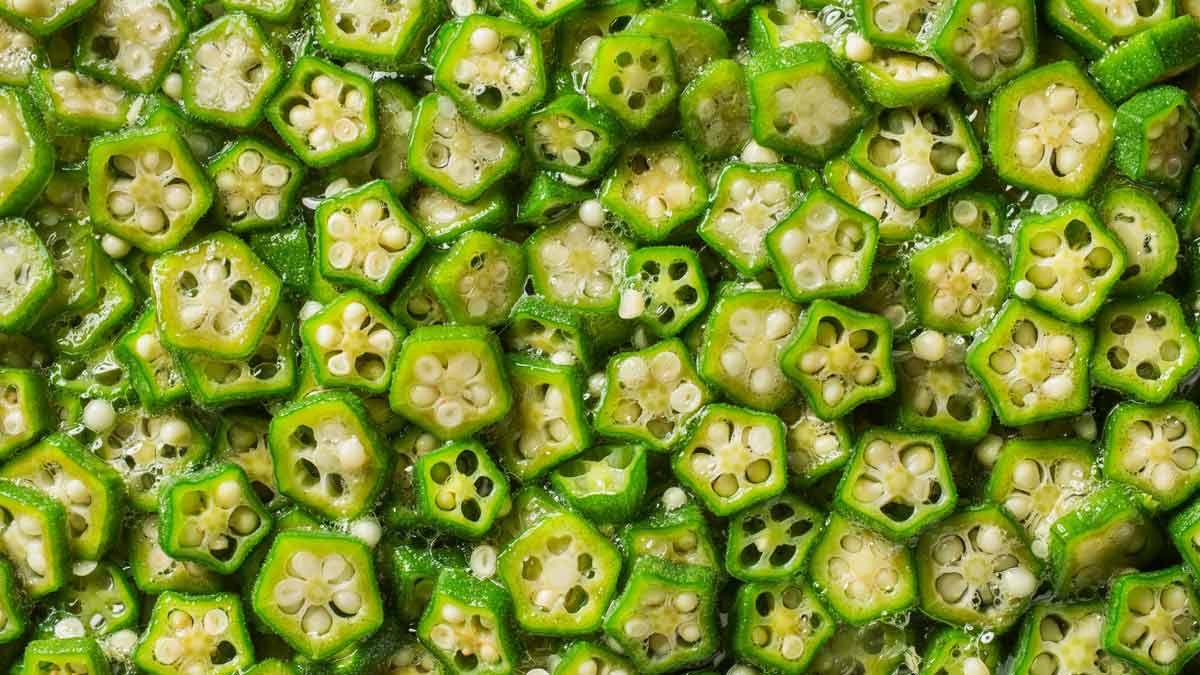
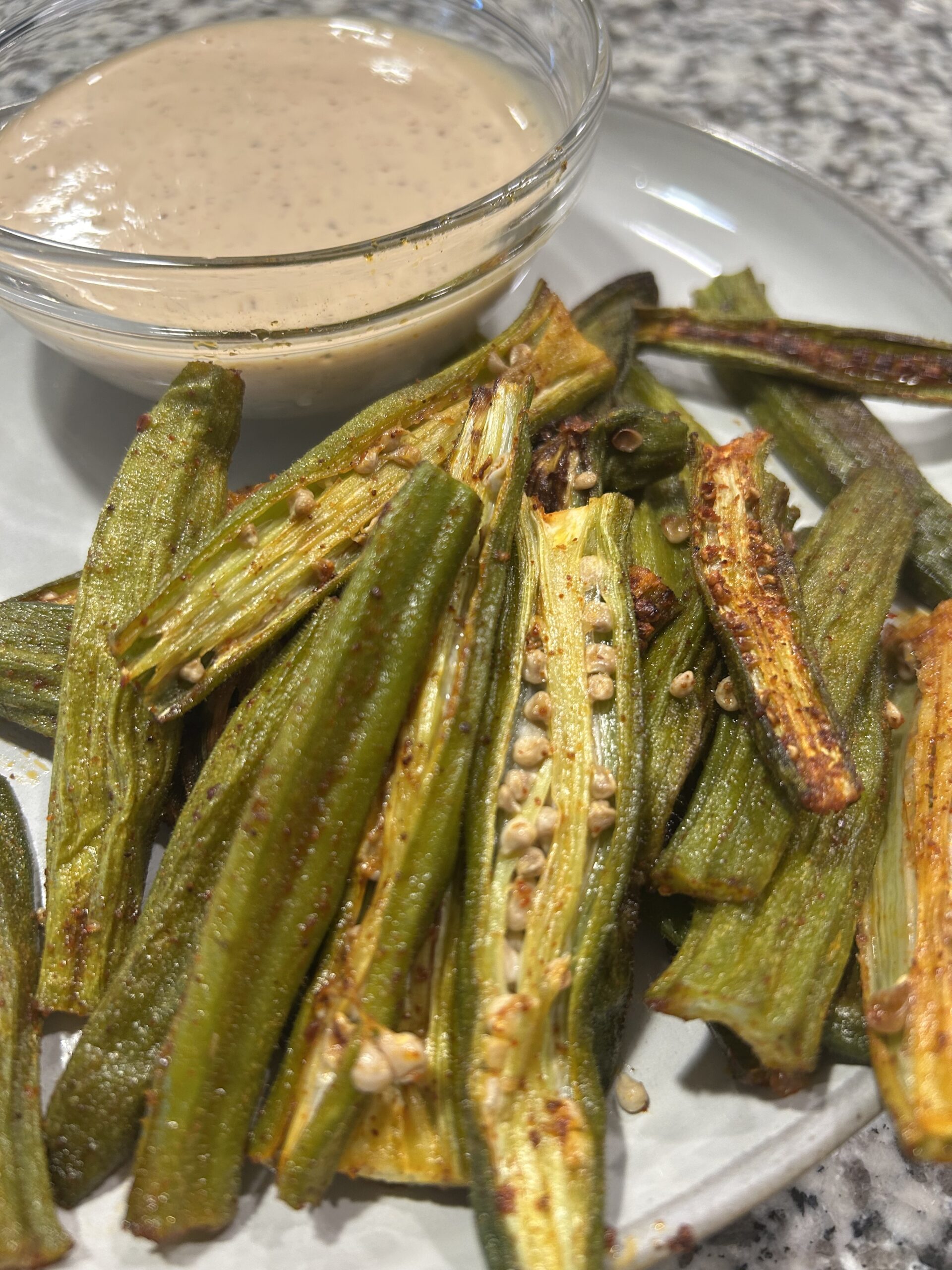
Okra contains a natural substance called mucilage.
Mucilage is a plant-based compound that thickens when exposed to moisture and heat. It is the same property that makes okra useful in dishes like stews, where it acts as a natural thickener.
But when handled incorrectly, mucilage becomes noticeable in ways people describe as “slimy.”
This typically happens when:
- Okra is cut too early and left exposed
- It is cooked at low heat for too long
- Excess water is introduced during cooking
- Older or damaged pods are used
In other words, the “slime” is not a flaw. It is a predictable reaction.
Why This Issue Is More Common in Dubai
1. Mixed Supply Chains (Local vs Imported)
Dubai relies heavily on imported vegetables.
Okra may come from:
- India
- Pakistan
- Jordan
- Egypt
- Local UAE farms (seasonal)
Each origin has different characteristics—size, firmness, moisture content, and shelf life.
When buyers are unaware of these differences, they treat all okra the same way.
That often leads to poor cooking outcomes.
2. Time Between Harvest and Cooking
Unlike root vegetables, okra is sensitive.
As it ages:
- The pods lose firmness
- Internal moisture balance shifts
- Mucilage becomes more pronounced
Even a one- or two-day difference in storage conditions can change how okra behaves in a pan.
In wholesale discussions, this is one of the most overlooked factors.
Buyers often focus on price per kilogram, but not on harvest freshness.
3. Retail Handling vs Wholesale Handling
In supermarket environments, okra is often:
- Stored in open bins
- Handled frequently
- Exposed to fluctuating temperatures
This can damage the pods.
In contrast, structured wholesale supply tends to maintain better control over:
- Temperature
- Handling
- Turnover speed
In practice, suppliers working closely with Dubai-based distributors such as JMB Farm Fresh often observe that buyers who shift from inconsistent retail sourcing to more structured supply see fewer quality issues with okra.
How to Identify Fresh Okra (Before You Even Cook It)


4
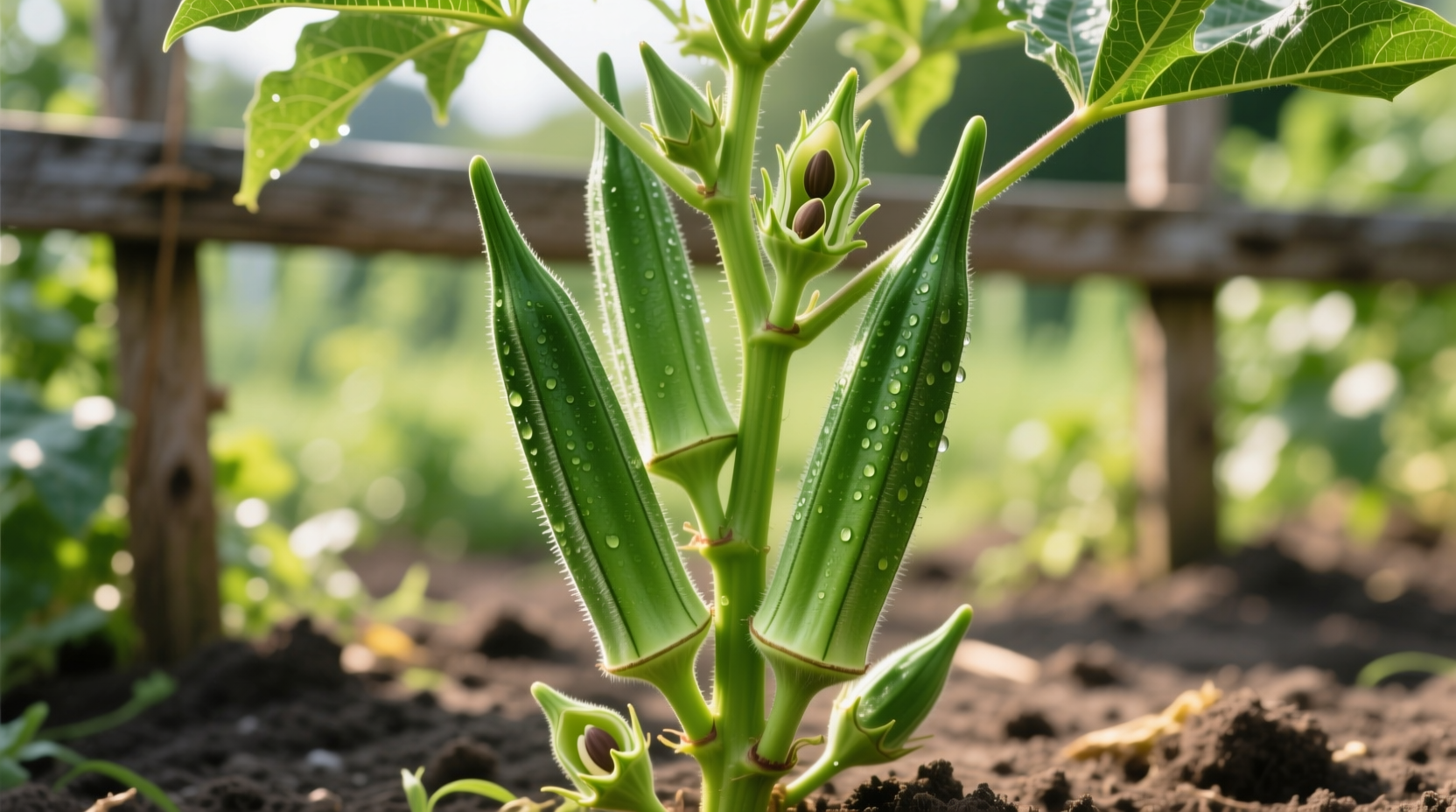
Many cooking problems start at the buying stage.
Fresh okra behaves very differently from older stock.
Here are practical indicators used by experienced buyers:
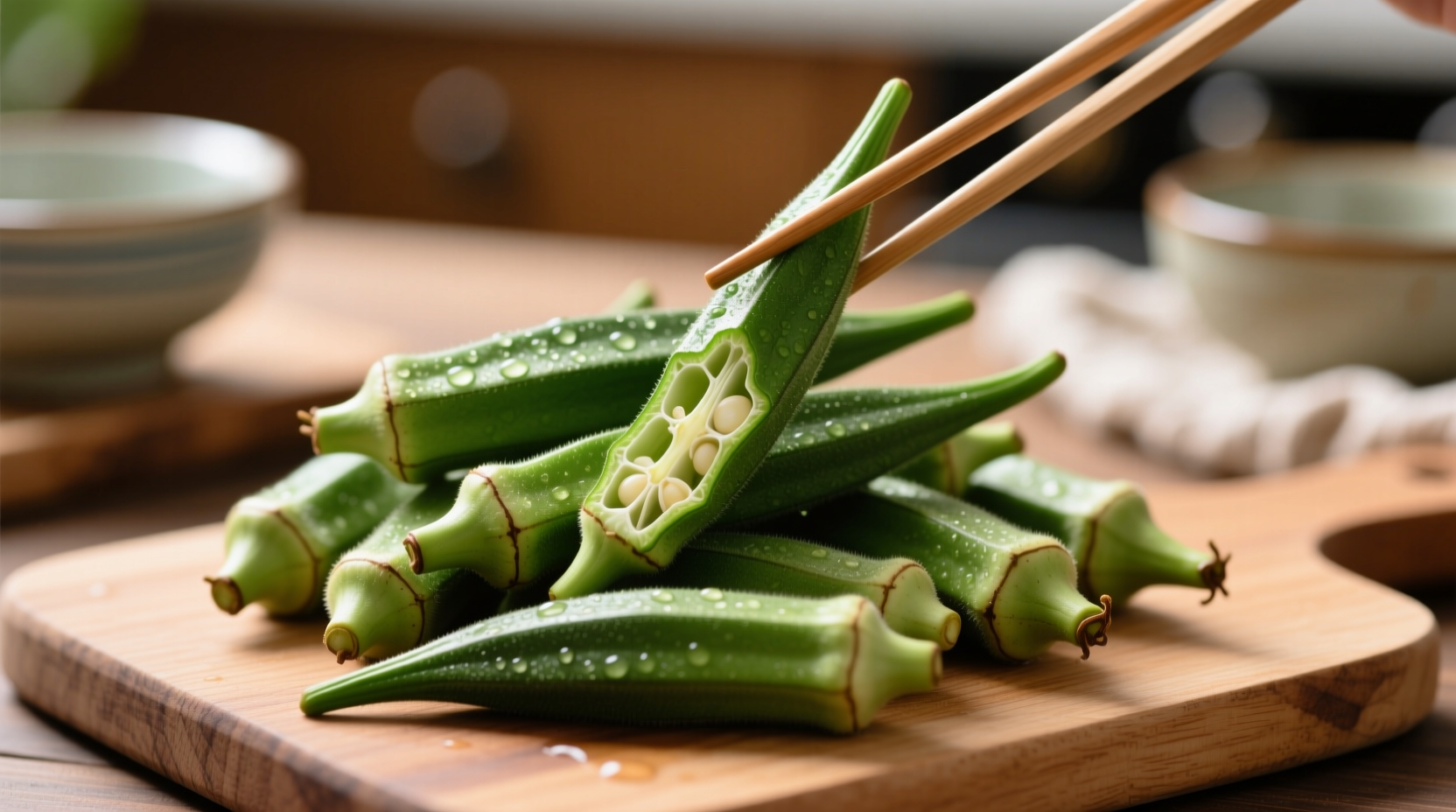
Look for Size and Shape
- Smaller pods (5–8 cm) are usually more tender
- Large pods tend to be fibrous and more reactive during cooking
Check the Texture
- Fresh okra should feel firm, not soft
- It should snap cleanly when bent
Examine the Surface
- Bright green color is a good sign
- Avoid dull, wrinkled, or bruised pods
Inspect the Stem
- A fresh stem looks moist and green
- A dry or dark stem indicates age
These checks take seconds—but they significantly reduce cooking issues later.
Common Mistakes That Lead to Slimy Okra
Across home kitchens and restaurant prep areas, the same mistakes appear repeatedly.
Washing and Storing Incorrectly
Okra should not be stored wet.
Excess moisture accelerates mucilage release.
If washed, it should be dried completely before storage or cooking.
Cutting Too Early
Pre-cutting okra and leaving it exposed increases the release of mucilage.
Best practice is to cut just before cooking.
Cooking at Low Heat
Low heat causes okra to release more mucilage gradually.
High heat, on the other hand, helps seal the exterior quickly.
Overcrowding the Pan
When too much okra is added at once:
- Steam builds up
- Moisture increases
- Texture becomes undesirable
This is a common issue in both home kitchens and bulk cooking setups.
A Different Perspective: Why “Slimy” Is Sometimes Intentional
In many traditional dishes, the texture people avoid is actually desirable.
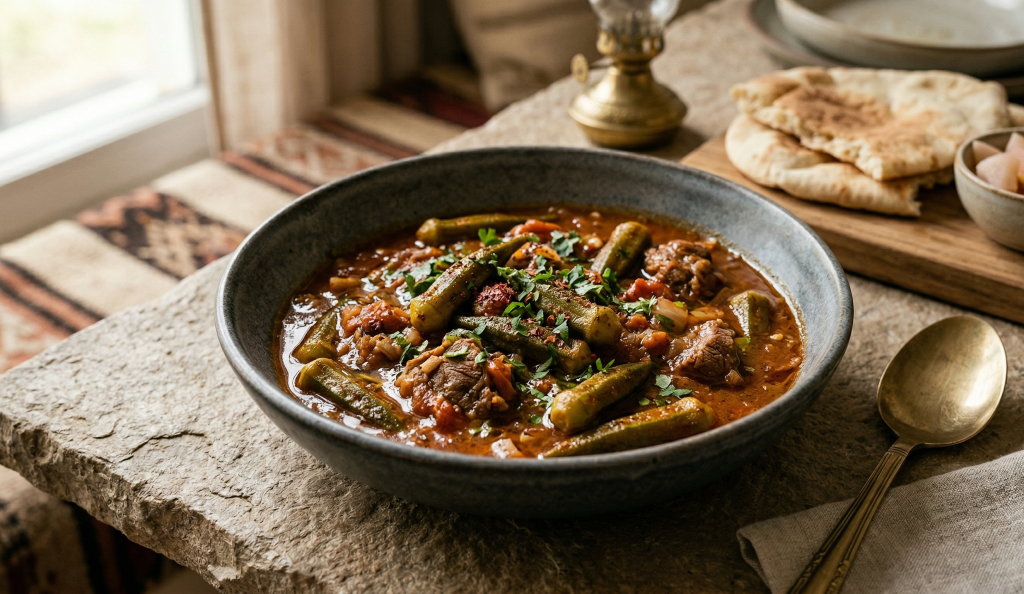
In dishes like slow-cooked bamia stews:
- Mucilage thickens the sauce
- It binds ingredients together
- It creates a richer mouthfeel
This is why regional cooks do not try to eliminate the texture—they manage it.
The issue in Dubai is not that okra behaves differently.
It is that cooking styles vary widely, and not all methods align with how okra naturally performs.
Seasonal Context: When Okra Is at Its Best in the UAE
Understanding seasonality helps explain quality fluctuations.
- Winter (Nov–Feb):
Better regional supply (Jordan, Egypt, local farms)
Fresher, firmer pods - Summer (May–Sep):
Heavier reliance on imports from South Asia
Greater variability in quality due to transport conditions
For buyers, this means expectations should shift with the season.
Consistency in January may not match consistency in July.
How to Cook Okra Without the Slimy Texture Most People Dislike

4
Once sourcing is correct, cooking becomes much easier.
The goal is not to “remove” mucilage completely.
The goal is to control when and how it appears.
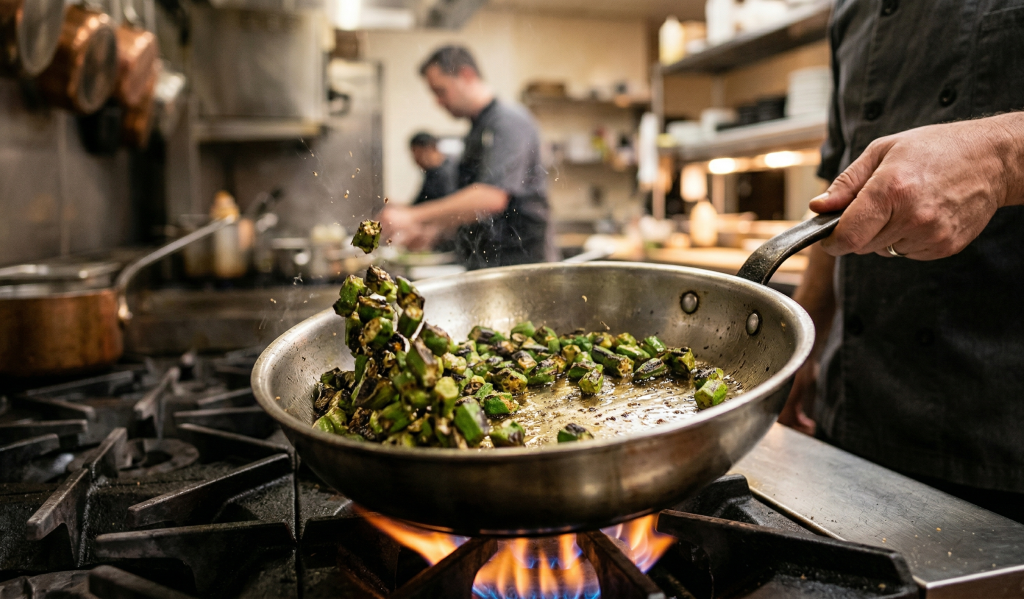
Use High Heat From the Start
Okra responds well to aggressive cooking.
- Preheat the pan properly
- Add oil before adding okra
- Avoid slow temperature buildup
High heat quickly seals the outer layer of the pod, reducing mucilage release.
Keep It Dry
Water is the main trigger for the texture people dislike.
- Dry okra fully after washing
- Avoid adding water early in cooking
- If making stew, delay liquid addition
Even small amounts of excess moisture can change the result.
Cook in Smaller Batches
This is especially important in restaurant kitchens.
Large batches create steam, not sear.
- Use wider pans
- Avoid stacking okra
- Allow space between pieces
This single adjustment often improves texture more than any ingredient change.
Add Acid at the Right Time
Ingredients like:
- Tomatoes
- Lemon juice
- Vinegar
help reduce mucilage activity.
However, timing matters.
Adding acid too early can soften the structure of okra.
Adding it midway or toward the end works better.
Avoid Constant Stirring
Frequent stirring breaks the pods.
Broken okra releases more mucilage.
Let it sit, cook, and develop structure before turning.
Bamia in Practice: Why Traditional Cooking Works Better

4
In traditional Arab kitchens, okra is rarely treated as a quick stir-fry vegetable.
Instead, it is:
- Lightly sautéed first
- Then simmered in tomato-based sauces
- Cooked with controlled moisture and timing
This method works because:
- Initial frying reduces surface moisture
- Tomato acidity balances texture
- Slow cooking integrates flavors without breaking the structure
The result is not “slimy.”
It is cohesive.
This distinction is often lost when recipes are simplified or rushed.
What Restaurant Buyers and Chefs Get Right About Okra
In professional kitchens, okra rarely causes complaints.
That is not because chefs use different ingredients.
It is because they control variables more carefully.
They Standardize Their Supply
Consistency matters more than price alone.
Chefs often prefer:
- Same origin batches
- Similar pod sizes
- Predictable delivery schedules
This reduces variability in cooking behavior.
They Adjust Techniques Based on the Batch
Experienced chefs do not treat every delivery the same.
If okra arrives slightly older:
- Cooking time is reduced
- Heat is increased
- Handling is minimized
This flexibility is rarely discussed, but it is critical.
They Avoid Overprocessing
In bulk kitchens, there is pressure to:
- Wash everything early
- Cut everything in advance
With okra, this approach creates problems.
Many professional kitchens now:
- Prep okra closer to service time
- Store it dry and uncut
- Handle it minimally
Wholesale vs Retail Okra: What Buyers Often Miss
One of the most common misconceptions in Dubai’s produce market is:
“Supermarket vegetables are cleaner and better than wholesale.”
This is not always accurate.
Wholesale Advantages
- Faster turnover (fresher stock)
- Less handling damage
- More consistent batch sourcing
Retail Advantages
- Convenience
- Smaller quantities
- Easier access for households
But for okra specifically, handling and freshness matter more than packaging.
This is why some buyers notice that okra from structured supply channels performs better in cooking—even if it looks similar at first glance.
Storage Matters More Than Most People Think
4
Even good okra can become problematic if stored poorly.
Best Practices
- Store in a dry container
- Use paper towels to absorb moisture
- Keep in the vegetable drawer of the fridge
- Avoid sealed plastic bags without airflow
What to Avoid
- Washing before storage
- Stacking under heavy items
- Leaving at room temperature for long periods
Shelf life is short.
In most cases, okra should be used within 2–3 days for best results.
Why Prices Fluctuate—and Why It Affects Quality
Many buyers notice that okra prices in Dubai change frequently.
This is not random.
It reflects:
- Import costs
- Weather conditions in source countries
- Supply chain delays
- Seasonal demand shifts
When prices drop sharply, it may indicate:
- Oversupply
- Older stock moving through the system
When prices rise:
- Supply may be tighter
- Quality may actually improve
Understanding this helps buyers avoid a common mistake:
Choosing purely based on price, without considering freshness or origin.
A Practical Buying Scenario (Real-World Insight)
A mid-sized catering company in Dubai switches from mixed retail sourcing to a consistent wholesale supplier.
Within weeks, they notice:
- Less waste during trimming
- More predictable cooking results
- Fewer complaints about texture
Not because the vegetable changed—but because:
- Supply became consistent
- Handling improved
- Storage practices were adjusted
This kind of shift is common, but rarely documented in consumer-facing content.
The Bigger Insight: Okra Is a Handling-Sensitive Vegetable
Some vegetables are forgiving.
Okra is not one of them.
It responds quickly to:
- Moisture
- Heat
- Time
- Handling
This is why two people can cook the same vegetable and get completely different results.
Understanding this changes how buyers approach sourcing, storage, and preparation.
Practical Takeaways for Buyers, Chefs, and Households
4
After looking at supply, handling, and cooking, a few consistent patterns emerge.
These are not theory-based tips. They are observations repeated across kitchens, buyers, and suppliers.
If You Are Buying Okra
- Prioritize freshness over price
- Choose smaller, firm pods
- Ask about origin and delivery timing
- Avoid stock that looks dull or overhandled
For procurement teams, consistency matters more than occasional savings.
If You Are Storing Okra
- Keep it dry at all times
- Use it within 2–3 days
- Avoid washing before storage
- Do not compress it under other produce
A large portion of “bad okra experiences” begin in storage, not cooking.
If You Are Cooking Okra
- Use high heat first
- Avoid adding water early
- Do not overcrowd the pan
- Cut only when needed
- Add acidic ingredients at the right stage
These are simple adjustments, but they change the result significantly.
The Misunderstanding Around Okra in Dubai
Dubai is a diverse food environment.
People bring different cooking styles, expectations, and habits.
Okra sits at the intersection of this diversity.
For some, it is a comfort ingredient used weekly.
For others, it is unfamiliar and often misunderstood.
The “slimy” label is not wrong—but it is incomplete.
It reflects:
- A mismatch between ingredient and technique
- Inconsistent sourcing
- Limited awareness of handling sensitivity
Once these factors are addressed, perception changes quickly.
A Quiet Industry Observation
Within wholesale and distribution circles, okra is rarely considered a problematic vegetable.
It is seen as:
- Reliable
- Widely accepted across cuisines
- Easy to move in volume
In practice, suppliers working closely with UAE buyers—including structured distributors such as JMB Farm Fresh (jmbfarmfresh.com)—often notice that complaints about okra decrease when buyers standardize sourcing and handling.
This is not unique to one supplier.
It reflects a broader pattern across the produce trade.
Final Perspective: Okra Is Not Difficult—It Is Precise
Okra does not require complex techniques.
But it does require attention.
It rewards:
- Fresh sourcing
- Dry handling
- Confident cooking
And it reacts quickly when these are ignored.
In a market like Dubai—where supply chains are global and kitchens are diverse—this precision becomes more important.
For buyers, chefs, and households, the takeaway is simple:
The quality of okra is not just what you buy.
It is how you handle it from the moment it arrives.
Okra is often considered slimy because it contains mucilage, a natural compound that thickens when exposed to moisture and heat. In Dubai, this issue is more noticeable due to inconsistent sourcing, storage, and cooking methods. Using fresh, dry okra and cooking it at high heat with minimal water can significantly reduce the slimy texture.
Frequently Asked Questions (FAQs)
1. Why does okra become slimy when cooked?
Okra releases mucilage when exposed to moisture and heat. This is a natural property, not a defect.
2. How can I cook okra without slime in the UAE?
Use fresh, dry okra. Cook on high heat, avoid water early, and do not overcrowd the pan.
3. Is slimy okra bad or spoiled?
No. The texture is natural. However, overly soft or foul-smelling okra may indicate spoilage.
4. When is okra freshest in Dubai?
Winter months (November to February) often provide better regional supply and fresher pods.
5. Should I buy okra from wholesale or supermarkets?
Both are viable. However, wholesale sources often offer fresher, less-handled stock, which performs better in cooking.








 Home
Home  Whishlist
  Compare
  Checkout