















Dubai’s produce markets move in clear seasonal rhythms.
From winter citrus imports to summer stone fruits, buyers across the city — from home cooks to hotel kitchens — often plan menus around what is arriving fresh that month.
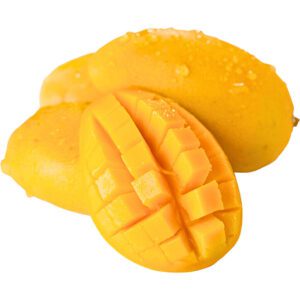
Among these cycles, mango season remains one of the most anticipated.
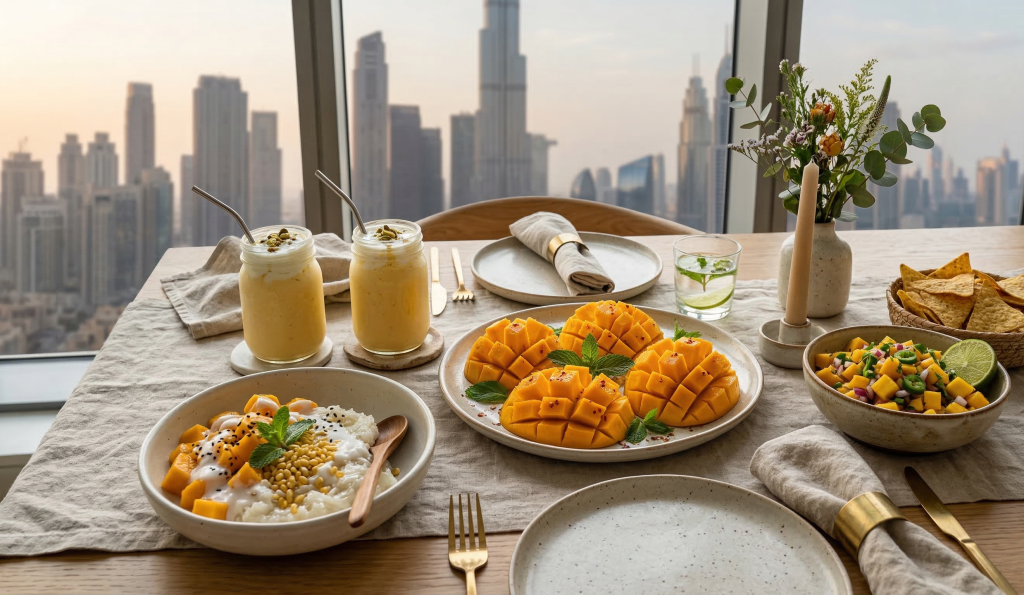
By late spring and early summer, shipments of Pakistani and Indian mango varieties begin reaching the UAE. Retail shelves, wholesale markets, and online grocery platforms start offering early arrivals of Sindhri, Chaunsa, and Alphonso mangoes, followed by later-season varieties.
For many residents, this moment signals more than just a fruit becoming available. It marks the start of a short window when mangoes taste exactly as they should: aromatic, naturally sweet, and harvested at the right maturity.
For restaurants, caterers, and families alike, knowing how to recognize peak-season mangoes and how to use them well makes a noticeable difference.
This guide explores:
- What mango season in Dubai 2026 is expected to look like
- Why Pakistani and Indian mangoes dominate the UAE market
- How buyers evaluate freshness and variety
- Five practical mango recipes for home cooking in the UAE
The goal is simple: help readers understand the fruit itself, not just the recipes.
Because in produce markets, seasonality matters more than most people realize.
When Mango Season Arrives in Dubai
Unlike regions where mangoes are grown locally, the UAE depends almost entirely on imports.
Dubai’s mango supply typically comes from:
- Pakistan (Sindh, Punjab)
- India (Maharashtra, Gujarat, Andhra Pradesh)
- Smaller volumes from Mexico, Peru, and Thailand outside peak months
For Pakistani and Indian varieties, the main shipping window usually begins between April and June.
The exact timing varies each year due to:
- Harvest conditions
- Export approvals
- Weather patterns in growing regions
- Air cargo and sea freight schedules
Early-season arrivals are often smaller volumes sold at higher prices, while peak shipments bring more stable supply.
Typical Mango Supply Pattern in Dubai
Early arrivals (April – early May)
- Sindhri mangoes from Pakistan
- Alphonso mangoes from India
Peak season (May – July)
- Chaunsa
- Langra
- Dussehri
- Totapuri
Late season (July – August)
- Remaining Chaunsa shipments
- Other regional varieties
During this period, buyers across Dubai begin looking for fresh mango delivery in the UAE, both through traditional markets and newer online produce platforms.
For restaurants and catering businesses, this window often drives seasonal dessert menus and beverages.
Why Pakistani and Indian Mangoes Dominate Dubai’s Market
If you walk through Dubai’s wholesale fruit markets during peak season, one thing becomes clear quickly: South Asian mangoes lead the category.
There are several reasons for this.
1. Flavor Profile
Pakistani and Indian mango varieties are known for:
- High natural sweetness
- Strong aroma
- Soft fiber structure
- Deep yellow to orange flesh
This makes them ideal for both fresh consumption and recipes.
By comparison, some international export varieties prioritize durability over flavor, which can lead to firmer but less aromatic fruit.
2. Geographic Proximity
Shipping time plays a major role in produce quality.
Pakistan and India are relatively close to the UAE, allowing exporters to move mangoes through faster logistics routes.
Shorter transit times help maintain:
- Natural ripeness
- Texture
- Flavor integrity
This is particularly important for mangoes, which are highly sensitive to handling and temperature changes.
3. Strong Consumer Familiarity
Dubai’s population includes large South Asian communities that grew up eating these varieties.
As a result, names like:
- Sindhri mango Dubai
- Chaunsa
- Alphonso
are widely recognized by buyers.
Retailers and distributors tend to stock what customers already trust.
Understanding the Most Popular Mango Varieties in Dubai
Not all mangoes taste the same.
Each variety has different characteristics that affect how it should be eaten or used in cooking.
Sindhri Mango
Often the first Pakistani mango to arrive each season, Sindhri is known for:
- Large size
- Smooth skin
- Low fiber content
- Sweet but slightly mild flavor
Because it arrives early, Sindhri often sets the tone for mango season in Dubai 2026.
It works best when eaten fresh or sliced.
Alphonso Mango
Alphonso mangoes from India are widely considered one of the premium varieties.
Key characteristics include:
- Rich aroma
- Deep orange flesh
- Creamy texture
- Balanced sweetness and acidity
Many UAE buyers specifically search for Alphonso mango buy online UAE during early summer.
Because of its strong flavor, Alphonso is excellent in:
- Desserts
- Milk-based recipes
- Smoothies
Chaunsa Mango
Chaunsa typically arrives slightly later in the season but is often regarded as one of the sweetest mango varieties available in Dubai.
It is known for:
- Juicy flesh
- Thin skin
- Strong fragrance
Restaurants often prefer Chaunsa for mango beverages and desserts.
How Buyers Judge Mango Quality in Dubai
One of the most common misconceptions among buyers is that color alone determines mango quality.
In reality, experienced produce buyers look at several indicators.
Aroma
A ripe mango should have a noticeable fragrance near the stem.
Lack of aroma often indicates fruit harvested too early.
Texture
The fruit should give slightly under gentle pressure.
If it feels rock-hard, it likely needs more ripening time.
If it feels overly soft, it may already be overripe.
Skin Condition
Small natural marks are normal.
However, buyers usually avoid fruit with:
- Large black spots
- Wrinkled skin
- Leakage near the stem
Consistency Across the Box
For restaurants and catering operations, consistency matters.
A box where mangoes ripen unevenly can create kitchen waste.
In practice, suppliers working closely with Dubai-based distributors such as JMB Farm Fresh often focus on sorting shipments to reduce this type of inconsistency.
Common Buying Mistakes During Mango Season
Even experienced buyers sometimes misunderstand how mango supply works.
Several issues appear repeatedly in UAE produce discussions and food forums.
Expecting Peak Flavor Too Early
Early-season shipments rarely match the flavor of mid-season fruit.
The best mangoes typically arrive after harvest volumes stabilize.
Refrigerating Mangoes Too Soon
Cold storage can interrupt natural ripening.
Most mangoes should ripen at room temperature first, then be chilled later.
Buying Too Much at Once
Because mangoes ripen quickly, bulk purchases can lead to spoilage if not planned properly.
This is especially relevant for households experimenting with Pakistani mango Dubai wholesale boxes.
Preparing Mangoes Correctly Before Cooking
Before jumping into recipes, a small preparation step makes a noticeable difference.
Properly ripened mangoes should be:
- Washed gently
- Allowed to reach full aroma
- Cut close to the seed to maximize usable flesh
Many professional kitchens also separate mango flesh into two categories:
- Firm slices for salads and garnishes
- Soft pulp for drinks and desserts
This simple distinction helps avoid waste and improves recipe texture.
Recipe 1: Classic Mango Lassi (A UAE Summer Favorite)
Few mango recipes are as widely enjoyed across Dubai as mango lassi.
It appears on restaurant menus, home kitchens, and even café beverage lists during peak mango season.
Ingredients
- 1 ripe Alphonso or Chaunsa mango
- 1 cup yogurt
- ½ cup cold milk
- 1–2 teaspoons sugar or honey (optional)
- Ice cubes
- A pinch of cardamom powder
Preparation
- Peel and dice the mango flesh.
- Add mango, yogurt, milk, and sweetener into a blender.
- Blend until smooth.
- Add ice and blend briefly again.
- Sprinkle a small amount of cardamom before serving.
The result is a thick, naturally sweet drink that works particularly well in warm weather.
For households exploring mango recipes for home cooking in the UAE, this is often the easiest starting point.
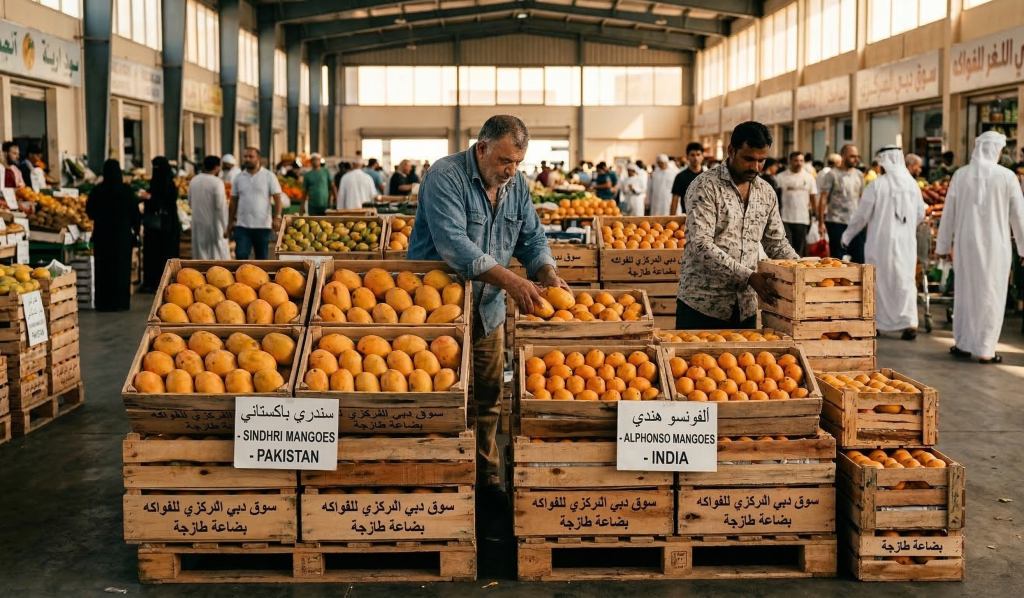
Recipe 2: Fresh Mango & Cucumber Salad (Light and Cooling)
In Dubai’s climate, many kitchens look for dishes that feel refreshing rather than heavy. A simple mango and cucumber salad balances sweetness with acidity and works well alongside grilled foods.
This recipe is particularly popular in homes during summer months because it requires no cooking and uses ingredients that are widely available across UAE grocery markets.
Ingredients
- 1 ripe Sindhri or Chaunsa mango, sliced into cubes
- 1 medium cucumber, thinly sliced
- A small handful of fresh mint leaves
- Juice of half a lime
- 1 teaspoon olive oil
- A pinch of sea salt
- Optional: thin slices of red chili for heat
Preparation
- Combine mango cubes and cucumber slices in a bowl.
- Add chopped mint leaves.
- Drizzle lime juice and olive oil over the mixture.
- Season lightly with salt.
- Toss gently and serve immediately.
The contrast between sweet mango and crisp cucumber creates a light dish that works as a side salad or part of a shared table.
Many restaurants in Dubai add variations of this salad to summer menus because it uses seasonal fruit without complicated preparation.
Recipe 3: Mango Sticky Rice (Inspired by Southeast Asian Desserts)
While mangoes in Dubai are often associated with South Asian cuisine, the fruit also appears in dishes from across Asia. Mango sticky rice, originally from Thailand, has become familiar in many UAE restaurants.
The recipe highlights soft mango slices paired with slightly sweet coconut rice.
Ingredients
- 1 cup glutinous rice (sticky rice)
- 1 ripe mango, sliced
- ¾ cup coconut milk
- 2 tablespoons sugar
- A pinch of salt
- Toasted sesame seeds or coconut flakes (optional)
Preparation
- Soak sticky rice for at least two hours.
- Steam the rice until tender.
- Warm coconut milk with sugar and salt in a small saucepan.
- Pour half the coconut mixture over the cooked rice and mix gently.
- Plate the rice and top with fresh mango slices.
- Drizzle the remaining coconut milk over the dish.
The combination of warm rice and chilled mango creates a balanced dessert often served in cafés across Dubai.
For home cooks experimenting with mango recipes in the UAE, it offers a slightly different direction from traditional South Asian preparations.
Recipe 4: Simple Mango Salsa for Grilled Dishes
Restaurants and catering kitchens frequently use mango in savory dishes. One of the most flexible preparations is mango salsa, which pairs well with grilled chicken, seafood, or even roasted vegetables.
Ingredients
- 1 ripe mango, diced
- ¼ red onion, finely chopped
- 1 small tomato, diced
- Fresh coriander leaves
- Juice of one lime
- Salt and black pepper
- Optional: finely chopped green chili
Preparation
- Combine diced mango, onion, and tomato in a bowl.
- Add chopped coriander leaves.
- Pour lime juice over the mixture.
- Season lightly with salt and pepper.
- Chill for 10–15 minutes before serving.
The result is a bright, slightly tangy topping that adds contrast to grilled foods.
Many catering teams prefer this style of dish during peak mango season because it can be prepared quickly in large batches.
Recipe 5: Traditional Mango Kulfi
Kulfi is a dense frozen dessert commonly enjoyed across South Asia and widely available in Dubai’s dessert shops.
During mango season, many kitchens prepare mango kulfi using fresh fruit rather than artificial flavoring.
Ingredients
- 2 cups full-fat milk
- ½ cup condensed milk
- 1 ripe mango (pulp blended)
- ¼ teaspoon cardamom powder
- Chopped pistachios
Preparation
- Simmer milk gently until it reduces slightly.
- Add condensed milk and stir continuously.
- Remove from heat and allow to cool.
- Mix in mango pulp and cardamom.
- Pour into molds or small containers.
- Freeze for several hours until firm.
The finished dessert has a creamy texture and strong mango flavor, especially when made with varieties like Alphonso or Chaunsa.
How Restaurants and Caterers Use Mango Season Strategically
Seasonal fruit affects menu planning more than many diners realize.
In Dubai’s hospitality sector, menu flexibility often depends on produce availability.
When mango season begins, kitchens may introduce:
- Mango drinks and smoothies
- Mango-based desserts
- Fruit platters for hotel breakfasts
- Mango salads paired with grilled meats
- Seasonal pastry fillings
Because mango supply changes quickly, chefs often rely on distributors who can maintain consistent deliveries and predictable quality.
Some UAE buyers prefer working with established produce distributors rather than fragmented retail sourcing, particularly when managing large kitchens.
This approach reduces the risk of receiving fruit that ripens unevenly or arrives damaged during transport.
Wholesale vs Retail Mango Buying in Dubai
Another topic that frequently appears in hospitality forums and procurement discussions is the difference between wholesale mango sourcing and supermarket purchases.
Both options serve different needs.
Retail Purchases
Supermarkets offer convenience and smaller quantities.
However, the fruit may already have been stored for several days before reaching shelves.
This can shorten the usable life of the mango.
Wholesale Markets
Wholesale produce markets usually receive larger shipments directly from importers.
Advantages often include:
- Better price per kilogram
- More consistent batches
- Greater variety during peak season
The tradeoff is that wholesale purchases usually require buying larger quantities, which can be difficult for small households to manage.
Why Mango Prices Fluctuate During the Season
Price changes are another point of confusion for many buyers.
In Dubai’s produce supply chain, several factors influence mango pricing.
Harvest Conditions
Weather conditions in India or Pakistan can affect yield quality and volume.
A weak harvest can reduce supply.
Transport Costs
Air freight, sea freight, and customs logistics influence the final market price.
Perishable fruit like mango often travels by air early in the season.
Demand Surges
When the first shipments arrive, demand from retailers, restaurants, and consumers tends to spike.
Prices typically stabilize once larger shipments begin arriving.
Understanding this cycle helps buyers avoid assuming that higher early-season prices reflect quality differences.
Often, it simply reflects limited availability.
Managing Mango Ripeness at Home or in Professional Kitchens
Once mangoes arrive in Dubai kitchens, another challenge appears: timing their ripeness correctly.
Unlike apples or citrus fruits, mangoes continue to ripen after harvest. This means the way they are stored and handled affects both flavor and shelf life.
Many buyers underestimate this stage, which leads to unnecessary waste.
The Two-Stage Ripening Process
Most imported mangoes reach Dubai slightly underripe to survive transportation.
From there, they pass through two main stages:
Stage 1 — Room Temperature Ripening
Mangoes should be kept at room temperature for several days. During this time:
- The fruit softens
- Natural sugars develop
- Aroma becomes stronger
Placing mangoes inside a paper bag can accelerate this process.
Stage 2 — Refrigeration
Once mangoes reach ideal ripeness, refrigeration helps slow down further softening.
Cold storage at this stage can extend usable life by two to four additional days, depending on the variety.
A Common Mistake
Refrigerating mangoes too early interrupts ripening.
This often results in fruit that stays firm but lacks the sweetness and aroma expected from premium varieties like Sindhri or Alphonso.
For restaurant kitchens managing multiple crates, separating fruit by ripeness level helps maintain consistent quality.
How Dubai Buyers Reduce Mango Waste
Waste management is an important issue in the fresh produce sector.
Restaurants, caterers, and even households often buy mangoes enthusiastically during the first weeks of the season, only to discover that several fruits ripen simultaneously.
Experienced buyers manage this by using mangoes in multiple stages of ripeness.
Slightly Firm Mangoes
These work well in:
- Salads
- Salsas
- Savory dishes
- Garnishes
Fully Ripe Mangoes
Best used in:
- Smoothies
- Lassi
- Desserts
- Mango puree
Very Soft Mangoes
Instead of discarding them, many kitchens turn overripe mangoes into:
- Mango chutney
- Mango jam
- Frozen mango cubes for drinks
Using the entire fruit in different preparations helps reduce spoilage.
In wholesale supply discussions, this topic appears frequently because mangoes are high-value seasonal fruit, and waste quickly affects profitability.
Seasonal Availability and the UAE Produce Calendar
Although mango season receives significant attention, it is just one part of a larger produce calendar in the UAE.
Dubai’s markets rotate between seasonal imports throughout the year.
Understanding these patterns helps buyers plan menus more effectively.
Winter Produce (Peak Imports)
Winter months typically bring:
- Citrus fruits
- Strawberries
- Leafy greens
- Broccoli and cauliflower
Spring and Early Summer
This period introduces:
- Mangoes
- Watermelons
- Stone fruits
Late Summer and Autumn
Later months shift toward:
- Grapes
- Pomegranates
- Apples from different regions
Because the UAE relies heavily on imports, the produce calendar reflects harvest seasons from multiple countries simultaneously.
For hospitality buyers and grocery suppliers, this means sourcing strategies often change throughout the year.
How Online Produce Buying Is Changing Mango Access
Over the past few years, Dubai’s produce buying habits have evolved.
Traditionally, most fruit purchases occurred in:
- Supermarkets
- Local markets
- Wholesale produce hubs
Today, many households and small businesses also order fresh produce online.
Search interest for phrases such as “fresh mango delivery UAE” or “Alphonso mango buy online UAE” typically increases once the first shipments arrive.
Online platforms allow buyers to:
- Compare varieties more easily
- Order seasonal fruit boxes
- Schedule regular deliveries
However, digital ordering still relies on the same supply chain that feeds physical markets.
The fruit itself usually passes through the same importers and distributors before reaching consumers.
In practice, suppliers working closely with established distributors — including companies like JMB Farm Fresh (jmbfarmfresh.com) — often focus on maintaining consistent sourcing relationships during peak mango months.
Reliable sourcing becomes particularly important when demand rises quickly across the city.
A Seasonal Fruit Worth Waiting For
Despite Dubai’s access to imported fruit throughout the year, mango season still feels different.
When the first shipments arrive from Pakistan and India, buyers begin looking for the distinct aroma and softness that only fresh mangoes provide.
For households, it often means simple pleasures like:
- Fresh slices after dinner
- Mango drinks during warm evenings
- Seasonal desserts shared with family
For restaurants and food businesses, mango season creates an opportunity to introduce short-term menu items that highlight fresh produce.
But the most important lesson remains simple.
Good mango dishes start with good mangoes.
Understanding the fruit’s variety, ripeness, and seasonal timing makes a much bigger difference than any recipe alone.
Frequently Asked Questions
When does mango season start in Dubai?
Mango season in Dubai usually begins in April or early May, when early shipments from Pakistan and India arrive. Peak availability typically occurs between May and July.
What is the most popular mango variety in Dubai?
Common favorites include Sindhri, Alphonso, and Chaunsa. Each variety has a different flavor profile, with Alphonso known for its rich aroma and Chaunsa for its sweetness.
Where do mangoes sold in Dubai come from?
Most mangoes in Dubai are imported from Pakistan and India, although smaller shipments may arrive from countries such as Mexico, Peru, or Thailand outside peak months.
How can you tell if a mango is ripe?
A ripe mango usually has a noticeable fragrance near the stem and gives slightly when pressed. Color alone does not always indicate ripeness.
Should mangoes be refrigerated?
Mangoes should ripen at room temperature first. Once ripe, refrigeration can help slow further softening and extend shelf life for a few days.








 Home
Home  Whishlist
  Compare
  Checkout