












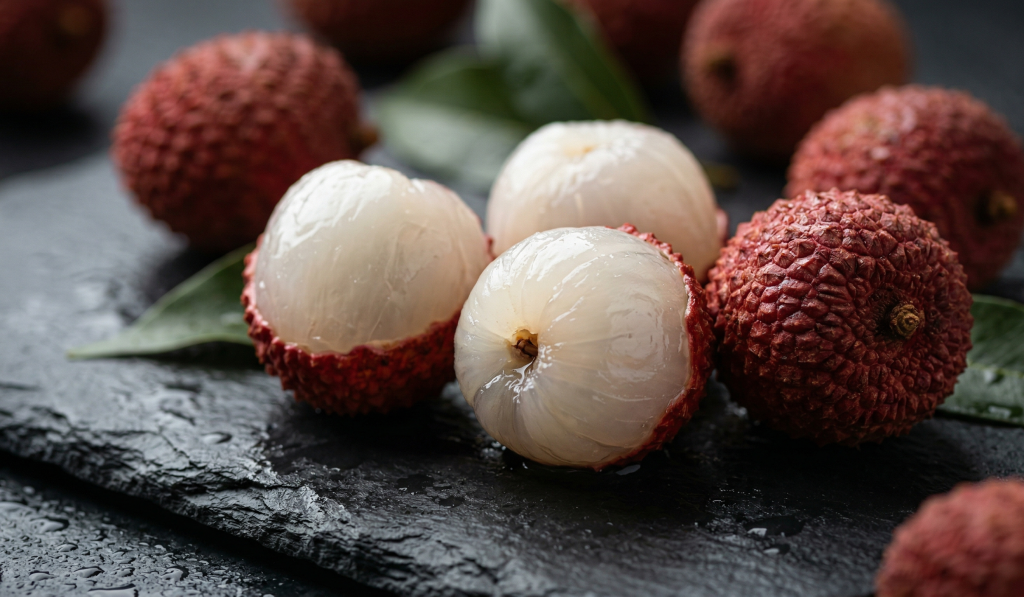
Introduction: A Short Season That Most Buyers Miss
For most fruits in Dubai, availability feels constant.
Apples, bananas, oranges — they are always there. The supply chain is designed that way.
Lychee is different.
Every year, there is a short window — often less than six weeks — where fresh lychee arrives in peak condition. Then it disappears. Not gradually. Almost overnight.
This creates a pattern many buyers do not fully understand:
- Some experience exceptional quality once and cannot find it again
- Others assume lychee is “overrated” because they bought it too late
- Many businesses avoid it entirely due to inconsistency
The issue is not the fruit.
It is timing, sourcing, and understanding how lychee behaves once harvested.
This article breaks down what actually happens during lychee season in the UAE, why quality varies so much, and how both households and professional buyers can approach it more intelligently.
Why Lychee Season in the UAE Is So Short
It Is Not Grown Locally
Dubai’s climate does not support commercial lychee farming.
Almost all fresh lychee in the UAE is imported, primarily from:
- Thailand
- Vietnam
- China (early and late season)
- Occasionally India (limited commercial flow into UAE)
This means availability depends entirely on external harvest cycles.
Lychee Is Extremely Sensitive After Harvest
Unlike apples or citrus, lychee does not store well.
Once picked, it begins to lose:
- Moisture
- Sweetness balance
- Skin color (turns brown quickly)
Even under refrigeration, its shelf life is short compared to most fruits in Dubai’s supply chain.
This is one of the main reasons the “fresh lychee Dubai buy online” searches spike only for a short period each year.
Air Freight, Not Sea Freight
Most premium lychee enters the UAE via air freight.
That has two implications:
- Supply is fast but limited
- Prices fluctuate depending on freight availability and timing
If shipments slow down — even for a few days — market availability drops immediately.
There is no large buffer stock.
The 6-Week Window: What Actually Happens
4
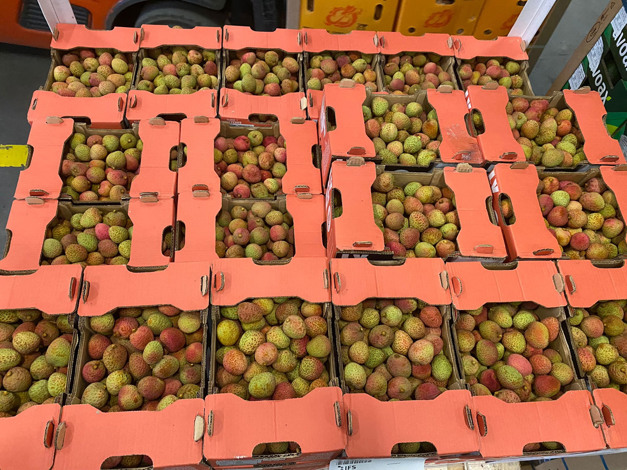
The lychee season in Dubai typically follows a pattern rather than fixed dates.
Week 1–2: Early Arrivals
- Fruit is firm but not always fully sweet
- Skin color may vary
- Supply is inconsistent
At this stage, buyers testing the market often feel uncertain.
Week 3–4: Peak Quality
This is the moment most people remember.
- Full sweetness develops
- Texture becomes juicy and aromatic
- Appearance is bright and appealing
This is when restaurants, caterers, and premium grocers pay attention.
In practice, suppliers working closely with Dubai-based distributors such as JMB Farm Fresh often observe that demand spikes sharply during this short peak, not gradually.
Week 5–6: Decline Phase
- Skin browning increases
- Internal quality becomes inconsistent
- Shelf life shortens further
At this stage, many buyers unknowingly purchase lychee that is already past its best condition.
This is where disappointment usually happens.
Why Many Buyers Get Lychee Wrong
Mistake 1: Judging by Color Alone
Lychee skin turning brown does not always mean it is spoiled.
But it does indicate:
- Oxidation
- Loss of freshness
- Reduced visual appeal
Many buyers either:
- Reject good fruit too early
- Or accept poor fruit too late
The key is understanding both external and internal indicators.
Mistake 2: Buying Without Understanding Timing
Unlike year-round fruits, lychee is not forgiving.
If you buy:
- Too early → flavor may be underdeveloped
- Too late → texture and sweetness degrade
This narrow timing window is rarely explained clearly in retail environments.
Mistake 3: Treating Lychee Like a Storage Fruit
Lychee should not be stored for long periods.
Common issues include:
- Refrigerating for too many days
- Keeping it in dry air conditions
- Buying in bulk without usage planning
This leads to rapid deterioration.
Mistake 4: Assuming All Origins Taste the Same
Origin matters more than most buyers realize.
Differences can include:
- Sweetness intensity
- Floral aroma
- Seed size
- Flesh thickness
Thailand lychee, for example, is often preferred during peak imports due to consistency and sweetness balance.
How to Actually Judge Fresh Lychee (Even Without Expertise)
4
You do not need to be a produce expert.
But you do need to look beyond surface assumptions.
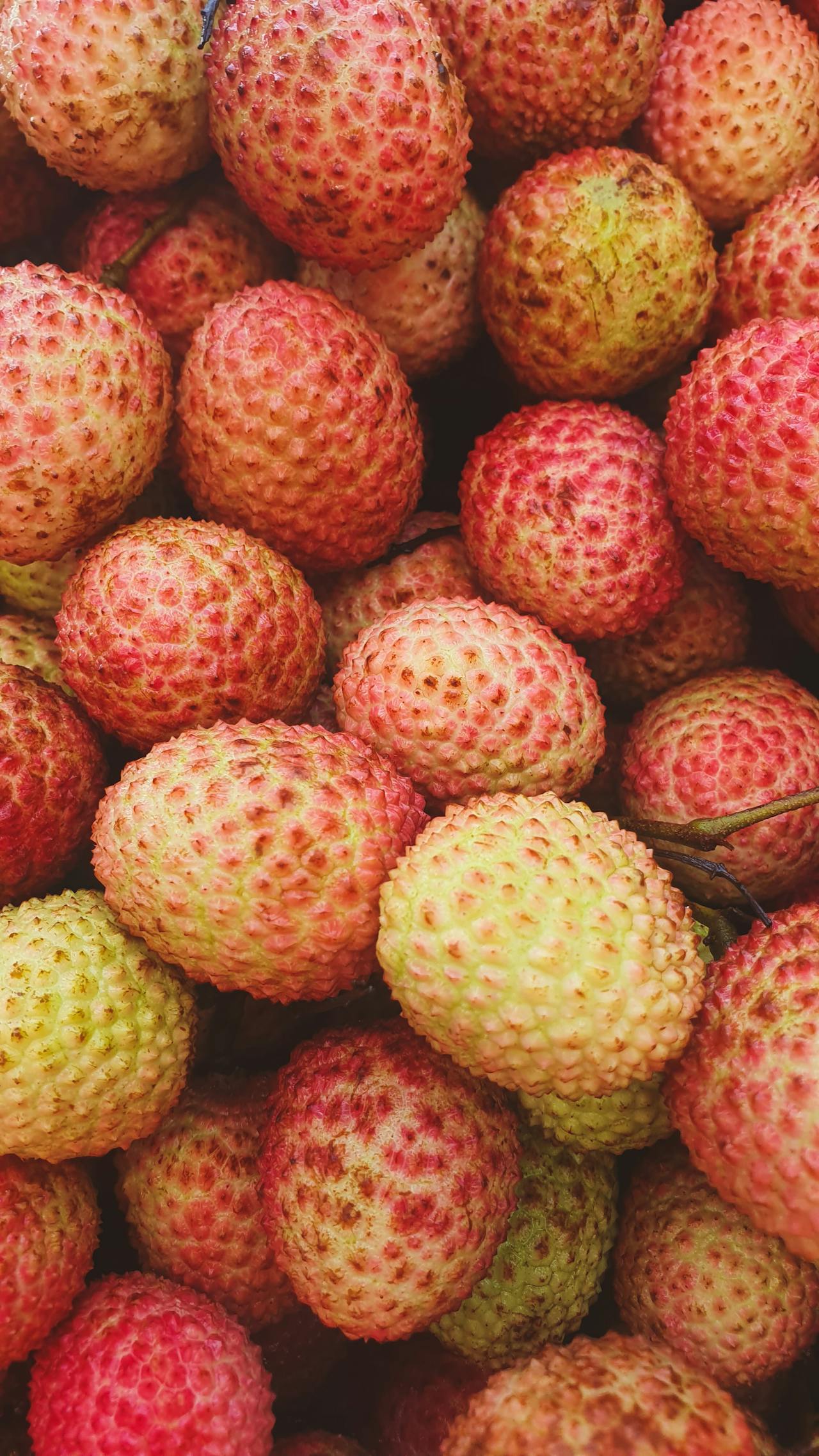
1. Skin Texture Matters More Than Color
- Slight roughness is normal
- Excess dryness or cracking is not
2. Weight Indicates Moisture
A fresh lychee feels:
- Slightly heavy for its size
- Firm, not hollow
3. Aroma Is a Strong Indicator
Fresh lychee has a light, floral smell.
If there is no aroma, it is likely past peak.
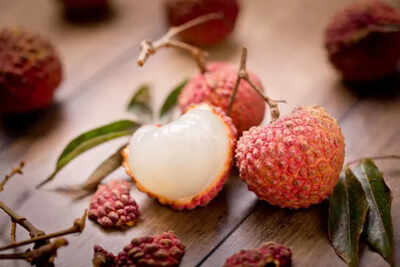
4. Flesh Should Be Translucent
When opened:
- Good lychee → clear, juicy flesh
- Poor lychee → cloudy or dry texture
What Restaurants and Caterers Look For
Professional buyers approach lychee differently from households.
Their priorities include:
- Consistency across batches
- Reliable supply during peak weeks
- Minimal spoilage risk
- Predictable flavor profile
For example:
A hotel preparing dessert service cannot risk:
- Half the batch being overripe
- Visual inconsistency on plating
- Sudden supply gaps mid-week
This is why many F&B teams prefer working with structured supply chains rather than spot purchasing from retail shelves.
But even then, lychee remains a high-risk fruit compared to others.
Wholesale vs Retail: Does It Make a Difference?
This is a common question in UAE produce discussions.
The answer is not simple.
Wholesale Advantages
- Faster turnover → fresher batches
- Better handling at scale
- More consistent sourcing
Retail Advantages
- Smaller quantities
- Easier access for households
- Less commitment
The Tradeoff
Wholesale can offer better quality during peak season.
But only if:
- The buyer understands timing
- The supplier maintains cold-chain discipline
Otherwise, both channels can deliver similar outcomes — good or bad.
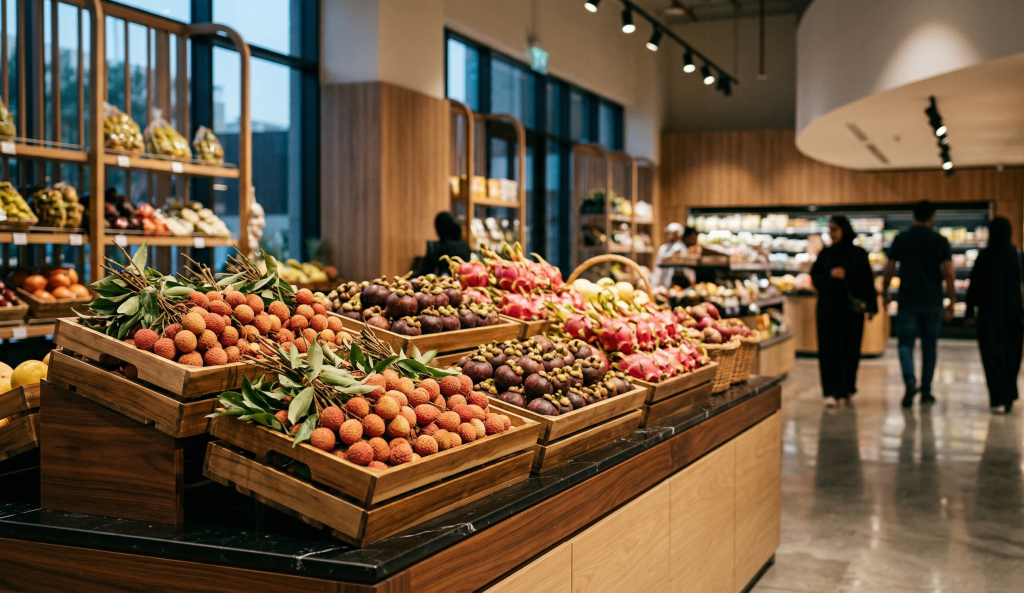
The Real Risk No One Talks About: Lychee Spoilage and Waste
Lychee is one of the highest-risk fruits in terms of waste.
Not because it is fragile in transit — but because its deterioration is misunderstood.
What Actually Happens After Purchase
Once lychee reaches the buyer:
- Moisture loss begins immediately
- Sugars start to flatten (less sweetness perception)
- Skin oxidation accelerates
Even under refrigeration, these processes slow down — but do not stop.
In practical terms, this means:
- Day 1–2 → excellent quality
- Day 3–4 → noticeable decline
- Day 5+ → often unsuitable for premium use
For households, this is manageable.
For restaurants and caterers, this becomes a cost issue.
Why Businesses Often Avoid Lychee Altogether
In many UAE hospitality discussions, lychee is treated as a “special occasion fruit.”
The reasons are operational:
- High spoilage risk
- Short usable window
- Inconsistent supply across weeks
For example:
A buffet planning team cannot easily commit to lychee unless supply is predictable across multiple days.
Otherwise, they risk:
- Menu changes
- Customer dissatisfaction
- Financial loss from unsold inventory
This is why lychee appears frequently in:
- Limited-time desserts
- Seasonal beverages
- Short-run menus
But rarely as a staple ingredient.
Cold Chain Matters More Than You Think
What Is the Cold Chain?
The “cold chain” refers to keeping produce at controlled low temperatures from harvest to delivery.
For lychee, this is critical.
Breaks in the cold chain can cause:
- Rapid browning
- Loss of juiciness
- Shortened shelf life
Where Things Usually Go Wrong
Even in a developed market like Dubai, issues can occur at:
- Airport handling
- Transport between warehouses
- Retail display conditions
A few hours of temperature fluctuation can reduce quality significantly.
This is why two buyers can purchase lychee on the same day — and have completely different experiences.
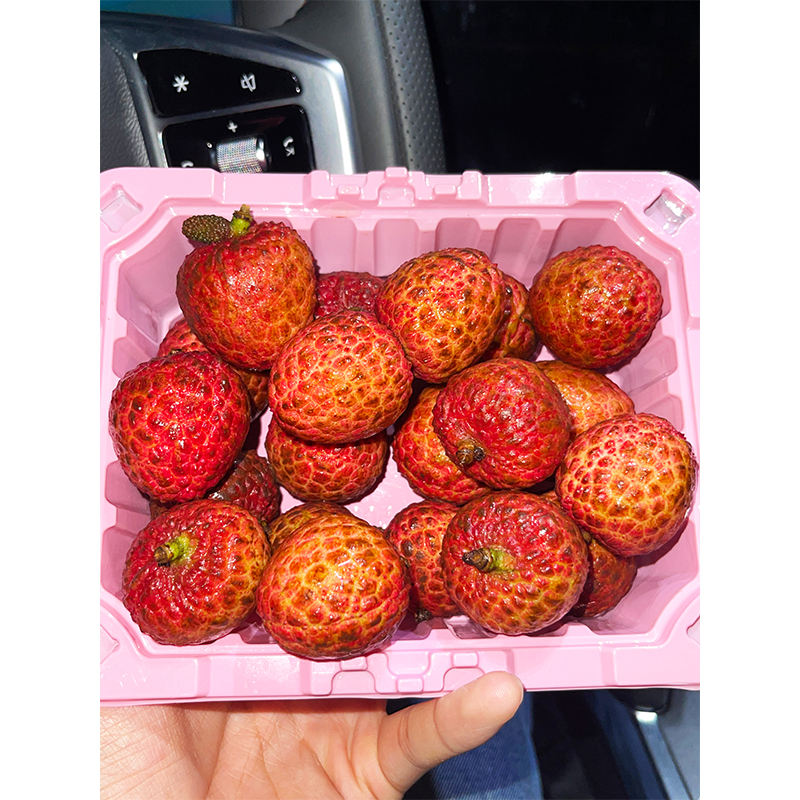
Why Prices Fluctuate So Much During Lychee Season
4
Many buyers assume price changes are random.
They are not.
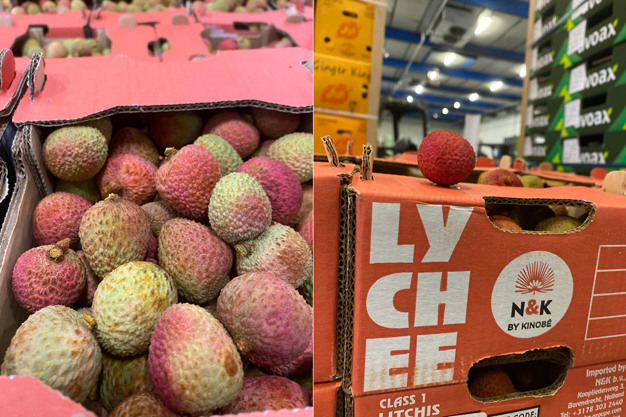
1. Air Freight Costs
Lychee relies heavily on air freight.
If cargo space becomes limited:
- Prices rise quickly
- Supply tightens
2. Harvest Timing at Origin
Weather conditions in origin countries directly affect:
- Fruit size
- sweetness
- overall yield
Even small disruptions can reduce export volumes.
3. Demand Spikes in the UAE
During peak weeks:
- Restaurants increase usage
- Retail demand rises
- Social media visibility drives interest
This creates short-term demand pressure.
How to Actually Buy Lychee at the Right Time
Step 1: Avoid the First Shipment Rush
Early arrivals are often inconsistent.
Wait until:
- Supply stabilizes
- Feedback from the market improves
This usually happens within the first 1–2 weeks.
Step 2: Watch for the Peak Window
This is the most important phase.
Indicators include:
- Consistent sweetness across batches
- Better appearance in multiple stores
- Increased availability across suppliers
This is when both households and businesses should buy.
Step 3: Reduce Buying Near the End of Season
Late-season lychee can look acceptable but perform poorly.
Common issues:
- Dry flesh
- muted flavor
- rapid spoilage
Buying smaller quantities during this phase reduces risk.
How to Store Lychee Properly (Simple but Critical)
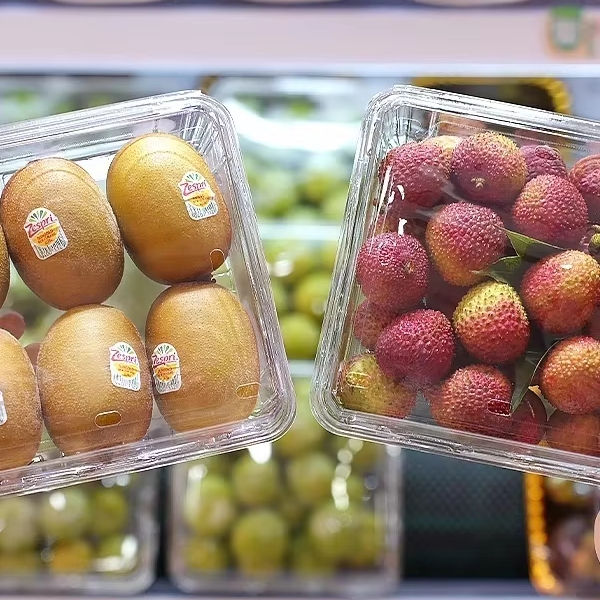
4
Storage is where most avoidable mistakes happen.
What Works
- Keep lychee in the refrigerator
- Use breathable containers or perforated bags
- Maintain slight humidity (not dry air)
What Does Not Work
- Sealing in airtight dry containers
- Leaving at room temperature for long periods
- Washing before storage (adds moisture imbalance)
A Practical Buying Scenario (Household vs Business)
Household Scenario
A family buys 1–2 kg of lychee during peak season.
Best approach:
- Consume within 2–3 days
- Store properly
- Avoid overbuying
Outcome:
- High satisfaction
- Minimal waste
Restaurant Scenario
A café wants to introduce a lychee dessert for one week.
Best approach:
- Source smaller batches more frequently
- Align menu timing with peak quality window
- Avoid stockpiling
Outcome:
- Consistent quality
- Controlled cost
Where Many UAE Buyers Feel Misled
Across forums and discussions, a few themes appear repeatedly:
“Why did my lychee taste amazing once and never again?”
Because you likely bought during peak season the first time.
“Why does it turn brown so fast?”
Because lychee skin oxidizes quickly, even when the fruit is still edible.
“Is supermarket lychee worse than wholesale?”
Not necessarily.
The real difference is:
- turnover speed
- storage conditions
- timing of purchase
“Is imported fruit less fresh?”
In the case of lychee, imported does not mean low quality.
It means:
- freshness depends on logistics, not distance alone
A Quiet Industry Insight
In practice, suppliers working with structured sourcing networks tend to manage lychee better during peak weeks.
This is not about branding.
It is about:
- timing coordination
- handling discipline
- understanding perishability
Some UAE buyers prefer sourcing through established distributors rather than fragmented retail purchasing, especially for short-season fruits.
How Lychee Fits Into Dubai’s Seasonal Produce Landscape

4
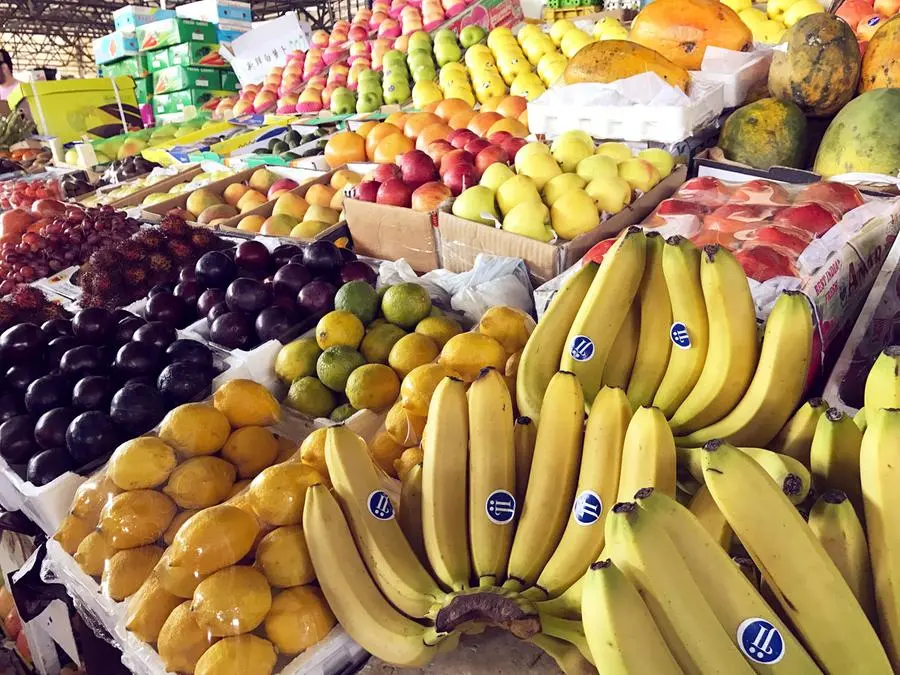
Dubai’s produce market is unusual.
It blends global sourcing with fast logistics, which means most fruits feel “always available.” But this creates a false expectation — that all fruits behave the same way.
Lychee is part of a smaller category:
- Highly seasonal
- Imported in tight windows
- Sensitive to handling
It sits alongside fruits like:
- Mangosteen
- Longan
- Certain mango varieties
These are not everyday supply-chain products. They are timing-driven products.
Why Seasonal Awareness Matters More in the UAE
In countries with local agriculture, seasonality is obvious.
In the UAE, it is hidden.
Because:
- Imports fill gaps year-round
- Supermarkets maintain visual consistency
- Packaging masks variability
This leads many buyers to assume:
“If it is available, it must be at its best.”
That assumption does not hold true for lychee.
Understanding seasonality is one of the most important advantages a buyer can develop — whether at household or procurement level.
Lychee Health Benefits — And What Actually Matters

4
Lychee is often discussed in terms of health benefits.
While it does contain:
- Vitamin C
- Natural sugars
- Antioxidants
The real value in a practical sense is simpler.
It Is a High-Water, Refreshing Fruit
In Dubai’s climate, especially during warmer months:
- Hydration becomes important
- Light, water-rich fruits are preferred
Lychee fits naturally into this pattern.
But Quality Affects Nutritional Experience
A fresh lychee:
- Is juicy
- Has balanced sweetness
- Feels refreshing
An older lychee:
- Loses moisture
- Feels flat
- Becomes less enjoyable
So while nutritional content may still exist, the eating experience changes significantly.
This is why freshness matters more than any nutritional claim.
When It Makes Sense to Buy Lychee — And When It Doesn’t
Good Situations to Buy
- During peak season weeks
- When you plan to consume quickly
- When quality is visibly consistent in the market
Situations to Avoid
- Buying large quantities for long storage
- Purchasing late in the season without checking quality
- Using lychee in menus that require long holding time
A Balanced Perspective: Lychee Is Not for Everyday Use
There is a tendency to treat all premium fruits as lifestyle staples.
Lychee does not fit that model well.
It works best as:
- A seasonal highlight
- A short-term menu feature
- A fresh consumption fruit
Trying to make it a regular item often leads to:
- inconsistent quality
- higher waste
- buyer frustration
A Quiet Note on Sourcing Approach
Across the UAE produce ecosystem, one pattern is clear:
Buyers who perform best with short-season fruits tend to:
- Monitor timing closely
- Adjust buying frequency
- Work with supply channels that move quickly
In some cases, this includes distributors such as JMB Farm Fresh, where the emphasis is less on volume and more on timing and handling discipline.
This is not unique to one supplier.
It reflects how short-window fruits like lychee need to be managed.
Final Thoughts: Timing Is the Entire Game
Lychee is not complicated.
But it is unforgiving.
If you understand:
- When to buy
- How to store
- How quickly to use
You will experience it at its best.
If not, it can feel inconsistent and disappointing.
That gap is what creates confusion in the market.
Not the fruit itself.
FAQs
1. When is lychee season in Dubai?
Lychee season in Dubai usually lasts around 4–6 weeks, depending on import cycles from countries like Thailand and Vietnam. Peak quality typically occurs in the middle of this window.
2. Where can I buy fresh lychee in Dubai?
Fresh lychee is available in supermarkets, fruit markets, and through online produce suppliers during the season. Availability varies depending on shipment timing.
3. How do I know if lychee is fresh?
Look for fruit that feels heavy, slightly firm, and has a mild floral aroma. The flesh inside should be translucent and juicy.
4. Why does lychee turn brown so quickly?
Lychee skin oxidizes after harvest, especially when exposed to air and temperature changes. This affects appearance more than immediate edibility.
5. How long does lychee last in the fridge?
Fresh lychee is best consumed within 2–3 days. It can last slightly longer under proper refrigeration, but quality declines quickly.








 Home
Home  Whishlist
  Compare
  Checkout