














Introduction: The Avocado That Looks Perfect but Tastes… Off
In Dubai’s kitchens — from high-end restaurants to home meal prep — the Hass avocado has become a daily ingredient.
It looks consistent. Same dark skin. Same oval shape. Same label: “Hass.”
But many buyers quietly notice something frustrating.
Two avocados, bought days apart, can taste completely different.
One is buttery, rich, almost nutty.
The other is watery, slightly bitter, and hard to work with.
This is not random.
And it is not just about ripeness.
It often comes down to origin.
In the UAE supply chain, two of the most common sources are Kenya and Mexico. Both export Hass avocados to Dubai. Both meet international standards. Yet they behave differently in kitchens.
For chefs, procurement managers, and even families trying to buy better fruit, this difference matters more than most realize.
The Common Assumption That Causes Most Mistakes
Most buyers in Dubai focus on three things when choosing avocado:
- Skin color
- Firmness
- Price
These are useful signals — but they are incomplete.
What is often missing is origin awareness.
In wholesale discussions across UAE food supply networks, a repeated pattern appears:
- Buyers assume all Hass avocados are interchangeable
- Suppliers list origin, but buyers overlook it
- Kitchens adjust recipes without understanding why results change
This creates hidden costs:
- Inconsistent taste in dishes
- Increased food waste due to poor ripening behavior
- Frustration in menu planning
The key insight is simple:
“Hass avocado” is a variety — not a guarantee of identical eating quality.
Where it is grown changes how it behaves.
Kenya vs Mexico: Same Variety, Different Outcome
At a basic level, both Kenyan and Mexican avocados are Hass.
But growing conditions are not the same.
Climate Differences
Mexico, particularly regions like Michoacán, has:
- Stable temperatures
- Rich volcanic soil
- Established avocado farming systems
Kenya, on the other hand, has:
- More variable rainfall patterns
- Different soil composition
- Rapidly expanding export-focused farming
These differences influence how the fruit develops internally — not just how it looks externally.
Why Do They Taste Different?
1. Oil Content (The Hidden Factor Most Buyers Ignore)
The most important difference is oil content.
- Mexican Hass avocados typically have higher oil content
- Kenyan Hass avocados often have lower oil content
Why does this matter?
Oil is what gives avocado its:
- Creamy texture
- Rich flavor
- Smooth mouthfeel
Lower oil content leads to:
- Slightly watery texture
- Less depth in taste
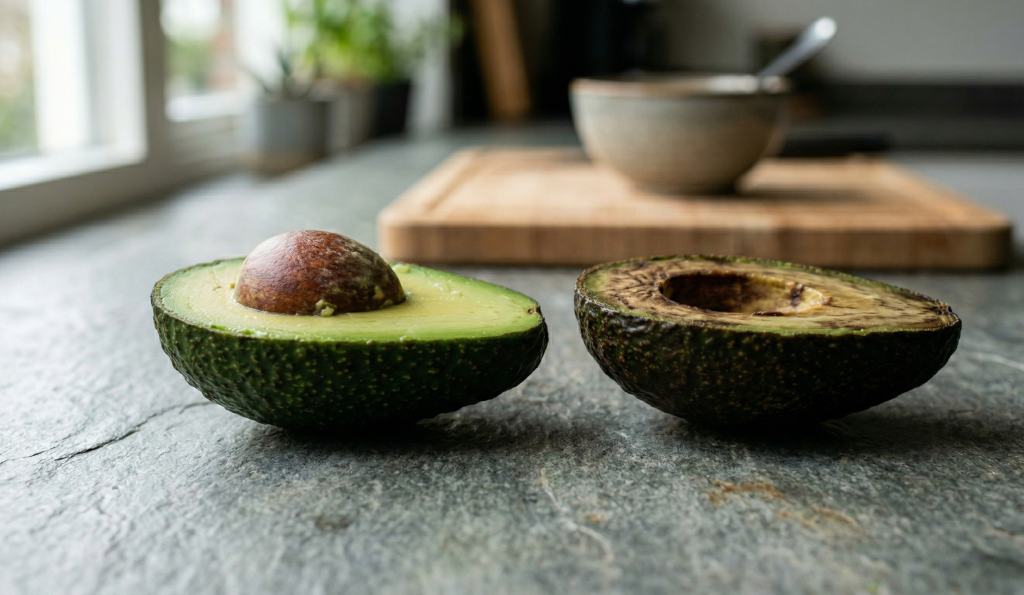
- Faster oxidation after cutting
This is why two ripe avocados can feel completely different on the plate.
2. Dry Matter and Harvest Timing
Another key factor is “dry matter” — a technical term that refers to how mature the fruit is at harvest.
- Mexican supply chains are highly regulated for export maturity
- Kenyan exports sometimes vary depending on harvest pressure and demand
If harvested earlier:
- The avocado may soften but not develop full flavor
- Texture becomes uneven
This is one of the most common complaints seen in UAE buyer discussions:
“It ripens, but it doesn’t taste like anything.”
That is usually a maturity issue, not a storage issue.
3. Post-Harvest Handling and Transit Time
Distance matters.
- Mexico to UAE: longer route, but highly optimized cold chain
- Kenya to UAE: shorter route, but handling consistency can vary
Even small temperature fluctuations affect:
- Ripening speed
- Internal browning
- Shelf life
In practice, suppliers working closely with Dubai-based distributors such as JMB Farm Fresh often observe that handling discipline matters just as much as origin.
A well-handled Kenyan avocado can outperform a poorly handled Mexican one.
But when everything is done correctly, origin differences still show up.
Why Dubai Chefs Pay Attention to Origin
For a home buyer, a slightly different avocado may be acceptable.
For a chef, it is not.
Consistency is critical in:
- Avocado toast texture
- Guacamole balance
- Sushi presentation
- Salad mouthfeel
If the avocado changes, the dish changes.
Real Kitchen Scenario
A restaurant using Mexican avocados for weeks switches to Kenyan supply due to availability.
Suddenly:
- Guacamole feels thinner
- Color browns faster
- Portion control becomes inconsistent
Without understanding origin, the kitchen may:
- Add unnecessary ingredients
- Adjust seasoning incorrectly
- Blame staff instead of supply
This is why experienced chefs start asking one simple question:
“Where is this batch from?”
The UAE Reality: Supply Is Not Static
Dubai does not rely on one origin.
Supply shifts throughout the year based on:
- Seasonal harvest windows
- Global demand
- Freight availability
- Pricing pressure
This means buyers are often switching origins without realizing it.
Typical Pattern
- Mexican supply dominates certain periods
- Kenyan supply fills gaps or offers pricing flexibility
- Other origins (like Peru or Colombia) may appear seasonally
This constant rotation is why inconsistency is so common in the UAE market.
Is One Origin “Better” Than the Other?
This is where most articles oversimplify.
There is no absolute “better.”
There is only:
- Better for a specific use
- Better at a specific time
- Better based on handling quality
General Observations
Mexican Hass Avocado
- Richer flavor
- Creamier texture
- More predictable ripening
Kenyan Hass Avocado
- Often firmer structure
- Slightly lighter taste
- Can perform well in bulk applications
For example:
- Fine dining may prefer Mexican origin
- High-volume catering may work well with Kenyan supply
The mistake is expecting identical performance.
What Most Buyers in Dubai Still Get Wrong
Across forums, procurement discussions, and supplier feedback, a few patterns repeat.
1. Treating Price as the Primary Indicator
Lower price often means:
- Different origin
- Different maturity level
- Different handling conditions
It is not always a “deal.”
Sometimes it is a trade-off.
2. Ignoring Batch Consistency
Even within the same origin, batches vary.
Professional buyers often:
- Test small quantities first
- Check ripening behavior over 2–3 days
Retail buyers rarely do this, which leads to frustration.
3. Misjudging Ripeness vs Quality
A perfectly soft avocado can still taste poor.
This is one of the biggest misconceptions in the UAE market.
Ripeness tells you when to eat it.
Origin and maturity tell you how it will taste.
A More Practical Way to Think About Avocado Buying
Instead of asking:
“Is this avocado ripe?”
A better question is:
- Where is it from?
- When was it harvested?
- How has it been handled?
This shift alone reduces most buying mistakes.
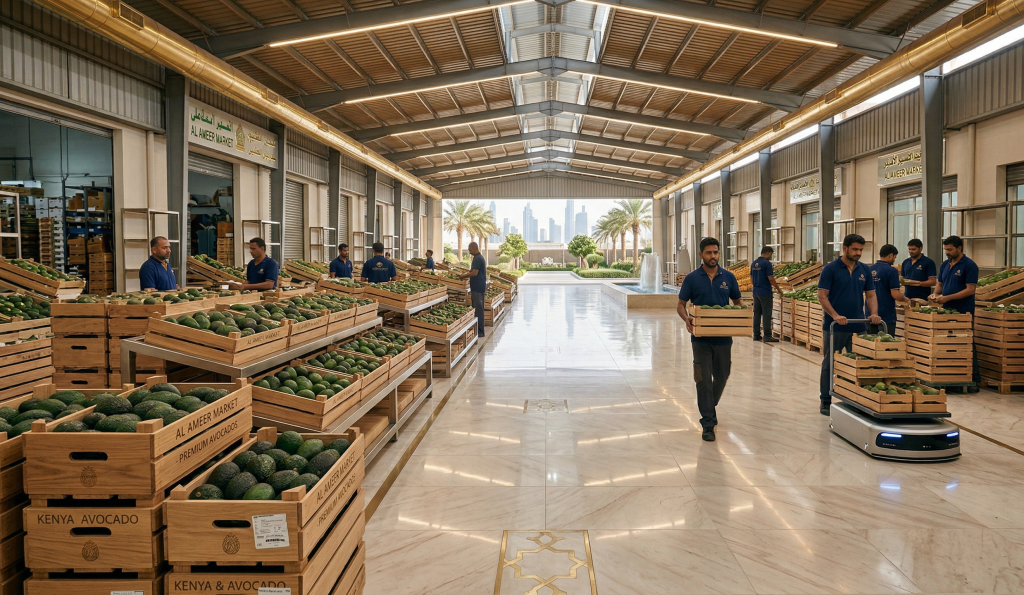
How Origin Affects Real Buying Decisions in Dubai
Once you understand that origin changes performance, buying avocados becomes less about guesswork and more about context.
In Dubai’s mixed supply environment, the same buyer may receive Kenyan avocados one week and Mexican the next — sometimes without clear labeling at the retail level.
This is where experienced buyers adjust their approach.
Matching Origin to Use Case (What Professionals Actually Do)
Different kitchens quietly adapt based on origin, even if it is not written in standard operating procedures.
For High-End Dining and Presentation
Chefs tend to prefer avocados with:
- High oil content
- Deep flavor
- Smooth consistency
This is where Mexican Hass often performs reliably.
It supports:
- Clean slicing
- Stable plating
- Rich flavor without additional fat
For Bulk Preparation and Volume Cooking
In catering environments, the priority shifts.
Buyers often look for:
- Firmness for handling
- Lower cost per unit
- Acceptable consistency across large batches
Kenyan avocados can work well here, especially when used in:
- Sandwich spreads
- Mixed salads
- Blended applications
The slightly lighter texture becomes less noticeable once combined with other ingredients.
For Home Buyers in Dubai
Most households are not thinking about origin — but they feel the effects.
Common experiences include:
- “Sometimes it’s perfect, sometimes it’s not”
- “It looks ready but tastes bland”
- “It turns brown too fast”
These are not random issues.
They are often tied to:
- Oil content differences
- Harvest maturity
- Storage conditions
Understanding this helps reduce disappointment without overcomplicating the process.
The Role of Seasonality in the UAE Market
Unlike local produce, avocados in Dubai are always imported.
This means availability is tied to global harvest cycles.
General Seasonal Flow (Simplified)
- Mexico: Strong and stable supply during key parts of the year
- Kenya: Often fills supply gaps and supports pricing flexibility
- Other origins (Peru, Colombia): Enter based on harvest timing
For buyers, this creates two realities:
- You are rarely buying from a single origin year-round
- Quality fluctuations are normal, not exceptional
Why Prices Fluctuate — and What It Actually Means
Price changes in Dubai’s avocado market are not just about demand.
They reflect:
- Freight costs
- Harvest yields in origin countries
- Currency shifts
- Rejection rates due to quality
When prices drop, it can indicate:
- Higher supply
- Alternative origins entering the market
- Slightly lower oil content or maturity
This does not automatically mean poor quality.
But it does signal that performance may differ.
How to Read an Avocado Beyond Appearance
Most guidance online stops at “press gently to check ripeness.”
That is only one part of the picture.
Experienced buyers combine multiple signals.
1. Stem Check (Simple but Useful)
Remove the small stem cap at the top.
- Green underneath → likely good
- Brown or dry → may be overripe or oxidized
This method works across origins, but does not reveal flavor quality.
2. Weight vs Size
Pick two avocados of similar size.
- The heavier one often has better internal density
- This can indicate better development
It is not a guarantee, but it is a useful signal in mixed batches.
3. Skin Texture Differences
Subtle variations exist:
- Mexican Hass often has slightly more uniform skin texture
- Kenyan Hass may appear a bit more varied depending on handling
This is not always visible to casual buyers, but experienced handlers notice it.
Storage and Ripening: Where Most Waste Happens
A major issue in Dubai households and kitchens is poor ripening management.
Common Mistakes
- Refrigerating unripe avocados
- Storing ripe and unripe fruit together without control
- Waiting too long for perfect softness
These mistakes lead to:
- Uneven ripening
- Internal browning
- Increased waste
Better Approach
- Keep unripe avocados at room temperature
- Separate batches based on firmness
- Move ripe avocados to refrigeration only when ready
This applies regardless of origin, but becomes more important with lower oil-content fruit.
Wholesale vs Retail: Why the Experience Feels Different
Many buyers notice that avocados from wholesale suppliers behave differently from supermarket purchases.
This is not just perception.
Wholesale Supply
- Often sourced in larger, more consistent batches
- Handled with more controlled logistics
- Better visibility of origin
Retail Supply
- Mixed batches from different origins
- Less transparency on sourcing
- Longer shelf exposure
Some UAE buyers prefer working with established distributors rather than fragmented retail sourcing for this reason.
In practice, consistent sourcing reduces surprises more than any single selection technique.
The Trade-Offs Buyers Need to Accept
No sourcing method is perfect.
Understanding trade-offs helps set realistic expectations.
Imported Avocados Will Always Have Variability
Because they travel long distances, small differences in:
- Harvest timing
- Transit conditions
- Storage
can affect outcome.
“Perfect Every Time” Is Not Realistic
Even experienced buyers encounter:
- Occasional uneven ripening
- Slight flavor variation
- Shelf-life differences
The goal is not perfection.
It is predictability.
A Quiet Industry Insight Most Articles Skip
In UAE produce supply discussions, one observation comes up repeatedly:
Buyers who focus only on visual selection struggle the most.
Those who improve outcomes tend to:
- Track origin over time
- Notice seasonal shifts
- Build relationships with consistent suppliers
This reduces guesswork.
Where a Supplier Actually Makes a Difference
While origin matters, supply chain discipline matters just as much.
Consistent suppliers typically:
- Manage temperature control carefully
- Source from reliable farms
- Maintain batch consistency
In practical terms, suppliers working closely with UAE distributors such as JMB Farm Fresh tend to emphasize handling stability over short-term price advantage, which directly affects end quality.
This is not always visible to the end buyer — but it shows up in how the fruit behaves.
A Simple Framework for Better Avocado Buying
Instead of relying on isolated tips, combine them into a simple mental model.
Ask yourself:
- Origin → Where is it from?
- Maturity → Was it harvested at the right stage?
- Handling → Has it been stored and transported properly?
If all three align, the result is usually reliable.
If one is off, the difference becomes noticeable.
Why This Matters More in 2026 Than Before
Demand for avocados in the UAE continues to grow across:
- Health-focused consumers
- Restaurants
- Meal prep services
As demand increases:
- Supply chains diversify
- More origins enter the market
- Variability becomes more visible
Understanding these differences is no longer optional for serious buyers.
It is part of basic food sourcing awareness.
Practical Takeaways: How to Reduce Risk When Buying Avocados in Dubai
By now, one point should be clear:
Avocado inconsistency is not random. It is predictable once you understand origin, maturity, and handling.
For buyers in Dubai — whether you are managing a kitchen or shopping for your home — small adjustments can significantly improve outcomes.
1. Start Noticing Origin (Even When It Is Not Obvious)
If you are buying from:
- Wholesale suppliers → Ask directly
- Online platforms → Check product descriptions carefully
- Supermarkets → Look for country-of-origin labels
Even casual awareness helps.
Over time, you will start associating:
- Taste
- Texture
- Ripening speed
with specific origins.
2. Do Not Buy Large Quantities Blindly
This is one of the most common mistakes in both households and small businesses.
Instead:
- Test a small batch first
- Observe how it ripens over 2–3 days
- Adjust your next purchase accordingly
This approach is standard practice in professional kitchens, but rarely followed at the consumer level.
3. Separate Ripening Stages at Home or in the Kitchen
Treat avocados like a system, not a single item.
- Keep unripe fruit separate
- Track which ones are softening
- Move ripe ones to refrigeration
This reduces:
- Sudden overripening
- Waste
- Last-minute frustration
4. Adjust Expectations Based on Use
Not every avocado needs to be perfect.
Match your expectation to your use:
- For slicing and plating → prioritize creaminess and consistency
- For blending or mixing → slight texture differences are acceptable
This reduces unnecessary rejection of usable produce.
5. Understand That Price Reflects Trade-Offs
A lower-priced avocado is not always a poor choice.
But it often reflects:
- Different origin
- Slightly lower oil content
- Variation in maturity
If you are aware of the trade-off, you can still use it effectively.
The problem is not lower price.
The problem is expecting premium performance from a different supply profile.
The Bigger Picture: What Avocados Reveal About the UAE Food Supply System
Avocados are just one example.
The same pattern applies across many imported fruits and vegetables in Dubai:
- Mangoes from different regions taste different
- Tomatoes vary in sweetness and water content
- Leafy greens behave differently depending on origin
This is the reality of a global supply chain.
Dubai’s strength is access.
But access comes with variability.
Why Education Matters More Than Ever
As the UAE food market becomes more sophisticated, buyers are no longer just selecting products.
They are making sourcing decisions.
This applies to:
- Restaurant procurement teams
- Catering companies
- Grocery buyers
- Health-conscious households
Understanding origin is part of that evolution.
A Final Perspective from the Supply Side
From an industry standpoint, the goal is not to eliminate differences between origins.
That is neither realistic nor necessary.
The goal is to:
- Improve transparency
- Maintain handling quality
- Help buyers make informed decisions
When these elements align, even a variable product like avocado becomes more predictable.
Conclusion: The Question That Changes Everything
Most people in Dubai still ask:
“Is this avocado ripe?”
But the better question is:
“Where did this avocado come from — and what does that mean for how it will behave?”
Once you start asking that, everything becomes clearer.
You stop guessing.
You start understanding.
And your results become more consistent.
FAQ Section
1. Why do avocados in Dubai sometimes taste watery?
This is often due to lower oil content, which depends on origin and harvest maturity. Some batches, especially from certain regions, may not develop full richness even when ripe.
2. Are Mexican avocados better than Kenyan ones?
Not always. Mexican avocados tend to be creamier, but Kenyan avocados can perform well in bulk use. The best choice depends on how you plan to use them.
3. How can I tell if an avocado will taste good before buying?
You cannot fully guarantee taste, but checking origin, weight, and stem color can help. Consistency usually comes from sourcing rather than individual selection.
4. Why do avocados ripen unevenly in Dubai?
Uneven ripening is often caused by temperature changes during transport or improper storage after purchase.
5. Is it better to buy avocados from wholesale suppliers in the UAE?
Wholesale suppliers often provide more consistent batches and better sourcing transparency, but outcomes still depend on handling and storage.








 Home
Home  Whishlist
  Compare
  Checkout