












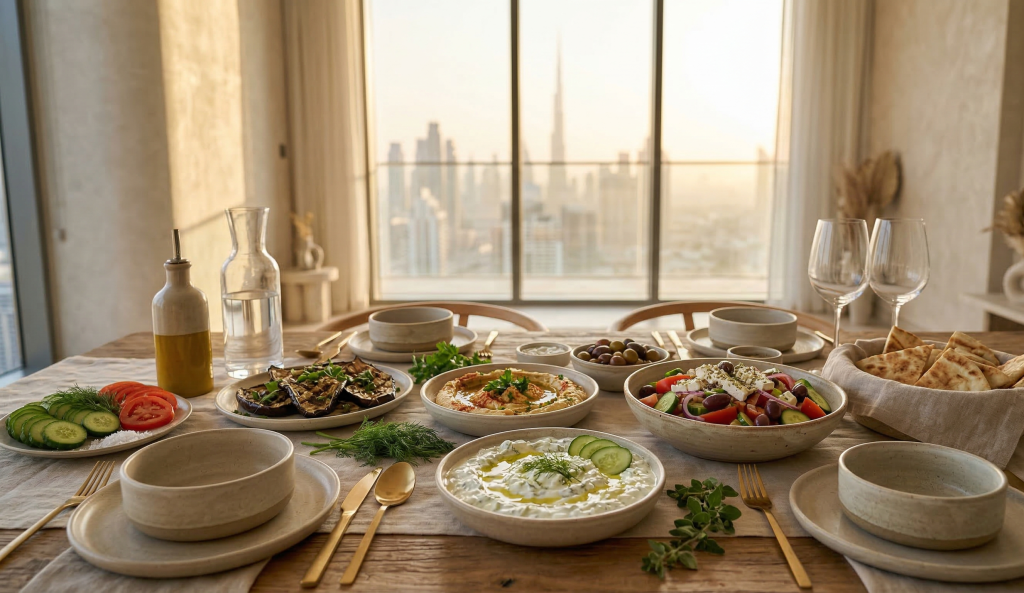
Introduction: Why “Easy to Host” Means More Than Just Recipes
In Dubai, hosting at home often looks simple from the outside — a few dishes, fresh ingredients, and good company. But anyone who has actually tried it knows the reality is different.
The difficulty is rarely in the cooking itself. It’s in sourcing the right ingredients, managing freshness in a warm climate, and avoiding last-minute substitutions that quietly change the entire meal.
This is especially true when cooking international cuisines like Italian, Mexican, or Greek. These cuisines rely heavily on fresh produce — herbs, vegetables, citrus, and specific textures — where small compromises can affect the final result more than most people expect.
In 2026, with Dubai’s evolving food supply ecosystem, sourcing has improved. But confusion still exists:
- Which ingredients are consistently available?
- What works well in Dubai’s climate — and what spoils quickly?
- Is it better to buy from supermarkets or wholesale suppliers?
- Which cuisine is realistically easiest to execute at home without stress?
This article answers those questions from a practical, supply-focused perspective — not from a recipe blog, but from how ingredients actually behave in Dubai kitchens.
What Makes a Cuisine “Easy” to Host in Dubai?
Before comparing cuisines, it helps to define what “easy” really means in this context.
From a food supply and preparation standpoint, a cuisine is easier when:
1. Ingredients Are Widely Available Year-Round
Dubai depends heavily on imports. Some ingredients appear abundant but fluctuate in quality depending on origin (Europe, Iran, India, Africa).
Consistency matters more than availability.
2. Produce Has a Reasonable Shelf Life
Leafy herbs, soft fruits, and delicate vegetables can deteriorate quickly — especially outside controlled storage.
Short shelf life increases:
- Waste
- Last-minute re-buying
- Inconsistent presentation
3. Substitutions Don’t Break the Dish
Some cuisines are forgiving. Others depend on very specific flavors.
For example:
- Replacing parsley with coriander changes a Greek dish completely
- Using low-acidity tomatoes affects Italian sauces noticeably
4. Preparation Is Modular (Not Timing-Critical)
Hosting becomes easier when:
- Dishes can be prepped in advance
- Components can be assembled, not cooked simultaneously
5. Fresh Herbs and Key Produce Are Easy to Source
In Dubai, herbs are often the weak link in home cooking:
- Basil wilts quickly
- Dill and oregano vary in quality
- Coriander is abundant but not always fresh
Understanding this changes which cuisine is realistically manageable.
The Reality of Buying Fresh Produce in Dubai
Across forums, procurement discussions, and buyer feedback, a few patterns appear repeatedly.
Common Buyer Concerns
“Supermarket vegetables look fresh but don’t last.”
This is often due to cold chain breaks — produce warms slightly during transport or shelving, reducing shelf life without visible damage.
“Wholesale is cheaper, but quality is inconsistent.”
In reality, inconsistency often comes from:
- Mixed sourcing origins
- Improper storage after purchase
- Lack of understanding of grading (size, ripeness, moisture content)
“Herbs spoil within 24–48 hours.”
This is accurate for many herbs if:
- Stored dry
- Exposed to fridge airflow
- Not wrapped correctly
Wholesale vs Retail: A Practical View
For home hosting, wholesale is not always about volume — it’s about freshness cycles.
In practice, suppliers working closely with Dubai-based distributors such as JMB Farm Fresh often observe that:
- Faster turnover = fresher stock
- Bulk systems reduce time sitting on shelves
- Buyers who plan ahead waste less, even when buying more
However, wholesale requires:
- Basic storage knowledge
- Meal planning discipline
Without that, waste increases instead of decreasing.
Cuisine Breakdown: Italian, Mexican, Greek
Now, let’s look at each cuisine from a real-world Dubai sourcing perspective — not from a cookbook, but from ingredient behavior, availability, and hosting practicality.
Italian Cuisine: Simple on Paper, Sensitive in Practice
Italian food is often described as “simple.” That’s true — but also misleading.
Italian cooking relies heavily on ingredient quality. When ingredients are slightly off, the dish doesn’t hide it.
Key Ingredients (Typical Home Hosting)
- Tomatoes (fresh or canned)
- Basil
- Garlic
- Zucchini, eggplant
- Olive oil
- Parmesan or similar cheeses
Where It Works Well in Dubai
- Tomatoes are widely available year-round
- Zucchini and eggplant are consistent imports
- Garlic quality is stable
- Olive oil is easy to source
Where It Becomes Difficult
1. Basil is highly fragile
Basil often:
- Wilts within a day
- Turns black if refrigerated improperly
This creates pressure during hosting.
2. Tomato quality varies more than expected
Not all tomatoes behave the same:
- Some are watery (affects sauces)
- Some lack acidity (affects balance)
3. Freshness timing matters a lot
Italian dishes often require:
- Same-day preparation
- Minimal holding time
Real-World Hosting Risk
If ingredients are slightly off:
- Pasta sauces taste flat
- Salads lose aroma
- Presentation suffers quickly
Italian cuisine rewards precision — but is less forgiving for casual hosting.
Mexican Cuisine: Flexible, But Ingredient Gaps Exist
Mexican food is often easier structurally — but sourcing introduces different challenges.
Key Ingredients
- Tomatoes
- Onions
- Coriander (cilantro)
- Avocados
- Limes
- Peppers (jalapeños or substitutes)
Strengths in Dubai
1. Core vegetables are always available
- Onion, tomato, coriander are abundant
- Limes are widely imported
2. Dishes are modular
- Tacos, bowls, and platters allow flexibility
- Guests can assemble their own food
3. Substitutions are more forgiving
- Different chili types can work
- Spice levels can be adjusted
Where It Becomes Tricky
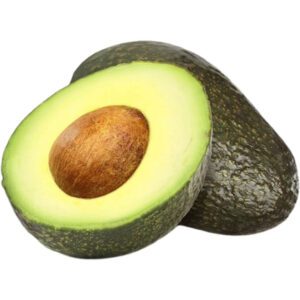
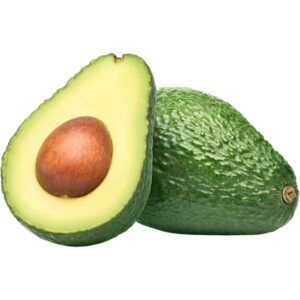
1. Avocado inconsistency
One of the most discussed issues:
- Overripe or underripe avocados
- Short usability window (often 1–2 days)
This creates timing pressure.
2. Authentic peppers are not always available
- Jalapeños may vary in heat
- Some substitutes lack depth
3. Herbs degrade quickly
Coriander:
- Wilts fast if not hydrated properly
- Loses aroma quickly
Real-World Hosting Advantage
Mexican cuisine is forgiving:
- Slight imperfections don’t ruin the meal
- Guests focus on combination, not perfection
This makes it more practical for relaxed hosting.
Greek Cuisine: Built for Sharing, Designed for Real Kitchens
Greek cuisine sits in a unique position — especially in Dubai’s current ingredient landscape.
It aligns closely with:
- Available produce
- Climate-resilient ingredients
- Simple preparation methods
Key Ingredients
- Cucumbers
- Tomatoes
- Olives
- Lemon
- Parsley, oregano, dill
- Yogurt
- Eggplant, peppers
Why It Fits Dubai Well
1. Ingredients are stable and widely available
Most Greek staples:
- Handle transport well
- Maintain quality across suppliers
2. Dishes tolerate slight variation
Unlike Italian food:
- Small differences in tomatoes or herbs are less noticeable
3. Many dishes improve over time
Examples:
- Dips (tzatziki, hummus-style spreads)
- Marinated vegetables
This reduces timing stress.
4. Built for sharing
Greek meals naturally:
- Use platters
- Encourage pre-preparation
Perfect for hosting environments.
Why Greek Cuisine Often Wins for Home Hosting in Dubai
When comparing the three, Greek cuisine consistently emerges as the most practical option — not because it is simpler in theory, but because it aligns better with how fresh produce behaves in Dubai.
Ingredient Stability Matters More Than Recipe Simplicity
In a controlled kitchen, all three cuisines are manageable. But in a typical home setting:
- You may shop a day or two in advance
- Fridge space is limited
- Temperature fluctuations affect delicate produce
Greek ingredients — cucumbers, lemons, olives, yogurt, eggplant — are naturally more stable under these conditions.
Less Pressure on “Perfect Freshness”
Italian cuisine depends on peak freshness at the moment of cooking. Mexican cuisine depends on timing (especially avocados and herbs).
Greek cuisine allows for a wider margin:
- Slightly soft tomatoes still work in salads
- Yogurt-based dishes hold structure
- Herbs can be adjusted without breaking the dish
Preparation Can Be Spread Out
From a hosting perspective, this is critical.
Greek meals can be prepared in stages:
- Dips made earlier in the day
- Vegetables chopped in advance
- Proteins cooked separately and served later
This reduces last-minute stress — a common issue noted by both home cooks and small-scale catering operators in Dubai.
What to Buy: A Practical Shopping Guide for Each Cuisine
Rather than listing recipes, it’s more useful to understand what actually needs attention when sourcing ingredients in Dubai.
Italian Cuisine: What to Prioritize
If hosting Italian, focus on ingredient quality over quantity.
Essential Produce Checklist:
- Firm, ripe tomatoes (avoid overly soft or watery ones)
- Fresh basil (buy same day if possible)
- Zucchini and eggplant (check for firmness, no soft spots)
- Garlic with tight skin (loose cloves indicate aging)
Buying Insight:
- Tomatoes vary significantly by origin (European vs regional imports)
- Basil should not be stored dry — wrap lightly in damp paper
Common Mistake:
Buying everything early and refrigerating it without considering how sensitive items (like basil) react to cold storage.
Mexican Cuisine: What to Plan Around
Mexican hosting is less about ingredient perfection and more about timing.
Essential Produce Checklist:
- Tomatoes (medium firmness, not overripe)
- Onions (stable, easy to store)
- Coriander (look for bright green, no yellowing)
- Limes (heavy for their size = more juice)
- Avocados (buy at different ripeness stages if possible)
Buying Insight:
- Avocados are the highest-risk item — plan around them, not after them
- Coriander benefits from being stored like flowers (in water, loosely covered)
Common Mistake:
Buying fully ripe avocados too early — leading to spoilage before the event.
Greek Cuisine: What Works Consistently
Greek meals rely on ingredients that are generally forgiving and easier to handle.
Essential Produce Checklist:
- Cucumbers (firm, not spongy)
- Tomatoes (medium ripe, not overly soft)
- Lemons (smooth skin, slightly heavy)
- Eggplant (shiny skin, no wrinkles)
- Fresh herbs (parsley, dill — choose crisp stems)
Buying Insight:
- Cucumbers and lemons have longer usable windows compared to herbs
- Yogurt quality is more important than herb perfection for dips
Common Mistake:
Overbuying herbs when dishes rely more on balance than intensity.
Seasonal Reality: How Dubai’s Supply Chain Affects Your Menu
One of the most overlooked factors in home hosting is seasonality — not in terms of local farming, but import cycles.
Winter (Peak Comfort Zone)
During Dubai’s cooler months:
- Leafy greens are more stable
- Herbs are fresher and last longer
- European imports are more consistent
This is when:
- Italian cuisine performs best
- Greek cuisine becomes extremely easy to execute
Summer (High Risk for Fresh Produce)
In hotter months:
- Herbs deteriorate faster
- Soft vegetables lose structure quickly
- Cold chain disruptions become more noticeable
This shifts the balance:
- Italian becomes harder to execute well
- Mexican remains manageable with planning
- Greek remains the most stable option
Transitional Periods (Spring/Autumn)
These are often the most unpredictable:
- Mixed sourcing origins
- Variable quality across batches
Buyers often report inconsistency during these periods — not due to poor supply, but overlapping import cycles.
Common Mistakes When Hosting International Cuisine in Dubai
Across buyer discussions and hospitality feedback, a few patterns appear consistently.
1. Treating All Produce as Equal
Not all tomatoes, herbs, or vegetables behave the same.
Two visually identical items can differ in:
- Water content
- Shelf life
- Flavor intensity
This matters more in cuisines like Italian.
2. Ignoring Storage Conditions
Improper storage is one of the biggest causes of waste.
Examples:
- Basil turning black in cold air
- Coriander drying out in open fridge space
- Eggplants softening due to humidity imbalance
Simple adjustments can extend usability significantly.
3. Overbuying Without Planning Usage
Bulk buying works only when:
- You know when each item will be used
- You understand how long it will last
Otherwise, it increases waste instead of reducing cost.
4. Relying on Last-Minute Shopping
This creates unnecessary pressure:
- Limited choice
- Lower-quality selection
- Substitutions that affect authenticity
Experienced buyers — including small restaurants — often avoid this by planning 48–72 hours ahead.
A Practical Hosting Comparison: What Actually Feels Easier
When viewed through the lens of Dubai’s produce ecosystem:
| Factor | Italian | Mexican | Greek |
|---|---|---|---|
| Ingredient Sensitivity | High | Medium | Low |
| Herb Dependence | High (basil) | Medium (coriander) | Medium (parsley/dill) |
| Shelf Life Flexibility | Low | Medium | High |
| Preparation Flexibility | Low | High | High |
| Risk of Last-Minute Issues | High | Medium | Low |
This is why, in practice, Greek cuisine often feels the easiest — even if recipes appear equally simple on paper.
A Quiet Note on Sourcing: Retail vs Structured Supply
For most home hosts, supermarkets are the default. They are convenient, familiar, and require no planning.
However, a growing number of buyers — including families and small catering setups — are shifting toward structured sourcing models:
- Pre-planned weekly buying
- Bulk or semi-bulk purchases
- Direct supplier relationships
This is not necessarily about cost savings.
It’s about:
- Consistency
- Predictability
- Reduced last-minute stress
Some UAE buyers prefer working with established wholesale produce providers rather than fragmented retail sourcing, especially when hosting frequently or managing larger gatherings.
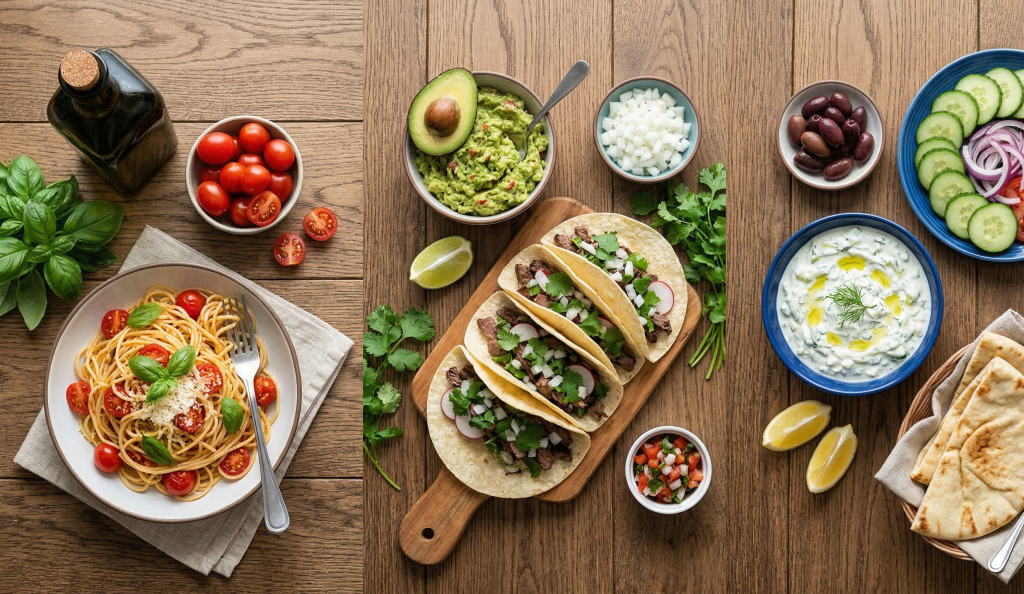
Putting It All Together: Choosing the Right Cuisine for Your Context
By this point, the question is no longer which cuisine is “better.” It’s which one aligns with your situation in Dubai.
If You Want Precision and Restaurant-Style Results
Italian cuisine can deliver a refined experience — but only when:
- Ingredients are sourced carefully and close to serving time
- You understand how produce quality affects flavor
- You are comfortable managing timing during cooking
This approach suits:
- Smaller gatherings
- Hosts with experience handling fresh produce
- Occasions where presentation and taste are tightly controlled
If You Want Flexibility and Interaction
Mexican cuisine works well when:
- You prefer a relaxed hosting style
- Guests are comfortable assembling their own plates
- You can manage a few high-risk items (especially avocados)
This approach suits:
- Casual dinners
- Mixed dietary preferences
- Situations where timing may not be exact
If You Want Consistency and Low Stress
Greek cuisine tends to be the most reliable choice when:
- You want to prepare ahead
- You prefer ingredients that hold well
- You want minimal last-minute pressure
This approach suits:
- Larger gatherings
- Family hosting
- First-time hosts experimenting with international cuisine
A Final Word on Ingredient Behavior (Not Just Recipes)
One of the most important shifts for home hosts in Dubai is moving from “recipe thinking” to “ingredient thinking.”
Instead of asking:
“What should I cook?”
It often helps to ask:
“What ingredients will behave well in my kitchen this week?”
This small shift changes outcomes significantly.
- It reduces waste
- Improves consistency
- Makes hosting feel controlled rather than reactive
In practice, experienced buyers — including those working closely with suppliers like JMB Farm Fresh — tend to plan meals around ingredient condition and availability, not the other way around.
Conclusion: The Easiest Cuisine Is the One That Respects the Supply Chain
In Dubai, ease is not defined by the number of steps in a recipe.
It is defined by:
- How predictable your ingredients are
- How well they handle storage
- How forgiving the cuisine is to variation
From that perspective:
- Italian cuisine is rewarding but sensitive
- Mexican cuisine is flexible but requires timing awareness
- Greek cuisine is the most balanced for real-world hosting
For most home settings in 2026, Greek cuisine offers the least friction — not because it is simpler, but because it aligns with the realities of sourcing fresh produce in Dubai.
FAQ Section
1. Which cuisine is cheapest to host in Dubai?
Cost varies more by ingredient choice than cuisine. Greek and Mexican meals often allow more flexibility, which can reduce overall cost. Italian dishes using high-quality tomatoes, cheese, and herbs may be more sensitive to ingredient pricing.
2. Is wholesale produce better than supermarket produce in Dubai?
Not inherently. Wholesale often offers fresher stock due to faster turnover, but requires proper storage. Supermarkets offer convenience but may have longer shelf times.
3. How can I keep herbs fresh longer in Dubai’s climate?
Store herbs with slight moisture:
- Wrap in damp paper towel
- Place in a loose container
- Avoid direct cold airflow
Some herbs, like coriander, can also be stored upright in water.
4. Why do vegetables spoil faster in summer in Dubai?
High external temperatures increase stress on the cold chain (the temperature-controlled supply process). Even small temperature changes during transport or storage reduce shelf life.
5. What’s the safest cuisine for first-time hosts in Dubai?
Greek cuisine is generally the safest due to:
- Ingredient stability
- Flexible preparation
- Lower dependence on perfect freshness








 Home
Home  Whishlist
  Compare
  Checkout