











Introduction
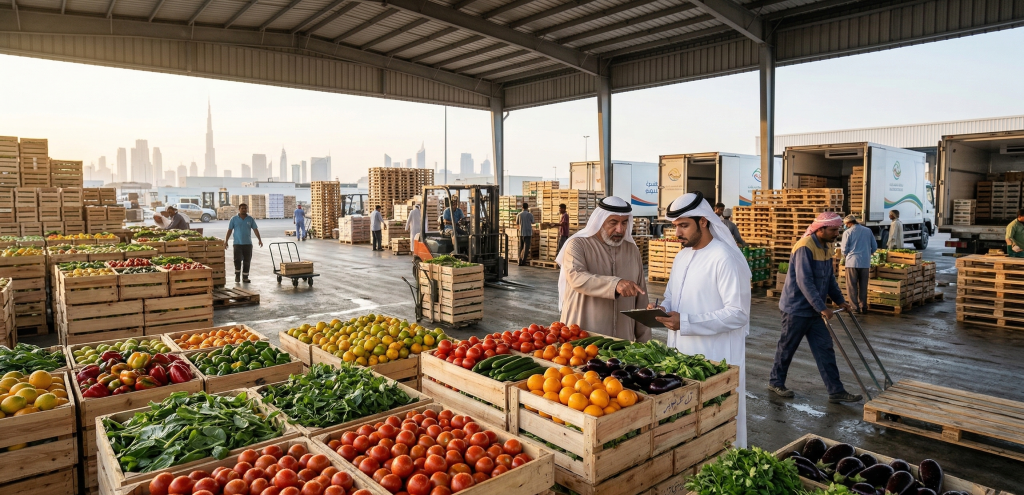
Dubai’s food supply system is one of the most dynamic in the world. Every day, thousands of tons of fruits and vegetables move through the city — arriving from local farms in the UAE, neighboring GCC countries, and international agricultural hubs across Europe, Africa, and Asia.
For restaurants, hotels, catering businesses, and even large households, buying fresh produce in bulk has become a practical way to manage both cost and supply reliability. Bulk purchasing is no longer limited to large distributors. Many families and small food businesses in Dubai now source their fruits and vegetables the same way restaurants do.
However, fresh produce bulk buying in Dubai comes with its own learning curve.
Buyers often face questions such as:
- Is wholesale produce actually fresher than supermarket produce?
- Why do fruit and vegetable prices change so often?
- How can you judge quality when buying large quantities?
- Is locally grown produce better than imported produce?
These are not simple questions. Fresh produce moves through complex supply chains, and small buying decisions can affect cost, quality, and food waste.
This guide explains how bulk produce buying works in Dubai, how to assess quality, and how both businesses and families can make smarter purchasing decisions.
Understanding the Fresh Produce Supply Chain in Dubai
To understand bulk buying, it helps to first understand how produce reaches the market.
Dubai is not a large agricultural producer compared to some countries, but it acts as a regional distribution hub for fruits and vegetables.
Most produce available in the city comes from three main sources:
1. Imported Produce
A large portion of fruits and vegetables sold in Dubai are imported.
Common sources include:
- India
- Pakistan
- Egypt
- Turkey
- Jordan
- Spain
- South Africa
These imports supply many of the everyday items people buy — tomatoes, onions, apples, bananas, potatoes, and citrus fruits.
Because Dubai has strong logistics infrastructure and a major port, imported produce can arrive quickly and be distributed efficiently.
2. Local UAE Farms
Over the past decade, the UAE has invested heavily in agriculture technology.
Greenhouses, hydroponic farms, and controlled-environment agriculture have increased the availability of locally grown vegetables such as:
- Lettuce
- Cucumbers
- Cherry tomatoes
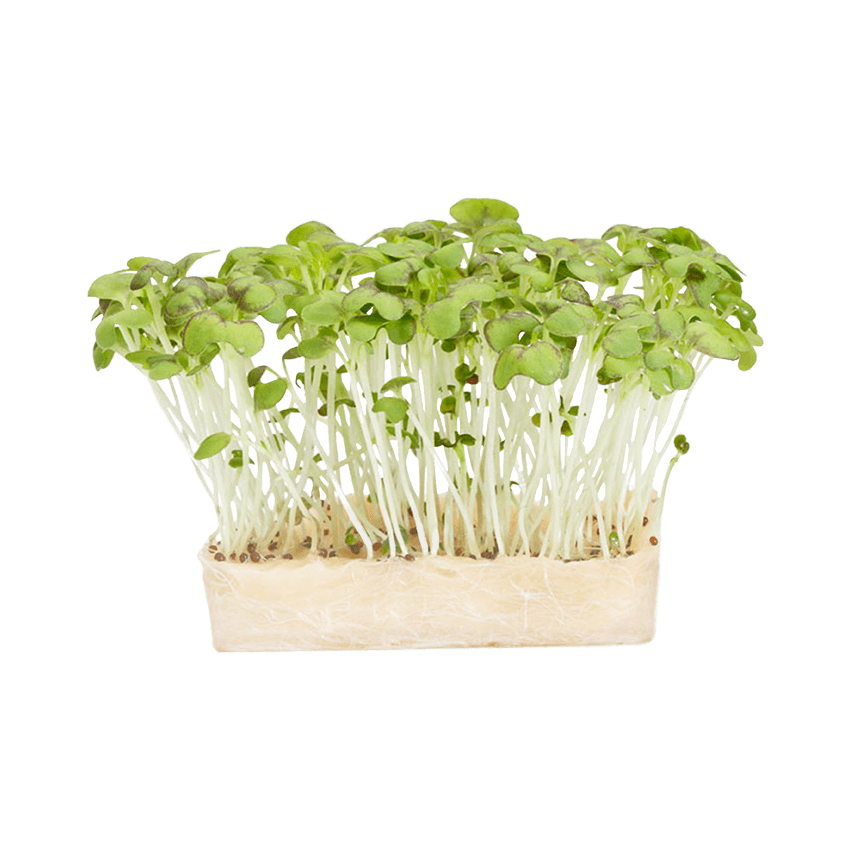
- Microgreens
- Herbs
Local produce often reaches the market faster because transport distances are shorter. However, production volume can still be limited compared to imports.
3. Regional Gulf Supply
Some fruits and vegetables come from neighboring countries in the region.
These include seasonal items such as:
- Dates
- Certain leafy greens
- regional citrus varieties
Regional supply can help stabilize markets during seasonal transitions.
Why Businesses and Families Are Buying Produce in Bulk
Bulk buying is common in the hospitality industry, but it is increasingly used by families and small food businesses as well.
There are several practical reasons for this shift.
Better Cost Control
Buying larger quantities usually lowers the cost per kilogram.
Wholesale markets and distributors often price produce differently from supermarkets because they sell directly from supply channels rather than through retail shelves.
For restaurants or catering companies that use large volumes of vegetables daily, these differences can significantly affect monthly costs.
Even families that cook frequently can see savings when purchasing staple vegetables like onions, potatoes, and tomatoes in larger quantities.
Supply Stability
Restaurants cannot afford to run out of ingredients.
When relying only on retail stores, availability can vary. Bulk suppliers typically maintain steady supply channels because they source directly from farms and importers.
This consistency is one reason hospitality procurement teams prefer wholesale produce suppliers.
Greater Variety
Bulk produce markets often carry a wider range of fruits and vegetables than supermarkets.
Buyers can find:
- seasonal produce not stocked in retail stores
- specialty vegetables used in international cuisines
- imported exotic fruits
For example, restaurants that specialize in Asian or Mediterranean cuisine often rely on distributors that provide specific varieties not widely sold in retail environments.
The Difference Between Wholesale Produce and Supermarket Produce
Many buyers assume supermarket produce must be higher quality.
In reality, the difference is usually about handling and distribution, not necessarily freshness.
Supermarkets operate through retail supply chains that include:
- packaging
- warehousing
- shelf display time
Wholesale produce, on the other hand, often moves faster through the system.
Fresh produce may travel from importer to distributor to buyer with fewer handling stages.
This does not mean wholesale produce is always better — but it often arrives closer to the time it was harvested or imported.
Understanding this difference helps explain why many restaurants prefer wholesale supply channels.
How to Judge Freshness When Buying Produce in Bulk
One of the biggest concerns buyers have is evaluating freshness when purchasing large quantities.
In retail stores, shoppers choose individual items. Bulk purchasing requires a different approach.
Experienced buyers usually check several indicators.
Visual Quality
The first sign of freshness is appearance.
Buyers should look for:
- consistent color
- natural shine (without excessive moisture)
- firm texture
For example:
- Fresh cucumbers should feel firm and smooth.
- Leafy greens should appear crisp, not wilted.
- Citrus fruits should feel heavy for their size.
Uneven coloring or soft spots often indicate aging produce.
Smell
Produce that is beginning to spoil often develops a faint sour smell.
Fresh vegetables should smell clean and neutral.
If bulk boxes have strong odor when opened, it can signal poor storage conditions.
Storage Temperature
Temperature plays a major role in produce freshness.
Different products require different conditions:
- Leafy greens prefer cold storage
- Tomatoes and bananas often travel at moderate temperatures
- Root vegetables tolerate wider ranges
If produce arrives warm when it should be chilled, shelf life may be shorter.
Packaging and Handling
Rough handling can damage fruits and vegetables before they reach the buyer.
Signs of handling damage include:
- bruised apples
- cracked tomatoes
- crushed leafy greens
Damage not only affects appearance but also accelerates spoilage.
Understanding Price Fluctuations in the Dubai Produce Market
Many buyers are surprised by how often produce prices change.
These changes are usually driven by supply conditions rather than supplier decisions.
Common factors include:
Seasonal harvest cycles
Certain fruits and vegetables are abundant during specific months.
When harvest volumes increase, prices typically fall.
When seasons end, prices can rise quickly due to limited supply.
Import logistics
Shipping delays, fuel costs, and port congestion can all affect produce prices.
Because Dubai imports much of its produce, logistics can influence availability.
Weather in producing countries
Unexpected weather events in major agricultural regions can disrupt supply.
Heavy rains, droughts, or extreme heat may reduce crop yields.
This can affect prices across international markets.
Demand spikes
During major events, tourism peaks, or holidays, demand for fresh produce increases.
Hotels and restaurants may purchase larger volumes during these periods.
Higher demand can temporarily increase prices.
Common Mistakes Buyers Make When Purchasing Produce in Bulk
Even experienced buyers sometimes run into problems when buying fruits and vegetables in large quantities.
Several common mistakes appear repeatedly across restaurants and households.
Buying More Than You Can Store
Fresh produce has a limited shelf life.
Without proper refrigeration or storage space, large purchases can lead to waste.
Businesses should estimate usage carefully and coordinate delivery schedules.
Ignoring Seasonal Availability
Not all fruits and vegetables are available year-round at the same quality level.
Buying produce out of season often means:
- higher prices
- longer shipping distances
- shorter shelf life
Understanding seasonal cycles helps buyers make better decisions.
Choosing Only Based on Price
Low prices can sometimes indicate overstocked or aging produce.
While competitive pricing matters, quality should always be considered alongside cost.
Poor-quality produce leads to waste, which can erase any savings from lower purchase prices.
In practice, suppliers working closely with Dubai-based distributors such as JMB Farm Fresh often observe that buyers who balance price, seasonality, and storage capacity achieve the most consistent results.
Seasonal Produce Patterns in the UAE: Why Timing Matters
Fresh produce availability in Dubai follows global agricultural cycles. While the city imports from many countries, seasonal harvests still influence both quality and pricing.
Understanding these patterns helps buyers choose produce when it is naturally abundant.
For businesses and large households practicing fresh produce bulk buying in Dubai, seasonality often determines whether produce lasts several days or several weeks in storage.
Winter: The Strongest Produce Season
Winter months in the UAE — roughly November through March — are considered the most stable period for fruit and vegetable supply.
During this time:
- Regional farms increase production
- Import routes from nearby countries are more active
- Many crops reach peak harvest
Common winter vegetables include:
- tomatoes
- cucumbers
- eggplants
- zucchini
- cauliflower
- cabbage
Winter is also a strong season for fruits such as:
- oranges
- mandarins
- strawberries
- pomegranates
For bulk buyers, winter is often the easiest time to secure consistent quality.
Produce travels shorter distances and tends to be harvested closer to shipping dates.
Summer: More Reliance on Imports
Dubai’s summer climate limits local farming activity.
From May through September, many vegetables come primarily from international sources such as:
- India
- Egypt
- Turkey
- Europe
Because shipping distances increase during this period, buyers may notice:
- faster ripening after delivery
- slightly shorter shelf life
- more variability in quality
This does not mean summer produce is poor quality. It simply requires more careful storage and faster usage.
Restaurants and caterers often adjust their menus during these months to match what is most stable in supply.
Imported vs Local Produce: Which Is Better?
Many buyers assume locally grown vegetables must always be fresher.
In practice, the answer is more nuanced.
Local Produce Advantages
Local UAE farms can deliver products quickly, sometimes within a day of harvest.
Benefits often include:
- shorter transport times
- lower handling damage
- consistent quality for leafy vegetables
Items such as hydroponic lettuce and herbs often perform very well when sourced locally.
Imported Produce Advantages
Imports remain essential for maintaining variety.
Certain crops grow better in cooler climates or larger agricultural regions.
Imported produce can provide:
- wider product selection
- year-round availability
- specialty varieties for international cuisine
For example, apples, berries, and many citrus fruits typically arrive through import channels.
For buyers in Dubai, the most practical approach is usually a mix of both local and imported produce, depending on season and availability.
Managing Storage When Buying Produce in Bulk
One of the biggest challenges in bulk vegetables in Dubai is proper storage.
Even high-quality produce can spoil quickly if storage conditions are not managed correctly.
Refrigeration Zones
Different fruits and vegetables require different storage temperatures.
Common guidelines include:
Cold storage (0–4°C):
- leafy greens
- broccoli
- berries
- herbs
Moderate cold storage (5–10°C):
- cucumbers
- peppers
- zucchini
Room temperature storage:
- onions
- potatoes
- garlic
- bananas
Mixing incompatible produce in the same storage area can shorten shelf life.
Humidity Control
Humidity affects how quickly vegetables lose moisture.
Leafy greens require higher humidity to remain crisp, while onions and garlic need dry storage.
Excess humidity can also encourage mold growth.
Many professional kitchens use perforated containers or breathable crates to maintain airflow.
Ethylene Sensitivity
Some fruits release a natural ripening gas called ethylene.
Examples include:
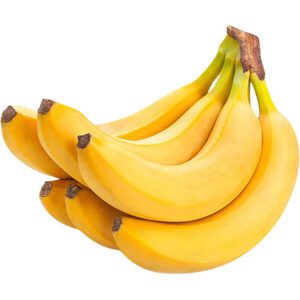
- bananas
- apples
- avocados
Ethylene can cause nearby vegetables to ripen and spoil faster.
For example, storing bananas near leafy greens can shorten the greens’ shelf life.
Separating ethylene-producing fruits from sensitive vegetables helps preserve freshness.
Exotic Fruits in Dubai: Why They Require Special Handling
Dubai’s international food culture has increased demand for specialty produce.
Many restaurants and families now look for an exotic fruits supplier in Dubai to source unique ingredients.
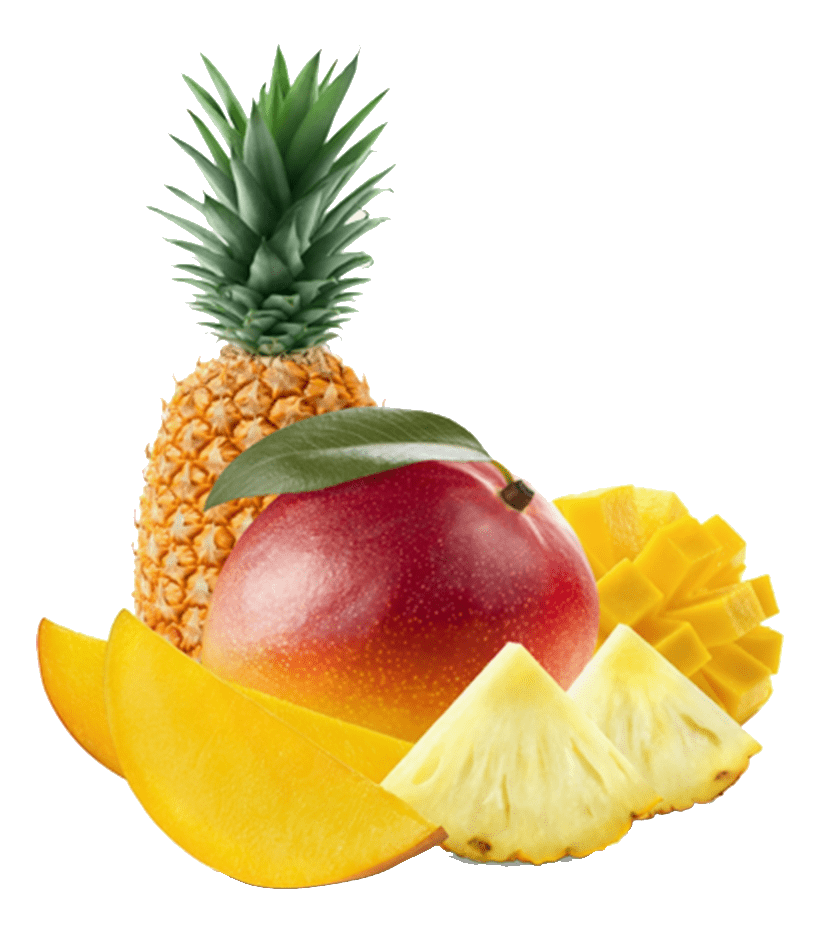
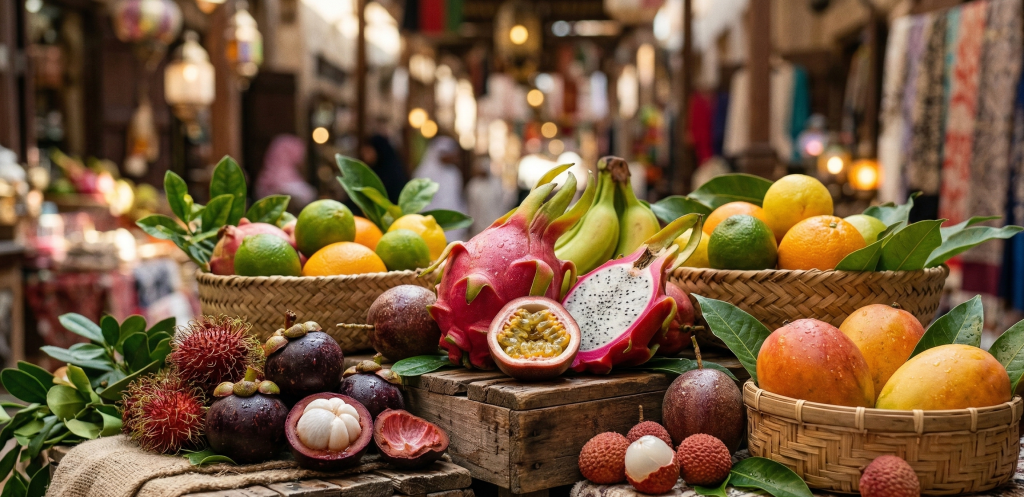
Common examples include:
- dragon fruit
- mangosteen
- rambutan
- passion fruit
- lychee
These fruits are often imported from tropical regions and may travel long distances.
Because of this, they require careful handling.
Shelf Life Challenges
Exotic fruits often have shorter shelf lives compared to common fruits like apples or oranges.
Some may last only a few days after arrival.
Bulk buyers should:
- confirm expected arrival dates
- inspect packaging carefully
- plan usage soon after delivery
Restaurants often design menu specials around exotic fruit shipments to avoid waste.
Ripeness Timing
Many tropical fruits are shipped slightly underripe.
This allows them to withstand long transportation.
After arrival, they continue ripening at room temperature.
Buyers should monitor ripeness daily and move fruits into refrigeration once optimal texture is reached.
Organic Fruits and Vegetables in Dubai: Understanding the Tradeoffs
Interest in organic fruits and vegetables in Dubai has grown steadily over the past decade.
However, organic produce behaves differently from conventional produce.
Shorter Shelf Life
Organic fruits and vegetables are grown without synthetic preservatives or post-harvest treatments.
As a result, they may spoil faster.
Bulk buyers should plan smaller or more frequent deliveries.
Higher Price Variability
Organic farming often produces smaller harvest volumes.
Supply fluctuations can therefore affect pricing more dramatically.
For restaurants or caterers, organic produce is sometimes used selectively — for example in salads or specialty dishes.
Certification Awareness
Organic labeling should come with recognized certification.
Buyers should verify documentation to ensure products meet organic standards.
This is especially important when buying large quantities.
How Restaurants and Caterers Structure Their Produce Buying
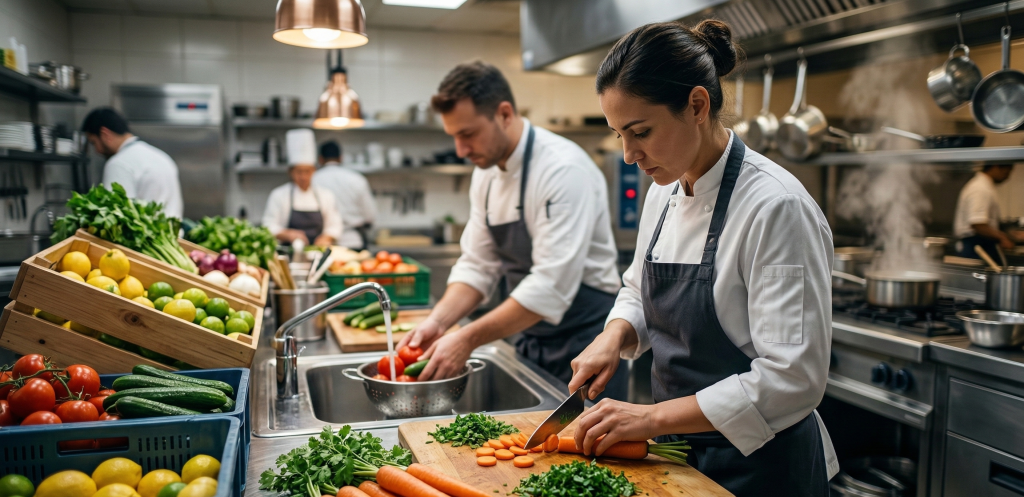
Professional kitchens usually follow structured purchasing routines.
These routines reduce waste and maintain consistent ingredient quality.
Typical strategies include:
Forecast-Based Ordering
Restaurants estimate weekly ingredient usage based on expected customer volume.
Orders are then placed accordingly.
This approach prevents overbuying.
Split Deliveries
Instead of receiving one large shipment per week, many kitchens schedule multiple smaller deliveries.
This keeps produce fresher and reduces storage pressure.
Supplier Diversification
Many restaurants work with more than one supplier.
This helps protect against supply interruptions or seasonal shortages.
Some buyers prefer working with established wholesale produce providers rather than relying on fragmented retail purchasing.
A Note on Choosing Reliable Produce Suppliers
Reliability matters more than price alone.
Experienced buyers often prioritize suppliers who provide:
- consistent grading standards
- transparent sourcing information
- predictable delivery schedules
In Dubai’s produce market, long-term relationships between buyers and distributors are common.
These partnerships help maintain quality consistency across large volumes of produce.
Practical Strategies for Large Families Buying Produce in Bulk
While bulk purchasing is often associated with restaurants and food distributors, many large households in Dubai now use similar buying strategies.
Families that cook frequently, host gatherings, or share groceries across extended households can benefit from bulk purchasing — provided it is done carefully.
The key difference between household and business buying is storage capacity and consumption speed.
Plan Weekly Meal Patterns
Before buying large quantities of produce, it helps to understand how ingredients are actually used throughout the week.
For example:
A household that regularly cooks rice-based meals may use large quantities of:
- onions
- tomatoes
- potatoes
- green chilies
Buying these staples in bulk often makes sense because they are used daily.
However, items such as berries or leafy herbs may be better purchased in smaller amounts due to their shorter shelf life.
Divide Produce Into Smaller Storage Portions
When large quantities of fruits or vegetables arrive, it is often helpful to divide them into smaller containers.
This reduces handling damage and allows buyers to monitor freshness more easily.
For example:
- store leafy greens in breathable containers
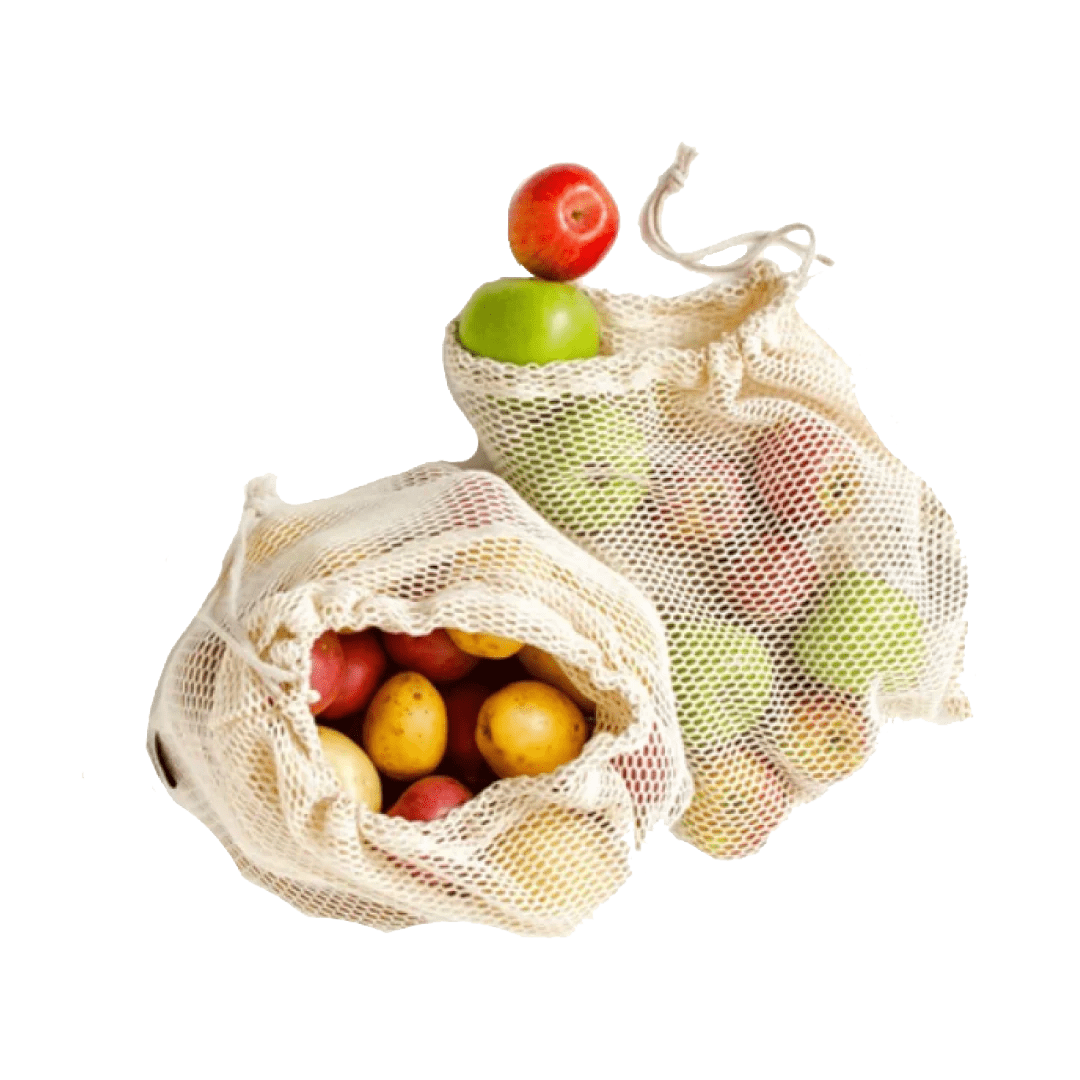
- keep root vegetables in ventilated baskets
- separate delicate fruits from heavier items
Simple organization can significantly extend shelf life.
Share Bulk Purchases With Family or Neighbors
Some households reduce waste by sharing bulk purchases with relatives or neighbors.
This approach allows buyers to access wholesale pricing while ensuring produce is used quickly.
It is a common practice in communities where multiple households cook regularly.
How to Reduce Food Waste When Buying in Bulk
One concern that often appears in discussions around bulk vegetables in Dubai is food waste.
Large quantities can become wasteful if they are not used efficiently.
Fortunately, a few simple practices can help reduce spoilage.
Use “First In, First Out” Storage
Professional kitchens use a simple rule known as FIFO — First In, First Out.
Older produce is used first, while newer deliveries are placed behind it.
This prevents forgotten items from spoiling at the back of refrigerators or storage areas.
Prep Vegetables in Advance
Many vegetables last longer after light preparation.
For example:
- washing and drying leafy greens
- trimming herbs and storing them upright in water
- cutting large vegetables into ready-to-cook portions
Prepared vegetables are also easier to use during busy cooking times.
Freeze or Preserve Excess Produce
Some produce can be preserved if there is more than needed.
Examples include:
- freezing chopped herbs
- storing cut fruit for smoothies
- freezing peeled garlic or ginger
These methods help extend the usefulness of bulk purchases.
Questions Buyers Should Ask Before Purchasing Bulk Produce
Whether you are a restaurant buyer or a household purchasing from a wholesale fruit supplier in Dubai, asking a few simple questions can help avoid problems later.
Important questions include:
Where was this produce sourced from?
Knowing the country or farm region helps estimate how long the produce has been in transit.
When was the produce harvested or imported?
Recent harvests generally provide longer shelf life.
How should this product be stored?
Different fruits and vegetables require different temperatures and humidity levels.
Suppliers often provide guidance based on the specific product.
What is the expected shelf life?
Understanding how long produce typically lasts helps buyers plan usage.
Is this product seasonal right now?
Seasonal produce usually provides better flavor and more stable pricing.
Why Experience Matters in the Produce Supply Chain
Fresh produce is different from most other food products.
It is living material that continues to change after harvest.
Temperature, handling, storage, and transportation all affect quality.
This is why experienced distributors and procurement teams tend to develop strong knowledge of seasonal patterns and supply routes.
In Dubai’s food industry, many buyers rely on long-standing supplier relationships to maintain consistent quality across large orders.
Over time, these relationships often help buyers navigate fluctuations in pricing, supply, and availability.
Final Thoughts
Buying fruits and vegetables in bulk can be a practical and efficient approach for both businesses and large households in Dubai.
When done thoughtfully, bulk purchasing can improve cost control, provide access to wider product variety, and ensure consistent ingredient supply.
However, successful fresh produce bulk buying in Dubai depends on more than simply ordering larger quantities.
Buyers benefit from understanding:
- seasonal produce cycles
- storage requirements
- supply chain dynamics
- realistic shelf life expectations
Balancing these factors helps reduce waste while maintaining food quality.
In practice, buyers who approach produce sourcing with this level of awareness tend to build more stable purchasing habits over time — whether they are running professional kitchens or simply managing the food needs of a busy household.
Frequently Asked Questions
1. Is buying fruits and vegetables in bulk cheaper in Dubai?
Bulk purchasing often lowers the price per kilogram because products are sourced directly from wholesale supply chains rather than retail shelves. However, buyers must consider storage capacity and shelf life to avoid waste.
2. Where do most fruits and vegetables in Dubai come from?
Dubai receives produce from several regions including India, Pakistan, Egypt, Turkey, Europe, and local UAE farms. The city acts as a major distribution hub for fresh produce across the region.
3. How long do bulk vegetables typically last?
Shelf life varies depending on the product. Leafy greens may last several days under refrigeration, while root vegetables such as potatoes and onions can last several weeks when stored properly.
4. Are exotic fruits harder to store?
Yes. Many exotic fruits have shorter shelf lives and require careful temperature management after arrival. Buyers usually plan their usage shortly after delivery.
5. Is organic produce better when buying in bulk?
Organic fruits and vegetables can be high quality but often have shorter shelf lives because they lack certain post-harvest treatments. Bulk buyers should plan faster usage or smaller deliveries.








 Home
Home  Whishlist
  Compare
  Checkout