













Introduction: Why Small Greens Matter More Than Ever in Dubai
In Dubai’s food landscape, ingredients travel fast. Menus change weekly. Supply chains stretch across borders. In that environment, small details often decide whether a dish feels fresh or forgettable.
Amaranth cress is one of those details.
Often grouped with microgreens, amaranth cress brings color, texture, and a mild earthy taste that works across home kitchens, cafés, and professional kitchens alike. It is not a novelty ingredient. It is a functional green that fits well with how food is cooked, plated, and served in the UAE.
For buyers searching for amaranth cress Dubai, the questions are usually practical:
- What exactly is amaranth cress?
- How does it differ from other microgreens?
- When is it at its best in the UAE?
- How do you judge quality before buying?
This article answers those questions from a supply-side perspective, grounded in real-world sourcing and seasonal realities rather than trends or marketing language.
What Is Amaranth Cress, Exactly?
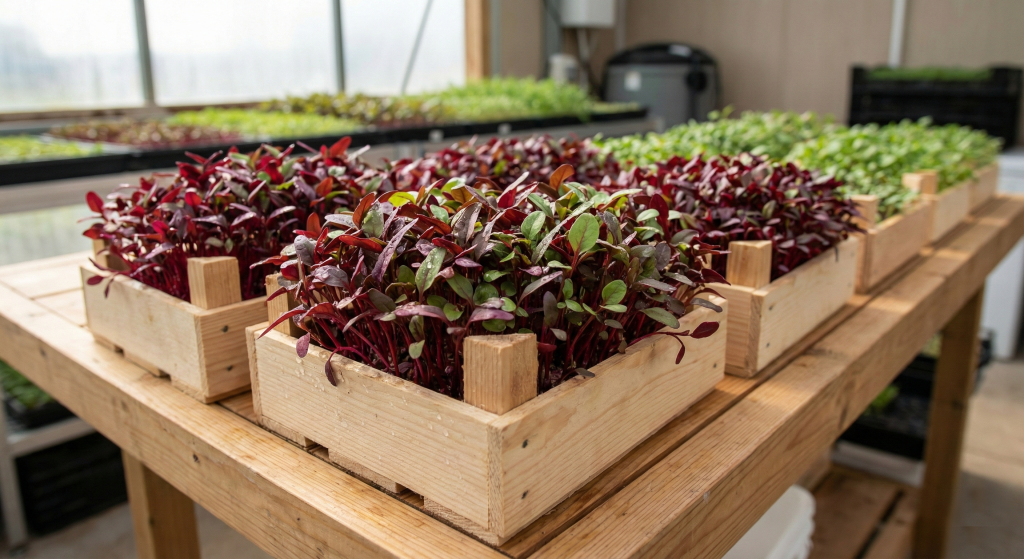
Amaranth cress is the young, tender stage of the amaranth plant. It is harvested early, when the leaves are soft and vibrant, usually red, purple, or deep green depending on the variety.
Because it is harvested young, it behaves differently from mature leafy vegetables:
- The stems are thin and delicate
- The leaves bruise easily if mishandled
- Flavor is mild, slightly earthy, and not bitter
In professional kitchens, amaranth cress is treated more like a finishing ingredient than a base vegetable. At home, it works well raw or lightly wilted.
Unlike lettuce or spinach, amaranth cress is not meant for long cooking. Heat dulls its color and texture quickly, which is why freshness at the time of purchase matters.
Amaranth Cress vs Other Microgreens in the UAE
The UAE market uses the word “microgreens” broadly. Not all microgreens behave the same once they leave the farm.
Amaranth cress stands apart in a few key ways:
- Color stability
Its deep red or purple tones hold better during short storage compared to softer greens like basil microgreens. - Neutral flavor profile
It does not overpower dishes the way mustard or radish microgreens can. - Versatility
It fits Middle Eastern, Asian, and Western plates without adjustment.
For buyers comparing amaranth microgreens UAE options, this versatility is often the deciding factor, especially for mixed menus or rotating specials.
Seasonal Context: When Amaranth Cress Performs Best in Dubai
Seasonality still matters in the UAE, even with controlled environments and imports.
Amaranth cress generally performs best during the cooler months:
- Late autumn
- Winter
- Early spring
During winter, lower ambient temperatures reduce stress on delicate greens. This leads to:
- Better leaf structure
- Slower moisture loss
- Improved shelf life after harvest
This is why many chefs and buyers notice more consistent quality during the UAE winter produce season.
In summer, amaranth cress is still available, but buyers should expect tighter handling requirements and shorter usable windows.
Health Benefits of Amaranth Cress (Without the Hype)
Discussions around health benefits amaranth cress often drift into exaggerated claims. In practice, its value is simpler and more grounded.
Amaranth cress provides:
- Natural plant compounds found in leafy greens
- Trace minerals present in amaranth varieties
- Visual appeal that encourages vegetable consumption
Its biggest advantage is not a single nutrient. It is the combination of freshness, minimal processing, and inclusion in meals that might otherwise lack greens.
From a food service perspective, ingredients that encourage balanced plates without forcing strong flavors tend to last longer on menus.
How Quality Is Judged Before It Reaches the Plate
Buyers in Dubai often ask how to judge freshness beyond appearance. With amaranth cress, there are clear indicators.
Signs of good-quality amaranth cress:
- Upright stems, not limp or collapsed
- Leaves with even color, no dark patches
- Minimal moisture pooling at the base
Warning signs:
- Strong grassy or sour smell
- Sticky stems
- Leaves turning dull or grey
Quality issues are rarely caused by farms alone. Most problems appear during transport, storage, or over-ordering.
In practice, suppliers working closely with Dubai-based distributors such as JMB Farm Fresh often observe that buyers who order smaller, more frequent quantities experience far less waste than those treating microgreens like bulk vegetables.
Why Buyers Often Misjudge Shelf Life
One common misunderstanding in Dubai’s produce market is assuming all greens behave the same.
Amaranth cress is:
- Not a long-hold item
- Sensitive to compression
- Best used quickly after delivery
Retail buyers sometimes compare it to herbs, while restaurants compare it to lettuce. Both comparisons lead to avoidable losses.
Understanding its true handling needs helps kitchens plan menus realistically rather than blaming suppliers for natural spoilage.
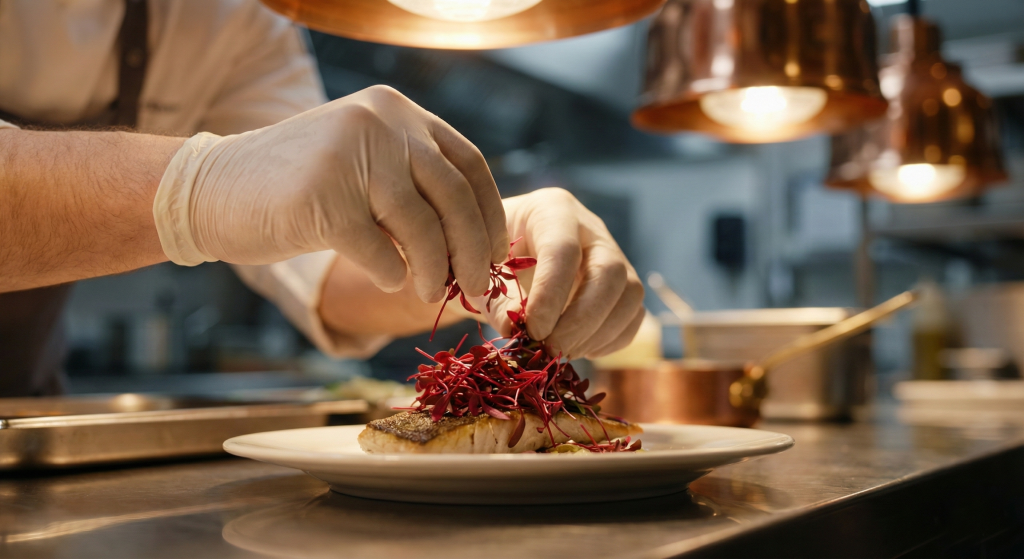
Where Amaranth Cress Fits in Real Dubai Kitchens
Amaranth cress succeeds when it is treated as an ingredient with a role, not a garnish added at the last second.
In Dubai kitchens, it is commonly used in three ways:
- Finishing element on plated dishes
- Fresh contrast in warm grain, rice, or protein bowls
- Raw green in salads that need color without bitterness
Because it wilts quickly, chefs who plan its use ahead of service get more value from it than those adding it reactively.
For home cooks, the same principle applies. It works best when meals are planned around it, not when it is expected to last all week in the fridge.
Amaranth Cress Recipe Ideas That Actually Hold Up
When people search for amaranth cress recipe ideas, they often find dishes that look good online but fail in real kitchens.
Below are uses that hold up in Dubai’s climate and typical cooking styles.
Simple Grain Bowls
Amaranth cress pairs well with:
- Brown rice or quinoa
- Lentils or chickpeas
- Light vinaigrettes
Add it after cooking, just before serving. Residual heat softens the leaves without collapsing them.
Flatbreads and Wraps
Instead of cooking it into fillings:
- Add it fresh after baking
- Use it like arugula or baby spinach
- Pair with grilled vegetables or proteins
This avoids heat damage while adding texture.
Cold Plates and Mezze
Amaranth cress works well in:
- Labneh plates
- Hummus or bean-based spreads
- Cold noodle salads
Its mild taste complements dairy and legumes without competing.
Wholesale vs Retail: Why Buyers Get Confused
A recurring discussion in Dubai food circles is whether wholesale produce is “better” than supermarket produce.
The truth is more nuanced.
Wholesale amaranth cress advantages:
- Shorter time between harvest and use
- Better handling knowledge
- More predictable supply
Retail advantages:
- Smaller pack sizes
- Easier access for households
The confusion arises when buyers compare price without comparing freshness windows. Wholesale products are often fresher at delivery but demand faster use.
For families searching to buy amaranth cress Dubai, smaller quantities reduce waste. For restaurants, wholesale sourcing works only when ordering matches menu turnover.
Local vs Imported Amaranth Cress in the UAE
Another frequent misunderstanding is assuming “local” always means better.
In winter, UAE-grown amaranth cress often performs well due to cooler conditions. In warmer months, some imported supply may actually arrive in better condition because of controlled growing environments.
The practical takeaway:
- Judge quality by condition, not origin
- Adjust expectations seasonally
- Avoid locking into a single sourcing assumption
Good buyers stay flexible rather than loyal to labels.
Common Mistakes That Lead to Waste
Across restaurants, cafés, and households, the same mistakes appear repeatedly.
Over-ordering
Microgreens are often ordered like herbs. Amaranth cress behaves more like tender lettuce.
Poor Storage
It should be:
- Refrigerated promptly
- Stored dry, not sealed with moisture
- Kept away from heavy items
Menu Mismatch
Ordering amaranth cress without a clear plan leads to rushed usage or disposal.
These issues are operational, not quality failures.
Seasonal Buying Awareness: Winter vs Summer Realities
During the UAE winter season, buyers benefit from:
- Slower spoilage
- More forgiving handling
- Better consistency
In summer:
- Delivery timing matters more
- Storage errors show faster
- Smaller, more frequent orders perform better
Understanding these seasonal patterns reduces frustration and unrealistic expectations.
Practical Takeaways for Smarter Sourcing
For professionals and households alike:
- Treat amaranth cress as a short-life ingredient
- Align orders with actual usage
- Judge freshness on arrival, not on day three
- Accept that seasonality still matters in the UAE
Ingredients perform best when expectations match reality.
Long-Term Value: Why Amaranth Cress Has Stayed Relevant
Many ingredients pass through Dubai kitchens as short-lived trends. Amaranth cress has lasted because it solves practical problems rather than creating new ones.
It offers:
- Visual impact without strong flavor
- Compatibility with many cuisines
- Predictable behavior when handled correctly
For chefs, buyers, and families, ingredients that quietly do their job tend to remain in rotation longer than those that rely on novelty.
A Balanced View: Benefits and Tradeoffs
Amaranth cress brings clear advantages, but it also has limits. Understanding both prevents disappointment.
Benefits
- Enhances presentation without overpowering dishes
- Works raw, reducing prep time
- Fits winter menus particularly well in the UAE
Tradeoffs
- Short shelf life
- Sensitive to handling
- Not suitable for long cooking
Buyers who accept these tradeoffs tend to report better outcomes than those expecting it to behave like hardy greens.
Final Thoughts: Matching Ingredient to Intent
Amaranth cress is not meant to replace core vegetables. It is meant to support them.
When sourced thoughtfully and used with intention, it elevates meals in a quiet, reliable way. That is why it continues to appear in Dubai kitchens across different segments, from home cooking to professional service.
Understanding its seasonality, handling needs, and realistic uses is what turns it from a fragile green into a dependable ingredient.
Frequently Asked Questions
Is amaranth cress the same as regular amaranth leaves?
No. Amaranth cress is harvested much earlier, making it more delicate with a milder taste than mature amaranth leaves.
How long does amaranth cress stay fresh after purchase?
Typically 2–4 days when stored properly and used quickly. It is not designed for long storage.
Is amaranth cress suitable for home cooking?
Yes, but it works best when meals are planned around it rather than stored for later use.
Does winter availability improve quality in the UAE?
Generally yes. Cooler temperatures reduce stress on delicate greens like amaranth cress.
Can amaranth cress be cooked?
Light wilting is fine, but prolonged heat damages its texture and color.








 Home
Home  Whishlist
  Compare
  Checkout