





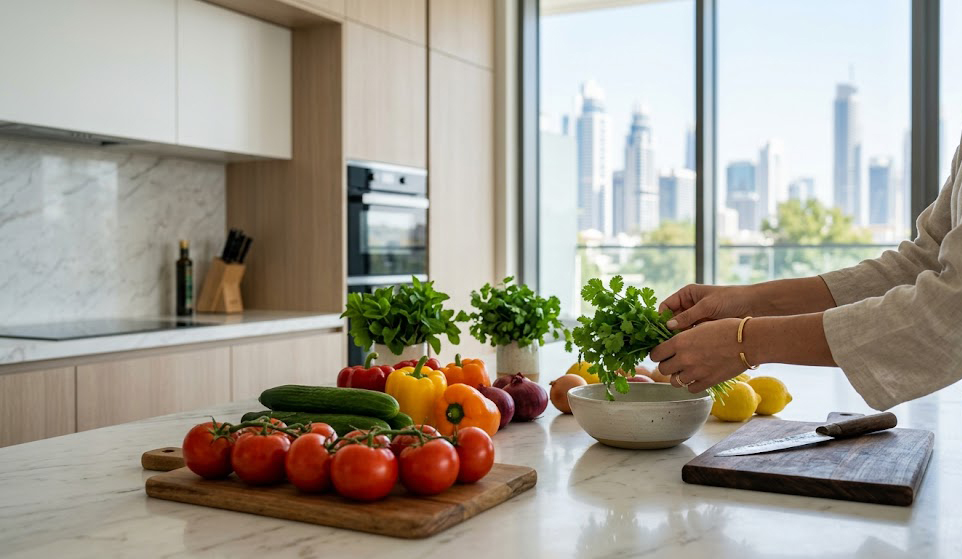
Eid hosting in the UAE carries a quiet pressure.
Not because of tradition alone—but because expectations are layered. Guests arrive from different cultures. Some expect rich, slow-cooked dishes. Others look for lighter, fresh elements after Ramadan. And almost every table, no matter how modern or traditional, depends on one thing:
Fresh produce that holds up—visually, nutritionally, and practically.
Yet most Eid hosts underestimate this part.
They plan the menu. They remember the meat. They think about desserts.
But fruits, vegetables, herbs, and garnishes are often handled last—and that’s where problems begin.
Last-minute buying leads to:
- Overripe fruit that doesn’t last the day
- Herbs that wilt before serving
- Missing ingredients that affect entire dishes
- Overbuying items that spoil within 48 hours
This guide is designed to prevent that.
Not as a generic checklist—but as a complete, practical Eid grocery list for fresh produce in the UAE, built from how households, caterers, and even small restaurants actually prepare during Eid.
Why Fresh Produce Planning Matters More Than You Think
Most first-time Eid hosts assume produce is the easiest part.
In reality, it’s the most sensitive.
Unlike packaged goods, fresh fruits and vegetables are affected by:
- Storage conditions in your home
- Time between purchase and cooking
- UAE climate (even indoors, temperature shifts matter)
- Handling during transport
A common pattern seen across Dubai households and even F&B buyers:
“The dish was planned perfectly, but something small was off—no freshness, no balance.”
That “something small” is often produce.
The Hidden Role of Produce on Eid Tables
Fresh produce is not just a side component. It controls:
- Flavor balance (acidity from lemons, sweetness from onions)
- Texture contrast (crunch from cucumbers, freshness from herbs)
- Visual presentation (color from tomatoes, greens, fruits)
- Digestive comfort (especially important after Ramadan fasting)
This is why experienced buyers don’t treat produce as “supporting ingredients.”
They treat it as structure.
Understanding UAE Produce Reality During Eid Season
Before building your Eid grocery list, it helps to understand how produce behaves in the UAE around Eid.
Winter Advantage (Peak Season Window)
Most Eid periods fall close to or within UAE’s cooler months, when:
- Leafy greens are more stable
- Local and regional supply improves
- Imported produce arrives in better condition
- Prices are relatively more predictable
This is one of the best times of the year to host—if you plan correctly.
But There’s a Catch
Demand spikes sharply.
Across Dubai and nearby emirates:
- Households bulk buy within a 3–5 day window
- Restaurants increase procurement volume
- Delivery slots tighten
- Popular items sell out early (especially herbs, berries, specialty greens)
This creates a common issue:
“Everything was available a week before. Suddenly, it’s gone.”
The Complete Eid Fresh Produce Shopping Framework
Instead of a random list, think in functional categories.
This is how professional kitchens and experienced hosts avoid missing items.
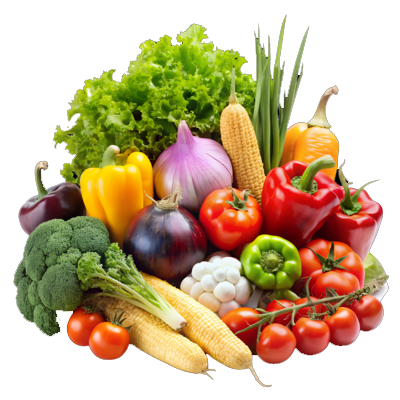
1. Base Cooking Vegetables (Your Foundation Layer)
These are non-negotiable.
They form the base of most Eid dishes across Pakistani, Indian, Arab, and fusion menus.
Core items:
- Onions (red + white if possible)
- Tomatoes (firm, not overly soft)
- Potatoes
- Garlic
- Ginger
- Green chilies
Why these matter:
They control:
- Base flavor
- Cooking depth
- Aroma development
A small mistake here—like low-quality onions or watery tomatoes—affects multiple dishes at once.
Practical tip:
Buy slightly under-ripe tomatoes if purchasing 2–3 days before Eid. They will mature naturally.
2. Fresh Herbs (Where Most People Go Wrong)
This is the most commonly forgotten—or poorly handled—category.
Essential Eid herbs:
- Coriander (cilantro)
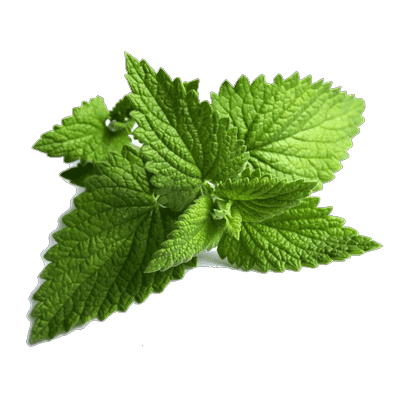
- Mint
- Parsley
- Dill (optional but useful for certain cuisines)
Used in:
- Chutneys
- Marinades
- Garnishes
- Salads
The Common Mistake
People buy herbs too early… and store them incorrectly.
Result:
- Slimy leaves
- Loss of aroma
- Bitter taste
What Experienced Buyers Do
- Buy herbs 1–2 days before Eid max
- Wrap loosely in paper towel
- Store in fridge crisper (not sealed plastic)
In practice, suppliers working closely with Dubai-based distributors such as JMB Farm Fresh often observe that herbs are the highest-waste item during festive periods, simply due to poor timing.
3. Salad & Fresh Serving Vegetables (The Balance Layer)
After Ramadan, guests naturally prefer lighter, hydrating foods alongside heavier dishes.
This is where fresh vegetables matter.
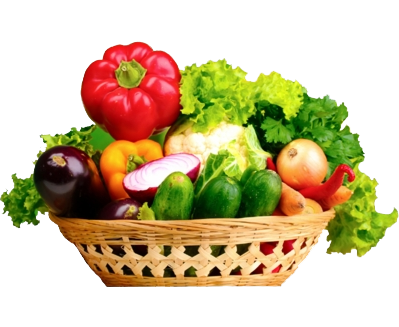
Key items:
- Cucumbers
- Lettuce (romaine or iceberg)
- Carrots
- Capsicum (bell peppers)
- Radish (optional but common in South Asian homes)
Role on Eid table:
- Cuts through heavy food
- Adds freshness
- Improves digestion
A Practical Insight
Many hosts underestimate quantity here.
Salads are often:
- Finished faster than expected
- Refilled multiple times
Plan for more than you think you need.
4. Fruit Selection for Eid (More Than Just Dessert)
Fruit plays multiple roles during Eid:
- Pre-meal light serving
- Dessert alternative
- Juice preparation
- Guest hospitality trays
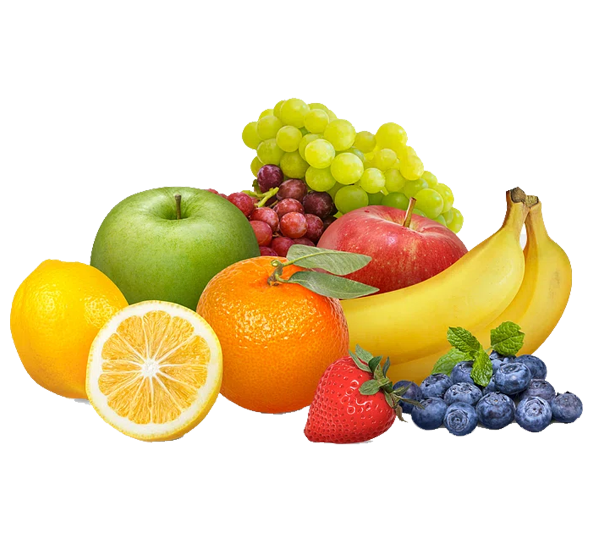
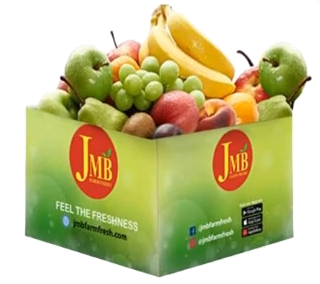
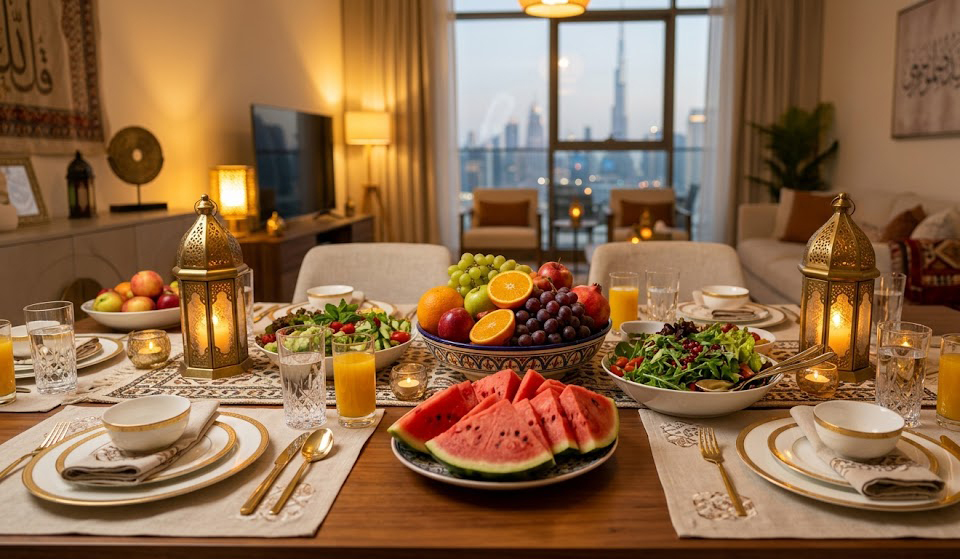
Reliable Eid fruits in UAE:
- Watermelon
- Pineapple
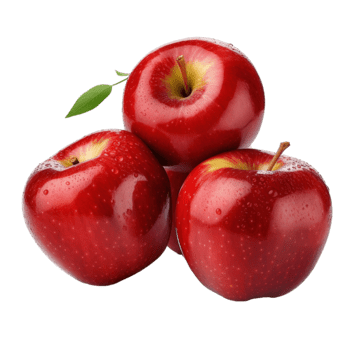
- Apples
- Oranges
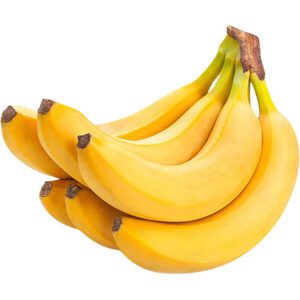
- Bananas
- Grapes
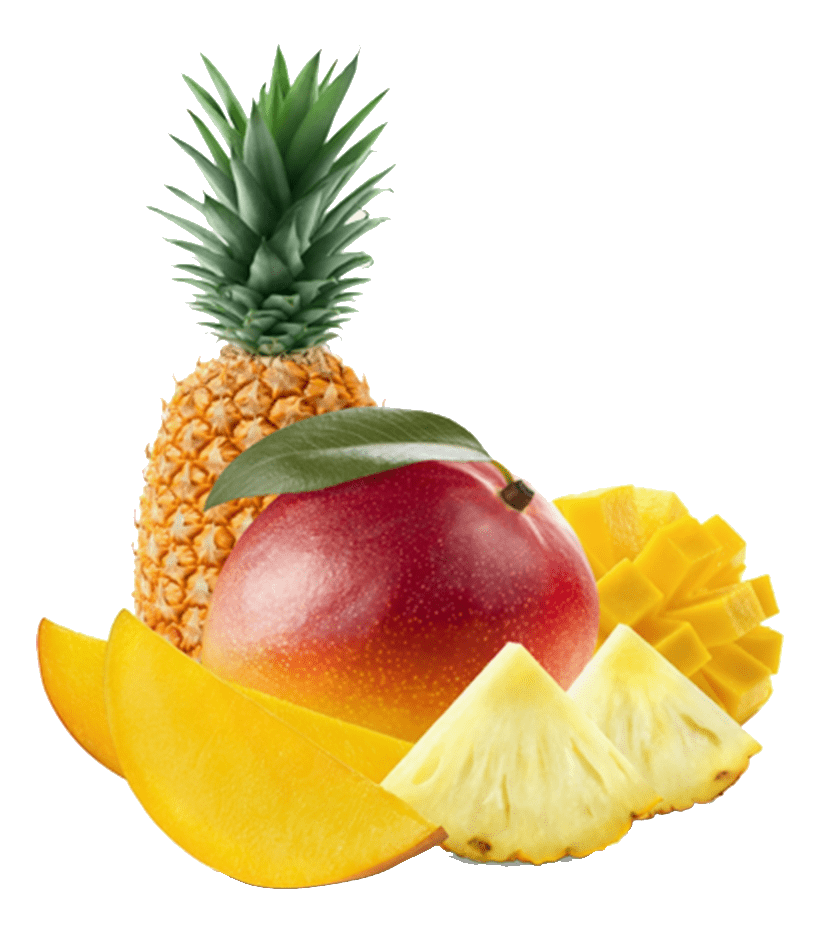
Premium additions (optional):
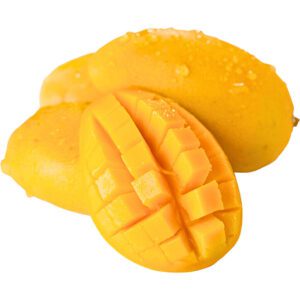
- Mango (if early season)
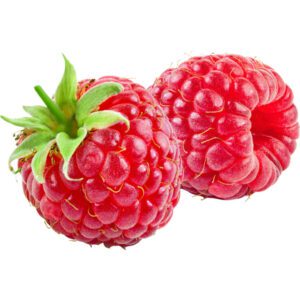
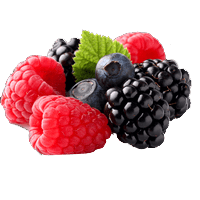
- Berries (strawberries, blueberries)
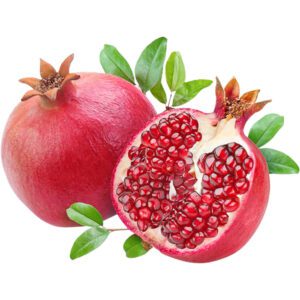
- Pomegranate
The Quality Misconception
A common assumption:
“Supermarket fruit is always better than wholesale.”
Not necessarily.
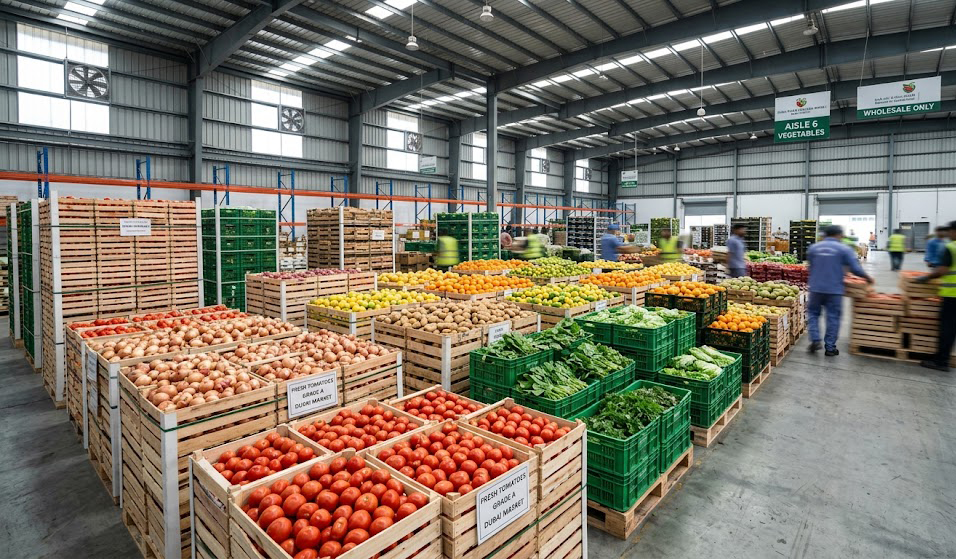
Wholesale fruit:
- Moves faster
- Is often fresher in bulk cycles
- May offer better consistency
Retail fruit:
- Looks better displayed
- May have longer shelf exposure
The better choice depends on:
- Turnover rate
- Storage conditions
- Timing of purchase
5. Citrus & Flavor Enhancers (Small Items, Big Impact)
These are often forgotten—but critical.
Must-have items:
- Lemons
- Limes
Used in:
- Marinades
- Salads
- Drinks
- Final flavor balancing
Running out of lemons during Eid prep is more common than expected.
And it’s one of the hardest last-minute fixes.
6. Specialty & Cultural Additions (Optional but Important)
Depending on your background or guest mix, you may need:
- Curry leaves
- Green mango
- Fresh coconut
- Baby spinach
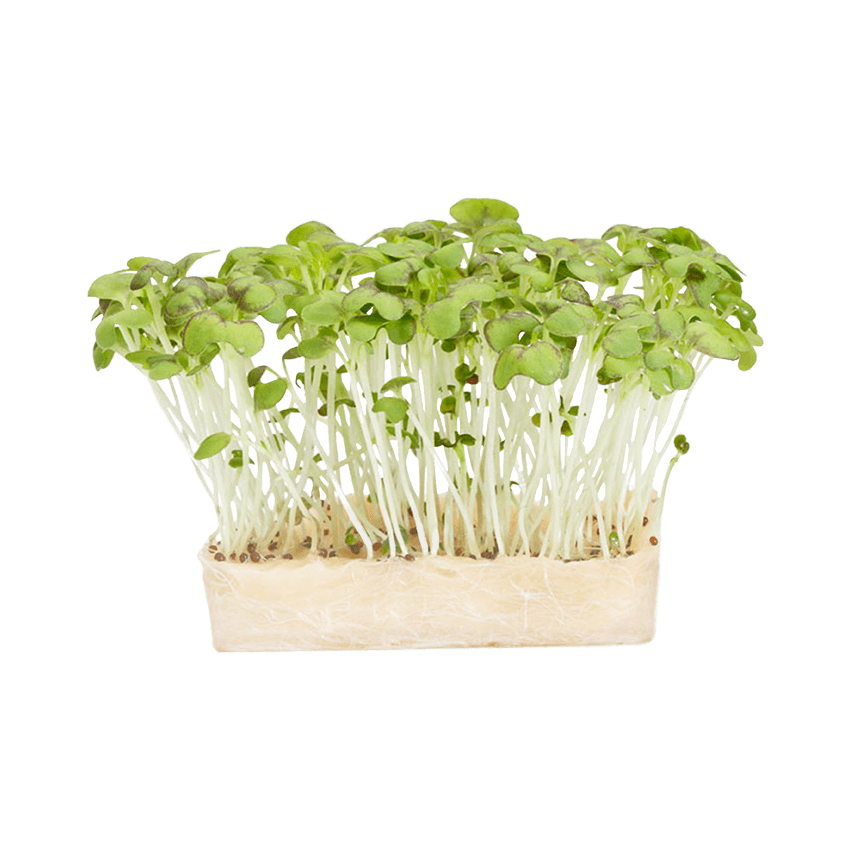
- Microgreens (for presentation)
These items are usually:
- Not widely stocked everywhere
- Sold out quickly during peak demand
If your menu depends on them—secure early.
Wholesale vs Retail: What Actually Works for Eid Hosting?
This question comes up frequently, especially in Dubai.
Should you buy everything from:
- Supermarkets?
- Local markets?
- Wholesale suppliers?
The Honest Answer
It depends on:
- Quantity
- Storage capacity
- Timing
Where Wholesale Helps
- Large families
- Multi-day hosting
- Catering-scale cooking
Benefits:
- Better pricing per kg
- Consistent supply
- Bulk availability
Where Retail Still Wins
- Small households
- Last-minute top-ups
- Specialty imported items
The Real Mistake
Mixing both without planning.
Example:
- Buying bulk onions… but forgetting herbs
- Getting premium fruits… but missing basic vegetables
A structured list prevents this.
Timing Your Eid Produce Shopping (Critical)
This is where most problems begin.
Ideal Timeline
3–4 days before Eid:
- Potatoes
- Onions
- Garlic
- Citrus
2–3 days before:
- Tomatoes
- Carrots
- Capsicum
1–2 days before:
- Herbs
- Leafy greens
- Soft fruits
Day before or same day:
- Cut fruits (if needed)
- Specialty greens
Why Timing Matters
Because freshness is not just about quality at purchase.
It’s about:
“How long it stays usable before serving.”
This structure alone can eliminate most Eid-day stress.
But there’s still one major area that affects everything:
How you judge freshness—and avoid waste.
That’s where most buyers, even experienced ones, get caught off guard.
How to Actually Judge Freshness (Beyond Appearance)
Most buyers rely on how produce looks.
Bright color. Smooth skin. No visible damage.
But in UAE supply conditions, especially during peak periods like Eid, appearance can be misleading.
Produce may look fresh—but already be close to deterioration due to:
- Long cold-chain exposure
- Repeated handling
- Temperature shifts during transport
What Experienced Buyers Check Instead
1. Weight vs Size
Heavier items (for their size) usually indicate better moisture content.
Lightweight vegetables often mean internal drying has already started.
2. Firmness (Not Hardness)
- Tomatoes: should give slightly under pressure
- Cucumbers: firm but not stiff
- Capsicum: tight skin, no soft patches
3. Smell (Especially Herbs & Greens)
Fresh herbs should have a clean, sharp aroma.
If the smell is faint or slightly sour—quality is already declining.
4. Stem & Leaf Condition
- Bright green stems = recent harvest
- Yellowing or dry edges = aging stock
A Common Mistake
Buying everything in one go—without checking how long each item will last.
This leads to a pattern many hosts recognize:
“Everything looked perfect… until the morning of Eid.”
Managing Waste: The Real Cost Most People Ignore
Eid grocery discussions often focus on price.
But experienced buyers think differently:
“What will I actually use… and what will I throw away?”
Because waste silently increases cost.
Where Waste Usually Happens
- Overbuying herbs
- Excess fruit platters that go untouched
- Leafy greens spoiling within 24–48 hours
- Duplicate ingredients bought “just in case”
Practical Waste Reduction Strategies
Plan by usage, not category
- Instead of buying “a lot of vegetables,” map each item to a dish
Separate display vs cooking quantities
- What looks good on the table is not always what gets eaten
Avoid pre-cut produce too early
- It loses moisture quickly and dulls in appearance
Use overlapping ingredients
- Example: coriander used in chutney, garnish, and salad
- This reduces leftovers
How Much Should You Actually Buy? (Real-World Guidance)
One of the most common questions:
“How much produce is enough for Eid?”
There’s no fixed number—but patterns help.
For a Typical Family Gathering (6–10 People)
Base vegetables:
- Onions: 2–3 kg
- Tomatoes: 2–3 kg
- Potatoes: 2 kg
Herbs:
- Coriander: 2–3 bunches
- Mint: 2 bunches
Salad vegetables:
- Cucumbers: 1.5–2 kg
- Lettuce: 2 heads
- Carrots: 1 kg
Fruits:
- Mixed selection: 4–6 kg total
This may seem like a lot.
But during Eid:
- Guests stay longer
- Food is served in rounds
- Portions are larger
For Larger Gatherings or Extended Hosting
Quantities scale quickly—and this is where wholesale sourcing becomes practical.
But the key is still:
“Buy with a plan, not with fear of running out.”
Storage Before Eid: Small Decisions, Big Impact
Buying the right produce is only half the job.
How you store it determines whether it survives until serving.
Common Storage Mistakes in UAE Homes
- Refrigerating everything (not ideal for all produce)
- Sealing herbs in plastic without airflow
- Washing vegetables too early
- Stacking items tightly, causing bruising
Better Storage Approach
Room Temperature (Cool Area):
- Onions
- Potatoes
- Garlic
Refrigeration (Crisper Drawer):
- Leafy greens
- Herbs (wrapped, not sealed)
- Carrots
- Capsicum
Keep Separate:
- Fruits like bananas and apples (they release ethylene gas, which speeds ripening)
A Small but Important Detail
Do not wash produce immediately after buying—especially herbs and berries.
Moisture accelerates spoilage.
Wash closer to use.
The Role of Supply Consistency (Why Some Eid Meals Feel “Off”)
This is something most households don’t consciously think about.
But experienced buyers notice it immediately.
Even if you buy all the right items:
- Different sources = different quality
- Inconsistent batches = uneven results
Example:
- One batch of tomatoes is sweet
- Another is watery
This affects:
- Gravies
- Salads
- Overall taste balance
Why This Happens
During Eid:
- Supply chains are under pressure
- Multiple suppliers feed the market
- Stock turnover varies widely
Some UAE buyers prefer working with established wholesale produce providers because:
- Sourcing is more consistent
- Batches are better matched
- Quality variation is lower
But even then, no system is perfect.
Common Eid Produce Buying Mistakes (Seen Every Year)
These patterns repeat across households and even small catering setups.
1. Buying Everything Too Early
Leads to:
- Wilted herbs
- Soft vegetables
- Reduced freshness
2. Ignoring Storage Conditions
Good produce can fail simply due to poor handling at home.
3. Over-Focusing on Presentation Items
Buying premium fruits—but forgetting essentials like onions or lemons.
4. Not Accounting for Guest Behavior
Guests don’t eat equally across all items.
Some dishes finish instantly—others remain untouched.
5. Panic Buying the Day Before Eid
Results in:
- Limited selection
- Higher prices
- Lower quality
A Simple Eid Produce Checklist (Quick Reference)
If you want a simplified version to cross-check before Eid:
Base vegetables
- Onions
- Tomatoes
- Potatoes
- Garlic
- Ginger
Herbs
- Coriander
- Mint
- Parsley
Salad items
- Cucumbers
- Lettuce
- Carrots
- Capsicum
Fruits
- Watermelon
- Apples
- Oranges
- Bananas
- Grapes
Flavor essentials
- Lemons
- Green chilies
Optional
- Specialty greens
- Cultural ingredients
At this point, most of the planning is covered.
But one final piece matters just as much:
How all of this comes together—without stress, waste, or last-minute gaps.
That’s what we’ll close with next.
Bringing It All Together: A Calm, Well-Planned Eid Kitchen
By the time Eid arrives, most of the real work should already be done.
Not in the cooking—but in the planning.
When fresh produce is handled properly:
- You’re not adjusting recipes at the last minute
- You’re not compensating for missing ingredients
- You’re not dealing with spoiled items hours before guests arrive
Instead, the kitchen feels controlled.
This is how experienced hosts operate—not by doing more, but by removing uncertainty early.
What a Well-Planned Produce Setup Looks Like
A day before Eid:
- Base vegetables are prepped and stored correctly
- Herbs are fresh and still aromatic
- Fruits are intact, not pre-cut too early
- Salad ingredients are crisp and ready
On Eid day:
- Cooking flows without interruption
- Garnishes are available when needed
- Presentation feels natural—not forced
This is rarely achieved through effort alone.
It comes from understanding:
“Fresh produce is time-sensitive—not just ingredient-based.”
The Subtle Shift: From Buying Food to Managing Ingredients
Many people approach Eid shopping like a checklist.
But professionals—whether in hospitality or large households—think differently.
They don’t just ask:
- “Did I buy everything?”
They ask:
- “Will everything still be usable when I need it?”
That shift changes everything:
- When you buy
- Where you buy
- How you store
- How much you prepare
It also reduces something most hosts don’t talk about:
Quiet stress.
The kind that comes from:
- Second-guessing your shopping
- Running out mid-preparation
- Adjusting dishes because something isn’t right
A Balanced Perspective on Sourcing in the UAE
There is no single “best” way to buy produce for Eid.
Each option comes with tradeoffs.
Retail Buying (Supermarkets & Small Stores)
Works best for:
- Smaller gatherings
- Flexible menus
- Last-minute additions
Limitations:
- Inconsistent turnover
- Higher cost per unit
- Limited bulk availability
Wholesale & Bulk Sourcing
Works best for:
- Large family gatherings
- Multi-day hosting
- Catering-style preparation
Advantages:
- Better consistency in batches
- More control over quantity
- Faster stock movement (often fresher in bulk cycles)
Limitations:
- Requires planning
- Needs proper storage at home
In practice, many UAE households use a mix.
Some also prefer working with structured suppliers who handle volume and consistency more predictably. For example, Dubai-based operations familiar with festive demand cycles—such as JMB Farm Fresh (jmbfarmfresh.com)—are often referenced in industry discussions for how they manage bulk flow during peak periods.
The key takeaway is not where you buy.
It’s how well your sourcing matches your actual usage and timing.
Final Practical Takeaways (What Actually Makes the Difference)
If you remember only a few things from this guide, let them be these:
1. Break Your List Into Categories
Don’t think “shopping list.”
Think:
- Base
- Fresh
- Serving
- Optional
This prevents missing essentials.
2. Time Your Purchases
Freshness is not about quality at purchase—it’s about quality at use.
3. Treat Herbs as High-Risk Items
They spoil fastest—and affect presentation the most.
4. Plan for Waste Before It Happens
Buy with purpose, not fear of shortage.
5. Keep Your Menu and Produce Aligned
Every item should have a role.
If it doesn’t—it becomes waste.
Conclusion
Hosting Eid in the UAE is not just about preparing food.
It’s about managing a system—of timing, freshness, and expectation.
Fresh produce sits at the center of that system.
When handled casually, it creates small issues that compound:
- Slightly off flavors
- Dull presentation
- Unnecessary waste
But when handled with intention, it does the opposite.
It simplifies everything.
It supports your dishes without effort.
And most importantly, it allows you to focus on what Eid is actually about:
People, not pressure.
FAQ Section
1. When should I buy fresh produce for Eid in the UAE?
Base vegetables can be bought 3–4 days before Eid, while herbs, leafy greens, and soft fruits should be purchased 1–2 days before for best freshness.
2. Is wholesale produce better than supermarket produce in Dubai?
Not always. Wholesale works well for bulk and consistency, while supermarkets are better for smaller quantities and last-minute purchases.
3. How do I keep herbs fresh before Eid?
Wrap them loosely in paper towel and store in the fridge crisper drawer. Avoid sealing in plastic and do not wash until use.
4. What fruits are best for Eid gatherings in the UAE?
Reliable options include watermelon, apples, oranges, bananas, and grapes. These hold well and suit large gatherings.
5. How can I reduce food waste during Eid hosting?
Plan quantities based on dishes, avoid overbuying herbs, and use overlapping ingredients across multiple recipes.








 Home
Home  Whishlist
  Compare
  Checkout