












Introduction
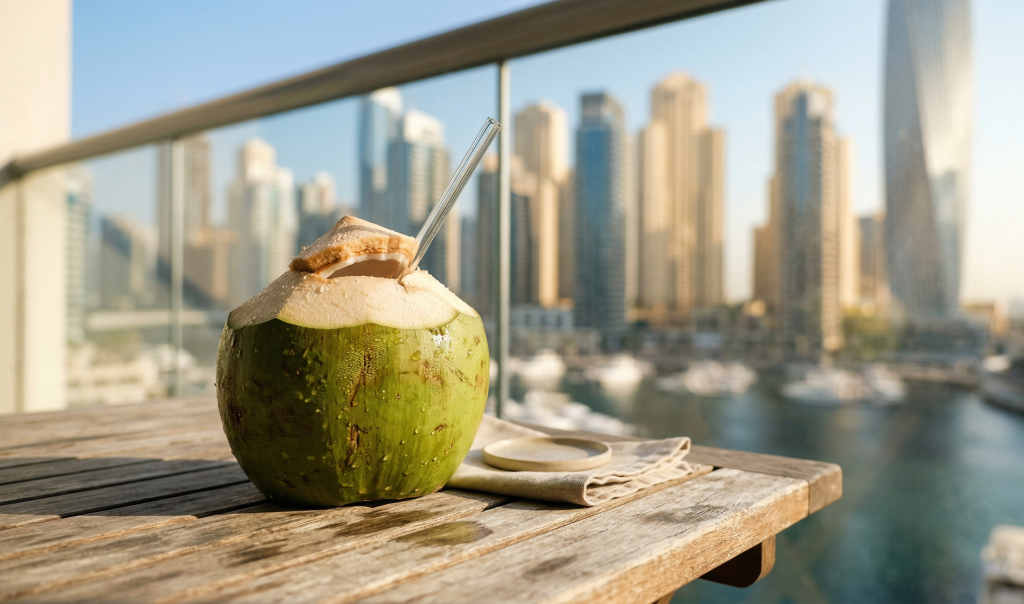
Walk through any residential area in Dubai early in the morning, and you’ll notice a quiet shift in daily habits. Alongside coffee cups and bottled juices, more people are now carrying something simpler — fresh tender coconut.
This isn’t just a passing health trend. It reflects a deeper change in how residents think about hydration, freshness, and sourcing. In a climate where temperatures can stay above 40°C for months, what people drink daily matters more than most realize.
For restaurant buyers, hotel procurement teams, and even families, tender coconut in Dubai has moved from being an occasional purchase to a regular staple. But with that shift comes new questions:
- Why are people choosing it over packaged drinks?
- How do you judge freshness in a product that looks identical from the outside?
- Why do prices fluctuate so often?
- And is wholesale supply actually better than buying from supermarkets?
This guide breaks down those questions with practical, experience-based insight — the kind that usually only circulates among suppliers and buyers.
What Exactly Is Tender Coconut — And Why It’s Different
Tender coconut (often called “green coconut”) is not the same as the mature brown coconut most people are familiar with.
It is harvested earlier in its growth cycle, when:
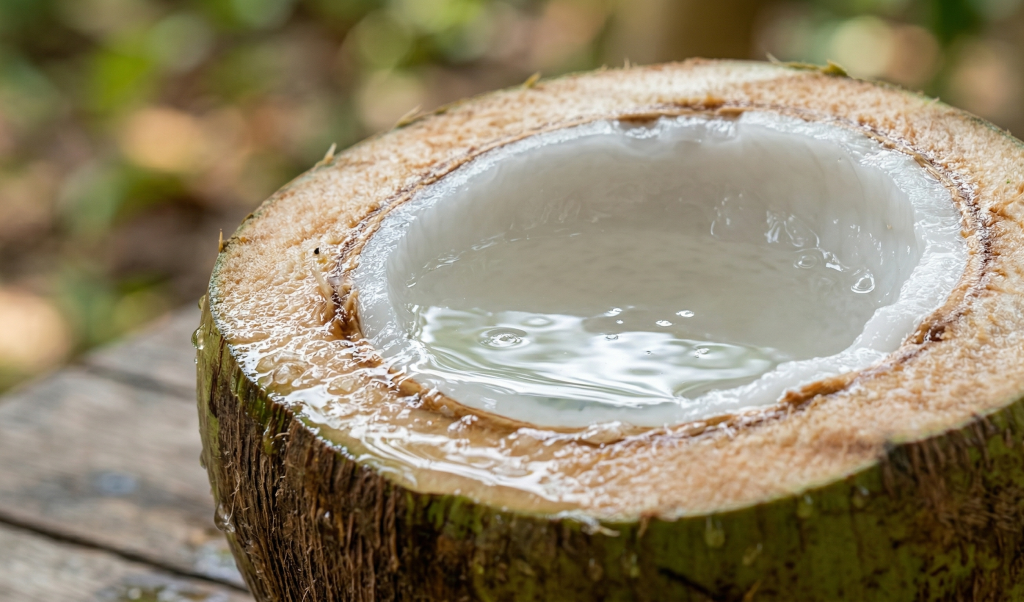
- The water inside is naturally sweet and electrolyte-rich
- The flesh is soft, almost jelly-like
- The outer shell is green and easier to cut
This stage is critical. Once the coconut matures further, the water reduces, and the flesh hardens — changing both taste and use.
In Dubai’s supply chain, most tender coconuts are imported from countries like India, Sri Lanka, and Thailand. This means what reaches the market has already gone through:
- Harvesting at origin
- Packing and pre-cooling
- Air or sea transport
- Local distribution
Each step affects freshness, even if the coconut looks perfectly fine from the outside.
Why Dubai Residents Are Turning It Into a Daily Habit
1. Climate-Driven Hydration Needs
Dubai’s environment creates a constant need for hydration. But not all fluids behave the same way in the body.
Many residents report that:
- Sugary drinks feel heavy in heat
- Carbonated beverages increase thirst
- Packaged juices often feel too sweet
Tender coconut water, on the other hand, is:
- Light
- Naturally balanced in taste
- Easier to consume throughout the day
This makes it suitable not just post-workout, but during normal daily routines.
2. Shift Toward “Less Processed” Consumption
There’s a noticeable move away from heavily processed beverages.
Not necessarily because of strict health claims — but because people are becoming more aware of ingredient lists, added sugars, and preservatives.
Tender coconut offers something simple:
- No label
- No additives
- No processing beyond cutting
That simplicity carries weight in a market where trust in packaged products is gradually being questioned.
3. Influence from Hospitality and Dining Culture
Hotels, beach clubs, and high-end cafes in Dubai have quietly influenced consumer behavior.
Tender coconut is now commonly seen:
- Served fresh at poolside lounges
- Used in mocktails and light beverages
- Offered as a “clean hydration” option
Once customers experience it in these environments, they begin seeking it for home use as well.
This is a classic pattern in Dubai’s food ecosystem — what starts in hospitality often becomes a household habit.
The Hidden Complexity Behind “Fresh Coconut Delivery Dubai”
At first glance, ordering tender coconut online in Dubai seems straightforward. But behind that convenience lies a supply chain that is more fragile than most people expect.
The Shelf-Life Challenge
Unlike apples or oranges, tender coconuts do not age gracefully.
- They cannot be stored for long periods without quality loss
- Temperature control is critical
- Even minor delays can affect taste
This is why two coconuts bought on different days — even from the same supplier — can taste noticeably different.
Why Some Coconuts Taste Bland
A common complaint among buyers is inconsistency.
One day the coconut is sweet and refreshing. The next, it’s watery and flat.
This usually comes down to:
- Harvest timing — picked too early or too late
- Transit delays — especially in non-optimized logistics
- Improper storage — exposure to heat reduces quality quickly
From the outside, these differences are almost impossible to detect.
The “Looks Fresh” Misconception
Many buyers assume:
“If the shell is green, it must be fresh.”
This is not always true.
Suppliers sometimes use surface treatments or cleaning methods that make older stock appear visually fresh.
Real freshness is better judged by:
- Weight (heavier usually means more water)
- Sound (a full slosh when shaken)
- Taste consistency over repeated orders
Wholesale vs Supermarket — Which One Actually Delivers Better Quality?
This is one of the most misunderstood areas in Dubai’s fresh produce market.
The Supermarket Advantage
Supermarkets offer:
- Convenience
- Standardized packaging
- Easy returns
But their supply model often involves:
- Centralized warehousing
- Longer holding times
- Mixed sourcing batches
This can affect freshness, especially for products like tender coconut.
The Wholesale Supply Reality
Wholesale channels operate differently.
They prioritize:
- Faster turnover
- Bulk movement
- Direct sourcing relationships
In practice, suppliers working closely with Dubai-based distributors such as JMB Farm Fresh often observe that consistent turnover helps maintain better product freshness — simply because stock doesn’t sit for long.
However, wholesale is not automatically better.
It comes with its own trade-offs:
- Less visual uniformity
- Occasional size variation
- Need for more careful selection by the buyer
What Most Buyers Get Wrong
A common mistake is assuming:
“Higher price = better coconut”
In reality, pricing is influenced by:
- Import costs
- Air vs sea freight
- Seasonal availability
- Supplier relationships
Quality and price do not always move together.
Seasonal Patterns — When Is Tender Coconut at Its Best?
Even though tender coconut is available year-round in Dubai, quality is not consistent throughout the year.
Peak Supply Periods
Typically, better quality arrives when:
- Harvest conditions are stable in origin countries
- Logistics are less disrupted
- Demand is predictable
This often aligns with cooler months in the UAE, when supply chains operate more efficiently.
Summer Challenges
Ironically, demand peaks during Dubai’s hottest months — but this is also when:
- Transport stress increases
- Storage becomes more difficult
- Spoilage risk rises
This leads to:
- Greater inconsistency
- Faster turnover pressure
- Occasional price spikes
Import Dependency Risk
Since Dubai does not produce tender coconut locally at scale, the market depends heavily on imports.
This means:
- Weather events in origin countries matter
- Shipping disruptions impact availability
- Currency fluctuations can affect pricing
For regular buyers, understanding this helps set realistic expectations.
How to Actually Judge a Good Tender Coconut (Without Cutting It)
For both households and procurement teams, this is one of the most practical skills to develop.
Quick Physical Checks
- Weight: Heavier coconuts usually contain more water
- Sound: Shake gently — a full, dense sound is a good sign
- Surface: Avoid overly dry or patchy shells
Behavioral Clues from Suppliers
Consistency over time is often a better indicator than a single purchase.
Ask yourself:
- Does the supplier deliver similar quality each time?
- Are there frequent fluctuations?
- Is there transparency about sourcing?
These patterns matter more than one good batch.
Common Mistakes Buyers Make (And Pay for Later)
1. Buying in Bulk Without Testing
Large orders without prior sampling often lead to waste.
Especially for businesses, this can mean:
- Spoilage
- Customer dissatisfaction
- Financial loss
2. Ignoring Storage Conditions
Tender coconut should be:
- Kept cool
- Not exposed to direct sunlight
- Consumed within a reasonable time frame
Poor storage can ruin even high-quality stock.
3. Chasing Lowest Price Only
Low-cost batches sometimes indicate:
- Older stock
- Slower-moving inventory
- Compromised quality
This becomes expensive when wastage is considered.
How Different Buyers Approach Tender Coconut in Dubai
Not everyone buys tender coconut for the same reason. And that directly affects how they should source it.
Households and Daily Consumers
For families and individuals, the goal is usually simple:
- Clean hydration
- Consistent taste
- Convenience
But the challenge often comes from over-ordering or relying on inconsistent suppliers.
A practical approach many residents adopt over time:
- Start with smaller, frequent orders
- Observe taste consistency over a few weeks
- Adjust quantity based on actual consumption
This reduces waste and helps identify reliable supply patterns.
Restaurants and Cafés
For food businesses, tender coconut is not just a drink — it’s part of the customer experience.
It may be used for:
- Fresh serving (whole or opened)
- Coconut-based beverages
- Light desserts or fruit bowls
Here, inconsistency becomes more visible.
If one batch tastes noticeably different from another, customers notice. And unlike packaged drinks, there’s no standardization to hide that variation.
This is why many restaurants prioritize:
- Supplier reliability over price
- Batch consistency over visual appearance
- Predictable delivery schedules
Hotels and Large-Scale Buyers
Hotels operate at a different level of expectation.
Their requirements often include:
- Uniform presentation
- Reliable volume supply
- Minimal spoilage
For them, sourcing is less about finding the “best coconut” and more about managing risk across large quantities.
This often leads to:
- Long-term supplier relationships
- Structured delivery cycles
- Internal quality checks before serving
Where Tender Coconut Fits in Dubai’s “Healthy Drinks UAE” Shift
The rise of tender coconut is part of a broader shift in how beverages are consumed in the UAE.
People are not just replacing drinks — they are redefining what “refreshing” means.
From Flavor-Heavy to Function-Driven
In the past, beverages were often chosen for taste first.
Now, many buyers think in terms of:
- Hydration
- Lightness
- Digestibility
Tender coconut fits naturally into this shift.
It doesn’t compete with juices or sodas directly. Instead, it sits in a different category — closer to functional hydration.
The “Daily Habit” Factor
One reason tender coconut stands out is repeatability.
Unlike specialty drinks that are consumed occasionally, it can be:
- Taken daily without fatigue
- Consumed at different times of day
- Used across age groups
This makes it more comparable to water than to traditional beverages.
Not Without Limitations
Despite its benefits, tender coconut is not perfect.
Buyers often overlook:
- Limited shelf life
- Inconsistent taste across batches
- Higher cost compared to basic hydration options
Understanding these limitations helps set realistic expectations.
The Logistics Behind Tender Coconut Delivery UAE
Most buyers see only the final step: delivery.
But what happens before that is where quality is decided.
Origin-Level Handling
Quality starts at harvest.
Key factors include:
- Correct maturity stage
- Proper cutting and cleaning
- Immediate cooling after harvest
If this stage is mishandled, no amount of logistics can fix it later.
Transport Choices: Air vs Sea
This is one of the biggest factors affecting both price and freshness.
- Air freight:
Faster, fresher, but more expensive - Sea freight:
More economical, but longer transit time
Buyers rarely see this distinction, but they feel its effects in taste and consistency.
Last-Mile Distribution in Dubai
Once the coconuts arrive in the UAE, local distribution takes over.
This stage involves:
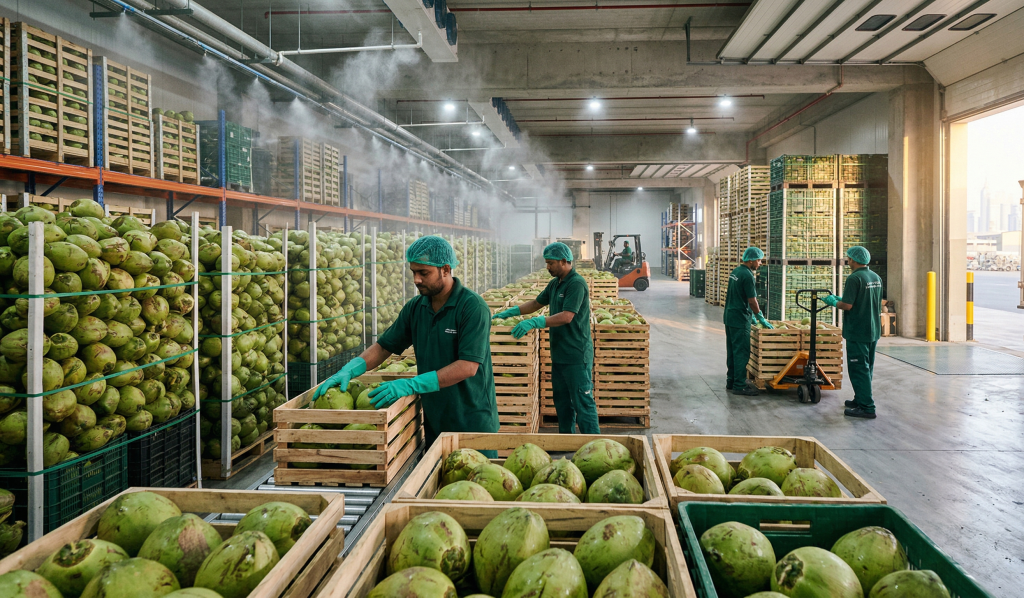
- Storage in temperature-controlled environments
- Sorting and grading
- Delivery scheduling
Delays here can undo the advantages of good sourcing.
Why Prices Fluctuate More Than Expected
Tender coconut pricing in Dubai often confuses buyers.
Unlike packaged goods, it does not follow stable pricing patterns.
Key Factors Behind Price Changes
- Import costs: Fuel, freight, and logistics
- Seasonality at origin: Harvest cycles affect supply
- Demand spikes: Especially during peak summer
- Currency fluctuations: Affect import pricing
These variables change frequently, which is why prices can vary even within short periods.
The Misunderstanding Around “Overpricing”
Some buyers assume price increases are arbitrary.
In reality, they often reflect:
- Higher transport costs
- Reduced supply at origin
- Increased handling challenges
This doesn’t mean all pricing is justified — but it does mean it’s rarely random.
Practical Buying Strategies That Actually Work
Over time, experienced buyers develop simple habits that reduce risk.
1. Prioritize Consistency Over Perfection
No batch is perfect.
But a supplier who delivers:
- 7/10 quality consistently
is often more valuable than one who delivers:
- 9/10 quality occasionally
2. Test Before Scaling
Before committing to larger volumes:
- Order a small batch
- Check taste, water level, and freshness
- Observe delivery timing
This small step prevents larger losses later.
3. Align Orders With Consumption
Especially for households and small businesses:
- Avoid storing for too long
- Match order size to actual usage
This keeps quality at its best.
4. Understand Your Supplier’s System
Rather than focusing only on the product, understand:
- How often they restock
- Their sourcing regions
- Their delivery frequency
In practice, suppliers who maintain tight sourcing cycles and regular turnover tend to deliver more stable quality.
A Quiet Industry Insight Most Buyers Miss
One pattern often seen across Dubai’s fresh produce market is this:
Buyers who treat sourcing as a relationship — not a transaction — tend to get better outcomes.
This doesn’t mean loyalty without reason.
It means:
- Giving feedback
- Observing patterns
- Adjusting expectations based on seasonality
Over time, this creates a more predictable supply experience.
Some UAE buyers prefer working with established wholesale produce providers rather than fragmented retail sourcing for this reason — not because it’s always cheaper, but because it’s often more stable.
Making Better Decisions Consistently — A Practical Framework
By now, it’s clear that buying tender coconut in Dubai is not just about finding a good batch. It’s about reducing uncertainty over time.
Experienced buyers — whether households or procurement teams — tend to follow a simple mental framework:
1. Separate “Product” From “Process”
Most people judge only the coconut itself.
But the real indicator of quality is the process behind it:
- How quickly it moves from source to delivery
- How it is stored and handled
- How frequently stock is refreshed
A supplier with a strong process will deliver more consistent results, even if individual coconuts vary slightly.
2. Expect Variation — Manage It Instead of Fighting It
Unlike packaged beverages, tender coconut is a natural product.
That means:
- Taste will vary
- Water levels will differ
- Size will not always be uniform
Trying to eliminate variation completely often leads to frustration.
Managing it — by ordering in the right quantities and timing — leads to better outcomes.
3. Focus on Usability, Not Just Freshness
A coconut can be technically “fresh” but still not ideal for use.
For example:
- Slightly less sweet but high water content may be perfect for hydration
- Smaller but more flavorful coconuts may suit desserts or presentation
Understanding your use case helps make better decisions than chasing a vague idea of “best quality.”
Where Tender Coconut Fits in Dubai’s Long-Term Food Culture
Dubai’s food habits are constantly evolving, influenced by climate, global sourcing, and hospitality trends.
Tender coconut is not a new product — but its role in daily consumption is expanding.
From Occasional to Routine
A few years ago, tender coconut was:
- A beachside refreshment
- A specialty item in select stores
Now, it is increasingly:
- A daily hydration option
- A regular household purchase
- A staple in certain restaurant menus
This shift is subtle but significant.
A Reflection of Broader Consumption Changes
The growing demand for tender coconut reflects a wider pattern:
- Preference for simpler, less processed foods
- Interest in natural hydration
- Awareness of how climate affects dietary needs
It’s not about replacing everything else — but about rebalancing daily habits.
The Role of Supply Chains in Shaping Habits
Consumer behavior does not change in isolation.
It depends heavily on availability.
As supply chains improve — with better sourcing, faster logistics, and more consistent delivery — products like tender coconut become easier to integrate into daily life.
In practice, this is why certain distributors and supply networks quietly influence market trends without being visible to end consumers.
A Balanced View — Benefits and Trade-Offs
To make informed decisions, it helps to look at both sides clearly.
Benefits
- Naturally hydrating in high temperatures
- Minimal processing
- Versatile for both households and businesses
- Increasingly accessible through delivery systems
Trade-Offs
- Short shelf life
- Inconsistent taste across batches
- Price fluctuations due to import dependency
- Requires more attention in storage and handling
Understanding both sides allows buyers to use tender coconut effectively — rather than being disappointed by unrealistic expectations.
Final Thoughts
Tender coconut in Dubai is not just another fruit product. It sits at the intersection of climate, supply chain dynamics, and changing consumer habits.
For some, it’s a daily hydration choice.
For others, it’s part of a broader shift toward simpler, less processed consumption.
But across all use cases, one thing remains consistent:
The experience depends less on the coconut itself — and more on how it is sourced, handled, and understood.
Buyers who take the time to learn these patterns tend to face fewer surprises, less waste, and more consistent quality over time.
Frequently Asked Questions
1. Is tender coconut in Dubai always imported?
Yes. Dubai does not produce tender coconut at scale, so supply depends on imports from countries like India, Sri Lanka, and Thailand.
2. How long does tender coconut stay fresh after delivery?
Typically, it is best consumed within a few days. Proper storage in a cool environment can help maintain quality slightly longer.
3. Why does tender coconut taste different each time?
Variations in harvest timing, transport conditions, and storage all affect taste. Natural variation is expected.
4. Is wholesale better than supermarket buying?
Not always. Wholesale often offers fresher turnover, but supermarkets provide convenience. The better option depends on consistency and usage needs.
5. Can tender coconut replace regular hydration drinks?
It can complement daily hydration, especially in hot climates, but it is not a complete replacement for all types of beverages.








 Home
Home  Whishlist
  Compare
  Checkout