
















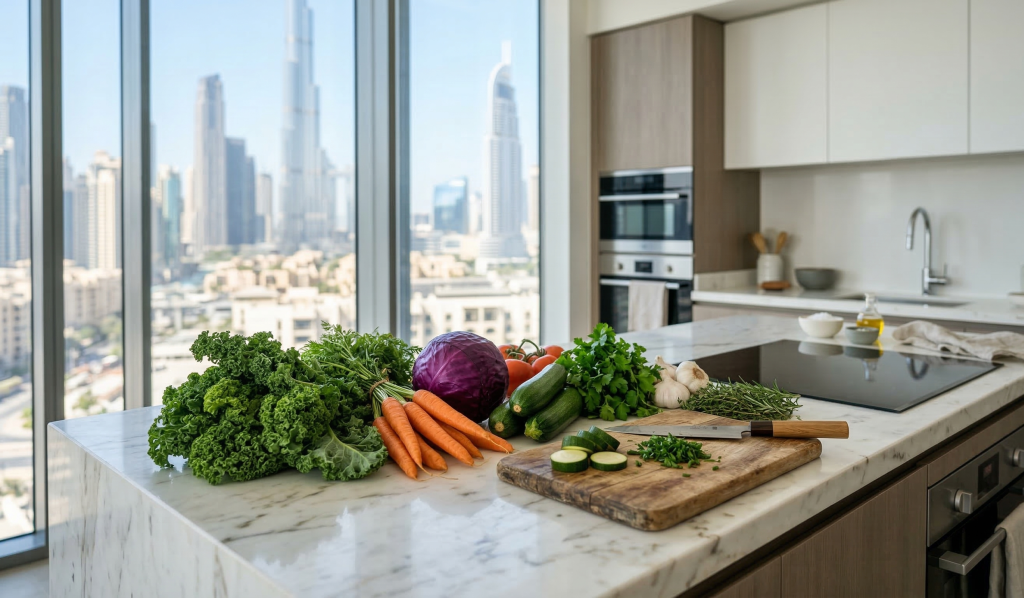
Introduction: A Quiet Shift in How Dubai Eats
Over the past two years, something subtle but significant has been happening across Dubai’s food scene.
Menus are getting simpler. Ingredient lists are getting shorter. And both households and professional kitchens are asking the same question more often:
“What am I actually eating?”
This shift isn’t driven by trends alone. It’s a response to growing concerns around ultra-processed food—products that are heavily altered, often with additives, stabilizers, and preservatives.
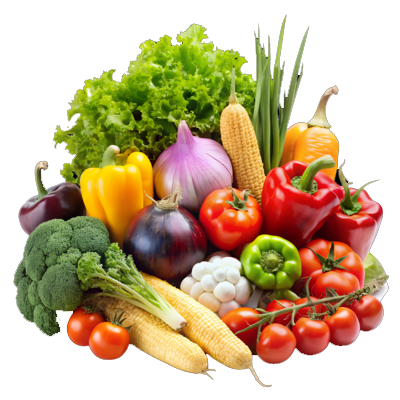
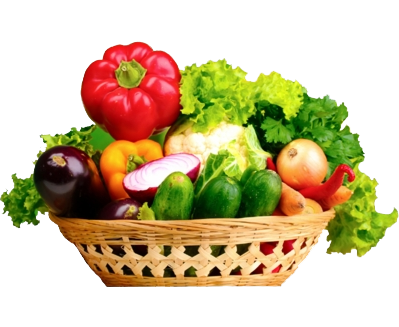
In contrast, whole vegetables—fresh, minimally handled, and closer to their natural state—are gaining renewed attention.
For restaurant buyers, hotel procurement teams, and even families, the conversation is no longer just about price or convenience. It’s about:
- Consistency in quality
- Shelf life and waste
- Nutritional integrity
- Supply reliability
In Dubai’s import-heavy food system, these factors are closely tied to how and where produce is sourced.
This article breaks down what’s really driving this shift, what “whole foods vegetables” actually mean in the UAE context, and how to make better buying decisions without overcomplicating the process.
What “Whole Vegetables” Really Means in the UAE Market
The term whole foods is often used loosely. In Dubai’s supply chain, it has a more practical meaning.
It generally refers to vegetables that are:
- Unprocessed or minimally processed (no pre-cooking, no chemical preservation)
- Handled less during packaging and transport
- Closer to harvest condition
- Free from unnecessary additives or artificial treatments
This does not always mean “organic,” and it doesn’t always mean “local.”
A tomato grown in the Netherlands and shipped under controlled conditions can still be considered a whole food if it remains largely unchanged from harvest to plate.
Where confusion happens
Many buyers assume:
- Pre-cut = bad
- Imported = less fresh
- Supermarket = safer
In reality, the situation is more nuanced.
For example:
- Pre-cut vegetables often spoil faster due to exposure and handling
- Imported produce can sometimes be fresher than local if logistics are optimized
- Supermarkets prioritize appearance, not always shelf life or flavor
Understanding these distinctions is key to making better sourcing decisions.
Why Ultra-Processed Foods Are Losing Ground
Dubai has always been a convenience-driven market. Ready meals, packaged foods, and imported goods made sense in a fast-paced environment.
But several factors are now shifting that balance.
1. Growing Awareness Around Ingredients
Consumers are reading labels more carefully.
Long ingredient lists, unfamiliar additives, and preservatives are raising questions—not just among health-conscious individuals, but also among chefs and procurement teams.
This has led to a renewed preference for clean eating vegetables in the UAE, where the ingredient is exactly what it claims to be.
2. Performance and Nutrition (Not Just “Health”)
Interestingly, the shift isn’t only about wellness.
Fitness communities, athletes, and even corporate professionals are noticing how less processed food affects energy levels, digestion, and recovery.
This is one reason why gut health food in Dubai has become a growing conversation—not as a trend, but as a practical concern.
Whole vegetables play a central role here because they retain:
- Natural fiber
- Micronutrients
- Water content
All of which are often reduced in processed alternatives.
3. Cost of Waste in Processed vs Whole Produce
From a supply perspective, ultra-processed food often seems efficient.
But many buyers are starting to see hidden costs:
- Shorter usable window after opening
- Higher per-kg pricing when adjusted for additives
- Limited flexibility in use
In contrast, whole vegetables—if sourced correctly—offer:
- Multiple use cases
- Better portion control
- Lower long-term waste
This is particularly relevant for catering companies and restaurants managing tight margins.
The Real Challenge: Not Availability, But Sourcing
Dubai does not have a shortage of vegetables.
The challenge is consistency.
Buyers often face issues such as:
- One week high quality, next week inconsistent
- Visual freshness but poor shelf life
- Price fluctuations without clear explanation
- Difficulty tracing origin or handling conditions
These problems are rarely discussed openly, but they shape buying decisions more than most trends.
Why this happens
Dubai relies heavily on imports from:
- Europe (Netherlands, Spain)
- Asia (India, Pakistan, Thailand)
- Africa (Kenya, Egypt)
Each region has its own:
- Harvest cycles
- Weather risks
- Logistics timelines
A delay of even 24–48 hours in transit can significantly affect freshness.
Local vs Imported: A Practical Perspective
There is increasing interest in locally grown vegetables in the UAE.
And rightly so.
Local produce offers:
- Shorter supply chains
- Reduced transit damage
- Faster turnaround from harvest to delivery
However, it also comes with limitations.
Local produce in UAE — strengths and gaps
Strengths:
- Fresh leafy greens (lettuce, kale, herbs)
- Controlled-environment farming (hydroponics)
- Consistent quality for select items
Limitations:
- Limited variety compared to imports
- Seasonal constraints
- Higher cost for certain crops
Imported produce — strengths and risks
Strengths:
- Wider variety
- Stable supply for bulk needs
- Competitive pricing in some categories
Risks:
- Transit delays
- Variable shelf life
- Handling inconsistencies
The most experienced buyers don’t choose one over the other.
They balance both, depending on usage.
What Buyers Often Get Wrong About “Freshness”
Freshness is one of the most misunderstood aspects of produce sourcing.
Many buyers rely on:
- Color
- Size
- Surface appearance
But these are not reliable indicators of actual quality.
What actually matters more
- Firmness and structure
- Moisture retention
- Smell (especially for greens and herbs)
- Storage conditions before purchase
For example:
A perfectly shiny bell pepper may have already lost internal moisture, reducing its usable life.
On the other hand, a slightly imperfect-looking vegetable may last longer and perform better in cooking.
Winter in the UAE: The Best Time for Whole Vegetables
Seasonality plays a major role in produce quality.
In the UAE, winter (November to March) is the most favorable period for:
- Leafy greens
- Root vegetables
- Cruciferous vegetables (cauliflower, broccoli, cabbage)
This is when both local farms and import supply chains align more efficiently.
Why winter matters
- Cooler temperatures reduce spoilage
- Local farms operate at peak capacity
- Import routes are more stable compared to summer
For buyers, this means:
- Better consistency
- More predictable pricing
- Higher overall quality
What to Actually Buy: Practical Whole Vegetables for 2026
Not all vegetables perform equally in Dubai’s climate and supply system.
Based on current sourcing patterns, the following categories are considered more reliable:
1. Leafy Greens (Best in Winter)
- Spinach
- Rocket (arugula)
- Lettuce varieties
- Kale
Best sourced locally when possible due to short shelf life.
2. Cruciferous Vegetables
- Broccoli
- Cauliflower
- Cabbage
These tend to travel better and maintain structure, making them suitable for both local and imported sourcing.
3. Root Vegetables
- Carrots
- Beets
- Radish
Longer shelf life and lower spoilage risk make them a stable choice for bulk buyers.
4. Allium Family (High Utility)
- Onions
- Garlic
- Leeks
These are less sensitive to handling and offer strong value in both retail and wholesale channels.
5. Seasonal Additions Worth Watching
- Zucchini (winter peak)
- Eggplant (consistent import supply)
- Capsicum (quality varies by origin)
At a supply level, professionals working closely with Dubai-based distributors—such as JMB Farm Fresh—often observe that buyers who focus on fewer, more reliable vegetable categories tend to reduce waste and improve consistency over time.
The Trade-Off: Whole Doesn’t Always Mean Easier
While whole vegetables offer clear benefits, they are not always the easiest option.
Buyers should be aware of:
- Additional prep time
- Need for proper storage
- Skill required to reduce waste during trimming
For restaurants and catering businesses, this often means balancing:
- Labor cost vs ingredient cost
- Prep time vs flexibility
- Freshness vs convenience
There is no single correct approach—only what works best for the operation.
A More Practical Way to Think About Clean Eating in Dubai
Rather than treating “clean eating” as a strict rule, experienced buyers approach it as a system.
They focus on:
- Reducing unnecessary processing
- Improving sourcing consistency
- Understanding seasonality
- Choosing vegetables that perform well in real conditions
This approach is more sustainable than chasing trends or labels.
How to Source Whole Vegetables in Dubai Without Guesswork
For many buyers, the hardest part is not deciding what to buy—it’s knowing how to buy consistently.
Dubai offers multiple sourcing channels, each with its own trade-offs. Understanding these channels helps reduce surprises.
1. Wholesale Markets (High Volume, Variable Control)
Places like Al Aweer market are often the first stop for bulk buyers.
What works well:
- Competitive pricing
- Wide variety in one place
- Access to multiple origins
Where buyers struggle:
- Quality varies between vendors
- Requires on-site inspection
- Inconsistent grading standards
This channel works best for experienced buyers who can assess produce quickly and negotiate effectively.
2. Aggregated Suppliers (More Consistency, Less Flexibility)
Many restaurants and catering companies prefer working with consolidated suppliers.
These suppliers source from multiple farms and importers, then standardize delivery.
Advantages:
- More consistent grading
- Centralized ordering
- Reduced time spent sourcing
Limitations:
- Slightly higher pricing
- Less direct control over origin selection
In practice, this model reduces operational complexity, especially for businesses managing daily orders.
3. Retail and Online Grocery Platforms
Retail remains popular among households and small-scale buyers.
However, it is not always optimized for bulk or consistency.
Common issues reported:
- Over-packaged vegetables
- Limited transparency on sourcing
- Higher cost per kilogram
That said, for smaller quantities or occasional purchases, retail can still be practical.
The Hidden Economics of Whole Vegetables
One of the most common misunderstandings is cost.
At first glance, whole vegetables may seem cheaper than processed alternatives. But the real calculation is more layered.
What actually affects cost per usable kilo
- Trimming loss (outer leaves, stems, damaged parts)
- Storage conditions (spoilage due to improper refrigeration)
- Handling time (labor in commercial kitchens)
For example:
A 10 kg box of cabbage may yield 8–9 kg usable product, depending on quality and trimming practices.
Where buyers gain long-term value
- Better control over portioning
- Ability to use the same ingredient across multiple dishes
- Reduced reliance on pre-processed inventory
This is why many procurement managers evaluate produce not by price alone, but by usable yield and shelf life.
How to Judge Quality Without Overthinking It
You don’t need to be an expert agronomist to assess vegetables.
But relying on appearance alone can lead to poor decisions.
A simple practical checklist
When evaluating whole vegetables, look for:
1. Weight vs Size
Heavier vegetables often retain more internal moisture, which indicates freshness.
2. Structural Integrity
Leaves should be crisp, not limp. Stems should snap cleanly.
3. Surface Condition
Minor imperfections are normal. Avoid excessive softness or wrinkling.
4. Smell
Fresh greens should smell neutral or slightly earthy—not sour.
5. Temperature at Delivery
Warm produce deteriorates faster. Properly handled vegetables should feel cool, especially leafy items.
Storage: Where Most Waste Actually Happens
Even high-quality vegetables can fail if stored incorrectly.
This is one of the biggest hidden costs in Dubai’s food system.
Common mistakes
- Mixing ethylene-producing items (like tomatoes) with sensitive greens
- Overloading refrigerators, reducing airflow
- Washing vegetables too early, accelerating spoilage
Basic storage principles
- Keep leafy greens dry and refrigerated
- Store root vegetables in cool, dark conditions
- Separate high-moisture and low-moisture items
- Rotate stock using FIFO (first in, first out)
Small improvements here often lead to noticeable reductions in waste.
Why Prices Fluctuate More Than Buyers Expect
Price volatility is one of the most frequent concerns among buyers.
But the reasons are often misunderstood.
Key drivers of price changes
1. Weather at Origin
A cold wave in Europe or heavy rains in India can affect supply volumes.
2. Freight and Logistics
Air freight disruptions or port delays directly impact availability.
3. Seasonal Transitions
When one region’s season ends and another begins, supply gaps can occur.
4. Demand Surges
Events, tourism peaks, and holidays can temporarily increase demand.
What experienced buyers do differently
Instead of reacting to price changes, they:
- Adjust menus based on seasonal availability
- Substitute similar vegetables when needed
- Maintain relationships with multiple suppliers
This approach reduces dependency on any single source.
Whole Vegetables and Gut Health: What Actually Matters
The conversation around gut health food in Dubai is growing, but it is often simplified.
Whole vegetables contribute to gut health primarily through:
- Dietary fiber (supports digestion)
- Natural plant compounds (support microbial diversity)
- Water content (aids absorption and movement)
However, the benefit depends on:
- Freshness
- Variety in diet
- Proper preparation
Over-processing, even at home, can reduce some of these benefits.
Clean Eating in Practice: Not as Strict as It Sounds
There is a common misconception that clean eating requires eliminating all processed food.
In reality, most experienced buyers and chefs take a balanced approach.
They focus on:
- Using whole vegetables as a base
- Minimizing unnecessary additives
- Combining fresh and practical ingredients where needed
This is especially relevant in commercial kitchens, where efficiency still matters.
Common Mistakes Buyers Make (And How to Avoid Them)
Across discussions with restaurant owners, catering teams, and household buyers, a few patterns appear consistently.
1. Overbuying “Fresh” Without a Plan
Buying large volumes without clear usage leads to spoilage.
Better approach:
Align purchase volume with actual consumption cycles.
2. Choosing Based on Price Alone
Lower prices often come with hidden trade-offs in quality or shelf life.
Better approach:
Evaluate total usable yield, not just purchase price.
3. Ignoring Seasonality
Trying to source out-of-season vegetables often leads to:
- Higher costs
- Lower quality
Better approach:
Adjust menus and expectations based on seasonal availability in the UAE.
4. Not Standardizing Suppliers
Switching suppliers too frequently can lead to inconsistent quality.
Better approach:
Work with a small number of reliable sources and build consistency over time.
The Role of Supply Relationships in Quality
In Dubai’s produce ecosystem, relationships matter more than many buyers expect.
Suppliers who understand a buyer’s:
- Volume requirements
- Quality expectations
- Delivery schedules
are better positioned to provide consistent products.
This is one reason why some UAE buyers prefer working with established wholesale providers rather than fragmented sourcing across multiple channels.
Consistency, over time, often matters more than occasional price advantages.
Looking Ahead: Whole Foods in the UAE Supply Chain
The shift toward whole foods vegetables in Dubai is not likely to reverse.
However, it will evolve.
We are already seeing:
- Increased investment in local farming technologies
- Better cold-chain logistics
- More informed buyers asking detailed sourcing questions
At the same time, challenges will remain:
- Climate limitations
- Import dependency
- Price sensitivity
The focus, therefore, is not on perfection—but on better decision-making.
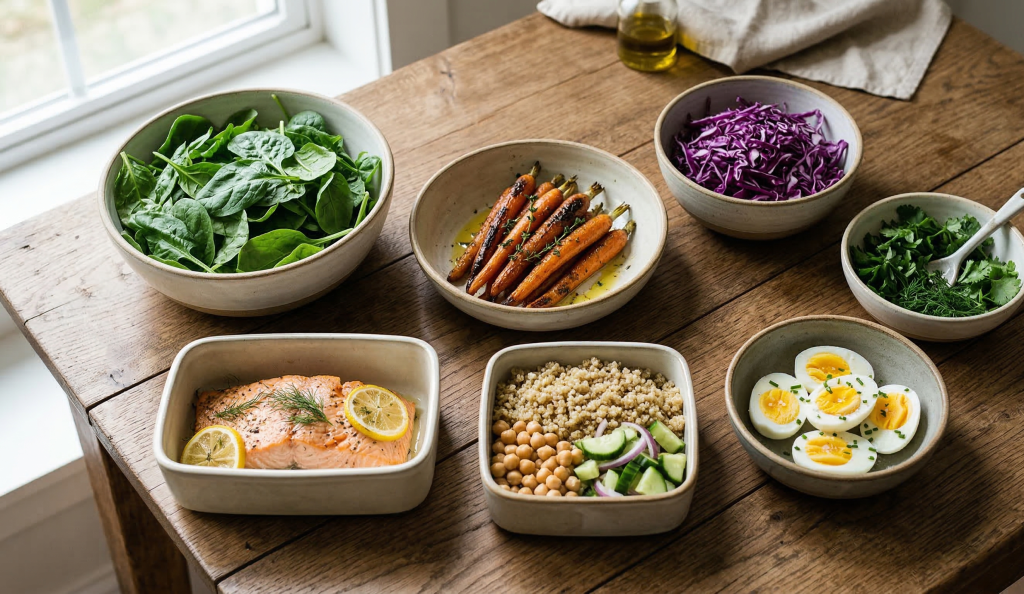
A Practical Buying Framework for 2026
For most buyers—whether a household or a hotel kitchen—the goal is not to follow a strict philosophy. It’s to make repeatable, low-risk decisions.
A simple framework helps.
Step 1: Start With Use, Not Availability
Before placing any order, ask:
- What dishes or meals will this support?
- How many days should it last?
- What level of prep is realistic?
This prevents overbuying and reduces waste.
Step 2: Prioritize Reliable Categories
Not every vegetable performs well in Dubai’s supply chain.
Focus first on:
- Leafy greens (local, winter peak)
- Cruciferous vegetables (stable across origins)
- Root vegetables (long shelf life)
Build consistency here before expanding variety.
Step 3: Mix Local and Imported Intentionally
Instead of choosing one over the other:
- Use local produce for fast-turnover items
- Use imported produce for stability and variety
This balance improves both freshness and supply reliability.
Step 4: Track Waste, Not Just Cost
Many buyers track what they spend, but not what they throw away.
A simple weekly check helps:
- Which items spoiled fastest?
- Which items were fully used?
- Which items were over-ordered?
Over time, this leads to better purchasing decisions than price comparisons alone.
Step 5: Simplify Before Expanding
It is tempting to increase variety.
But experienced buyers often do the opposite:
They reduce the number of vegetables they rely on—and improve how they use them.
This leads to:
- Better consistency
- Easier storage
- Lower waste
What This Means for Different Types of Buyers
The shift toward unprocessed food in Dubai (2026) is not uniform. Different buyers apply it differently.
For Restaurant and Hotel Buyers
- Focus on consistency over variety
- Build menus around seasonal vegetables
- Standardize suppliers to reduce variability
Whole vegetables offer flexibility, but only if kitchen systems are aligned.
For Catering Companies
- Prioritize shelf-stable vegetables (roots, cabbage, onions)
- Plan menus based on predictable supply
- Reduce dependency on highly perishable greens
Operational efficiency often matters more than trend alignment.
For Families and Individual Buyers
- Buy smaller quantities more frequently
- Store properly to extend shelf life
- Focus on versatile vegetables used across multiple meals
Clean eating becomes practical when it fits daily routines.
The Trade-Offs That Still Exist
It’s important to be realistic.
Whole vegetables are not a perfect solution.
They come with trade-offs:
- Time: More washing, cutting, and preparation
- Skill: Requires basic knowledge of storage and usage
- Planning: Less room for impulsive buying
At the same time, ultra-processed options offer:
- Convenience
- Speed
- Standardization
Most buyers end up combining both approaches.
The difference in 2026 is that whole vegetables are no longer the exception—they are becoming the base.
A Ground-Level View of Where the Market Is Heading
From supplier discussions, procurement conversations, and observed buying patterns, a few trends are becoming clear in the UAE:
- Buyers are asking more detailed sourcing questions
- There is increased attention on shelf life, not just appearance
- Seasonal awareness is improving, especially in winter months
- The gap between informed and uninformed buyers is widening
In practice, suppliers working closely with Dubai-based distributors such as JMB Farm Fresh often observe that the most consistent buyers are not the ones chasing trends—but the ones refining their systems over time.
Conclusion: A Shift Toward Better Decisions, Not Perfect Food
The growing interest in whole foods vegetables in Dubai is not about rejecting modern food systems.
It’s about improving them.
For most buyers, the real value lies in:
- Understanding how produce moves through the supply chain
- Choosing vegetables that perform well in real conditions
- Reducing waste through better planning and storage
- Balancing convenience with quality
There is no single “clean” way to eat or source.
But there is a more informed way.
And in 2026, that’s what’s shaping Dubai’s food landscape.
Frequently Asked Questions (FAQs)
1. What are whole vegetables in Dubai’s food market?
Whole vegetables are fresh or minimally processed produce that remains close to its natural state, without additives, pre-cooking, or heavy preservation.
2. Are whole vegetables always better than processed food?
Not always. Whole vegetables offer better control and nutrition, but processed foods provide convenience. Most buyers use a mix of both depending on needs.
3. Why do vegetable prices fluctuate in Dubai?
Prices change due to weather at origin, import logistics, seasonal transitions, and demand fluctuations across the UAE market.
4. Is local produce in the UAE better than imported?
Local produce is often fresher for fast-moving items, while imported vegetables provide variety and stable supply. Both have their role.
5. How can I reduce vegetable waste at home or in business?
Buy according to usage, store correctly, track spoilage patterns, and focus on versatile vegetables with longer shelf life.








 Home
Home  Whishlist
  Compare
  Checkout