










Introduction: The Problem Most Buyers Don’t Realize Exists
Walk into any supermarket in Dubai and you’ll see tomatoes that look nearly identical.
Same red color.
Same smooth skin.
Same neat packaging.
But once you cut into them, the difference becomes obvious.
Some are rich, slightly sweet, and full of aroma. Others are watery, flat, and forgettable.
This is not random.
It’s the result of variety selection, sourcing decisions, and supply chain handling—factors most buyers never see.
Across Dubai’s food supply chain—from restaurant kitchens to home consumers—there is a quiet but consistent issue:
People are buying tomatoes based on appearance, not purpose.
And in a market like the UAE, where most produce is imported and conditions are harsh, that mistake compounds quickly.
Why “Tomato” Is Not a Single Product
One of the biggest misconceptions in the UAE produce market is treating tomatoes as a single category.
In reality, “tomato” is a broad label covering multiple varieties with completely different characteristics.
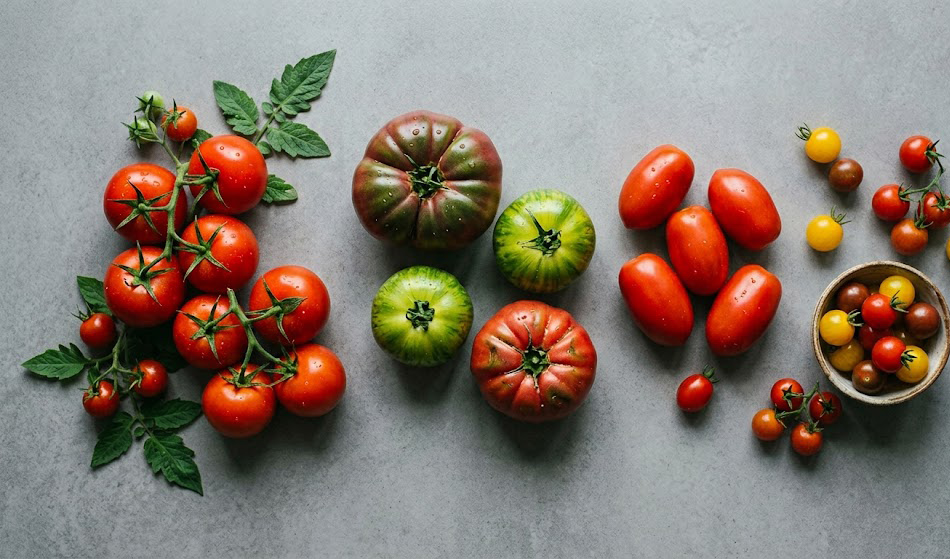
Common Tomato Types in Dubai UAE
You will typically encounter:
- Cherry tomatoes – small, sweet, high sugar content
- Roma (plum) tomatoes – firm, low moisture, used for cooking
- Vine tomatoes – sold on the stem, balanced flavor
- Beefsteak tomatoes – large, juicy, mild taste
- Heirloom tomatoes – irregular shapes, deeper flavor profiles
Each of these behaves differently in:
- Heat
- Storage
- Cooking
- Shelf life
Yet most buyers—especially at the retail level—choose based on price or visual appeal alone.
Why Tomatoes Taste Different in Dubai (Even Within the Same Batch)
Buyers often assume inconsistency means poor quality.
In reality, inconsistency is often structural to how tomatoes are sourced and handled in the UAE.
1. Import Dependency and Travel Stress
Dubai relies heavily on imported tomatoes from:
- Jordan
- Iran
- Netherlands
- Spain
- India and Pakistan (seasonally)
Each origin has:
- Different soil conditions
- Different harvesting practices
- Different ripening stages at dispatch
Tomatoes are often picked before full ripeness to survive transit.
This directly affects:
- Sugar development
- Aroma
- Texture
By the time they reach shelves, they may look ripe—but internally, they are not.
2. Cold Chain Handling (And Where It Breaks)
Tomatoes are sensitive to temperature.
If stored too cold:
- Flavor compounds degrade
- Texture becomes mealy
If stored too warm:
- Spoilage accelerates
In Dubai’s climate, maintaining a consistent cold chain is difficult.
Even small breaks—during unloading, transport, or storage—can lead to:
- Uneven ripening
- Flavor loss
- Short shelf life
This is why two tomatoes from the same box can taste different.
3. Variety Selection for Logistics, Not Flavor
This is rarely discussed openly.
Many tomatoes in retail are chosen for:
- Durability
- Uniform appearance
- Long shelf life
Not flavor.
These varieties are:
- Thicker-skinned
- Less aromatic
- More resistant to bruising
They survive logistics well—but they are not the best eating experience.
The Real Difference Between Cherry vs Roma Tomato UAE Buyers Overlook
This is one of the most common decision mistakes.
Cherry Tomatoes
Best for:
- Salads
- Raw consumption
- Garnishing
Why:
- Naturally higher sugar content
- Better flavor concentration
Limitation:
- Higher cost per kg
- Not ideal for long cooking
Roma Tomatoes
Best for:
- Sauces
- Cooking
- Bulk kitchen use
Why:
- Lower water content
- Dense flesh
- Consistent cooking behavior
Limitation:
- Bland when eaten raw
Where Buyers Go Wrong
A common scenario in Dubai kitchens:
- Cherry tomatoes used in bulk cooking → waste of cost
- Roma tomatoes used in salads → poor taste experience
This mismatch leads to:
- Higher food cost
- Lower customer satisfaction
- Inconsistent dish quality
Why Heirloom Tomatoes Are Rare (But Important)
Searches for heirloom tomato buy Dubai have increased, but supply remains limited.
Heirloom varieties are:
- Grown for flavor, not durability
- More fragile
- Shorter shelf life
- Less uniform in shape
This makes them:
- Harder to import
- Riskier for wholesalers
- Less common in large retail chains
However, when handled properly, they offer:
- More complex taste
- Higher perceived quality in dishes
In practice, suppliers working closely with Dubai-based distributors such as JMB Farm Fresh often observe that demand for flavor-forward varieties increases in:
- Premium restaurants
- Boutique catering
- Health-conscious consumers
But supply constraints remain a real limitation.
The Hidden Cost of Choosing the Wrong Tomato
Most buyers focus on price per kilogram.
But experienced procurement teams look at something else:
Cost per usable outcome
Let’s break that down.
Scenario: Cheap Tomatoes
- Lower upfront cost
- Higher water content
- Faster spoilage
- More trimming waste
Result:
- More quantity needed
- Shorter usable window
Scenario: Better-Suited Tomatoes
- Slightly higher price
- Better yield in cooking
- Longer shelf stability (when handled correctly)
Result:
- Lower overall waste
- More consistent output
This is why many restaurants in Dubai shift toward purpose-specific sourcing, rather than generic buying.
What Most Articles Don’t Explain Clearly
After analyzing typical content in this space, a pattern appears:
Most articles say:
- “Choose fresh tomatoes”
- “Look for bright color”
- “Check firmness”
But they rarely explain:
- Why two identical-looking tomatoes taste different
- How supply chain decisions affect flavor
- Why variety matters more than appearance
- How misuse leads to cost inefficiency
This gap creates confusion, especially for:
- New restaurant owners
- Bulk buyers
- Families trying to improve food quality
A Better Way to Think About Tomato Buying in Dubai
Instead of asking:
“Which tomato is best?”
A more useful question is:
“Which tomato is best for this specific use, in this specific season, from this specific source?”
This shift changes everything.
It moves buying from:
- Visual selection
To:
- Functional selection
And in a complex supply environment like the UAE, that distinction matters more than most people realize.
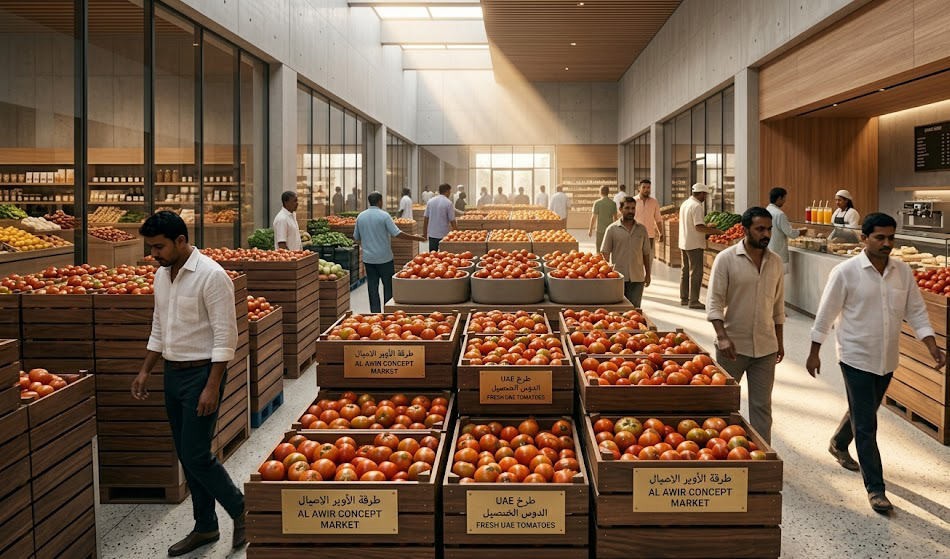
How Seasonality Quietly Affects Tomato Quality in the UAE
Dubai’s produce market looks stable on the surface.
Tomatoes are available year-round. Prices fluctuate, but supply rarely disappears.
This creates the impression that tomatoes are a “non-seasonal” product.
In reality, seasonality still plays a major role—it’s just hidden behind imports.
Winter vs Summer: What Actually Changes
Winter Months (Peak Stability Period)
During winter, supply conditions improve significantly.
- Regional production (Jordan, Iran, parts of Saudi Arabia) increases
- Transit times are shorter
- Heat stress is reduced
Result:
- Better flavor development
- More consistent texture
- Longer shelf life
This is when buyers are most likely to find balanced, naturally ripened tomatoes.
Summer Months (High-Risk Period)
Summer in the UAE introduces several challenges:
- Extreme external temperatures
- Greater reliance on long-distance imports (Europe, Asia)
- Increased cold chain pressure
Result:
- Tomatoes harvested earlier (less ripe)
- More temperature shock during transit
- Faster degradation after arrival
This is why in summer:
- Tomatoes often taste more watery
- Shelf life drops
- Price volatility increases
What Smart Buyers Do Differently
Experienced buyers adjust their strategy by season:
In winter:
- Prioritize flavor-based selection
- Experiment with premium varieties
In summer:
- Focus on durability and consistency
- Reduce reliance on delicate varieties
- Adjust menu expectations accordingly
This is rarely discussed openly, but it’s standard practice in well-managed kitchens.
How to Judge Fresh Tomatoes (Beyond Color and Firmness)
Most advice given to buyers is too basic.
In a controlled environment like Europe, that may work.
In Dubai, it’s not enough.
Here’s what experienced buyers actually look for:
1. Aroma at the Stem
A fresh tomato should have a mild, earthy smell near the stem.
If there is no smell:
- It was likely harvested too early
If the smell is sharp or sour:
- It may be overripe or breaking down
2. Skin Tension (Not Just Firmness)
Firmness alone is misleading.
Instead, check:
- Is the skin slightly tight and elastic?
- Or does it feel thick and rigid?
Thick skin often indicates a logistics-optimized variety, not a flavor-focused one.
3. Weight vs Size
Pick up two tomatoes of similar size.
The better one is usually:
- Slightly heavier
- Denser
This suggests:
- Higher flesh content
- Lower water dilution
4. Internal Structure (If You Can Check)
When cut open:
- Seeds should be evenly distributed
- Flesh should be rich in color
- Excess liquid indicates dilution
This is one of the clearest indicators of quality.
Wholesale vs Retail: Where the Real Difference Lies
There is a common belief:
“Supermarket produce is safer, and wholesale is inconsistent.”
This is only partially true.
Retail (Supermarkets)
Strengths:
- Clean presentation
- Standardized sizes
- Easy access
Limitations:
- Limited variety range
- Often selected for shelf life, not flavor
- Less flexibility in sourcing
Wholesale (Distributors & Supply Chains)
Strengths:
- Wider variety access
- Ability to source by purpose
- Better control over batch selection
Limitations:
- Requires knowledge
- Less visual standardization
- Quality depends on supplier consistency
This is why many experienced buyers prefer working with established wholesale produce providers rather than relying entirely on fragmented retail sourcing.
The advantage is not just price.
It is control.
The Risk Most Buyers Ignore: Inconsistency
In Dubai’s food ecosystem, inconsistency is often a bigger problem than low quality.
For example:
- A restaurant dish tastes great one day, average the next
- A salad lacks sweetness even with the same recipe
- A sauce requires constant adjustment
The root cause is often:
Variation in tomato batches
This leads to:
- Operational inefficiency
- Increased food waste
- Customer dissatisfaction
Why This Happens
- Different origins mixed in supply
- Different ripeness levels in the same batch
- Cold chain variations
Without proper sourcing control, consistency becomes difficult.
How Professionals Manage It
- Locking in specific varieties
- Working with consistent supply partners
- Adjusting recipes based on batch behavior
This is less about perfection and more about reducing variability.
Fresh Tomatoes Delivery UAE: Convenience vs Control
Online and delivery-based sourcing has grown rapidly.
It offers:
- Convenience
- Time savings
- Wider availability
But it introduces a tradeoff:
You lose the ability to inspect before buying
What This Means in Practice
For households:
- Occasional inconsistency is manageable
For businesses:
- It can disrupt operations
A Practical Approach
- Use delivery for stable, predictable items
- Inspect physically for critical ingredients
- Build relationships with reliable suppliers
In practice, some UAE buyers prefer combining both approaches rather than relying entirely on one.
Vine Tomato Dubai Wholesale: Why They’re Often Preferred
Vine tomatoes are commonly used in both retail and wholesale environments.
They are:
- Sold attached to the vine
- Harvested closer to ripeness
- Slightly more aromatic
Why They Stand Out
The vine helps:
- Maintain moisture balance
- Protect structure during transit
- Preserve some flavor compounds
However, they are not always superior.
In high heat or long transport conditions:
- Their advantage can diminish
When They Make Sense
- Shorter supply chains
- Winter months
- Salad and fresh applications
The Role of Suppliers (And Why It Matters More Than You Think)
Many buyers underestimate how much depends on the supplier.
A good supplier does more than deliver produce.
They:
- Sort batches
- Filter inconsistent stock
- Align sourcing with seasonal conditions
- Guide buyers toward better choices
This is where relationships matter.
In practice, suppliers working closely with UAE distributors such as JMB Farm Fresh tend to focus on:
- Consistency over volume
- Practical usability over visual perfection
- Matching product to buyer needs
This approach is not always visible—but it directly affects outcomes.
Common Mistakes Buyers Keep Repeating
Across households and businesses, the same patterns appear:
1. Choosing Based on Price Alone
Lower cost often leads to:
- Higher waste
- Lower satisfaction
- Inconsistent results
2. Ignoring Variety
Using one tomato type for everything leads to:
- Poor dish quality
- Inefficient usage
3. Overlooking Seasonality
Assuming year-round consistency results in:
- Wrong expectations
- Poor planning
4. Storing Tomatoes Incorrectly
Refrigeration is often misused.
Cold storage can:
- Kill flavor
- Damage texture
Tomatoes are best kept:
- At room temperature
- Away from direct sunlight
(With exceptions for very ripe produce)
5. Expecting Uniformity in a Non-Uniform Market
Dubai’s supply chain is complex.
Uniformity is not always realistic.
Managing variation is more practical than trying to eliminate it.
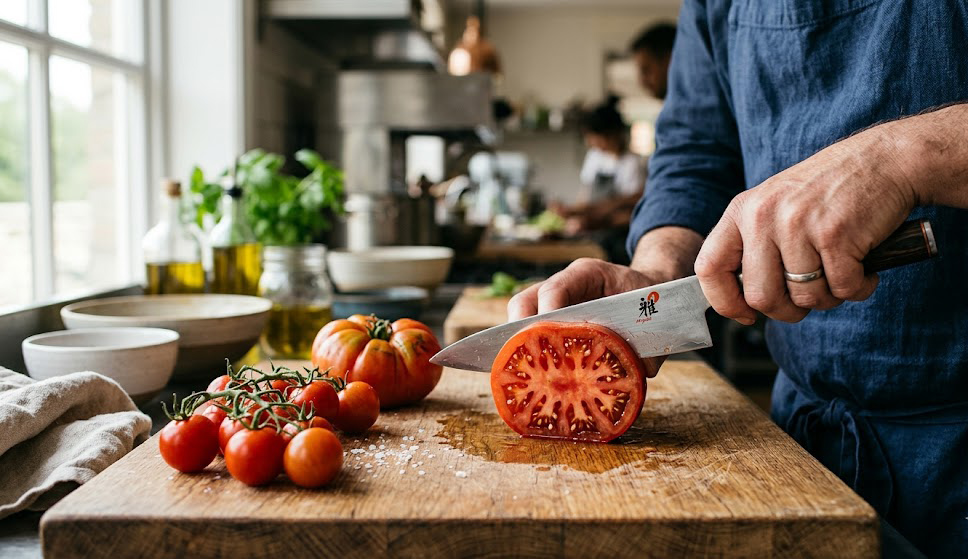
How to Actually Choose the Best Tomato Variety in Dubai (A Practical Framework)
At this point, the key insight becomes clear:
There is no single “best tomato variety Dubai fresh” buyers should always choose.
What matters is fit for purpose.
Below is a simple framework used by experienced buyers to reduce guesswork.
Step 1: Define the Use Case First
Before buying, ask:
- Is this for raw consumption or cooking?
- Will it be used immediately or stored?
- Is flavor or consistency more important?
Step 2: Match the Variety to the Use
For salads and raw dishes:
- Cherry tomatoes
- Vine tomatoes
- Heirloom (when available)
For sauces and cooking:
- Roma tomatoes
- Plum varieties
For general household use:
- Vine tomatoes (balanced option)
Step 3: Adjust Based on Season
Winter:
- More flexibility
- Better flavor across varieties
Summer:
- Prioritize durability
- Avoid delicate varieties unless sourced carefully
Step 4: Consider Source Reliability
Even the best variety fails if poorly handled.
Ask:
- Is the supplier consistent?
- Do batches vary too much?
- Is there transparency in origin?
Consistency often matters more than variety alone.
Local vs Imported Tomatoes in the UAE: What Buyers Should Know
The UAE produces some tomatoes locally, especially through:
- Greenhouses
- Hydroponic farms
These are often:
- Cleaner in appearance
- More consistent in size
- Available with shorter lead times
Advantages of Local Production
- Reduced transport stress
- Faster delivery cycles
- Better control over conditions
Limitations
- Limited variety range
- Flavor may still depend on growing methods
- Not always available in large volumes
Imported Tomatoes: Still Essential
Imports remain the backbone of supply.
They offer:
- Wider variety selection
- Larger volumes
- Competitive pricing during certain periods
The Practical Reality
Most buyers rely on a mix of local and imported tomatoes.
The goal is not to choose one over the other, but to:
Use each where it performs best
Why Prices Fluctuate More Than Buyers Expect
Tomato pricing in Dubai is often misunderstood.
Buyers see changes but don’t always understand the causes.
Key Drivers of Price Volatility
- Weather conditions in origin countries
- Fuel and logistics costs
- Seasonal supply shifts
- Import restrictions or delays
What This Means for Buyers
Price changes are not always a signal of:
- Better or worse quality
They are often a reflection of:
- Supply pressure
- Availability constraints
A More Practical Approach
Instead of chasing the lowest price:
- Focus on consistency
- Track performance over time
- Adjust sourcing based on season
A Real-World Scenario: Why the Same Recipe Tastes Different
A common complaint among restaurant operators:
“We didn’t change the recipe, but the dish tastes different.”
In many cases, the issue is not the recipe.
It’s the tomato.
What Changed Behind the Scenes
- Different origin shipment
- Slightly earlier harvest stage
- Storage variation during transit
The Result
- Lower sugar content
- Higher water content
- Reduced depth of flavor
The Fix
Experienced kitchens respond by:
- Adjusting cooking time
- Blending tomato varieties
- Tweaking seasoning
This flexibility is often the difference between:
- Consistent quality
- Ongoing frustration
The Bigger Insight: Tomatoes Reflect the Entire Supply Chain
Tomatoes are one of the most sensitive indicators of supply chain quality.
They respond quickly to:
- Temperature changes
- Handling practices
- Harvest timing
That’s why they vary so much.
What Buyers Should Take Away
If tomatoes are inconsistent, it often means:
- The sourcing process needs adjustment
- The supplier relationship needs evaluation
- Expectations need alignment with seasonality
Conclusion: Stop Buying Tomatoes by Habit
Most buyers in Dubai choose tomatoes the same way every time.
- Same store
- Same type
- Same assumption
But the market does not stay the same.
A better approach is to:
- Choose based on use
- Adjust based on season
- Evaluate based on outcome
When you do that, something interesting happens.
Tomatoes stop being:
- A basic ingredient
And start becoming:
- A controlled input in your food quality
That shift may seem small.
But over time, it affects:
- Taste
- Cost
- Consistency
- Waste
More than most people expect.
Frequently Asked Questions (FAQs)
1. What is the best tomato variety Dubai fresh buyers should choose?
There is no single best variety. Cherry tomatoes are best for raw use, while Roma tomatoes are better for cooking. The right choice depends on how you plan to use them.
2. Why do tomatoes in Dubai taste different from each other?
Differences come from origin, harvest timing, and storage conditions. Many tomatoes are picked early for transport, which affects flavor development.
3. Are heirloom tomatoes available in Dubai?
Yes, but they are limited. Heirloom tomatoes are more fragile and harder to import, so they are usually found in smaller quantities or specialty supply channels.
4. Should tomatoes be stored in the fridge in the UAE?
Not always. Refrigeration can reduce flavor and affect texture. It is better to store tomatoes at room temperature unless they are very ripe.
5. Is wholesale tomato sourcing better than supermarkets?
Wholesale sourcing offers more variety and control, but it requires knowledge. Supermarkets are more convenient but often prioritize shelf life over flavor.








 Home
Home  Whishlist
  Compare
  Checkout