









Introduction: A Table That Tells a Story
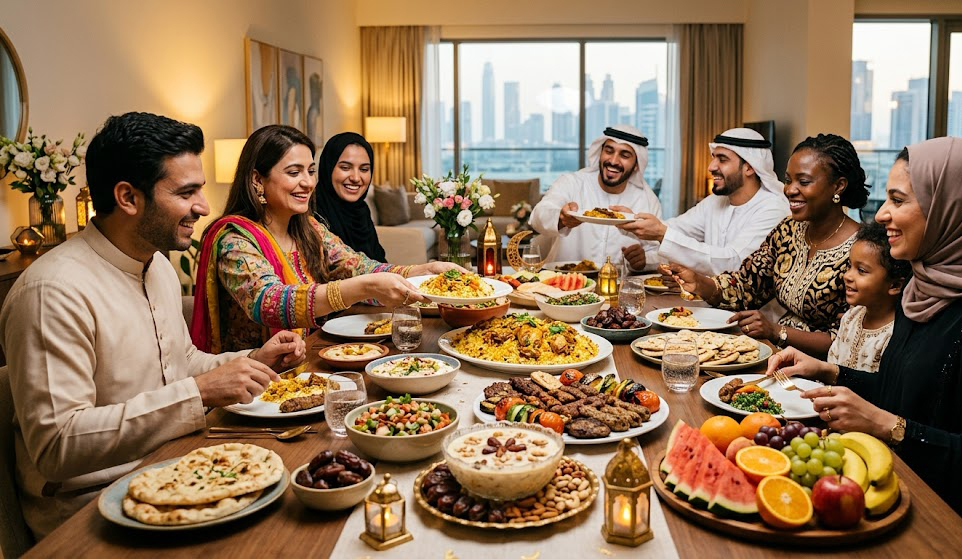
Walk into any home in the UAE on Eid morning, and you’ll notice something quickly: no two tables look the same.
Some are filled with rich biryanis and kebabs. Others lean toward light breakfasts with fruits, dates, and tea. In some homes, sweets come first. In others, savory dishes define the start of the day.
This diversity is not random. It reflects something deeper — migration, memory, culture, and adaptation to local supply conditions.
For families, restaurateurs, and food buyers alike, understanding Eid food traditions in UAE families is not just about culture. It also connects directly to how ingredients are sourced, how freshness is judged, and how supply decisions are made in a multicultural market like Dubai.
This article looks beyond the dishes themselves. It explores what those dishes reveal — and how they are shaped by real-world factors such as produce availability, seasonality, and buying behavior.
Why Eid Tables in the UAE Are So Different
A Country Built on Food Cultures
The UAE is home to people from South Asia, the Middle East, Africa, and beyond. Each group brings its own version of Eid.
This creates a unique environment where:
- Pakistani families may prepare sheer khurma with dates and nuts
- Indian households may focus on seviyan, poori, and spiced vegetables
- Arab families may serve grilled meats, fresh salads, and dates
- African households may include plantains, stews, and root vegetables
The result is not a single “Eid meal,” but a layered food landscape.
But Culture Isn’t the Only Factor
What often gets overlooked is how ingredient access in the UAE shapes these traditions.
Even when families want to recreate dishes from home, they adjust based on:
- What’s available in local markets
- Whether produce is imported or locally grown
- Price fluctuations during peak demand periods like Ramadan and Eid
- Shelf life in a hot climate
This is where food culture and supply chain reality intersect.
What Your Eid Table Says About Your Background
1. The Ingredient-Driven Table
Some families build their Eid meals around what is freshest and easiest to source.
These tables often include:
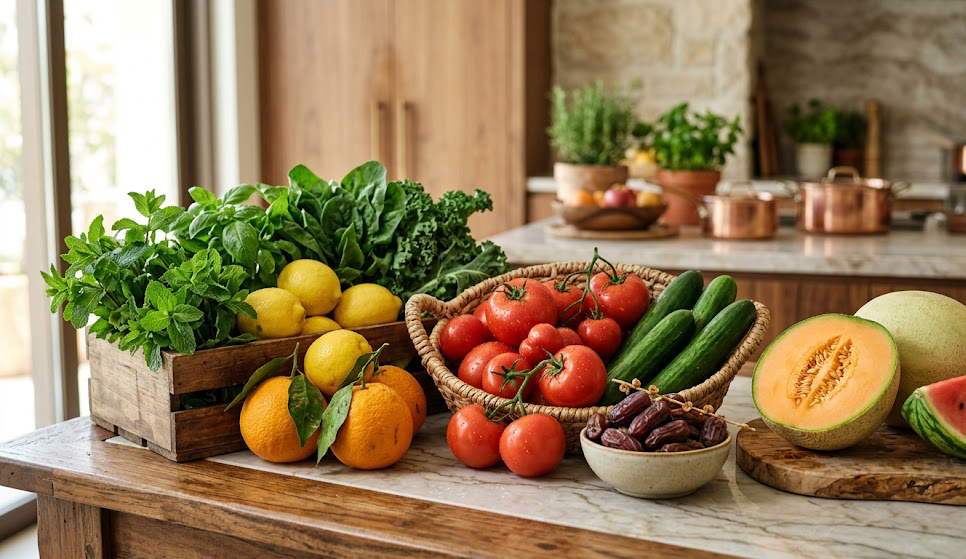
- Seasonal fruits like watermelon, melons, citrus
- Leafy greens for light salads
- Simple vegetable dishes instead of complex preparations
This approach is common among:
- Health-conscious households
- Families who prioritize digestion after Ramadan
- Buyers familiar with produce cycles in the UAE
It reflects a practical mindset: freshness over tradition when needed.
2. The Memory-Driven Table
Other families prioritize emotional connection over convenience.
They will go out of their way to find:
- Specific varieties of dates
- Traditional vegetables used in home-country recipes
- Imported spices or fruits not commonly used in UAE cuisine
This often leads to:
- Higher costs
- More effort in sourcing
- Greater sensitivity to quality differences
In many Eid dinner UAE expat families, this is where frustration appears.
Common concerns include:
- “This doesn’t taste like back home”
- “The texture feels different”
- “Why does it spoil faster here?”
These are not just emotional reactions. They are often tied to differences in supply chains and storage conditions.
3. The Hybrid UAE Table
A growing number of households blend both approaches.
You’ll see combinations like:
- Traditional dishes paired with locally available fruits
- Imported spices used with UAE-grown vegetables
- Light, digestion-friendly additions alongside rich meals
This reflects adaptation.
Families learn over time that:
- Some ingredients are better sourced locally
- Some dishes need modification due to climate
- Some traditions evolve naturally in a new environment
This hybrid model is increasingly common in Eid gathering food Dubai multicultural settings.
The Role of Fresh Produce in Eid Traditions
Why Fruits and Vegetables Matter More Than People Think
When people think of Eid food, they often focus on meats and sweets.
But in practice, fruits and vegetables play a critical role:
- Breaking the fast gently
- Supporting digestion after Ramadan
- Balancing heavy meals
- Creating visual appeal on the table
This is especially important in the UAE, where:
- Temperatures rise quickly
- Hydration becomes essential
- Fresh produce quality can vary significantly
Common Produce Across Cultures
Despite differences, certain items appear across many traditional Eid vegetables fruits UAE tables:
- Dates (various varieties)
- Citrus fruits (for freshness and acidity)
- Cucumbers and tomatoes (for salads)
- Herbs like mint and coriander
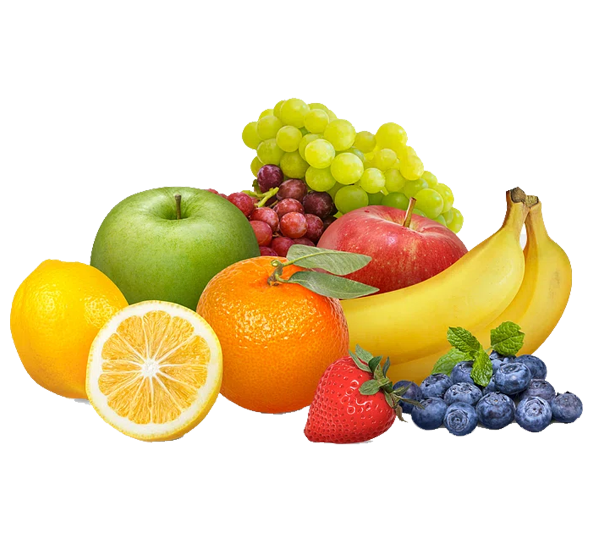
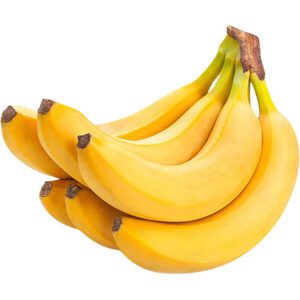
- Bananas and apples (easy, reliable options)
These ingredients are widely used because they:
- Travel well
- Have predictable quality
- Are available year-round or seasonally stable
Where Buyers Often Get It Wrong
From both household and business perspectives, several mistakes are common:
1. Assuming Supermarket Quality Equals Freshness
Produce may look good visually but could have been stored for extended periods.
2. Ignoring Seasonality
Not all fruits and vegetables perform well year-round in the UAE.
3. Overbuying Before Eid
This leads to spoilage, especially with delicate items like berries or leafy greens.
4. Mixing Storage Conditions
Storing all produce the same way reduces shelf life significantly.
These issues become more visible during Eid, when expectations are higher and waste is more noticeable.
Understanding Produce Availability During Eid Season
Ramadan and Eid Create Supply Pressure
Demand for fresh produce increases sharply during Ramadan and peaks before Eid.
This affects:
- Pricing
- Availability of specific items
- Consistency in quality
Buyers — whether families or businesses — often notice:
- Sudden price changes
- Limited stock of certain imported items
- Variation in freshness between batches
These are not random issues. They are part of how global supply chains respond to seasonal demand.
Winter vs Pre-Summer Transition
Depending on the timing of Eid, produce conditions vary.
In many years, Eid falls during a transition period where:
- Winter produce is phasing out
- Summer produce is not fully stable yet
This creates a gap where:
- Some items are available but inconsistent
- Others are imported at higher cost
- Shelf life becomes less predictable
Understanding this helps explain why the same dish may feel different year to year.
Wholesale vs Retail: What Eid Buyers Often Overlook
The Hidden Difference
Many families rely on supermarkets, while businesses often turn to wholesale markets or suppliers.
The difference is not just price.
It includes:
- Turnover speed (how quickly stock moves)
- Storage conditions
- Handling practices
- Batch consistency
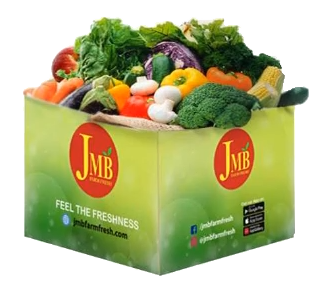
In practice, suppliers working closely with Dubai-based distributors such as JMB Farm Fresh often observe that faster-moving supply chains tend to preserve freshness better than slower retail cycles.
But Wholesale Isn’t Always Better
It comes with trade-offs:
- Larger quantities required
- Less flexibility in selection
- Need for better storage at home or in business kitchens
For households, this means wholesale is only practical when:
- Sharing purchases with others
- Planning meals carefully
- Understanding storage basics
A Common Question: Why Does Produce Taste Different in the UAE?
This is one of the most frequent concerns across forums and buyer discussions.
The answer usually comes down to:
- Origin (imported vs local)
- Time in transit
- Storage conditions
- Harvest timing
For example:
- A tomato harvested early for transport may look good but taste less sweet
- Leafy greens may lose texture due to humidity control during shipping
This affects how traditional recipes turn out, especially in Eid food culture Pakistan India UAE contexts where flavor expectations are specific.
How Smart Buyers Adapt Their Eid Menus to the UAE Market
Start With the Ingredient, Not the Recipe
One shift experienced buyers make over time is simple:
they stop forcing recipes and start working with what is available.
Instead of asking, “How do I recreate this exactly like back home?”
they ask, “What is at its best quality right now?”
This leads to better outcomes because:
- Dishes taste fresher
- Ingredients last longer
- Costs stay more predictable
- Waste is reduced
For example:
- Using locally available cucumbers and herbs for fresh salads
- Choosing fruits that are in stable supply instead of fragile imports
- Adjusting cooking methods based on ingredient texture
This is especially relevant when planning Eid meal ingredients UAE online, where visual selection replaces physical inspection.
How to Judge Freshness Without Overthinking It
Many buyers — especially households — rely on appearance alone.
But in the UAE supply environment, that can be misleading.
A more practical approach includes:
1. Weight and firmness
Heavier fruits often hold more water content, which indicates freshness.
2. Smell (when applicable)
A natural aroma is usually a better indicator than shine or color.
3. Stem condition
Fresh vegetables often have green, intact stems.
4. Timing of purchase
Buying closer to use date reduces storage risk.
For businesses like restaurants or catering teams, these checks are standard practice.
For families preparing Eid meals, applying even two of these can make a noticeable difference.
Managing Spoilage and Waste During Eid
Why Waste Increases During Eid
Across both homes and businesses, Eid tends to increase waste levels.
The reasons are consistent:
- Overestimating guest numbers
- Buying in bulk without storage planning
- Choosing delicate produce that doesn’t last
- Preparing too many dishes at once
In a climate like the UAE, spoilage happens faster than expected — especially with:
- Leafy greens
- Berries
- Cut fruits
Practical Ways to Reduce Waste
Without complicating things, a few adjustments help significantly:
- Buy closer to cooking time rather than too early
- Separate items based on storage needs (dry, refrigerated, ventilated)
- Avoid washing all produce at once — moisture speeds spoilage
- Plan dishes that reuse overlapping ingredients
For example:
- Mint used for drinks can also go into salads
- Tomatoes can serve both cooked and fresh dishes
- Citrus can be used across drinks, marinades, and garnishes
This approach is commonly seen in Eid dinner UAE expat families who have adapted over time to reduce unnecessary waste.
The Real Cost of “Getting It Wrong”
It’s Not Just About Money
When produce sourcing goes wrong, the impact is broader than cost.
Common outcomes include:
- Dishes not tasting as expected
- Food spoiling before guests arrive
- Last-minute substitutions that affect presentation
- Stress during what should be a relaxed celebration
For businesses, the stakes are even higher:
- Inconsistent quality affects customer perception
- Waste impacts margins
- Delays disrupt service flow
Why Consistency Matters More Than Price
In many discussions among restaurant owners and catering teams, one theme repeats:
Consistency is more valuable than small price differences.
This is because:
- Predictable quality leads to reliable results
- Staff can prepare dishes with confidence
- Planning becomes easier
For households, the same principle applies in a simpler way:
Knowing that your ingredients will perform as expected reduces uncertainty on Eid day.
Local vs Imported Produce: What Actually Works Best
The Common Misunderstanding
Many buyers assume imported produce is always superior.
In reality, it depends on the item.
When Local Produce Works Better
Locally sourced or regionally grown produce often performs well for:
- Leafy greens
- Herbs
- Certain vegetables like cucumbers and tomatoes
These items benefit from:
- Shorter transport time
- Better texture retention
- More stable pricing
When Imported Produce Makes Sense
Imported items are still important for:
- Specialty fruits
- Cultural ingredients not grown locally
- Seasonal items from other regions
However, they come with:
- Higher cost
- Greater variability
- Shorter usable window after purchase
This is why experienced buyers often mix both — rather than relying entirely on one source.
Why Some Eid Tables Feel “Lighter” in the UAE
A Shift Toward Digestive Comfort
After a month of fasting, many families intentionally adjust their Eid meals.
Instead of heavy, oil-rich dishes at the start of the day, they choose:
- Fruits
- Light breads
- Yogurt-based dishes
- Fresh salads
This is not just a health trend.
It is a practical response to:
- Digestive sensitivity after Ramadan
- Warm climate conditions
- Availability of fresh produce
The Role of Hydrating Foods
Hydration becomes a key focus.
Common choices include:
- Water-rich fruits (melon, citrus)
- Fresh juices
- Vegetables with high water content
These items help the body transition smoothly from fasting to regular eating.
This is why light food Eid morning UAE patterns are becoming more visible, especially among younger families and health-aware households.
Buying Produce Online for Eid: What Changes?
Convenience vs Control
Online ordering has grown significantly in the UAE.
It offers:
- Time savings
- Scheduled delivery
- Access to a wider range of items
But it also removes:
- Direct inspection
- Immediate quality judgment
How Experienced Buyers Handle This
Rather than relying purely on listings, they:
- Stick to known suppliers
- Avoid overly delicate items unless necessary
- Order slightly below expected quantity to reduce risk
- Plan backup options
This behavior is common among both households and smaller catering operations.
A Quiet Shift in UAE Eid Food Culture
From Replication to Adaptation
Over time, a subtle shift is happening.
Instead of trying to perfectly replicate home-country Eid meals, many families are:
- Adapting recipes
- Simplifying menus
- Integrating locally available produce
- Focusing more on experience than exact tradition
This doesn’t replace culture.
It evolves it.
What This Means for Buyers and Businesses
For suppliers, retailers, and food service providers, this shift matters.
It means:
- Demand is becoming more flexible
- Buyers are more informed
- Quality expectations are rising
In practice, suppliers working within the UAE ecosystem have observed that buyers are increasingly prioritizing:
- Freshness
- Reliability
- Practical usability
over strict adherence to tradition.

What Your Eid Table Really Reflects
By the time food reaches the table on Eid, it carries more than flavor.
It reflects:
- Where your family comes from
- How long you’ve lived in the UAE
- How familiar you are with local sourcing
- How you balance tradition with practicality
A table filled with imported ingredients may signal strong ties to home-country traditions.
A lighter, produce-forward table may reflect adaptation to climate and lifestyle.
A hybrid table often shows experience — a quiet understanding of what works best here.
In all cases, the choices behind the meal matter as much as the dishes themselves.
Practical Takeaways for Families and Food Buyers
For those preparing Eid meals — whether at home or at scale — a few grounded principles consistently lead to better outcomes:
1. Build Around Reliable Ingredients
Choose items that are stable in quality and available in good condition during the season.
2. Don’t Overcommit to Fragile Produce
Berries, leafy greens, and delicate fruits require careful timing and storage.
3. Mix Local and Imported Thoughtfully
Use local produce for freshness and imported items for cultural authenticity where needed.
4. Plan for Storage Before Buying
Know what goes in the fridge, what needs ventilation, and what should be used immediately.
5. Keep the Menu Practical
A well-executed smaller menu often feels better than a large one with inconsistent quality.
A Note on Sourcing in the UAE
Over time, both households and businesses in Dubai develop sourcing habits that reduce risk.
Some prefer supermarket convenience.
Others move toward wholesale markets or trusted suppliers for consistency.
In practice, buyers working with established distributors — including UAE-based providers such as JMB Farm Fresh — often find that consistent handling and faster turnover can lead to more predictable results, especially during high-demand periods like Ramadan and Eid.
This is less about choosing one channel over another, and more about understanding how each sourcing method performs under pressure.
Conclusion: Eid Is a Celebration — But Also a Learning Curve
Eid in the UAE is unlike anywhere else.
It brings together cultures, cuisines, and expectations — all shaped by a fast-moving food supply environment.
For families, this means learning over time:
- Which ingredients perform well
- When to buy
- How to store
- What to adjust
For businesses, it means managing:
- Consistency
- Customer expectations
- Supply fluctuations
In both cases, the goal is the same:
A table that feels complete, not because it matches a tradition perfectly,
but because it works — in the place you are now.
Featured Snippet (40–60 words)
Eid food traditions in UAE families vary widely due to multicultural influences and local produce availability. Tables often reflect a mix of home-country recipes and UAE-adapted ingredients. Freshness, seasonality, and sourcing choices play a key role in how Eid meals taste, look, and last, especially during high-demand periods like Ramadan and Eid.
Frequently Asked Questions (FAQs)
1. Why do Eid meals taste different in the UAE compared to back home?
Differences in produce origin, storage conditions, and harvest timing affect flavor, texture, and freshness, even when recipes remain the same.
2. Is wholesale produce better than supermarket produce in Dubai?
Not always. Wholesale often offers fresher, faster-moving stock, but requires better planning and storage. Supermarkets provide convenience and smaller quantities.
3. What fruits are best for Eid morning in the UAE?
Water-rich and easy-to-digest fruits like watermelon, citrus, bananas, and apples are commonly preferred.
4. How can I reduce food waste during Eid?
Buy closer to cooking time, avoid over-purchasing, store items correctly, and plan dishes that share ingredients.
5. Should I choose local or imported produce for Eid meals?
A mix works best. Local produce offers freshness and stability, while imported items help maintain traditional flavors when needed.








 Home
Home  Whishlist
  Compare
  Checkout