







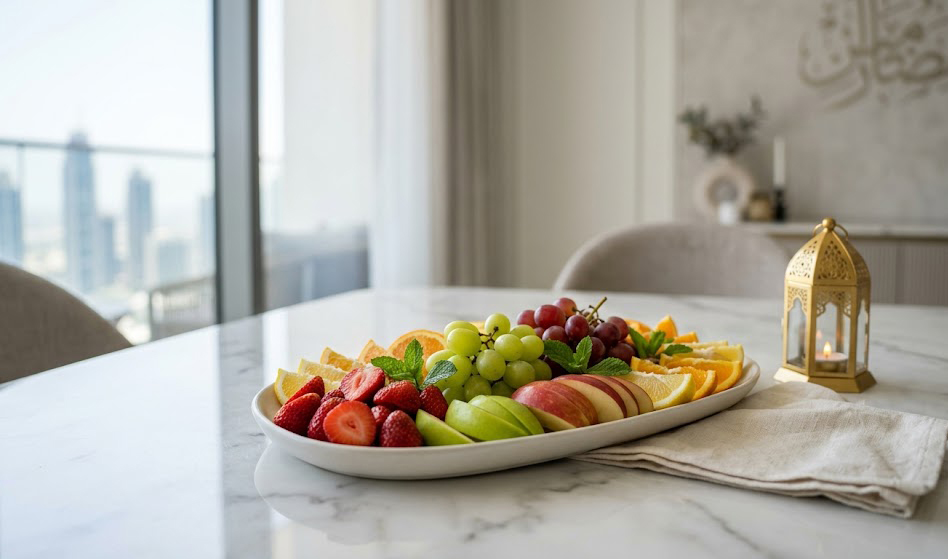
Introduction: Why Fruit Platters Matter More Than You Think During Eid
Across the UAE, Eid gatherings have quietly shifted.
What used to be heavy, dessert-focused tables are now balanced with lighter, fresher options. Fruit platters are no longer an afterthought—they are often the first thing guests reach for after Iftar or during long Eid visits.
But there’s a gap.
Most guides online focus on decoration alone. They show aesthetic layouts, but ignore the part that actually matters in the UAE context:
- How fruit behaves in Dubai’s climate
- Why some platters look fresh for hours while others collapse in 20 minutes
- How sourcing decisions affect taste, texture, and shelf life
- Which fruits are actually in season during Eid
This article takes a different approach.
Instead of just showing how to arrange fruit, it explains how experienced buyers and suppliers think about fruit selection, timing, and presentation—so your platter looks good, tastes right, and lasts through the entire gathering.
The Real Problem With Most Eid Fruit Platters
It’s Not Decoration — It’s Produce Quality
Many households assume that a good fruit platter is about cutting techniques or styling.
In practice, the biggest issue is upstream: the fruit itself.
Common complaints across UAE buyers include:
- “It looked fresh at the store but went soft within hours”
- “The watermelon was watery and bland”
- “Strawberries looked good but tasted sour”
- “Cut fruit dried out too quickly”
These are not random problems. They are usually linked to:
- Storage temperature before purchase
- Time since harvest
- Whether the fruit was imported early or late in its cycle
- Handling during transport
A visually impressive platter cannot compensate for weak produce.
Why Supermarket Fruit Often Fails for Eid Gatherings
Retail fruit in Dubai is designed for convenience, not performance.
It is often:
- Stored longer to maintain availability
- Selected for uniform appearance rather than peak ripeness
- Handled multiple times before reaching shelves
For daily use, this works.
For Eid gatherings—where fruit needs to:
- Look vibrant
- Taste consistent
- Hold structure after cutting
—it becomes a limitation.
This is why many experienced buyers (including caterers and restaurant kitchens) prefer sourcing closer to distribution channels, where turnover is faster and handling is more controlled.
In practice, suppliers working closely with Dubai-based distributors such as JMB Farm Fresh often observe that buyers preparing for events prioritize fresh arrival cycles over visual perfection at purchase.
Understanding UAE Seasonality: What Actually Works for Eid 2026
Eid in 2026 is expected to fall around late winter to early spring.
This is one of the most favorable periods for fruit quality in the UAE due to:
- Cooler temperatures
- Stable import flows
- Wider availability of premium varieties
But not all fruits perform equally.
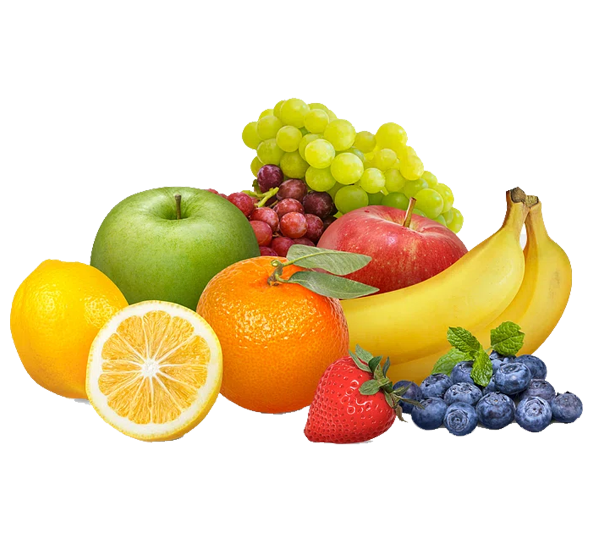
Reliable High-Performance Fruits (Winter–Spring UAE)
These fruits consistently deliver both taste and structure:
1. Citrus (Oranges, Mandarins, Kinnow)
- Naturally in peak season
- High sugar balance with acidity
- Holds shape well after cutting
- Adds brightness to platters
2. Strawberries (Peak Months)
- Best quality typically between December–March
- Sweet when sourced correctly
- Visually strong for presentation
3. Grapes (Imported Batches Stabilize)
- Crisp texture
- Easy to serve without cutting
- Low maintenance on platter
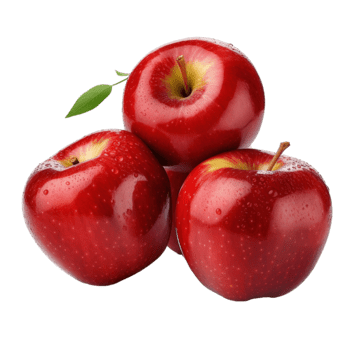
4. Apples (Controlled Atmosphere Storage)
- Reliable year-round
- Clean slicing structure
- Adds contrast and volume
5. Melons (Selective Buying Required)
- Can be excellent—but inconsistent
- Requires careful selection (explained later)
Fruits That Look Good But Often Underperform
These are commonly used—but risky if not selected carefully:
- Watermelon (early-season batches)
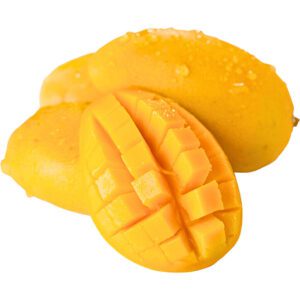
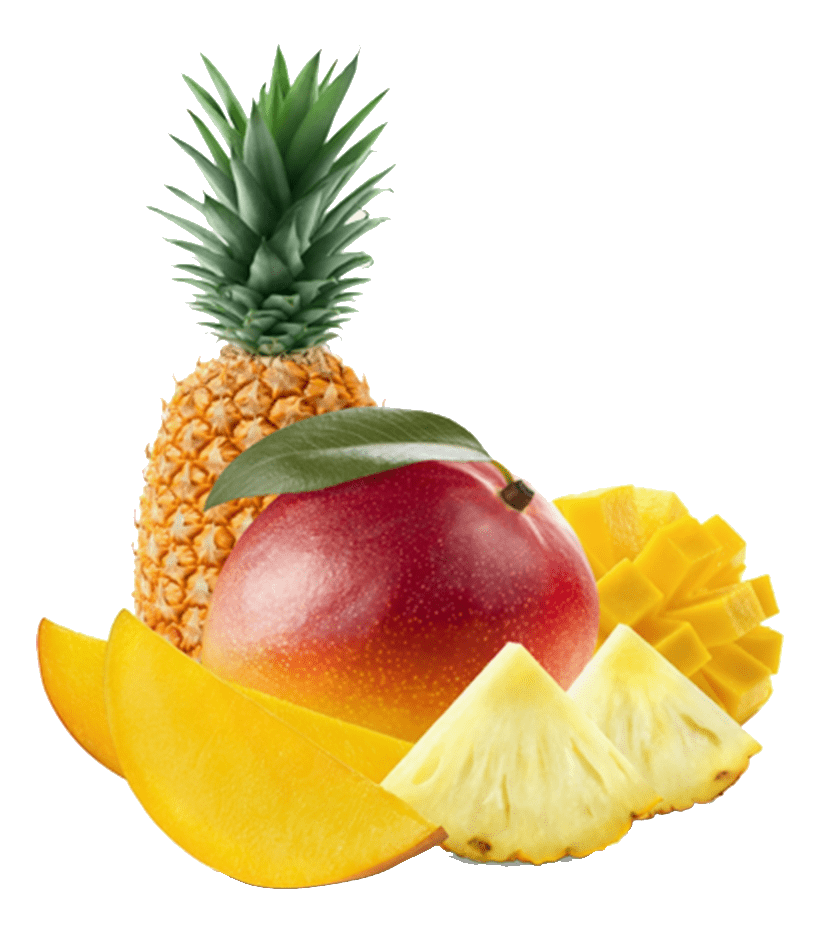
Often lacks sweetness and breaks down quickly - Mango (off-season imports)
Looks appealing but lacks depth of flavor - Pineapple (overripe imports)
Can turn fibrous and overly acidic - Soft berries (out of peak cycle)
Collapse quickly after cutting
Understanding this difference is what separates a visually nice platter from one guests actually remember.
How to Choose Fruit Like a Professional Buyer
This is where most home setups improve instantly.
Professionals don’t rely on labels—they rely on physical signals.
1. Weight vs Size (The Density Rule)
Pick fruits that feel heavier than they look.
This usually indicates:
- Higher water content
- Better ripeness
- More flavor concentration
This works especially well for:
- Citrus
- Melons
- Apples
2. Skin Tension and Elasticity
Fresh fruit has slightly tight, elastic skin.
Avoid:
- Wrinkled surfaces
- Soft pressure points
- Dull, lifeless texture
For strawberries:
- Look for bright color + green caps still fresh
- Avoid darkened edges or moisture buildup
3. Aroma Check (Often Ignored)
Many buyers skip this step.
But ripe fruit gives a light natural aroma—especially:
- Melons
- Pineapples
- Citrus
No smell often means underdeveloped flavor.
4. Batch Consistency (Critical for Platters)
If you’re buying multiple pieces:
- Choose from the same batch or crate
- Avoid mixing different ripeness levels
This ensures:
- Uniform taste
- Even visual presentation
- Consistent shelf life
This is a key reason why wholesale sourcing is often preferred for events.
Building the Platter: Structure Before Decoration
Most guides jump straight to styling.
But professionals think in layers and flow, not random placement.
The 3-Zone Platter Method
To build a platter that looks intentional and stays stable:
Zone 1 — Base (Volume & Stability)
These fruits create structure:
- Apples
- Grapes
- Citrus wedges
They prevent the platter from collapsing visually.
Zone 2 — Highlight (Color & Appeal)
These draw attention:
- Strawberries
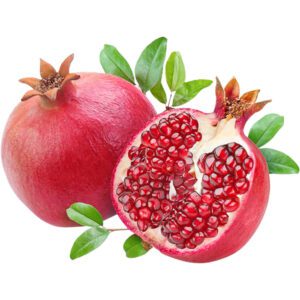
- Pomegranate seeds
- Kiwi slices
Use sparingly to avoid overcrowding.
Zone 3 — Accent (Freshness & Texture Contrast)
These elevate the experience:
- Mint leaves
- Edible flowers
- Light citrus zest
This is where most platters feel “premium” without extra cost.
Why Cutting Technique Matters More in UAE Conditions
Dubai’s environment changes how fruit behaves after cutting.
Key challenges:
- Faster moisture loss
- Surface drying
- Texture breakdown
Practical Cutting Principles
- Cut fruit closer to serving time (within 20–30 minutes)
- Use larger cuts, not thin slices
- Avoid stacking soft fruits under heavier ones
- Keep high-moisture fruits slightly separated
These small adjustments can double the visual life of your platter.
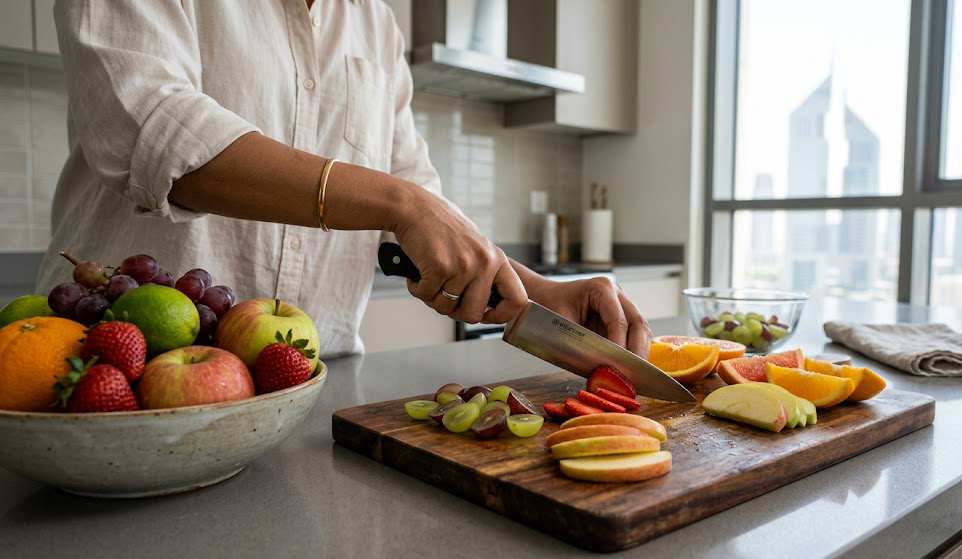
The 20-Minute Assembly Workflow (Used by Event Kitchens)
For those preparing just before guests arrive:
Step 1 (5 minutes): Preparation
- Wash and dry all fruit
- Set up platter zones
Step 2 (10 minutes): Cutting
- Start with base fruits
- Move to highlight fruits
- Keep pieces consistent
Step 3 (5 minutes): Final Assembly
- Arrange by zones
- Add accents last
- Avoid over-handling
This is how many catering teams operate under time pressure.
Common Mistakes That Ruin Eid Fruit Platters
Even with good ingredients, these mistakes reduce quality:
- Overcrowding the platter
- Mixing too many fruit types
- Cutting everything too early
- Ignoring temperature before serving
- Using unbalanced color combinations
A simpler platter, done correctly, almost always performs better.
Wholesale vs Retail for Eid Preparation: A Practical View
There’s often confusion around this.
Wholesale Advantages
- Better batch consistency
- Fresher arrival cycles
- More control over quantity
Tradeoffs
- Requires planning
- Slightly higher upfront quantity
Retail Advantages
- Convenience
- Smaller quantities
Tradeoffs
- Inconsistent quality
- Mixed batches
- Higher per-unit cost
For families hosting larger gatherings, even a partial shift toward wholesale sourcing can improve both cost control and quality.
How to Keep Your Fruit Platter Fresh for Hours (Not Just Minutes)
This is where most Eid setups fail quietly.
The platter looks perfect when assembled—but within an hour:
- Apples start browning
- Strawberries soften
- Melons release excess moisture
- The overall structure loses definition
In the UAE, this happens faster due to ambient temperature and indoor humidity variations.
The “Pre-Chill, Not Pre-Cut” Rule
A common mistake is cutting fruit early and refrigerating it.
This often leads to:
- Surface drying
- Loss of natural shine
- Texture breakdown
A better approach:
- Chill whole fruits before cutting
- Keep them in the fridge for 1–2 hours
- Cut just before serving
This preserves:
- Crispness
- Moisture retention
- Natural gloss
Managing Browning Without Chemicals
Apples and some fruits oxidize (turn brown) quickly after cutting.
Simple, practical solutions:
- Lightly brush with diluted lemon water
- Use citrus segments nearby (natural acidity helps)
- Avoid exposing cut surfaces to air for too long
Avoid overdoing it—too much acid affects taste.
Temperature Control During Serving
Even in air-conditioned homes, room temperature matters.
For longer gatherings:
- Use a chilled serving tray if possible
- Keep platters away from direct airflow (vents dry fruit faster)
- Replenish in small batches instead of one large platter
This is standard practice in hospitality environments.
What Most People Get Wrong About “Freshness” in Dubai
“Fresh” is one of the most misunderstood words in the UAE produce market.
Fresh Doesn’t Always Mean Recently Harvested
Because most fruits are imported, “fresh” often means:
- Recently arrived in the UAE
- Properly stored in controlled conditions
- Handled minimally before sale
A fruit harvested days ago but stored correctly can outperform a “recent” fruit that was mishandled.
Why Some Fruits Taste Different Every Week
Buyers often notice inconsistency:
- Sweet one week, bland the next
- Firm one batch, soft in another
This is due to:
- Different countries of origin
- Varying harvest timing
- Changes in supply routes
- Temperature fluctuations during transport
Understanding this helps set realistic expectations—and better buying decisions.
The Role of Supply Chains in Platter Quality
For Eid, timing matters.
Suppliers serving restaurants and catering businesses often:
- Align purchases with incoming shipments
- Avoid older stock cycles
- Select based on use-case (not just appearance)
This is why their fruit tends to perform better after cutting.
Designing a Platter That Guests Actually Eat (Not Just Photograph)
A common issue: platters that look impressive—but remain untouched.
Why?
Because they are built for visuals, not usability.
The “Pickability” Factor
Guests prefer fruit that is:
- Easy to grab
- Bite-sized
- Not messy
Best options:
- Grapes (served in small clusters)
- Apple slices with skin intact
- Citrus wedges
- Strawberries with stems removed
Avoid:
- Overly large cuts
- Slippery or dripping pieces
- Complex arrangements that discourage serving
Balancing Sweetness and Acidity
A good platter has contrast.
Too sweet → becomes heavy
Too acidic → feels sharp
Balanced combinations:
- Sweet (grapes, melon)
- Neutral (apple, pear)
- Bright (citrus, berries)
This keeps the palate refreshed—especially after traditional Eid meals.
Color Isn’t Just Visual — It Signals Flavor
Color diversity often reflects flavor diversity.
A strong platter usually includes:
- Red (strawberries, pomegranate)
- Green (grapes, kiwi, mint)
- Orange/yellow (citrus, melon)
- White/neutral (apple, pear)
But avoid forcing color at the expense of quality.
A smaller, well-selected range is better than a wide but inconsistent mix.
Real-World Buying Scenarios in the UAE
Understanding how different buyers approach fruit sourcing can help households make better decisions.
Scenario 1: Family Hosting 10–15 Guests
Typical challenges:
- Overbuying
- Mixing too many fruit types
- Cutting too early
Better approach:
- Choose 4–5 reliable fruits
- Buy slightly more than needed (buffer for quality variation)
- Prepare in two batches if gathering is long
Scenario 2: Small Catering Setup
Focus:
- Consistency across multiple platters
Approach:
- Source from the same batch
- Standardize cutting sizes
- Avoid high-risk fruits
Scenario 3: Restaurant Dessert Display
Priority:
- Visual stability over time
Approach:
- Use fruits that hold shape longer
- Refresh display regularly
- Limit exposure to air
These scenarios all follow the same principle:
Control the variables you can—because fruit itself is already variable.
Cost vs Quality: What Actually Matters for Eid
Many buyers assume higher cost equals better quality.
This is not always true.
Where to Spend
Invest more in:
- Strawberries (quality varies significantly)
- Grapes (premium batches are noticeably better)
- Citrus (sweetness levels differ widely)
Where You Can Save
Reliable lower-risk fruits:
- Apples
- Bananas (if used immediately)
- Seasonal citrus
Hidden Cost: Waste
The real cost issue is not price per kg—it’s unusable fruit.
Common causes of waste:
- Overripe batches
- Mixed quality
- Poor storage
Reducing waste often matters more than reducing price.
Subtle Presentation Details That Make a Big Difference
Without adding complexity, small details can elevate your platter.
Use Negative Space
Don’t fill every inch.
Leaving small gaps:
- Makes the platter look cleaner
- Helps fruit stay intact
- Improves accessibility
Layer, Don’t Stack
Stacking creates pressure → leads to:
- Bruising
- Moisture release
- Faster spoilage
Instead:
- Layer gently
- Keep softer fruits on top
Add Fresh Elements Last
Mint, herbs, or edible flowers should be added just before serving.
This keeps them:
- Vibrant
- Aromatic
- Visually sharp
A Quiet Note on Sourcing Consistency in Dubai
In practice, buyers who regularly prepare for gatherings or events tend to move away from fragmented sourcing.
Instead, they rely on:
- Fewer suppliers
- More consistent batches
- Predictable quality cycles
Some UAE households and small businesses, for example, choose to work with structured suppliers rather than switching between retail outlets. This often reduces variability, especially during peak periods like Eid.
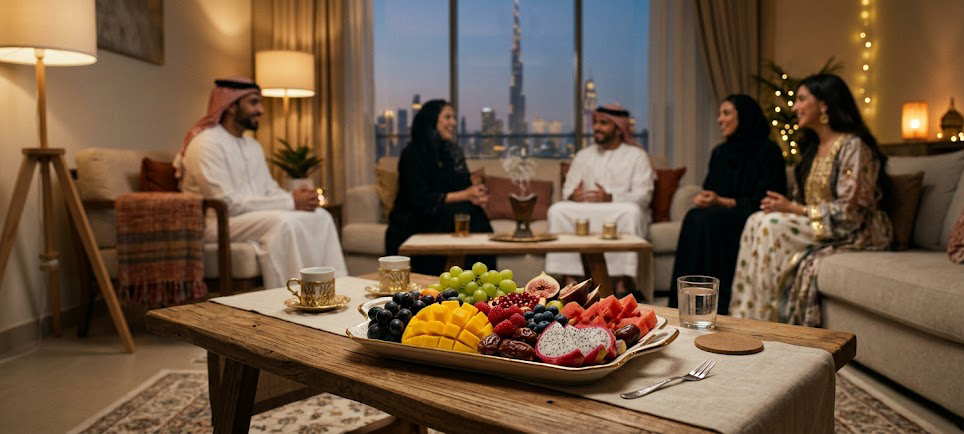
Putting It All Together: A Practical Eid Fruit Platter Blueprint
By now, the pattern should be clear.
A good Eid fruit platter is not about complexity. It’s about control:
- Control over fruit quality
- Control over timing
- Control over structure
Here’s a simple blueprint that brings everything together.
Step 1: Choose a Tight Fruit Selection (4–6 Items)
Example combination for UAE Eid 2026:
- Strawberries (for visual highlight)
- Green or red grapes (for ease of serving)
- Apples (for structure and balance)
- Citrus wedges (for brightness)
- Optional: melon (if quality is confirmed)
This gives:
- Color contrast
- Flavor balance
- Structural stability
Without unnecessary risk.
Step 2: Prepare for Performance, Not Just Appearance
Before cutting:
- Chill whole fruits
- Dry them properly after washing
- Keep tools clean and sharp
During cutting:
- Use consistent sizes
- Avoid overly thin slices
- Separate high-moisture fruits
After cutting:
- Assemble immediately
- Minimize handling
Step 3: Build Using the 3-Zone Method
Reinforcing the earlier structure:
- Base → apples, grapes
- Highlight → strawberries, citrus
- Accent → mint, light garnish
This ensures the platter:
- Holds shape
- Looks intentional
- Feels easy to serve
Step 4: Serve Smartly
For gatherings:
- Place platter in a central, shaded area
- Avoid direct AC airflow
- Refill instead of overloading
This keeps the experience consistent for guests arriving at different times.
The Broader Insight: Why Simple Platters Often Win
Across UAE households, catering teams, and hospitality setups, one trend is consistent:
The best fruit platters are usually the simplest ones.
Not because of design limitations—but because:
- Fewer fruits mean better control
- Better control means higher consistency
- Higher consistency leads to better guest experience
In contrast, overly complex platters often:
- Mix incompatible textures
- Introduce inconsistent ripeness
- Increase waste
A Final Perspective From the Supply Side
From a produce supplier’s perspective, Eid is one of the periods where demand spikes—but so does variability.
- Supply chains tighten
- Popular fruits move faster
- Quality differences between batches become more noticeable
This is why experienced buyers plan slightly ahead and focus on:
- Reliable fruit types
- Consistent sourcing
- Practical presentation
In practice, suppliers working with Dubai-based distributors such as JMB Farm Fresh often observe that buyers who simplify their selection and prioritize batch quality tend to achieve more consistent results—especially during peak festive demand.
Conclusion: Build for Taste, Not Just Appearance
An Eid fruit platter should do more than look good for a few minutes.
It should:
- Stay fresh throughout the gathering
- Taste consistently good
- Be easy for guests to enjoy
This comes down to:
- Choosing the right fruits for the season
- Understanding how they behave after cutting
- Keeping the process simple and intentional
When done correctly, even a basic platter can feel thoughtful, refined, and complete.
And that is often what guests remember most.
Frequently Asked Questions (FAQ)
1. What is the best fruit for an Eid fruit platter in the UAE?
Citrus, strawberries (in season), grapes, and apples are the most reliable. They offer good taste, structure, and visual balance while holding up well after cutting.
2. How early can I prepare a fruit platter for Eid?
Ideally, fruit should be cut 20–30 minutes before serving. Whole fruits can be pre-chilled, but cutting too early reduces freshness and texture.
3. Why does my fruit platter become watery after some time?
This usually happens due to high-moisture fruits (like melon) releasing liquid, or from overcrowding and stacking. Proper spacing and selection help prevent this.
4. Is wholesale fruit better than supermarket fruit in Dubai?
Wholesale fruit often offers better batch consistency and fresher turnover, especially for events. However, it requires planning and buying slightly larger quantities.
5. How many fruits should I include in one platter?
4–6 types are ideal. This keeps the platter balanced, manageable, and consistent without introducing unnecessary variability.








 Home
Home  Whishlist
  Compare
  Checkout