











Introduction: What Longevity Clinics Don’t Always Explain Clearly
Across Dubai, a growing number of longevity clinics are building their programs around nutrition. The messaging often sounds complex — blood panels, bio-markers, supplements, personalized protocols.
But if you speak to procurement managers, chefs, and produce suppliers who work behind the scenes, the foundation is much simpler.
It starts with vegetables.
Not in a vague “eat healthy” sense — but in a very practical, supply-driven way:
- What vegetables are available in the UAE right now
- How fresh they actually are when they reach your kitchen
- How they’re stored, transported, and consumed
This is where most people get misled.
They focus on “superfoods” or imported trends, while ignoring the real-world factors that determine whether a longevity diet works:
freshness, consistency, and sourcing quality.
In practice, the difference between a diet that supports healthy ageing and one that doesn’t is rarely about exotic ingredients. It’s about how everyday produce is selected and handled.
What “Longevity Diet Vegetables UAE” Actually Means in Practice
The phrase sounds technical, but in the UAE context, it has a very grounded meaning.
A longevity-focused vegetable diet is not defined by rarity or price. It is defined by three practical characteristics:
1. Nutrient Density That Survives the Supply Chain
Vegetables lose nutritional value over time.
In Dubai’s import-heavy food system, this matters more than people realize.
Leafy greens, for example, can lose a significant portion of their vitamin content within days if:
- They are stored at the wrong temperature
- They sit too long in distribution
- They are exposed to heat during transit
This is why two identical-looking bundles of spinach can deliver very different nutritional value.
2. Consistency of Supply
Longevity diets only work when they are repeatable.
From a supplier’s perspective, inconsistency is one of the biggest problems in Dubai:
- Some vegetables fluctuate in availability week to week
- Imported items may vary in quality depending on origin and transit time
- Retail sourcing often leads to gaps in routine
This leads to a pattern many families and even restaurants face:
They start a “healthy eating routine” — then abandon it because sourcing becomes unpredictable.
3. Low Processing and Minimal Handling
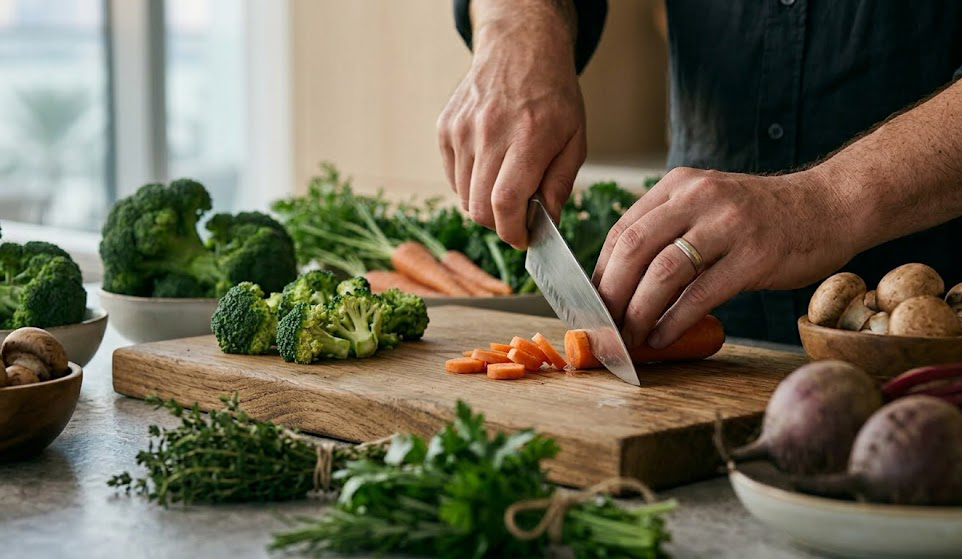
The more a vegetable is handled, cut, washed repeatedly, or stored improperly, the faster it degrades.
Pre-cut or heavily processed vegetables may look convenient, but:
- They oxidize faster
- They lose texture and micronutrients
- They spoil sooner
From an industry perspective, longevity diets favor whole, intact produce over convenience formats.
The Vegetables Longevity Clinics Focus On (Without the Hype)
When you remove marketing language, most longevity-focused diets rely on a predictable group of vegetables.
These are not trends. They are staples that perform well under UAE supply conditions.
Leafy Greens That Deliver Consistent Value
Spinach, kale, arugula, and local greens are often emphasized.
Why?
- They are rich in fiber and micronutrients
- They can be sourced locally or regionally during parts of the year
- They integrate easily into daily meals
The challenge is not knowing they are healthy — it is keeping them fresh long enough to actually consume regularly.
Cruciferous Vegetables (Often Underestimated)
Broccoli, cauliflower, cabbage, and Brussels sprouts play a central role.
From a supply perspective:
- They are more resilient during transport
- They maintain structure longer than delicate greens
- They are available through multiple sourcing channels
This makes them more reliable for both households and commercial kitchens.
Mushrooms and Functional Vegetables
Mushrooms are increasingly included in discussions around anti-ageing vegetables in the UAE.
Not because they are new — but because:
- They store relatively well
- They are versatile in cooking
- They provide a different nutritional profile compared to leafy vegetables
In wholesale environments, mushrooms are often easier to standardize in quality compared to fragile greens.
Color-Rich Vegetables That Signal Freshness
Carrots, beetroot, capsicum, and similar vegetables are often included.
They are not “special” in the marketing sense — but they offer:
- Visual indicators of freshness
- Longer shelf stability
- Lower risk of rapid spoilage
For buyers managing cost and waste, these are practical anchors in a longevity diet.
Why Freshness Matters More Than “Organic” in Dubai
One of the most common misconceptions in Dubai’s food scene is the belief that “organic” automatically means better.
From a supply chain perspective, that is not always true.
A conventional vegetable that is:
- Recently harvested
- Properly stored
- Quickly distributed
…can often deliver more nutritional value than an organic product that has spent longer in transit.
The Real Issue: Time and Temperature
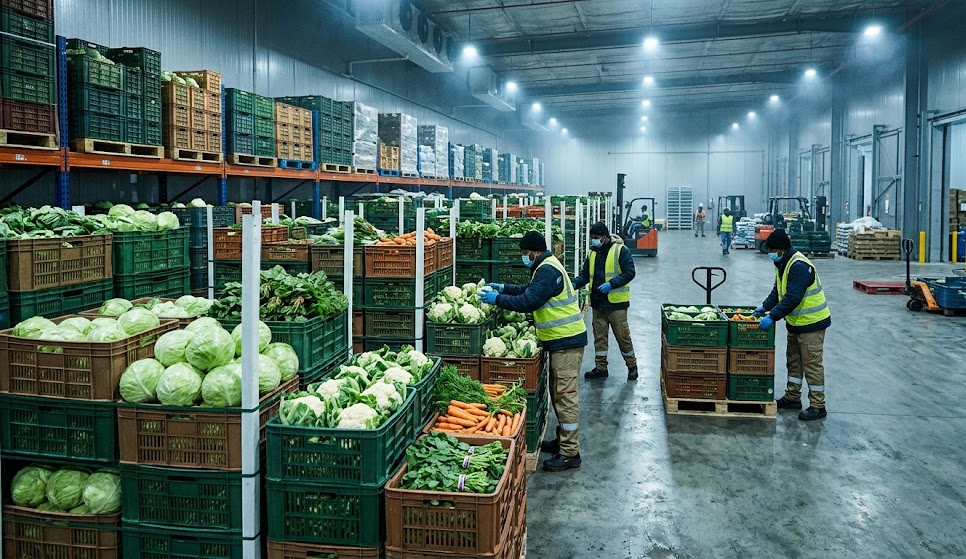
In the UAE climate, heat is the biggest enemy of fresh produce.
Even short exposure during:
- Loading
- Transport
- Unloading
…can accelerate degradation.
This is why experienced buyers often focus on:
- Turnover speed (how fast stock moves)
- Cold chain integrity (consistent refrigeration)
- Supplier handling practices
Rather than labels alone.
What Buyers Often Get Wrong
Across restaurant buyers and households, a few patterns repeat:
- Choosing appearance over freshness timeline
- Buying in small quantities too frequently (leading to inconsistent quality)
- Relying on multiple retail sources instead of stable supply channels
These decisions seem minor, but they affect both cost and nutritional consistency over time.
Seasonal Reality: How Winter Changes the Longevity Food Landscape in UAE
Seasonality is often overlooked in discussions about healthy ageing food in Dubai.
But it plays a central role.
During winter months:
- Regional supply improves
- Transit times shorten for certain imports
- Quality becomes more stable
This is when vegetables like:
- Leafy greens
- Herbs
- Certain root vegetables
…are at their best.
In contrast, during hotter months:
- Shelf life drops significantly
- Storage becomes more critical
- Waste increases if buying habits don’t adjust
Understanding this cycle is essential.
Longevity diets are not static.
They need to adapt to what the supply system can realistically deliver at quality.
The Hidden Cost of Getting It Wrong
Most discussions about anti-ageing vegetables in the UAE focus on benefits.
But from a practical standpoint, the risks of poor sourcing are just as important.
Waste and Spoilage
When vegetables spoil quickly:
- Households throw away more food
- Restaurants absorb higher operational costs
Inconsistent Nutrition
If produce quality fluctuates:
- Diet consistency breaks down
- Health benefits become unreliable
Increased Spending Without Better Outcomes
Buying premium or imported produce does not guarantee better results if:
- The product is not fresh
- It has degraded before consumption
This is one of the quiet realities behind high-end nutrition programs.
The advice may be expensive — but the execution still depends on basic supply principles.
A Practical Shift: Thinking Like a Buyer, Not a Consumer
One of the clearest differences between everyday consumers and experienced food buyers is mindset.
Buyers think in terms of:
- Shelf life
- Storage conditions
- Batch consistency
- Supply reliability
Consumers often think in terms of:
- Labels
- Trends
- Visual appeal
Closing this gap is where most of the real value lies.
In practice, suppliers working closely with Dubai-based distributors such as JMB Farm Fresh often observe that buyers who adopt a procurement mindset:
- Waste less
- Maintain more consistent diets
- Spend more efficiently
This shift does not require expert knowledge.
It requires awareness of how the system works.
So What Should You Actually Do Differently?
Before looking at specific buying strategies, it helps to reset expectations.
A longevity-focused diet in Dubai is not about:
- Chasing rare ingredients
- Following global trends blindly
- Paying premium prices without understanding supply
It is about:
- Choosing vegetables that hold up well in the UAE environment
- Sourcing them consistently
- Handling them properly once they arrive in your kitchen
The next section breaks this down into practical, real-world decisions that households, chefs, and buyers can apply immediately.
Practical Buying Strategies That Actually Support a Longevity Diet
Once you understand that longevity is tied to freshness, consistency, and handling — the next step is execution.
This is where most people struggle.
Not because the advice is complicated, but because everyday buying habits in Dubai are not designed for consistency.
1. Buy for Shelf Life, Not Just Immediate Use
A common mistake is buying vegetables based only on what you plan to cook that day.
This leads to:
- Frequent shopping
- Inconsistent quality
- Higher exposure to variable supply
A more stable approach is to build a weekly mix based on how long different vegetables last.
For example:
- Short shelf life (2–4 days): spinach, herbs, arugula
- Medium shelf life (4–7 days): broccoli, zucchini, mushrooms
- Long shelf life (7–14 days): carrots, cabbage, beetroot
This creates a natural rotation:
You consume delicate items first, and rely on more stable vegetables later in the week.
This is how many professional kitchens maintain consistency without daily sourcing.
2. Understand the Difference Between Retail Freshness and Supply Freshness
In Dubai, “fresh” can mean two very different things.
Retail freshness:
- Recently stocked on shelves
- Visually appealing
- Often handled multiple times
Supply freshness:
- Recently harvested or recently imported
- Minimal handling
- Shorter time between source and kitchen
These are not always the same.
A vegetable can look fresh but already be several days into its shelf life.
This is one reason why buyers often prefer:
- Fewer sourcing points
- More direct supply relationships
- Predictable delivery cycles
It reduces uncertainty.
3. Why Bulk Buying (When Done Correctly) Supports Longevity
There is hesitation around bulk buying in the UAE, especially among households.
The concern is understandable:
“What if it spoils?”
But in practice, controlled bulk buying often leads to:
- Better consistency
- Lower cost per unit
- Fewer supply disruptions
The key is not buying more — it is buying smarter combinations.
For example:
- Pair delicate greens with durable vegetables
- Store items according to their needs (not all vegetables go in the same place)
- Avoid over-buying high-risk items like pre-cut produce
For families and small kitchens, this approach often reduces both waste and stress.
4. Storage Is Where Most Longevity Diets Fail
Even high-quality vegetables lose value if stored incorrectly.
In the UAE climate, storage errors happen quickly.
Common mistakes:
- Washing vegetables before storing (adds moisture, accelerates spoilage)
- Overcrowding the fridge (reduces airflow)
- Mixing ethylene-producing fruits with vegetables (causes faster ripening)
Practical adjustments:
- Store leafy greens dry, wrapped loosely
- Keep herbs upright in water (like flowers)
- Separate high-moisture vegetables from dry ones
These are small changes, but they significantly extend usability.
Anti-Ageing Vegetables UAE: What Actually Holds Up Over Time
Instead of focusing only on what is “healthy,” it helps to ask:
Which vegetables maintain quality long enough to be eaten consistently?
This is where many longevity diets succeed or fail.
Reliable Staples in UAE Conditions
Cruciferous Vegetables
Broccoli, cauliflower, cabbage
- Hold structure well
- Less sensitive to temperature changes
- Suitable for multiple cooking styles
Root Vegetables
Carrots, beetroot, radish
- Long shelf life
- Stable under refrigeration
- Low spoilage risk
Mushrooms (When Stored Properly)
- Sensitive, but predictable
- Easy to integrate into meals
- Widely available across suppliers
Hardy Greens
Kale, certain local greens
- More resilient than softer leaves
- Better suited for batch buying
Vegetables That Require More Care
These are not “bad” — but they require attention.
Soft Leafy Greens
Spinach, arugula
- High nutrient value
- Very short shelf life
- Require quick consumption
Fresh Herbs
Mint, coriander, parsley
- Essential for flavor and nutrition
- Easily wasted if not stored properly
Pre-Cut Vegetables
- Convenient
- But degrade faster
- Higher risk of spoilage
Understanding this difference helps avoid a common issue:
Buying the “right” foods, but not being able to use them in time.
Berries, Mushrooms, and Anti-Ageing Trends — What’s Real vs What’s Practical
In Dubai, certain ingredients are often highlighted in longevity discussions:
- Berries
- Exotic mushrooms
- Imported “functional foods”
These have value — but they also come with practical limitations.
Berries in the UAE Context
Berries are widely associated with anti-ageing diets.
However:
- They are highly perishable
- Often imported from long distances
- Quality can vary significantly
For many buyers, this leads to:
- Higher cost
- Higher waste
- Inconsistent availability
This does not mean they should be avoided.
It means they should be treated as supplements to a diet, not its foundation.
Mushrooms: A More Practical Inclusion
Mushrooms are often easier to manage:
- More stable supply
- Easier storage
- Flexible use across cuisines
They provide a realistic way to diversify nutrition without increasing risk.
The Pattern Behind Longevity Diet Advice
If you look closely, most high-end dietary advice follows a simple structure:
- A stable base of vegetables that are always available
- A rotating set of seasonal or imported items
- Occasional high-value ingredients
The mistake is when people reverse this:
They focus on the rare items, and neglect the foundation.
Local vs Imported Produce: What Matters More?
This is one of the most debated topics in UAE food sourcing.
There is no single correct answer — but there are clear trade-offs.
Local and Regional Produce
Advantages:
- Shorter transit times
- Better freshness potential
- Lower handling risk
Limitations:
- Limited variety
- Seasonal constraints
Imported Produce
Advantages:
- Greater variety
- Year-round availability
Limitations:
- Longer supply chains
- Higher exposure to temperature fluctuations
- More variability in quality
What Experienced Buyers Prioritize
Instead of choosing one over the other, experienced buyers focus on:
- Condition on arrival
- Consistency over time
- Reliability of supplier handling
This is why two suppliers offering the same product can deliver very different outcomes.
Longevity Food Dubai 2026: The Shift Toward Simplicity
There is a noticeable shift happening in how food is approached in Dubai.
More households and businesses are moving away from:
- Complex diet plans
- Imported-only thinking
- Trend-based purchasing
And toward:
- Simpler meals
- Better ingredient quality
- Consistent sourcing
This aligns closely with what suppliers have observed for years.
Longevity is not driven by complexity.
It is driven by repeatable, practical systems.
What This Means for Households, Restaurants, and Buyers
The principles are the same — but the application differs slightly.
For Households
- Focus on weekly consistency, not daily perfection
- Build a mix of short and long shelf-life vegetables
- Reduce reliance on multiple retail sources
For Restaurants and Catering
- Standardize sourcing wherever possible
- Plan menus around stable ingredients
- Minimize waste through predictable supply cycles
For Grocery Buyers and Procurement Teams
- Evaluate suppliers based on handling practices, not just price
- Monitor consistency over time
- Align purchasing with seasonal realities
The Quiet Reality Behind “Healthy Ageing Food Dubai Delivery”
Delivery services have made access easier.
But they have not removed the core challenges:
- Quality variation
- Handling differences
- Storage responsibility
Even when vegetables arrive at your door:
What happens next still determines their value.
Bringing It All Together: What Longevity Nutrition Actually Looks Like Day-to-Day
After removing the noise, the structure of a longevity-focused diet in Dubai becomes straightforward.
It is not built on rare ingredients or complex systems.
It is built on repeatable habits that align with how the UAE food supply actually works.
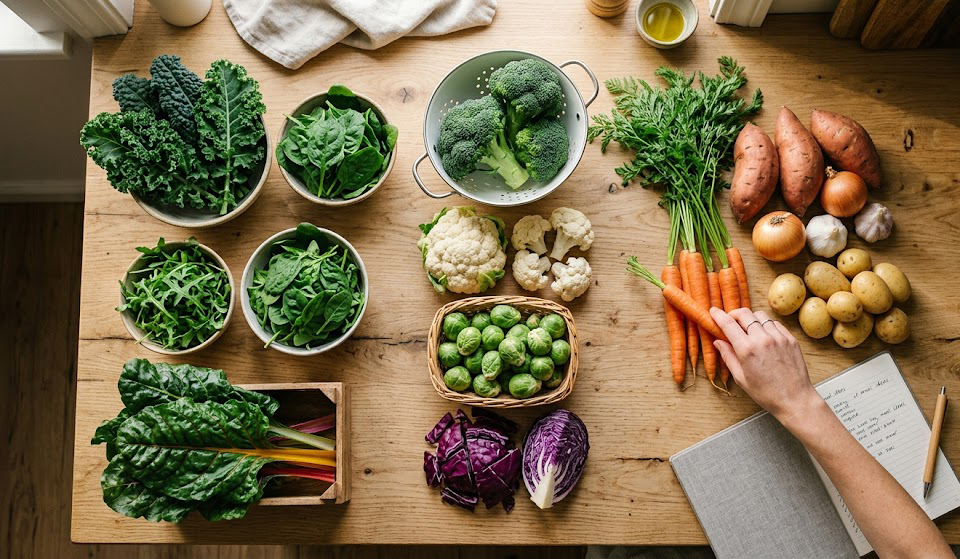
A practical weekly pattern often looks like this:
- A base of reliable vegetables (cruciferous, root vegetables, hardy greens)
- A smaller portion of delicate items (leafy greens, herbs) consumed early in the week
- Occasional additions like berries or specialty items, used intentionally rather than daily
Meals remain simple:
- Cooked vegetables paired with proteins
- Raw elements added where freshness allows
- Minimal processing
From a supply perspective, this reduces risk:
- Less spoilage
- More consistent nutrition
- Lower dependency on unpredictable items
This is the part that rarely gets emphasized.
Longevity is not achieved through intensity.
It is achieved through consistency over months and years.
Common Mistakes That Quietly Undermine Longevity Diets
Across households, restaurants, and even health-focused buyers, a few patterns appear repeatedly.
1. Overcomplicating the Diet
Many people try to follow highly detailed plans with:
- Too many ingredients
- Too many rules
- Too much variation
This often leads to fatigue and inconsistency.
A simpler system, built around 8–12 core vegetables, tends to perform better over time.
2. Ignoring Supply Reality
Planning meals without considering:
- Availability
- Seasonality
- Storage limitations
…creates friction.
When ingredients are hard to find or inconsistent in quality, routines break.
3. Confusing Price With Value
Higher-priced vegetables are not always better.
If they:
- Arrive late in their shelf life
- Spoil quickly
- Cannot be used consistently
…they deliver less value, regardless of price.
4. Relying Too Much on Visual Freshness
Appearance can be misleading.
Vegetables may look vibrant but already be:
- Several days into their lifecycle
- Nutritionally degraded
- Closer to spoilage than expected
Understanding sourcing timelines matters more than surface quality.
5. Poor Storage Habits
Even well-sourced produce loses value quickly if:
- Stored improperly
- Mixed incorrectly
- Left unused too long
This is one of the most overlooked areas in both households and commercial kitchens.
A Balanced Perspective: Benefits and Trade-Offs in the UAE Context
No sourcing method is perfect.
Understanding the trade-offs helps make better decisions.
Benefits of Structured, Wholesale-Aligned Buying
- More consistent quality over time
- Better control over cost and waste
- Greater predictability in meal planning
This is why many experienced buyers prefer fewer, more stable supply channels.
Limitations to Be Aware Of
- Requires basic planning
- Needs awareness of storage and rotation
- May not suit highly spontaneous cooking habits
For some households, flexibility is still important.
The goal is not rigid structure — but informed flexibility.
The Role of Suppliers in Longevity Outcomes
While individual habits matter, supply systems also play a role.
Suppliers influence:
- How quickly produce moves from source to kitchen
- How well temperature is controlled
- How consistently quality is maintained
In practice, buyers who work with stable, experienced distributors often experience fewer disruptions.
This is not about brand preference.
It is about operational reliability.
In many cases, suppliers working within Dubai’s wholesale ecosystem — including those aligned with distributors such as JMB Farm Fresh — observe that consistency in handling and delivery has a measurable impact on how produce performs in real kitchens.
Final Thought: The Advice Was Never the Expensive Part
The core principles behind longevity diets are not hidden.
They have been understood for years by people working closest to food systems:
- Growers
- Distributors
- Chefs
- Procurement teams
The gap is not knowledge.
It is execution.
In Dubai, where climate, imports, and handling all influence food quality, the difference between a diet that supports healthy ageing and one that does not comes down to:
- Choosing vegetables that match the environment
- Sourcing them consistently
- Handling them correctly at home or in the kitchen
Everything else is secondary.
FAQ Section
1. What are the best longevity diet vegetables in the UAE?
Vegetables that combine nutritional value with supply stability, such as broccoli, cabbage, carrots, beetroot, mushrooms, and hardy greens, tend to be the most practical choices.
2. Are organic vegetables necessary for anti-ageing diets in Dubai?
Not always. Freshness, handling, and time since harvest often have a greater impact on nutritional value than whether a product is organic.
3. Why do vegetables spoil quickly in Dubai?
High temperatures, long supply chains, and improper storage can accelerate spoilage. Maintaining cold chain conditions and proper home storage is critical.
4. Is bulk buying vegetables in Dubai a good idea?
Yes, when done thoughtfully. Combining short and long shelf-life vegetables and storing them correctly can reduce waste and improve consistency.
5. How can I maintain a consistent healthy diet in Dubai?
Focus on a stable set of vegetables, align your buying with seasonal availability, and prioritize proper storage and rotation at home.








 Home
Home  Whishlist
  Compare
  Checkout