













Introduction: Why This Debate Keeps Coming Back
Walk into any gym in Dubai, and you will hear two completely different opinions about avocado.
One group treats it like a superfood. The other avoids it because of its fat content.
This confusion is not surprising.
Dubai’s fitness culture is influenced by many trends at once — keto diets, calorie tracking, bodybuilding nutrition, and weight loss programs. Each of these approaches looks at fat differently. As a result, a simple fruit like avocado becomes misunderstood.
In practice, the question is not whether avocado contains fat. It clearly does.
The real question is:
What kind of fat is it, and how does it behave inside the body — especially for people focused on fitness and weight management in the UAE?
This article breaks that down in practical terms, without hype or oversimplification.
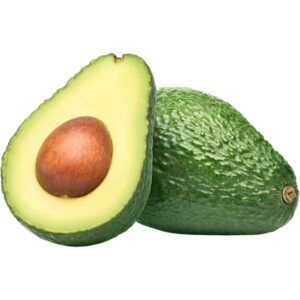
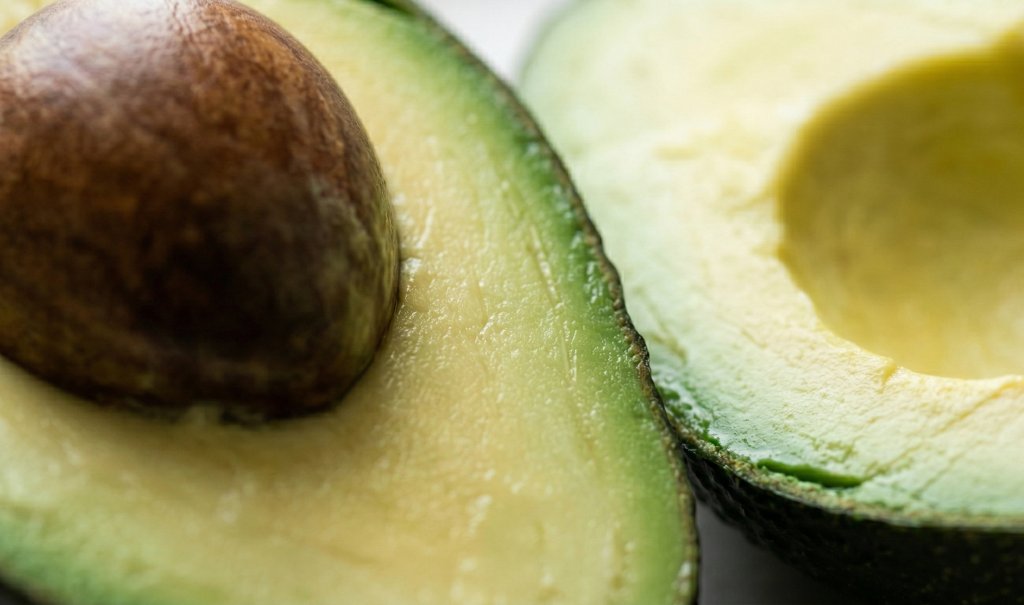
What Kind of Fat Is in Avocado?
Avocado is often labeled as a “high-fat food,” but that label alone is incomplete.
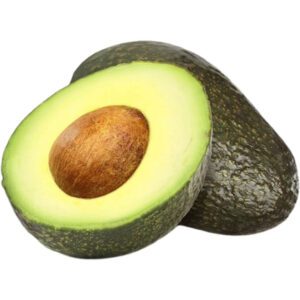
The majority of fat in avocado is monounsaturated fat, specifically oleic acid — the same type found in olive oil.
Why this matters
Not all fats behave the same way in the body:
- Saturated fats (common in processed foods and some animal products) can raise LDL cholesterol when consumed in excess
- Trans fats (industrial fats) are strongly linked to health risks
- Monounsaturated fats (like avocado) are generally associated with better heart health markers
Avocado sits firmly in the third category.
This is why nutritionists often group avocado closer to olive oil than to typical “fatty foods.”
Why Fitness Communities in Dubai Misinterpret Avocado Fat
From an industry perspective, most confusion does not come from lack of information — it comes from partial understanding.
1. Calorie-focused thinking
Many gym-goers track calories strictly.
Avocado is calorie-dense. A single medium avocado can contain around 200–250 calories.
So the logic becomes:
“High calories = bad for weight loss”
This is an oversimplification.
Calories matter, but how food affects hunger, metabolism, and nutrient intake also matters.
2. Keto vs low-fat diet conflict
Dubai has a strong keto and low-carb diet following.
- Keto promotes high fat intake (including avocado)
- Traditional weight loss diets often reduce fat
So depending on which system someone follows, avocado is either “essential” or “excess.”
Both views can be correct — but only within their own context.
3. Social media nutrition shortcuts
Short-form content often reduces nutrition into simple rules:
- “Avoid fats to lose weight”
- “Eat fats to burn fat”
Neither is universally true.
Avocado becomes a victim of this simplified messaging.
Is Avocado Good for Weight Loss in Dubai?
This is one of the most searched questions around avocado healthy fat in Dubai fitness discussions.
The practical answer is:
Avocado can support weight loss — but only when used correctly.
How it helps
- Satiety (feeling full)
Avocado slows digestion. People tend to feel full longer after eating it. - Reduced overeating
Meals that include healthy fats often reduce snacking later in the day. - Stable energy levels
Unlike high-sugar foods, avocado does not cause sharp energy spikes and crashes.
Where people go wrong
The issue is not avocado itself — it is portion size.
Common mistakes include:
- Adding avocado on top of already high-calorie meals
- Combining it with multiple fat sources (oil, nuts, sauces)
- Assuming “healthy” means “unlimited”
In real-world diet tracking, avocado often becomes an invisible calorie source.
How Much Avocado Per Day Actually Makes Sense?
For most active individuals in Dubai:
- ¼ to ½ avocado per day is a practical range
- Higher intake may work for high-calorie diets (e.g., bulking or keto)
- Lower intake may be better for strict fat-loss phases
The right amount depends on:
- Total daily calorie target
- Activity level
- Overall fat intake from other foods
There is no single “perfect number.”
Avocado vs Olive Oil: Which Fat Source Is Better?
This comparison appears frequently in UAE fitness discussions.
Both avocado and olive oil contain similar types of healthy fats.
However, they are not interchangeable.
Key differences
Avocado:
- Contains fiber
- Provides vitamins (like potassium and folate)
- More filling due to solid form
Olive oil:
- Pure fat (no fiber)
- Easier to overuse in cooking
- Less impact on fullness
From a practical standpoint:
- Use avocado when you want a complete food
- Use olive oil when you need a cooking fat or dressing
Avocado Macros: What Fitness-Oriented Buyers Should Understand
A typical avocado (medium size) roughly provides:
- Fat: ~20–25g
- Carbohydrates: ~8–10g (mostly fiber)
- Protein: ~2–3g
This makes avocado:
- Low in protein
- Low in net carbs
- High in fat
For gym-focused diets in Dubai:
- It works well as a fat source, not a protein replacement
- It pairs best with lean proteins like chicken, fish, or eggs
Does Source and Supply Affect Avocado Quality?
This is where the conversation shifts from nutrition to food supply — and where many buyers in the UAE feel uncertain.
Not all avocados in Dubai are the same.
Common origins in UAE supply chains
- Kenya
- Mexico
- Peru
- South Africa
Each source differs in:
- Oil content
- Texture
- Ripening behavior
- Shelf life
For example:
- Kenyan avocados are often larger and more affordable
- Mexican Hass avocados tend to have richer texture and flavor
Why this matters for fitness users
If you are tracking macros and consistency:
- Inconsistent ripeness = inconsistent portion size
- Poor-quality fruit = higher waste
- Overripe or underripe fruit = reduced usability
In practice, suppliers working closely with Dubai-based distributors such as JMB Farm Fresh often observe that buyers prefer consistent sizing and predictable ripening over just low price.
The Hidden Problem: Ripeness and Waste in Dubai Kitchens
One of the biggest frustrations around avocado in Dubai is not fat content — it is usability.
Common issues:
- Bought too hard → unusable for 2–3 days
- Bought too soft → spoils quickly
- Cut too early → texture is unpleasant
This leads to:
- Food waste
- Inconsistent meal planning
- Frustration for both households and food businesses
Practical handling tips
- Store unripe avocados at room temperature
- Refrigerate once ripe
- Avoid cutting until ready to eat
- Plan usage within 1–2 days after ripening
For bulk buyers (restaurants, meal prep businesses), this becomes even more critical.
Seasonal Reality: Avocado Supply in the UAE
Unlike local vegetables, avocados in Dubai are fully import-dependent.
This creates seasonal patterns:
- Supply shifts between countries throughout the year
- Prices fluctuate based on global harvest cycles
- Quality varies depending on shipping time and storage
During certain periods:
- Larger sizes may dominate the market
- Oil content may be lower or higher depending on origin
- Ripening times may become less predictable
For fitness-focused consumers, this explains why:
“The same avocado feels different every few months.”
What Most Articles Get Wrong About Avocado Fat
After reviewing common online content, a pattern appears.
Most articles:
- Focus only on health benefits
- Ignore portion control
- Avoid discussing real-world usage challenges
- Do not consider supply chain variability
This creates a gap between:
- What people read online
- What they experience in daily life in Dubai
Bridging that gap requires understanding both nutrition and sourcing realities.
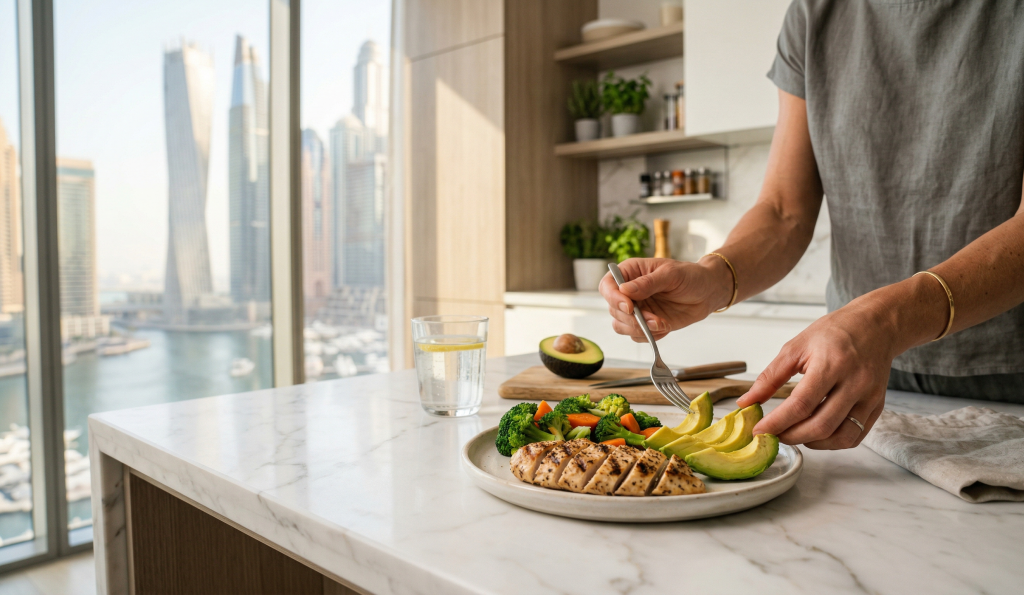
How Avocado Fits Into Different Dubai Fitness Diets
One reason avocado keeps coming up in debates is that it behaves differently depending on the diet framework being used.
In Dubai, you will commonly see three patterns:
- Keto / low-carb diets
- Calorie-controlled fat loss diets
- High-performance or muscle-building diets
Each treats avocado differently.
Avocado in Keto and Low-Carb Diets
In keto-style diets, avocado is often considered a staple.
This is because:
- It is high in fat
- It is low in net carbohydrates
- It helps maintain satiety without raising blood sugar significantly
For individuals following strict carbohydrate limits, avocado becomes a reliable daily food.
However, even here, there is a practical limitation.
Too much avocado can:
- Push calorie intake higher than intended
- Displace other nutrient sources like protein or vegetables
So while keto supports avocado intake, it still requires balance.
Avocado in Calorie-Controlled Fat Loss Diets
In more traditional fat-loss approaches, the goal is to maintain a calorie deficit.
Here, avocado becomes more strategic.
It is used:
- In smaller portions
- As a replacement for less beneficial fats (like processed oils or heavy sauces)
- To improve meal satisfaction without increasing total food volume too much
For example:
Instead of adding both mayonnaise and oil, some meal plans replace them with a small portion of avocado.
This reduces processed fat intake while keeping meals enjoyable.
Avocado in Muscle-Building Diets
For individuals focused on muscle gain:
- Calorie intake is higher
- Fat intake is not restricted as tightly
In this context, avocado can:
- Add calories without requiring large meal volumes
- Support overall energy intake
- Complement protein-heavy meals
However, it still does not replace protein.
This is a common misunderstanding among newer gym-goers.
Avocado supports the diet — it does not drive muscle growth on its own.
The Practical Side: How Dubai Buyers Actually Use Avocado
From a supply and procurement perspective, avocado usage in Dubai varies widely depending on the buyer.
1. Households and fitness-focused individuals
Most common uses include:
- Breakfast bowls with eggs or toast
- Smoothies
- Salads
- Simple side portions with grilled protein
The main concerns here are:
- Ripeness timing
- Portion control
- Avoiding waste
2. Meal prep businesses
Meal prep companies in Dubai rely on consistency.
Their challenges include:
- Maintaining portion accuracy across hundreds of meals
- Managing ripening cycles in bulk
- Reducing spoilage
Inconsistent avocado quality can directly affect:
- Customer experience
- Food cost margins
3. Restaurants and cafés
Restaurants often use avocado for:
- Presentation (plating, color contrast)
- Texture (creaminess without dairy)
- Premium menu positioning
For them, the priorities are different:
- Visual quality
- Texture consistency
- Reliable supply
Even slight variations in ripeness can affect how a dish looks and feels.
Wholesale vs Retail: Does It Affect Avocado Quality?
This is a common concern in UAE discussions:
“Is wholesale avocado lower quality than supermarket avocado?”
The reality is more nuanced.
Wholesale sourcing
Advantages:
- Better consistency in batch size and origin
- More predictable ripening when handled properly
- Often fresher due to faster turnover
Limitations:
- Requires planning and storage management
- Larger quantities increase risk if not used properly
Retail sourcing (supermarkets)
Advantages:
- Convenience
- Smaller quantities
- Ready-to-eat options available
Limitations:
- Mixed ripeness in the same batch
- Less transparency about origin
- Higher price per unit
In practice, experienced buyers — especially in food service — often prefer structured wholesale supply.
Some UAE buyers choose to work with established distributors rather than sourcing from multiple retail outlets, simply to reduce variability.
Why Prices Fluctuate So Much in Dubai
Avocado pricing in Dubai is one of the most discussed topics in food supply circles.
It can change noticeably within weeks.
Key reasons
- Global harvest cycles
Different countries supply at different times of the year - Shipping and logistics conditions
Delays can affect both quality and availability - Demand spikes
Trends like keto diets increase demand suddenly - Size and grade variations
Larger or premium-grade fruit is priced differently
What buyers often misunderstand
Price changes are not random.
They are usually tied to:
- Supply transitions between countries
- Seasonal production shifts
- Import timing
Understanding this helps buyers make better decisions instead of reacting to short-term price changes.
Common Mistakes People Make With Avocado in Dubai
Across households, gyms, and businesses, a few patterns appear repeatedly.
1. Treating avocado as “free calories”
Because it is considered healthy, people stop tracking it properly.
This leads to:
- Higher total calorie intake
- Slower progress in fat loss goals
2. Ignoring ripeness when buying
Buying without checking ripeness leads to:
- Immediate waste (too soft)
- Delayed usage (too hard)
Both disrupt meal planning.
3. Mixing too many fat sources in one meal
A common gym meal might include:
- Avocado
- Olive oil
- Nuts
- Fatty protein
Individually, each is fine.
Together, they can push fat intake much higher than intended.
4. Expecting identical taste and texture year-round
Because avocados are imported, consistency changes over time.
Buyers who expect uniform quality often feel disappointed.
In reality, variation is part of the supply chain.
How to Use Avocado More Effectively (Practical Guidance)
Instead of treating avocado as a trend-driven food, it helps to use it with intention.
Simple, practical approach
- Use avocado as one fat source per meal
- Pair it with lean protein
- Adjust portion based on your daily calorie target
- Plan purchases based on ripeness stage
For fitness-focused individuals
A balanced plate might look like:
- Grilled chicken or fish
- Vegetables
- Small portion of avocado
This keeps:
- Protein high
- Fat controlled
- Meals satisfying
For buyers managing supply
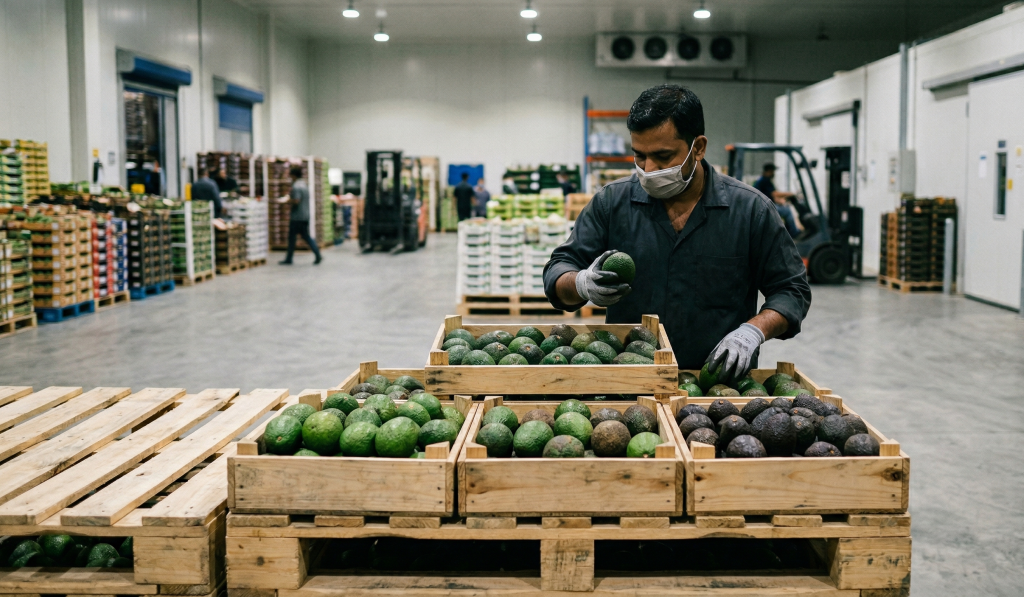
- Order in stages (not all ripe at once)
- Monitor daily usage patterns
- Train staff on ripeness handling
These small adjustments can significantly reduce waste.
The Bigger Picture: Why Avocado Became So Popular in Dubai
Avocado’s rise in Dubai is not random.
It aligns with broader shifts in food consumption:
- Increased focus on fitness and body composition
- Growth of health-conscious cafés and meal prep services
- Greater awareness of ingredient quality
It also fits well into:
- International cuisines
- Modern plating styles
- Nutrient-dense meal planning
However, popularity often brings oversimplification.
That is where confusion begins.
What the Science Actually Says — Without the Noise
After filtering through diet trends, gym advice, and online content, the scientific position on avocado fat is relatively stable.
It is not controversial in research. It is only controversial in interpretation.
Core scientific understanding
- The fat in avocado is primarily monounsaturated fat
- Diets including this type of fat are generally associated with:
- Improved lipid profiles (better cholesterol balance)
- Better satiety (feeling full longer)
- Support for overall dietary quality
However, science does not claim that avocado alone:
- Causes weight loss
- Burns fat directly
- Replaces the need for calorie control
This is where many interpretations go wrong.
Why avocado feels “different” in the body
From a practical standpoint, people often report:
- Feeling full after smaller portions
- More stable energy levels
- Less desire to snack
This is not because avocado is “special” in a magical way.
It is because:
- Fat slows digestion
- Fiber adds bulk
- The combination reduces rapid hunger signals
What science does NOT support
It is equally important to clarify what is not supported:
- Eating large amounts of avocado does not accelerate fat loss
- Replacing all fat sources with avocado is not necessary
- Avoiding avocado entirely due to fat content is not required
Most benefits come from moderation and context, not extremes.
A Ground-Level Perspective From the UAE Food Supply Side
When you step away from theory and look at how avocado is actually used in Dubai, a clearer picture emerges.
Buyers are not debating molecules. They are dealing with:
- Cost fluctuations
- Ripeness unpredictability
- Storage limitations
- Waste management
For many, the real question is not:
“Is avocado healthy?”
It is:
“Is avocado practical to use consistently?”
Where nutrition and supply meet
A fitness-focused diet only works when it is sustainable.
That depends on:
- Consistent product quality
- Predictable availability
- Manageable cost
Inconsistent avocado supply can lead to:
- Switching to other fat sources
- Reduced usage frequency
- Increased food waste
This is why some buyers shift between avocado, olive oil, nuts, and seeds depending on market conditions.
A Balanced View: Benefits and Tradeoffs
To move beyond the debate, it helps to look at avocado objectively.
Benefits
- Nutrient-dense (healthy fats, fiber, micronutrients)
- Supports satiety and meal satisfaction
- Versatile across cuisines and meal types
- Aligns with multiple diet frameworks (keto, balanced diets, etc.)
Tradeoffs
- Calorie-dense — easy to overconsume
- Requires careful handling due to ripeness
- Fully import-dependent in the UAE
- Quality varies by origin and season
The practical conclusion
Avocado is not a “must-have” food.
It is a useful tool within a well-structured diet.
Like any ingredient, its value depends on:
- How it is used
- How much is used
- How consistently it can be sourced
Final Thoughts: Why the Argument Will Continue
The debate around avocado fat in Dubai’s fitness community is unlikely to disappear.
Not because the science is unclear, but because:
- Diet trends will continue to evolve
- Social media will continue simplifying complex topics
- Individual results will always vary
In reality, both sides of the argument are partially right.
Avocado is:
- High in fat
- Calorie-dense
- Nutritionally valuable
- Useful for certain goals, less critical for others
The key is not choosing a side.
It is understanding context.
FAQ — Avocado and Fitness in Dubai
1. Is avocado healthy fat for gym diets in Dubai?
Yes. Avocado contains monounsaturated fat, which is generally considered beneficial. It supports satiety and fits well into balanced or low-carb diets when portioned correctly.
2. Can avocado help with weight loss in the UAE?
It can support weight loss by improving fullness and reducing overeating. However, it must be included within a calorie-controlled diet.
3. How much avocado should I eat per day for fitness?
For most people, ¼ to ½ avocado per day is a practical range. The exact amount depends on total calorie needs and activity level.
4. Is avocado better than olive oil for fat intake?
They serve different roles. Avocado provides fiber and nutrients, while olive oil is a pure fat source. Both can be used depending on the meal.
5. Why does avocado quality vary in Dubai?
Dubai imports avocados from multiple countries. Differences in origin, harvest timing, and shipping conditions affect texture, taste, and ripening behavior.








 Home
Home  Whishlist
  Compare
  Checkout