














Introduction
Over the past few years, Dubai has moved from being a fast-growing food destination to one of the most closely watched culinary cities in the world. Its recognition as one of the world’s leading food cities is not just about restaurants, chefs, or dining experiences.
It is about ingredients.
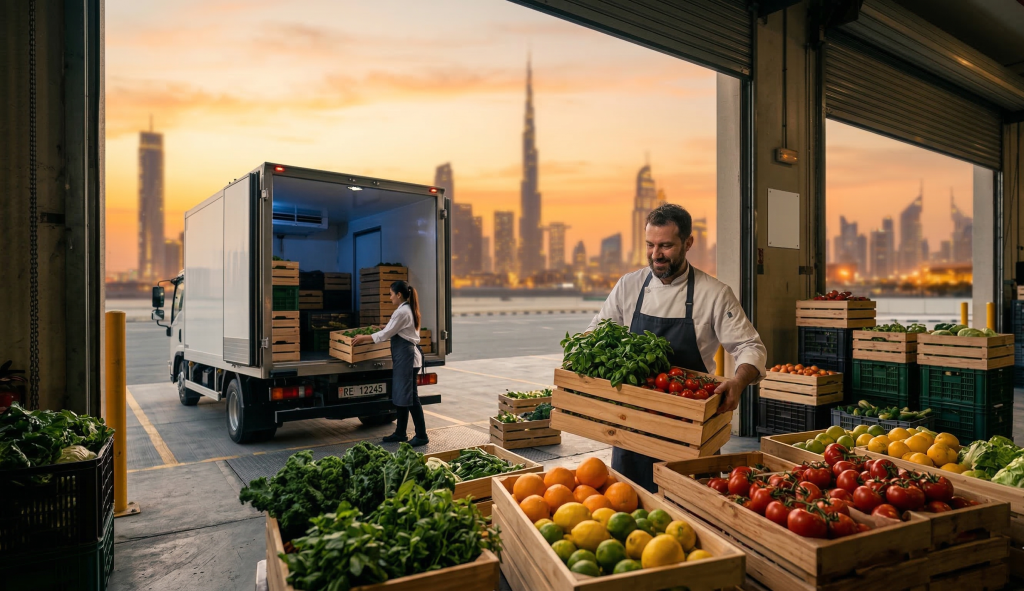
Behind every well-executed dish in Dubai — whether in a Michelin-recognized restaurant, a hotel buffet, or a family kitchen — is a complex supply chain built around sourcing, quality control, and consistency.
For buyers, this shift has changed expectations. It has raised the standard for what counts as “fresh,” what defines quality, and how ingredients are sourced in a city that relies heavily on both imports and controlled local agriculture.
This article explores what that recognition really means for produce buyers — from restaurant procurement managers to households — and how the role of a fresh produce supplier in Dubai in 2026 has quietly evolved.
Dubai’s Rise as a Global Food City: More Than Dining
Most coverage focuses on restaurant rankings, new openings, and chef-led concepts. But from a supply perspective, something more important is happening.
As Dubai attracts global culinary talent, it also imports their expectations:
- Consistent ingredient quality
- Predictable supply schedules
- Seasonal awareness
- Transparency in sourcing
This creates pressure on the entire ecosystem — especially suppliers.
A decade ago, buyers often worked around what was available. Today, availability is expected to align with menu planning, not the other way around.
This is one reason why conversations around restaurant ingredients sourcing in Dubai have become more structured and less reactive.
What “Second-Best Food City” Means for Produce Standards
Recognition at a global level doesn’t just elevate restaurants. It standardizes expectations across the market.
1. Consistency Is Now Non-Negotiable
In high-end kitchens, inconsistency is more damaging than occasional shortages.
For example:
- Tomatoes that vary in firmness disrupt plating and prep time
- Leafy greens with inconsistent shelf life increase daily waste
- Herbs losing aroma within 24 hours affect final dish quality
As a result, suppliers are now judged less on price and more on reliability over time.
This is one of the key changes shaping how buyers choose a fresh produce supplier in Dubai in 2026.
2. Visual Quality Is Only One Part of the Equation
A common misunderstanding — especially among new buyers — is that appearance equals quality.
In reality, experienced chefs and procurement teams look for:
- Ripeness at delivery (not just color)
- Internal texture (especially for fruits like mango, avocado, tomatoes)
- Shelf stability under kitchen conditions
- Flavor consistency across batches
Supermarket produce often looks uniform because it is graded for retail display. Wholesale produce, on the other hand, is often selected for performance in real kitchen environments.
This difference explains why some wholesale buyers report better results despite less “perfect” appearance.
3. Traceability Is Becoming More Important
As Dubai’s food scene matures, buyers are asking more questions:
- Where was this grown?
- How long was it in transit?
- Is it greenhouse-grown or open-field?
This is especially relevant for premium dining and health-conscious consumers.
Suppliers that can provide clear sourcing information are becoming more trusted over time, particularly in segments tied to Michelin restaurant produce in the UAE.
The Shift in Produce Sourcing: From Convenience to Strategy
Why Traditional Buying Habits Are Changing
Many buyers — especially households and smaller businesses — still rely on retail stores for convenience.
But this model comes with trade-offs:
- Higher per-unit cost
- Shorter shelf life due to prior handling
- Limited control over sourcing batches
In contrast, wholesale sourcing introduces more control but requires planning.
Wholesale vs Retail: What Buyers Often Get Wrong
There is a long-standing belief that wholesale produce is lower quality. In practice, this comes from misunderstanding how supply chains work.
Retail supply chain:
- Produce passes through multiple handling points
- Often stored longer before reaching shelves
- Selected for visual appeal
Wholesale supply chain:
- Shorter path from importer or farm to buyer
- Larger volumes, often fresher batches
- Selected based on use-case (kitchen vs display)
The result is not always obvious at first glance, but becomes clear over time — especially in reduced spoilage and better taste.
Common Concerns Buyers Have (And What Actually Happens)
“Why Do Prices Change So Often?”
Price volatility is one of the most discussed topics in UAE produce markets.
The reasons are usually practical, not arbitrary:
- Import dependency for many fruits and vegetables
- Seasonal shifts in exporting countries
- Freight costs and temperature-controlled logistics
- Weather disruptions affecting supply
For example, during certain months, leafy greens may fluctuate due to temperature changes in local hydroponic farms, while imported berries may vary based on air freight availability.
Understanding this helps buyers plan instead of reacting.
“Is Local Produce Always Better?”
Not necessarily — but it depends on the category.
Local UAE produce (often greenhouse or hydroponic):
- Strong in leafy greens, herbs, cucumbers
- Shorter travel time
- More predictable freshness
Imported produce:
- Essential for variety (berries, tropical fruits, some root vegetables)
- Often superior in peak season from origin countries
A balanced sourcing strategy usually works best.
“How Do I Judge Freshness Properly?”
This is where many buyers rely too heavily on appearance.
More reliable indicators include:
- Smell (especially for herbs and leafy greens)
- Firmness relative to ripeness stage
- Moisture content (too dry or too wet both indicate issues)
- Packaging condition (condensation can signal temperature breaks)
Experienced buyers develop this skill over time, but even small adjustments can reduce waste significantly.
Seasonal Reality: Why Winter Matters in the UAE
Winter is often described as the “best season” for produce in the UAE, but the reason is not always clearly explained.
From a supply perspective, winter brings:
- Improved conditions for local farms
- Higher quality leafy greens and herbs
- More stable supply cycles
- Reduced spoilage risk during transport
At the same time, global supply also stabilizes for many imported products.
This creates a window where both local and imported produce perform well — something buyers can take advantage of through better planning.
The Hidden Cost of Inconsistent Produce
Most discussions around produce focus on price per kilogram. But in practice, inconsistency creates larger hidden costs:
- Kitchen inefficiency (extra prep time)
- Menu inconsistency (affects customer experience)
- Increased waste
- Last-minute reordering
For restaurants and catering businesses, these factors often outweigh small price differences between suppliers.
This is one reason why many experienced buyers gradually shift toward fewer, more reliable sourcing partners.
How Professional Buyers Approach Sourcing Today
In today’s Dubai market, sourcing is less about finding the cheapest option and more about managing risk.
Professional buyers typically:
- Work with 1–2 core suppliers instead of many
- Plan weekly rather than daily purchases
- Adjust menus based on seasonal availability
- Monitor consistency, not just price
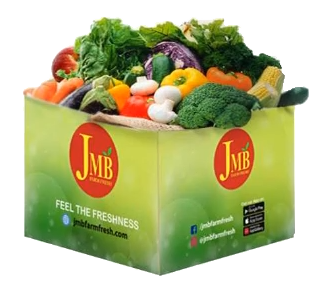
In practice, suppliers working closely with Dubai-based distributors such as JMB Farm Fresh often observe that long-term relationships lead to more stable outcomes than constantly switching sources.
What This Means for Everyday Buyers
Even if you are not running a restaurant, these shifts still affect you.
As Dubai’s food ecosystem becomes more refined:
- Retail standards improve
- Expectations for freshness increase
- Awareness of sourcing grows
This is why more households are exploring alternatives beyond traditional supermarket buying, especially for weekly produce needs.
A More Informed Way to Think About Produce
Instead of asking:
“Where is this cheapest?”
Buyers are increasingly asking:
- How long will this last?
- How consistent is the quality?
- How reliable is the supply week to week?
These questions reflect a more mature market — one shaped by global culinary standards rather than convenience alone.
How Ingredient Expectations Are Changing Inside Professional Kitchens
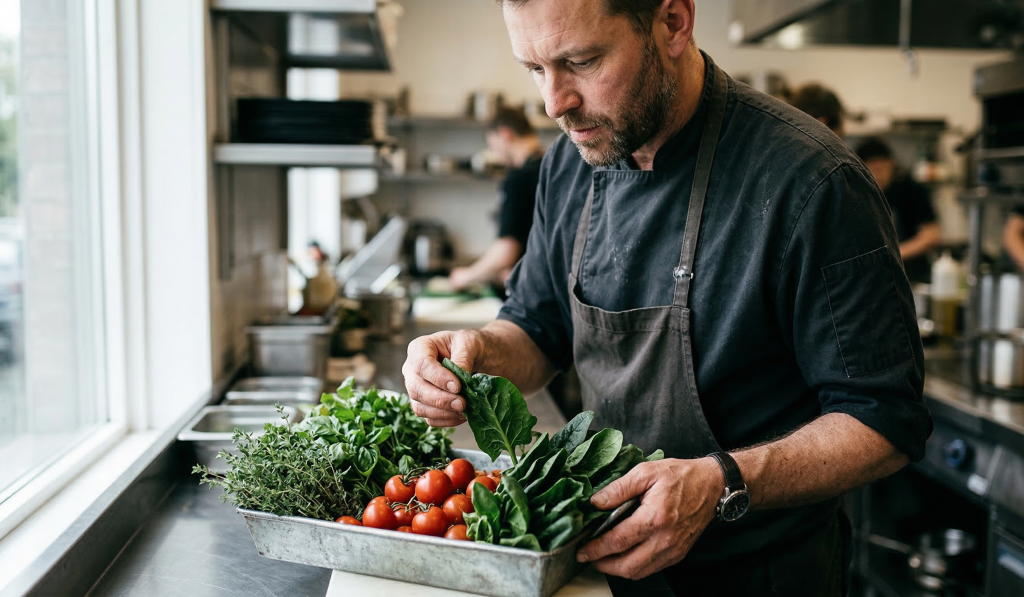
As Dubai’s dining scene matures, the internal standards within kitchens are becoming more structured. This has a direct impact on how ingredients are sourced, handled, and evaluated.
The Move Toward Predictability
In many kitchens today, unpredictability is treated as a risk, not an inconvenience.
For example:
- A chef planning a weekly menu expects tomatoes to behave the same way every delivery
- A pastry section depends on fruit sweetness levels staying within a narrow range
- Salad stations rely on greens lasting through service without rapid deterioration
This means suppliers are no longer just delivering produce — they are expected to deliver predictability.
Why “Same Product” Doesn’t Always Mean Same Performance
One common frustration among buyers is receiving the same product name, but with different results.
For instance:
- Two batches of avocados may look similar but ripen at different speeds
- Strawberries may vary in sweetness depending on origin and harvest timing
- Potatoes may differ in starch content, affecting cooking outcomes
This variation often comes from:
- Different growing regions
- Harvest timing
- Storage and transport conditions
Experienced buyers learn to ask not just what the product is, but where it came from and when it was harvested.
The Role of a Modern Fresh Produce Supplier in Dubai (2026)
The expectations placed on suppliers have changed significantly. It is no longer just about availability.
A capable supplier today is expected to manage several moving parts at once:
1. Supply Chain Coordination
Dubai relies heavily on imports. This means suppliers must coordinate:
- Multiple origin countries
- Shipping timelines (air vs sea freight)
- Temperature-controlled storage
- Customs and clearance timing
Even small delays can affect product condition on arrival.
2. Quality Sorting and Batch Selection
Not all produce in a shipment is equal.
Suppliers often sort batches based on:
- Ripeness stage
- Size and grading
- Intended use (retail vs kitchen)
This is why two buyers ordering the same product may receive slightly different selections based on their needs.
3. Communication With Buyers
Clear communication has become more valuable than ever.
Instead of simply delivering what is available, suppliers increasingly:
- Inform buyers of expected shortages
- Suggest alternatives during seasonal gaps
- Provide guidance on handling and storage
This reduces last-minute issues, especially in high-volume kitchens.
Common Mistakes Buyers Still Make
Despite the market becoming more sophisticated, certain patterns still appear across both businesses and households.
Mistake 1: Overbuying Without Understanding Shelf Life
Buying in bulk can reduce cost, but only if the product is used before it deteriorates.
Common issues include:
- Leafy greens wilting before use
- Fruits overripening too quickly
- Herbs losing aroma within days
A better approach is aligning purchase volume with actual usage patterns.
Mistake 2: Treating All Produce the Same
Different products require different handling.
For example:
- Tomatoes should not be stored the same way as leafy greens
- Herbs need moisture control but not excess water
- Root vegetables have longer storage windows but require ventilation
Ignoring these differences often leads to avoidable waste.
Mistake 3: Focusing Only on Price Per Unit
A lower purchase price does not always mean better value.
If cheaper produce:
- Spoils faster
- Requires more trimming
- Leads to inconsistent dishes
…the effective cost becomes higher.
This is why many experienced buyers evaluate produce based on usable yield, not just purchase price.
Understanding Import vs Local Supply in Practical Terms
The conversation around “local vs imported” produce is often oversimplified.
In reality, both play essential roles in Dubai’s food system.
Local Production: Strengths and Limits
Local farms — especially hydroponic systems — have improved significantly.
They offer:
- Reliable leafy greens
- Consistent herbs
- Reduced transit time
However, limitations include:
- Restricted crop variety
- Sensitivity to extreme summer conditions
- Higher production costs in some cases
Imported Produce: Necessary for Variety
Imports remain critical for:
- Tropical fruits
- Berries
- Specialty vegetables
At peak season, imported produce can outperform local options in both flavor and consistency.
The key is timing.
Buying strawberries during their natural peak season from origin countries often results in better quality than off-season alternatives.
How Seasonality Actually Affects Your Plate
Seasonality in Dubai is less visible than in countries with traditional farming cycles, but it still plays a major role.
What Changes With the Seasons?
- Source countries shift (e.g., Europe to Africa to Asia)
- Transport methods vary
- Product quality fluctuates
- Prices adjust accordingly
For example:
- Citrus fruits are more stable during winter months
- Leafy greens improve locally in cooler weather
- Certain imports become less viable during extreme heat periods
Why Ignoring Seasonality Creates Problems
When buyers ignore seasonal patterns, they often face:
- Higher prices
- Lower quality
- Reduced availability
This is particularly noticeable in categories like berries and herbs.
Aligning purchasing decisions with seasonal strengths can significantly improve outcomes without increasing costs.
Real-World Scenario: Restaurant vs Household Buying
Restaurant Perspective
A mid-sized restaurant typically:
- Orders multiple times per week
- Requires consistent product behavior
- Balances cost with performance
Their focus is operational efficiency.
Household Perspective
A household buyer:
- Shops once or twice a week
- Prioritizes convenience
- Often judges quality visually
Their focus is ease and familiarity.
Where the Gap Exists
The difference lies in understanding.
Restaurants evaluate produce based on:
- Yield
- Shelf life
- Performance in cooking
Households often focus on:
- Appearance
- Immediate freshness
- Price
As awareness grows, this gap is slowly narrowing.
The Quiet Shift Toward Fewer, Stronger Supplier Relationships
One noticeable trend across Dubai’s food industry is consolidation in sourcing.
Instead of working with multiple small vendors, buyers are increasingly choosing:
- Fewer suppliers
- Longer-term relationships
- More predictable outcomes
This reduces variability and improves planning.
Some UAE buyers prefer working with established wholesale produce providers rather than fragmented retail sourcing, especially when consistency becomes more important than convenience.
What Buyers Can Do Differently Today
Even small changes in how produce is sourced and handled can make a noticeable difference.
Practical Adjustments
- Plan purchases based on actual consumption, not assumptions
- Pay attention to seasonality, even in a global supply market
- Evaluate suppliers based on consistency, not just price
- Learn basic storage techniques for different categories
- Ask questions about origin and harvest timing when possible
These steps are simple but often overlooked.
Looking Ahead: The Next Phase of Dubai’s Food Supply Evolution
As Dubai continues to grow as a global food destination, expectations will likely increase further.
We can expect:
- Greater demand for traceability
- More emphasis on sustainability
- Improved cold-chain logistics
- Stronger alignment between suppliers and chefs
For buyers, this means one thing: sourcing decisions will matter more than ever.
A Practical Framework for Smarter Produce Sourcing
As expectations rise across Dubai’s food ecosystem, buyers benefit from having a simple way to evaluate their sourcing decisions.
This does not require advanced industry knowledge. It comes down to asking the right questions and observing patterns over time.
1. Start With Intended Use, Not Just Product Name
Before placing an order, consider how the product will be used.
For example:
- Will the tomatoes be used for salads, sauces, or plating?
- Are the herbs for garnish or cooking?
- Is the fruit meant for immediate use or ripening over several days?
The same product can perform very differently depending on its intended use.
2. Track Shelf Life, Not Just Freshness at Delivery
A product that looks fresh on arrival but deteriorates quickly creates hidden cost.
Over time, buyers should observe:
- How long leafy greens stay crisp
- How evenly fruits ripen
- How much trimming is required before use
These patterns often reveal more about supplier quality than first impressions.
3. Build Awareness of Seasonal Strengths
Instead of expecting every product to perform equally year-round, align expectations with seasonal patterns.
For example:
- Winter months often bring stronger leafy greens and herbs locally
- Certain fruits perform best when sourced from specific regions during peak harvest
- Off-season items may require adjusted expectations or substitutions
This reduces frustration and improves consistency.
4. Reduce Complexity in Sourcing
Working with too many suppliers can create variability.
Each supplier may:
- Source from different origins
- Apply different grading standards
- Handle storage differently
Reducing the number of sourcing points can lead to more predictable outcomes over time.
Tradeoffs Buyers Should Be Aware Of
No sourcing method is perfect. Understanding tradeoffs helps buyers make better decisions.
Wholesale Sourcing: Benefits and Limits
Benefits:
- Fresher batches in many cases
- Better control over volume
- Potentially lower cost per unit
Limitations:
- Requires planning
- May include variation in appearance
- Not always convenient for small purchases
Retail Sourcing: Benefits and Limits
Benefits:
- Convenience
- Immediate availability
- Smaller quantities
Limitations:
- Higher cost per unit
- Shorter remaining shelf life
- Less control over sourcing origin
The Role of Trust in Produce Buying
As the market becomes more complex, trust becomes a key factor.
Reliable suppliers are not defined by perfect deliveries every time. Instead, they are defined by:
- Consistency over weeks and months
- Transparent communication during supply changes
- Willingness to guide buyers when conditions shift
In practice, this is why many buyers move away from transactional purchasing toward relationship-based sourcing.
Why This Matters More in 2026 Than Before
Dubai’s recognition as one of the world’s leading food cities has raised expectations across all levels — not just fine dining.
Even casual dining, catering businesses, and households are becoming more aware of:
- Ingredient quality
- Sourcing practices
- Seasonal variation
This creates a more informed market.
It also means that poor sourcing decisions are more noticeable than before.
A Quiet Example From the Market
In practice, suppliers working closely with Dubai-based distributors such as JMB Farm Fresh often observe that buyers who focus on consistency and communication — rather than short-term pricing — tend to reduce waste and improve overall outcomes over time.
This is not about choosing one supplier over another.
It is about changing how sourcing decisions are made.
Final Thoughts: What Ends Up on Your Plate Starts Long Before the Kitchen
Dubai’s rise as a global food city is often celebrated through restaurants and chefs.
But the real shift is happening earlier — at the sourcing stage.
Every ingredient passes through a chain of decisions:
- Where it is grown
- When it is harvested
- How it is transported
- Who selects it
- How it is handled before use
Understanding this process helps buyers — whether professional or household — make better choices.
And in a market like Dubai, those choices now have a visible impact on quality, consistency, and cost.
FAQ Section
1. What defines a good fresh produce supplier in Dubai in 2026?
A good supplier is consistent over time, communicates clearly about availability, and provides produce suited to the buyer’s intended use — not just visually appealing products.
2. Is wholesale produce always fresher than supermarket produce?
Not always, but wholesale often involves fewer handling stages, which can result in fresher batches depending on the product and supplier.
3. Why do fruit and vegetable prices fluctuate in Dubai?
Prices change due to import dependency, seasonal availability in origin countries, logistics costs, and weather conditions affecting supply.
4. Is local UAE produce better than imported produce?
Local produce is often fresher for certain categories like leafy greens, while imported produce can be better during peak harvest seasons for specific fruits and vegetables.
5. How can buyers reduce waste when buying fresh produce?
By aligning purchase volume with usage, understanding storage needs, and choosing suppliers with consistent product quality.








 Home
Home  Whishlist
  Compare
  Checkout