














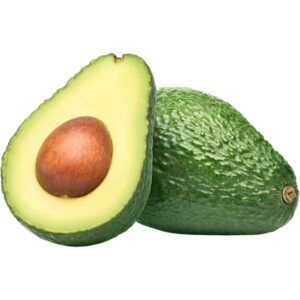


Introduction: A Familiar Fruit, Often Misunderstood
Walk through any supermarket in Dubai, and you will see it everywhere.
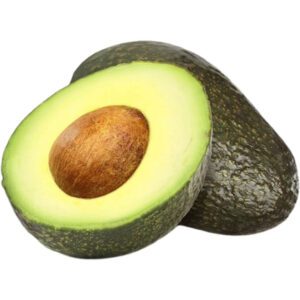
Avocados stacked neatly, often priced higher than most fruits, sometimes firm, sometimes ready to eat. Many people pick them up without much thought. Others avoid them, assuming they are “too fatty” to be healthy.
At the same time, conversations around weight management in the UAE are becoming more common. Families, restaurant buyers, and even procurement managers are paying closer attention to what goes into daily meals.
Here is where confusion starts.
A fruit known for its fat content is also one of the most recommended foods by nutritionists when discussing weight balance, satiety, and long-term eating habits.
This article looks at why avocado keeps appearing in those conversations, how it actually works in the body, and what buyers in Dubai—both households and businesses—often misunderstand about it.
Why Avocado Keeps Showing Up in Weight Loss Conversations
Search for “avocado weight loss UAE Dubai”, and you will see a pattern.
Most articles repeat the same points:
- “Healthy fats”
- “Keeps you full”
- “Good for diet”
But very few explain what that actually means in real, everyday eating.
The Real Reason: Satiety, Not Magic
Avocado does not “burn fat.”
It changes how you eat.
It does this in three practical ways:
- Slows digestion
The fat and fiber combination means food stays in your system longer. - Reduces sudden hunger spikes
Meals with avocado tend to prevent sharp drops in energy. - Helps portion control indirectly
When you feel full, you naturally eat less later.
For many Dubai residents, the issue is not one large meal.
It is frequent snacking, sugary drinks, and inconsistent meal timing.
Avocado works best in that environment because it stabilizes appetite.
Understanding “Healthy Fats” Without the Buzzwords
The phrase “healthy fats avocado UAE” is used everywhere, but often without clarity.
Let’s simplify it.
Avocados are rich in monounsaturated fats.
These are the same type of fats found in olive oil.
Why That Matters in Real Diets
In practical terms:
- They are energy-dense but stable
- They do not cause rapid spikes like refined carbs
- They support longer-lasting fullness
Compare this to a typical quick breakfast:
- White bread
- Sweet tea
- Packaged juice
You feel full for a short time, then hungry again.
Now compare it to:
- Whole grain toast
- Half an avocado
- Eggs or yogurt
The difference is not calories alone.
It is how long the meal keeps you satisfied.
A Common Misunderstanding in Dubai: “Fat Makes You Gain Weight”
This belief is still very common across households and even some food businesses.
It leads to choices like:
- Low-fat but high-sugar products
- Skipping fats completely
- Over-reliance on refined carbohydrates
The Reality
Weight gain is not caused by fat alone.
It is more closely linked to:
- Total calorie intake over time
- Highly processed foods
- Frequent insulin spikes from sugar-heavy meals
Avocado, despite being calorie-dense, often reduces total intake across the day.
That is why many nutritionists include it in structured meal plans in Dubai.
Why This Matters for Restaurants and Food Buyers
This is not just a household conversation.
Restaurant owners, café operators, and catering businesses are quietly adjusting menus based on changing customer behavior.
There is a visible shift toward:
- Balanced bowls
- Avocado toast variations
- Fresh salads with healthy fats
What Buyers Are Noticing
From procurement discussions and supplier feedback:
- Customers are asking for “lighter but filling” meals
- Dishes with avocado have higher perceived value
- Consistency in avocado quality affects repeat orders
However, there is also hesitation.
Some buyers assume:
- Avocados spoil too fast
- Quality is inconsistent
- Pricing fluctuates too much
These concerns are valid—but often misunderstood.
The Supply Reality: Why Avocado Quality Feels Inconsistent
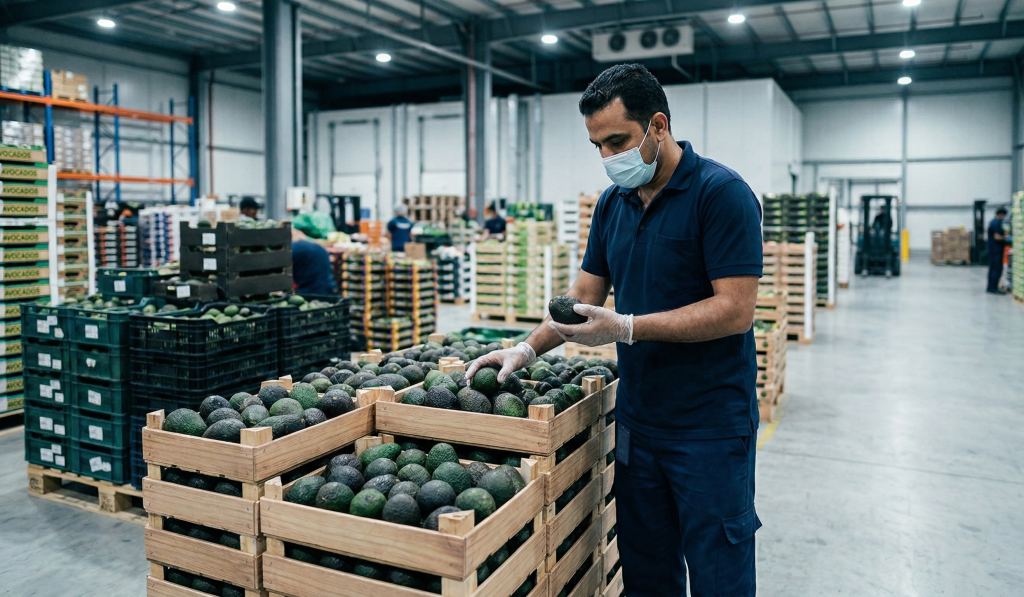
In Dubai, most avocados are imported.
Common origins include:
- Kenya
- Mexico
- Peru
Each origin behaves differently in terms of:
- Ripening time
- Oil content
- Texture
What Buyers Experience
This leads to common complaints:
- “It was hard for days, then suddenly overripe”
- “Texture was watery”
- “Taste was bland”
These are not random issues.
They are usually linked to:
- Harvest stage
- Cold chain handling (temperature control during transport)
- Storage conditions after delivery
In practice, suppliers working closely with Dubai-based distributors such as JMB Farm Fresh often observe that handling consistency matters more than origin alone.
Seasonal Patterns Most People Ignore
Unlike local fruits, avocados in the UAE follow global supply cycles.
This affects:
- Price
- Quality
- Availability
Typical Patterns
- Kenyan season
Often more price-accessible, slightly different texture - Mexican supply
Known for richer taste, usually higher price stability - Peruvian shipments
Fill gaps between major seasons
For buyers searching “best fruit for weight loss UAE”, this matters more than expected.
Because:
- Nutritional value stays similar
- But taste, ripeness behavior, and shelf life change
Ignoring seasonality leads to poor buying decisions.
Retail vs Wholesale: Where Most People Get It Wrong
There is a common assumption:
Supermarket = better quality
Wholesale = lower quality
This is not always accurate.
What Actually Happens
Retail stores:
- Focus on presentation
- Often sell smaller quantities
- May have longer shelf time before purchase
Wholesale suppliers:
- Handle larger volumes
- Rotate stock faster
- Supply directly to restaurants and businesses
The Trade-Off
Wholesale:
- Better freshness in many cases
- Requires understanding ripeness stages
Retail:
- More convenient
- Less control over batch consistency
Many households in Dubai pay more without realizing they are buying older stock.
The Real Risk: Waste, Not Price
Most discussions around avocado focus on cost.
But experienced buyers look at something else:
Waste percentage
A cheaper avocado that spoils quickly is more expensive in practice.
Common Mistakes
- Buying fully ripe avocados without planning consumption
- Storing them incorrectly (too cold or too warm)
- Not understanding ripening stages
For both households and restaurants, this leads to:
- Food waste
- Inconsistent meal quality
- Higher actual cost per usable fruit
So Is Avocado Really the “Best Fruit for Weight Loss”?
It depends on how it is used.
Avocado is not a shortcut.
It works best when:
- Included in balanced meals
- Combined with fiber and protein
- Used to replace less stable fats or refined carbs
It does not work when:
- Added on top of already high-calorie meals
- Used without portion awareness
This is where most online advice becomes misleading.
A Practical Way to Think About It
Instead of asking:
“Is avocado good or bad for weight loss?”
Ask:
- Does it help reduce unnecessary snacking?
- Does it keep meals satisfying longer?
- Does it improve consistency in eating habits?
If the answer is yes, it is doing its job.
How to Actually Use Avocado for Weight Balance in Daily UAE Diets
Most advice stops at “add avocado to your meals.”
That is too vague to be useful.
What matters is how it fits into real eating patterns in Dubai, where meals are often:
- Fast
- Convenience-driven
- High in refined carbs or sugar
Practical Meal Integration (That People Actually Stick To)
Instead of adding avocado randomly, it works better when it replaces something less stable.
For example:
- Breakfast shift
Replace butter or processed spreads with avocado on toast
→ More stable energy through the morning - Lunch adjustment
Add avocado to rice bowls or wraps instead of heavy sauces
→ Reduces post-meal sluggishness - Evening meals
Use avocado in salads or alongside grilled proteins
→ Helps control late-night snacking
The goal is not to increase calories.
It is to rebalance the meal composition.
Portion Reality: Where Most People Go Wrong
A common issue with the “avocado diet Dubai nutritionist” trend is overuse.
Avocado is beneficial, but it is still calorie-dense.
What Works in Practice
- Half an avocado per meal is usually enough
- For smaller meals, even ¼ is sufficient
- Whole avocados daily are often unnecessary for most people
Why Portion Matters
Overconsumption leads to:
- Calorie surplus
- Slower progress in weight control
- Misunderstanding of results (“avocado didn’t work”)
In reality, it was not the fruit—it was the quantity.
Ripeness: The Small Detail That Changes Everything
For buyers searching “green avocado ripe UAE Fuerte” or similar terms, ripeness is often the biggest confusion.
Understanding the Stages
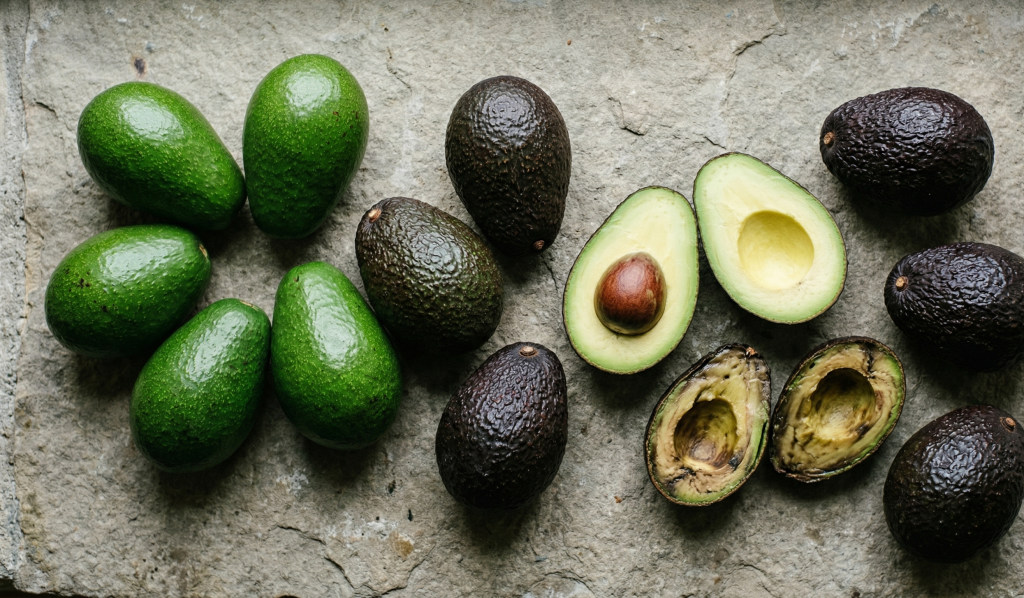
- Firm (unripe)
Bright green, hard to touch
Needs 2–4 days at room temperature - Breaking stage
Slight give when pressed
Ready within 24–48 hours - Ready to eat
Soft but not mushy
Ideal texture and flavor - Overripe
Very soft, dark spots inside
Limited use (best for spreads or dips)
Why This Matters for Weight-Focused Buyers
If avocados are:
- Too hard → people stop buying them
- Too soft → they go to waste
Both cases reduce consistency in diet.
Consistency—not perfection—is what drives results.
Storage Mistakes That Lead to Waste
Dubai’s climate adds another layer of complexity.
Heat and humidity can speed up ripening quickly.
Common Errors
- Refrigerating unripe avocados
→ Stops proper ripening - Leaving ripe avocados outside too long
→ Overripening within hours - Cutting and exposing without protection
→ Browning and texture loss
Practical Storage Approach
- Keep unripe avocados at room temperature
- Move to fridge once ripe to slow down ripening
- Store cut avocado with minimal air exposure (covered tightly)
These small adjustments can significantly reduce waste.
Why Price Fluctuations Confuse Buyers
Searches like “cheap avocado Dubai online order” or “best value avocado Dubai 2026” often come from frustration.
People notice:
- Sudden price increases
- Different pricing across stores
- Inconsistent sizes and quality
What Actually Drives Price
- Import origin (Kenya vs Mexico vs Peru)
- Shipping and logistics costs
- Seasonal supply gaps
- Demand from restaurants and hospitality sector
The Important Insight
Lower price does not always mean better value.
Buyers should consider:
- Shelf life after purchase
- Usable portion (waste vs usable fruit)
- Consistency across batches
Experienced procurement managers focus on cost per usable kilogram, not sticker price.
The Hidden Advantage: Avocado in Institutional Buying
Hotels, cafés, and catering companies are not just using avocado for trend reasons.
They are using it because it solves operational problems.
Operational Benefits
- Menu stability
Can be used across multiple dishes (breakfast, salads, sides) - Perceived premium value
Customers associate avocado with quality - Flexibility in preparation
Works raw, mashed, sliced, or blended
The Challenge
- Requires planning around ripeness cycles
- Needs reliable supply consistency
- Demands proper storage discipline
This is where structured sourcing becomes important.
Wholesale vs Retail: A More Balanced View
Earlier, we discussed misconceptions around wholesale and retail.
Let’s go deeper.
When Wholesale Makes Sense
- Regular consumption (households or businesses)
- Need for consistent batches
- Ability to manage ripening cycles
When Retail Still Works Better
- Small households with irregular consumption
- Buyers who prefer ready-to-eat options
- Limited storage control
The Middle Ground
Some UAE buyers are now blending both:
- Buying semi-ripe batches from suppliers
- Supplementing with ready-to-eat retail purchases
This reduces risk while maintaining flexibility.
What Nutritionists Don’t Always Explain Clearly
Avocado is often recommended, but without context.
Here is what tends to be missing:
1. It Works as Part of a System
Avocado alone does not drive weight change.
It works alongside:
- Meal timing
- Overall calorie balance
- Food quality
2. It Replaces, Not Adds
Adding avocado on top of already heavy meals defeats the purpose.
It should replace:
- Butter
- Cream-based sauces
- Processed spreads
3. It Supports Behavior Change
The biggest benefit is indirect:
- Fewer cravings
- More stable energy
- Better meal satisfaction
These are long-term advantages, not quick fixes.
A Note on Consumer Trends in Dubai (2026 Direction)
Based on ongoing discussions across food buyers and hospitality professionals:
- Demand for functional foods is rising
- “Healthy fats” are becoming more accepted
- Customers are reading ingredient lists more carefully
At the same time:
- Price sensitivity is still high
- Waste concerns are increasing
- Buyers want both health and value
Avocado sits at the intersection of all three.
Where Most Articles Oversimplify the Topic
After reviewing common content patterns, several gaps appear:
- Overemphasis on “superfood” language
- Lack of practical buying guidance
- No discussion on supply chain realities
- Ignoring waste and storage issues
Real-world decisions are more complex.
Buyers care about:
- Consistency
- Shelf life
- Cost control
- Usability across meals
Any useful guidance must address these.
A Ground-Level Perspective from the Supply Side
From supplier conversations and distribution insights:
- Buyers who understand ripening cycles waste less
- Those who plan usage get better value
- Consistency in supply builds trust over time
In practice, some UAE buyers prefer working with structured distributors rather than fragmented sourcing. This allows better planning across weekly consumption.
How to Choose the Right Avocado in Dubai (Without Overthinking It)
For most buyers, the challenge is not whether avocado is healthy.
It is choosing the right one at the right time.
A Simple Buying Framework
Instead of guessing, use this approach:
- Press lightly near the stem
If it gives slightly, it is close to ready - Check the color—but don’t rely on it fully
Different varieties behave differently (Fuerte stays greener than Hass) - Think about when you will eat it
- Same day → buy soft
- 2–3 days later → buy firm
- Avoid extremes
Rock hard or very mushy fruits usually lead to frustration
This reduces trial and error, especially for households buying weekly.
Fuerte vs Hass: Why This Choice Matters More in Dubai
Many buyers searching “Fuerte avocado Dubai cheap buy” or “Fuerte avocado vs Hass price UAE” are comparing price—but the real difference is usage.
Hass Avocado
- Dark skin, creamy texture
- Higher oil content
- Rich taste
- Usually more expensive
Best for:
- Toasts
- Dips
- Premium dishes
Fuerte Avocado
- Green skin, smoother texture
- Lower oil content
- Milder flavor
- Often more affordable
Best for:
- Salads
- Slicing
- Everyday meals
The Practical Insight
For weight-conscious diets in Dubai:
- Hass = more indulgent, richer
- Fuerte = lighter, easier for frequent use
Neither is “better.”
They serve different purposes.
The Overlooked Factor: Consistency Over Perfection
Many people try avocado once or twice and give up.
Usually because:
- It was unripe
- It spoiled too quickly
- The taste was disappointing
This leads to a common conclusion:
“Avocado is not for me.”
The Reality
The issue is rarely the fruit itself.
It is:
- Inconsistent buying
- Poor timing
- Lack of familiarity with ripening
Once consistency improves, so does the experience.
What This Means for Families in Dubai
For households trying to improve eating habits:
- Avocado can be a simple upgrade, not a major change
- It works best when introduced gradually
- It should align with existing meals, not replace everything
Practical Household Use
- Add to breakfast 2–3 times a week
- Use in salads instead of heavy dressings
- Pair with eggs, grains, or lean proteins
This keeps it realistic and sustainable.
What This Means for Restaurants and Food Businesses
For food businesses, avocado is not just a nutrition decision.
It is a menu strategy decision.
Key Considerations
- Consistency of supply
- Ripeness management
- Waste control
- Menu positioning
The Opportunity
- Higher perceived value per dish
- Alignment with health-conscious customers
- Flexible use across multiple cuisines
The Risk
- Poor handling leads to waste
- Inconsistent batches affect customer experience
Experienced buyers often build relationships with reliable distributors to reduce these risks. Some Dubai-based operations prefer working with structured suppliers such as JMB Farm Fresh (jmbfarmfresh.com) to maintain consistency across deliveries, rather than relying on unpredictable retail sourcing.
The Bigger Picture: Why This One Fruit Keeps Coming Up
Avocado is not popular because it is trendy.
It is popular because it solves multiple problems at once:
- Helps stabilize appetite
- Fits into different cuisines
- Aligns with modern nutrition thinking
- Offers flexibility in preparation
In a city like Dubai, where food habits are diverse and fast-paced, this matters more than most people realize.
Final Thought: It’s Not About the Fruit Alone
If there is one takeaway from this discussion, it is this:
Avocado works best when it is part of a system, not a shortcut.
That system includes:
- Better meal structure
- Awareness of portion sizes
- Understanding of freshness and storage
- Smarter buying decisions
When these pieces come together, the impact becomes visible.
Not overnight—but consistently over time.
FAQ Section
1. Is avocado good for weight loss in Dubai?
Yes, when used correctly. It helps control hunger and supports balanced meals, but it must be eaten in proper portions.
2. How much avocado should I eat daily?
Typically, ¼ to ½ avocado per meal is sufficient for most people.
3. Which is better for diet: Hass or Fuerte avocado?
Hass is richer and creamier, while Fuerte is lighter and more suitable for frequent use. Both can fit into a healthy diet.
4. Why are avocados expensive in Dubai?
Most are imported, so prices depend on origin, season, and logistics costs.
5. How do I stop avocado from spoiling quickly?
Buy according to your usage timeline and store ripe avocados in the fridge to slow ripening.








 Home
Home  Whishlist
  Compare
  Checkout