














Introduction: A Fruit Everyone Buys, But Few Understand
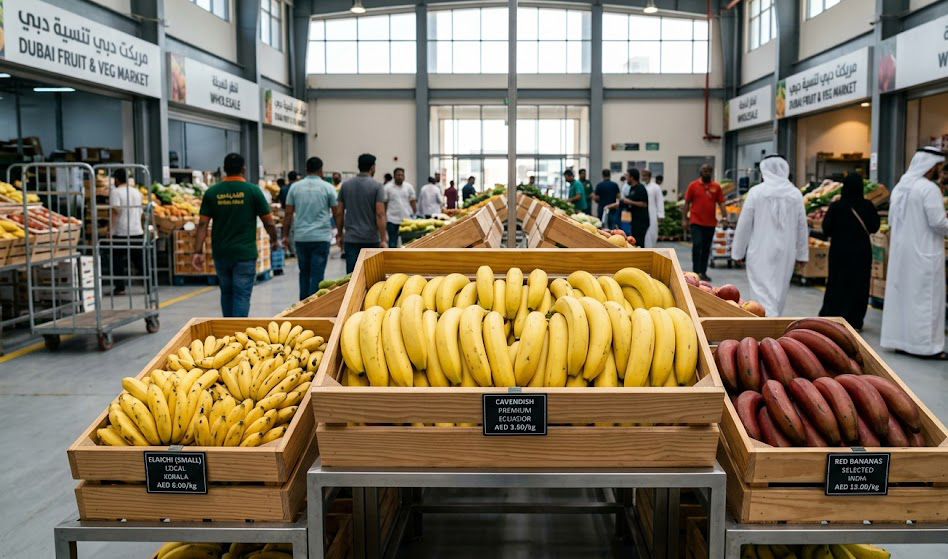
Walk into any supermarket in Dubai and you will see bananas everywhere.
They are stacked near checkout counters, sold in bulk cartons for restaurants, packed into delivery boxes for families, and often treated as the “safe” fruit — easy, familiar, and always available.
But here is what most buyers do not realize:
Not all bananas are the same.
And in Dubai’s import-driven food system, the type of banana you buy has a direct impact on taste, shelf life, cost efficiency, and even customer satisfaction.
Across restaurant kitchens, hotel buffets, and home deliveries, a quiet pattern has emerged. Buyers are consistently choosing the wrong banana for their actual use — not because of poor judgment, but because of incomplete information.
This article breaks that gap.
We will look at banana varieties available in Dubai, how sourcing works, why pricing and quality vary, and how to choose the right type depending on your use — whether you are running a kitchen or buying for your household.
Why Bananas Dominate Dubai’s Fresh Produce Market
Bananas are not just popular in Dubai — they are structurally important to the food supply chain.
There are three main reasons for this.
1. Year-Round Availability (But Not Uniform Quality)
Unlike seasonal fruits, bananas are imported continuously from multiple countries:
- Philippines
- India
- Ecuador
- Sri Lanka
This creates a perception that bananas are always “in season.”
In reality, supply shifts between origins throughout the year. Each origin brings slightly different characteristics in:
- Sweetness
- Texture
- Ripening speed
- Shelf stability
For buyers, this means consistency is not guaranteed — even if the fruit looks identical at first glance.
2. High Turnover, Low Scrutiny
Bananas move fast.
Restaurants use them in breakfast buffets, smoothies, desserts, and baking. Families buy them for convenience. Grocery stores rely on them as a high-volume staple.
Because of this speed, buyers rarely question:
- Where the banana came from
- What variety it is
- Whether it suits their use case
This lack of scrutiny is where most mistakes begin.
3. Assumption: “All Bananas Taste the Same”
This is one of the most common misconceptions across both households and businesses.
In practice, different banana varieties behave very differently:
- Some are firm and hold shape under heat
- Some become overly soft within 24–48 hours
- Some are naturally sweeter and suited for raw consumption
- Others are better for cooking or blending
Ignoring these differences leads to:
- Faster spoilage
- Inconsistent dishes
- Higher wastage
- Poor customer experience
The Core Problem: Buyers Are Choosing Based on Appearance, Not Use
Most bananas in Dubai look similar — yellow peel, medium size, slight curvature.
But appearance is one of the least reliable indicators of quality or suitability.
What Buyers Usually Look At
- Color (green vs yellow)
- Size
- Price per kilo
What Actually Matters
- Variety
- Origin
- Ripeness stage at delivery
- Storage conditions
- Intended use (raw, cooking, blending, display)
This gap between what buyers see and what actually matters is why many end up buying the wrong type.
Understanding Banana Varieties in Dubai (And Why They Matter)
To make better decisions, you first need to understand what is actually available in the UAE market.
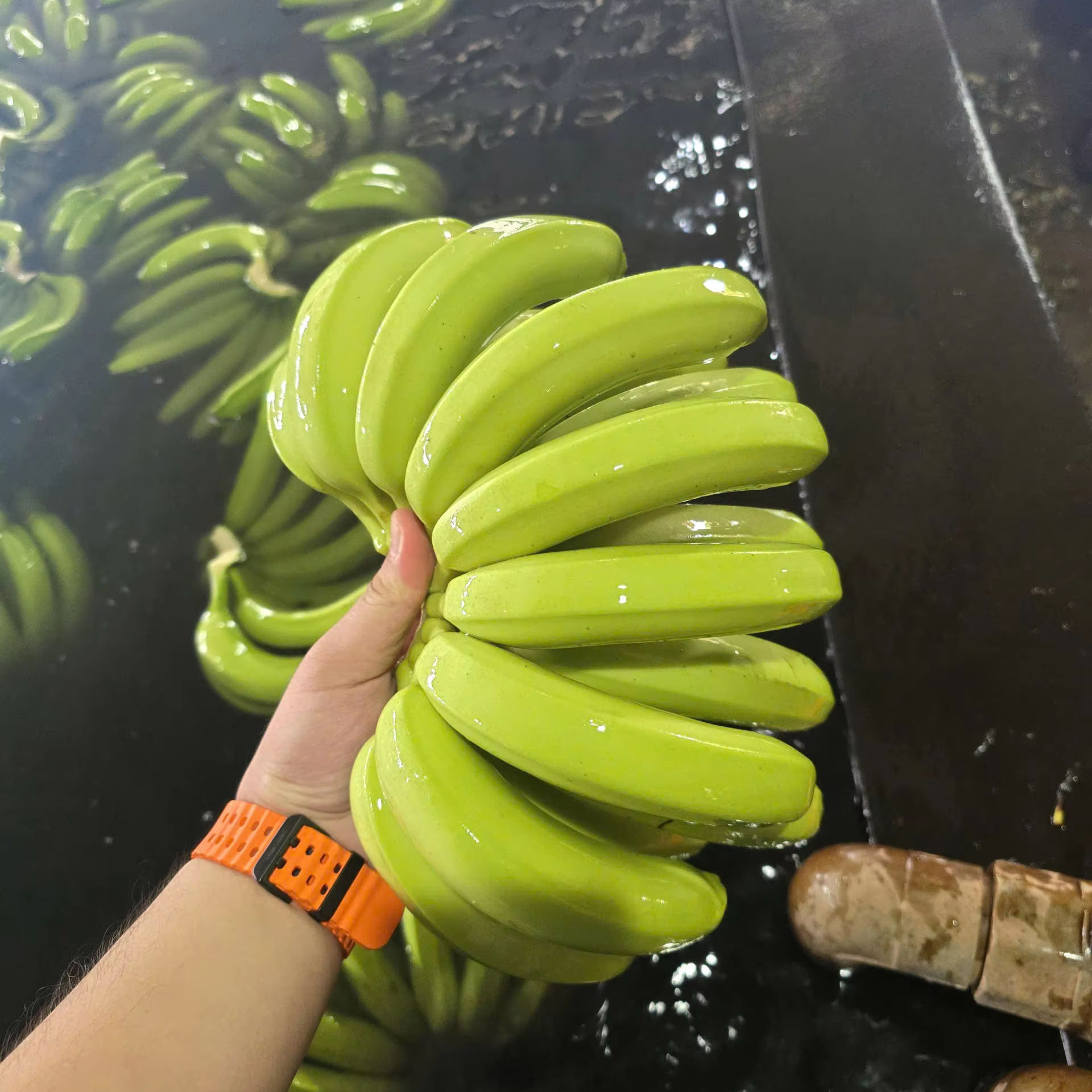
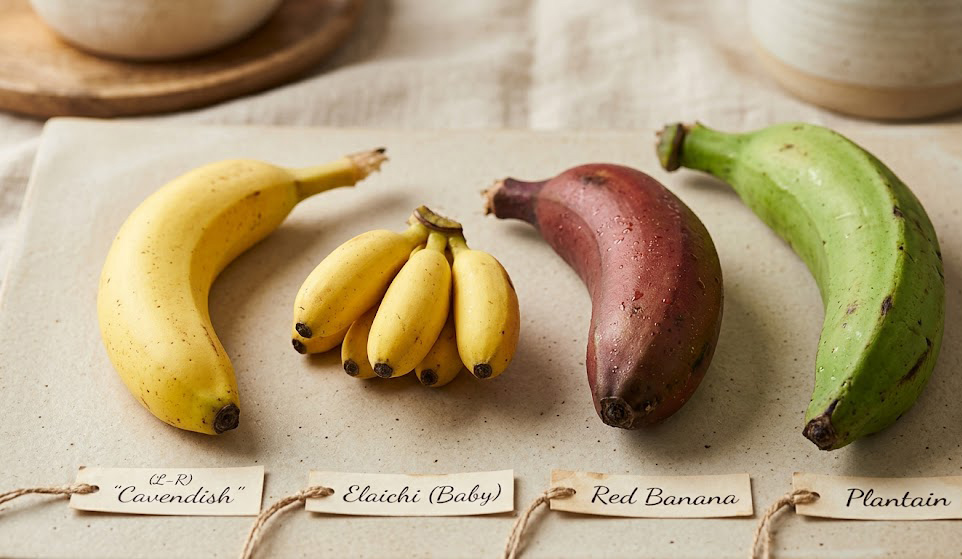
1. Cavendish (The Default Choice Most People Buy)
4
This is the most common banana in Dubai and globally.
Often imported from the Philippines, it dominates both retail shelves and wholesale supply.
Characteristics:
- Mild sweetness
- Soft texture when ripe
- Uniform appearance
- Predictable ripening
Where it works well:
- Smoothies
- General home consumption
- Buffet fruit displays
Where it fails:
- High-heat cooking (becomes mushy quickly)
- Situations requiring longer shelf life
Common mistake:
Many buyers assume this is the “best banana” simply because it is everywhere. In reality, it is just the most standardized.
2. Elaichi Banana (Small, Fragrant, Often Overlooked)

4
Also known as baby banana, this variety is smaller but far more aromatic.
Commonly sourced from India.
Characteristics:
- Strong natural sweetness
- Dense texture
- Distinct aroma
Where it works well:
- Premium fruit platters
- Hospitality settings
- Direct consumption
Tradeoff:
- Higher cost per kilo
- Lower yield per fruit
Industry insight:
In hotel environments, switching to Elaichi for select applications often improves perceived quality without significantly increasing overall fruit cost — because portion sizes are smaller.
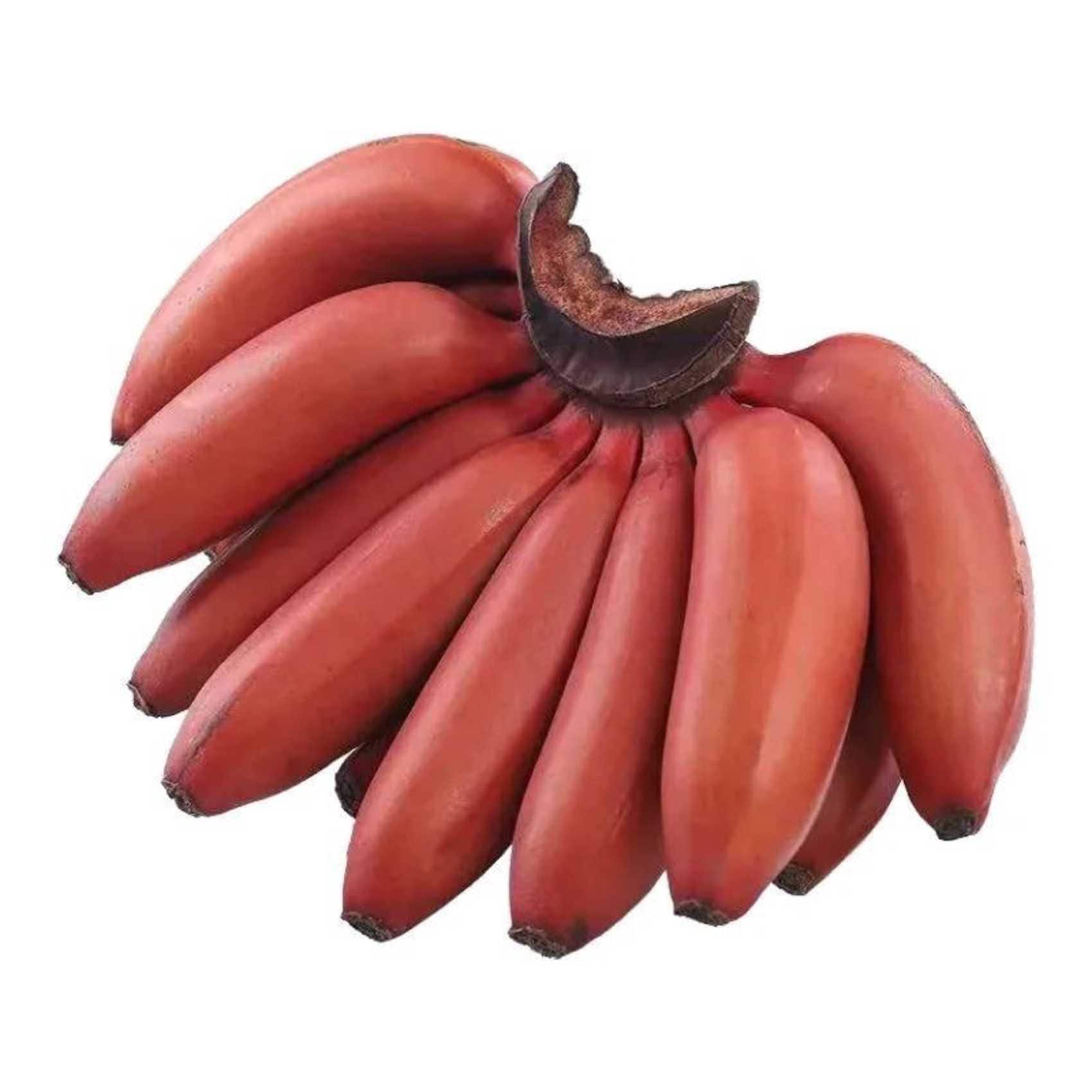
3. Red Banana (Niche, But Growing in Demand)
4
Red bananas are less common but increasingly visible in premium retail and specialty supply chains.
Characteristics:
- Slightly firmer texture
- Subtle berry-like sweetness
- Creamier interior
Where it works well:
- High-end presentation
- Specialty menus
- Health-focused consumers
Limitations:
- Inconsistent availability
- Shorter supply windows
- Higher price volatility
4. Cooking Bananas (Often Misunderstood)

4
Often confused with regular bananas, these are a different category entirely.
Sometimes referred to as plantains.
Characteristics:
- Starch-heavy
- Low sweetness when raw
- Holds structure under heat
Where they work best:
- Frying
- Grilling
- Savory dishes
Common issue:
Buyers accidentally substitute Cavendish in cooking applications, leading to poor texture and inconsistent results.
Import Origins: Why “Philippines Banana Dubai” Isn’t Just a Label
Buyers often notice origin labels — especially Philippines bananas — but rarely understand their significance.
In Dubai’s supply chain, origin affects more than just geography.
Key Differences by Origin
Philippines:
- Highly standardized Cavendish
- Controlled ripening systems
- Consistent sizing
India:
- Wider variety range (including Elaichi)
- More flavor diversity
- Slightly less uniform batches
Ecuador:
- Export-grade Cavendish
- Often longer transit times
- Can vary in ripeness on arrival
What This Means for Buyers
If you are buying bananas without considering origin, you are effectively leaving consistency to chance.
For example:
- A restaurant relying on uniform slices for plating may prefer Philippine supply
- A premium fruit service may prioritize Indian varieties for taste
- A bulk buyer focused on cost may rotate origins depending on pricing cycles
In practice, suppliers working closely with Dubai-based distributors such as JMB Farm Fresh often observe that buyers who align variety with use — rather than just price — see lower waste and better consistency over time.
A Question Most Buyers Never Ask: “What Am I Using This Banana For?”
This is the most important question in banana sourcing — and also the most ignored.
Before choosing a banana, buyers should define:
- Is it for immediate consumption or storage?
- Is it for presentation or processing?
- Does texture matter more than sweetness?
- How fast will it be used?
Without this clarity, even a “good” banana can become the wrong purchase.
How Seasonality Quietly Affects Banana Quality in the UAE
Bananas are often described as non-seasonal.
But in Dubai, seasonality still plays a role — just in a different way.
Not Seasonal Production — Seasonal Supply Dynamics
Because bananas are imported, what changes is:
- Shipping conditions
- Transit duration
- Storage stress
- Supply chain congestion
During certain periods (especially peak winter demand in UAE):
- Volume increases
- Handling pressure rises
- Quality variation becomes more noticeable
What Buyers Experience (But Rarely Connect)
- Faster ripening than expected
- Uneven color within the same batch
- Shorter shelf life
- Texture inconsistencies
These are often blamed on “bad stock,” but they are usually supply chain effects.
Practical Adjustment
Experienced buyers adapt by:
- Ordering smaller quantities more frequently
- Adjusting ripeness stage at purchase
- Diversifying banana types instead of relying on one
How to Judge Banana Quality in Dubai (Beyond Color and Price)
Most buyers rely on visual cues. Yellow means ready. Green means unripe. Brown means overripe.
That works at a basic level — but in Dubai’s supply chain, it is not enough.
1. Look at the Stem, Not Just the Skin
The stem tells you how recently the banana was cut and how it has been handled.
- Fresh stem: greenish, slightly moist
- Aged stock: dry, darkened, sometimes shriveled
A bright yellow banana with a dry stem may already be near the end of its usable life.
2. Check Uniformity Across the Batch
Inconsistent ripening is a common issue in imported fruit.
Look for:
- Mixed colors within the same carton
- Uneven firmness
- Random soft spots
This often indicates uneven storage conditions during transit.
For businesses, this leads to unpredictable usage windows — some fruit must be used immediately, while others are still unripe.
3. Press Gently — But Know What You’re Testing
A light press should reveal:
- Slight resistance (good for storage)
- Soft but not mushy (ready to use)
If the banana feels:
- Too firm: may not ripen evenly
- Too soft: already degrading internally
Texture consistency matters more than external color.
4. Smell Matters More Than Most Buyers Think
Ripe bananas should have a clean, mildly sweet aroma.
If you notice:
- Fermented smell
- Sour undertones
This suggests internal breakdown has already started, even if the fruit looks acceptable.
The Real Cost of Choosing the Wrong Banana
Most buyers think the difference between banana types is about taste.
In reality, the consequences are operational.
1. Wastage and Shrinkage
Using the wrong variety leads to:
- Faster overripening
- Bruising during handling
- Disposal of unusable stock
For bulk buyers, even a small percentage of waste compounds quickly.
2. Inconsistent Output
In professional kitchens:
- Smoothies may vary in thickness
- Desserts may lose structure
- Slices may not hold shape
The issue is often blamed on preparation, when it actually starts at sourcing.
3. Hidden Cost of “Cheaper” Bananas
Lower-priced bananas may:
- Ripen too quickly
- Require immediate use
- Increase labor (sorting, discarding)
The upfront saving can be offset by downstream inefficiencies.
Wholesale vs Retail: Where Most Buyers Get Confused
One of the most debated topics in Dubai’s produce ecosystem is:
Is wholesale better than supermarket buying?
The answer is not absolute — it depends on how you buy.
Common Misunderstanding
Many assume:
- Wholesale = lower quality
- Retail = safer and fresher
This is not always true.
What Wholesale Actually Offers
When done correctly, wholesale sourcing provides:
- Better control over ripeness stage
- Access to specific varieties (like Elaichi or red banana)
- Consistent batch sourcing
But it requires:
- Planning
- Storage awareness
- Understanding of usage timing
What Retail Offers
Retail is designed for convenience:
- Ready-to-eat fruit
- Smaller quantities
- Immediate consumption
But limitations include:
- Less variety
- Limited control over origin
- Higher per-unit cost
Where Buyers Go Wrong
The biggest mistake is mixing the two models without strategy.
For example:
- Buying wholesale quantities but using retail consumption patterns
- Expecting retail-level convenience from wholesale supply
This mismatch leads to waste and frustration.
Matching Banana Type to Use Case (Practical Scenarios)
This is where most buyers see immediate improvement.
Instead of asking “Which banana is best?”, the better question is:
“Which banana is best for this use?”
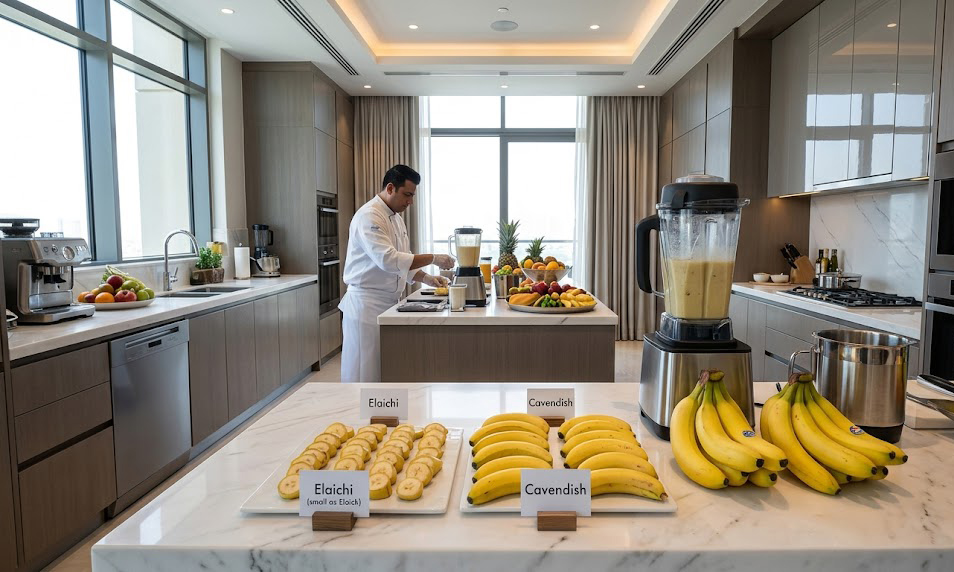
Scenario 1: Smoothies and Blending
Best choice:
- Cavendish (fully ripe)
Why:
- Soft texture blends easily
- Neutral flavor pairs well
Avoid:
- Under-ripe bananas (grainy texture)
- Cooking bananas (too starchy)
Scenario 2: Buffet and Display
Best choice:
- Elaichi banana or firm Cavendish
Why:
- Better visual appeal
- Holds structure longer
Consider:
- Smaller bananas reduce waste from partially eaten portions
Scenario 3: Cooking and Frying
Best choice:
- Cooking bananas (plantains)
Why:
- Maintain structure under heat
- Deliver consistent texture
Avoid:
- Standard Cavendish (breaks down too quickly)
Scenario 4: Premium Fruit Offering
Best choice:
- Elaichi or red banana
Why:
- Stronger flavor profile
- Perceived as higher quality
Used often in:
- Hotel rooms
- Corporate gifting
- High-end catering
Scenario 5: Household Weekly Buying
Best approach:
- Mix of ripeness levels
For example:
- Some green (for later use)
- Some yellow (for immediate consumption)
This reduces:
- Mid-week spoilage
- Last-minute reordering
Why Prices Fluctuate (And Why It’s Not Random)
Banana pricing in Dubai can feel unpredictable.
But there are underlying patterns.
1. Shipping and Logistics
Changes in:
- Fuel costs
- Container availability
- Port congestion
All impact landed cost.
2. Origin Switching
When supply shifts between countries:
- Quality changes
- Cost structures change
Buyers may notice:
- Same-looking bananas at different prices
- Slight variation in taste or texture
3. Demand Cycles
During high-demand periods:
- Ramadan
- Winter tourism season
Volume increases, and supply chains tighten.
This can affect both price and consistency.
4. Ripeness Stage at Purchase
Interestingly, price can also reflect:
- How ready the banana is to use
More ripe batches may be priced differently depending on urgency to sell.
A Quiet Industry Shift: Buyers Are Becoming More Specific
Over the past few years, there has been a noticeable change in how experienced buyers approach bananas.
Instead of asking:
- “How much per kilo?”
They are asking:
- “What variety is this?”
- “What origin is this shipment?”
- “How many days to full ripeness?”
This shift reflects a deeper understanding of how small sourcing decisions affect larger outcomes.
Suppliers who work closely with structured buyers — including established distributors like JMB Farm Fresh — often see that clarity at the buying stage reduces operational issues later.
Common Mistakes That Keep Repeating
Across households and businesses, a few patterns appear consistently.
1. Buying Only One Type for Everything
This simplifies ordering, but creates problems across different uses.
2. Ignoring Ripeness at Purchase
Many buyers focus only on price and quantity.
Ripeness determines usability window — not just appearance.
3. Overestimating Shelf Life
Bananas do not “wait” for your schedule.
They follow their own ripening cycle, which can accelerate in Dubai’s climate.
4. Treating Bananas as a Commodity, Not a Variable Ingredient
This is the core issue.
Bananas are often treated as interchangeable, when in reality they behave very differently depending on type and handling.
Storage and Handling: Where Most of the Loss Actually Happens
Even when buyers choose the right banana, poor handling can undo that decision within 24–48 hours.
Dubai’s climate adds an extra layer of complexity. Heat accelerates ripening, and indoor storage conditions vary widely between homes, kitchens, and storage facilities.
1. Temperature Control (Without Overcomplicating It)
Bananas are sensitive to temperature.
- Too warm: ripen too quickly, leading to waste
- Too cold: skin darkens, texture changes
For most buyers, the practical approach is simple:
- Store at room temperature (not near heat sources)
- Avoid direct sunlight
- Keep away from enclosed, humid spaces
Commercial kitchens often struggle with this because bananas are placed near cooking stations or refrigeration units — both of which create unstable conditions.
2. Separation Strategy
Bananas release ethylene gas, a natural compound that speeds up ripening.
This affects not only the bananas themselves but also nearby fruits.
Practical adjustments:
- Store bananas separately from apples, avocados, and tomatoes
- If you need faster ripening, keep them together
- If you need slower ripening, spread them out
This simple step alone can extend usable life by a few days.
3. Hanging vs Flat Storage
You may have seen bananas hung on hooks.
There is a reason for that.
- Hanging: reduces pressure bruising
- Flat stacking: increases soft spots and damage
For households, this is a small detail.
For businesses handling bulk quantities, it can significantly affect presentation quality.
4. Do Not Wash Before Storage
Washing bananas before storage introduces moisture, which can accelerate spoilage.
If cleaning is needed:
- Wipe gently with a dry or slightly damp cloth
- Wash only before consumption
How Dubai’s Climate Changes the Rules
In cooler climates, bananas follow a more predictable ripening pattern.
Dubai is different.
Heat + Humidity = Faster Change
Even indoors, ambient temperatures can push bananas from:
- Perfectly ripe → overripe
in less than 24 hours.
This is especially noticeable during:
- Warmer months
- Kitchens with high activity
- Delivery delays
What Experienced Buyers Do Differently
They adjust expectations, not just storage.
- Buy smaller quantities more frequently
- Stagger ripeness levels within the same order
- Avoid overstocking “ready-to-eat” fruit
This is less about perfection and more about managing variability.
The Health Question: Which Banana Is Actually Better?
One of the most common questions is:
Which banana is healthiest in the UAE?
The honest answer is more nuanced than most expect.
Nutritionally, All Bananas Are Similar
Across varieties, bananas generally provide:
- Potassium
- Fiber
- Natural sugars
- Vitamin B6
The differences between types are modest.
Where Differences Do Exist
They are more about:
- Sugar concentration
- Fiber density
- Portion size
For example:
- Elaichi banana: smaller, but often sweeter
- Red banana: slightly denser and creamier
- Cavendish: balanced and predictable
What Actually Matters More
Health outcomes depend more on:
- Quantity consumed
- Overall diet
- Timing (e.g., pre- or post-meal)
Rather than the specific banana variety.
A Simple Framework for Better Banana Buying
After everything discussed, the goal is not to complicate buying decisions.
It is to make them more intentional.
Step 1: Define the Use
Ask:
- Raw consumption?
- Cooking?
- Blending?
- Presentation?
Step 2: Choose the Right Type
Match the use case:
- Cavendish → general use
- Elaichi → premium or direct consumption
- Red banana → specialty use
- Cooking banana → heat-based dishes
Step 3: Check Quality at Purchase
Focus on:
- Stem condition
- Uniformity
- Firmness
- Smell
Step 4: Plan Usage Window
Think in days, not weeks.
- When will this be used?
- How fast will it ripen in current conditions?
Step 5: Adjust Quantity Accordingly
Avoid:
- Overbuying based on price
- Underestimating spoilage
Balance cost with usability.
Final Thought: The Banana Is Simple — The System Around It Is Not
Bananas feel simple because they are familiar.
But in Dubai, what you are really buying is not just a fruit — it is a product shaped by:
- Global sourcing
- Cold chain logistics
- Storage conditions
- Handling practices
- Timing
Most problems do not come from the banana itself.
They come from mismatches between:
- What was bought
- How it was stored
- How it was used
Once those align, the difference is noticeable — not just in taste, but in consistency, cost control, and reduced waste.
Frequently Asked Questions (FAQ)
1. Which banana variety is most commonly available in Dubai?
Cavendish bananas are the most widely available, often imported from the Philippines and other major exporters due to their consistency and shelf stability.
2. What is the best banana type in the UAE for daily eating?
For general use, Cavendish works well. For better taste and aroma, many buyers prefer Elaichi bananas, especially for direct consumption.
3. Can I buy red bananas online in the UAE?
Yes, red bananas are available through select suppliers, though availability may vary depending on import cycles and demand.
4. Why do bananas spoil faster in Dubai?
Higher temperatures and indoor conditions accelerate ripening, reducing shelf life compared to cooler climates.
5. Are smaller bananas like Elaichi healthier?
They are not necessarily healthier, but they are often sweeter and more flavorful. Nutritionally, most banana varieties are quite similar.








 Home
Home  Whishlist
  Compare
  Checkout