















Introduction
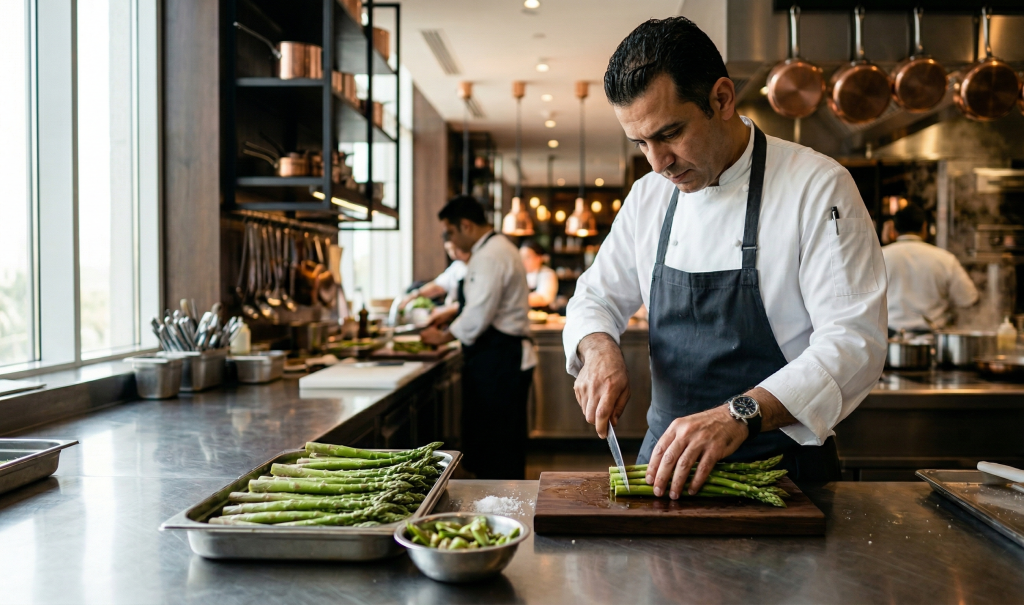
Walk into a high-end kitchen in Dubai during peak season, and you will likely see bundles of fresh asparagus being trimmed, blanched, and plated with precision.
It is not a new vegetable. But in recent years, its role in Dubai’s food scene has shifted. What was once seen as a premium, occasional ingredient is now becoming more accessible—both to professional kitchens and households.
Search interest around fresh asparagus Dubai and asparagus delivery Dubai has grown steadily. At the same time, more buyers—from chefs to families—are trying to understand how to source it properly, how to judge quality, and why prices can vary so much.
This article breaks down what is actually happening behind the scenes:
how asparagus moves through the UAE supply chain, why chefs value it, and what buyers often misunderstand when purchasing it.
Why Asparagus Is Getting So Much Attention in Dubai
A Vegetable That Fits Modern Menus
Dubai’s dining scene is driven by variety. Menus change fast, and chefs constantly look for ingredients that are:
- Visually appealing
- Quick to prepare
- Versatile across cuisines
- Perceived as “clean” and healthy
Asparagus fits all of these.
It works in European dishes, Asian stir-fries, breakfast plates, and even simple grilled sides. That flexibility makes it valuable for kitchens trying to reduce waste while keeping menus dynamic.
The Rise of Ingredient-Led Cooking
A noticeable shift in Dubai kitchens is the move toward simpler dishes built around high-quality ingredients.
Instead of heavy sauces or complex plating, many chefs now prefer:
- Light seasoning
- Short cooking times
- Minimal handling
Asparagus supports this style. When fresh, it does not need much to taste good. But that also means quality becomes more important.
If the product is not fresh, the dish suffers immediately.
Understanding Where Asparagus in Dubai Comes From
Imported, Not Local
Unlike some vegetables that can be grown in controlled environments within the UAE, asparagus is still largely imported.
Common sourcing regions include:
- Europe (especially Spain, Netherlands)
- South America (Peru is a major supplier)
- Africa (seasonal supply from Kenya)
Each origin has its own harvesting cycles, which affects availability in Dubai.
Why Seasonality Still Matters in a Global Market
Many buyers assume that because Dubai imports globally, seasonality does not matter.
In reality, it still does.
Supply shifts between regions throughout the year. This creates:
- Changes in taste and texture
- Variations in stalk thickness
- Fluctuations in price
For example:
- European asparagus tends to peak in late winter to spring
- Peruvian asparagus fills gaps during off-season periods
This rotation keeps supply consistent—but not identical.
What Chefs Actually Look for When Buying Fresh Asparagus
1. Firmness of the Stalk
Fresh asparagus should feel firm when held. If it bends too easily or feels limp, it is already losing quality.
In professional kitchens, this is often the first quick check.
2. Tight, Closed Tips
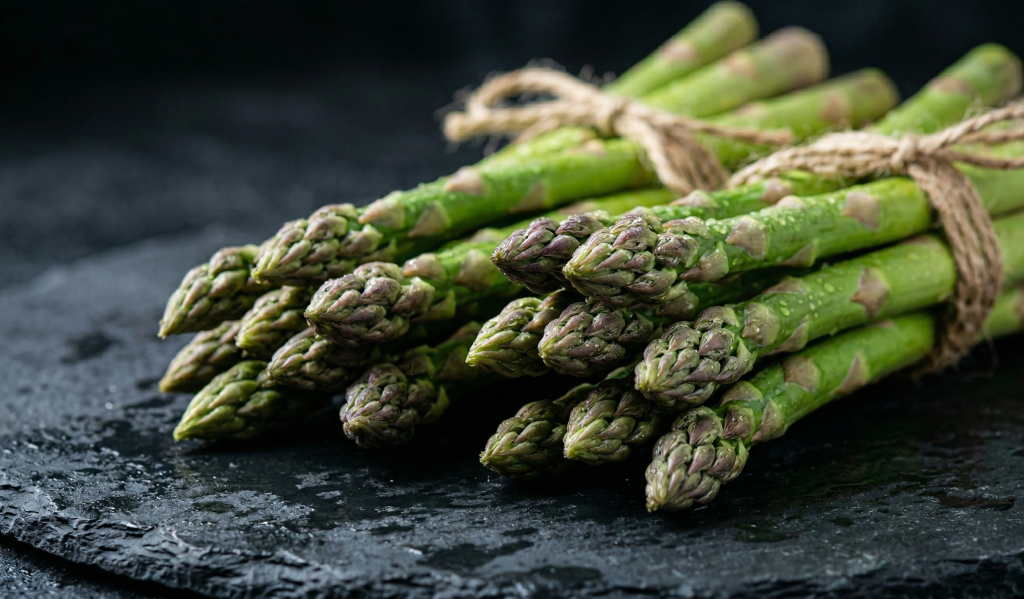
The tip of the asparagus spear is the most sensitive part.
- Tight, compact tips → fresh
- Open or flowering tips → older stock
This detail is often overlooked by casual buyers but is critical for chefs.
3. Moisture at the Base
A freshly cut stem will still hold some moisture.
Dry, woody ends usually indicate:
- Longer storage time
- Possible dehydration during transport
4. Color Consistency
Green asparagus should have a consistent, vibrant color.
Discoloration or dullness may suggest:
- Temperature stress
- Age
- Improper handling
Why Quality Feels Inconsistent to Many Buyers
One of the most common frustrations—especially in online discussions and buyer forums—is inconsistency.
Buyers often say:
- “The last batch was perfect, this one is not.”
- “Same supplier, different quality.”
- “Looks good outside, cooks badly.”
This is not random. There are specific reasons behind it.
Supply Chain Length
Asparagus is highly perishable.
From harvest to plate, it typically goes through:
- Harvesting
- Cooling
- Air freight or sea freight
- Distribution centers
- Local delivery
Each step introduces risk.
Even small delays can affect:
- Texture
- Flavor
- Shelf life
Temperature Sensitivity
Asparagus needs consistent cold-chain handling.
Breaks in temperature control—even briefly—can accelerate spoilage.
This is why two batches from the same supplier can feel completely different.
Harvest Timing
Asparagus is best when harvested at the right maturity.
If harvested too early or too late:
- Taste changes
- Fibers become tougher
- Cooking results become inconsistent
Wholesale vs Retail: What Buyers Often Misunderstand
“Wholesale Means Lower Quality” — Not Always True
A common belief among households is that wholesale produce is less carefully selected than supermarket produce.
In practice, it can be the opposite.
Wholesale supply chains often prioritize:
- Fresh turnover
- Larger volume movement
- Direct sourcing
This means products may actually spend less time sitting in storage.
However, wholesale also requires buyers to understand what they are purchasing.
The Real Difference Is Handling, Not Source
Retail stores often:
- Trim ends
- Mist vegetables
- Repackage items
This can improve appearance but does not always reflect actual freshness.
Wholesale products are usually less “prepared,” which can make them look rougher—but often closer to their original state.
The Growing Demand for Asparagus Delivery in Dubai
Convenience Meets Supply Access
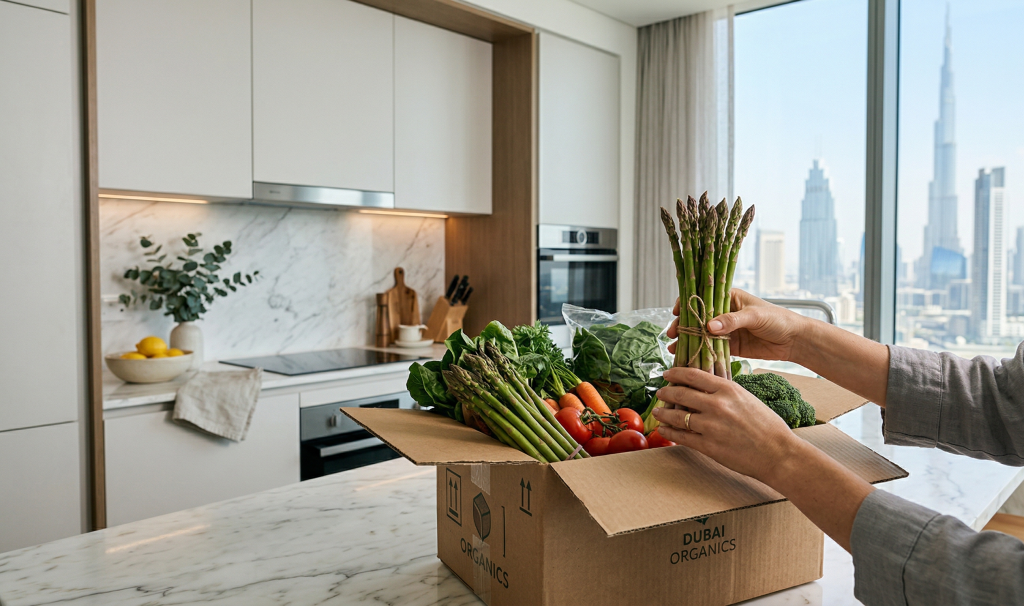
With more suppliers offering asparagus delivery Dubai, access has widened.
This shift is driven by:
- Time constraints for buyers
- Expansion of online ordering systems
- Improved last-mile delivery infrastructure
But convenience introduces new considerations.
What Changes When You Buy Online
When buying asparagus online, you lose the ability to:
- Physically inspect freshness
- Compare multiple batches
- Check subtle details like moisture and firmness
This means trust in the supplier becomes more important than ever.
In practice, suppliers working closely with Dubai-based distributors such as JMB Farm Fresh often observe that buyers who prioritize consistency over price tend to have fewer issues with quality variation.
Common Mistakes Buyers Make When Purchasing Asparagus
1. Focusing Only on Price
Lower price often means:
- Older stock
- Longer transport time
- Less optimal storage
This does not always make it a better deal, especially if spoilage increases.
2. Ignoring Storage After Delivery
Even high-quality asparagus can deteriorate quickly if stored incorrectly.
Many buyers:
- Leave it uncovered in the fridge
- Store it dry
- Delay usage
This shortens shelf life significantly.
3. Buying Without Understanding Seasonality
Ordering asparagus without considering its current sourcing region can lead to:
- Unexpected taste differences
- Texture changes
- Price surprises
How to Store Asparagus Properly (Simple but Critical)
A simple method used in professional kitchens:
- Trim a small portion of the ends
- Place upright in a container with a small amount of water
- Cover loosely (like a bouquet)
- Store in the refrigerator
This helps maintain:
- Moisture
- Crispness
- Flavor
Improper storage is one of the biggest causes of waste—especially in households.
When Is the Best Time to Buy Asparagus in the UAE?
While availability is year-round, quality peaks typically align with:
- Late winter
- Early spring
During this time:
- Supply from Europe improves
- Taste is more balanced
- Texture is more consistent
Outside this window, asparagus is still available—but expectations should adjust slightly.
How Different Buyers Use Asparagus (And Why Their Needs Differ)
Not all asparagus buyers in Dubai are looking for the same thing. Understanding this helps explain why the market behaves the way it does.
Restaurant Kitchens: Precision and Consistency
For chefs, asparagus is not just a vegetable—it is a component of a finished dish where timing and texture matter.
They care about:
- Uniform thickness (for even cooking)
- Reliable supply week after week
- Minimal trimming loss
- Predictable taste
A slightly inconsistent batch can disrupt service, especially in high-volume kitchens.
Hotels and Catering: Volume and Shelf Life
Hotels and catering companies operate differently.
They often need:
- Larger quantities
- Longer holding times
- Flexibility in usage across multiple dishes
For them, shelf life becomes just as important as freshness at the point of delivery.
Households: Simplicity and Value
Families buying asparagus for home use tend to prioritize:
- Ease of cooking
- Visual freshness
- Reasonable pricing
But this is where many misunderstandings happen.
A visually perfect bundle does not always mean better taste. And a slightly thicker or less polished batch may actually perform better in cooking.
Green vs White vs Purple Asparagus — What’s the Difference?
Most buyers in Dubai are familiar with green asparagus. But there are other types, and they are sometimes available through specialty suppliers.
Green Asparagus (Most Common)
- Grown above ground
- Has a slightly grassy, fresh taste
- Requires minimal preparation
This is the standard for both retail and wholesale buyers.
White Asparagus (Less Common, More Seasonal)
- Grown underground (no sunlight exposure)
- Milder, slightly nutty flavor
- Often requires peeling before cooking
It is more popular in European cuisine and tends to appear in Dubai during specific seasonal windows.
Purple Asparagus (Niche Product)
- Sweeter taste
- Softer texture
- Often used for presentation
Availability is limited and usually tied to specific import batches.
Why Prices Fluctuate More Than People Expect
One of the most discussed topics in buyer communities is pricing.
“Why is asparagus expensive one week and reasonable the next?”
The answer lies in a combination of factors.
1. Air Freight Costs
Asparagus is often transported by air to maintain freshness.
Changes in:
- Fuel prices
- Flight availability
- Cargo demand
…can directly impact cost.
2. Seasonal Supply Shifts
When one region’s season ends and another begins:
- Supply gaps can occur
- Prices may temporarily increase
This transition period is often misunderstood as “random price spikes.”
3. Demand from Hospitality Sector
Dubai’s hospitality industry plays a large role in demand.
During peak tourism periods or major events:
- Restaurant demand increases
- Bulk purchasing rises
- Market prices adjust accordingly
The Real Cost of Poor-Quality Asparagus
Many buyers focus only on purchase price. But experienced procurement teams think differently.
They look at total cost, including waste.
What Poor Quality Leads To
- Higher trimming loss
- Faster spoilage
- Inconsistent cooking results
- Customer dissatisfaction (for businesses)
A cheaper batch that results in 30–40% waste is not actually cheaper.
This is why experienced buyers often prioritize consistency over lowest price.
Local vs Imported: Is There Even a Comparison?
In the UAE, most asparagus is imported.
However, there are small-scale controlled-environment agriculture efforts.
Imported Asparagus
Pros:
- Established supply chains
- Wider availability
- Consistent grading
Limitations:
- Longer transport time
- Higher dependency on logistics
Locally Grown (Limited Availability)
Pros:
- Shorter supply chain
- Potentially fresher on arrival
Limitations:
- Limited volume
- Less consistent availability
- Higher production cost
For most buyers, imported asparagus remains the primary option.
How to Choose a Reliable Supplier Without Overthinking It
Many buyers—especially those new to sourcing exotic vegetables Dubai—overcomplicate supplier selection.
You do not need a long checklist. But you do need to observe a few patterns.
Look for Consistency Over Time
One good delivery does not mean much.
A reliable supplier shows:
- Stable quality across multiple orders
- Clear communication about availability
- Honest updates during supply disruptions
Pay Attention to Handling, Not Just Product
Good suppliers invest in:
- Cold-chain logistics
- Proper packaging
- Timely delivery
These factors often matter more than origin alone.
Notice How Issues Are Handled
Problems happen in produce supply.
What matters is:
- Transparency
- Responsiveness
- Willingness to adjust
Some UAE buyers prefer working with established wholesale produce providers rather than fragmented retail sourcing because it reduces uncertainty over time.
Is Asparagus Actually Worth Buying Regularly?
This is a question many households quietly ask.
The answer depends on how it is used.
When It Makes Sense
- You want a quick, healthy side dish
- You prefer lighter cooking styles
- You are experimenting with new ingredients
When It May Not
- You are not using it within a few days
- You are sensitive to price fluctuations
- You prefer longer shelf-life vegetables
Asparagus is not a “stock and forget” product. It rewards timely use.
Practical Buying Tips That Actually Make a Difference
Instead of complicated advice, here are simple, field-tested observations.
When Buying Fresh Asparagus in Dubai:
- Choose medium thickness for balance (not too thin, not too thick)
- Avoid overly dry or cracked ends
- Check that tips are compact and not spreading
- Ask (or check) the origin when possible
When Ordering Online:
- Order smaller quantities more frequently
- Use within 2–3 days for best results
- Store properly immediately after delivery
These small decisions reduce waste more than most people expect.
The Bigger Picture: Why Asparagus Reflects a Changing Food Market
Asparagus is not just about one vegetable.
Its growing demand reflects broader changes in Dubai’s food system:
- More ingredient-aware consumers
- Greater interest in global produce
- Expansion of delivery-based sourcing
- Higher expectations around freshness
This shift is affecting not just asparagus, but many other categories of fresh produce.
What Buyers Still Get Wrong — Even After Experience
Even experienced buyers—especially those sourcing green asparagus wholesale Dubai or ordering regularly for home use—tend to repeat a few patterns.
Mistaking Appearance for Freshness
Asparagus can look visually appealing but still be past its prime.
Common signs that are often ignored:
- Slight softness in the stalk
- Tips beginning to loosen
- Loss of natural sheen
These small indicators matter more than color alone.
Overbuying During “Good Weeks”
When quality is high and pricing feels reasonable, buyers often increase order size.
The result:
- Excess stock
- Increased spoilage
- Reduced overall value
Asparagus does not behave like onions or potatoes. It has a short window of optimal use.
Expecting Uniformity Across Seasons
Even with global sourcing, asparagus is still an agricultural product.
Variations are normal.
Trying to maintain identical expectations year-round often leads to frustration.
How Chefs Adapt to Variability (And What Buyers Can Learn)
Professional kitchens rarely expect perfection. Instead, they adapt.
Adjusting Cooking Methods
When asparagus is:
- Slightly older → used in soups, purees, or chopped dishes
- Very fresh → used in grilled, roasted, or plated formats
This flexibility reduces waste and maintains quality output.
Using the Whole Product
Instead of discarding thicker ends, chefs often:
- Peel and reuse them
- Incorporate them into stocks or blends
This approach improves cost efficiency.
Planning Around Supply
Rather than forcing asparagus into menus year-round, many chefs:
- Feature it more during peak seasons
- Reduce usage when quality dips
This is a key difference between experienced and inexperienced buyers.
A Quiet Shift: From Supermarkets to Direct Sourcing
Over the past few years, there has been a noticeable shift in how buyers source vegetables like asparagus.
Why Some Buyers Move Away from Supermarkets
Supermarkets offer convenience, but they also come with limitations:
- Limited batch visibility
- Longer shelf display times
- Less transparency on sourcing
For everyday items, this works well. But for more sensitive produce, it can become a constraint.
The Rise of Direct and Semi-Wholesale Supply
More buyers are exploring:
- Direct ordering from distributors
- Online wholesale platforms
- Hybrid models (small-quantity wholesale delivery)
This allows:
- Better control over freshness
- Access to wider variety
- More predictable supply
In practice, suppliers operating at scale—such as JMB Farm Fresh—often serve both business and household buyers, reflecting how sourcing behavior is evolving in Dubai.
The Role of “Exotic Vegetables” in Everyday Buying
Asparagus is often grouped under exotic vegetables Dubai, but that label is slowly changing.
From Occasional to Routine
What used to be considered “special occasion” produce is now becoming part of regular buying patterns.
This is driven by:
- Increased exposure to global cuisines
- Growing interest in healthier cooking
- Easier access through delivery platforms
But Expectations Need to Catch Up
While availability has improved, understanding has not always kept pace.
Many buyers still expect:
- Long shelf life
- Stable pricing
- Uniform quality
These expectations do not align with how asparagus actually behaves.
A Practical Way to Think About Asparagus as a Buyer
Instead of seeing asparagus as just another vegetable, it helps to think of it in three simple terms:
1. It Is Time-Sensitive
Use it quickly. Plan meals around it.
2. It Is Quality-Dependent
Small differences in freshness create large differences in outcome.
3. It Is Supply-Driven
Availability and pricing reflect global conditions, not just local demand.
This perspective simplifies decision-making.
Conclusion
Asparagus may seem like a small addition to a plate, but it reveals a lot about how modern food systems work in a city like Dubai.
It sits at the intersection of:
- Global sourcing
- Local demand
- Cold-chain logistics
- Changing consumer behavior
For chefs, it is a reliable ingredient when handled well.
For businesses, it is a test of procurement discipline.
For households, it is an opportunity to cook simply—but thoughtfully.
Understanding how it moves from farm to kitchen—and what affects its quality along the way—helps buyers make better decisions, reduce waste, and get more value from what they purchase.
FAQ Section
1. Where can I find fresh asparagus in Dubai?
Fresh asparagus is widely available through supermarkets, specialty produce stores, and online delivery platforms that focus on imported vegetables.
2. When is asparagus season in the UAE?
While available year-round due to imports, the best quality typically appears from late winter to early spring when European supply peaks.
3. How do I know if asparagus is fresh?
Look for firm stalks, tight tips, moist ends, and vibrant color. Avoid limp or dry-looking spears.
4. Why is asparagus sometimes expensive in Dubai?
Prices change due to air freight costs, seasonal supply shifts, and demand from the hospitality sector.
5. How long does asparagus last after buying?
When stored properly in the refrigerator (upright with a bit of water), it usually stays fresh for 2–4 days.








 Home
Home  Whishlist
  Compare
  Checkout