













Introduction
4
Walk into almost any upscale brunch in Dubai today, and you will likely see dragon fruit on the table.
It is hard to miss. Bright pink skin. Speckled flesh. Clean, geometric slices that look designed for photography.
But here is where most buyers — from restaurant chefs to home consumers — quietly get it wrong:
Pink dragon fruit and white dragon fruit are not just color variations. They behave like two different fruits.
They differ in:
- Taste intensity
- Sugar content
- Shelf life
- Customer perception
- Menu performance
And in a market like the UAE — where nearly all fresh produce is imported — those differences matter more than most people realize.
This article breaks down what actually separates these two varieties, why Dubai’s food scene is leaning toward one over the other, and how buyers can avoid common sourcing mistakes.
What Exactly Is Dragon Fruit (Pitaya)?
4
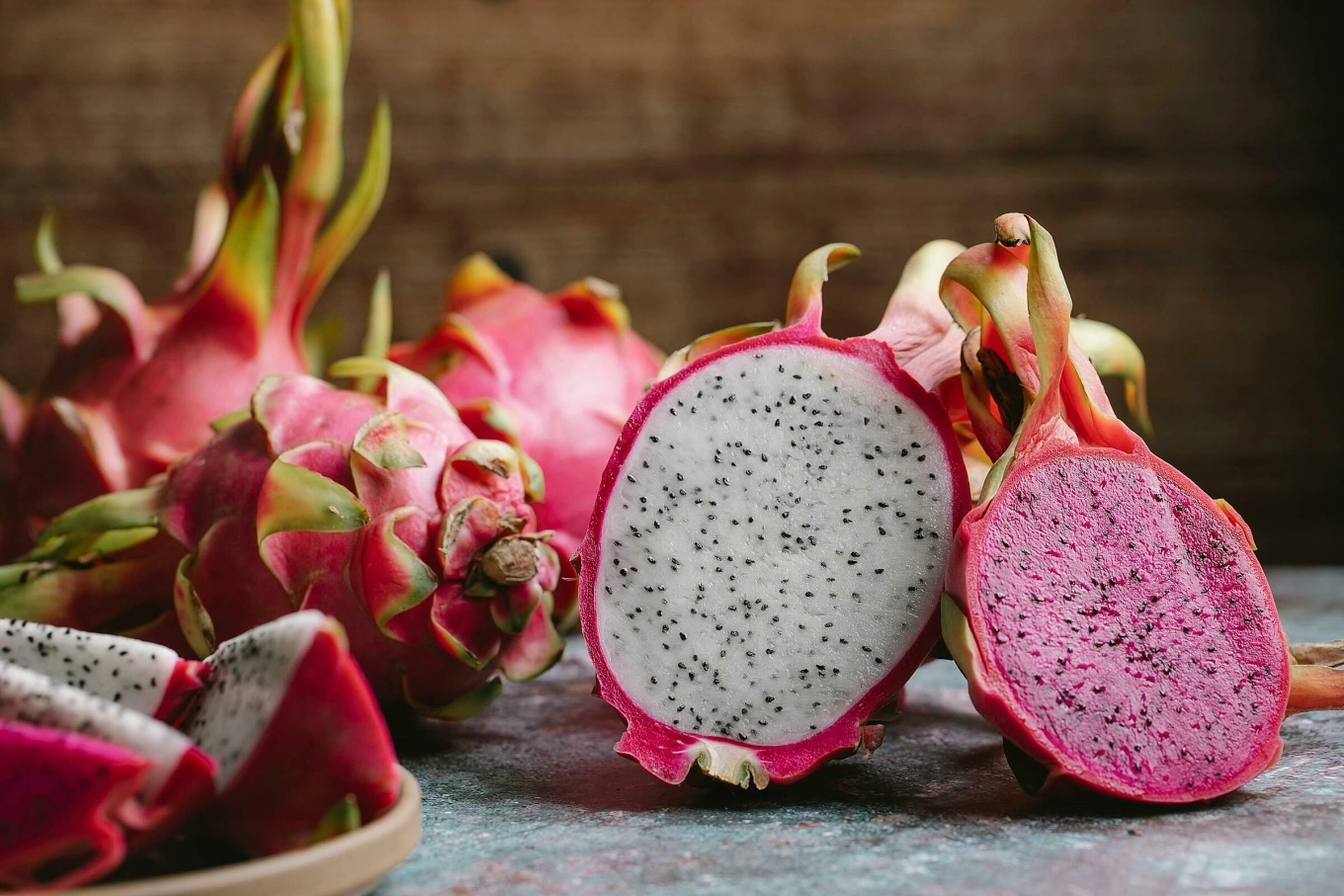
Dragon fruit, also known as pitaya, comes from a cactus species native to Central and South America.
Today, most of the fruit consumed in the UAE is imported from:
- Vietnam
- Thailand
- Malaysia
- Colombia (less common but growing)
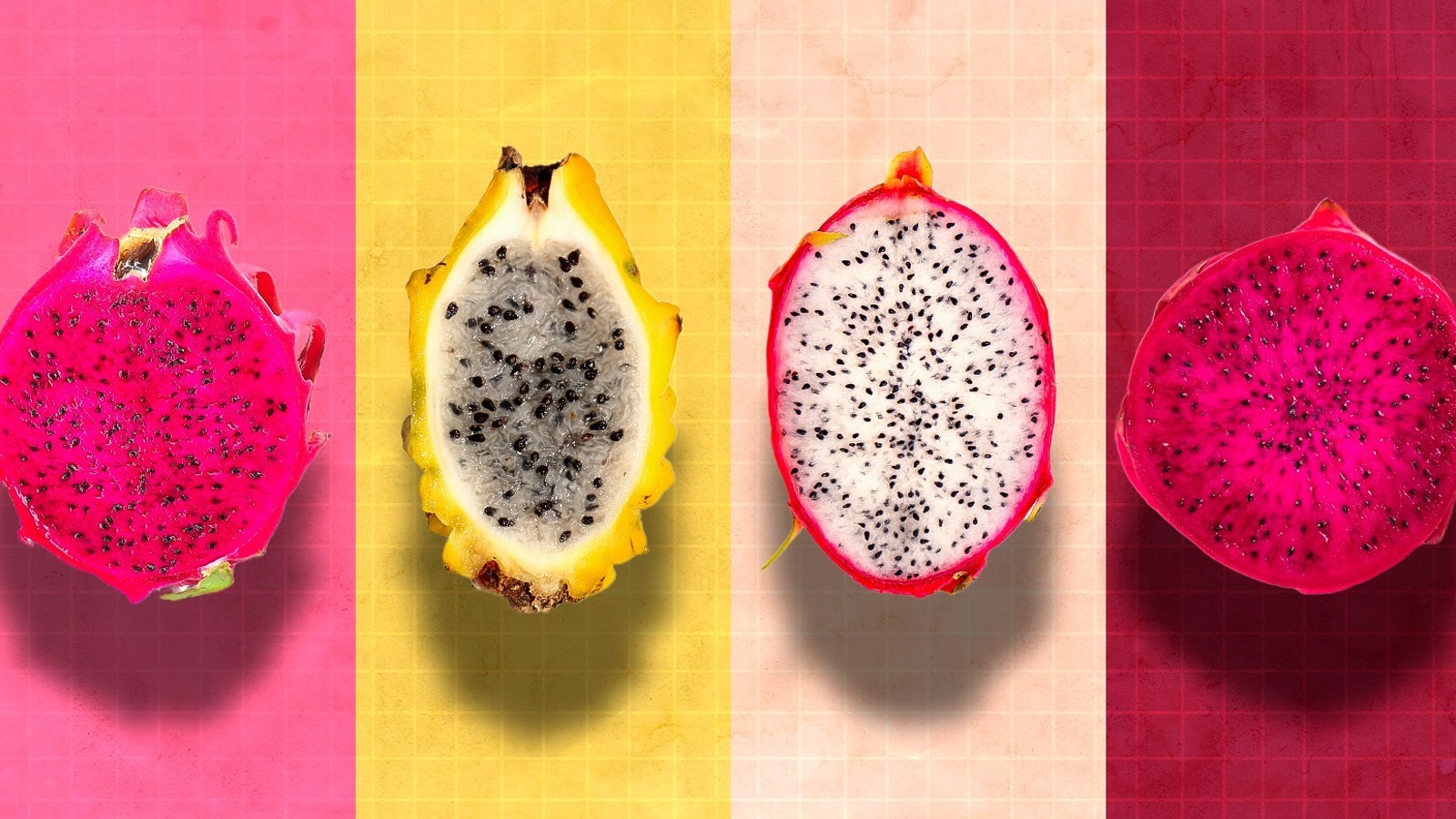
There are three main commercial types:
- White flesh, pink skin (most common in supermarkets)
- Pink/red flesh, pink skin (premium segment)
- White flesh, yellow skin (rare, sweeter, niche supply)
In Dubai’s wholesale and retail markets, the first two dominate — and they are often treated as interchangeable.
They are not.
Pink vs White Dragon Fruit — The Real Difference

4
1. Taste Profile (This Is Where It Starts)
Most people who say “dragon fruit has no taste” have only eaten the white variety.
- White dragon fruit
- Mild, slightly sweet
- Often compared to diluted pear or cucumber
- Refreshing, but not memorable
- Pink/red dragon fruit
- Noticeably sweeter
- Berry-like undertones
- Leaves a stronger aftertaste
For brunch menus, smoothie bowls, and dessert plating, this difference is critical.
A dish built around white dragon fruit often relies on toppings for flavor.
A dish built around pink dragon fruit can stand on its own.
2. Visual Impact (Why Restaurants Prefer Pink)
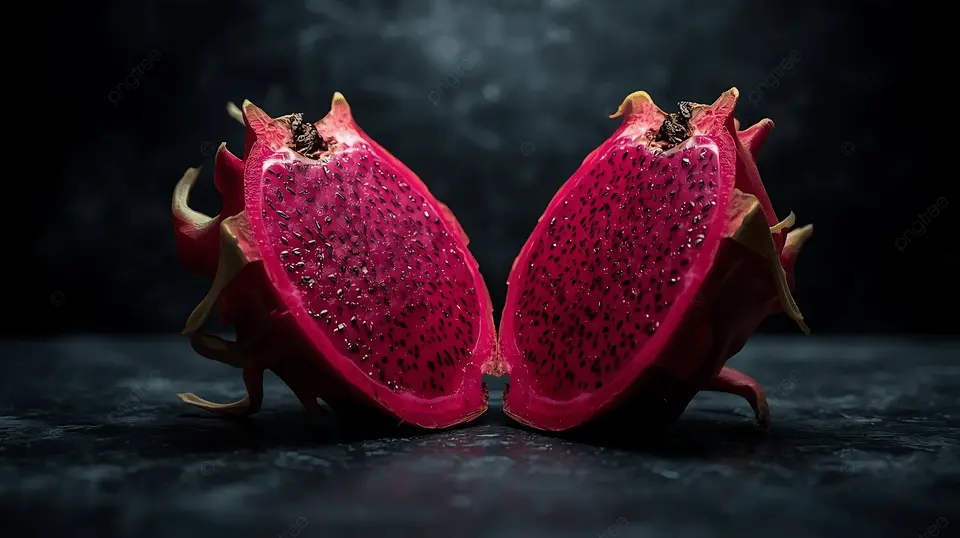
From a presentation standpoint, pink dragon fruit is in a different category.
- White flesh: clean, subtle, minimal
- Pink flesh: bold, saturated, high contrast
In a city where food presentation drives social sharing, this matters.
Restaurants are not just serving fruit.
They are serving visual experiences.
Pink dragon fruit:
- Photographs better
- Stands out in mixed fruit platters
- Elevates perceived value of a dish
This is one reason it appears more frequently on high-end brunch tables, even when it costs more.
3. Sugar Content and Ripeness Sensitivity
Pink varieties generally have higher natural sugar levels.
But they are also more sensitive to:
- Harvest timing
- Transit conditions
- Storage temperature
This creates a common issue in the UAE supply chain:
A poorly handled pink dragon fruit can taste worse than a well-handled white one.
Buyers often assume pink = better.
In reality, handling quality matters more than variety.
4. Shelf Life and Waste Risk
This is where many businesses miscalculate.
- White dragon fruit
- Longer shelf life
- More forgiving during transport
- Lower spoilage risk
- Pink dragon fruit
- Shorter peak window
- More prone to internal softening
- Higher waste if overstocked
For:
- Hotels
- Catering companies
- Bulk buyers
This becomes a cost issue, not just a taste issue.
Why Dubai Buyers Often Get Confused
The confusion does not come from lack of information.
It comes from how the fruit is sold.
1. Labeling Is Often Inconsistent
In many retail environments:
- Both types are simply labeled “dragon fruit”
- No origin or variety distinction is provided
Even in wholesale markets, differentiation is not always clear unless the buyer asks.
2. Price Differences Are Not Always Transparent
Pink dragon fruit typically costs more at the wholesale level.
But pricing fluctuates due to:
- Air freight vs sea freight
- Seasonal supply from Southeast Asia
- Currency shifts
This leads to situations where:
- A buyer pays a premium but receives inconsistent quality
- Or avoids pink entirely due to perceived cost, missing its value in premium dishes
3. Buyers Judge by Appearance Alone
A bright exterior does not guarantee internal quality.
Common mistake:
- Choosing based on skin color and size
- Ignoring firmness and freshness indicators
We will break down how to assess quality later in this article.
Seasonality in the UAE: When Is Dragon Fruit at Its Best?
Dragon fruit is not grown at scale in the UAE climate.
So availability depends almost entirely on imports.
Peak Supply Windows
- Summer (June–September)
- High volumes from Vietnam and Thailand
- More stable pricing
- Better consistency
- Winter (December–February)
- Lower supply
- Higher prices
- Greater variability in quality
This creates an important pattern:
During winter in Dubai, pink dragon fruit becomes riskier to source consistently.
Restaurants that rely on it year-round often face:
- Flavor inconsistency
- Texture issues
- Customer dissatisfaction
Import vs Local Perception
Some buyers assume:
- Imported = lower quality
In reality:
- Dragon fruit is meant to be imported in this region
- Quality depends on logistics, not geography
In practice, suppliers working closely with Dubai-based distributors such as JMB Farm Fresh often observe that handling speed and cold-chain discipline matter more than origin country.
Common Mistakes Buyers Make (And Pay For Later)
Mistake 1: Treating All Dragon Fruit the Same
Menus, recipes, and purchasing plans often do not differentiate between pink and white.
This leads to:
- Inconsistent taste across batches
- Confused customer expectations
- Poor repeat experience
Mistake 2: Overbuying Pink Dragon Fruit
Because it looks premium, buyers tend to:
- Order more than needed
- Use it slower than expected
Result:
- Internal spoilage
- Texture breakdown before use
- Increased waste
Mistake 3: Ignoring Texture at Purchase
A dragon fruit that looks perfect externally can be:
- Overripe inside
- Soft or watery
This is especially common with pink varieties.
Mistake 4: Using White Dragon Fruit in Flavor-Dependent Dishes
White dragon fruit works best as:
- A base ingredient
- A hydration element
Not as:
- A primary flavor component
Yet many smoothie bowls and desserts rely on it incorrectly.
What Real Buyers Actually Care About
From discussions across restaurant groups, procurement teams, and produce buyers, a few priorities consistently emerge:
- Consistency across deliveries
- Predictable shelf life
- Minimal waste
- Flavor reliability
- Visual quality for presentation
Dragon fruit sits at the intersection of all five — which is why understanding its varieties is not optional anymore.
A Simple Rule That Most Suppliers Won’t Say Clearly
If your goal is:
- Visual impact → choose pink (with controlled quantities)
- Stability and low waste → choose white
The mistake is trying to force one to do both jobs.
How to Actually Judge Dragon Fruit Quality (Before You Buy It)
4
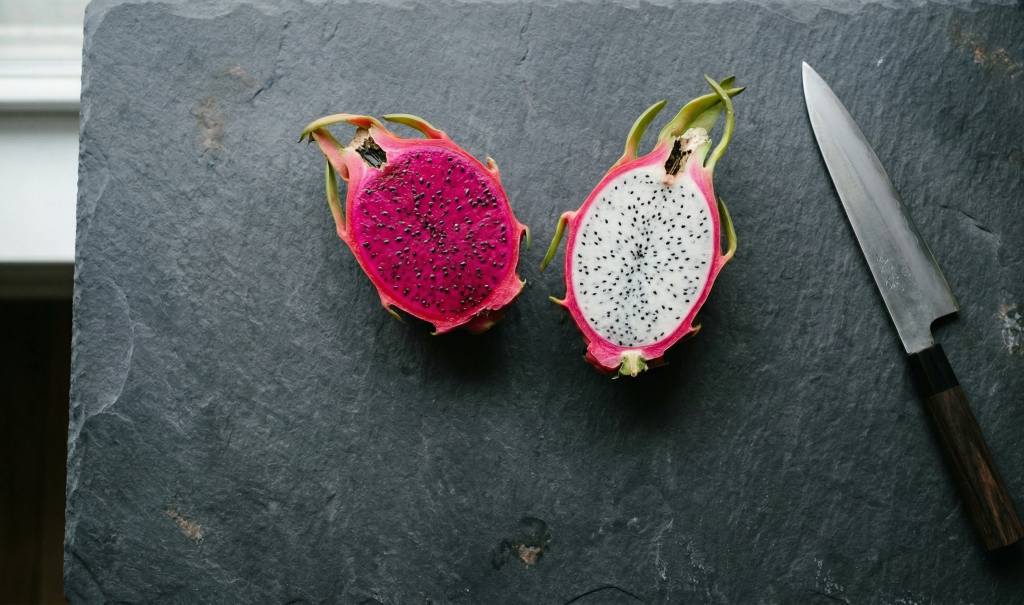
Most quality problems with dragon fruit are not visible at first glance.
From the outside, both fresh and declining fruit can look nearly identical. This is where many buyers — even experienced ones — get caught.
1. Check Firmness First, Not Color
A good dragon fruit should feel:
- Firm but slightly yielding
- Not hard like an apple
- Not soft like a ripe mango
If it feels too soft, especially around the center:
- It is already past peak
- Internal texture may be watery or grainy
This is more critical for pink varieties, which deteriorate faster internally.
2. Look at the “Wings” (The Green Tips)
The outer skin has leaf-like extensions often called “wings.”
- Fresh fruit → tips are green and slightly moist
- Aging fruit → tips turn dry, brown, and brittle
This is one of the most reliable external indicators of freshness.
3. Avoid Dull or Wrinkled Skin
Healthy dragon fruit skin should:
- Look vibrant
- Have a slight natural sheen
Warning signs:
- Wrinkling
- Dull patches
- Uneven soft spots
These indicate dehydration or internal breakdown.
4. Understand Internal Risk (Especially for Pink)
Even when everything looks right outside:
- Pink dragon fruit may be overripe internally
- Seeds may separate from flesh
- Texture becomes mushy
This is why experienced buyers often:
- Purchase smaller batches more frequently
- Avoid holding pink dragon fruit for too long
Wholesale vs Retail: Why the Experience Feels Different
This is one of the most discussed topics among buyers in the UAE.
Why does dragon fruit sometimes feel better when sourced through wholesale channels compared to supermarkets?
Short Answer: Time and Handling
Wholesale supply chains typically move faster.
- Shorter storage cycles
- Less time sitting on shelves
- Better rotation practices
Retail environments, especially high-traffic supermarkets, may:
- Display fruit longer
- Prioritize appearance over internal condition
- Mix batches from different shipment dates
But Wholesale Is Not Automatically Better
There is a common belief:
“Wholesale quality is always higher.”
This is not entirely accurate.
Wholesale buying comes with tradeoffs:
- Less curation at individual item level
- Greater responsibility on the buyer to inspect quality
- Variation between batches
Retail offers:
- Convenience
- Smaller quantities
- Easier selection
The right choice depends on:
- Volume needs
- Storage capacity
- Skill in assessing produce
Real-World Use Cases: Choosing the Right Type for the Right Job
1. Restaurants and Cafés
For high-visibility dishes like:
- Smoothie bowls
- Fruit platters
- Dessert garnishes
Pink dragon fruit works best because:
- It enhances visual appeal
- It adds noticeable sweetness
But operationally:
- It should be ordered in controlled volumes
- Used within a shorter window
2. Hotels and Buffet Operations
Hotels prioritize:
- Consistency
- Reduced waste
- Predictable supply
Here, white dragon fruit often becomes the default because:
- It holds better over time
- It tolerates buffet exposure longer
- It maintains structure when pre-cut
3. Home Buyers and Families
For everyday consumption:
- White dragon fruit is more forgiving
- Easier to store
- Less risky if not consumed immediately
Pink dragon fruit is better treated as:
- An occasional premium purchase
- Consumed within 1–2 days
4. Catering and Event Supply
Catering teams often operate under:
- Tight timing
- Large volumes
- Limited storage flexibility
A mixed strategy works best:
- White for base volume
- Pink for highlight dishes
The Smoothie Bowl Effect: Why Demand Is Shifting
4
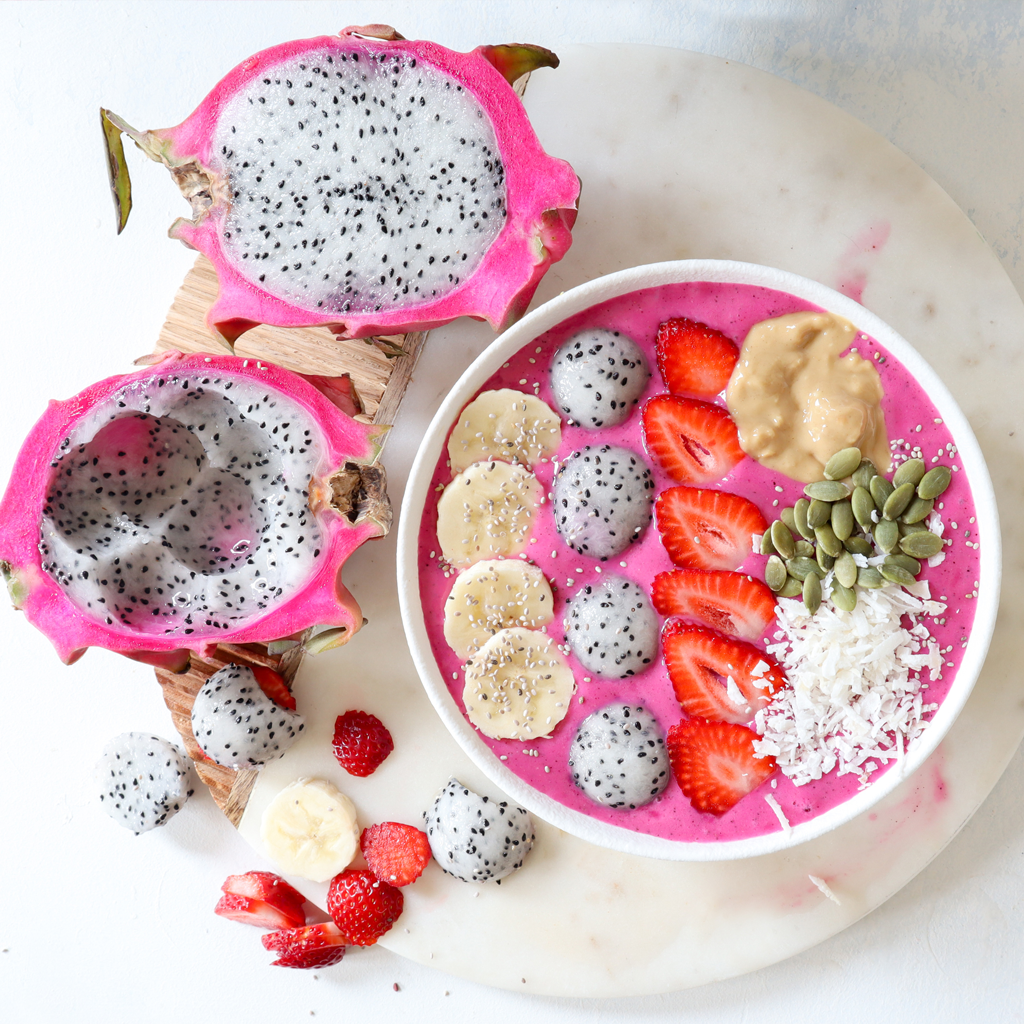
Over the past few years, one category has quietly influenced demand more than any other:
Smoothie bowls and health-focused brunch menus
These dishes rely heavily on:
- Color
- Texture contrast
- Visual layering
Pink dragon fruit naturally fits this format.
It blends into:
- Bright magenta bases
- High-contrast toppings
- Clean, modern presentation styles
White dragon fruit, while useful, does not deliver the same visual effect.
But There Is a Hidden Risk
Many operators build menu items around pink dragon fruit without considering:
- Seasonal supply gaps
- Price fluctuations
- Quality inconsistency
This leads to:
- Recipe changes
- Customer dissatisfaction
- Increased cost pressure
A more stable approach is:
- Designing menus that can adapt between varieties
- Not depending entirely on one type
Why Prices Fluctuate More Than People Expect
Dragon fruit pricing in the UAE is influenced by several factors:
1. Air Freight vs Sea Freight
- Air freight → faster, fresher, more expensive
- Sea freight → cheaper, longer transit, higher risk
Pink dragon fruit is more sensitive to transit time, making logistics decisions more important.
2. Harvest Cycles in Southeast Asia
Production peaks and dips directly affect availability.
When supply tightens:
- Prices rise
- Quality variation increases
3. Handling Losses
Spoilage during:
- Transit
- Storage
- Distribution
This loss is often built into pricing structures.
A Quiet Reality Most Buyers Learn the Hard Way
Dragon fruit is not a “set-and-forget” product.
It requires:
- Active inspection
- Flexible purchasing
- Awareness of seasonal patterns
Buyers who treat it like apples or oranges — stable and predictable — often face:
- Inconsistent results
- Higher waste
- Menu instability
One Operational Insight That Changes Everything
Instead of asking:
“Which dragon fruit is better?”
A more useful question is:
“Which dragon fruit fits this specific use case today?”
This shift in thinking helps:
- Reduce waste
- Improve consistency
- Align cost with actual value

How to Store Dragon Fruit Properly in the UAE Climate
4
Dubai’s climate adds a layer of complexity to fruit handling.
High ambient temperatures mean that even short exposure outside controlled environments can accelerate deterioration.
Whole Fruit Storage
For both pink and white varieties:
- Store at 4–8°C (standard refrigeration range)
- Keep dry and ventilated
- Avoid stacking too tightly
White dragon fruit tolerates slight temperature variation better.
Pink dragon fruit is more sensitive — even brief temperature spikes can affect internal texture.
Cut Fruit Handling
Once cut, dragon fruit behaves differently:
- Surface dries quickly
- Texture softens faster
- Flavor declines within hours
Best practice:
- Store in airtight containers
- Use within 24 hours (ideally sooner)
For buffet or display settings, this becomes critical.
Common Storage Mistakes
- Leaving fruit at room temperature for extended periods
- Washing before storage (adds moisture and speeds spoilage)
- Mixing old and new stock
These small errors compound quickly, especially with pink varieties.
Local vs Imported: What Buyers Should Actually Understand
In conversations across UAE buyers, there is often a question:
“Is locally grown dragon fruit better?”
The reality is more practical than ideological.
The UAE Context
Dragon fruit is not widely produced at scale locally due to:
- Climate constraints
- Water requirements
- Limited commercial farming infrastructure
So most supply remains imported.
What Actually Matters More Than Origin
- Harvest timing
- Transit duration
- Cold chain consistency (continuous refrigeration from farm to buyer)
A well-handled imported fruit will outperform a poorly handled “local” one every time.
Why Some Buyers Prefer Established Distributors
Some UAE buyers choose to work with consistent suppliers rather than switching frequently.
Not for branding reasons, but for:
- Predictable quality
- Stable handling practices
- Reduced variability between batches
This is why some procurement teams prefer working with established distributors rather than fragmented retail sourcing, especially for sensitive fruits like dragon fruit.
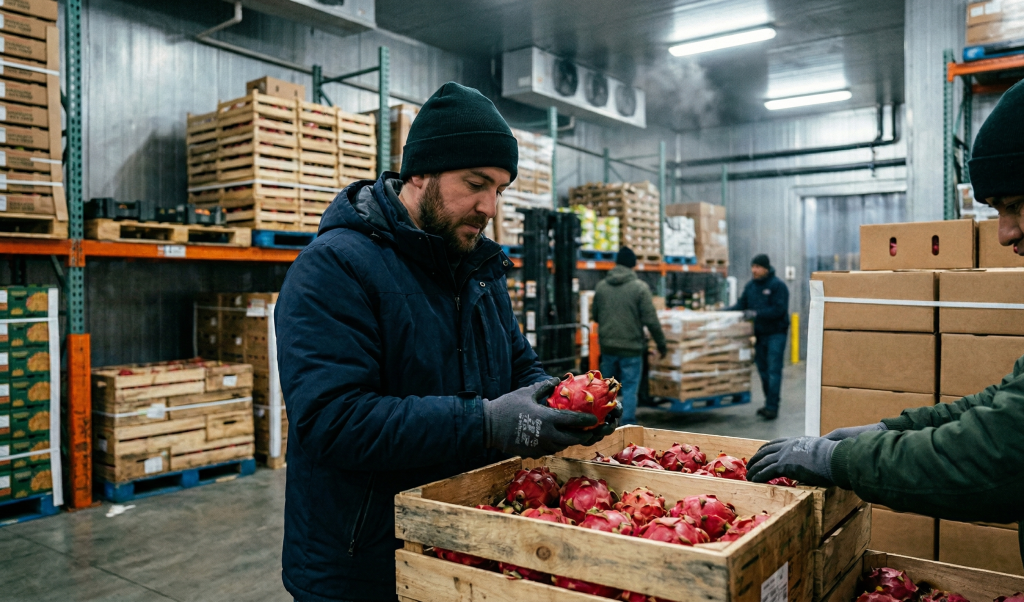
The Waste Factor: Where Most Money Is Lost
Dragon fruit is often treated as a premium item.
But the real cost is not the purchase price.
It is waste.
Where Waste Happens
- Overordering pink varieties
- Holding stock too long
- Misjudging ripeness at purchase
- Poor storage practices
Why Pink Dragon Fruit Carries Higher Risk
- Shorter usable window
- Faster internal breakdown
- Greater sensitivity to handling
This does not make it a bad product.
It simply means:
It needs tighter operational control.
A Practical Approach to Reduce Waste
Experienced buyers often follow simple rules:
- Order smaller quantities more frequently
- Separate stock by delivery date
- Use pink dragon fruit first
- Keep white dragon fruit as backup volume
These practices sound basic, but they significantly improve outcomes.
A Balanced View: Is Pink Dragon Fruit “Better”?
This is where many discussions become oversimplified.
Pink dragon fruit is often positioned as:
- Superior
- Premium
- More desirable
But in practice:
Pink Dragon Fruit Is Better For:
- Visual presentation
- Flavor-forward dishes
- Premium menu positioning
White Dragon Fruit Is Better For:
- Stability
- Bulk usage
- Lower waste environments
The idea that one replaces the other is misleading.
They serve different purposes.
What Experienced Buyers Do Differently
Over time, experienced buyers in the UAE market develop a few habits:
They Separate Function from Appearance
They do not choose fruit just because it looks good.
They ask:
- How will this be used?
- How long will it be stored?
- What is the expected turnover?
They Adjust Based on Season
They understand that:
- Winter supply behaves differently
- Summer supply is more stable
And they adapt their purchasing accordingly.
They Build Flexible Menus
Instead of locking into one ingredient, they:
- Allow substitution between varieties
- Design dishes that tolerate variation
This reduces operational stress.
Final Thoughts: Why This Difference Matters More Than It Seems
Dragon fruit looks simple.
But in a market like Dubai — where supply chains are long, temperatures are high, and expectations are even higher — small differences become operational decisions.
Understanding the difference between pink and white dragon fruit is not about preference.
It is about:
- Consistency
- Cost control
- Customer experience
And most importantly:
Using the right product for the right purpose at the right time.
Frequently Asked Questions (FAQ)
1. Is pink dragon fruit always sweeter than white?
Usually yes, but only if handled properly. Poor storage or delayed transport can reduce sweetness significantly.
2. Why does dragon fruit sometimes taste bland?
Most often, it is the white variety or fruit harvested too early.
3. Can I store dragon fruit outside the fridge?
Only for short periods. In UAE conditions, refrigeration is strongly recommended.
4. Why is pink dragon fruit more expensive?
It has higher demand, shorter shelf life, and is more sensitive during transport.
5. Which is better for smoothies?
Pink dragon fruit is preferred for both flavor and color.








 Home
Home  Whishlist
  Compare
  Checkout