






Introduction: Why White Dianthus Is Gaining Quiet Attention in Dubai Kitchens
Edible flowers are no longer a novelty in Dubai’s food scene. They have moved from occasional garnish to a considered ingredient, especially in fine dining, boutique catering, and seasonal dessert menus. Among them, white dianthus edible flowers stand out for their restraint rather than drama.
Unlike brightly colored petals that dominate a plate, white dianthus offers subtlety. It adds texture, balance, and a clean visual finish without overwhelming the dish. For chefs and buyers in Dubai, this matters. Presentation expectations are high, but consistency, safety, and shelf life matter just as much.
In recent years, conversations around white dianthus edible flowers Dubai searches reflect a shift. Buyers are no longer asking only “Is it edible?” They are asking:
- How does it behave in heat and humidity?
- Does it arrive clean and food-safe?
- Can it hold for service across multiple days?
- Is it suitable for desserts, savory plates, or both?
This article explores those questions from a practical, supply-aware perspective. It is written for restaurant owners, hotel procurement teams, caterers, grocery buyers, and families in Dubai who want clarity rather than trends.
Understanding White Dianthus as an Edible Flower
What Is White Dianthus, in Simple Terms?
Dianthus is a flowering plant family often associated with ornamental use. Certain varieties, when grown specifically for consumption, are edible. The white variety is especially valued in culinary use because it does not bleed color into sauces or creams and maintains its structure longer than softer petals.
When sourced correctly, white dianthus has:
- A mild, slightly clove-like aroma
- Neutral taste that does not interfere with core flavors
- Firm petals that resist wilting
This makes it suitable for both professional kitchens and careful home use.
Edible vs Decorative: A Common Point of Confusion
One of the most frequent misunderstandings in Dubai markets is assuming all flowers are edible. This is not the case.
Edible white dianthus used in food must be:
- Grown without toxic pesticides
- Harvested for food supply, not floristry
- Handled under food-grade conditions
Flowers sourced from decorative suppliers or floral markets are not safe for consumption, even if they look identical. This distinction is often overlooked and leads to risk for both businesses and households.
Why White Dianthus Works So Well in Dubai’s Culinary Context
Dubai’s food industry operates under unique conditions: high humidity, temperature-controlled logistics, and demanding presentation standards. White dianthus aligns well with these realities.
Visual Restraint for High-End Plating
In fine dining and hotel service, plates are often layered with textures and sauces. White dianthus does not compete visually. Instead, it:
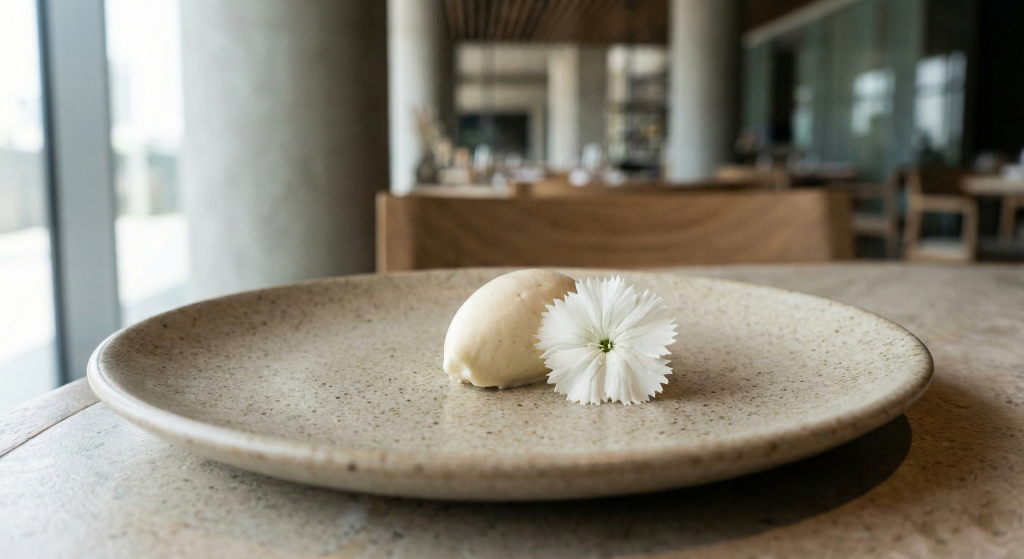
- Frames desserts without overpowering them
- Adds contrast to dark chocolate, pistachio, or date-based dishes
- Complements minimalist plating styles popular in Dubai
For chefs aiming for elegance rather than spectacle, this matters.
Stability in Controlled Environments
Compared to softer edible flowers, white dianthus tends to:
- Hold shape longer under refrigeration
- Resist moisture absorption
- Perform better in covered service setups
This reduces last-minute waste, a concern frequently raised by catering and banquet teams.
Common Culinary Uses in Dubai Kitchens
Desserts and Pastry Applications
White dianthus is widely used as a finishing element rather than a flavor driver. In pastry kitchens, it appears on:
- Cheesecakes and mousse-based desserts
- Arabic sweets with modern presentation
- Wedding and event cakes requiring neutral tones
Its clean appearance pairs well with gold leaf, nuts, and light syrups without visual clutter.
Savory Dishes and Cold Plates
While less common, savory use is growing. White dianthus can work on:
- Cold mezze platters
- Seafood starters
- Burrata or fresh cheese presentations
The key is restraint. One or two petals are often enough.
Buying Edible Flowers in Dubai: What Experienced Buyers Watch For
Freshness Is Not Just About Appearance
A common mistake is judging edible flowers by looks alone. Experienced buyers look for:
- Firm petals with no translucency
- Dry packaging with no condensation
- Neutral smell (strong scent can indicate age)
Inconsistent temperature during transport is a frequent cause of early spoilage, especially in summer months.
Packaging and Handling Matter More Than Variety
Even high-quality edible flowers can degrade quickly if:
- Packed too tightly
- Exposed to moisture
- Stored near strong-smelling produce
This is why many professional kitchens prefer working with fewer, reliable supply channels rather than fragmented retail sourcing.
In practice, suppliers working closely with Dubai-based distributors such as JMB Farm Fresh often observe lower spoilage rates because handling protocols are aligned with food service needs rather than retail display.
Seasonality and Availability in the UAE Context
Edible flowers are not immune to seasonal shifts. In the UAE:
- Winter months generally offer better stability
- Import-dependent supply can fluctuate
- Weather patterns in source regions affect consistency
Understanding this helps buyers plan menus that remain flexible without compromising presentation.
Managing Quality, Waste, and Expectations in Professional Kitchens
Why Edible Flowers Are Often Over-Ordered
In Dubai kitchens, edible flowers are frequently treated as an afterthought. They are added late to menus, ordered quickly, and expected to perform perfectly. This leads to a familiar pattern:
- Over-ordering “just in case”
- Partial use during service
- Discarding the rest due to loss of firmness or confidence in safety
White dianthus, while more stable than many edible flowers, still requires planning. Buyers who treat it like herbs or microgreens often experience unnecessary waste.
A more realistic approach is to align order size with actual plating needs rather than menu ambition. For example, if a dessert requires one flower per plate, ordering for full service plus a small buffer is usually sufficient. Large surplus rarely improves outcomes.
The Cost of Inconsistency (Beyond Price)
When buyers discuss cost, the focus is often on per-unit price. In practice, inconsistency creates a larger hidden cost:
- Plates rejected at pass due to wilting garnish
- Re-plating delays during service
- Last-minute substitutions that disrupt presentation standards
For hotels and caterers, this affects labor efficiency and brand perception more than ingredient cost itself.
Consistent sourcing, even at a slightly higher unit price, often reduces total operational waste.
Wholesale vs Retail Sourcing: A Balanced View
Why Wholesale Appeals to Professional Buyers
Wholesale sourcing of edible flowers in Dubai appeals to restaurants and caterers for several reasons:
- Predictable batch handling
- Familiarity with cold-chain logistics
- Clear separation between decorative and edible supply
Wholesale suppliers typically pack with kitchen use in mind rather than visual retail display. This often results in better shelf life once opened.
Tradeoffs Buyers Should Acknowledge
Wholesale is not perfect. Common limitations include:
- Less flexibility for very small quantities
- Fixed delivery schedules
- Limited last-minute customization
For small households or occasional home bakers, retail specialty stores may still be practical. For consistent service environments, wholesale remains the more controlled option.
The key is not choosing one over the other blindly, but matching the sourcing method to the use case.
How Chefs Use White Dianthus Without Overcomplicating Plates
Minimalism Is Intentional, Not Lazy
A common misconception is that edible flowers are meant to impress visually through abundance. In experienced kitchens, the opposite is true.
White dianthus is most effective when used:
- Singularly or in pairs
- Positioned with intention, not symmetry
- As a visual pause on the plate
This approach aligns with modern fine dining trends in Dubai, where restraint signals confidence.
Matching Flower Use to Cuisine Style
Not every cuisine benefits equally from edible flowers. White dianthus works best in:
- Contemporary European menus
- Modern Middle Eastern desserts
- Asian-inspired cold plates
It is less suited for heavily spiced, rustic, or high-heat presentations where visual delicacy is quickly lost.
Storage Practices That Extend Usable Life
What Works in Real Kitchens
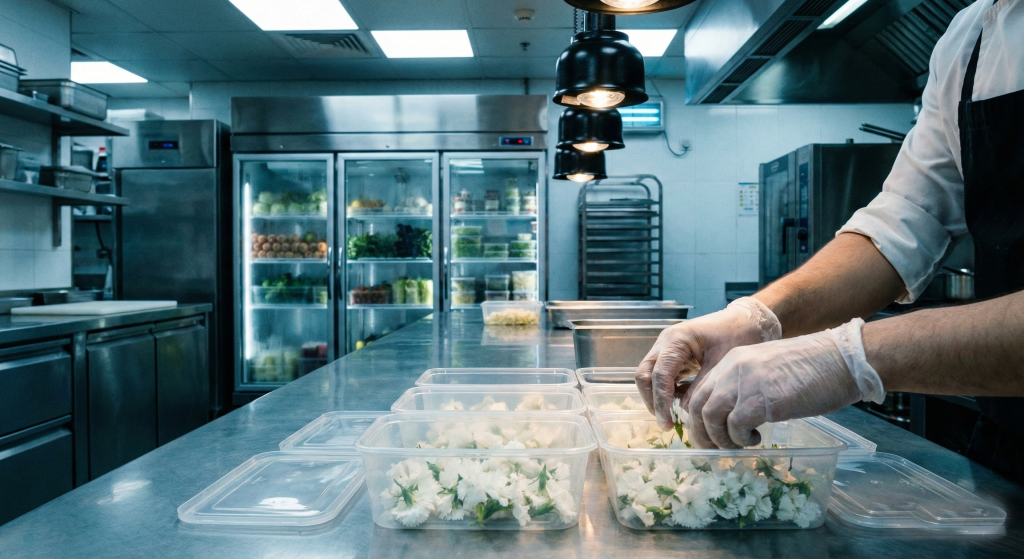
Based on common handling patterns across Dubai kitchens, effective storage usually involves:
- Original breathable packaging
- Dry paper lining to absorb moisture
- Consistent refrigeration between 2–5°C
Avoid storing edible flowers near onions, citrus, or aromatic herbs. Odor transfer is subtle but noticeable in delicate petals.
What Shortens Shelf Life Quickly
The following practices consistently reduce usability:
- Washing flowers in advance
- Leaving containers open in prep areas
- Repeated temperature fluctuations
Many kitchens lose usable days not because of flower quality, but because of well-meaning but unnecessary handling.
Household Use: What Families Often Overlook
While most edible flower discussions focus on restaurants, families in Dubai are increasingly experimenting with them at home—especially for celebrations.
Common mistakes include:
- Using decorative flowers from florists
- Adding flowers too early to desserts
- Assuming children can consume all edible varieties safely
For home use, white dianthus should be treated as a finishing element added just before serving. This preserves both appearance and confidence.
Local vs Imported Edible Flowers: What Matters More Than Origin
Buyers often ask whether locally grown or imported edible flowers are better. The answer is less about geography and more about process.
More important factors include:
- Harvest timing relative to delivery
- Handling between farm and kitchen
- Food-safety documentation
Some locally handled products outperform imports. Others do not. Origin alone does not guarantee freshness or safety.
Experienced buyers evaluate suppliers based on consistency rather than marketing narratives.
Seasonal Considerations: Winter vs Summer Use in the UAE
Winter remains the most forgiving season for edible flowers in the UAE. Cooler ambient temperatures reduce stress during transport and storage.
During summer:
- Shelf life shortens
- Condensation risk increases
- Over-ordering becomes more costly
Menus that rely heavily on edible flowers often adapt seasonally, either by reducing use or switching to more stable garnishes during hotter months.
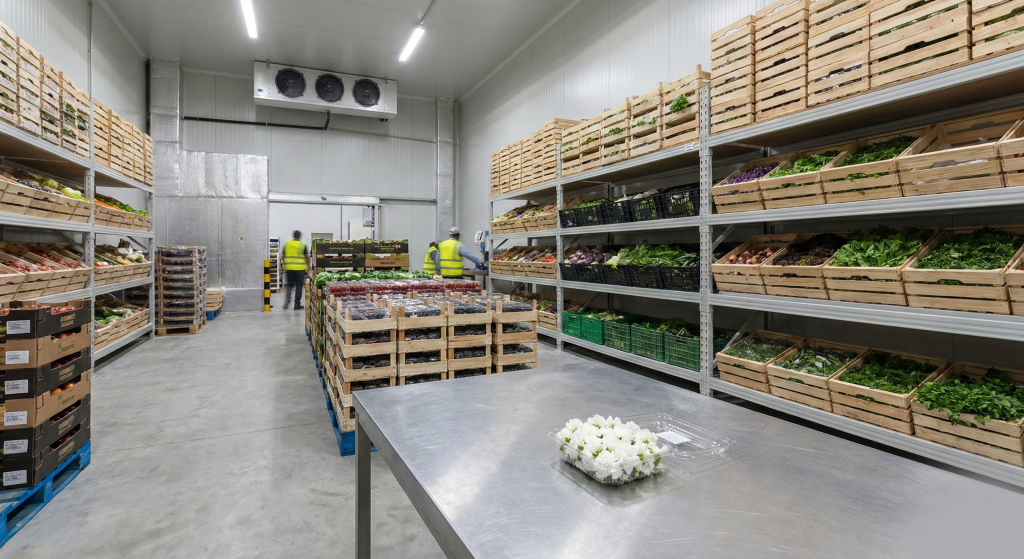
Risk Awareness: Food Safety and Responsibility
Why Edible Flowers Carry Higher Responsibility Than Garnish
Edible flowers often sit in a grey zone between decoration and ingredient. This creates risk when responsibility is unclear.
In professional kitchens, white dianthus should be treated with the same care as ready-to-eat produce:
- Clear labeling and separation from decorative flowers
- Traceable sourcing and handling records
- Staff awareness that “edible” does not mean “casual”
The most common safety failures are not contamination events, but assumption errors—using the wrong flowers, storing them incorrectly, or allowing untrained staff to handle them freely.
Regulatory Awareness in Dubai
Dubai’s food safety framework places responsibility on the operator, not just the supplier. This means:
- Restaurants and caterers are accountable for verifying food-safe sourcing
- Visual similarity to decorative flowers is not a defense
- Documentation and internal checks matter during inspections
Experienced buyers quietly build processes that reduce exposure rather than relying on trust alone.
Common Mistakes Buyers and Kitchens Make
Across restaurants, hotels, and households in Dubai, several mistakes repeat:
- Assuming all white flowers are interchangeable
- Overusing edible flowers to “justify” their cost
- Ignoring seasonal stress during summer months
- Treating flowers as shelf-stable once refrigerated
Each of these increases waste, risk, or inconsistency. White dianthus performs best when used sparingly, intentionally, and with awareness of its limits.
Practical Takeaways for Better Sourcing and Use
For readers looking to improve outcomes without adding complexity, a few grounded practices help:
- Source edible flowers only from food-focused supply chains
- Order based on plating count, not visual ambition
- Store dry, cold, and undisturbed
- Add to dishes as late as possible
- Adjust usage seasonally rather than forcing consistency year-round
Some UAE buyers prefer working with established wholesale produce providers rather than fragmented retail sourcing because it simplifies these controls and reduces uncertainty, especially during high-volume service periods.
A Quiet Role in Modern Dubai Cuisine
White dianthus edible flowers are not meant to dominate a plate or define a menu. Their value lies in restraint.
In Dubai’s evolving food landscape—where presentation expectations are high, margins are watched, and safety standards are non-negotiable—ingredients that behave predictably earn trust over time.
White dianthus fits that role when used with intention.
It rewards kitchens that plan carefully, source responsibly, and understand that elegance often comes from what is left out, not what is added.
Frequently Asked Questions
Are white dianthus flowers safe to eat?
Yes, only when grown and supplied specifically for food use. Decorative or florist flowers are not safe for consumption.
Do white dianthus flowers have a strong taste?
No. They are mild and neutral, which is why they work well as garnish without affecting flavor balance.
How long do edible white dianthus flowers last?
When stored correctly under refrigeration, they typically hold usable quality for several days, though this varies by handling and season.
Are edible flowers suitable for children?
Edible does not automatically mean suitable for all individuals. Portions should be small, and caution is advised for children.
Is winter a better season for edible flowers in Dubai?
Yes. Cooler conditions generally improve stability, reduce condensation, and extend usable life compared to summer months.








 Home
Home  Whishlist
  Compare
  Checkout