

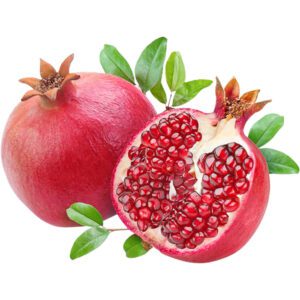

















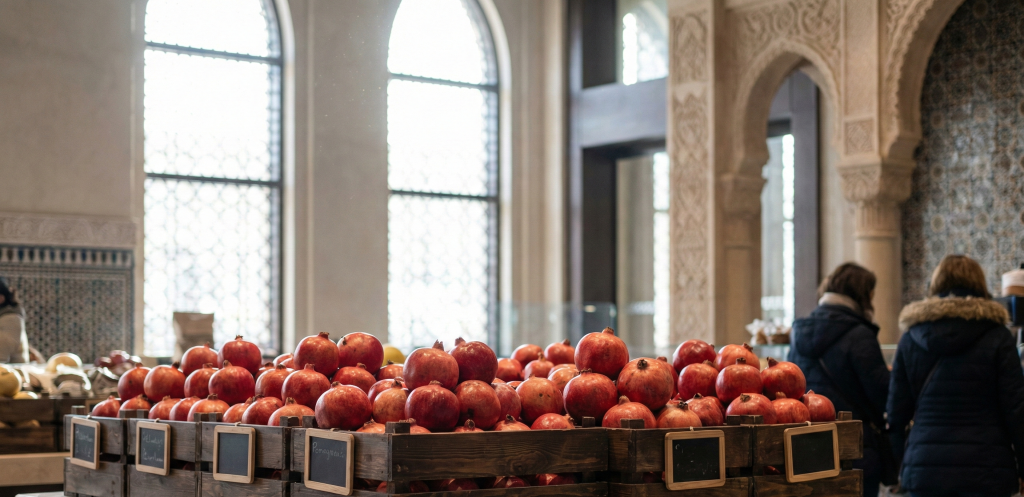
Ramadan in the UAE coincides with peak winter fruit season. Markets are fuller, supply chains are more stable, and one fruit consistently stands out on display tables: the pomegranate.
Across homes, restaurants, and hotel buffets, pomegranates in UAE see a noticeable rise in demand during this period. The reasons are practical. They are visually striking, store reasonably well compared to softer fruits, and adapt easily into juices, salads, desserts, and savory dishes.
Yet many buyers — from families in Dubai to catering managers — use pomegranates in limited ways. Often just sprinkled over a salad or squeezed into juice. This article explores more thoughtful, seasonal uses, while also explaining sourcing realities, winter availability, and common quality considerations relevant to Ramadan purchasing.
Why Pomegranates Matter During Winter in the UAE
Seasonal Availability and Supply Patterns
The UAE does not rely on a single source for pomegranates. During winter, supply typically comes from:
- Regional producers in the Middle East
- South Asian origins
- Mediterranean countries
- Limited local UAE cultivation
This seasonal alignment explains why winter pomegranates Dubai buyers encounter during Ramadan often have:
- Better sweetness balance
- Firmer arils (the edible seeds)
- More stable pricing compared to off-season imports
However, quality can vary significantly between batches. The same shipment may include fruit with thick rind and pale arils next to deeply colored, juice-heavy varieties. That inconsistency is where buyers often struggle.
What Buyers Often Misunderstand About Pomegranate Quality
From discussions in procurement circles and food forums, several recurring questions appear:
- Why do some pomegranates look red outside but pale inside?
- Why do prices fluctuate week to week?
- Is wholesale quality lower than supermarket fruit?
- How do I reduce waste when buying in bulk?
These concerns are valid.
Exterior Color Does Not Guarantee Interior Quality
Many assume darker skin means sweeter fruit. In reality, sweetness depends on:
- Variety
- Growing conditions
- Maturity at harvest
- Storage duration
Some lighter-skinned varieties produce deeply red, sweet arils. Cutting samples before committing to large volumes is common practice among experienced buyers.
Price Volatility During Ramadan
Demand spikes during Ramadan. Retail buyers increase volume for home consumption. Hospitality operators expand buffet offerings. Catering companies scale production.
Even in peak season, temporary price fluctuations occur due to:
- Shipment delays
- Weather impact in origin countries
- Port clearance timing
- Sudden demand surges before the first week of fasting
Understanding this helps avoid panic buying or over-ordering, both of which increase spoilage risk.
Practical Ways Families in Dubai Can Use Pomegranates During Ramadan
Ramadan meals often follow a rhythm: light Iftar starters, hydration-focused drinks, then richer main courses and desserts. Pomegranates fit naturally into each stage.
1. Fresh Pomegranate & Date Iftar Juice
Instead of plain juice, combine:
- Fresh pomegranate arils
- Soaked dates
- A splash of lemon
- Chilled water or coconut water
Blend lightly and strain if desired.
This approach maintains fiber while balancing sweetness. It also avoids excessive added sugar, a common issue with pre-made juices.
Many discussions around pomegranate health benefits Ramadan center on hydration and antioxidants. While claims should remain realistic, the fruit does provide natural sugars, vitamin C, and polyphenols — helpful after long fasting hours.
2. Pomegranate & Cucumber Cooling Salad
A simple combination that works well in Dubai’s climate:
- Chopped cucumber
- Mint
- Crumbled feta
- Pomegranate arils
- Light olive oil dressing
The contrast of texture matters here. Crisp cucumber reduces heaviness. The arils add brightness without dominating the dish.
For households, the key mistake is over-preparing arils in advance. Once removed from the rind, they lose firmness faster. It is better to deseed closer to serving time.
3. Pomegranate Molasses Glaze for Grilled Meats
Instead of only using raw seeds, reduce fresh juice into a light syrup with minimal sugar. This glaze works well over:
- Grilled chicken
- Lamb kebabs
- Roasted vegetables
In Ramadan buffets, visual contrast is important. The deep ruby glaze enhances presentation without artificial coloring.
How Restaurants and Caterers Can Elevate Pomegranate Usage
For professional kitchens, the goal is not just flavor. It is consistency, portion control, and waste management.
Managing Aril Yield
One operational concern: yield loss.
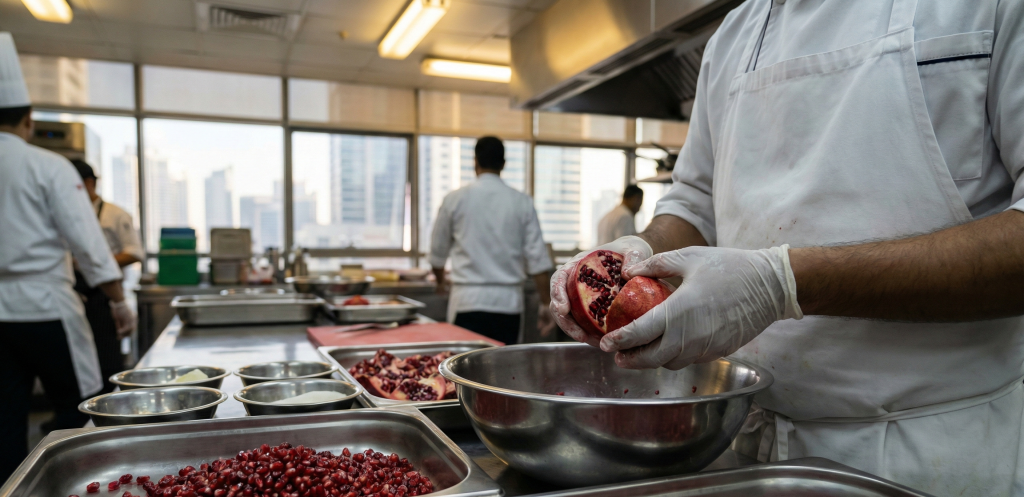
A 1 kg pomegranate does not equal 1 kg edible product. Depending on variety, aril yield may fall between 45–60%.
Without yield planning, kitchens underestimate procurement volume and experience mid-service shortages.
Some operators process in-house. Others purchase pre-separated arils. Each option has tradeoffs:
Whole Fruit Advantages
- Longer shelf life
- Lower contamination risk
- Better control over freshness
Pre-separated Arils
- Saves labor
- Reduces prep time
- Higher per-kilo cost
- Shorter shelf life
The choice depends on labor structure and daily turnover.
4. Pomegranate & Lentil Warm Salad for Iftar Buffets
A winter-appropriate dish for hotels:
- Warm green lentils
- Roasted carrots
- Toasted almonds
- Fresh arils
- Light cumin dressing
This balances protein and acidity. It also withstands buffet holding times better than delicate leafy salads.
5. Light Pomegranate Yogurt Dessert Cups
Instead of heavy syrup-soaked desserts, many hospitality groups are shifting toward lighter options:
- Greek yogurt
- Honey drizzle
- Pomegranate arils
- Crushed pistachio
This aligns with changing customer preferences — indulgence without excessive heaviness.
Sourcing Pomegranates in UAE: Retail vs Wholesale
A recurring question across LinkedIn F&B groups: Is wholesale produce inferior to supermarket fruit?
The answer is nuanced.
Wholesale markets handle higher volume. This means:
- Faster turnover
- Broader size variation
- Mixed grading
Retail chains often select visually uniform fruit. But that does not always mean superior taste.
In practice, suppliers working closely with Dubai-based distributors such as JMB Farm Fresh often observe that informed buyers prioritize:
- Brix level (sweetness measurement)
- Firmness
- Absence of internal browning
- Clean calyx (crown) area
Rather than skin shine alone.
Understanding grading helps buyers avoid overpaying for cosmetic appearance.
Common Mistakes Buyers Make During Ramadan
1. Over-ordering in Week One
Initial enthusiasm leads to inflated orders. If consumption patterns stabilize lower than expected, waste increases.
2. Ignoring Storage Conditions
Pomegranates prefer:
- Cool, dry storage
- Avoiding moisture condensation
- Minimal stacking pressure
Improper storage leads to internal breakdown even when the exterior appears intact.
3. Focusing Only on Price Per Carton
A lower carton price with low aril yield may cost more per edible kilogram. Experienced procurement teams calculate usable output, not just gross weight.
Local vs Imported: What Matters More?
The UAE’s agricultural production is improving, but pomegranate supply still relies largely on imports.
Key considerations:
- Local produce may arrive fresher but in smaller volumes
- Imported fruit offers scale but depends on transit time
- Variety selection differs between origins
Rather than assuming “local is always better” or “imported is always consistent,” the better question is:
Does this batch meet your intended use?
For juice extraction, high aril moisture matters.
For garnish use, color intensity matters.
For buffet display, size uniformity matters.
Matching purpose to variety reduces waste and improves guest satisfaction.
At this stage, we have covered household usage, professional applications, sourcing realities, and common misconceptions.
Next, we will examine deeper operational insights, seasonal risks, and advanced culinary uses relevant to winter produce cycles in Dubai.

Understanding Winter Produce Cycles in Dubai
Ramadan often falls within the UAE’s strongest fresh produce window. This matters more than most buyers realize.
Winter is when supply chains are relatively stable. Transit times from nearby producing countries are shorter. Heat stress during transportation is lower. Shrinkage (weight loss due to moisture evaporation) is reduced compared to summer.
For winter pomegranates Dubai buyers, this usually means:
- Firmer texture
- Less internal browning
- Longer shelf stability
- More predictable pricing
However, even during peak season, variability exists. No two shipments are identical. Experienced procurement teams expect fluctuation and plan around it rather than assuming uniform quality.
How to Judge Freshness Without Cutting Every Fruit
Both households and commercial buyers often ask: how do I assess quality quickly?
While internal inspection is ideal, certain external indicators help:
1. Weight Relative to Size
A heavy fruit for its size usually indicates higher juice content.
2. Skin Tension
The rind should feel tight and firm, not soft or wrinkled.
3. Crown (Calyx) Condition
The top crown should be dry and intact. Mold around the crown is a red flag.
4. Surface Cracking
Minor cracking may occur naturally in ripe fruit. But deep splits can invite microbial contamination.
In wholesale environments, trained handlers check cartons randomly rather than inspecting each fruit. The goal is sampling accuracy without slowing operations.
Advanced Culinary Uses for Ramadan Menus
Moving beyond juice and garnish, pomegranates can contribute structure and balance in more refined dishes.
6. Pomegranate Reduction for Rice Dishes
A lightly reduced pomegranate glaze drizzled over:
- Saffron rice
- Spiced basmati
- Stuffed vegetable platters
The acidity cuts through rich meat-based dishes common during Iftar gatherings.
7. Pomegranate & Roasted Beet Carpaccio
Thin-sliced roasted beetroot, layered with:
- Arils
- Crushed walnuts
- Light citrus dressing
This dish works particularly well in hotel settings where visual presentation matters. The color contrast is natural and striking without artificial enhancements.
8. Pomegranate Chia Hydration Bowls for Suhoor
Suhoor requires slow-release energy and hydration. A simple bowl combining:
- Chia seeds soaked overnight
- Fresh arils
- Yogurt or almond milk
- Light honey
This is increasingly seen in modern Ramadan menus catering to health-conscious guests.
When discussing pomegranate health benefits Ramadan, it is important to remain practical. The fruit contributes hydration and micronutrients, but it is not a cure-all. Its value lies in being nutrient-dense without heaviness.
Waste Management: A Hidden Cost During Ramadan
One of the biggest concerns among catering companies is shrinkage during high-demand periods.
Common causes include:
- Overestimating turnout
- Inconsistent supplier grading
- Improper cold storage
- Over-prepping arils too early
Practical Steps to Reduce Waste
- Process fruit in smaller daily batches
- Track aril yield percentage weekly
- Rotate cartons using FIFO (First In, First Out) method
- Avoid stacking heavy cartons on softer fruit
In practice, suppliers coordinating closely with established wholesale networks — including firms like JMB Farm Fresh — often emphasize batch consistency rather than pushing volume. That approach reduces the risk of mid-season surprises.
Wholesale vs Retail: Operational Tradeoffs
The debate between wholesale sourcing and supermarket buying continues in Dubai’s F&B circles.
Wholesale Advantages
- Volume pricing stability
- Direct communication on grading
- Access to mixed sizes for different applications
Retail Advantages
- Immediate purchase in small quantities
- Visually uniform fruit
- Simplified logistics for households
However, wholesale environments require stronger internal management. Without proper storage and demand forecasting, even high-quality fruit can deteriorate quickly.
Pricing Reality: Why Costs Fluctuate Even in Peak Season
Buyers often assume winter equals low prices. While generally true, fluctuations still occur due to:
- Freight rate changes
- Currency movements
- Port congestion
- Sudden Ramadan demand spikes
A common misconception is that price increases reflect supplier opportunism. In most cases, they reflect upstream cost shifts.
Understanding this reduces friction between buyers and distributors.
Household Buying Guidance: How Much Is Enough?
Families in Dubai frequently over-purchase during Ramadan.
A practical rule:
- For juice-focused use: 1–2 medium fruits per day per household is usually sufficient.
- For garnish use only: 2–3 fruits per week may cover most meals.
Buying in smaller intervals preserves freshness and reduces waste.
Pomegranates store well in refrigeration for up to two weeks if kept dry. Once arils are removed, shelf life drops significantly — typically 3–4 days under refrigeration.
Seasonality and Risk Awareness
Even during winter, risks remain.
1. Internal Browning
This can occur despite perfect outer appearance. It results from prolonged storage before export.
2. Chilling Injury
If stored at excessively low temperatures, texture can degrade.
3. Mixed Variety Cartons
Sometimes cartons contain different maturity levels, leading to uneven sweetness.
Experienced buyers request clarity on origin and variety rather than purchasing purely on price.
Matching Pomegranate Use to Business Model
For grocery retailers:
- Focus on visual appeal and firmness
- Educate staff on rotation
- Offer smaller pack options
For catering companies:
- Plan yield carefully
- Confirm volume consistency before large events
- Avoid over-processing in advance
For restaurants:
- Use pomegranates in multiple menu sections
- Test sweetness level before integrating into sauces
- Balance acidity with rich dishes
For families:
- Buy moderate quantities
- Store properly
- Experiment beyond juice
When used thoughtfully, pomegranates become more than seasonal decoration. They become a functional ingredient aligned with Ramadan’s rhythm.
Key Takeaways for Ramadan 2026 Buyers
Pomegranates remain one of the most adaptable winter fruits in the UAE. During Ramadan, they serve three practical roles:
- Hydration support in juices and Suhoor bowls
- Texture and acidity balance in savory dishes
- Natural color and visual contrast in desserts and buffets
For households, the focus should be moderation and freshness.
For restaurants and caterers, the focus shifts to yield management, grading awareness, and storage discipline.
For grocery buyers, consistency and rotation are critical.
Across all segments, understanding pomegranates in UAE means recognizing that quality depends less on surface shine and more on maturity, handling, and seasonal timing.
Winter remains the safest procurement window. Still, buyers who test batches, confirm origin, and match fruit characteristics to intended use consistently achieve better results.
Conclusion: Using Pomegranates With Purpose This Ramadan
Ramadan meals carry cultural and emotional weight. Ingredients chosen during this month often reflect both tradition and care.
Pomegranates fit naturally into this setting — not because of trends, but because they are versatile, stable in winter supply, and easy to adapt across cuisines.
From fresh juice at Iftar to balanced savory glazes, from simple family salads to structured hotel buffet dishes, their value lies in flexibility.
The most successful buyers — whether families or procurement managers — avoid extremes. They do not overstock. They do not chase cosmetic perfection. They focus on usability, storage discipline, and realistic planning.
When used thoughtfully, pomegranates enhance both presentation and nutrition without unnecessary complexity.
Frequently Asked Questions
1. Are winter pomegranates in Dubai better than summer imports?
Yes, generally. Winter aligns with peak harvest in several supplying countries. This results in firmer texture, better sweetness balance, and more stable pricing compared to off-season shipments.
2. How can I check if a pomegranate is sweet before buying in bulk?
Request batch sampling if purchasing wholesale. Look for heavy fruit relative to size, tight skin, and consistent color inside. Sweetness varies by variety, not just appearance.
3. How long do pomegranates last in UAE storage conditions?
Whole fruit can last up to two weeks in refrigeration if kept dry. Once deseeded, arils typically remain fresh for 3–4 days when properly sealed and chilled.
4. Is wholesale quality lower than supermarket quality?
Not necessarily. Wholesale fruit may include mixed sizes and cosmetic variation, but taste and freshness often depend on turnover speed and handling practices rather than sales channel.
5. What are realistic pomegranate health benefits during Ramadan?
Pomegranates provide natural sugars, hydration support, vitamin C, and antioxidants. They can complement fasting recovery, but they are not a substitute for balanced nutrition.








 Home
Home  Whishlist
  Compare
  Checkout