























Introduction
Citrus fruits are part of daily life in the UAE. They appear in hotel breakfast spreads, restaurant kitchens, juice counters, and household fruit bowls. Oranges, lemons, limes, and grapefruits arrive year-round, yet their quality, taste, and suitability for different uses can change significantly depending on variety, origin, and season.
For buyers and consumers, citrus can seem simple: an orange is an orange, a lemon is a lemon. In practice, this assumption leads to common problems such as watery juice, bitter sauces, inconsistent flavour, and higher waste. The difference between a good citrus choice and a poor one often comes down to understanding which types perform best for specific uses and how UAE supply patterns affect quality.
This article explains how citrus fruits in the UAE differ by purpose: juicing, cooking, and eating raw. It also addresses how seasonality, imports, and handling shape what reaches markets and kitchens. The goal is not to promote products, but to offer practical, grounded guidance drawn from how citrus is actually traded and used in the region.
Why Citrus Matters in the UAE Food Supply
Citrus fruits are among the most traded fresh fruits globally, and the UAE is no exception. They are valued for three main reasons:
- Long shelf life compared to soft fruits
- High demand in beverages and cooking
- Wide variety of types and flavour profiles
In the UAE, citrus plays a dual role:
- Retail fruit for direct consumption
- Ingredient fruit for juices, marinades, sauces, desserts, and garnishes
Because of this, citrus crosses many supply chains: supermarkets, wholesale markets, food service distributors, and hotel procurement systems.
Most citrus in the UAE is imported, mainly from:
- Egypt
- South Africa
- Spain
- Turkey
- Morocco
- India (for limes and some lemons)
Local production exists at a small scale, but imports dominate volume and pricing.
This makes citrus quality in the UAE closely tied to:
- Export harvest seasons
- Transit time and cold storage
- Sorting and grading standards
- Local handling after arrival
A lemon that looks fine on the outside may be dry inside if harvested too early or stored too long. An orange may be sweet in winter but bland in late summer depending on source.
Understanding citrus therefore requires looking beyond appearance and into function and supply timing.
Seasonality: When Citrus Is at Its Best in the UAE
Although citrus is sold year-round in the UAE, its natural peak season is winter.
From roughly November to March, imports from Mediterranean and North African regions are at their best. During this period:
- Sugar levels are higher
- Acidity is balanced
- Juice content improves
- Skin defects are fewer
- Prices are usually more stable
Outside this window, supply shifts to southern hemisphere sources or stored fruit. This can affect:
- Juice yield
- Aroma
- Peel thickness
- Shelf life after purchase
For buyers, this creates a pattern many notice but do not always understand:
- “Oranges taste better in winter.”
- “Lemons seem drier in summer.”
- “Juice volumes drop without explanation.”
These are not random. They reflect the biological growing cycle of citrus trees and the logistics of moving fruit long distances.
Import vs Local: How Origin Shapes Citrus Quality
Unlike leafy greens or herbs, citrus is rarely grown locally at commercial scale in the UAE. Water requirements and soil conditions make large citrus farms difficult. As a result:
- Nearly all oranges and grapefruits are imported
- Most lemons are imported
- Limes are mainly imported from India, Vietnam, and Mexico
This creates two key realities:
- Freshness is relative
Citrus can be several weeks old by the time it reaches the shelf. Good cold-chain handling can preserve quality, but poor handling leads to dry or pithy fruit. - Variety matters more than brand
Different producing countries grow different varieties. For example, an Egyptian Valencia orange behaves differently from a South African Navel orange in both taste and juice output.
In practice, suppliers working closely with Dubai-based distributors such as JMB Farm Fresh often observe that buyers who specify citrus by variety rather than just by name experience fewer quality complaints over time.
Common Buyer Confusion Around Citrus in the UAE
Across wholesale markets, restaurants, and households, the same misunderstandings appear repeatedly.
“All oranges are good for juice”
In reality:
- Some oranges are bred for sweetness and eating
- Others are bred for juice volume
- Some are best for storage, not flavour
Using the wrong type leads to:
- Bitter juice
- Low yield
- High waste
“Bigger citrus means better quality”
Size often reflects:
- Growing conditions
- Water content
- Tree age
Large fruit may look impressive but can be:
- Low in sugar
- Thick-skinned
- Hollow inside
“Imported means lower quality”
Importing itself is not the problem. The issue is:
- Harvest timing
- Storage duration
- Transport temperature
Well-managed imports can outperform poorly handled local fruit.
Main Categories of Citrus Found in the UAE
Before comparing specific uses, it helps to understand the main citrus groups available in the UAE market.
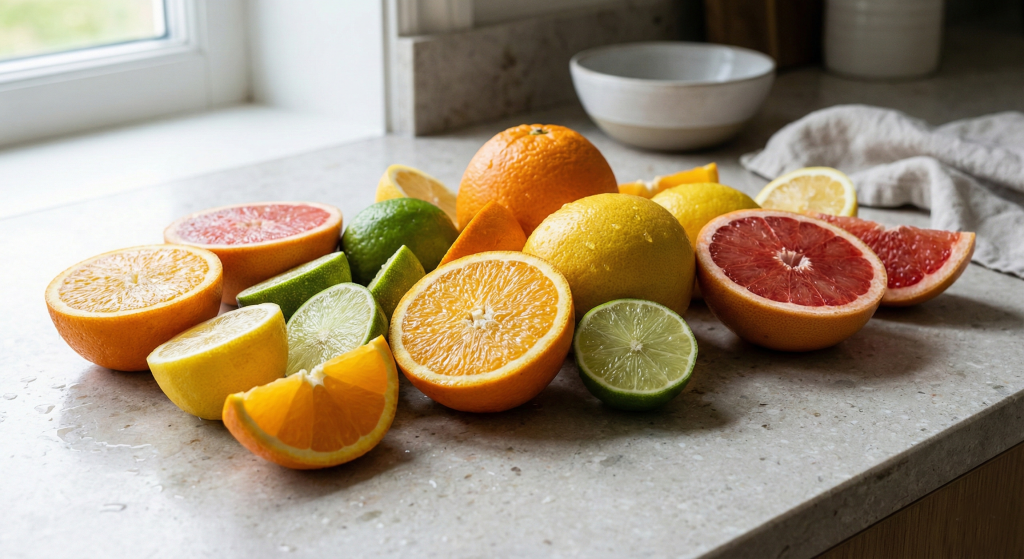
Oranges
Common types in the UAE include:
- Navel oranges
- Valencia oranges
- Blood oranges (seasonal)
They differ in:
- Sweetness
- Seed count
- Juice volume
- Peel thickness
Oranges are used for:
- Fresh eating
- Juicing
- Desserts
- Cooking sauces
But not all oranges perform equally in each role.
Lemons
Lemons are a kitchen staple across Middle Eastern, Asian, and European cooking.
Main lemon types seen in the UAE:
- Eureka
- Lisbon
- Meyer (less common)
Lemons differ in:
- Acidity
- Juice content
- Peel oil strength
They are used for:
- Marinades
- Salad dressings
- Baking
- Garnishing
- Drinks
Their role in cooking makes their flavour consistency important.
Limes
Limes are smaller but heavily used in:
- Beverages
- Seafood dishes
- South Asian cooking
- Sauces
Common types:
- Persian lime
- Key lime
Limes are sensitive to:
- Dehydration
- Heat damage
- Over-ripening
They spoil faster than oranges and require careful handling.
Grapefruits
Grapefruit is less common in home kitchens but used in:
- Breakfast menus
- Salads
- Juice blends
Main types:
- White grapefruit
- Pink grapefruit
- Ruby grapefruit
They vary in:
- Bitterness
- Sugar content
- Flesh colour
Their nutritional profile often raises questions compared to oranges.
Why Use Case Matters More Than Fruit Name
When choosing citrus, the most important question is not “Which citrus is best?” but:
Best for what purpose?
A fruit that is ideal for juice may be poor for slicing. A lemon that works well in cooking may not suit fresh drinks.
This distinction is often overlooked, especially in bulk purchasing.
Key functional differences include:
- Juice yield – how much liquid you get
- Sugar-acid balance – taste
- Peel thickness – waste and storage
- Seed content – preparation time
- Aroma oils – impact on dishes
These factors are driven mainly by variety and season, not by price alone.
Setting the Framework: Three Primary Uses of Citrus
To evaluate citrus properly, it helps to divide use into three clear categories:
- Juicing
- Cooking
- Eating raw
Each has different technical needs.
- Juicing prioritizes liquid volume and sweetness
- Cooking prioritizes acidity and aroma
- Raw eating prioritizes texture and balanced flavour
The same fruit can perform differently across these uses.
The sections that follow will examine citrus choices through this lens, starting with juicing.
Best Citrus for Juicing in the UAE
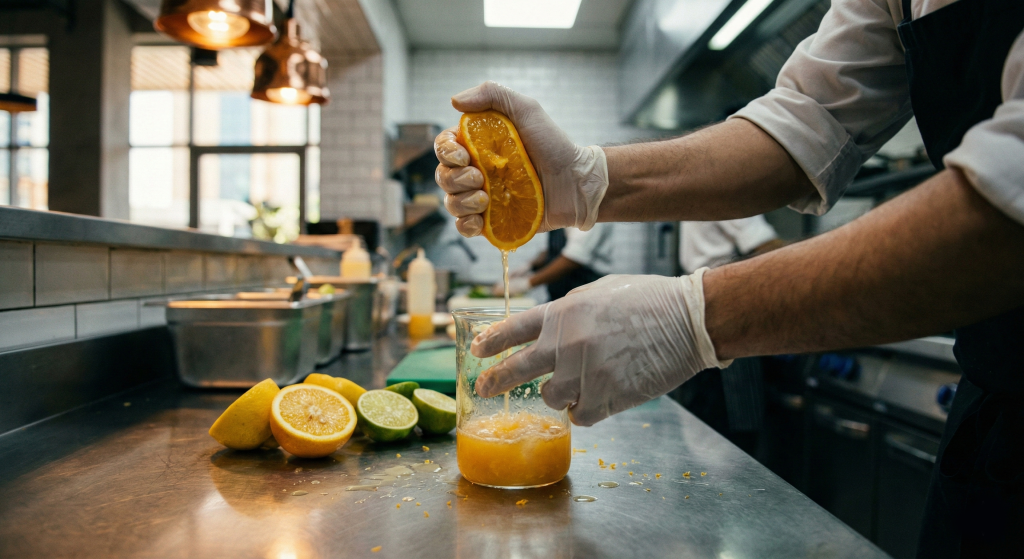
Juicing is one of the largest drivers of citrus demand in the UAE. It serves hotels, juice shops, catering operations, and households. The main technical goal for juicing is maximum liquid output with acceptable flavour.
Not all citrus fruits are efficient for this purpose.
Oranges: Which Types Work Best for Juice?
Among the types of oranges and lemons available in the UAE, Valencia oranges are widely regarded as the most suitable for juicing.
They are preferred because:
- They contain more liquid relative to their size
- Their flesh structure releases juice easily
- Sugar and acid levels stay balanced even when chilled
Navel oranges, by contrast, are designed mainly for eating. They are sweeter but often yield less juice and may develop bitterness when processed.
Seasonal impact is significant. During peak winter imports, Valencia oranges tend to be:
- Heavier for their size
- Thinner-skinned
- Less fibrous
Outside winter, juice yield can drop even if appearance remains good.
Lemons for Juicing
Lemons are often underestimated in juice planning because they are used in smaller volumes than oranges. However, lemon juice consistency affects:
- Salad dressings
- Beverage flavour
- Marinades
In the UAE market, Eureka and Lisbon lemons dominate supply.
For juicing:
- Thin-skinned lemons usually give more juice
- Very hard lemons often indicate dehydration
- A strong citrus aroma when scratched shows good oil content
Lemon varieties UAE buyers see most frequently can vary by month depending on source country. Winter lemons from Mediterranean regions usually perform better than long-stored summer stock.
Limes and Juice Yield
Limes produce less juice per fruit than oranges or lemons, but their flavour impact is high.
For juicing:
- Medium-sized limes outperform very large or very small ones
- Overripe limes taste flat
- Very green limes may be unripe and sour
Persian limes are more common in the UAE than Key limes. They are larger and more stable in transport but less aromatic.
Practical Juice-Sourcing Mistakes
Common errors seen in food service operations include:
- Buying citrus by size alone
- Ignoring seasonal origin
- Mixing eating oranges into juice batches
- Storing citrus at room temperature for too long
These lead to:
- Inconsistent flavour
- Higher fruit usage per litre of juice
- Customer complaints about bitterness or sourness
Better outcomes come from:
- Separating citrus for juice and citrus for display
- Adjusting recipes seasonally
- Tracking juice yield, not just fruit count
Best Citrus for Cooking
Cooking with citrus focuses less on juice volume and more on acidity, aroma, and peel oils. In sauces, marinades, and baked dishes, citrus contributes structure rather than bulk.
Lemons in Cooking
Lemons are the backbone of citrus cooking.
They are used for:
- Tenderising meat
- Brightening sauces
- Preserving foods
- Enhancing baked goods
In cooking, slightly firmer lemons are often better than soft ones because:
- Their acidity is sharper
- Their peel oils are more concentrated
- They withstand heat better
Meyer lemons, when available, are milder and slightly sweet. They suit desserts but may be too gentle for savoury dishes.
Oranges in Cooking
Oranges are used differently in cooking than in juice or raw eating.
They are common in:
- Glazes
- Duck and chicken sauces
- Middle Eastern desserts
- Marmalades
For cooking:
- Bitterness can be useful
- Thick skins are acceptable
- Aroma matters more than sweetness
Blood oranges, when in season, add colour and depth to sauces and desserts but are not consistent year-round in the UAE.
Grapefruit in Cooking
Grapefruit is used more selectively.
It works in:
- Salads
- Light sauces
- Seafood dishes
However, grapefruit bitterness increases with heat. Pink and ruby varieties are less bitter than white grapefruit.
When comparing grapefruit vs orange nutrition, grapefruit contains slightly fewer sugars and more bitter compounds. This makes it less versatile for cooking, especially in sweet dishes.
Limes in Cooking
Limes are central to:
- Asian and Mexican-style cooking
- Fish and seafood dishes
- Rice and grain flavouring
They lose aroma quickly when overcooked. For best results:
- Add lime juice late in cooking
- Use zest sparingly
- Avoid boiling lime juice
Best Citrus for Eating Raw
Raw consumption focuses on texture, sweetness, and ease of peeling.
Oranges for Eating
Navel oranges dominate this category.
They are favoured because:
- They peel easily
- They have fewer seeds
- Their sweetness is pronounced
Valencia oranges can be eaten raw but are more commonly used for juice.
Mandarins and tangerines, although technically citrus, are usually treated as a separate group and are often preferred for children and lunchboxes.
Grapefruit for Eating
Grapefruit appeals to a narrower audience.
People choose it for:
- Breakfast
- Weight-conscious diets
- Bitter flavour preference
Pink and ruby varieties are more popular because they are:
- Less bitter
- Slightly sweeter
- More visually appealing
When poorly stored, grapefruit flesh becomes dry and stringy.
Lemons Raw
Lemons are rarely eaten raw in slices but are used in:
- Infused water
- Garnishes
- Salads
Thin-skinned lemons with smooth skin are better for this purpose.
Grapefruit vs Orange Nutrition: A Practical View
Consumers often compare grapefruit vs orange nutrition for health reasons.
From a supply and use perspective:
- Both provide vitamin C
- Oranges offer more natural sugar
- Grapefruit contains more bitter compounds
- Grapefruit interacts with certain medications
In kitchens, oranges are more versatile. Grapefruit requires careful menu planning because not all customers tolerate its bitterness.
Storage and Handling: Why Citrus Performance Changes After Purchase
Even high-quality citrus can degrade quickly if stored incorrectly.
Key factors include:
- Temperature
- Humidity
- Air circulation
In the UAE climate:
- Room-temperature storage shortens shelf life
- Refrigeration slows dehydration
- Direct sunlight accelerates spoilage
Common storage mistakes:
- Keeping citrus near heat sources
- Washing fruit before storage
- Sealing citrus in plastic without airflow
Better practice:
- Store at 4–8°C for most citrus
- Keep dry
- Separate damaged fruit
Wholesale vs Retail Citrus: Tradeoffs to Consider
Buyers often debate wholesale versus supermarket citrus.
Wholesale advantages:
- Lower cost per unit
- Larger size ranges
- Access to specific varieties
Wholesale limitations:
- Requires sorting
- Quality may vary within a batch
- Storage responsibility shifts to buyer
Retail advantages:
- Pre-sorted
- Convenient
- Smaller quantities
Retail limitations:
- Higher cost
- Less control over variety
- Unknown storage history
Some UAE buyers prefer working with established wholesale produce providers rather than fragmented retail sourcing because consistency matters more than visual perfection.
Real-World Scenario: Why Juice Output Suddenly Drops
A common situation reported by cafes and hotels:
“Last month, 10 oranges made 1 litre of juice. This month, it takes 14.”
Likely causes include:
- Change in origin country
- Different orange variety
- Longer storage time
- Seasonal sugar drop
The solution is not necessarily price negotiation but adjusting:
- Fruit selection
- Recipe ratios
- Supplier specifications
Understanding citrus behaviour reduces waste and stabilizes flavour.
Common Mistakes When Buying Citrus in the UAE
Across both household and commercial kitchens, the same errors appear regularly.
1. Buying by appearance only
Shiny skin and large size do not guarantee juice or flavour. Some thick-skinned oranges look attractive but produce little liquid.
2. Mixing citrus for different purposes
Using eating oranges for juice or juicing lemons meant for cooking often leads to bitterness or weak flavour.
3. Ignoring seasonality
Winter citrus behaves very differently from summer citrus. Treating them as identical increases waste.
4. Overbuying without storage planning
Citrus dehydrates over time. Bulk buying without cold storage leads to loss, not savings.
5. Assuming price equals quality
Higher price may reflect scarcity or transport cost rather than better eating or juicing performance.
Practical Buying Guidance by Use Case
If you are buying citrus mainly for juice
Prioritise:
- Thin skin
- Heavy weight for size
- Known juice varieties (such as Valencia oranges)
- Winter origin when possible
Avoid:
- Overly large fruit
- Puffy or hollow-feeling oranges
- Mixed batches with different origins
If you are buying citrus mainly for cooking
Prioritise:
- Firm lemons with strong aroma
- Clean, unblemished peel
- Medium size for consistency
Avoid:
- Very soft lemons
- Fruit with dull or wrinkled skin
- Overripe limes
If you are buying citrus mainly for raw eating
Prioritise:
- Easy-peel oranges
- Balanced sweetness
- Uniform size
Avoid:
- Thick-skinned fruit
- Very sour varieties
- Fruit stored at room temperature too long
Seasonal Risk Awareness for UAE Buyers
Winter is the best period for citrus, but it also brings risks:
- High demand from hospitality
- Faster stock turnover
- Occasional shortages of specific varieties
Late summer carries different risks:
- Longer storage time
- Higher dehydration
- Flavour decline
- Higher rejection rates
Experienced buyers often adjust citrus specifications between seasons rather than keeping them fixed year-round.
Understanding Uses of Citrus Fruits in Menu Planning
The uses of citrus fruits extend beyond juice and garnish.
They include:
- Acid balance in sauces
- Natural preservative in marinades
- Aroma in desserts
- Texture contrast in salads
Choosing citrus based on function allows:
- Lower waste
- Better flavour control
- More predictable costs
This is especially relevant for catering and hotel operations where consistency matters more than visual perfection.
Balanced View: Wholesale Citrus vs Supermarket Citrus
Wholesale sourcing can offer:
- Better control over variety
- Lower cost per kilogram
- Access to seasonal imports
But it also requires:
- Knowledge of sorting
- Proper cold storage
- Quality inspection on arrival
Retail citrus is easier to manage but:
- Limits variety choice
- Hides origin and storage history
- Costs more per usable unit
Neither approach is inherently better. The right choice depends on:
- Volume
- Storage capacity
- Intended use
Final Perspective
Citrus fruits in the UAE are widely available, but not interchangeable. Their performance depends on variety, season, and purpose. A good orange for eating may be a poor orange for juice. A lemon suited for marinades may disappoint in drinks.
Understanding:
- Types of oranges and lemons
- Best citrus for juice
- Differences in grapefruit vs orange nutrition
- Storage and seasonal behaviour
allows buyers and households to make decisions based on function rather than guesswork.
This reduces waste, stabilises flavour, and improves the value of each purchase. In a market built on imports and long supply chains, practical knowledge matters as much as price.
Frequently Asked Questions
1. What are the main citrus fruits available in the UAE?
Oranges, lemons, limes, and grapefruits are the most common. Mandarins and tangerines are also widely sold but usually grouped separately.
2. Which citrus is best for fresh juice?
Valencia oranges are generally preferred for juicing because of their high liquid content and balanced flavour.
3. Are imported citrus fruits lower quality than local produce?
Not necessarily. Quality depends more on harvest timing and storage conditions than on whether fruit is imported.
4. How can I tell if a lemon is good for cooking?
Look for firm fruit with a strong citrus aroma and smooth skin. Very soft lemons often have weak acidity.
5. Is grapefruit healthier than orange?
Both are nutritious. Grapefruit has less sugar and more bitter compounds, but it can interact with certain medications.








 Home
Home  Whishlist
  Compare
  Checkout