
















Introduction: Bulk Buying Sounds Simple—Until It Isn’t
Buying fruits and vegetables in bulk is often framed as a straightforward way to cut costs. Larger volumes, lower prices. Fewer shopping trips, better margins.
In reality, bulk produce buying—especially in a market like Dubai—is more nuanced.
For restaurants, caterers, hotels, grocery buyers, and even large households, the decision to buy in volume can either improve cost control or quietly increase waste and inconsistency. The difference usually comes down to timing, storage, seasonality, and how well the buyer understands the produce supply chain in the UAE.
This article takes a practical look at bulk fruits and vegetables in Dubai: when buying in quantity genuinely saves money, and when it does not. The aim is not to promote wholesale buying as a blanket solution, but to help buyers make clearer, better-informed decisions—based on how the market actually works.
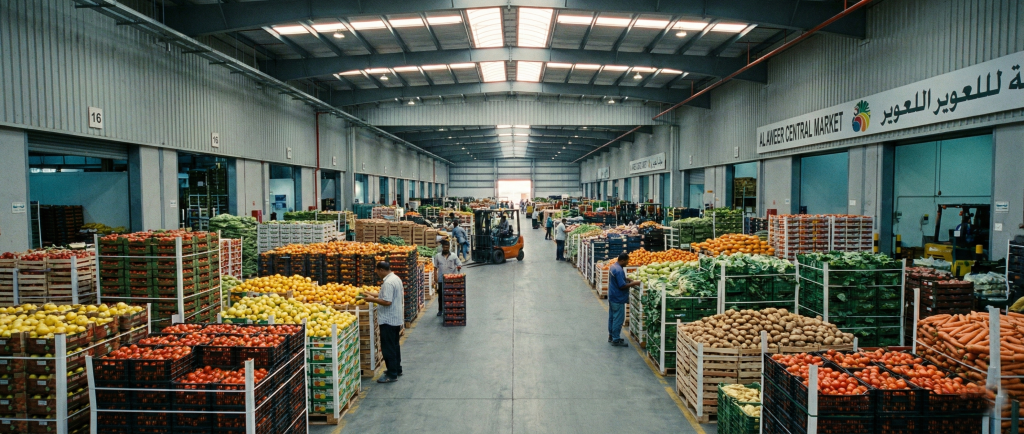
What “Buying in Bulk” Really Means in the UAE Produce Market
In the UAE, bulk food buying is not a single model. It varies depending on where the produce comes from, how it is handled, and who is buying it.
Bulk purchasing may involve:
- Full or partial cartons sourced from wholesale markets
- Consolidated deliveries through distributors
- Mixed pallets of seasonal produce
- Large-format packaging intended for foodservice use
Unlike retail shopping, bulk buying shifts responsibility to the buyer. That responsibility includes storage, rotation, quality checks, and timing usage correctly.
This is where many wholesale produce mistakes begin—not because the produce is poor, but because the buyer assumes bulk works the same way as retail, just cheaper.
When Buying Fruits and Vegetables in Bulk Does Save Money
Bulk buying tends to work best when three conditions align: predictable usage, appropriate storage, and seasonal availability.
1. Predictable Demand and Menu Stability
Restaurants, catering companies, and hotel kitchens with steady menus often benefit the most.
If a kitchen knows it will use a consistent volume of onions, tomatoes, potatoes, citrus, or leafy greens every week, buying in bulk reduces per-unit cost and minimizes last-minute sourcing at retail prices.
The key is predictability. Bulk buying is less forgiving when menus change frequently or customer demand fluctuates.
2. Seasonal Produce Availability
Seasonality plays a major role in whether bulk food buying in the UAE makes financial sense.
During winter months, for example, the market typically sees:
- Better availability of leafy greens
- Strong supply of citrus fruits
- Improved quality for vegetables imported from cooler climates
When produce is in season, supply is steadier and pricing is more stable. Buying larger volumes during these periods often results in better value—not just lower prices, but more consistent quality.
Out-of-season bulk purchases, on the other hand, carry higher risk. Prices may be volatile, and shelf life can be shorter due to longer transit times.
3. Proper Fresh Produce Storage
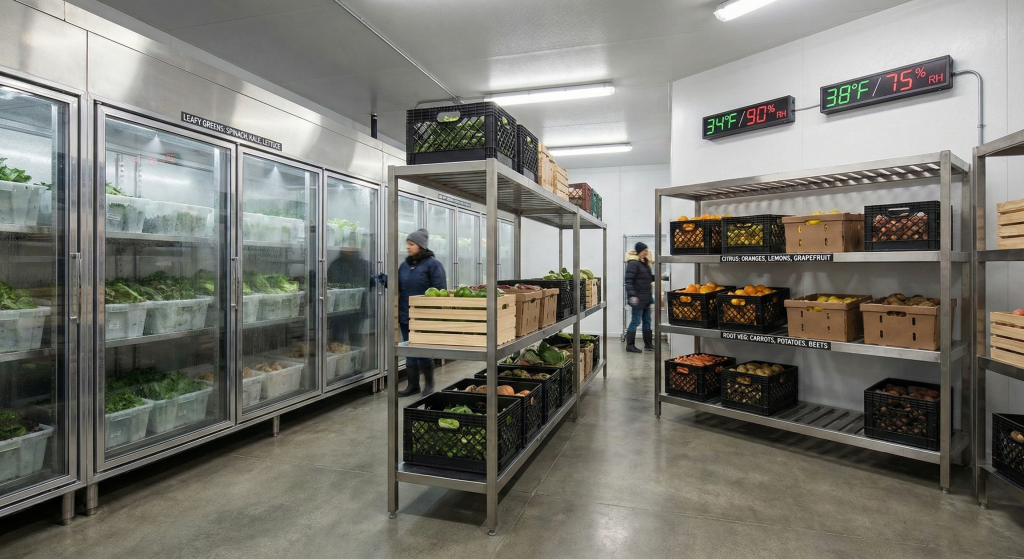
Storage is often the deciding factor between savings and losses.
Bulk fruits and vegetables require:
- Correct temperature zones (not all produce belongs in the same cold room)
- Adequate airflow and humidity control
- Regular stock rotation
Without these basics, bulk produce can spoil faster than expected. A lower purchase price is quickly offset by waste.
Buyers who invest time in understanding fresh produce storage usually see better outcomes from bulk sourcing than those who focus only on upfront cost.
Why Bulk Prices Fluctuate More Than Buyers Expect
One common point of confusion in wholesale produce is price volatility.
Buyers often ask why prices change week to week—even for the same item. The reasons are rarely arbitrary.
Several factors influence bulk pricing in Dubai:
- Import cycles and shipping schedules
- Weather conditions in source countries
- Currency movements affecting imports
- Short-term demand spikes from hospitality or events
Unlike supermarket pricing, wholesale markets reflect these changes more directly. Bulk buyers benefit when conditions are favorable—but they also feel the impact when supply tightens.
Understanding this helps set realistic expectations. Bulk buying is not about locking in the lowest price at all times. It is about managing average cost over time.
The Hidden Cost Advantage: Consistency, Not Just Price
Savings from bulk fruits and vegetables are not always visible on a single invoice.
Many experienced buyers focus on:
- Fewer emergency purchases at retail rates
- More consistent sizing and grading
- Reduced administrative time spent sourcing daily
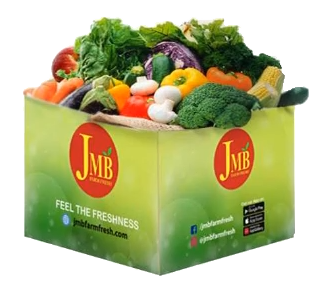
In practice, buyers working closely with established Dubai-based distributors such as JMB Farm Fresh often observe that consistency itself reduces operational friction. This does not eliminate risk, but it can make costs more predictable over a season.
That predictability is often more valuable than chasing the lowest possible spot price.
When Bulk Buying Quietly Stops Making Sense
Despite its advantages, bulk sourcing is not always the right choice.
It tends to fail when:
- Usage is irregular
- Storage capacity is limited
- Staff are not trained to handle produce correctly
- Buyers overestimate shelf life
These issues are especially common among smaller operations and households experimenting with wholesale volumes for the first time.
In those cases, smaller, more frequent purchases—even at a higher unit price—may result in lower overall cost once waste is factored in.
A Note on Winter Produce in the UAE
Winter is often seen as the “safe” season for bulk buying. While it does offer advantages, it still requires judgment.
Not all winter produce behaves the same way. Some items travel well and store reliably. Others remain sensitive to handling and temperature changes.
Seasonal abundance reduces risk, but it does not remove the need for planning.
At this point, we have covered when bulk buying can work and why it sometimes does not. The next section looks at the most common wholesale produce mistakes buyers make—and how to avoid them without overcomplicating the process.
Common Wholesale Produce Mistakes Buyers Make (and Why They Repeat)
Most problems with bulk fruits and vegetables are not caused by poor suppliers or bad produce. They come from assumptions buyers carry over from retail shopping into a wholesale environment.
Below are the most frequent wholesale produce mistakes seen across restaurants, catering operations, and even large households in Dubai.
Mistake 1: Buying Volume Before Understanding Shelf Life
Different fruits and vegetables age at very different speeds.
For example:
- Potatoes, onions, and hard squash are forgiving
- Leafy greens, herbs, and berries are not
- Tomatoes and cucumbers sit somewhere in between
Bulk buying works best when slower-moving items form the base of the order. Problems arise when buyers purchase fragile produce in large quantities without a clear plan to use it quickly.
Shelf life is influenced not only by the produce itself, but by:
- Harvest timing
- Transit duration
- Handling during unloading
- Storage conditions on arrival
Ignoring these variables is one of the fastest ways to turn “savings” into waste.
Mistake 2: Treating All Cold Storage the Same
A single walk-in chiller is often expected to solve all storage needs. In reality, fresh produce storage is more nuanced.
Some vegetables prefer:
- Higher humidity
- Slightly warmer temperatures
- Separation from ethylene-producing fruits
Ethylene is a natural gas released by fruits like bananas, apples, and avocados. It speeds up ripening in nearby produce. Storing sensitive vegetables alongside ethylene-heavy fruits can dramatically shorten shelf life.
Buyers rarely account for this when placing bulk orders, yet it has a direct impact on spoilage rates.
Mistake 3: Comparing Wholesale Quality to Supermarket Displays
Supermarket produce is curated for appearance. Wholesale produce is graded for function.
This distinction causes confusion.
Wholesale fruits and vegetables may:
- Vary more in size
- Show minor cosmetic marks
- Arrive less “polished”
These traits do not indicate lower freshness. In many cases, wholesale produce has moved through fewer handling stages than retail produce.
The real measure of quality is:
- Texture
- Aroma
- Internal condition
- Shelf stability after delivery
Buyers who judge wholesale produce by retail display standards often misinterpret what they are seeing.
Mistake 4: Overestimating Price Savings
Lower per-kilo pricing is only one part of the equation.
True cost should include:
- Spoilage and trim loss
- Labour spent sorting or repacking
- Emergency top-up purchases
- Disposal costs
Bulk food buying in the UAE pays off when these hidden costs are controlled. When they are not, retail purchasing may actually be more economical over time.
Mistake 5: Ignoring Seasonal Price Risk
Even experienced buyers sometimes assume that bulk pricing will remain stable for weeks at a time.
In reality:
- Import-heavy items can fluctuate quickly
- Weather events in source countries ripple through pricing
- Holiday demand affects availability
Seasonality is not just about what is available—it is about how predictable that availability is.
Bulk buying works best when buyers adjust volumes based on seasonal signals rather than fixed habits.
Real-World Scenarios: When Bulk Buying Helps—and When It Hurts
To make this practical, consider three common scenarios in the Dubai market.
Scenario 1: A High-Volume Restaurant with a Fixed Menu
This operation uses large quantities of onions, tomatoes, potatoes, lemons, and leafy greens every week.
Bulk buying works well here because:
- Demand is predictable
- Storage turnover is fast
- Menu planning aligns with seasonality
In this case, wholesale sourcing usually reduces average cost and simplifies procurement.
Scenario 2: A Catering Business with Event-Based Demand
Catering volumes can change drastically from week to week.
Bulk buying can still work—but only for:
- Core ingredients used across menus
- Items with longer shelf life
Buying bulk for event-specific produce is riskier. Unsold stock after events is one of the main sources of loss for caterers.
Scenario 3: A Household Buying Wholesale for Savings
Families sometimes explore bulk fruits and vegetables in Dubai to reduce grocery bills.
This approach can help with:
- Root vegetables
- Citrus
- Apples and oranges
It often fails with:
- Soft fruits
- Leafy greens
- Herbs
Without commercial-grade storage and rapid consumption, waste tends to offset any price advantage.
Local vs Imported Produce: How It Affects Bulk Decisions
The UAE relies heavily on imported produce, but local and regional sourcing has expanded.
Each option has tradeoffs.
Imported Produce
- Wider variety year-round
- Longer transit times
- Shelf life depends heavily on handling
Local or Regional Produce
- Shorter supply chains
- Fresher on arrival
- Availability fluctuates more with season
Bulk buying imported produce can make sense during peak supply windows. Local produce often rewards smaller, more frequent purchases to capture freshness.
Understanding this balance helps buyers avoid overcommitting at the wrong time.
The Role of Supplier Relationships (Without the Sales Pitch)
One factor that does not get enough attention is information flow.
Reliable suppliers often provide:
- Early notice of supply shifts
- Guidance on seasonal transitions
- Clarity on expected shelf life
Some UAE buyers prefer working with established wholesale produce providers rather than fragmented retail sourcing, not for discounts, but for predictability.
This does not eliminate risk—but it reduces surprises.
How Experienced Buyers Think About Bulk Purchasing
Seasoned buyers rarely ask, “Is bulk cheaper?”
They ask:
- What will I realistically use before quality declines?
- Which items are stable this season?
- Where does flexibility matter more than price?
This mindset shift—from chasing price to managing risk—is what separates successful bulk buying from costly experimentation.
The final part of this article will focus on practical guidelines for deciding how much to buy, how to reduce waste without overengineering the process, and how to think about bulk purchasing as a long-term strategy rather than a one-time cost decision.
Practical Guidelines for Smarter Bulk Produce Buying
Bulk purchasing works best when buyers rely on simple rules rather than guesswork. These guidelines come from common patterns seen across foodservice and household buyers in the UAE.
Start with Volume You Can Absorb, Not Volume You Can Store
A common mistake is buying based on storage capacity instead of usage speed.
A better approach:
- Estimate realistic daily or weekly usage
- Build in a buffer for slower movement
- Avoid filling storage “just in case”
If produce sits untouched for too long, even perfect storage will not prevent quality decline.
Separate “Base Ingredients” from “Flexible Ingredients”
Experienced buyers mentally divide produce into two categories.
Base ingredients are stable, predictable, and used across menus:
- Onions
- Potatoes
- Carrots
- Citrus
These are well suited to bulk buying.
Flexible ingredients change with menus, seasons, or customer demand:
- Herbs
- Salad greens
- Soft fruits
These are better sourced in smaller, more frequent quantities—even if the unit price is higher.
Build Seasonality into Buying Decisions
Seasonality is not only about what is available. It affects price stability, shelf life, and risk.
During winter in the UAE:
- Leafy vegetables generally perform better
- Citrus quality improves
- Certain imports arrive with longer shelf life
This does not mean buying more of everything. It means aligning bulk volumes with items that are naturally more forgiving during that season.
Expect Some Loss—and Plan for It
Zero waste is unrealistic in fresh produce.
Smart buyers plan for:
- Trimming loss
- Natural spoilage
- Variations in ripeness
When buyers assume perfect yield, even small losses feel like failure. When loss is expected and managed, bulk buying becomes more predictable and less stressful.
Fresh Produce Storage: Keep It Practical
Storage advice is often overcomplicated. In practice, a few principles matter most.
Temperature Discipline Matters More Than Equipment
Even basic storage setups perform well when:
- Doors are not left open
- Temperature zones are respected
- Overstocking is avoided
Frequent temperature swings shorten shelf life faster than slightly imperfect settings.
Rotation Is a Daily Habit, Not a Weekly Task
First-in, first-out (FIFO) only works when practiced consistently.
Simple habits help:
- Label arrival dates clearly
- Place newer stock behind older stock
- Check high-risk items daily
These steps often reduce waste more than investing in new equipment.
Bulk Buying for Households: A Realistic Perspective
Bulk food buying in the UAE is not limited to businesses, but households face different constraints.
Bulk purchasing works best at home when:
- Family size is large
- Cooking is frequent
- Storage space is well managed
It struggles when:
- Shopping is irregular
- Preferences change quickly
- Refrigeration space is limited
For many families, a hybrid approach works best—bulk buying a few durable items while sourcing delicate produce more frequently.
The Long-Term View: Bulk Buying as a Process, Not a Deal
One of the biggest mindset shifts is moving away from one-time decisions.
Bulk produce buying is not about:
- Catching the lowest price
- Filling storage at once
- Copying what others do
It is about learning how your operation—or household—actually consumes fresh food over time.
Buyers who treat bulk purchasing as an ongoing adjustment process tend to:
- Waste less
- Experience fewer surprises
- Make calmer decisions during price fluctuations
Over time, this approach builds confidence and consistency, even in a market as dynamic as Dubai’s.
Final Thoughts: Knowing When Not to Buy in Bulk Is a Skill
Buying fruits and vegetables in bulk can absolutely save money—but only under the right conditions.
The most experienced buyers are not those who always buy wholesale. They are the ones who know when bulk makes sense, when it introduces risk, and when flexibility is worth paying for.
In a supply environment shaped by imports, seasonality, and fast-moving demand, restraint can be just as valuable as volume.
Frequently Asked Questions
1. Is bulk produce always cheaper than retail in Dubai?
No. Lower unit prices can be offset by waste, storage costs, and unused stock.
2. Which fruits and vegetables are safest to buy in bulk?
Items with longer shelf life such as onions, potatoes, citrus, and apples.
3. Does wholesale produce mean lower quality?
Not necessarily. Wholesale grading prioritizes function and freshness over appearance.
4. How does seasonality affect bulk food buying in the UAE?
Seasonal supply improves availability and shelf life, reducing risk during peak periods like winter.
5. Can households realistically benefit from bulk produce buying?
Yes, but usually only for durable items and with careful storage and planning.








 Home
Home  Whishlist
  Compare
  Checkout