


















Introduction
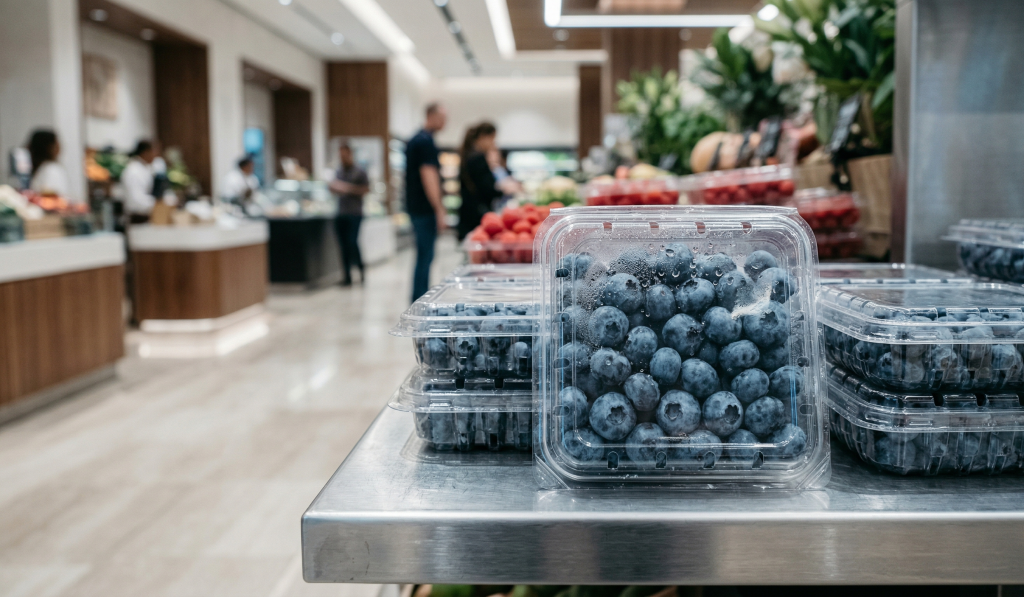
Walk into any premium supermarket in Dubai today and you will see blueberries placed front and center. Small, neatly packed, often imported, and usually priced higher than most fruits on the shelf.
They are widely labeled as a “superfood.”
But that label, while popular, often creates more confusion than clarity.
Most buyers—whether families or restaurant procurement teams—are not asking the right question.
The real question is not “Are blueberries healthy?”
It is:
“Am I eating enough blueberries, consistently enough, to see any real benefit?”
In the UAE, this question matters even more.
Because unlike staple fruits such as bananas or oranges, blueberries are:
- Fully imported
- Highly sensitive to storage conditions
- Prone to rapid quality decline in heat
- Subject to price swings depending on origin and season
This creates a gap between perceived value and actual value received.
In this article, we will break that gap down clearly—through the lens of real supply chains, buying behavior in Dubai, and how blueberries actually function in a diet.
Why Blueberries Became a “Superfood” in Dubai
The rise of blueberries in the UAE is not random. It follows a pattern seen across imported premium produce.
1. Health Positioning Meets Affluent Demand
Dubai has a large population of:
- Health-conscious professionals
- Fitness-focused communities
- Families willing to spend on perceived nutritional value
Blueberries fit neatly into this demand because they are associated with:
- Antioxidants
- Brain health
- Low-calorie diets
But here’s what most content online fails to explain:
Health benefits depend on consistency, not occasional consumption.
Eating a small handful once a week does not meaningfully change outcomes.
2. Strong Retail Presentation Influences Perception
Blueberries are almost always:
- Pre-packed
- Cleaned
- Visually uniform
- Displayed in refrigerated sections
This creates a perception of premium quality and reliability.
However, experienced buyers—especially in hospitality—know that:
- Visual uniformity does not always reflect freshness
- Shelf life may already be partially consumed before purchase
3. Imported Supply Adds Complexity
Unlike local produce, blueberries in Dubai come from multiple global sources depending on the time of year:
- USA
- Chile
- Peru
- South Africa
- Occasionally Europe
Each origin brings differences in:
- Size
- Firmness
- Sweetness vs tartness
- Shelf life
This is where many buyers—both households and businesses—start facing inconsistency.
What Most Buyers Get Wrong About Blueberries
After observing purchasing patterns across retail and wholesale environments, a few mistakes appear repeatedly.
Mistake 1: Treating Blueberries Like Everyday Fruit
Blueberries are not like apples or oranges.
They:
- Have a shorter shelf life
- Are more sensitive to temperature fluctuations
- Can spoil internally before visible mold appears
Buying in excess without proper storage often leads to:
- Waste
- Soft texture
- Loss of flavor
Mistake 2: Assuming “More Expensive = Better”
Price in Dubai’s blueberry market is influenced by:
- Air freight vs sea freight
- Origin country
- Seasonality
- Supply chain disruptions
Higher price does not always mean better taste or freshness.
In some cases:
- Mid-priced batches from closer regions outperform expensive long-haul imports
Mistake 3: Not Understanding Storage Impact
In UAE conditions, even short exposure to heat can affect blueberries.
Common issues include:
- Moisture buildup inside packaging
- Accelerated softening
- Flavor loss
For businesses especially, poor storage leads to:
- Plate inconsistency
- Customer dissatisfaction
- Higher food cost due to spoilage
How Many Blueberries Per Day Actually Make a Difference?
This is one of the most searched questions:
“How many blueberries per day should you eat?”
From a practical nutrition standpoint—not marketing claims—the answer is simple:
- A small handful occasionally → minimal impact
- A consistent daily portion → meaningful benefit over time
In real terms:
- Around 50–100 grams per day is commonly considered a reasonable intake
But here is the key point:
Consistency matters more than quantity.
In Dubai, many buyers:
- Purchase one pack
- Consume it over several days
- Then stop for weeks
This pattern does not align with how nutritional benefits accumulate.
Why Consistency Is Hard in the UAE
Even when buyers understand the benefits, maintaining regular consumption is not easy.
1. Price Volatility
Blueberry prices fluctuate depending on:
- Import cycles
- Weather in origin countries
- Freight costs
This makes daily consumption feel inconsistent or expensive.
2. Shelf Life Constraints
Unlike longer-lasting fruits, blueberries:
- Require refrigeration at all times
- Degrade quickly after opening
This discourages bulk buying for many households.
3. Supply Inconsistency Across Retail Channels
Different stores source from different suppliers.
This leads to:
- Variation in taste week-to-week
- Uncertainty in quality
- Lack of trust in repeat purchases
In practice, suppliers working closely with Dubai-based distributors such as JMB Farm Fresh often observe that buyers value consistency over peak quality when it comes to repeat purchasing behavior.
Fresh vs Stored: What “Fresh Blueberries” Actually Means in Dubai
The phrase “fresh blueberries Dubai buy online” is widely searched—but rarely understood properly.
Because in the UAE:
“Fresh” does not mean recently harvested locally.
It means:
- Recently imported
- Properly handled in cold chain logistics
- Delivered without temperature abuse
What Happens Before Blueberries Reach You
A typical journey may include:
- Harvest in origin country
- Immediate cooling
- Packing and export
- Air or sea transport
- Distribution through UAE cold storage
- Retail or wholesale sale
At each step, time and temperature matter.
Even small deviations can lead to:
- Reduced shelf life
- Loss of firmness
- Dull flavor
How Buyers Can Judge Freshness
Instead of relying only on appearance, experienced buyers look for:
- Firm texture (not soft or wrinkled)
- Dry packaging (no condensation)
- Deep, even color
- No leaking juice
For businesses, consistency across batches matters more than one-time perfection.
Seasonal Patterns: When Are Blueberries Best in Dubai?
Blueberries are available year-round—but not all periods are equal.
Peak Supply Windows (Typically Stronger Quality)
- Late winter to early summer (depending on origin shifts)
More Volatile Periods
- Transitional months between sourcing regions
During these transitions:
- Taste may vary
- Sizes may change
- Prices may fluctuate
Understanding this helps buyers:
- Plan menus better (restaurants)
- Adjust expectations (households)
- Avoid overpaying for inconsistent batches
Retail vs Wholesale: Does It Make a Difference for Blueberries?
In Dubai, blueberries are purchased through two main channels:
- Retail (supermarkets, online grocery apps)
- Wholesale (direct suppliers, distribution networks)
At first glance, the difference may seem minimal. But in practice, it affects consistency, cost control, and waste levels.
Retail Buying: Convenient but Variable
Retail channels are designed for accessibility.
They offer:
- Small pack sizes
- Clean presentation
- Easy availability
However, retail buyers often face:
- Mixed sourcing (different origins week-to-week)
- Limited visibility into handling conditions
- Packs that may already be several days into their shelf life
For households, this is manageable.
For restaurants or catering businesses, it creates inconsistency on the plate.
Wholesale Buying: More Control, More Responsibility
Wholesale sourcing gives buyers:
- Better batch consistency
- Clearer insight into origin and arrival timing
- More predictable supply for planning
But it also requires:
- Proper storage systems
- Faster usage cycles
- Awareness of minimum order volumes
This is why some UAE buyers prefer working with established suppliers rather than relying on fragmented retail sourcing. The goal is not just lower cost—it is predictability.
The Real Trade-Off
The decision is not about which option is “better.”
It is about matching your buying method to your usage pattern.
- Households: Retail works, but requires careful selection
- Small cafés: Hybrid approach often works best
- Hotels & catering: Wholesale is usually more efficient
The key issue is not access—it is waste vs usage balance.
The Hidden Cost of Blueberries: Waste and Shelf Life
One of the most overlooked aspects of blueberries in Dubai is how quickly value is lost after purchase.
Why Blueberries Spoil Faster Than Expected
Even under refrigeration, blueberries:
- Continue to respire (natural breakdown process)
- Lose firmness over time
- Become more susceptible to mold
In UAE conditions, small temperature fluctuations can accelerate this process.
Common Waste Scenarios
Across both households and businesses, the same patterns appear:
- Buying larger packs to “save time”
- Storing in original packaging without airflow
- Washing too early, increasing moisture
- Leaving packs outside refrigeration for short periods
The result:
- Soft berries within 24–48 hours
- Reduced taste quality
- Partial disposal of packs
Why This Matters More for Businesses
For restaurants and hotels, the impact is operational:
- Inconsistent plating quality
- Increased food cost per dish
- Menu adjustments due to unpredictable supply
Even small spoilage rates can accumulate into noticeable cost increases over time.
How to Store Blueberries Properly in UAE Conditions
Good storage does not extend shelf life indefinitely—but it can protect quality.
Practical Storage Guidelines
- Keep blueberries refrigerated immediately after purchase
- Avoid washing until just before use
- Transfer to a breathable container if condensation is visible
- Remove any damaged berries early to prevent spread
What Not to Do
- Do not seal in airtight containers with moisture
- Do not store near heat-exposed areas (fridge doors)
- Do not leave unopened packs at room temperature, even briefly
For Businesses
Basic cold chain discipline is critical:
- Maintain consistent refrigeration temperatures
- Rotate stock using FIFO (First In, First Out)
- Monitor batch quality daily
These small steps often make a larger difference than sourcing alone.
Are Premium Brands Like Driscoll’s Always Better?
The keyword “Driscoll’s blueberry Dubai” is frequently searched, often associated with premium quality.
But in practice, brand alone does not determine performance.
What Brands Actually Guarantee
Established brands typically ensure:
- Standardized grading
- Consistent sizing
- Better packaging integrity
What They Do Not Guarantee
- Optimal taste in every batch
- Perfect freshness at point of purchase
- Immunity to supply chain delays
By the time blueberries reach Dubai:
- Transit time has already influenced quality
- Storage conditions during distribution matter just as much
What Experienced Buyers Focus On Instead
Rather than relying only on brand names, professional buyers evaluate:
- Arrival timing (how recent the shipment is)
- Batch condition upon receipt
- Supplier handling practices
Brand is one factor—but not the deciding one.
Blueberries in Dubai Kitchens: Real Usage Patterns
Understanding how blueberries are actually used helps explain buying behavior.
In Households
Most families use blueberries for:
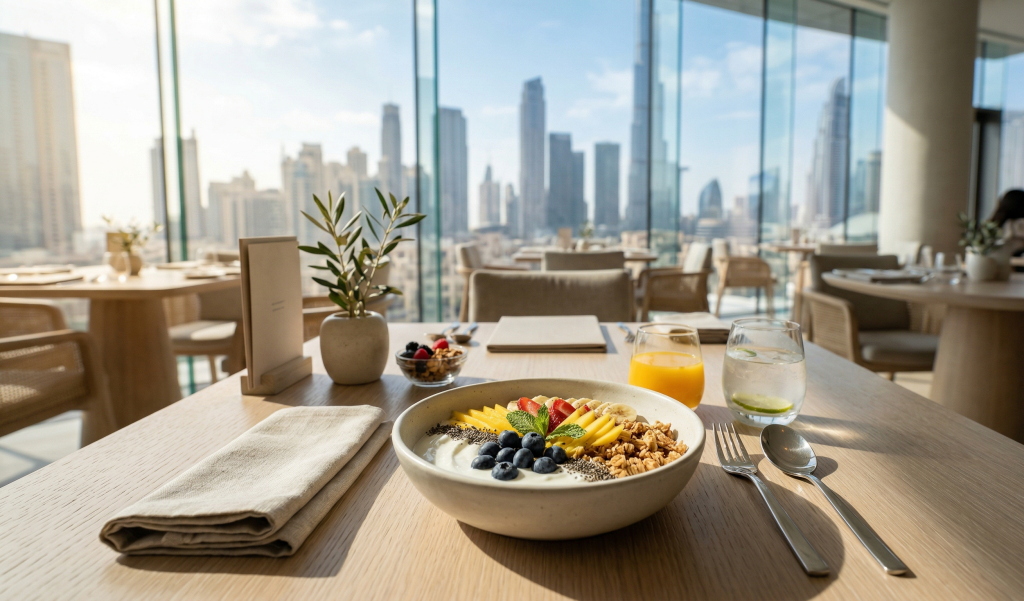
- Breakfast bowls
- Smoothies
- Light desserts
Consumption is usually:
- Small portions
- Spread over several days
In Restaurants and Cafés
Blueberries are used for:
- Brunch plating
- Dessert garnishing
- Premium menu items
Here, consistency is critical.
A slight change in:
- Size
- Color
- Firmness
…can affect presentation and perceived quality.
In Catering and Bulk Food Service
Usage becomes more volume-driven:
- Fruit platters
- Buffet setups
- Event catering
This increases the importance of:
- Shelf life management
- Batch uniformity
- Cost control
Local vs Imported: Why Blueberries Will Remain Import-Dependent
Unlike some vegetables grown regionally, blueberries are not widely produced in the UAE.
Why Local Production Is Limited
Blueberries require:
- Specific climate conditions
- Controlled soil acidity
- Cooler growing environments
These factors are difficult to replicate at scale in the UAE.
What This Means for Buyers
- Dependence on imports will continue
- Seasonal shifts in origin will remain normal
- Price and quality variability are unavoidable
The focus, therefore, should not be on eliminating variability—but on managing it effectively.
Practical Buying Advice: How to Get More Value from Blueberries
For both households and businesses, a few practical adjustments can significantly improve outcomes.
1. Buy Based on Usage, Not Price Alone
Lower price per pack does not help if:
- Half the product is wasted
- Quality drops before use
2. Observe, Don’t Assume
Each batch can differ.
Take a few seconds to check:
- Firmness
- Moisture levels
- Packaging condition
3. Adjust Buying Frequency
Instead of buying larger quantities less often:
- Buy smaller quantities more frequently
This improves:
- Freshness
- Taste consistency
- Nutritional value retention
4. Align Consumption with Purchase
If the goal is health benefit:
- Plan consistent intake
- Avoid long gaps between purchases
5. Understand Seasonal Shifts
If quality drops:
- It may not be the supplier
- It may be the sourcing cycle
Recognizing this avoids unnecessary switching between vendors.

Are Blueberries Actually Worth It in Dubai?
After understanding sourcing, storage, and usage patterns, the question becomes more practical:
Do blueberries justify their place in a regular Dubai diet?
The answer depends less on the fruit itself—and more on how it is used.
When Blueberries Make Sense
Blueberries tend to deliver value when:
- They are consumed consistently (not occasionally)
- They are handled properly after purchase
- They are part of a broader, balanced diet
In these conditions, they can:
- Add nutritional diversity
- Support low-calorie eating patterns
- Fit well into modern breakfast and snack habits
When They Don’t Add Much Value
On the other hand, blueberries offer limited benefit when:
- Purchased occasionally as a “healthy add-on”
- Allowed to spoil before full consumption
- Used only for visual appeal rather than actual intake
This is where many buyers—especially in retail environments—overestimate their impact.
The “Superfood” Label: Useful or Misleading?
The term “superfood” is not a scientific category. It is a marketing label.
That does not mean blueberries are not beneficial.
But it does mean expectations should be realistic.
What Blueberries Actually Offer
Blueberries contain:
- Naturally occurring antioxidants
- Dietary fiber
- Vitamins such as vitamin C and K
These are helpful—but not unique.
Many other fruits available in the UAE provide similar benefits.
The Real Issue with the Label
The problem with calling something a superfood is that it:
- Encourages occasional consumption instead of consistent habits
- Creates unrealistic expectations of quick results
- Shifts focus away from overall diet quality
In practice, long-term health outcomes are influenced by:
- Daily eating patterns
- Variety of foods
- Portion consistency
Not one specific fruit.
What Experienced Buyers Understand (That Most Content Ignores)
After years of working around produce supply chains, a few realities become clear.
1. Consistency Beats Perfection
A slightly less “perfect” batch used consistently is more valuable than:
- High-quality fruit consumed irregularly
2. Supply Chain Matters More Than Branding
The journey from farm to Dubai shelf determines:
- Freshness
- Shelf life
- Taste
More than brand labels alone.
3. Waste Is the Real Cost Driver
In both households and businesses:
- Spoilage often matters more than purchase price
Reducing waste improves value more effectively than chasing lower prices.
4. Buyer Awareness Changes Everything
Once buyers understand:
- Seasonality
- Storage
- Sourcing differences
They make:
- Better purchasing decisions
- Fewer impulsive choices
- More consistent usage patterns
A Practical Perspective for Dubai Buyers
If you are trying to decide how blueberries fit into your routine, a simple framework helps.
Ask Yourself:
- Will I consume this within 2–3 days?
- Am I buying this regularly or occasionally?
- Do I have proper refrigeration and storage?
- Am I choosing based on condition—or just price and appearance?
For Households
- Buy smaller quantities
- Focus on consistency over volume
- Treat blueberries as part of a routine, not an occasional purchase
For Businesses
- Prioritize supplier reliability over short-term pricing
- Monitor batch quality regularly
- Align menu usage with supply stability
Final Thoughts
Blueberries in Dubai are not overrated—but they are often misunderstood.
They are:
- A useful addition to a balanced diet
- A sensitive product that requires proper handling
- A fruit whose value depends heavily on consistency
They are not:
- A shortcut to better health
- A guaranteed high-value purchase without proper usage
- Immune to supply chain realities
In the UAE, where most fresh produce is imported, understanding these nuances is not optional—it is essential.
FAQ Section
1. How many blueberries should I eat daily in the UAE?
A practical daily intake is around 50–100 grams. Consistency matters more than occasional larger portions.
2. Are blueberries in Dubai always fresh?
They are imported, so “fresh” refers to proper cold-chain handling rather than local harvest. Quality depends on transit and storage conditions.
3. Why do blueberry prices fluctuate in Dubai?
Prices change due to import origins, freight costs, seasonal supply shifts, and global production conditions.
4. Is it better to buy blueberries wholesale or retail?
Retail works for small, frequent use. Wholesale offers better consistency for businesses but requires proper storage and faster turnover.
5. How can I tell if blueberries are good quality?
Look for firm texture, dry packaging, deep color, and no signs of leaking or softness.








 Home
Home  Whishlist
  Compare
  Checkout