
















Ramadan in Dubai is not only a time of reflection and community. It is also one of the most important food seasons of the year.
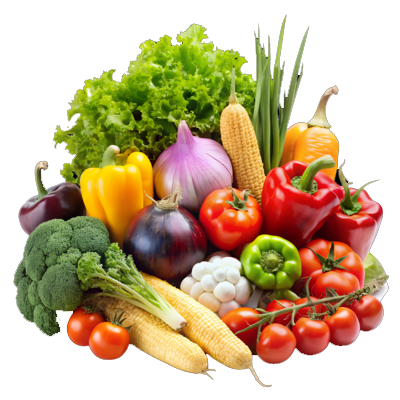
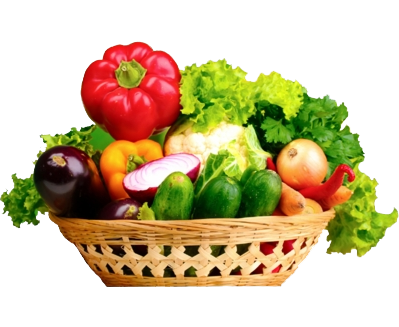
Across homes, hotels, mosques, and catering kitchens, Iftar tables are prepared daily with care. The quality of ingredients becomes more visible during this month than at any other time. Fresh vegetables for Iftar, ripe fruits, herbs, and grains are not just side components. They shape the experience.
For restaurant owners, hotel procurement managers, grocery buyers, and families, the question is not only what to cook. It is also:
- How to source consistently fresh produce
- How to manage seasonal price shifts
- Whether to choose local or imported items
- Where to buy fresh fruits in Dubai without compromising quality
This Dubai Ramadan food guide brings together culinary tradition and practical supply insight. It explains the best Iftar dishes in Dubai, while also addressing real sourcing concerns buyers face during peak Ramadan demand.
Understanding Iftar in Dubai’s Food Landscape
Iftar in Dubai reflects a blend of Emirati, Levantine, South Asian, and North African food traditions.
Unlike regular meals, Iftar follows a structured pattern:
- Break fast with dates and water
- Light starters such as soup or fruit
- Main dishes rich in grains, vegetables, and protein
- Fresh juices and desserts
This structure affects produce demand. Certain fruits and vegetables move faster during Ramadan:
- Cucumbers
- Tomatoes
- Lettuce
- Fresh herbs
- Watermelon
- Melons
- Citrus fruits
- Potatoes
- Eggplant
From a supply perspective, Ramadan coincides with late winter and early spring in the UAE. This is significant.
Why Seasonality Matters During Ramadan
Winter is peak harvest season for many vegetables in the UAE. Leafy greens, tomatoes, cucumbers, and root vegetables are widely available locally.
However:
- Some fruits remain imported
- Demand spikes sharply
- Hotels and catering contracts increase volume
- Retail shelves turn over faster
Buyers often assume Ramadan shortages are due to “lack of supply.” In reality, volatility usually comes from sudden demand concentration, logistics pressure, and quality grading differences.
Understanding this helps reduce panic buying and poor sourcing decisions.
The Best Iftar Dishes in Dubai (And Why Ingredients Matter)
Below are traditional and widely prepared Ramadan Iftar recipes in Dubai, examined from both a culinary and sourcing perspective.
1. Dates and Fresh Fruit Platters
Dates are the foundation of Iftar. Premium varieties such as Medjool and Khudri dominate the Dubai market.
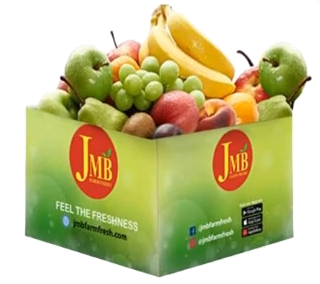
Alongside dates, fruit platters typically include:
- Watermelon
- Rock melon
- Pineapple
- Grapes
- Oranges
Common Buying Mistakes
- Purchasing overripe watermelon to reduce cost
- Mixing storage temperatures for tropical and temperate fruits
- Ignoring sugar development (Brix level) in melons
Fruit quality directly impacts perception. Soft grapes or watery melon can affect the entire Iftar impression in hospitality settings.
From a supply standpoint, fruit requires careful cold chain management. Even short exposure to heat during transport reduces shelf life significantly.
When buyers ask, “Where to buy fresh fruits in Dubai?” the better question is:
Who manages storage and turnover properly?
Wholesale sourcing often provides faster rotation compared to slow-moving retail shelves, but only when the distributor maintains strict grading standards.
2. Lentil Soup (Shorbat Adas)
Lentil soup remains one of the most popular Ramadan Iftar recipes in Dubai.
Key ingredients:
- Red lentils
- Onions
- Carrots
- Potatoes
- Garlic
- Lemon
Although lentils are imported, the vegetables are often locally sourced in winter.
Quality Insight
Carrots and potatoes seem basic, but grading matters:
- Uniform size reduces prep waste
- Firm texture prevents breakdown during cooking
- Clean skin reduces trimming losses
For catering companies, inconsistency in root vegetable sizing increases labor cost. That is rarely discussed in consumer articles, but it affects margins.
3. Fattoush and Fresh Salads
Fattoush, Arabic salad, and mixed greens are essential healthy Iftar meal ideas.
Ingredients include:
- Lettuce
- Tomatoes
- Cucumbers
- Radish
- Parsley
- Mint
- Lemon
This is where “farm fresh produce Dubai” becomes critical.
Leafy vegetables are highly perishable. During Ramadan:
- Prep volumes double
- Washing stations operate continuously
- Storage space becomes limited
If greens are already stressed from transport, they wilt within hours.
Buyers sometimes assume supermarket produce is safer because it looks polished. In reality, wholesale-sourced greens can be fresher if they move quickly from farm to kitchen.
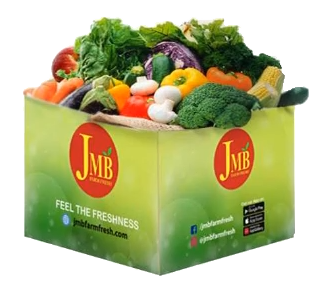
In practice, suppliers working closely with Dubai-based distributors such as JMB Farm Fresh often observe that buyers who plan weekly forecast volumes experience less spoilage than those who reorder daily in small emergency batches.
Planning, not just sourcing location, determines freshness.
4. Stuffed Vegetables (Mahshi)
Stuffed zucchini, bell peppers, and eggplant are staples in many Dubai households during Ramadan.
From a procurement view, this dish highlights grading issues.
What to Look For:
- Zucchini with consistent diameter
- Eggplant without internal browning
- Firm bell peppers with thick walls
Inconsistent sizing leads to uneven cooking. Thin-walled peppers collapse during baking. These are operational risks in catering environments.
Winter in the UAE supports good production of zucchini and eggplant. However, imported batches sometimes mix sizes. Buyers must specify grade standards clearly.
Healthy Iftar Meal Ideas: Balancing Tradition and Nutrition
Ramadan meals are often heavy. However, there is growing demand for lighter, balanced menus in Dubai.
Healthy Iftar meal ideas increasingly include:
- Grilled vegetables
- Quinoa salads
- Roasted sweet potatoes
- Fresh fruit bowls
- Light yogurt-based sauces
Health-focused hotels and catering services prioritize:
- Low oil usage
- Fresh herbs instead of heavy sauces
- High fiber vegetables
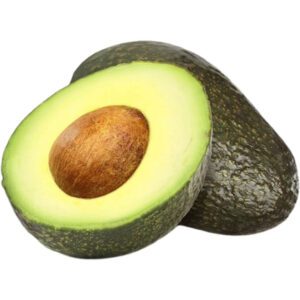
This trend affects produce demand. Sweet potatoes, avocados, and specialty greens have gained popularity.
Yet many buyers overlook seasonality. Avocados, for example, are almost entirely imported. Price and ripeness fluctuate significantly.
Understanding harvest windows helps avoid overpaying for off-season items.
Local vs Imported Produce During Ramadan
This remains one of the most debated topics in the Dubai Ramadan food guide space.
Local Produce (Winter Advantage)
Benefits:
- Shorter transport time
- Longer shelf life
- Lower carbon footprint
- Often better pricing in peak season
Limitations:
- Limited variety
- Production scale fluctuations
- Sensitive to sudden weather changes
Imported Produce
Benefits:
- Wider selection
- Year-round availability
- Specific premium varieties
Limitations:
- Higher transport cost
- Variable ripeness
- Greater exposure to supply chain delays
There is no single correct choice. Many professional kitchens combine both.
The key is understanding which vegetables are at seasonal peak locally (such as cucumbers and leafy greens in winter) and which fruits are consistently better imported.

Wholesale vs Retail: What Buyers Often Misunderstand
During Ramadan, conversations around produce sourcing become more urgent.
On forums and in hospitality groups, the same questions appear:
- Is wholesale quality lower than supermarket quality?
- Why do prices change weekly?
- Why does one batch last five days and another only two?
These are valid concerns. The confusion usually comes from not understanding how grading and distribution work in Dubai.
The Grading Reality
Wholesale markets typically categorize produce by grade:
- Grade A – uniform size, strong appearance, minimal defects
- Grade B – minor cosmetic issues, still safe and fresh
- Processing grade – suitable for bulk cooking, not display
Supermarkets mainly display Grade A. Wholesale buyers can access all grades.
For restaurants and catering kitchens, Grade B vegetables are often acceptable for soups, stews, or chopped dishes. The savings can be significant, but only if quality inspection is done carefully.
The risk appears when buyers assume “wholesale” means lower quality. In reality, wholesale simply offers broader grading options. Quality depends on the buyer’s specifications.
Why Do Ramadan Produce Prices Fluctuate?
Price volatility during Ramadan is frequently misunderstood.
It is rarely caused by manipulation. More often, it results from:
- Sudden spike in demand before sunset hours
- Shorter procurement windows
- Increased hospitality bookings
- Import container timing shifts
- Air freight constraints for certain fruits
For example:
- Leafy greens may rise in price due to heat exposure during transport.
- Berries can fluctuate based on air cargo schedules.
- Watermelon prices move quickly depending on shipment timing.
Buyers who commit to forecasted weekly volumes typically face fewer surprises than those who purchase reactively.
Planning reduces risk.
How to Judge Freshness Beyond Appearance
Shiny vegetables do not always mean fresh vegetables.
Many retail buyers rely on visual cues alone. Professionals look deeper.
For Leafy Greens:
- Check stem firmness
- Smell for sour odor
- Look for dehydration at leaf edges
For Cucumbers:
- Firm texture
- No soft spots
- Uniform color
For Tomatoes:
- Balanced ripeness (not too hard, not too soft)
- No internal bruising
For Root Vegetables:
- Weight relative to size
- No sprouting
- Clean skin without excessive cuts
During Ramadan, fast turnover is common. But fast turnover does not guarantee correct storage. Even high-demand products can deteriorate if cold chain breaks.
Understanding storage temperature ranges helps:
- Leafy greens: 0–5°C
- Citrus: 4–8°C
- Potatoes: 7–10°C (not refrigeration cold)
Improper storage shortens shelf life dramatically.
Common Mistakes Families Make During Ramadan
While businesses focus on volume, households face different challenges.
1. Overbuying Fresh Vegetables for Iftar
Excitement often leads to excess purchasing. By day four or five:
- Lettuce wilts
- Herbs blacken
- Cucumbers soften
Better practice:
Buy smaller quantities twice per week.
2. Storing All Produce Together
Fruits such as apples release ethylene gas. This speeds up ripening in nearby vegetables.
Keep fruits and greens separate.
3. Ignoring Seasonality
When consumers ask, “Where to buy fresh fruits in Dubai?” they often overlook what is in season.
Winter in the UAE supports:
- Tomatoes
- Cucumbers
- Eggplant
- Zucchini
- Leafy greens
Off-season tropical fruits may look appealing but can lack flavor and cost more.
Common Mistakes Businesses Make During Ramadan
Restaurants and catering companies face larger operational risks.
1. Not Locking in Volume Forecasts
Suppliers allocate based on projected demand. Buyers who provide early forecasts are prioritized in high-demand weeks.
Last-minute increases may result in substitute grades.
2. Mixing Too Many Suppliers
Price shopping daily across multiple vendors often creates inconsistency.
Different suppliers:
- Grade differently
- Store differently
- Source from different farms
This inconsistency affects taste and presentation.
3. Ignoring Trim Loss and Yield
A cheaper crate is not always cheaper in practice.
If 15% of tomatoes are damaged or undersized, actual usable yield drops. Over a month, this increases cost significantly.
Professionals calculate yield percentage, not just purchase price.
Farm Fresh Produce in Dubai: What Does It Really Mean?
“Farm fresh produce Dubai” is a widely used phrase.
But freshness is defined by time and handling, not marketing.
Key factors that determine freshness:
- Time between harvest and delivery
- Temperature control
- Handling during loading and unloading
- Storage rotation (FIFO – first in, first out)
In many cases, produce harvested within the UAE reaches kitchens within 24–48 hours. Imported items may take several days.
However, not all local farms have identical quality controls. Buyers should request information about:
- Harvest schedule
- Delivery frequency
- Cold storage capacity
Experienced distributors understand these operational details. The focus should always remain on process reliability rather than label claims.
Building a Smarter Dubai Ramadan Food Strategy
For procurement managers and food business owners, Ramadan requires structured planning.
A practical framework includes:
1. Menu Alignment with Seasonal Produce
Design Ramadan Iftar recipes Dubai kitchens can execute using ingredients that are:
- In seasonal peak
- Available in stable volumes
- Consistent in grade
Avoid building signature dishes around highly volatile imports.
2. Forecasting by Week, Not by Day
Demand patterns stabilize after the first week of Ramadan. Weekly forecasting reduces stress on supply chains.
3. Waste Monitoring
Track:
- Spoilage percentage
- Trim loss
- Storage life
Small improvements in handling can reduce waste significantly.
The Role of Established Distributors
Some UAE buyers prefer working with established wholesale produce providers rather than fragmented retail sourcing.
This approach offers:
- Centralized quality control
- Predictable grading
- Consistent communication
- Delivery scheduling
In Dubai’s fast-moving Ramadan environment, coordination often matters more than minor price differences.
Suppliers operating at scale, including companies such as JMB Farm Fresh Dubai, tend to emphasize grading transparency and storage management over promotional positioning. That operational focus is often what serious buyers value.
No supplier is perfect. But process discipline reduces surprises.
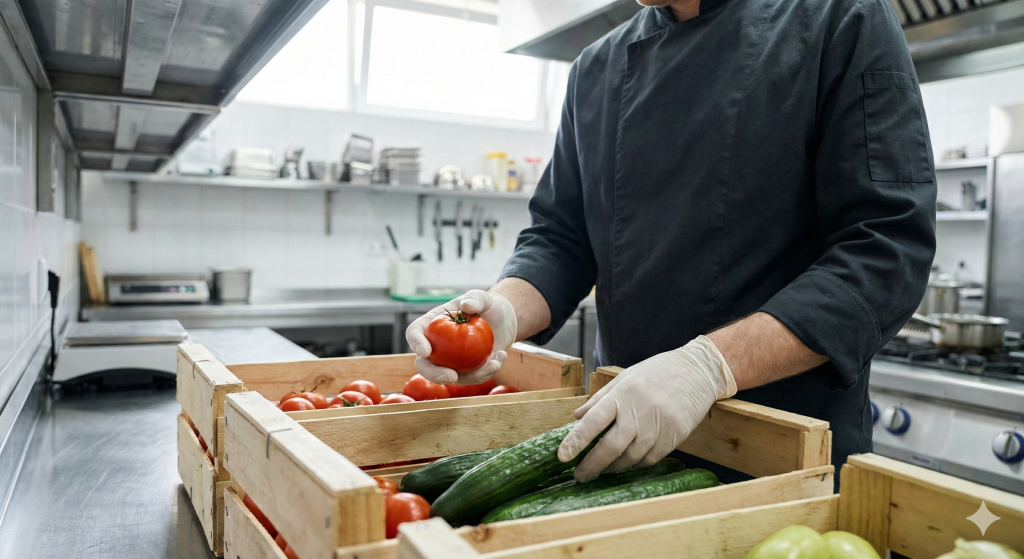
Strategic Produce Sourcing for Ramadan 2026 and Beyond
Dubai’s food supply chain continues to evolve.
Population growth, tourism expansion, and hospitality investments increase Ramadan demand each year. At the same time, climate variability and global logistics shifts influence availability.
For serious buyers, preparation now matters more than reactive buying later.
1. Climate Sensitivity and Local Harvest Risk
Winter is still the strongest season for UAE-grown vegetables. However:
- Temperature spikes can shorten harvest cycles
- Water availability affects crop sizing
- Greenhouse output can fluctuate
Diversifying between reliable local farms and trusted import channels reduces exposure to single-source risk.
2. Import Timing Awareness
Many fruits consumed during Ramadan — berries, apples, certain citrus varieties — are imported.
Shipping delays, port congestion, or air freight reductions can influence:
- Shelf life upon arrival
- Ripeness stage
- Price stability
Procurement teams that monitor shipment timing and arrival cycles can plan menu adjustments proactively.
3. Menu Flexibility as a Risk Strategy
One of the most practical strategies is controlled flexibility.
Instead of promising a single fruit variety throughout Ramadan, hospitality operators may define:
- “Seasonal fruit selection”
- “Chef’s market salad”
- “Rotating vegetable accompaniment”
This allows adaptation without compromising guest expectations.
Rigid menus increase procurement pressure. Flexible menus reduce operational stress.
Practical Checklist: Buying Fresh Vegetables for Iftar
Whether sourcing for a hotel buffet or a family table, a structured approach improves outcomes.
Before Buying
- Confirm expected usage volume
- Identify seasonal produce available locally
- Clarify grade requirements
During Inspection
- Check firmness and weight
- Inspect packaging condition
- Confirm harvest or packing date if available
After Delivery
- Store immediately at correct temperature
- Separate ethylene-producing fruits
- Rotate stock (use older inventory first)
These fundamentals prevent common spoilage issues during high-turnover Ramadan weeks.
Where to Buy Fresh Fruits in Dubai: A Practical View
This question is common, but the answer depends on the buyer’s needs.
For Households
- Supermarkets offer convenience and small quantities
- Traditional markets may offer better price flexibility
- Specialty stores provide premium imported fruits
For Businesses
- Wholesale distributors allow volume planning
- Centralized supply reduces coordination time
- Clear grading agreements improve consistency
The better question is not “where” but “how.”
How is the produce stored?
How often is stock rotated?
How transparent is the grading process?
These factors determine reliability more than location alone.
Balancing Cost, Quality, and Stability
In Ramadan, emotional purchasing can drive decisions.
But professional buyers evaluate three variables together:
- Cost per usable kilogram
- Consistency of grade
- Supply stability across 30 days
A slightly higher price from a stable supplier may reduce:
- Waste
- Labor sorting time
- Emergency reorders
Over a full month, these operational efficiencies often outweigh minor upfront savings.
A Calm Perspective on “Farm Fresh” Marketing
In Dubai’s competitive market, many businesses use the term “farm fresh produce Dubai.”
Serious buyers look beyond slogans.
They evaluate:
- Harvest frequency
- Cold storage investment
- Delivery reliability
- Forecast responsiveness
Freshness is operational discipline, not a label.
When distributors communicate clearly about grading and handling processes, trust develops naturally. That trust becomes particularly valuable during Ramadan, when daily performance matters.
Conclusion: The Real Meaning of the Best Iftar Dishes in Dubai
The best Iftar dishes in Dubai are not defined only by recipes.
They are defined by:
- Ingredient integrity
- Seasonal awareness
- Thoughtful sourcing
- Operational discipline
Lentil soup tastes different when carrots are sweet and firm. Fattoush changes when lettuce is crisp. Stuffed zucchini performs better when sizing is consistent.
Ramadan is a month of generosity and community. Behind every Iftar table stands a supply chain.
When buyers understand grading, seasonality, storage, and forecasting, they create meals that feel effortless — even when demand is high.
In the end, excellence in Ramadan Iftar recipes Dubai kitchens prepare each evening begins long before sunset. It begins with smart produce decisions.
Frequently Asked Questions
1. What are the best Iftar dishes in Dubai?
Popular options include dates and fruit platters, lentil soup, fattoush salad, stuffed vegetables, grilled meats, and light desserts. Fresh ingredients significantly influence flavor and presentation.
2. What vegetables are in season in the UAE during Ramadan?
Ramadan often falls in late winter or early spring, when tomatoes, cucumbers, zucchini, eggplant, leafy greens, and root vegetables are widely available locally.
3. How can I reduce spoilage of fresh vegetables for Iftar?
Store produce at correct temperatures, separate fruits from leafy greens, avoid overbuying, and rotate stock using a first-in, first-out system.
4. Is wholesale produce better than supermarket produce in Dubai?
Wholesale is not automatically better or worse. It offers broader grading options and volume control. Quality depends on supplier standards and inspection practices.
5. Why do fruit and vegetable prices rise during Ramadan?
Increased demand, logistics timing, import schedules, and storage constraints can cause short-term fluctuations, especially for imported fruits.








 Home
Home  Whishlist
  Compare
  Checkout