

















Introduction: Why Supplier Choice Matters More Than It First Appears
Supplier. In Dubai, fruits and vegetables move through a long and complex supply chain before they reach a kitchen, shelf, or dining table. Some travel thousands of kilometers. Others come from regional farms that operate on tight seasonal windows. Along the way, temperature control, handling practices, and timing make the difference between produce that performs well—and produce that quietly becomes waste.
For restaurant owners, hotel procurement teams, caterers, grocery buyers, and even large households, choosing the right fruit and vegetable supplier in Dubai is not just a purchasing decision. It affects food quality, menu consistency, cost control, and day-to-day operations.
This guide is written from an industry perspective, not a marketing one. It is designed to explain how produce sourcing actually works in Dubai, where buyers often get confused, and how to evaluate suppliers in practical terms—without hype or sales language.
Understanding the Dubai Produce Supply Landscape
Why Dubai Is Different From Other Markets
Dubai does not rely on a single model for fresh produce. Instead, it combines:
- Imports from multiple regions (Asia, Europe, Africa, and the Americas)
- Regional Gulf and Middle East sourcing
- Limited but growing local and hydroponic production
Because of this mix, availability changes quickly. A product that is abundant and affordable one month may be scarce the next—not because of demand, but because harvest cycles and shipping conditions shift.
For buyers new to the market, this can feel unpredictable. For experienced buyers, it is simply part of operating in a trade-driven food hub.
Wholesale vs Retail: A Common Source of Confusion
One of the most frequent misunderstandings is the idea that wholesale produce is lower quality than supermarket produce.
In practice, supermarkets and wholesale buyers often source from the same importers and farms. The difference is not the product itself, but:
- Sorting and grading standards
- Packaging and shelf-life expectations
- How quickly produce moves after arrival
Wholesale produce is typically selected for kitchens that will use it quickly. Retail produce is often packed for visual appeal and longer display time. Neither is inherently better—it depends on use case.
What “Fresh” Actually Means in Dubai
Freshness Is About Handling, Not Just Arrival Date
A crate of tomatoes that arrived three days ago but stayed within proper temperature ranges may outperform tomatoes harvested locally but mishandled during transport.
When evaluating a supplier, “fresh” should be understood as:
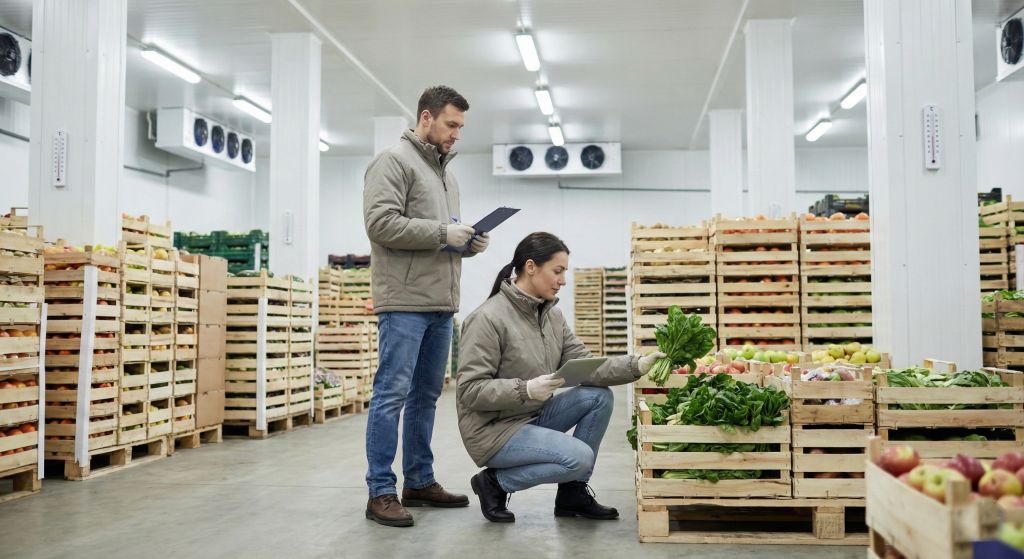
- Proper cold chain management
- Minimal handling between arrival and delivery
- Clear rotation of stock
Many buyers focus only on delivery day freshness and overlook what happens before the truck arrives.
Questions Experienced Buyers Ask (But Rarely Out Loud)
Instead of asking vague questions about quality, seasoned buyers tend to look for signs such as:
- How suppliers store mixed produce with different temperature needs
- Whether leafy greens are separated from ethylene-producing fruits
- How damaged or borderline produce is handled
Suppliers who manage these details consistently tend to deliver more reliable results over time.
Price Fluctuations: What Drives Them (And What Doesn’t)
Why Prices Change So Often
Produce pricing in Dubai is influenced by factors that buyers do not always see:
- Weather disruptions in exporting countries
- Shipping delays or container shortages
- Fuel and logistics costs
- Sudden changes in regional demand
A price increase is not always a margin decision. Often, it reflects real upstream pressure.
A Practical Way to Read Price Signals
Instead of reacting to every change, many businesses:
- Track average monthly costs rather than daily prices
- Adjust menus or purchase volumes seasonally
- Substitute similar produce during peak volatility
Suppliers who communicate early about expected shifts help buyers plan rather than react.
Local vs Imported Produce: A Balanced View
The Appeal of Local and Regional Produce
Locally grown and regional produce in the UAE often offers:
- Shorter supply chains
- Faster delivery from harvest to kitchen
- More predictable availability during peak seasons
This is especially true in winter, when certain vegetables thrive under controlled or regional growing conditions.
The Limits Buyers Should Understand
Local production still covers a limited range. Items such as apples, citrus varieties, and many berries remain import-dependent.
A practical sourcing strategy usually blends:
- Local or regional items where consistency is strong
- Imported produce where quality and variety justify the distance
Problems arise when buyers expect local supply to behave like large exporting countries with year-round output.
Common Mistakes Buyers Make Early On
Even experienced operators fall into patterns that create avoidable problems:
- Choosing suppliers based on price alone, then absorbing losses from spoilage
- Over-ordering during seasonal peaks, leading to waste
- Assuming consistency without confirming grading standards
- Switching suppliers too frequently, making quality tracking impossible
Most of these issues are not caused by bad suppliers, but by unclear expectations on both sides.
What Reliable Food Supply Partners Actually Provide
Beyond produce itself, established food supply partners in the UAE tend to offer:
- Predictable delivery windows
- Clear communication about shortages or substitutions
- Stable grading standards across weeks and months
In practice, buyers working with long-standing distributors—such as those familiar with the operating rhythms of Dubai’s wholesale markets—often experience fewer surprises over time. This consistency matters more than occasional price advantages.
How to Evaluate a Fruit and Vegetable Supplier in Dubai
Choosing a supplier is less about credentials and more about observing how they operate week after week. Many issues only surface after the first few deliveries, which is why evaluation should focus on systems, not promises.
Consistency Beats Perfection
No supplier delivers perfect produce every time. Weather, transport delays, and harvest variation make that unrealistic.
What matters more is:
- How consistent the quality is across deliveries
- Whether issues are acknowledged or ignored
- How quickly adjustments are made
A supplier who solves small problems early often prevents larger disruptions later.
Grading Standards Matter More Than Labels
Terms like “premium,” “A-grade,” or “export quality” are widely used, but not always defined the same way.
A practical approach is to ask:
- What size range is considered acceptable?
- How much cosmetic variation is normal?
- How are borderline items handled?
Clear grading standards reduce misunderstandings and make planning easier for kitchens and buyers.
The Role of Communication in Produce Sourcing
Why Silence Is a Red Flag
One of the most common frustrations among buyers is not poor quality—but lack of communication.
Late notice about shortages, substitutions, or delays creates operational stress, especially for restaurants and caterers working on tight schedules.
Reliable suppliers typically:
- Flag supply risks before they become problems
- Offer realistic alternatives rather than last-minute changes
- Explain why adjustments are needed
This transparency builds trust over time.
Forecasting Is Part of the Relationship
Good produce sourcing in Dubai is rarely transactional. It works best when suppliers understand:
- Weekly volume patterns
- Menu cycles or promotional periods
- Seasonal demand spikes
Sharing basic forecasts helps suppliers plan better—and often leads to more stable outcomes for buyers.
Winter Produce in the UAE: Opportunities and Risks
Why Winter Is Different
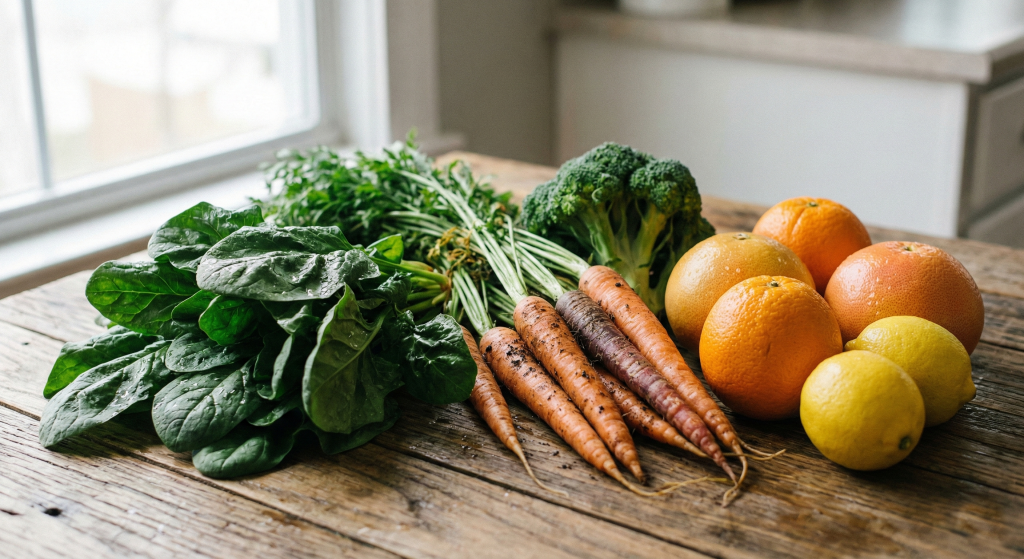
Winter is one of the most favorable seasons for fresh produce sourcing in the UAE. Regional growing conditions improve, transport stress decreases, and certain vegetables perform better in cooler temperatures.
Common winter strengths include:
- Leafy greens
- Root vegetables
- Citrus varieties
This period often brings better consistency and value—but only for products suited to the season.
Where Buyers Still Get Caught Off Guard
Despite better conditions, winter also introduces risks:
- Sudden demand spikes from hospitality events
- Overconfidence in availability leading to over-ordering
- Mixing seasonal and off-season expectations
Experienced buyers adjust volumes gradually rather than assuming winter guarantees stability across all items.
Wholesale Produce Sourcing: Benefits and Tradeoffs
Why Many Businesses Prefer Wholesale
Working with a wholesale produce supplier in the UAE often provides:
- Access to broader variety
- Better volume handling
- More predictable supply chains
For hotels, caterers, and multi-outlet operations, this structure supports scale.
Tradeoffs to Be Aware Of
Wholesale sourcing also comes with realities that buyers should understand:
- Less customization than retail picking
- Dependence on accurate forecasting
- Occasional variability within shipments
These are not flaws—but characteristics of a system designed for throughput rather than individual selection.
Real-World Scenario: A Catering Operation in Dubai
Consider a mid-sized catering company handling corporate events during peak season.
If they source produce from multiple retail outlets:
- Staff time increases
- Quality varies between purchases
- Pricing is inconsistent
When sourcing through a single wholesale produce supplier:
- Volumes can be planned in advance
- Quality expectations stabilize
- Waste becomes easier to track and reduce
The tradeoff is relying on one partner—which makes supplier evaluation even more important.
Local Market Knowledge Makes a Difference
Suppliers who operate daily within Dubai’s produce ecosystem understand:
- Which imports are likely to face delays
- How quickly prices may adjust
- When substitutions are genuinely equivalent
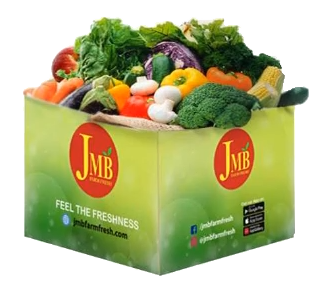
In practice, buyers working closely with Dubai-based distributors such as JMB Farm Fresh often observe that local market familiarity reduces surprises, especially during seasonal transitions.
This knowledge is difficult to replicate through fragmented sourcing.
Practical Signals of a Well-Run Supplier
Rather than relying on sales conversations, buyers often watch for small but telling details:
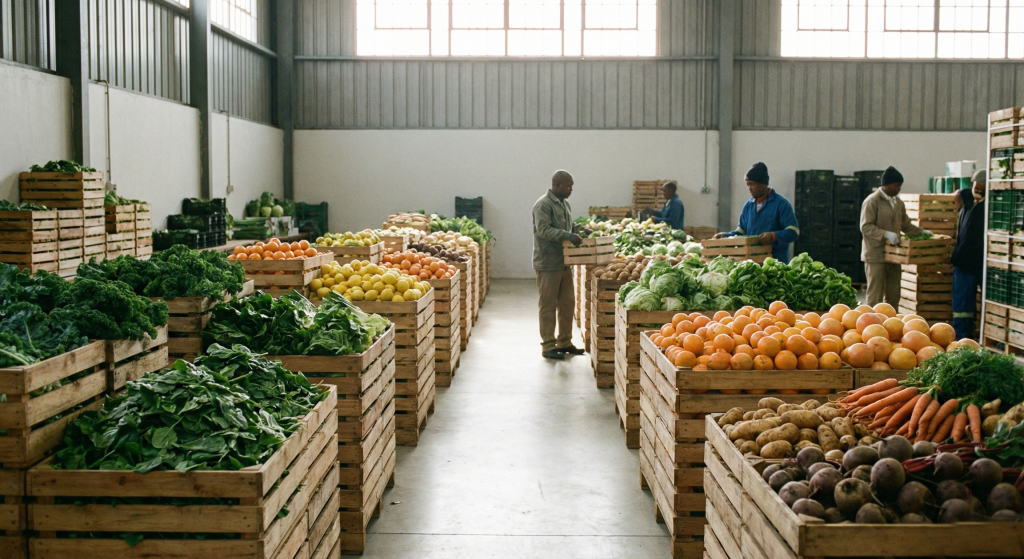
- Clean, organized storage facilities
- Clear labeling and separation of produce types
- Consistent delivery timing
- Willingness to explain sourcing decisions
These operational habits usually reflect deeper reliability.
Long-Term Supplier Relationships vs Short-Term Savings
Many buyers enter the market focused on securing the lowest possible price per kilogram. While cost control is important, experienced operators often learn that short-term savings can introduce long-term inefficiencies.
The Hidden Cost of Switching Too Often
Frequently changing fruit and vegetable suppliers in Dubai can lead to:
- Inconsistent grading and sizing
- Higher food waste during adjustment periods
- Time lost re-explaining requirements
- Difficulty identifying the source of recurring issues
Over time, these costs often outweigh small price differences.
Why Stability Improves Outcomes
Long-term supplier relationships allow both sides to:
- Align expectations around quality and handling
- Anticipate seasonal changes together
- Adjust volumes gradually rather than reactively
This does not mean accepting poor performance. It means evaluating suppliers over patterns, not isolated incidents.
Risk Awareness: What Buyers Should Monitor Regularly
Even with a reliable supplier, produce sourcing carries ongoing risks. Being aware of them helps buyers act early rather than absorb losses.
Key Risk Areas to Watch
- Temperature-sensitive items like berries and leafy greens
- Mixed-origin shipments where quality may vary within the same category
- Transit-heavy imports during weather disruptions
Buyers who review deliveries critically—but fairly—tend to reduce spoilage and disputes.
How Households and Small Buyers Can Apply the Same Principles
While much of this guide applies to businesses, families and small buyers in Dubai face similar challenges, just at a different scale.
Practical steps include:
- Buying seasonal produce rather than chasing year-round availability
- Understanding which items store well and which do not
- Observing consistency across vendors rather than judging one-off purchases
Wholesale markets and suppliers are not only for large businesses. When used thoughtfully, they can offer better value and freshness for informed household buyers as well.
A Note on Trust and Transparency
In produce sourcing, trust is built slowly and lost quickly. It is shaped less by marketing claims and more by daily decisions—how issues are handled, how clearly information is shared, and how aligned expectations remain over time.
The most reliable food supply partners in the UAE tend to operate quietly, focusing on execution rather than visibility. Buyers who recognize this often make more confident, informed sourcing decisions.
Conclusion: Choosing With Clarity, Not Assumptions
Selecting the right fruit and vegetable supplier in Dubai is not about finding a perfect provider. It is about finding one whose systems, communication style, and market understanding align with your needs.
By focusing on consistency, transparency, and seasonal awareness, buyers—whether businesses or households—can reduce waste, manage costs more effectively, and maintain dependable quality.
In a market as dynamic as Dubai’s, informed sourcing is less about control and more about partnership.
Frequently Asked Questions
1. Is wholesale produce lower quality than supermarket produce?
Not necessarily. The difference usually lies in grading, packaging, and intended use, not the source itself.
2. Why do fruit and vegetable prices change so often in Dubai?
Prices reflect weather, shipping conditions, fuel costs, and regional demand—not just supplier decisions.
3. Is local UAE produce always fresher than imports?
Local produce can be fresher for certain items, especially in winter, but availability and range remain limited.
4. How can buyers judge freshness without technical knowledge?
Look for handling quality, consistency across deliveries, and how suppliers manage storage and rotation.
5. Is working with one supplier risky?
It can be if performance is poor, but stable relationships often reduce operational risk when managed properly.








 Home
Home  Whishlist
  Compare
  Checkout