














Dubai is a city of contrasts: desert heat and lush indoor gardens, global tastes and local traditions, towering skyscrapers and bustling market lanes. One unexpected constant amid this cosmopolitan mix is the abundance and diversity of fruit. Whether you’re a resident seeking the best mangoes for summer, a visitor hunting for premium dates to take home, or a foodie curious about exotic imports, Dubai’s fruit scene offers something for every palate. This guide explores where to buy fruit, what to expect by season, how to choose and store produce in a hot climate, and some creative ways to enjoy fruits the Dubai way.
Where to Buy Fruits in Dubai: Markets, Supermarkets, and Specialty Stores
Fruits in Dubai are available across a spectrum of retail options, from large hypermarkets to humble roadside stalls. The major supermarket chains—Carrefour, Lulu Hypermarket, Spinneys, and Waitrose—provide reliable year-round selections with clear labeling and refrigerated displays. For curated, high-end choices, specialty shops like Bateel (famous for dates and premium gift boxes) and boutique greengrocers offer carefully selected seasonal fruit, organic options, and attractive gift packaging.
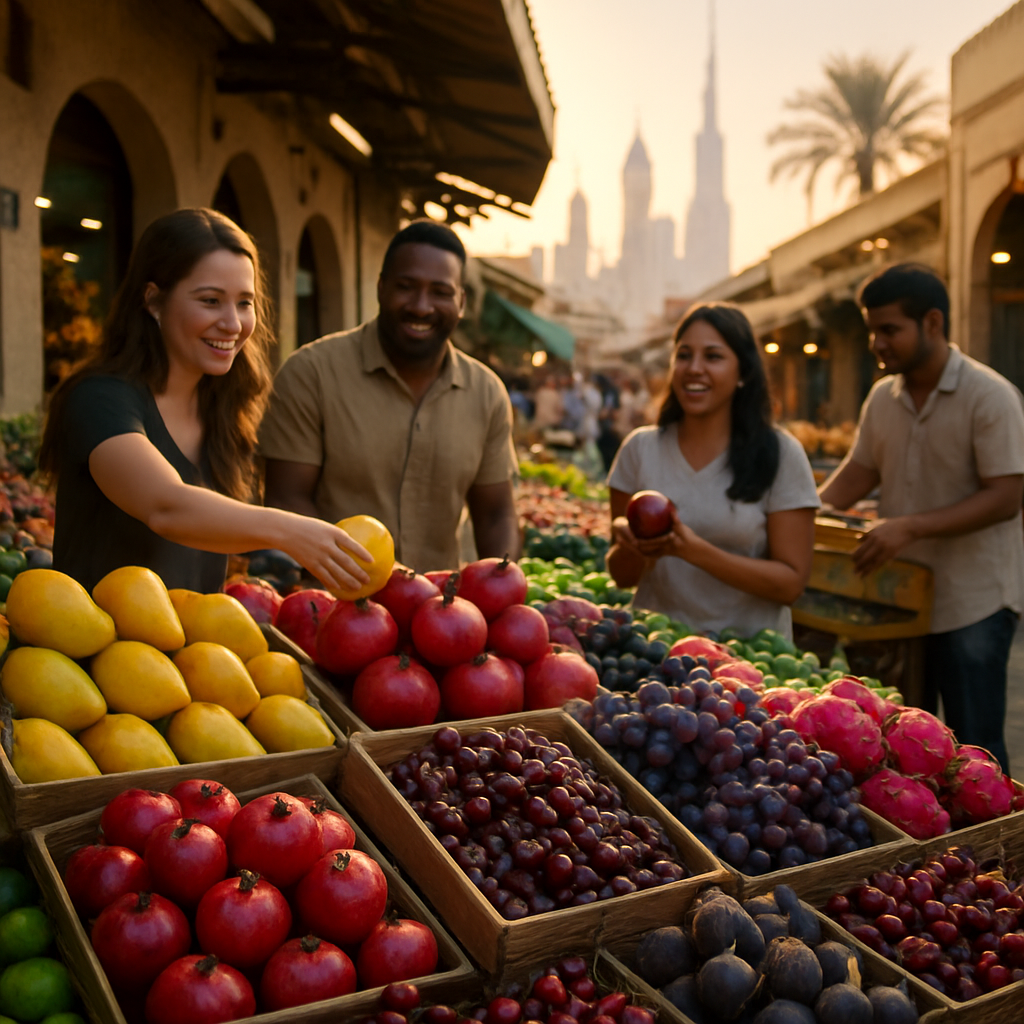
If you want an authentic market experience, head to Al Aweer Central Fruit and Vegetable Market. This wholesale and retail market operates early in the morning and is a hub for fresh arrivals from regional farms and international shipments. It’s ideal for bulk buyers or anyone looking for bargain prices on seasonal produce. Ripe Market, a weekend farmers’ market with multiple locations across Dubai, is the place to discover locally grown and organic produce, small-batch preserves, and artisanal fruit products—perfect for those who prefer to support local growers and sustainable practices.
Street Stalls and Neighborhood Greengrocers
Scattered around older neighborhoods such as Deira and Karama, small fruit stalls and greengrocers sell fresh fruit at competitive prices. These vendors often import directly from regional suppliers and rotate offerings based on weekly arrivals. The personal touch—vendors who know their products and can recommend the ripest choices—adds charm and practicality to the shopping experience.
Fruit Varieties Commonly Found in Dubai
Dubai’s fruit shelves are an international showcase. Local favorites coexist with seasonal imports from Asia, Africa, Europe, Australia, and the Americas. Here are some categories to expect:
Tropical and Subtropical Staples
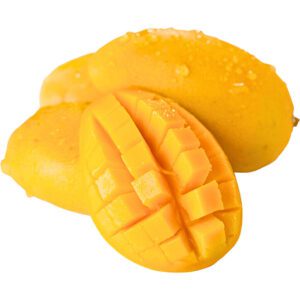
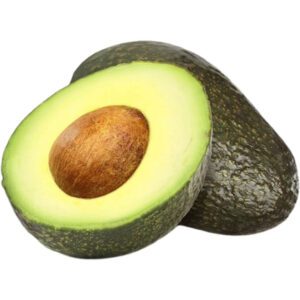
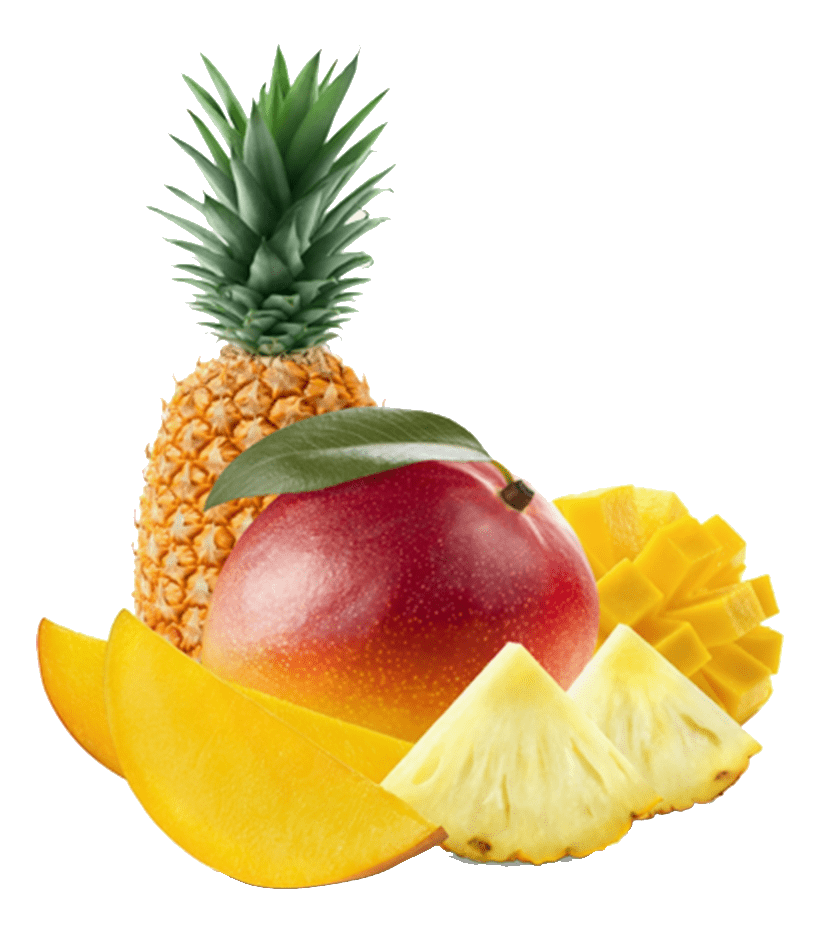
Mangoes, bananas, avocados, pineapples, and papayas are widely available. Indian and Pakistani mango varieties dominate during the hotter months (May–August), prized for their deep flavor and juicy flesh. Avocados have become a café staple, showing up in salads, toasts, and smoothies. Bananas, sourced from the Philippines, Ecuador, or India, remain a dependable, inexpensive option year-round.
Dates and Regional Delicacies
Dates are deeply embedded in Emirati culture. Varieties such as Medjool, Mabroom, Khidri, and Lulu are sold fresh or dried, plain or stuffed (chocolate, almonds, or even marzipan). Boutique stores like Bateel elevate dates into luxury gifts with elegant packaging—often a popular souvenir for visitors. During Ramadan, dates flood the market, reflecting their central role in iftar meals across the region.
Stone Fruits, Berries, and Temperate Favorites
Cherries, peaches, plums, and apricots are typically seasonal imports, arriving from Europe, Turkey, and the United States when in harvest. Berries—strawberries, blueberries, raspberries—are available but can be pricier; growers in nearby climates and cold-chain logistics ensure freshness during the Mediterranean and European seasons.
Exotics and Rare Imports
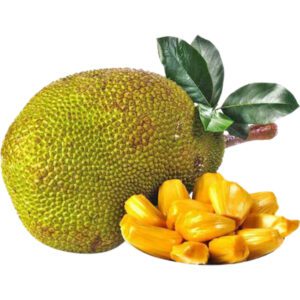
Dubai’s affluent market supports niche and exotic fruits: dragonfruit, lychee, rambutan, mangosteen, figs, and fresh durian in specialized markets. These often appear in luxury supermarkets and specialty importers, attracting adventurous eaters and chefs looking for unique textures and flavors.
Seasonality and Sourcing: What to Expect Throughout the Year
In a globalized market like Dubai’s, seasonality is softened by international imports, but certain windows still matter. Mango season peaks in summer (May–August) with lower prices and superior local varieties. Citrus fruits—mandarins, oranges, lemons—are abundant in cooler months from November through March. Dates have a harvest season and are most abundant in late summer and autumn, though dried and processed dates are available year-round.
Understanding sourcing helps you shop smarter. Many supermarkets label country of origin; premium stalls often display the farm or region. If buying fruit for flavor rather than appearance, ask vendors about harvest dates and storage conditions—freshly harvested fruit will nearly always taste better than something that’s been stored for weeks.
Organic and Sustainable Choices
Demand for organic fruit has been rising in Dubai. Organic produce can be found at Ripe Market, select supermarket chains, and specialist organic stores. While more expensive, organic fruit reduces exposure to synthetic pesticides and supports sustainable farming practices. If price is a concern, consider buying organic for fruits that are typically higher in pesticide residues and conventional for others.
How to Choose and Store Fruit in Dubai’s Climate
Heat and humidity can accelerate ripening and spoilage, so handling and storage are crucial. Follow these practical tips to get the best from your purchases:
Choosing Fruit
Look for color, aroma, and texture. For mangoes and peaches, a fragrant smell near the stem indicates ripeness; a little softness when gently pressed is a good sign. For apples and citrus, firm and heavy-for-size fruit usually indicates juiciness and freshness. Inspect for bruises or soft spots that suggest over-ripeness or poor handling.
Storing Fruit
Refrigeration is often your best friend. Berries, grapes, cherries, and cut fruit should be refrigerated immediately and consumed within a few days. Stone fruits and tropical fruits benefit from ripening at room temperature and then being transferred to the fridge to slow further ripening. Keep ethylene-producing fruits (bananas, apples, mangoes) separate from ethylene-sensitive produce (berries, leafy greens) to extend shelf life.
Transport and Handling
When shopping in summer, try to minimize time between purchase and refrigeration. Use insulated bags or coolers if you’ll be carrying fruit for long periods. For wholesale purchases at Al Aweer, consider early morning visits when temperatures are lower and produce is freshest.
Creative Ways to Enjoy Fruits in Dubai
Fruits can be integrated into everyday meals or used to create memorable dining experiences. Here are a few ideas that reflect Dubai’s culinary spirit.
Fruit Platters and Gifting
Fruit baskets and ornate platters are a popular gifting option in Dubai for corporate events, weddings, and Ramadan gatherings. Presentation is key: combine color, texture, and height—grapes cascading, mango slices fanned, dates in elegant bowls—to create a striking display. Premium options include dipped fruits, chocolate-covered dates, and handcrafted fruit arrangements.
Simple Recipes and Pairings
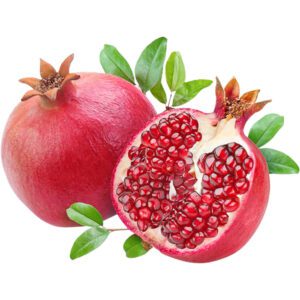
Try a date and almond smoothie to combine local flavors and quick nutrition: blend pitted Medjool dates, milk or almond milk, a handful of almonds, and a pinch of cinnamon. For a refreshing café-style drink, mix fresh mango, yogurt, a touch of honey, and ice for a mango lassi with a Middle Eastern twist. Fruit salads with pomegranate arils, orange segments, and mint make a bright, palate-cleansing side for heavier Middle Eastern dishes.
Using Fruits in Savory Dishes
Consider incorporating fruits into main courses: grilled peaches or figs with labneh and toasted pine nuts make an elegant mezze; mango salsa adds bright contrast to grilled fish or prawns; pomegranate molasses drizzled over roasted vegetables introduces complex sweet-tart notes.
Shopping Smart: Budgeting and Bargains
Prices fluctuate based on season, origin, and retailer. Buying in season—mangoes in summer, citrus in winter—yields the best value. Bulk purchases at Al Aweer can be economical if you have storage space or are hosting an event. Weekly farmers’ markets sometimes offer package deals, and supermarket loyalty programs often give discounts on produce. For the occasional splurge, specialty stores provide rare fruits and premium packaging suitable for gifts.
Dubai’s fruit landscape is a testament to the city’s global connections: the freshest regional produce sits alongside exotic imports from far-flung farms, while local markets and boutique sellers maintain a personal, flavor-driven approach to selection. With a little knowledge about seasonality, storage, and sourcing, you can enjoy the best fruits Dubai has to offer year-round, transforming simple purchases into memorable meals, thoughtful gifts, and healthy habits.








 Home
Home  Whishlist
  Compare
  Checkout